
Introduction
Tulle tutus have become synonymous with elegance and performance, embodying the artistry of dance while making bold statements in fashion. For business owners, understanding the diverse styles and applications of tulle tutus can open new avenues for product lines, marketing strategies, and customer engagement. This article delves into the various types of tulle tutus, from the classical designs rooted in ballet to modern interpretations for fashion and everyday wear. Each chapter will provide insights that cumulatively enhance your knowledge of the tutu’s significance, ideal for expanding your business offerings or integrating tutus into your brand.
Tables of Contents
Chapter 1: Crafting the Classical Tulle Tutu: An Intricate Dance of Design and Functionality
- Unveiling the Structural Mastery of the Classical Tulle Tutu in Ballet Performance
- Classical Tulle Tutu: A Reflection of Cultural Heritage and Artistic Evolution
Chapter 1: Crafting the Classical Tulle Tutu: An Intricate Dance of Design and Functionality
1. Unveiling the Structural Mastery of the Classical Tulle Tutu in Ballet Performance
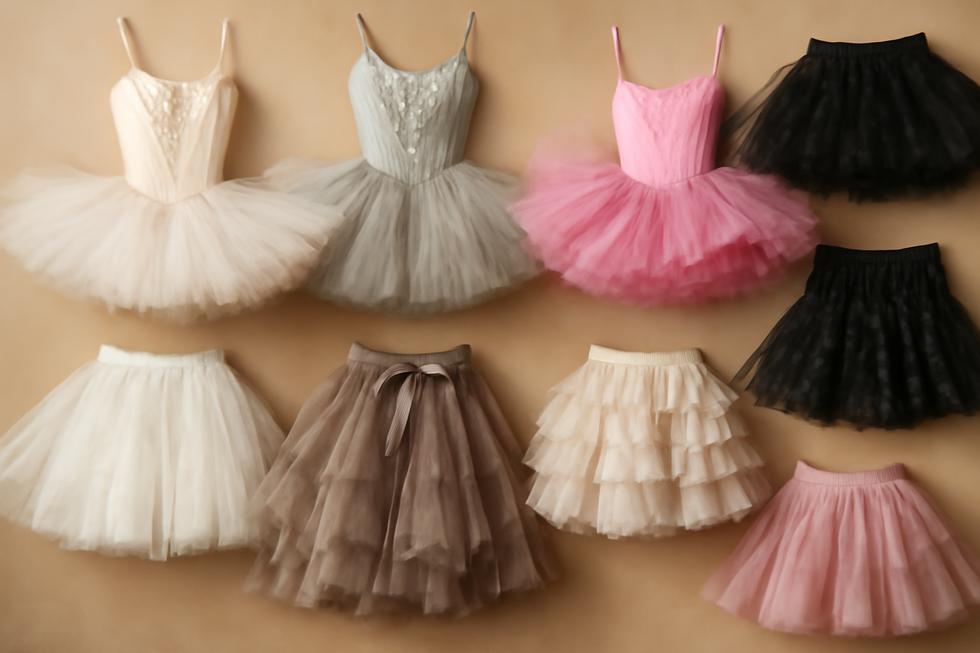
The classical tulle tutu, often recognized by its unique structure and ethereal presence, is a carefully crafted garment comprising several essential components that collectively create a stunning visual effect essential for ballet performances. At the heart of this design is the bodice, which is not only decorative but also serves as an anchor for the tutu, providing necessary support and stability. This bodice typically incorporates boning and is stitched to a strong inner lining such as muslin, ensuring that it remains secure during high-energy dance movements.
Integral to the tutu’s fit is the waistband or corset, which features a secure hook-and-eye system for perfect alignment with the dancer’s physique. This reinforced waistband effectively transfers the weight of the skirt, allowing for freedom of movement while remaining stable. Beneath the delicate tulle layers lies the basque or canvas plate, a critical support structure that maintains the tutu’s flat profile and prevents distortion as the dancer moves.
The skirt itself, constructed from numerous layers of tulle, is painstakingly gathered and attached to either the basque or a crinoline waistband. This construction method not only enhances the tutu’s volume but also shapes its iconic horizontal silhouette. Ultimately, the interplay of these components—the bodice, waistband, basque, and the tulle layers—culminates in the striking and timeless aesthetic associated with classical ballet tutus, showcasing the significant artistry and technical skill required to create such a fundamental piece of dancewear.
2. Classical Tulle Tutu: A Reflection of Cultural Heritage and Artistic Evolution
The classical tulle tutu has long served as a hallmark of ballet, embodying the transformative journey of this art form since the early 19th century. This skirt, primarily constructed from airy layers of tulle, not only enhances the dancer’s grace but also signifies a shifting aesthetic that marked the onset of the Romantic era. With the introduction of lightweight, ethereal fabric, the classical tutu enabled a level of movement and expression that was previously unattainable, visually elongating the legs and captivating audiences with a sense of enchantment.
The cultural significance of the classical tutu is rooted deeply in the evolution of ballet itself. Transitioning from the cumbersome garments of the Restoration period, the tutu allowed dancers to convey emotion while executing complex footwork, as seen in iconic ballets such as La Sylphide and Giselle. Designers like Eugène Lami and Paul Lormier meticulously crafted this style, elevating it into a symbol of refinement and aspiration in the ballet world.
Distinct variations exist, including the Romantic tutu, known for its graceful flow and classical tutu, which features a shorter, stiffer design that has become a staple in ballet performances. This juxtaposition of styles underscores the tutu’s versatility and its enduring role in both traditional and contemporary ballet. Today, the tutu continues to be celebrated not only as a costume but as a vital thread in the fabric of cultural heritage, reminding audiences of the artistry, craftsmanship, and history behind every dance.
Final thoughts
Tulle tutus embody a rich legacy in both performance and fashion arenas, offering diverse opportunities for growth in business. From classical ballet tutus that symbolize tradition to modern interpretations employed in casual wear, understanding these variations equips business owners with valuable insights. Embracing the creativity behind tulle tutus can enhance product lines, appeal to a wider audience, and ultimately lead to success in the competitive markets of dancewear and fashionable attire.
Elevate your dance with premium, comfortable balletwear from luneballet.com! Designed for grace and performance, our pieces blend quality fabrics and timeless style. Whether you’re a beginner or a pro, shop now to find your perfect fit—step into confidence, express your art, and shine on stage. Explore our collection today!
About us
At luneballet.com, we’re passionate about crafting exceptional balletwear for dancers of all levels. With a focus on quality, comfort, and elegant design, we produce pieces that support movement and inspire confidence. Our mission is to provide reliable, stylish dancewear that helps you embrace your passion and perform at your best.