
Introduction
In the world of ballet, the elegance of a tutu is as crucial as the performance itself. Business owners in the dance sector must understand the importance of specialized storage solutions like tutu hangers. These hangers not only maintain the structure and shape of delicate ballet tutus but also promote air circulation, which is vital for the longevity of the garments. This article will delve into the significance of tutu hangers, explore their technical design features, and provide a comparative analysis with traditional hangers. By the end, dance studio owners will appreciate how investing in these hangers can enhance costume care, reduce damage, and ultimately support the artistry of ballet.
Tables of Contents
Chapter 1: The Significance of Tutu Hangers in Ballet: Preserving Elegance and Integrity
- The Essential Function of Tutu Hangers: Safeguarding Delicate Structures for Timeless Grace
- Cost-Efficient Solutions for Ballet Costume Care: The Economic Value of Tutu Hangers
- Cultural Heritage and Community Ties: How Proper Tutu Storage Shapes a Dance Legacy
Chapter 2: Innovative Engineering Principles Behind Tutu Hangers for Ballet Costume Preservation
- The Art of Balance: Achieving Stability and Weight Distribution in Tutu Hanger Design
- Integrating Accessories for Superior Organization in Tutu Hang Storage Solutions
- Enhancing Storage Efficiency: Visibility and Accessibility in Tutu Hangers
Chapter 3: The Essential Role of Tutu Hangers in Ballet Costume Care
- Revolutionizing Ballet Attire Preservation: The Superiority of Tutu Hangers
- Economic Insights and Market Dynamics: The Case for Tutu Hangers
- Cultural Insights: The Valuation of Tutu Hangers Over Traditional Garments
Chapter 1: The Significance of Tutu Hangers in Ballet: Preserving Elegance and Integrity
1. The Essential Function of Tutu Hangers: Safeguarding Delicate Structures for Timeless Grace
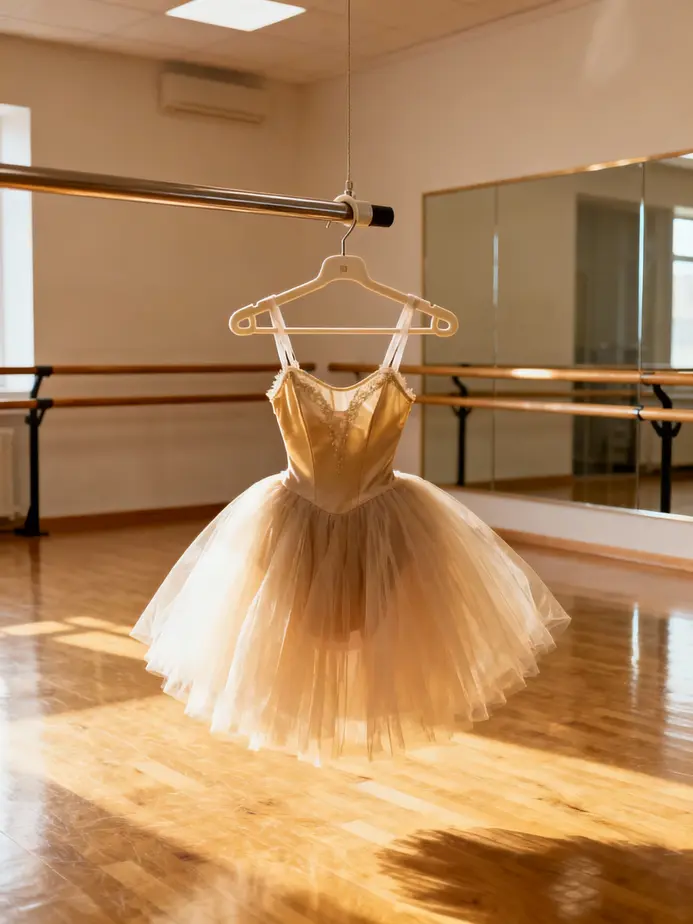
Tutu hangers, particularly wide padded models, are crucial in maintaining the shape and integrity of ballet tutus. These specialized hangers are designed to support the delicate structures of tutus, ensuring that the bodice and skirt layers remain flawless during storage. The unique construction of tutu hangers helps prevent distortion, thereby preserving the garment’s elegance over time. Given the intricate design elements of tutus—such as tulle layers, internal boning, foam rings, and wire reinforcements—proper storage is essential for ballet dancers who rely on these costumes for their performances.
When dancers finish a rehearsal or performance, it is important to hang their tutus immediately on wide padded hangers. This practice ensures that the garments have a chance to air out and retain their intended shape. Climate-controlled environments further enhance the longevity of these treasured costumes. The risk posed by less suitable storage methods—such as folding or cramming tutus into plastic bags—should not be underestimated. These approaches can lead to unwanted creases or even damage to glued seams and structural support elements, critically compromising the tutu’s appearance and performance readiness.
The significance of using padded designs cannot be overstated. Unlike standard plastic or skinny hangers, wide padded types distribute the weight of the tutu evenly across the waistband and bodice, effectively eliminating creases and enhancing the garment’s durability. Moreover, the soft grip prevents slipping, which is paramount for maintaining the tutu’s shape, especially for more complex styles like pancake, bell, or platter tutus. Each design has its specific needs, yet they all benefit from the stability offered by these hangers. Uniformity in maintaining shape aids dancers’ performances, dramatically impacting first impressions during competitions and showcases.
An additional technique that ballet schools and studios emphasize is proper use: ensuring that tutus are not merely tossed onto a hanger, but rather gently placed to maintain their structural integrity. The nuances in handling tutus—such as ensuring that layers are not twisted or bunched—are foundational to their appearance on stage. The investment in a quality tutu hanger ultimately pays dividends by extending the life of a gown that may have taken hours or days to create, representing important artistic expression.
Supporting garment integrity also means considering the climate in which tutus are stored. Proper ventilation is crucial to prevent moisture buildup, which can prompt deterioration over time. Dancers who transport their costumes frequently may benefit from breathable garment covers in addition to the hangers. The combination of using hangers and climate-appropriate storage practices ensures that tutus stay pristine and ready for performance.
Moreover, tutus are often adorned with embellishments such as sequins, embroidery, or intricate beading, adding an additional layer of care requirement during storage. The gentle support provided by padded hangers ensures that these delicate additions are not crushed or damaged. A violated tutu—a garment that has lost its ability to hold shape due to improper storage—can lead to frustration and disappointment at a time when appearance is paramount.
Much like a fine art piece, a ballet tutu is a representation of both skill and artistry. The choice of hanger reflects on the dancer’s respect for their craft, with wider, padded options presenting an opportunity to honor the artistic and financial investment made in creating the work. For schools or studios with numerous tutus, standardized hanger options can save time and effort in maintaining an organized costume area, ultimately leading to a more efficient preparation routine.
As ballet performers often wear the same costumes multiple times but require them to look and feel fresh each day, they benefit significantly from the maintenance offered by these dedicated hangers. With a proper regime of care and storage, the dancer can focus on their art rather than being preoccupied by the condition of their costumes. Every detail matters in ballet; each tutu must be a pure expression of beauty and capability without the backdrop of concern over its physical state.
In conclusion, the role of tutu hangers transcends the mere act of hanging garments; they are instrumental in preserving the elegance and integrity that ballet tutus embody. Proper usage assures that these delicate costumes are treated with the reverence they deserve, leading to results that resonate on stage. Investing in high-quality tutu hangers is essential for all ballerinas, as it fortifies the longevity of their costumes and elevates their performance quality. Well-maintained tutus lead to captivating performances, and tutu hangers are at the heart of this critical maintenance practice, ensuring that every pirouette and grand jeté can be performed with total confidence and grace. For those seeking the best in ballet fashion, the continual partnership of hangers and care manifests in the stunning visual stories told on stage, allowing audiences to be mesmerized by the art of dance.
2. Cost-Efficient Solutions for Ballet Costume Care: The Economic Value of Tutu Hangers
When examining the role of tutu hangers in preserving the integrity of ballet costumes, it’s crucial to consider the economic benefits they provide as well. Investing in quality tutu hangers is not merely a matter of convenience; it’s a strategic decision that can save money in the long run. Ballet tutus, often crafted with delicate fabrics and intricate designs, require careful handling to maintain their shape and longevity. A tutu hanger gives dancers and studios the tools to achieve this with efficiency, ensuring that costumes remain in pristine condition for performances and practices alike.
The longevity of a ballet tutu directly correlates to the financial implications of its preservation. Ballet costumes can range from a few hundred to several thousand dollars, depending on the materials used and the craftsmanship involved. For a professional dancer or a dance studio, having to replace costumes frequently due to inadequate storage can lead to substantial financial losses. Tutu hangers support this essential storage role; they do not simply prevent minor creases or wrinkles, but they also actively maintain the ideal shape of the tutu. By allowing air to circulate around the bodice and skirt, they prevent the damaging effects of moisture and mildew, which can not only compromise the fabric but also result in a costly need to replace or repair the costume.
From an economic perspective, the cost of a tutu hanger is a minimal outlay compared to the potential expense of replacing an entire garment. The initial investment in quality hangers can result in significant savings over time, particularly in a professional environment where costumes are frequently used and need to maintain their beauty and form for performances. Considering factors such as the frequency of usage, studio rehearsals, and stage shows, the need for durable and dependable storage solutions becomes clear.
Another layer to this economic argument lies in the role of tutu hangers in enhancing the efficiency of a dance studio’s operations. Properly stored tutus reduce the time spent preparing costumes for use. When dancers know their attire is well cared for, they can focus more energy on rehearsing and perfecting their performances rather than worrying about their costumes’ condition. This can lead to an overall increase in productivity within the studio environment, where every minute counts as dancers prepare for recitals or competitions.
Additionally, considering the broader context of ballet and dance education, the value of tutu hangers extends beyond financial metrics. When studios foster a culture of respect and care for costumes, they also teach students important lessons about responsibility and professionalism. A nurturing environment emphasizes the significance of longevity in their craft, encouraging young dancers to appreciate the artistry involved in ballet costumes and the craftsmanship that goes into making them.
In terms of product value, tutu hangers may vary in price, but investing in a high-quality option typically pays off. Studios or individual dancers are likely to find that a well-designed hanger crafted to support the unique shape of a tutu offers superior protection compared to cheap alternatives. The structural integrity of the hanger is key; it must be resilient enough to bear the weight of the skirt while also being gentle on the bodice.
Moreover, the market for ballet accessories has evolved, with specialized manufacturers recognizing the niche need for tutu hangers. This has led to a variety of options in design and material, ensuring that customers can choose models that suit their specific requirements—be they for professional or educational uses. This competitive environment not only leads to innovation in design but also often drives down prices, making quality products more accessible.
Importantly, consideration for packaging and storage methodologies in the dance world should not be overlooked; many dance studios now integrate tutu hangers with costume care routines, emphasizing maintenance practices during lessons and classes. This kind of alignment between education and practical knowledge reinforces dancers’ understanding of their gear and how to keep it in optimal shape.
As we compile all of these factors, the conclusion is compelling: investing in tutu hangers is a strategic move not only from a preservation standpoint but also as a means of securing economic advantages. The embrace of proper handling and storage practices resonates through financial prudence while nurturing a deeper appreciation for ballet’s artistry.
In light of these considerations, it is evident that adopting tutu hangers should be a priority for dancers and studios alike, marking a balance of care, efficiency, and sustainability in the world of ballet. By bridging the gap between performance and preservation, tutu hangers play a vital role beyond mere functionality; they embody a commitment to artistry and longevity that is essential in the dance community.
Ultimately, ballet is not only an art form but also a community, and how it cares for its garments reflects on its values. By ensuring that costumes are well-stored and maintained, studios project professionalism and a dedication to their craft that will resonate with both dancers and audiences. The economic implications of tutu hangers, therefore, stretch beyond costs; they embody the principles of sustainability, care, and quality that every studio should prioritize. For studios seeking efficient storage solutions for their garments, understanding the performance benefits of quality tutu hangers can lead to a brighter financial future. Explore options at specialized retailers to find the right accessory that strikes the perfect balance between functional performance and artistic integrity.
3. Cultural Heritage and Community Ties: How Proper Tutu Storage Shapes a Dance Legacy
Ballet, often described as a near-sacred art form, serves as a vital conduit for cultural expression, community bonding, and the preservation of traditions that echo through generations. At the heart of this practice lies the proper storage and care of ballet tutus, which are more than mere costumes; they are vessels of history and culture that connect dancers to their lineage. When treated with respect and care, tutus not only remain aesthetically pleasing but also uphold the stories and craftsmanship that define ballet as an art form. The societal implications of managing these garments extend far beyond aesthetics, playing a significant role in ensuring the longevity of ballet’s cultural heritage.
In dance communities, tutus signify more than the performance arts; they embody the values of dedication and artistry. By investing in specialized tutu hangers, dancers and their families recognize the importance of maintaining these iconic pieces. Tutu hangers provide the necessary support to ensure that the garments retain their distinctive silhouettes, facilitating proper airflow and minimizing damage. The detailed craftsmanship of sequined and layered tutus deserves protection, and established storage methods ensure that such delicate designs continue to inspire future generations.
Key Preservation Techniques for Cultural Continuity
In addition to the appropriate use of tutu hangers, safeguarding tutus requires an understanding of preservation techniques that extend their life. Methods such as using acid-free muslin heirloom preservation bags paired with these specialized hangers help protect the garments from dust, light, and acid damage. This approach is particularly beneficial for sequined tutus, where the glimmer of the embellishments signifies the hard work and creativity of both the designers and dancers. This process of preservation transforms a standard garment into a piece of history, ready to be handed down as an heirloom that educates younger dancers about their cultural lineage.
Furthermore, proper drying techniques contribute significantly to tutu longevity. After hand washing, drying tutus in the shade avoids the risk of bleach and machine dryers, which can warp the garment’s shape and damage delicate embellishments. This attention to detail fosters an appreciation for the artistry involved not only in dance but also in the garments that dancers wear.
The Societal Ripple Effects of Tutu Care
Preserving tutus goes beyond individual practice; it encompasses significant societal benefits. As dance troupes and families make a conscious effort to maintain these costumes, they contribute to environmental sustainability in the performing arts. By extending the life of often-expensive tutus, they minimize waste and unnecessary costs associated with costume replacements. This initiative promotes a cyclical notion of sustainability, where passed-down pieces honor environmental stewardship while also sustaining the tradition of ballet.
Moreover, well-preserved tutus play a pivotal role in fostering intergenerational connections within dance communities. When young dancers are given the chance to wear tutus with history—garments once donned by their mothers or grandmothers—they deepen their connection to the art form. This practice reinforces ballet’s role as a vessel for cultural identity and provides an opportunity for the transmission of skills and techniques that are foundational in ballet training. Dancers gain insights into the evolution of ballet, a dance form that continuously evolves yet remains grounded in its heritage.
As with the preservation of wedding dresses, which symbolize love and commitment, the methods used for tutu care echo similar sentiments. These guidelines remind us of the sentimental value found in garments worn during defining moments. A well-cared tutu can evoke memories of a child’s first performance or an inspiring dance night that left an indelible mark on a dancer’s journey.
Connecting at a deeper level, the act of preserving-ballet tutus serves as a metaphor for the dance community as a whole. Ballet encompasses a collaborative spirit, with each dancer, choreographer, and costume designer playing a crucial part in the creation and continuation of this art form. By caring for tutus, dancers contribute to that narrative, emphasizing how costumes serve to knit the fabric of a community closer together. They underline a shared commitment to not only uphold the aesthetics of ballet but also to cultivate relationships built on camaraderie and a shared passion for the dance.
Ultimately, embracing the principles of proper tutu care is a commitment that transcends the physical preservation of garments. It is about fostering continuity in cultural heritage, ensuring that each piece of history remains vibrant and resonates with future generations. Just as ballet itself is an intertwining dance of the past and present, the inspired act of tutu storage exemplifies how today’s dancers hold the future of ballet in their hands. Through respectful practices, communities can cultivate an appreciation for the art form, reinforcing its relevance and importance for generations yet to come.
As ballet evolves and faces the pressures of modernity, the consciousness surrounding its costumes, especially tutus, remains a critical element in the sustained affection and vibrancy of the art form. Just as tutu hangers empower dancers to care for their costumes, their implications stretch into community practices aimed at preserving a significant cultural legacy, ensuring that ballet remains a cherished part of our societal tapestry well into the future.
Chapter 2: Innovative Engineering Principles Behind Tutu Hangers for Ballet Costume Preservation
1. The Art of Balance: Achieving Stability and Weight Distribution in Tutu Hanger Design
The intricate design of tutu hangers embodies an artful blend of stability and weight distribution, essential for effectively storing the delicate structures of ballet tutus. As custodians of such essential garments in the ballet world, the technicalities behind these specialized hangers become paramount. Understanding the relationships between material choices, engineering concepts, and the physical properties of the tutus they hold allows us to appreciate how these hangers function not just as storage solutions, but as instruments of preservation.
Heavy Bases and Stability
One of the standout features of tutu hangers is their heavy bases, typically constructed from heavy-duty steel. Weighing approximately 23 lbs, these bases contribute to a low center of gravity which is critical for stability. This is an effective strategy widely used in various applications, from microphone stands to specialized sports equipment, where maintaining a solid foothold is vital, especially in unpredictable environments. The incorporation of large suction cups enhances this stability further, attaching firmly to surfaces and ensuring that the hangers do not tip, even when bearing the uneven weight distribution of voluminous ballet skirts. This design consideration enables dancers and costume managers alike to trust that their cherished tutus will remain upright during storage.
Principles of Weight Distribution
Delving deeper into the mechanics of tutu hangers, we find that their design fundamentally mirrors the physics of balance. The low center-of-gravity concept is instrumental here, often facilitated by additional counterweights when hangers are utilized in less stable settings. For instance, counterweights that mimic a six-pound load are strategically placed to counterbalance the loads typically encountered in dance studios or backstage environments. Such engineering techniques that align with those used in beam clamps and other support systems help ensure that weight is distributed evenly across the hanger’s frame, minimizing the risk of sway or collapse while safeguarding the subtle shapes of tutus.
Material Integrity and Load Capacity
When it comes to the materials used, cold-rolled steel provides the necessary robustness required for a tutu hanger. These hangers can support substantial loads, particularly in wall-mounted configurations, withstanding weights upwards of 130 lbs. The distribution of this weight is crucial, as it prevents the potential sway of lighter attire—like tutus, which may have a tendency to droop or lose their shape if not handled properly. By evenly dispersing the stress across the structure, tutu hangers shield these beautiful garments from the harsh reality of gravity, preserving their signature silhouette over prolonged periods.
Engineering Analogies
The engineering analogies continue, revealing how concepts from other domains can effectively inform the design of tutu hangers. Beam clamps, for example, illustrate the importance of adaptability in supporting various weights. By employing similar mechanisms in tutu hanger designs, it becomes possible to maintain stability under diverse loads, crucial in settings like busy rehearsal spaces where numerous costumes might be stored simultaneously. The amalgamation of principles from diverse engineering fields advocates for a more thorough understanding of balance and stability in specialized garment storage.
Portable and Lightweight Innovations
For those who require more portable solutions, mini designs of tutu hangers exemplify a new direction in this storage solution’s evolution. Here, materials like carbon fiber come into play, creating a sturdy yet lightweight base that can stabilize despite its small footprint. This allows for flexible storage options, which is especially beneficial in mobile settings such as competitions or performances. With the ability to support loads of up to 10 kg, these portable versions maintain balance thanks to their wide, low-profile feet and specialized ball-head joints, which cater to offset weights with grace and stability.
Suspended Solutions and Tension Stability
Another fascinating aspect lies in the use of suspended systems for tutu display. Employing low-stretch kernmantle ropes, as seen in expert rigging practices, guarantees tension stability. These ropes minimize sagging during setup and transport, ensuring that tutus remain impeccably showcased. Avoiding the pitfalls of stretch not only preserves the appearance of the tutus but also enhances their lifeline, facilitating an approach to costume maintenance that is proactive rather than reactive.
Limitations and Considerations
While this exploration celebrates the intricacies of tutu hanger design, it’s worth noting certain limitations. The research surrounding specialized tutu hangers lacks direct references to patents or specific engineering specifications. Much of the insights drawn on stability and weight distribution are based on analogies and inferred knowledge from related devices. This fact serves as a reminder that while design principles can guide innovation, validating those principles within the specific context of tutu hangers remains an evolving endeavor.
In summary, the technical design features of tutu hangers merge engineering principles with a deep understanding of ballet costume maintenance. By recognizing the importance of stability and weight distribution, ballet aficionados can trust that their tutus not only receive the respect they deserve but also the durability required to flourish in the world of dance. The thoughtful engineering that informs these hangers ensures that each tutu can air out fully, retaining its exquisite shape and elegance, much like the performances that showcase them.
For those interested in enhancing their collection with professional ballet tutus, a variety of options are available online, ensuring that every dancer is well-prepared to make a lasting impression with their artistry.
2. Integrating Accessories for Superior Organization in Tutu Hang Storage Solutions
When it comes to the meticulous storage of ballet tutus, attention to detail in design, including the integration of accessories, plays a pivotal role in preserving both the aesthetic and structural integrity of these exquisite garments. A well-engineered tutu hanger does more than just hold a garment; it acts as a comprehensive storage solution designed to enhance organization and protect the delicate materials from damage. By integrating accessories such as belt organizers, waterproof garment bags, and specialized hair accessory organizers, tutu hangers ensure that every component of a dancer’s ensemble is stored efficiently and accessed easily when needed.
One of the most noteworthy features of modern tutu hangers is the inclusion of clear plastic belt organizers. These often come with multiple compartments tailored to hold various accessories. Typically designed with four slots—three standard-sized compartments and one expanded slot for bulkier items like belts or buckles—this thoughtful inclusion not only keeps accessories visible but also minimizes hanger clutter. Maintaining a clear view of each accessory ensures that dancers can quickly locate what they need without having to rummage through a tangled mess of items. This efficiency is crucial, particularly in time-sensitive situations before a performance or rehearsal.
Furthermore, tutu hangers are commonly accompanied by waterproof garment bags, which contribute significantly to the preservation of the tutus themselves. These bags typically feature zippers and handles, making them easy to transport while also serving a dual purpose: they protect against moisture and dirt, and they prevent wrinkles during storage. The foldable nature of these bags allows them to fit neatly within a suitcase or closet, accommodating the need for space-saving solutions in often cramped studio environments. By safeguarding the tutus in a manner that allows for airflow yet shields them from environmental elements, dancers can feel confident that their costumes remain stage-ready at all times.
In addition to protecting tutus, an essential aspect of the performance wardrobe is hair accessories, which often play an equally important role in a dancer’s overall presentation. To keep these items organized, tutu hangers can include specialized hanging organizers designed for hair accessories. These organizers utilize multi-pocket designs and ribbon holders that allow for vertical storage, maximizing the utility of space around the hanger. Not only does this keep hairpins, ribbons, and clips tangle-free, but it also makes them readily accessible when preparing for a performance or a quick change during an event. Access to all necessary accompaniments enhances a dancer’s ability to focus on their performance rather than the logistics of wardrobe changes.
Moreover, the advancement in modular design is transforming how tutu hangers function in storage environments. Modern tutu hangers are engineered to integrate removable drawers and side pockets that can be seamlessly incorporated into closet shelves. These features allow for the storage of additional layers or accessories, such as purses or spare garments, creating a cohesive organizational system that simplifies the dancer’s dressing and preparation routines. With the availability of non-woven, foldable shelves, the possibility for further customization is expanded, making it possible to tailor storage solutions to individual needs.
In this age of increasingly sophisticated ballet costumes, the storage solution must also evolve. The traditional hanger is being replaced or complemented by innovative designs that prioritize functionality. Each accessory or component of this storage solution has been thoughtfully considered to ensure that it not only provides utility but also contributes to an overall enhancement in aesthetic presentation. Dancers wearing tutus with neat accessories and organized garments reflect a high standard of professionalism and preparedness—qualities that resonate both on and off the stage.
By examining the various integrated accessories that accompany modern tutu hangers, one can appreciate the attention to detail that is necessary for maintaining the elegance and integrity of these beautiful outfits. These innovations meet the demands of the modern dancer, allowing them to navigate performances and rehearsals with confidence. Additionally, as tutu designs vary from one production to another—be it the dramatic flair of the Coppélia tutu or the intricate layers of the Swan Lake costumes—having a storage system that adapts to these changes is invaluable. Dancers can rest assured that their tutus are as cared for in storage as they are on stage, reminding us that every element of ballet, from the movements to the garments, intertwines to create a beautiful, curated performance.
In conclusion, by integrating thoughtful accessories within the technical design of tutu hangers, dancers are given not only a practical solution for costume maintenance but also an organized approach to managing their ensembles. Such innovations empower dancers to focus on what truly matters—the art of ballet—free from the worry of ensuring their costumes remain pristine and ready for performance. It is this seamless blend of practicality and artistry that supports the growth of ballet as an esteemed art form, paving the way for future generations to excel both on stage and in their preparation.
3. Enhancing Storage Efficiency: Visibility and Accessibility in Tutu Hangers
When it comes to ensuring the longevity and proper maintenance of ballet tutus, the design features of tutu hangers play a pivotal role. Among these critical attributes are visibility and accessibility, which together enhance the user experience and facilitate quick item retrieval. This interconnectedness of design not only maximizes functionality but also ensures that beloved tutus remain in the best possible condition.
Visibility is crucial for any storage solution, especially for delicate garments such as tutus. A well-designed tutu hanger often incorporates transparent materials which allow the user to instantly recognize what is stored without the hassle of rummaging through bags or boxes. For instance, certain storage systems utilize clear plastic compartments that expose the contents while minimizing the need to disturb items unnecessarily. This feature is particularly beneficial in busy dance studios or backstage environments, where time and organization are vital.
Take, for instance, the application of clear compartmentalization found in adaptable organizers. These organizers are designed not only for tutu storage but also for housing lightweight accessories typically used alongside ballet costumes. By providing a clear view of items, from tutus to their accompanying accessories like sequins or additional garments, dancers and costume managers can efficiently organize their materials. Additionally, this clarity can assist in spotting potential issues, such as hidden creases or fabric wear, allowing for timely interventions to prolong the garment’s life.
A prominent example of this is found in storage configurations that adapt concepts from various wardrobe systems. While principal designing aspects focus on minimalistic visibility features, the best systems integrate multiple compartments, allowing for distinct classifications of items. Reinventing simple designs with clear visibility not only elevates functionality but also fosters a sense of style and organization that resonates with the artistic nature of dance.
Moreover, accessibility in the design of tutu hangers is similarly paramount, particularly when considering the fabrics and embellishments often found in tutus. The incorporation of multi-pocket designs, especially those equipped with zippers or compartments, dramatically enhances usability. For instance, waterproof garment bags with zippered sections simplify the separation of tutus from accessories like shoes or hairpieces, ensuring that every component remains secure and accessible without the threat of damage from moisture or dirt.
This thoughtful approach to garment storage can be witnessed in specialized organizers tailored for dance costumes, where the layering of fabrics is a crucial consideration. The ability to compartmentalize tutus and their accessories not only protects delicate fabrics but also simplifies the process of gathering all necessary items for performances. Accessibility becomes seamless, allowing dancers to focus less on logistics and more on their artistry.
Additionally, the design of hanging closet systems further highlights the benefits of thoughtful storage solutions. Systems equipped with features such as side pockets or integrated drawers cater to both visibility and accessibility. They enable dancers or studio managers to reach for and collect items swiftly, minimizing pre-performance or practice stress. The effectiveness of these systems is particularly pronounced in well-lit areas, where transparency maximizes visibility, ensuring that dancers are always performance-ready.
To optimize these features, it is also recommended to incorporate padded or adjustable bars within wardrobe racks. This allows for the gentle handling of garments, which is crucial for avoiding unsightly creases that can result from improper storage. These ergonomic considerations are essential to preserving the structural integrity of tutus, accentuating the importance of holistic design approaches in hanger solutions.
As we delve deeper into the interplay of visibility and accessibility, it becomes clear that the technical design features of tutu hangers form a cohesive ecosystem that benefits dancers and their garments alike. Clear visibility ensures that these elegant pieces can be managed effortlessly, while accessibility features expedite the process of selection during performances or rehearsals. The evolution of these storage solutions has aligned closely with the traditions of ballet, acknowledging the unique challenges posed by the layered and delicate nature of tutus.
Thus, the combination of clear and compartmentalized storage not only addresses the needs of ballet attire but signifies a step forward in the thoughtful curation of dance resources. By implementing these design innovations, tutu hangers transform from mere storage solutions into critical tools that support the vibrant world of ballet.
For anyone looking to enhance their ballet storage game, exploring the wide range of adaptable and clear storage solutions, such as those found in specialized offerings, can significantly elevate the organization experience while maintaining the pristine condition of treasured tutus. Whether it’s for a novice dancer or a seasoned professional, the significance of efficient storage and easy access cannot be understated. It allows for a seamless transition from the studio to the stage, bolstering both confidence and artistry in each performance.
Chapter 3: The Essential Role of Tutu Hangers in Ballet Costume Care

1. Revolutionizing Ballet Attire Preservation: The Superiority of Tutu Hangers
When it comes to the care and preservation of delicate ballet tutus, few tools are as invaluable as the specialized tutu hanger. Unlike conventional garment hangers, which often fall short in maintaining the structural integrity and artistic flair of these exquisite costumes, tutu hangers are designed with the unique demands of ballet apparel in mind. By analyzing the nuanced technological advancements of tutu hangers, we can appreciate their pivotal role in the world of dance, particularly how these hangers address concerns related to shape retention, moisture control, and overall garment longevity.
Technological Innovations in Tutu Hangers
One of the primary technological advantages of tutu hangers is their padded construction. Unlike traditional hangers which are often made from rigid materials like plastic or wood, tutu hangers feature soft, breathable padding—typically fabric-covered foam—that gently supports the weight of the tutu. This design is critical in preventing pressure points that can distort the delicate hoops and layers of tulle. Traditional hangers, with their thin and narrow profile, tend to compress the fabric, leading to unsightly creases and diminishing the garment’s elegance over time.
Moreover, tutu hangers are crafted to maintain a climate-controlled storage environment. The wider surface area and padded shape allow for proper airflow, which is essential for regulating moisture. When tutus are stored in conventional plastic bags or on standard hangers, the chances of moisture buildup increase, leading to mold, mildew, or odor development. Tutu hangers eliminate this risk, ensuring that layers can air out adequately, further safeguarding against deterioration.
Another noteworthy benefit is their anti-crease design. The unique contours of tutu hangers are specifically designed to maintain the volume of the skirt without folding or compressing the fabric. This prevents the static cling and tangling that often plague conventional hangers, where fabric hangs tightly and risk tangling.
These advancements cater to the specific requirements of various tutu styles—whether pancake, bell, or platter tutus. Each of these designs has its own technical specifications regarding how their shapes should be maintained, positioning tutu hangers as indispensable tools for dancers, choreographers, and costume designers alike.
Suitability: Who Benefits Most from Tutu Hangers?
Examining the suitability of tutu hangers against traditional hangers reveals a stark contrast in functionality. Tutu hangers are best suited for professional tutus or multi-layered performance wear, making them not only ideal for advanced ballet students but also for professionally trained dancers and costume departments in dance studios. In contrast, traditional hangers serve a broader purpose but are primarily effective for everyday clothing items and non-voluminous garments.
The durability impact of using tutu hangers cannot be understated. By providing the right kind of support, they extend the life of expensive costumes by preventing seam damage and warping of the structural hoops—a common issue when using inadequate hangers. The result is a garment that retains its aesthetic appeal and functionality long after its initial use. On the other hand, relying on traditional hangers for tutus can lead to sagging, creasing, and stress on the fabric, which may necessitate costly repairs or replacements for dancers and studios.
In terms of movement and safety, tutu hangers also offer significant advantages. Their design minimizes the risk of snagging delicate tulle fabrics or creating sharp edges that could lead to unintentional tears during storage or handling. In a dance studio environment, where rehearsal and performance activity can be intense, such safety considerations are paramount. Conversely, traditional hangers, with their protruding components, may inadvertently cause damage, thus compromising the longevity of the attire.
Furthermore, tutu hangers enhance maintenance ease. While traditional hangers often lead to static buildup—the ultimate nemesis of tulle—tutu hangers help in preventing this issue, thanks to their wide surfaces and breathable fabric. Although periodic cleaning of the padded covers is recommended for maintaining aesthetic appeal, the spot-cleaning nature of these hangers simplifies the upkeep process, making them user-friendly in high-traffic studios and for performers who rely on their costumes daily.
Conclusion: Investing in Preservation
Ultimately, the technological advantages and suitability of tutu hangers position them as non-negotiable aspects of ballet costume care. They stand out not only for their ability to preserve the ornate beauty of ballet tutus but also for how they streamline maintenance and prolong the lifespan of these significant garments. For dancers and studios dedicated to maintaining the integrity and elegance of their costumes, integrating tutu hangers into their organizational systems is a beneficial investment that ensures longevity, protection, and aesthetic appeal. In a world where every detail matters in performance art, the tutu hanger may be small in size but is vast in importance, championing the cause of preservation for its vibrant and dynamic counterparts on stage.
For extensive options on various types of tutus and professional dance costumes compatible with tutu hangers, visit Dada Tutu’s full selection to explore a range of products designed with performance excellence in mind.
2. Economic Insights and Market Dynamics: The Case for Tutu Hangers
The ballet world, steeped in tradition and artistry, requires not just talent but also an acute awareness of costume care, particularly when it comes to iconic ballet tutus. As the demand for high-quality dance performances increases, so too does the necessity for specialized storage solutions. Tutu hangers arise as a remarkable contrast to conventional hanging methods, providing not only better structural support for these precious garments but also yielding significant long-term economic advantages. Understanding the financial implications of choosing between tutu hangers and traditional hangers reveals a compelling narrative regarding investment in costume preservation and market trends.
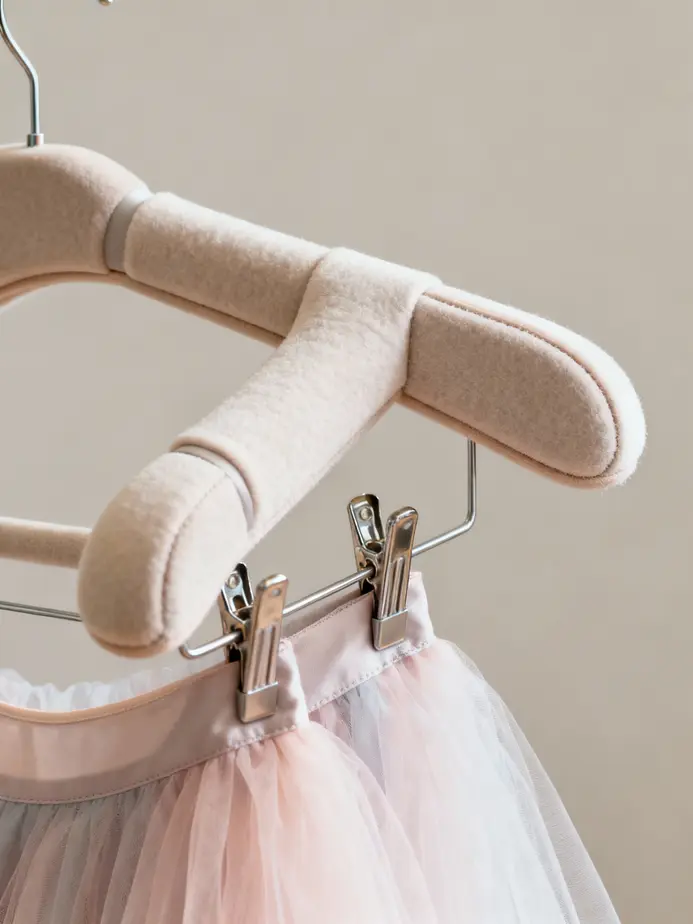
At first glance, tutu hangers tend to have a higher price point than basic options like velvet or wire hangers, which can appear deceptively economical due to their initial affordability. However, the question any dance school or performing arts company must consider is not just what they spend upfront, but also what they stand to lose in terms of damaged garments, the need for repairs, or even replacements. The design of tutu hangers is inherently unique; they feature reinforced structures styled with non-slip clamps and wide, contoured shapes. These features ensure an even weight distribution that is critical for maintaining the voluminous silhouette of layered tulle skirts. During storage, the bodices of tutus, often enhanced with delicate embellishments, are preserved from the concentrated pressure that traditional hangers apply.
A detailed examination of the pressure exerted by traditional hangers reveals alarming statistics. Standard hangers, whether velvet or wire, can exert concentrated pressure ranging from 0.8 to 1.2 psi across contact points. This level of pressure can lead to a host of issues including shoulder dimpling, stretching of straps, and irreversible loss of loft in embellished fabrics, exacerbating the extremely delicate nature of ballet tutus. Tutu hangers mitigate these risks by providing critical support to the bodice and preserving the integrity of stress points, thus preventing fatigue and potential distortion in these vital areas.
Despite the upfront costs, the long-term savings offered by tutu hangers become evident through careful analysis. By reducing wear and tear on tutus, tutu hangers minimize the frequency and cost of necessary repairs, often extending the life of costumes significantly. For instance, valuable custom conservatory bodices can take 4-8 weeks to produce; thus, ensuring their longevity is paramount. Proper storage results in avoiding issues such as sequin pull-out or shape loss that can occur on traditional hangers. When projected over time, the economic implications are clear—while traditional hangers may seem like a budget-friendly solution, they can lead to escalated annual costs, particularly for institutions dedicated to maintaining a high standard for their costumes.
Frequently, items like tutu hangers are categorized as non-discretionary expenses in theater and competition settings. Their presence is linked to better returns on investment due to decreased repair and replacement needs. Practitioners and institutions that utilize tutu hangers typically report that the structure of their garments remains intact through multiple performances. This shift in understanding reflects a transitional trend in the dance and theater industries, where costume care methods are evolving toward a more sustainable and calculated approach. The evidence is further reinforced through customer feedback indicating favor for products that guarantee durability and longevity.
Furthermore, market trends indicate a growing preference for tutu hangers within professional ballet and cosplay sectors. Driven by conservation research advocating for zero-point contact methods over traditional hanging practices, there is a clear push towards customizing breathable options. Cotton-wrapped wood hangers have emerged as popular choices due to their dual benefits of aesthetics and functionality, capitalizing on the demand for storage solutions that reflect both contemporary design and practical needs.
Conversely, traditional hangers find their presence increasingly scrutinized. Although they continue to dominate mass-market retail, the limitations of their use in supporting voluminous and intricate costumes have sparked innovation in hybrid storage solutions. For example, the exploration of tissue-rolled waistbands represents a growing niche in the costume storage market, showcasing a response to the ineffective performance of generic hangers when it comes to the specialized needs of ballets and high-performance dance costumes.
To illustrate the cost-benefit analysis surrounding these differing hanger types, the following comparative table serves as a useful summary:
| Aspect | Tutu Hangers | Traditional Hangers |
|—————————|—————————————————|————————————————–|
| Pressure on Fabric | Distributed (zero-crush for tulle) | High (0.8–1.2 psi, dimpling risk) |
| Cost Profile | Higher initial, lower lifecycle costs | Lower initial, higher repair/replace costs |
| Best Applications | Tutus, bodices, embellished skirts | Simple jackets, non-layered items |
| Market Growth | Rising demand in dance and cosplay conservation | Stagnation in the specialty storage market |
In summary, while tutu hangers demand a larger initial investment, their long-term advantages present a compelling case for those dedicated to the meticulous preservation of ballet costumes. The evolving market trends underscore a pronounced shift toward quality storage solutions tailored for unique garments. Investment in tutu hangers represents not merely a transaction, but a strategic commitment toward the longevity and beauty of ballet performance, ensuring these pieces can continue to inspire generations of dancers. For those passionate about the art of dance, choosing the right storage solution is essential, as it fosters not just economic efficiency but also reverberates through the narrative of costume care and performance excellence.
3. Cultural Insights: The Valuation of Tutu Hangers Over Traditional Garments
In both ballet and cosplay spaces, tutu hangers are not merely practical items; they embody a shift in how communities perceive garment care and preservation. This view is particularly pronounced when comparing tutu hangers to traditional hangers, with the former consistently regarded as superior due to their specialized design focused on maintaining the delicate nature of tutus. This valuation goes beyond function; it integrates societal perceptions, cultural practices, and the evolving expectations surrounding garment storage in these artistic communities.
Tutu hangers, characterized by their padded contours and wide designs, distribute the weight of tutus evenly. This feature prevents the detrimental effects that arise from using traditional hangers, such as wire or plastic, which can create crush points and deformation of the intricate layers of a tutu’s structure. Insiders in the ballet world emphasize the significance of maintaining the shape and loft of tutus not only for aesthetics but also for performance readiness. The transition from utilitarian storage to specialized care reflects a broader change in societal standards regarding how art and performance apparel should be treated.
Cultural perceptions of tutus are steeply tied to the status of ballet as a refined art form. Ballet dancers and costume professionals inherently understand that the integrity of a tutu directly influences its performance. General guidelines outline that tutus must be stored in ways that allow them to breathe—an action that traditional hangers significantly inhibit. The consensus among professionals in the ballet realm is to avoid standard hangers; their high pressure causes irreversible damage to the structured layers of tulle used in modern tutus. This consensus is more than just a guideline; it is an industry standard emphasized in training programs and rehearsals where performance quality is paramount.
In dance and performance spheres, tutu hangers signal respect for both the craft and the care associated with performance costumes. This respect extends to communities engaged in cosplay, where the costumes often replicate the detailed craftsmanship of ballet pieces. In cosplay, where creators pay homage to various fictional universes, the value of a tutu hanger becomes evident in its ability to help maintain the vibrant embellishments typical of these costumes without the risk of damage. The durability and functionality of tutu hangers lead to elevated perceptions of both the costumer and the workmanship involved. Cosplay enthusiasts, who often draw from the same principles of performance readiness found in ballet, regard these hangers as integral in preserving the visual and structural integrity of layered designs, allowing for seamless transitions into the spotlight.
The discussion of tutu hangers has been propelled through digital forums and social media platforms, where performers and aficionados share advice on best practices for costume care. While empirical data is limited, anecdotal evidence suggests that users feel a strong sense of attachment to tools such as tutu hangers, viewing them as essential elements of a professional toolkit rather than simple accessories. This collective understanding intertwines with digital narratives that frequently underline the futility of “just hanging it up” when it comes to managing delicate fabrics. Instead, the collective embrace of specialized tools reaffirms a culture that prioritizes preservation and attention to detail in both ballet and cosplay.
Quantifying the societal perceptions around tutu hangers reveals contrasting views between performance-oriented users and the general public. On one end, the ballet and cosplay communities overwhelmingly laud the benefits of securing outfits with tutu hangers. In contrast, those outside these circles may view them as niche or even trivial. This divide underscores a critical point regarding the importance of specialized tools, highlighting how certain segments of society recognize the value of tailored accessories while others may overlook them.
Factors contributing to the acceptance and advocacy for tutu hangers include the education within ballet training programs and the shared experiences that build community. Professional recommendations reinforce the practical benefits, citing how these hangers can effectively mitigate wear and tear better than their traditional counterparts. Empirical evidence points to a significant reduction in seam stress and fabric wear when using padded hangers versus standard options. Research conducted by costume conservators and shared through various performance art channels highlights statistics that bolster the case for specialized hangers. The contrasts are stark—tutu hangers apply less than 0.3 psi of pressure and statistically reduce alto-tulle loft damage, while traditional hangers create pressure levels exceeding 1 psi, leading to potential long-term complications in garment care.
Ultimately, the cultural appropriation of tutu hangers serves to elevate the perception of ballet and cosplay, defining a narrative that bridges functionality with artistry. Not only do these hangers meticulously preserve the garments that performers dedicate their craft to, but they also signify a growing recognition within society of the importance of specialization in garment maintenance. This narrative fosters a deeper appreciation of the artistry that each costume represents, reinforcing the ongoing journey of dancers and costume creators seeking excellence in their respective fields. As specialized hangers become standard in ballet studios and cosplay collections, they serve as advocates for the craft, embodying the complexities of preservation and passion that fuel these artistic endeavors.
For those wanting to explore specialized options in ballet costume care, dedicated resources, such as https://luneballet.com/shop/, provide insight into various hanging tools and accessories tailored for maintaining tutu integrity.
Final thoughts
In conclusion, tutu hangers play an indispensable role in the preservation and maintenance of ballet tutus. Their design and functionality significantly surpass traditional hangers, offering unique features that prevent damage, maintain shape, and ensure proper airflow. For dance studio owners, investing in high-quality tutu hangers is essential for safeguarding their costumes and enhancing the overall dance experience. A well-cared-for tutu not only looks beautiful on stage but also allows dancers to perform with confidence and grace.
Elevate your dance with premium, comfortable balletwear from luneballet.com! Designed for grace and performance, our pieces blend quality fabrics and timeless style. Whether you’re a beginner or a pro, shop now to find your perfect fit—step into confidence, express your art, and shine on stage. Explore our collection today!
About us
At luneballet.com, we’re passionate about crafting exceptional balletwear for dancers of all levels. With a focus on quality, comfort, and elegant design, we produce pieces that support movement and inspire confidence. Our mission is to provide reliable, stylish dancewear that helps you embrace your passion and perform at your best.