
Introduction
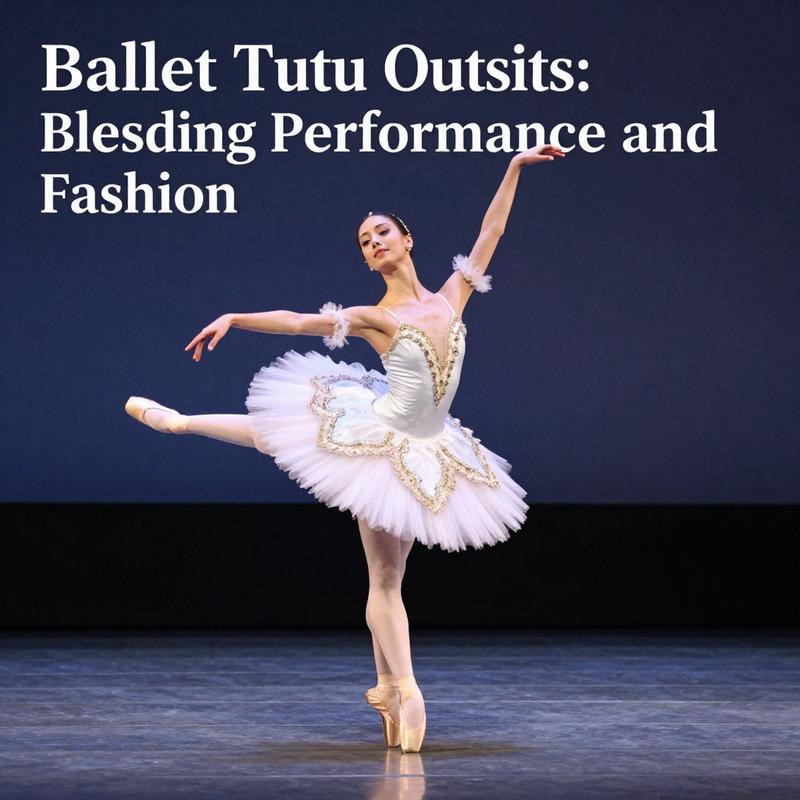
Ballet tutu outfits have transitioned from purely functional dance attire into a significant cultural fashion statement. With the rise of balletcore and a growing appreciation for performance-driven apparel, ballet tutus now appeal to a vast audience—dancers and fashion enthusiasts alike. This article delves into the critical aspects of ballet tutu outfits, including their performance features, modern fashion trends, customization options, and cultural significance. By understanding these dimensions, business owners can capitalize on this fashionable yet functional apparel in a marketplace that cherishes both artistry and modern style. Each chapter will provide deeper insights into how ballet tutu outfits meet the diverse needs of consumers while advancing the celebration of ballet in society.
Tables of Contents
Chapter 1: The Art of Movement: Performance Features in Ballet Tutu Outfits
- Engineered Elegance: Structural Integrity and Movement Dynamics of Ballet Tutu Outfits
- Balancing Beauty and Functionality: The Aesthetic and Visual Power of Ballet Tutu Outfits
Chapter 2: Ballet Tutu Outfit Trends in Modern Fashion: A Transformative Elegance
- The Balletcore Phenomenon: Intertwining Timeless Grace with Contemporary Style
- Ballet Tutu Outfits: A Chic Blend of Versatility and Sustainability
Chapter 3: Crafting the Perfect Ensemble: Customization and Functionality in Ballet Tutu Fashion
- Personalized Perfection: Tailored Solutions for Today’s Ballet Dancers
- The Transformative Power of Customization in Ballet Tutu Outfits
Chapter 4: The Ballet Tutu Outfit: A Journey Through Artistic Evolution and Cultural Resonance
- From Courtly Elegance to Contemporary Chic: The Cultural Rebirth of the Ballet Tutu Outfit
- From Stage to Street: The Ballet Tutu as a Symbol of Modern Elegance
Chapter 1: The Art of Movement: Performance Features in Ballet Tutu Outfits
1. Engineered Elegance: Structural Integrity and Movement Dynamics of Ballet Tutu Outfits
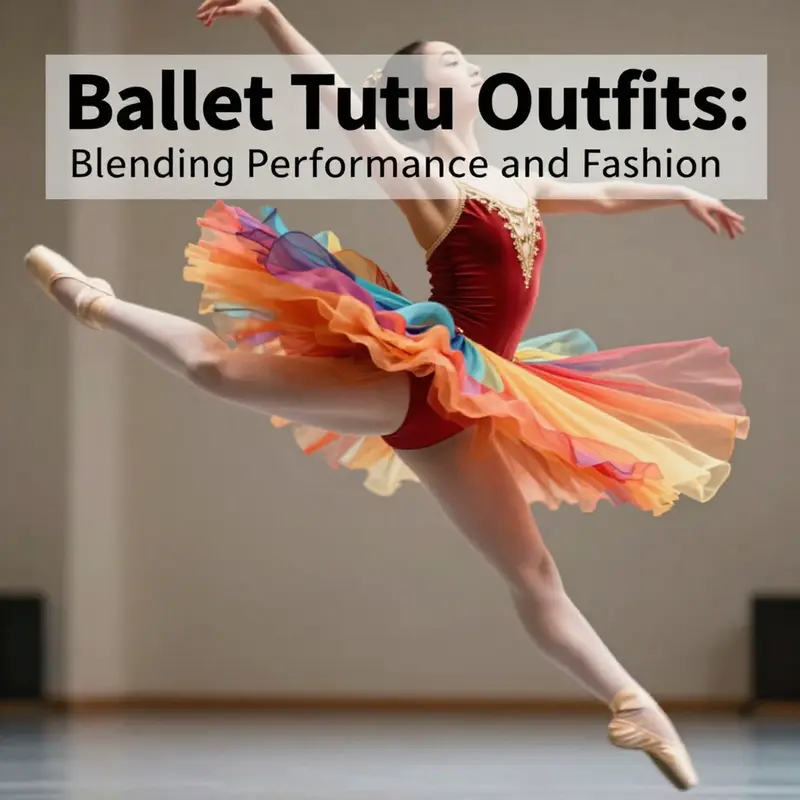
Ballet tutu outfits exemplify the marriage of artistry and engineering, meticulously designed to balance structural integrity with the dynamic demands of performance. Each tutu worn by dancers is not just a garment but a crucial component of their artistry, tailored to enhance their movements while providing the visual splendor that ballet demands. The evolution of tutu design has paved the way for innovations that address both aesthetic and functional needs, ensuring that dancers can perform with precision, grace, and confidence.
One of the most distinctive features of modern ballet tutus is their multi-layered construction. A typical professional ballet tutu boasts a 12-layer tulle assembly, which provides an unparalleled volume that sets it apart from more traditional 8-layer designs. This extensive layering serves a dual purpose: it creates a striking silhouette and enables the tutu to maintain its shape during complex and vigorous movements. When dancers execute intricate footwork or lofty leaps, the structural integrity of the 12-layer tutu ensures that their lines remain crisply defined, contributing to the overall visual beauty of their performance. The use of chemically stiffened tulle further enhances this effect, allowing the skirt to hold its form without collapsing under pressure.
The support systems within ballet tutus are also noteworthy, especially in the context of classical tutus. Designers often incorporate internal support structures, such as wire or fabric hoops. These elements create a flat, circular skirt that flares outward from the dancer’s waist, enhancing the overall line and prominence of the performer on stage. This strategic structural integrity not only highlights the dancer’s skills but also maximizes their stage presence, allowing audiences to appreciate the technical prowess inherent in classical ballet.
Durability and comfort are equally significant in the structural design of ballet tutus. Reinforced seams, coupled with high-performance fabrics, ensure that the tutus can withstand the rigors of repeated performances and rehearsals. Many fabrics utilized in professional tutus are approximately 30% lighter than conventional cotton options, enhancing comfort during wear without sacrificing structural stability. Furthermore, these materials exhibit exceptional shape retention, allowing them to preserve their aesthetic appeal over time. This is particularly critical for the dancer who must focus on their performance rather than potential wardrobe malfunctions.
The consideration of safety standards also plays a vital role in the design of ballet tutu outfits. With increasing awareness of skin sensitivity among young performers, many manufacturers utilize materials that hold OEKO-TEX® certification. This certification promotes textiles produced without harmful chemicals, ensuring that the garments are safe for prolonged wear against the skin, a crucial consideration for dancers engaged in extensive practice hours.
When discussing how tutus accommodate the dynamics of movement, design prioritization emerges as a fundamental principle. Designers focus on creating ergonomic cuts that allow unrestricted mobility. Features such as deep V-necklines, flexible straps, and off-shoulder styles enable freedom of motion for dancers, so they can perform with grace without being constrained by their attire. The integration of hybrid materials—combining breathable tulle with stretchable spandex—ensures that ballet tutus remain a comfortable choice even during the most intensive movements.
Adjustable sizing and form-fitting bodices enhance the customizability of ballet tutus, catering to a diverse range of body types. This level of personalization minimizes irritation and enhances performance aesthetics, reinforcing the dancer’s confidence as they take the stage.
From an industrial perspective, the display and design of tutus also require careful consideration. Specialized mannequins with integrated circular hoops aid in achieving and maintaining the ideal flare of the tutu. This practice is crucial to simulate how the garment will drape and move when worn, ensuring that the final product not only looks stunning but also performs as intended.
The aesthetic appeal of ballet tutus cannot be overlooked either, as the intricate design contributes to the overall visual impact on stage. While practical functionality is paramount, the elegance and refinement associated with ballet tutus heighten the performance experience for both dancers and audiences. The attention to detail in the construction allows for vibrant colors, shimmering sequins, and unique textures that captivate viewers, enhancing the storytelling aspect of ballet.
In conclusion, modern ballet tutus are engineered masterpieces that blend structural integrity and movement dynamics, elevating the performance experience in ballet. These creations are predicated not just on artistic requirements but are shaped by the understanding of how dancers interact with their costumes. A well-crafted ballet tutu serves as an extension of the dancer’s body, amplifying their movements while drawing attention to the artistry they present on stage. As trends evolve and preferences shift, the continued innovation in ballet tutu design will ensure that these garments remain both practical and poised, maintaining their cherished position in the world of dance.
For a closer look at various professional-grade ballet tutu options and their specifications, consider exploring the selection available at daDATutu, which offers tutus engineered to meet the highest standards in performance and aesthetics.
2. Balancing Beauty and Functionality: The Aesthetic and Visual Power of Ballet Tutu Outfits
Ballet tutu outfits serve as a canvas upon which dancers express their artistry, intertwining technical prowess with breathtaking aesthetic appeal. These garments are more than clothing; they are essential tools that elevate the dancer’s performance and storytelling. The tutu’s distinctive structure—a short, voluminous skirt composed of multiple layers of tulle—creates a silhouette that embodies the grace of ballet while allowing dancers to move freely and effortlessly. This unique construction not only highlights the dancer’s form but also acts as an extension of their movements, transforming each pirouette and leap into a visually stunning spectacle.
The stiff construction of the tutu skirt plays a vital role in maintaining the overall shape throughout the performance. When a dancer spins or jumps, the rigid tulle flares out dramatically, amplifying the visual impact of their movements and creating an ethereal quality that captivates audiences. This emphasis on shape is fundamental; the design accentuates the dancer’s lines and opens up multiple layers of possibilities in choreography. As witnessed in grand performances, the skirt of the tutu acts as both a backdrop and a highlight, framing the dancer’s movements and drawing the audience’s eyes into the story being told.
Contemporary ballet tutu designs have evolved to incorporate innovative materials and construction techniques, thus enhancing performance capabilities. The integration of lightweight and breathable fabrics, such as eco-friendly tulle and soft velvets, ensures that dancers remain comfortable during strenuous routines while preserving aesthetics. These materials not only help in regulating body temperature but also provide necessary durability, allowing for extended wear without compromising the tutu’s visual appeal. With advancements in technology, costume designers can now create intricate patterns and motifs, including digitally printed designs or traditional ethnic elements, seamlessly blending heritage with modern aesthetics. This aspect of customization aligns the costume’s visual details with a production’s thematic narrative, ensuring that each tutu not only fits well but also resonates emotionally with the performance.
The precision and quality of craftsmanship inherent in professional ballet tutus are pivotal to maintaining performance integrity. Careful attention to details such as reinforced stitching, ergonomic cuts, and fashion-forward tailored fits ensures that the tutu moves harmoniously with the dancer’s body. Such meticulous design mirrors the rigor of ballet itself, where every aspect of the dancer’s technique relies on the costume’s ability to support rather than hinder. The snug fit of these outfits is strategically calculated, enhancing frame stability and alignment, which translates into a performance fraught with both beauty and technical accuracy. This unity of movement and costume is what allows a ballerina to transcend being merely a performer to a living embodiment of art on stage.
In examining real-world applications, many brands and platforms offer a diverse range of tutus tailored specifically for professional use. For example, designs like the Pancake Professional Ballet Tutu demonstrate the blend of classic and modern elements, featuring intricate layering while offering a light, airy feel crucial for demanding routines. Moreover, customization options let dancers choose colors, embellishments, and silhouettes according to their preferences, making each tutu uniquely theirs. This aspect of personalization extends the tutu’s utility far beyond typical performance wear, inviting dancers to explore their individual styles without sacrificing the garment’s core functions.
The transition of ballet tutus from strict performance attire to fashion statements underscores the cultural significance these outfits hold. In recent years, the rise of balletcore—a fashion trend embracing the soft aesthetics and functional grace of ballet wear—has brought tutus into the limelight of everyday fashion. This embrace of ballet’s delicate sophistication invites people to incorporate tutu-inspired silhouettes into their wardrobes, thereby uniting formal elegance with contemporary style. For instance, pairing a simple ribbed leotard with an oversized blazer, or complementing a soft tulle skirt with structured trousers, illustrates how these elements can communicate individuality and grace within everyday attire. As society emerges from the constraints of the recent past, where comfort and self-expression have gained priority, balletwear offers an avenue to embody elegance in simplicity.
The influence of ballet tutu outfits extends beyond mere performance; they symbolize a fusion of artistry and identity. As dancers step on stage, clad in tutus that not only embody their personal stories but also maintain optimal performance, they create a sensory experience that transcends visual appeal. The interplay of colors, textures, and movement converges to craft a breathtaking narrative, making each performance a unique expression of cultural dialogue.
In summary, ballet tutu outfits are powerful artifacts that embody both aesthetic and functional excellence. They blend advanced design and cultural significance, paving the way for innovation in both the dance world and the wider fashion landscape. Whether for seasoned performers or as part of everyday fashion statements, the evolving artistry of tutu designs continues to inspire, challenge, and elevate the world of dance and beyond. Dancers can explore various options, such as those available on platforms offering high-quality, customizable ballet costumes, ensuring they find the perfect outfit to showcase their artistry—all while maintaining the integrity, functionality, and beauty that ballet tutus inherently promise.
Chapter 2: Ballet Tutu Outfit Trends in Modern Fashion: A Transformative Elegance
1. The Balletcore Phenomenon: Intertwining Timeless Grace with Contemporary Style
As the boundaries of fashion evolve, the balletcore aesthetic emerges as a captivating blend of nostalgia and modern elegance. This movement resonates deeply in today’s style landscape, marking a significant departure from utilitarian streetwear predominant in recent years. Balletcore isn’t merely a fleeting trend triggered by viral social media; it’s a heartfelt homage to the beauty and discipline encapsulated in ballet, reinterpreted for a new generation yearning for soft femininity and artistry.
At the heart of the balletcore aesthetic lies a commitment to flowing silhouettes and delicate details. Key characteristics include soft pastels, layering of various textures, and subtle ruffles that evoke a sense of movement and lightness. This new style thrives in niche communities, particularly on platforms like TikTok, where fashion enthusiasts share their interpretations of this graceful aesthetic. These digital spaces have fostered connections among adherents of not just balletcore but also the ‘clean girl aesthetic’ and ‘French girl core,’ reinforcing the idea that elegance can coincide with everyday wearability.
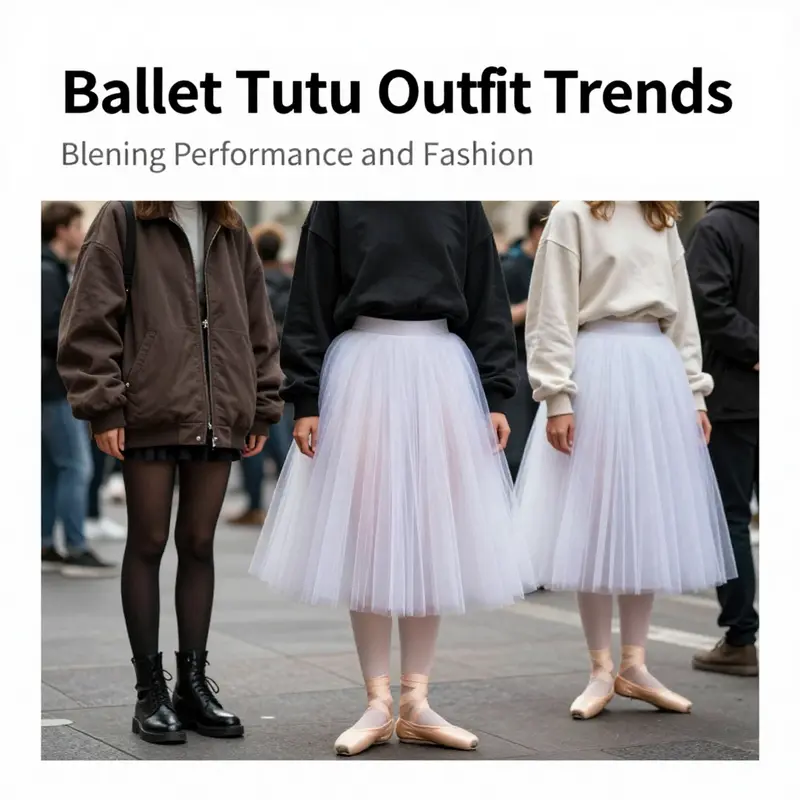
Balletcore outfits often juxtapose traditional ballet attire with contemporary street fashion. Picture a ribbed leotard matched with an oversized blazer, or a layered tulle skirt over structured trousers; these combinations reflect a seamless integration of disciplines that elevate casual looks to realms of sophistication. Importantly, this aesthetic pushes against the gendered constraints of fashion. Men are increasingly drawn to minimalistic ballet flats and flowing attire, signaling a shift toward gender fluidity in style, where elegance knows no bounds and can be embraced by all, regardless of traditional norms.
Market trends corroborate the rise of balletcore, as evidenced by sales data showing a remarkable surge in interest. In the first quarter of 2025, reported sales of women’s ballet flats witnessed an increase of 47% year-over-year, coinciding with a notable decrease in sneaker sales by 9%. This pivot towards elegance and comfort signifies a larger cultural dialogue—one that is increasingly sympathetic to finding beauty in subtlety rather than exaggerated trends. As this movement gains traction, luxury brands such as Repetto and Miu Miu grapple with stock shortages amid overwhelming consumer demand. The hybridization of high fashion with classical ballet showcases not just a shift in aesthetic preference but also a reflective desire within society for ‘quiet luxury,’ emphasizing understated sophistication over ostentation.
Integral to the appeal of balletcore is its alignment with sustainability—a compelling reason for its popularity. The conscious consumer increasingly favors eco-friendly materials and ethical production practices, and the balletcore aesthetic often dovetails nicely with these ideals. The use of durable fabrics that support fluid movement without sacrificing environmental values enhances the overall allure. In a world where fast fashion is being scrutinized, the gentle essence of balletcore both addresses style and sustainability.
Beyond clothing, this innovative aesthetic extends to elements of personal style that encompass accessories too. Dainty jewelry, soft leather handbags, and hair adornments inspired by the ballet world create complete outfits imbued with charm and sophistication. The simplicity and versatility inherent in balletcore encourage the curation of wardrobe capsules centered around elegant, multipurpose pieces. As fashion aficionados increasingly migrate towards minimalism, the balletcore style emerges as a potent symbol of unfettered grace, characterized by the very same principles of balance and beauty found in ballet itself.
Cultural reflections of this aesthetic are vividly evident in city street styles and editorial shoots from around the globe. London, often noted as a fashion epicenter, showcases how ballet-inspired elements can meld with modern minimalism, giving rise to a look that is romantic yet grounded. The newfound global demand for gender-neutral ballet flats has surged by over 60% in 2025, marking a pivotal shift not only in sartorial choices but also in the broader conception of personal identity and expression. Consumers are no longer satisfied with passive participation in fashion; they seek immersion in styles that resonate with their core values and emotional landscapes.
In essence, the balletcore phenomenon encapsulates the yearning for elegance, sustainability, and individual expression. It revives a cherished admiration for the art form of ballet, intertwining it with the practicalities of daily life and personal style. This aesthetic symbolizes a cultural awakening that transcends mere fabrics and patterns, reflecting an intricate tapestry of desires—where elegance is a form of personal narrative that complements an individual’s lifestyle choices, aspirations, and ethical considerations.
As influencers and everyday enthusiasts alike adopt elements of this graceful trend, the balletcore aesthetic stands as a powerful reminder of fashion’s ability to adapt and reflect societal changes. No longer confined to the stage, the ballet tutu outfit transitions into a symbol of delicate strength, carving a niche that celebrates the dynamic interplay of artistry, culture, and modern living. For those exploring the lush variety of costumes in ballet, from traditional white tutus reminiscent of Giselle to vibrant designs that play with thematic inspirations, the balletcore trend offers a vast canvas for experimentation and expression without losing touch with its roots in tradition. This harmonious balance signifies that the ballet tutu has firmly established its place not only in the realm of dance but also at the crossroads of contemporary fashion.
2. Ballet Tutu Outfits: A Chic Blend of Versatility and Sustainability
Ballet tutu outfits have experienced a remarkable metamorphosis in recent years, evolving from their historical roots associated with classical dance to embodying a trend that transcends the stage. These imaginative garments now serve as a canvas for self-expression and creativity, effectively merging practical functionality with stylish versatility. As they make their way from the realm of ballet into mainstream fashion, the tutu has become an emblem of both elegance and sustainability.
In the past, the tutu was exclusively seen in theaters, where it was primarily designed for performance and artistry. However, the 2025 fashion landscape highlights a new direction, where the tutu’s once-constrained identity is broadened into chic silhouettes that fit a wide array of environments—ranging from casual street style to high-fashion runways. Contemporary designers have deftly reinterpreted the classic tulle skirt with innovative cuts, including asymmetrical hems and structured bodices that cater to the demands of modern aesthetics. The tutu has shed its solely costume-like presence to be recognized as a statement piece that invites creativity in styling.
The transformative nature of the tutu speaks to a larger cultural shift towards individual expression, particularly reflective of current consumer trends that emphasize personalization. Today’s tutus are not only about whimsy; they cater to the complexities of identity, allowing wearers to layer and customize them, merging styles that might seem unlikely yet resonant. The incorporation of modular components allows a tutu to transition seamlessly from a daytime outfit into a striking evening ensemble, creating a harmonious balance between comfort and style. For example, pairing a tutu with a simple crop top and sneakers embraces playful, everyday wear, while layering it over a fitted blazer elevates the complete look to sophistication suitable for a gallery opening or a chic dinner.
Sustainability has become intertwined with the rejuvenated appeal of ballet tutu outfits. As society becomes increasingly aware of the environmental impact of fashion consumption, many brands are prioritizing eco-friendly materials. The use of recycled polyester tulle, biodegradable netting, and organic cotton blends is not merely a trend but a commitment to reducing environmental footprints. Fashion labels, both emerging and established, are leading the way with circular fashion models designed for longevity and versatility. This conscious shift enables the tutu to find its place in eco-conscious wardrobes, appealing to ethical consumers who seek beauty married with purpose. By investing in high-quality materials meant to last, wearers can feel good about their choices—helping the planet while looking fantastic.
The rising interest in renting or swapping vintage ballet-inspired pieces further nudges the tutu into the sustainable spotlight, significantly reducing the fast fashion waste that plagues the industry. The fashion rental market is thriving, encouraging consumers to explore new styles without the commitment of ownership. This model not only supports sustainability but also opens avenues for creativity, allowing individuals to experiment with high-end pieces that were previously accessible only to a select few.
In the modern context, the versatility of the tutu has been a significant driver for its resurgence. Unlike previous generations, today’s consumers are looking for multifunctional pieces that can transition from one occasion to another with ease. The tutu allows for this adaptability, making it the perfect foundation for a myriad of stylish ensembles. When styled appropriately, a tutu can serve distinct roles across various experiences—whether it’s a casual brunch, an office meeting, or a night out dancing. This duality of form and function has also led to the emergence of new styling paradigms, where tutus seamlessly fit into diverse fashion contexts. The notion of hybrid looks, for instance, showcases how the tutu dares to blur the lines between traditional femininity and contemporary chic.
Moreover, the integration of technology in fashion design has taken tutu outfits to an entirely new level. Innovative advancements like smart textiles and 3D printing are making the garments not only more visually appealing but also more practical and user-friendly. Designers are creating light-reactive tulle that changes color with movement or temperature, which adds an interactive element that captures attention. 3D printing, on the other hand, opens up exciting possibilities for custom-fit tutus that feature intricate designs inspired by nature or even classic works of art. These innovations exemplify a commitment to creative boundaries while adhering to sustainable practices by minimizing material waste through precise manufacturing.
The ballet tutu in 2025 symbolizes more than just nostalgia—it’s a bold, adaptable reflection of modern fashion’s embrace for creativity, inclusiveness, and environmental responsibility. As individuals search for deeper meanings behind their clothing choices, the tutu resonates as a beautiful yet purposeful addition, capable of navigating the dynamic landscape of contemporary fashion. With its intricate construction, luxurious materials, and sustainability at its core, the tutu outfit stands as a testament to how traditional craftsmanship can meet modern sensibilities in a fashion-forward way.
In embracing both style and responsibility, the tutu encapsulates a new narrative—one where elegance is synonymous with sustainability, making it a standout staple in the wardrobes of those who appreciate art in everyday life. As the ballet tutu continues to inspire and evoke emotion across various facets of fashion, its potential remains ever-expanding, allowing wearers to express their identities beautifully and responsibly.
Chapter 3: Crafting the Perfect Ensemble: Customization and Functionality in Ballet Tutu Fashion
1. Personalized Perfection: Tailored Solutions for Today’s Ballet Dancers
In the realm of dance wear, ballet tutu outfits stand as a beacon of elegance and performance, constantly evolving to meet the needs of every dancer. The contemporary tutu is no longer just a piece of clothing; it is a carefully tailored garment designed to reflect individual artistry and versatility. From professional ballet companies to amateur enthusiasts, the demand for customized solutions is reshaping the landscape of ballet fashion, allowing dancers to express their unique identity while maximizing their performance capabilities.
At the heart of this evolution lies the concept of customization. Today’s ballet outfits can be tailored to suit an array of body shapes, sizes, and personal styles. Suppliers recognize the need for bespoke solutions that transcend the traditional one-size-fits-all approach. Dancers can now navigate through portfolios filled with customizable options—a feature that enhances both the wearer’s comfort and visual impact on stage.
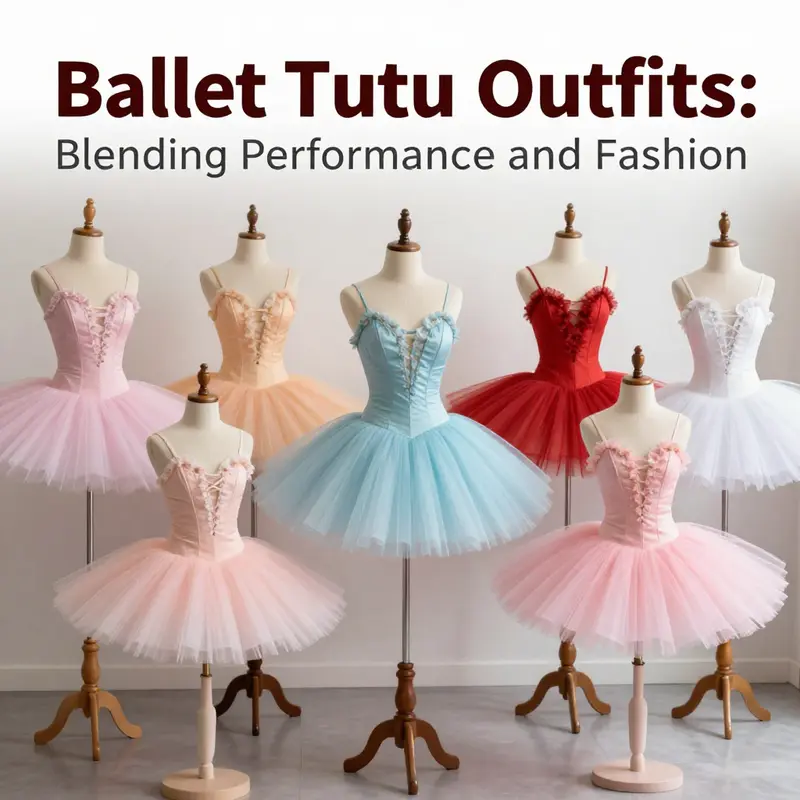
Take, for instance, the opportunity to select custom sizes that ensure a perfect fit. Dance outfits that include adjustable elements like straps or bodices can cater to varying body types without sacrificing the artistic integrity of the tutu’s silhouette. By designing leotards or skirts that are made to measure, each dancer achieves a look that not only flatters their figure but also supports their distinctive movements. Furthermore, platforms that cater to this market often allow dancers to choose from a spectrum of colors and design options. Such personalization ensures that whether on stage in a production of Swan Lake or preparing for a competition, the dancer’s ensemble is truly reflective of their artistic vision.
In addition to fit and color, the option for graphic customization becomes an attractive prospect for schools, companies, and families. Tutu outfits can now display logos or themed elements, making them ideal for group performances, recitals, or competitions. This is particularly essential in fostering a unified aesthetic during performances, contributing to a cohesive collective identity while still allowing for individual expression through color and design variations. This blend of personalization with collective identity makes modern ballet tutu outfits suitable for both individual dancers and teams, ensuring that everyone shines on stage.
Equally important is the versatility factor that new-age ballet tutus bring to the table. With a keen understanding of the multifaceted roles a dancer must perform, manufacturers are creating garments that can seamlessly transition between various settings, from casual practice sessions to formal stage performances. The advancements in materials play a pivotal role here. Many tutus now utilize high-performance fabrics that not only endure rigorous use but also enhance comfort and mobility. For instance, lightweight, breathable polyester and tulle varieties ensure that dancers can move fluidly while remaining structurally sound throughout their routines.
One key feature that has emerged in ballet tutu design is the incorporation of eco-friendly materials. Dancers increasingly seek garments that adhere to safety standards without compromising on quality or style. Many modern tutus are crafted from materials that have received OEKO-TEX® certification, indicating they are safe for prolonged skin contact and free from harmful substances. This reflects a growing trend in performance garments that marry high fashion with environmental consciousness, helping to cultivate a more sustainable dance community.
Moreover, ergonomic design elements have been thoughtfully integrated into these garments, such as flexible straps and deep V-necklines. These features allow for an unrestricted range of motion, which is essential for executing complex choreography and achieving graceful lines. Dancers can focus entirely on their performance, knowing their outfits are designed to support rather than hinder their movements. The advanced construction techniques ensure that seams are reinforced in the right places, providing durability against the demands of intense rehearsals and performances.
The aesthetic appeal of ballet tutus remains a fundamental aspect of their ongoing evolution. Whether a dancer prefers the romantic silhouette of a classic tutu or the structured layers of a contemporary design, today’s options cater to diverse tastes and performance requirements. The striking visual drama that can be achieved through thoughtful design is a testament to the importance of aesthetics in ballet. From the traditional white tutus associated with The Nutcracker to colorful, themed costumes that allow for a multitude of interpretations, each tutu is a canvas of creativity.
Dancers are no longer restricted to traditional styles. Creative professionals can explore innovative designs that merge ballet elegance with modern trends, such as the burgeoning balletcore fashion movement. This movement has seen the classic ballet aesthetic influence everyday clothing—think tulle skirts layered over fitted pants or leotards paired with oversized blazers. The seamless integration of dancewear into casual fashion creates a versatile aesthetic that appeals to a broader audience, bridging the gap between performance and everyday elegance.
Whether you are rehearsing for a grand production, stepping onto the competition stage, or simply expressing your artistry in social settings, the ballet tutu outfit has become a multifaceted garment that caters to a spectrum of needs. The tailored solutions available today not only meet the practical demands of performance but also foster a sense of individuality and artistry that every dancer craves. As we continue to explore the intricate dance between customization and performance features, it is clear that modern ballet tutu outfits are redefining what it means to embody grace, strength, and personal expression—all while connecting the dancer to the rich tradition of ballet.
For a deeper exploration of the technical standards and innovative features in ballet tutu production, you can find more information here. This ongoing dialogue between tradition and innovation highlights that the world of ballet tutu outfits is not just about performance—it’s also a journey of self-expression and artistic exploration.
2. The Transformative Power of Customization in Ballet Tutu Outfits
Ballet tutu outfits have transcended their historical roots, evolving into garments that balance artistry with individual expression and performance efficiency. Today’s tutu designs reflect a remarkable adaptability across various dance disciplines, and they cater to unique dancer preferences, making them versatile and essential attire. The integration of advanced materials and innovative design techniques has allowed for significant customization, propelling ballet tutu outfits into realms beyond traditional stage performances, captivating both dancers and fashion enthusiasts alike.
At the core of this transformation is a commitment to individual fit and functionality. Evolution in fabrication has led manufacturers to introduce high-performance materials that enhance both comfort and movement. For instance, some contemporary outfits incorporate stretchy Lycra bodices paired with layered tulle skirts, enabling freedom of movement needed for dynamic routines, such as grand jetés and pirouettes. These fabrics are specially chosen not only for their aesthetic appeal but also for their ability to support the dancer’s agility and grace under the pressure of performance.
Moreover, the customization options available today are almost limitless. For those commissioning tutus for a group performance or personal use, platforms enable choices in size, color, and material. This tailoring extends to embellishments such as sequins or embroidery that echo specific performance themes or personal styles. A customizable tutu can transform into a unique representation of the dancer’s artistic vision. For instance, a tutu designed for a production of Swan Lake might feature traditional colors and motifs, while a costume for a contemporary piece could embrace vibrant, non-traditional palettes with a more modern silhouette, marrying the classical forms of ballet with contemporary artistic elements.
The rise of the balletcore trend has further expanded the reach of tutu outfits beyond studios and stages. Fashion designers now draw inspiration from the elegance and fluidity of ballet, creating everyday wear that embodies softness and romanticism. The adoption of ballet-inspired pieces—like soft tulle skirts paired with structured items—signals a cultural shift where comfort and beauty converge. This evolution shows how deeply ballet’s influence penetrates mainstream fashion, creating an emotional resonance with individuals seeking elegance in both their expression and attire.
Customization in ballet tutus is bolstered by technological advancements and a commitment to safety. Responsible manufacturers utilize OEKO-TEX® certified materials to ensure that fabrics are skin-safe and hypoallergenic, meeting global standards for consumer safety. These certifications reflect an understanding of the diverse environments in which these garments are worn, from rigorous training sessions to mesmerizing stage performances. Added features like adjustable straps and reinforced seams enhance comfort, stability, and versatility, allowing designs to cater to various dance styles—from classical ballet to contemporary and even gymnastic applications.
Dance schools and professional companies are keenly aware of the importance of functionality in their uniforms. Therefore, customizable tutus often come with options for tailoring to specific choreography, providing studios the ability to align outfits with production visions. A ballet troupe may opt for an eco-friendly, lightweight tutu that allows dancers to execute complex movements with grace while simultaneously paying homage to environmental sustainability. Such considerations not only improve performance but also contribute to the artistic narrative being conveyed through the dance itself.
Retailers specializing in dance attire have stepped into this trend, offering a wide range of customizable options suitable for both novice and professional dancers. This includes outfitting options for major productions or competitions, often offering bulk discounts for dance studios procuring tutus in larger quantities. For instance, studios may choose to order outfits that are reflective of their school colors or thematic productions, providing an additional layer of unity and identity among performers. The ability to personalize attire fosters community and enhances the pride students feel as they don their costumes, ready to showcase their dedication and skill.
The aesthetic appeal of tailored tutus cannot be overstated. Dancers often share their costumes on social media, further inspiring trends around unique designs and customizations. The storytelling aspect of dance is enhanced by these outfits, drawing audiences into the visual spectacle of performances where every detail counts—from fabric selections to embellishment spacing. Dancers or studios keen on creating a visual impact may select gradient color schemes or interact with costume makers to devise exclusive, themed outfits, leading to spectacles that are vividly compelling and resonant with their audiences.
Furthermore, the unrestricted art of customization encourages innovation in traditional ballet. Designers are experimenting with silhouettes, from the classic pancake tutu to modern interpretations that blend tulle with other materials for a groundbreaking look. Each innovation in tutu design allows dancers to explore expressions of movement that challenge conventions, fostering an environment of creativity.
In summary, the modern ballet tutu represents a convergence of artistic heritage and contemporary design, making it a masterpiece of adaptation and personalization. As one delves into the vast possibilities of customization—whether through collaborations with costume makers, unique embellishments, or innovative fabric choices—these garments evolve beyond mere attire into extensions of the dancer’s identity. The relationship between performance and wearability has never been more intertwined, ensuring that each ballet tutu outfit is not just worn, but celebrated.
For further insights into customizable ballet tutu options, explore additional designs and ideas available at Dada Tutu.
Chapter 4: The Ballet Tutu Outfit: A Journey Through Artistic Evolution and Cultural Resonance
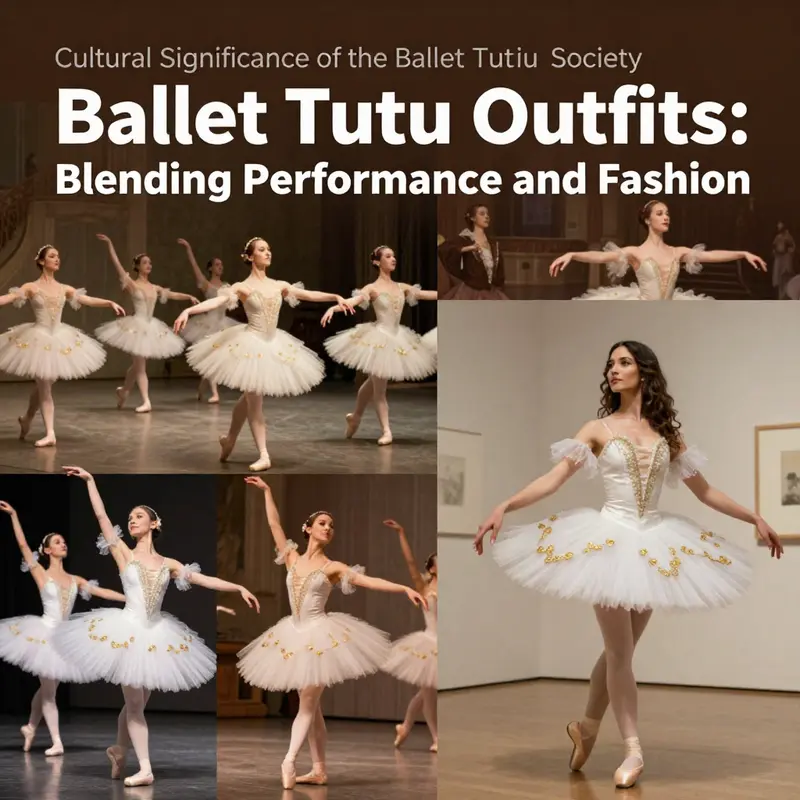
1. From Courtly Elegance to Contemporary Chic: The Cultural Rebirth of the Ballet Tutu Outfit
The ballet tutu, once a mere functional costume, has undergone a remarkable metamorphosis reflecting broader societal changes and advancements in textiles and design. Its evolution is rooted deeply in the history of ballet, an art form that has continuously adapted to the prevailing cultural zeitgeist, reflecting the values, aesthetics, and even the politics of its time.
Historical Legacy: The Evolution Begins
The origins of ballet clothing can be traced back to the 15th and 16th centuries when it primarily served to embellish the grandeur of courtly life. Early ballet costumes were often sophisticated and elaborate, encompassing heavy fabrics and cumbersome designs that prioritized visual extravagance over the dancer’s mobility. Men danced in torné skirts reinforced with metal, while women sported constrictive rounijer gowns made of whalebone. These garments, while visually arresting, significantly limited movement, obscuring the graceful lines and physical prowess of the performers.
The foray into more practical dance garments began in the 18th century, spearheaded by the innovative ballerina Marie Camargo. Her audacious decision to truncate her skirt to reveal her ankles not only highlighted her technique but also marked a pivotal shift in ballet attire. This stylistic modification reflected a burgeoning emphasis on the dancer’s form and technical capabilities, setting the stage for what would eventually evolve into the modern tutu.
The Romantic Era: A New Aesthetic Sensibility
The transformation of the tutu reached new heights during the Romantic Era of the 1830s, led by the likes of Marie Taglioni. She introduced the long, bell-shaped tutu constructed from layers of delicate tulle that fluttered ethereally during movement. This iconic design underscored the otherworldly themes prevalent in Romantic ballets such as La Sylphide, marrying dance and costume in a harmony that celebrated ethereal femininity. The flowing silhouette of the Romantic tutu evoked a sense of fantasy and transcendence, embodying the ideals of beauty and emotion that characterized the era’s artistic endeavors.
As ballet evolved, so too did the aesthetics of the tutu. The late 19th century heralded the arrival of the shorter, more structured tutu, which quickly became the standard for classical ballet. By the 1880s, designs featured multiple layers of silk and nylon tulle, cleverly crafted to create volume and facilitate the showcase of intricate legwork. This era affirmed the tutu’s dual role as both a performance costume and a symbol of ballet’s technical rigor and artistic expression.
Cultural Resonance and Contemporary Reintegration
Today, the tutu remains a quintessential representation of grace and artistry in ballet, transcending its traditional role. It is a symbol reflecting not only the advancements in costume design but also cultural narratives surrounding femininity, strength, and creativity. The versatility of the tutu has inspired a resurgence in popularity beyond dance studios and performance halls, initiating a dialogue between classical ballet and contemporary fashion.
This revival is epitomized by the emergent balletcore aesthetic, which celebrates the delicate elegance of ballet tutus within everyday fashion contexts. With rising trends spotlighting soft, feminine styles intertwined with comfort, the tutu has found its place at the intersection of luxury and practicality. Modern interpretations of the ballet tutu now appear in creative forms—paired with oversized blazers or layered over contemporary separates—ushering in a refreshing take that appeals to both dancers and fashion enthusiasts alike. The prominence of this trend is indicative of a broader societal transition towards self-expression and the celebration of individuality, particularly in the wake of global shifts that emphasize comfort and emotional resonance in clothing choices.
As various iterations of the ballet tutu proliferate in popular culture—from social media to fashion runways—its dual identity as both performance attire and chic fashion statement has solidified its relevance in today’s society. Customization options available for contemporary tutus, such as vibrant color palettes and diverse motifs, allow dancers to tailor their looks for thematic recitals and performances, pushing the boundaries of traditional designs. Fabric innovations also contribute to this evolution; lightweight, breathable materials ensure that the modern tutu accommodates all nuances of performance while maintaining its arresting visual appeal.
Bridging Past and Present
Ultimately, the journey of the ballet tutu—from elaborate court garments to its modern reinvention in the balletcore trend—illustrates a continuous dialogue between history and the present. It captures the narratives of the artists who wear them and reflects the collective aspirations of a society seeking beauty, grace, and individuality in a rapidly changing world. The tutu not only serves as a costume; it encapsulates the very spirit of ballet, embodying a rich cultural legacy while embracing its role in contemporary aesthetic discourse.
For those interested in exploring the intricate designs and exquisite craftsmanship of modern ballet tutus, a variety of options are available that honor tradition while offering a contemporary twist. Visit DadaTutu to discover a wide range of styles that celebrate the beauty and artistry of ballet attire. Through this exploration, one can appreciate the enduring significance of the tutu—not as a relic of the past, but as a vibrant component of today’s creative landscape.
2. From Stage to Street: The Ballet Tutu as a Symbol of Modern Elegance
The ballet tutu, once strictly reserved for the ethereal realm of performance, has elegantly pirouetted its way into the heart of contemporary fashion and culture. This transformation embodies a powerful narrative about femininity, grace, and the fluidity of identity in modern society. Formerly characterized solely as a stage costume, today’s tutu transcends the boundaries of dance, emerging as a style statement that champions both artistic expression and everyday elegance.
The quintessential tutu, defined by its voluminous silhouette and made from layers of delicate tulle, evokes a sense of nostalgia and classic beauty. As the fashion landscape evolves, the tutu has found a new audience, inspiring designers and trendsetters to redefine its purpose. Notable high fashion houses, such as Balenciaga and Prada, have capitalized on this resurgence, incorporating tutu elements into their collections. They juxtapose the tutu’s soft, traditional aesthetic with contemporary shapes and styles, creating a dialogue between past and present that resonates with modern consumers. This blend of softness with utilitarianism caters to a demographic eager for garments that feel both nostalgic and relevant, ultimately pioneering the balletcore movement.
The term balletcore has gained traction on social media platforms like TikTok and Instagram, illustrating a wider cultural shift towards embracing elements of the ballet aesthetic in everyday attire. This trend does not merely signify a fleeting fashion statement; rather, it reveals a deeper societal longing for the grace and discipline associated with ballet. In a post-pandemic world, where many seek a sense of normalcy and connection, balletcore serves as both a rebellion against the harshness of modern life and a celebration of beauty in simplicity. People are drawn to the tutu not just for its visual appeal, but for what it represents—an antidote to the chaos of the contemporary landscape, offering solace through nostalgia and a romantic sense of self.
As the lines between performance and daily life continue to blur, the ballet tutu finds its place not only in theatres but also in city streets. Style influencers often showcase adaptations of the tutu, pairing it with streetwear staples like oversized sweatshirts or edgy combat boots, capturing the essence of the rhythmic elegance of ballet while embracing the robust personality of urban fashion. This versatility reflects an evolving narrative about femininity that celebrates strength alongside delicacy. The tutu’s ability to adapt to various styles underlines a cultural significance that resonates well beyond the confines of dance.
Furthermore, the emotional connection many have with the tutu extends into individual expression. In a world increasingly concerned with authenticity, clothing has become a means of articulating identity. The tutu, rooted in the discipline and artistry of ballet, allows wearers to add a touch of grace and flair to their ensembles, making bold statements about both who they are and their aspirations. It speaks to the desire for a quiet elegance that honors traditional craft while presenting it through an innovative lens. It offers an intersection where fashion meets art, encouraging a continuous dialogue between the two fields.
The broad appeal of the ballet tutu is also apparent among high-fashion exhibitions and street style alike, highlighting its relevance in major cultural conversations. Fashion shows and media events often spotlight the tutu as a centerpiece, showcasing not only its aesthetic prowess but also the narratives of empowerment associated with it. The simplicity of the tutu, coupled with its rich history as a dancer’s uniform, fosters a deeper appreciation for the painstaking labor behind a performance, extending an invitation to viewers to consider the artistry involved in both dance and garment design.
As consumer preferences shift towards sustainability and ethical practices, the materials and construction methods of ballet tutus have drawn attention. Today’s designers prioritize eco-friendly fabrics and advanced techniques that maintain traditional beauty while upholding modern ethical standards. For example, durable blends that minimize environmental impact are now common, without sacrificing the performance features essential for dance. This progressive approach to garment creation resonates with a generation keenly aware of their consumption choices, highlighting dancewear’s potential to serve both artistry and conscious living.
Despite its evolution into a mainstream fashion staple, the ballet tutu still maintains its roots in the dance community. It continues to serve as a benchmark for quality and craftsmanship, inspiring new talents and seasoned dancers alike. For many, the tutu is a rite of passage, symbolizing dedication and artistry. The success of ballet competitions often hinges on the outfits worn, which can make or break a performance, exemplifying how the tutu retains its significance as a pivotal aspect of a dancer’s journey.
In conclusion, the ballet tutu is more than just a garment. It is a multifaceted symbol of cultural evolution, reflecting changes in societal values around femininity, authenticity, and artistic expression. Whether showcased under the spotlight or paired with denim on city streets, the tutu encapsulates both a longing for grace and a modern adaptability that speaks to the complexities of contemporary life. As such, it embodies a cultural renaissance—one that bridges gaps between art and daily existence, giving wearers an opportunity to connect to a narrative that is steeped in history but vibrantly alive in today’s fashion landscape.
For those interested in exploring the myriad ways tutus inspire creativity and individual expression, numerous options are available that cater to both performance needs and fashion statements. Whether it’s a classic design or a more contemporary take, the tutu remains a striking embodiment of elegance and a testament to its enduring influence across cultures and generations. To discover a wide range of ballet tutu outfits suitable for various performances and everyday wear, visit DadaTutu’s collection.
Final thoughts
Ballet tutu outfits reflect a unique blend of artistry and practicality. As they evolve within the realms of both dance and fashion, understanding their multifaceted attributes allows business owners to tap into diverse market segments effectively. The tutu’s journey—from its extensive performance features to its adaptation in modern trends and meaningful cultural expressions—positions it as a timeless staple in various wardrobes. As ballet continues to inspire contemporary fashion, embracing this evolution offers new opportunities for innovation and growth.
Elevate your dance with premium, comfortable balletwear from luneballet.com! Designed for grace and performance, our pieces blend quality fabrics and timeless style. Whether you’re a beginner or a pro, shop now to find your perfect fit—step into confidence, express your art, and shine on stage. Explore our collection today!
About us
At luneballet.com, we’re passionate about crafting exceptional balletwear for dancers of all levels. With a focus on quality, comfort, and elegant design, we produce pieces that support movement and inspire confidence. Our mission is to provide reliable, stylish dancewear that helps you embrace your passion and perform at your best.