
Introduction
Children’s tutus blend style and utility, appealing to parents and young dancers alike. This guide delves into critical aspects like materials, design, manufacturing processes, event suitability, and fashion trends, equipping business owners with valuable insights to effectively meet market demands. Understanding these elements ensures that your offerings not only resonate with customers but also uphold the practical and stylish attributes that define quality children’s dancewear.
Tables of Contents
Chapter 1: Exploring the Textiles Behind Children’s Tutus: A Deep Dive into Tulle and Beyond
- The Art of Tulle: Crafting Comfort and Elegance in Children’s Tutus
- Balancing Durability and Comfort: The Role of Fabrics in Children’s Tutus
- Selecting Fabrics for Children’s Tutus: Balancing Safety, Comfort, and Style
Chapter 2: The Artistic Blend of Function and Form in Children’s Tutus
- Captivating Designs and Functional Engagement in Children’s Tutus
- Crafting Comfort and Confidence: The Design Principles of Children’s Tutus
- Material Excellence and Resilience in Children’s Tutus: The Key to Long-Lasting Joy
Chapter 3: Crafting Whimsy and Function: The Art of Children’s Tutu Manufacturing
- From Concept to Creation: The Craft of Pattern Design and Material Selection in Children’s Tutus
- The Art of Cutting and Assembly in Children’s Tutu Manufacturing
- The Intricate Craft of Designing and Quality Control in Children’s Tutus
Chapter 4: Navigating the Perfect Fit for Every Occasion: A Guide to Choosing Children’s Tutus
- Selecting the Right Children’s Tutu: Aligning Style with the Event’s Theme and Formality
- Mastering Material Selection and Comfort for Children’s Tutu Designs
- The Essential Guide to Sizing and Safety in Children’s Tutus for Dazzling Events
Chapter 5: The Whimsical World of Children’s Tutu Fashion
- Embracing Comfort and Imagination in Today’s Children’s Tutus
- Whimsical Tutu Sets and Accessories: A Gateway to Imagination
- Whimsical Layers and Lush Volume: Captivating Tutu Designs for Little Dancers
Chapter 1: Exploring the Textiles Behind Children’s Tutus: A Deep Dive into Tulle and Beyond
1. The Art of Tulle: Crafting Comfort and Elegance in Children’s Tutus
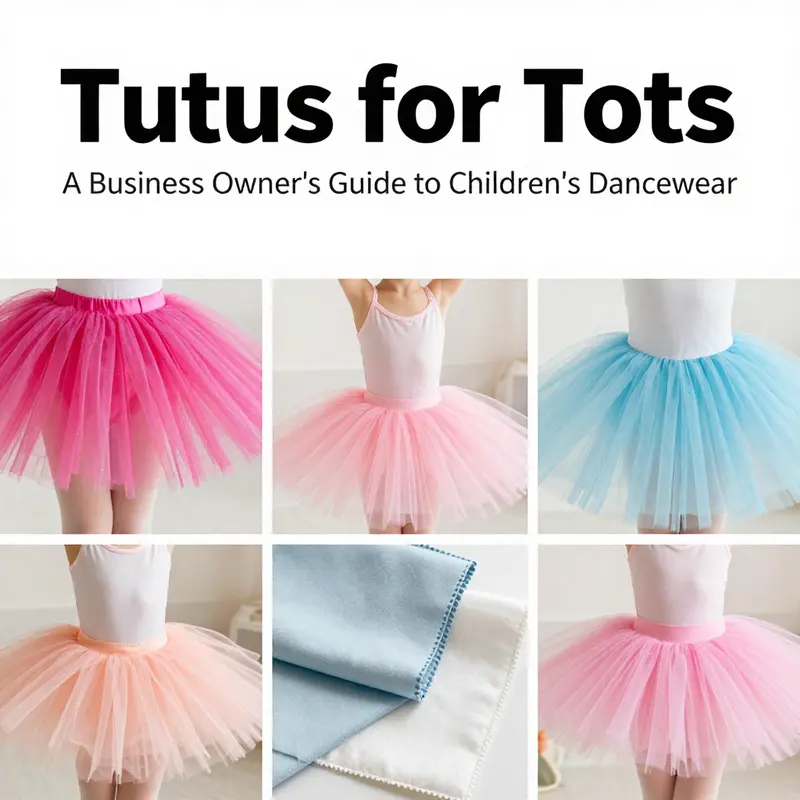
Children’s tutus embody a unique blend of artistry and practicality, largely attributed to tulle, the quintessential fabric that shapes their whimsical charm. Tulle originates from a fine, lightweight material that creates the iconic fluffy silhouette that captivates audiences and young performers alike. This sheer textile is more than just visually appealing; it offers a multitude of functional advantages, making it the preferred choice for children’s dancewear.
Primarily made from synthetic fibers like polyester or nylon, tulle boasts exceptional characteristics that enhance both durability and comfort. Its construction ensures it is resistant to wrinkling, which proves advantageous given the active movements of children during dance and play. This resilience is paramount for garments that endure frequent rotation in rigorous environments, be it at bustling dance studios or lively birthday parties.
The sheer nature of tulle allows for breathability, making it suitable for warm settings typically experienced during dance performances or summer celebrations. The transparency adds a layer of grace and delicacy, allowing for layering with vibrant colors or other fabrics, creating visually enchanting outfits. As children twirl and leap, the soft, airy fabric enhances their movements, flowing effortlessly with every step.
To further elevate the wearability of tutus, manufacturers incorporate additional materials. Elasticized waistbands play a vital role in ensuring a comfortable fit, critical for preventing discomfort during extended wear. Soft linings made from natural fibers like cotton or elastic materials such as spandex help achieve the perfect balance of snugness without restricting movement.
In more elaborate tutu designs, particularly used in ballet, added components like internal stiffeners or interlining fabric may be used. These elements help maintain the structure and volume that professional-quality tutus are known for, ensuring that performers can captivate audiences without compromising ease of movement. The choice of these materials reflects a commitment to safety, with stringent industry standards ensuring that everything from fabric content to construction method adheres to regulations regarding flammability and physical durability.
When selecting tutus for children, parents often prioritize both aesthetic appeal and safety. Renowned brands focus on using non-toxic, hypoallergenic materials that undergo rigorous testing, minimizing the risk of allergic reactions or choking hazards. This is particularly vital when mass-producing garments like playful pink tutus meant for special occasions or photography, where thousands may be produced, and quality control is paramount.
In conclusion, the vital role of tulle in children’s tutus extends beyond its visual qualities—encompassing the fabric’s texture, functionality, and safety considerations that ensure an exquisite garment that is as delightful to wear as it is to see. For those seeking a deeper understanding of how various fabrics influence the durability and comfort of children’s tutus, a comprehensive resource like Ultimate Guide To Pairing Childrens T Shirts With Versatile Outfit Ideas can provide further insights.
2. Balancing Durability and Comfort: The Role of Fabrics in Children’s Tutus
The fabric choices in children’s tutus significantly influence both durability and comfort, making these elements paramount for young wearers. Typically, nylon tulle and polyester netting are the go-to materials for creating tutus due to their robust nature. These synthetic fabrics possess a high tensile strength that allows garments to endure the rigors of active play without succumbing to tears or fraying. Parents can rest easy knowing their little dancers can leap and twirl with confidence, whether on stage or at a playful gathering.
One of the distinct advantages of synthetic materials lies in their ability to maintain shape and volume. Children’s tutus often require a specific silhouette, and fabrics like nylon tulle excel in holding this structure. This characteristic is particularly essential for performance-oriented designs, where the visual impact can enhance the overall experience of a ballet performance or a festive event. When a tutu flares out beautifully with each movement, it not only captivates the audience but also boosts the child’s confidence, essential for their enjoyment and self-expression.
Aside from durability and structural integrity, comfort is a non-negotiable factor, especially considering that many children have sensitive skin. Lightweight and breathable materials are crucial to prevent overheating during prolonged wear. Designers often prioritize fabrics that offer airflow and moisture-wicking properties to keep children comfortable, avoiding the discomfort of irritation or excessive warmth. The thoughtful incorporation of soft, non-irritating waistbands further enhances legibility, ensuring that children can focus on their activities rather than the discomfort of their costume.
While some manufacturers incorporate cotton blends into their tutus for added softness, pure cotton is generally avoided in tutu design. Cotton tends to lose its shape over time and lacks the durability required for active movement. Instead, the balance of mechanical performance and tactile comfort remains central to the selection of fabrics, aiming to provide a product that is both long-lasting and enjoyable to wear. Given this context, parents ought to look for tutus that combine these essential features to support their children’s theatre or dance endeavors effectively.
For those interested in stylish options that do not compromise quality, brands specializing in custom-made tutus are thriving in the growing market of children’s dancewear. With dedicated resources and years of experience in the industry, these suppliers ensure the garments produced uphold both safety standards and aesthetic appeal.
Ultimately, when selecting a tutu, parents should focus on purchasing from reputable manufacturers who prioritize high-quality fabrics. Such choices contribute to a delightful experience for children while allowing them to embody the characters they adore, whether at a recital or simply in playful dress-up. For a comprehensive look at styling options, check the detailed guide on pairing outfits that complement children’s attire, found here: https://www.babymag.com/childrens-t-shirt-outfit-ideas/
3. Selecting Fabrics for Children’s Tutus: Balancing Safety, Comfort, and Style
When selecting materials for children’s tutus, parents and manufacturers face the critical task of ensuring that the chosen fabrics offer a mix of safety, comfort, durability, and aesthetic appeal. These considerations are paramount, especially given the active nature of children and the specific demands of dance performances or playful dress-up occasions. Hence, understanding the properties of different materials helps in making informed choices for young performers.
One of the primary concerns in children’s clothing is safety. Fabrics used for tutus must be non-irritating to sensitive skin, making it vital to choose materials that comply with stringent safety regulations, such as those set by the Consumer Product Safety Commission (CPSC) in the U.S. It is imperative that these materials are free from harmful chemicals, flammable substances, and any components that might pose a choking hazard.
In addition to safety, comfort plays a significant role. Lightweight and breathable fabrics are essential to prevent overheating during energetic performances or play. For this reason, many tutus are crafted from tulle, a lightweight netting fabric that not only provides the classic, voluminous appearance but also ensures breathability. Commonly made of durable polyester, tulle is designed to withstand the rigors of frequent use while maintaining its shape.
Organza is another fabric frequently utilized in children’s tutus. This crisp, slightly shiny material offers a more structured drape, adding elegance to the overall appearance. It enhances a child’s stage presence while remaining lightweight, ensuring that even the most lively performances aren’t hindered by heavy attire.
Additionally, polyester remains a staple in tutu production due to its notable strength and durability. Often blended with spandex, polyester allows for a snug fit while granting the necessary flexibility for simple movements. Spandex, or elastane, is essential in waistbands and linings to provide the stretch required for children who are constantly on the move. A typical high-quality tutu comprises about 90% to 95% polyester, complemented by 5% to 10% spandex to ensure an ideal fit.
The manufacturing processes of these tutus also contribute significantly to their quality. High stitching standards and secure seam finishes are essential to avoid loose threads, which may pose risks for young wearers. Furthermore, tutus often feature washable and stain-resistant fabrics to survive spills during fun-filled hours. In the world of dance, particularly for school productions or professional performances, the mechanical performance of textile grades becomes increasingly vital, as fabrics need to maintain integrity after repeated washes and wears.
With attention to detail, modern manufacturers are focused on producing children’s tutus that merge safety with style. This commitment to quality ensures that every dance session or festive celebration can be enjoyed without compromising a child’s well-being or comfort. The beauty of a child’s tutu lies in its ability to marry fun, movement, and elegance, making it an essential part of any youngster’s wardrobe. For those navigating the world of children’s tutus, a valuable resource can be found in the Ultimate Guide To Pairing Childrens T Shirts With Versatile Outfit Ideas.
Chapter 2: The Artistic Blend of Function and Form in Children’s Tutus
1. Captivating Designs and Functional Engagement in Children’s Tutus
The allure of children’s tutus lies not only in their eye-catching designs but also in their intricate functionality, which fosters a deeper engagement for young dancers.
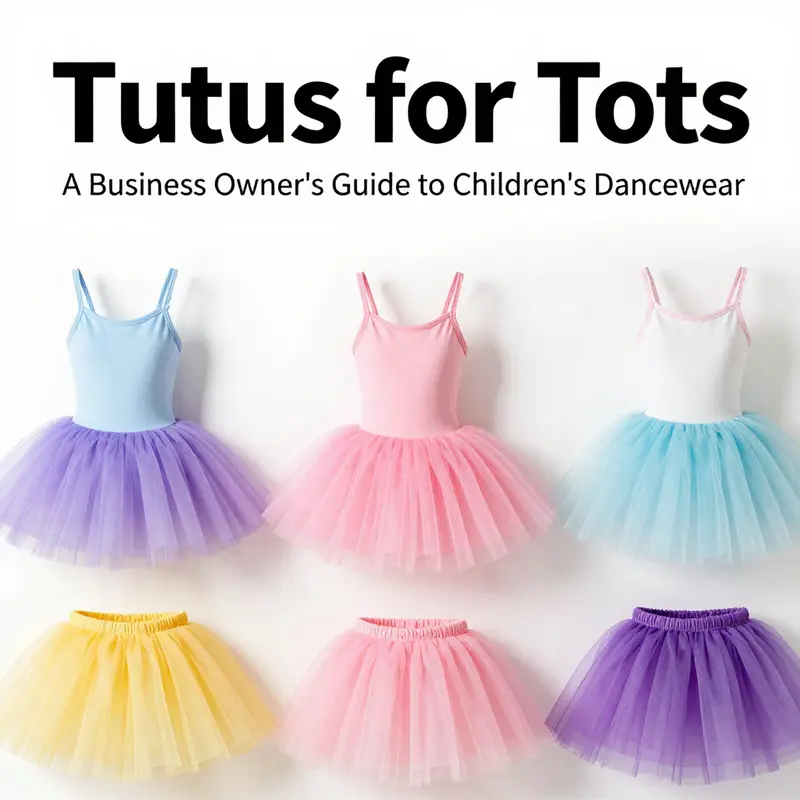
A central element in the design of a children’s tutu is its silhouette. The classic a-line cut, which extends gracefully from the waist, mimics the shape of an ‘A’ and offers a visually pleasing aesthetic. This specific design allows freedom of movement, empowering children to express themselves dynamically while performing ballet steps or twirling freely. The flared shape captivates onlookers, contrasting with the elegance of ballet, while enhancing the joyous experience of dance.
Further enriching the visual delight are decorative elements that allow for personalized expression. Ribbons, sequins, and lace embellishments serve to elevate the tutu from a mere costume to a vibrant character outfit. A child can effortlessly embody a romantic fairy, a cherished princess, or even a fierce swan with just a simple change of colors and accessories. These additions transform a tutu into a canvas for self-expression, inviting children to engage not just with their dance but also with their imagination. This level of personalization fuels their enthusiasm for dance and nurtures their confidence as they step onto the stage.
However, the beauty of a tutu must align with its purpose. Comfort and safety remain paramount when it comes to the functionality of these garments. Lightweight and breathable fabrics are essential in supporting children’s spirited movements, with materials like tulle and stretch knit ensuring softness against the skin. This optimal blend of comfort and durability allows for extended wear, particularly vital during lengthy dance classes or performances. Parents can rest easy knowing their children are equipped with a tutu that not only looks enchanting but also supports their active lifestyle.
Practical considerations are equally significant for parents and teachers in search of dependable options. Wholesale tutus offer a budget-friendly solution without sacrificing design. Crafted using stringent industrial guidelines, these costumes maintain consistent quality across large orders. Schools and community theaters can thus provide their young performers with visually striking tutus that ignite creativity, all while staying within budget constraints. This blend of affordability and high-quality design is crucial for fostering an accessible environment for children to explore the world of dance.
In conclusion, the enchanting world of children’s tutus marries aesthetic beauty with functional design, creating garments that serve to not only uplift the dancer’s spirit but also support their physical engagement. The thoughtful integration of design elements with functionality allows young dancers to revel in their performances, fueling joy both on and off stage. For those interested in learning more about selecting the right tutu and creative styling ideas, refer to resources that dive deeper into pairing children’s attire with versatile outfits, ensuring endless combinations that inspire adventure in every twirl.
2. Crafting Comfort and Confidence: The Design Principles of Children’s Tutus
Children’s tutus are not merely whimsical garments adorned with cascading layers of tulle; they represent a harmonious fusion of design and functionality, meticulously crafted to support the unique needs of young wearers. Understanding the roles of comfort and mobility is essential to appreciating the true beauty and practicality of these enchanting outfits.
At the core of any well-designed tutu is the selection of materials. Lightweight fabrics, such as high-quality polyester and soft cotton-spandex blends, dominate the market. These textiles are chosen not just for their aesthetic appeal but for their ability to safeguard delicate skin from irritation. Parents often seek options that minimize discomfort during vigorous activities, making breathability and softness paramount. The construction of these tutus allows for a natural flow of air, reducing the risk of overheating while ensuring kids can wear them throughout the day comfortably.
The thoughtful design extends to practical construction features, beginning with the inner linings that hug the body gently, eliminating any potential for chafing. Furthermore, the inclusion of stretchable waistbands is a game-changer, accommodating different body shapes and sizes. These waistbands provide a secure but flexible fit, allowing children to move effortlessly. Removing barriers to mobility is crucial; therefore, the flared layers of fabric in children’s tutus not only create a beautiful silhouette but also enhance the range of motion. Unlike the rigid adult tutus, children’s designs are notably dynamic, promoting ease of movement during playful activities or dance recitals.
Moreover, children’s tutus are engineered to support dynamic movements. The layers of soft tulle create a gentle buoyancy, allowing the garment to follow the child’s every leap and twirl. This active support is particularly beneficial in dance contexts, where children engage in intricate choreography. The flow of the tutu adds an element of visual excitement, making every spin and jump more magical. The careful balance of aesthetics and practicality ensures that children not only look delightful but also feel free to express themselves fully, without the constraints often found in less thoughtfully designed apparel.
Safety remains a top priority, especially when it comes to garments worn by young children. Secure fastenings and non-irritating seams are standard features in reputable brands. These elements ensure that tutus stay comfortably in place, preventing any risk of slipping during play or performance. Additionally, the absence of rough edges contributes further to a child’s ease of movement, reinforcing their confidence while dressed up as their favorite characters or in performance attire.
A prime example of this thoughtful innovation can be found in brands like Anna Shi Tutu, which prioritize comfort, durability, and versatility in their designs. Such brands demonstrate how creativity can be combined with practical features, establishing children’s tutus as a cherished item in every child’s wardrobe. From ballet performances to imaginative play, these tutus offer an opportunity for self-expression and joy, melding function with fantasy beautifully.
For parents seeking stylish yet functional options for their little dancers, visiting collections such as those found at Dada Tutu could yield delightful finds that embody these essential characteristics.
3. Material Excellence and Resilience in Children’s Tutus: The Key to Long-Lasting Joy
The allure of children’s tutus lies not only in their enchanting appearance but also in the careful selection of materials that ensure durability and comfort. At the heart of their design is a meticulous balance that prioritizes both style and practicality. Most children’s tutus are crafted from high-quality polyester tulle, a lightweight and breathable fabric cherished for its capacity to maintain a voluminous shape without hindering motion. This fabric serves as the backbone of the tutu’s structure, granting young dancers the freedom to leap, twirl, and explore the world around them with grace.
The use of polyester tulle is not a mere aesthetic choice; it provides significant functional benefits. Known for its resilience, polyester tulle retains its shape even after numerous sprints to the playground or spins during a dance lesson. These tutus withstand the rigors of children’s active lifestyles thanks to their durable construction. The implementation of a tunneled elastic waistband ensures the garment fits snugly without discomfort, adapting readily as children grow. This thoughtful design feature not only addresses fit but also extends the life of the tutu, making it a wise investment for parents.
Additionally, the quality of fabric goes hand-in-hand with safety standards. Parents today are increasingly prioritizing well-made garments crafted from non-irritating, eco-friendly materials that align with their values. Many brands commit to superior fabric standards, opting for certified materials that are free from harmful dyes and chemicals. This not only protects sensitive skin but also provides peace of mind during children’s adventures, whether on stage or at a birthday party.
The layered construction of children’s tutus, often featuring ruffled trim, enhances their whimsical appeal while supporting durability. Well-designed tutus maintain their beauty through multiple washes, ensuring the vibrant colors remain intact and the fabric does not fray. As a result, caretakers can enjoy the convenience of machine-washable options without worrying about deterioration in quality.
Common hues like pink, white, and black dominate the design palette, providing versatility for various occasions—be it recitals, themed events, or everyday fantasy play. Certain dance studios may impose specific color requirements that reflect traditional standards; hence, popularity in shades that are both classic and stylish caters to such expectations.
Ultimately, the charm of children’s tutus transcends mere aesthetics, encapsulating an understanding of child-friendly design that embraces durability, safety, and comfort. Whether being spun around at a ballet performance or casually adorned for dress-up, these tutus not only fulfill a functional role in a child’s wardrobe but also evoke joy and creativity. Discover the array of styles available at this collection of enchanting tutus that perfectly blend material excellence with imaginative play.
Chapter 3: Crafting Whimsy and Function: The Art of Children’s Tutu Manufacturing
1. From Concept to Creation: The Craft of Pattern Design and Material Selection in Children’s Tutus
The journey of creating enchanting children’s tutus begins with pattern creation, a foundational step that ultimately shapes the fit, silhouette, and functionality of the garment. Designers initiate this process by drafting preliminary patterns that reflect the intended style—be it an A-line tutu, an elegant layered classical tutu, or a themed princess tutu inspired by beloved characters like Ariel. This critical design phase often incorporates digital software, enabling precise adjustments and scalability, which is essential when adapting the design for various sizes. For younger wearers, particularly those aged four and above, the patterns incorporate elements that prioritize comfort and mobility, featuring elasticized waistbands or adjustable ties for ease of wear. Once the base patterns are established, they undergo a grading process to create an array of sizes, thus ensuring consistency and fit across different age groups—from toddlers to pre-teens.
Following the establishment of patterns, material selection plays a pivotal role in influencing the tutu’s aesthetic, durability, and safety. The primary fabric utilized in tutus is tulle, a lightweight and airy netting material prized for its playful aesthetic. However, various grades and types of tulle may be selected based on the desired visual effect and functional outcome. For instance, organza tulle provides a stiffer, structured drape, ideal for producing fullness and that picturesque look often desired for stage performances or formal recitals. Alternatively, nylon tulle is softer and more pliable, making it suitable for everyday play or imaginative dress-up scenarios, where comfort is key.
In crafting themed tutus, especially those channeling iconic characters or fairytale elements, suppliers often enhance the base materials with embellishments. This may include iridescent netting, sequined appliqués, or printed patterns to captivate young imaginations. It’s crucial that these additional materials adhere to stringent international safety standards, such as the EN71 regulations in Europe and the CPSIA guidelines in the USA, to ensure child safety.
Regions like Zhejiang and Fujian in China have become noted for their expertise in textile innovation, leveraging advanced manufacturing processes that yield high-quality, customizable tutus. Manufacturers employ cutting-edge technologies—such as automated cutting machines—to ensure accuracy and minimize fabric waste, followed by intricate layering and hemming techniques that enhance the tutu’s visual appeal. Finally, decorative elements, from ribbons to detachable features, are skillfully integrated, often utilizing hand-sewing or embroidery methods that echo the desired complexity and market demands.
Thus, the intricate balancing act of pattern design and material selection culminates in creating children’s tutus that merge functionality with whimsical charm. For those who wish to explore the delightful world of tutus further and make informed choices for special occasions or dance, a variety of options are readily available online. Explore unique offerings and find the perfect outfit that embodies the magic of childhood through graceful movement and imaginative play. For a curated selection of beautiful tutus, consider visiting Dada Tutu.
2. The Art of Cutting and Assembly in Children’s Tutu Manufacturing
Creating beautiful children’s tutus is as much an art as it is a science, relying heavily on precise cutting and assembly techniques that ensure each tutu exudes charm while providing comfort and durability. At the heart of this manufacturing process lies the careful selection of materials, with lightweight fabrics like tulle and organza being the heroes. These fabrics not only contribute to the tutu’s essential fluffiness but also allow for the graceful movement required in dance performances.
The cutting phase is pivotal. Manufacturers invest in advanced automated or semi-automated machines that execute precise cuts from large rolls of fabric. This is where technology enhances traditional craftsmanship. The incorporation of pattern-making software is crucial. It allows for the generation of digital templates that optimize fabric use and minimize waste, especially important when crafting the multiple layers—typically between five to ten—that constitute a single tutu skirt. This careful approach not only respects the environment by reducing waste but also ensures economic efficiency.
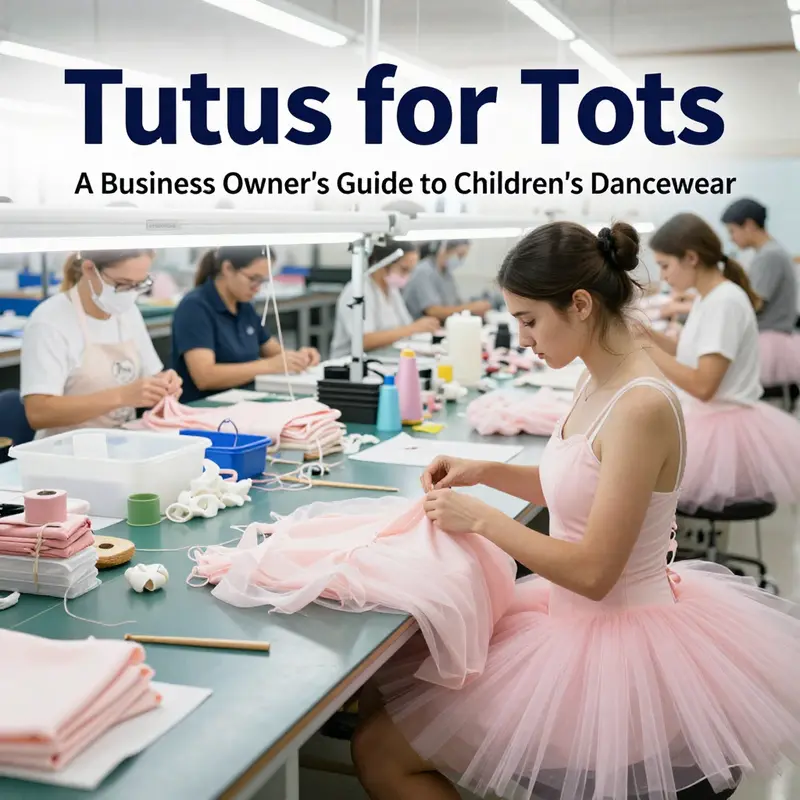
Once the fabric pieces are cut, the assembly phase begins. This is where individual layers of tulle are brought together, either by hand or using industrial sewing machines. Each layer is sewn to the waistband using strong threads designed to withstand the active movements of young dancers. The waistband is typically crafted from elastic or a stretchy cotton-spandex blend, making certain that the tutu fits snugly around a child’s waist while allowing for unrestricted movement—an essential quality for any piece of dancewear.
For more intricate designs, such as those inspired by fairytales or ballet classics, the bodice is constructed separately before being attached to the gathered skirt. This process often involves delicate detailing, including embroidery, appliqué, or beading, which are applied with precision. Specialized sewing techniques or machine embroidery systems are utilized to ensure that these embellishments enhance the overall aesthetic without compromising comfort.
Quality control is the final cornerstone of the manufacturing journey. Rigorous checks are undertaken to assess seam strength, fabric alignment, and the overall silhouette of the tutu. Each garment undergoes a thorough inspection to verify that it meets the high standards required for children’s dance wear. This meticulous attention to detail guarantees that the final product remains consistent and high-quality, providing parents with reliable options for dance recitals, parties, and special occasions.
The seamless integration of tradition with modern industrial techniques allows manufacturers to strike a balance between craftsmanship and efficiency. As families search for reliable and stylish options, the commitment to quality in the production of children’s tutus ensures that these garments not only fulfill aesthetic desires but also cater to the practical needs of young dancers. For those looking to explore versatile tutu styles for various occasions, the selection available today is a testament to the artistry behind each and every piece.
3. The Intricate Craft of Designing and Quality Control in Children’s Tutus
The creation of children’s tutus is a delicate interplay between artistic design and stringent quality control. This process ensures that every tutu is not only visually enchanting but also safe and comfortable for young dancers. At the heart of manufacturing lies design detailing, which begins with meticulous pattern creation. Designers craft patterns that reflect the desired themes—be it a classic ballet look, a whimsical fairy, or a royal princess. This includes specifying the number of tulle layers, which usually ranges from five to ten, and determining the bodice cut, ensuring a perfect fit that allows for freedom of movement.
Equally vital is the material selection for children’s tutus. Commonly, top-grade stretchy cotton-spandex or rich satin is used for bodices, balancing comfort with mobility. The chosen materials often influence the tutu’s aesthetic, with princess-themed tutus adorned in intricate hand-stitched crowns or motifs that invite children’s imaginations to bloom.
When it comes to production, the focus shifts to fabric selection—high-quality polyester tulle or organza is typically employed for their resilience and ability to maintain shape. Manufacturers in regions such as China are known for their expertise in producing tutus that align with whimsical themes inspired by beloved characters while adhering to international safety standards like EN71 in Europe and CPSIA in the United States.
Central to the manufacturing journey is a robust quality control strategy, which is non-negotiable. Each stage of production integrates rigorous checks to ensure that every tutu meets high-quality standards. Initially, raw materials undergo testing to confirm they meet safety specifications. As production progresses, systematic inspections monitor several critical aspects: fabric integrity to rule out defects, stitching strength to ensure seams endure wear, and seam alignment for visual and structural consistency. Extra care is also taken to verify that decorative elements are securely fastened to prevent any choking hazards.
Quality assessments culminate in a detailed evaluation of the final products. Each tutu is scrutinized for structural stability and colorfastness, ensuring it remains visually appealing after repeated use and washes. The commitment to freedom from hazardous substances—such as sharp edges or loose threads—culminates in a product that parents can trust wholeheartedly.
This blend of enchanting design and meticulous quality control results in children’s tutus that not only excite the wearer’s imagination but also provide reassurance of safety. In dance recitals or everyday imaginative play, tutus that exemplify this standard become treasured garments in a child’s wardrobe. Embracing both artistry and rigour, manufacturers are committed to delivering attire that brings joy while prioritizing well-being. To explore more about children’s dancewear, check out industry insights on quality materials and their effects: [Understanding Pettiskirts Tutus: Material Grades, Performance, and Industrial Uses].
Chapter 4: Navigating the Perfect Fit for Every Occasion: A Guide to Choosing Children’s Tutus
1. Selecting the Right Children’s Tutu: Aligning Style with the Event’s Theme and Formality
Choosing the right children’s tutu is pivotal for enhancing not only the visual style but also the overall experience of a given event. The first step in this journey begins with a clear understanding of the occasion’s nature and formality. This mindful selection process plays a requisite role in ensuring that the child feels comfortable and confident, allowing them to fully engage with the event.
When it comes to casual events, such as outdoor birthday parties or family picnics, simplicity often reigns supreme. For these laid-back settings, colorful tutus crafted from breathable materials like cotton-lined polyester are ideal. The focus here should center on ensuring comfort and ease of movement; children should be able to romp around, play games, and enjoy themselves without feeling restricted by their attire. Soft fabrics with playful patterns can infuse a sense of joy and whimsy, which aligns perfectly with the relaxed atmosphere of such gatherings.
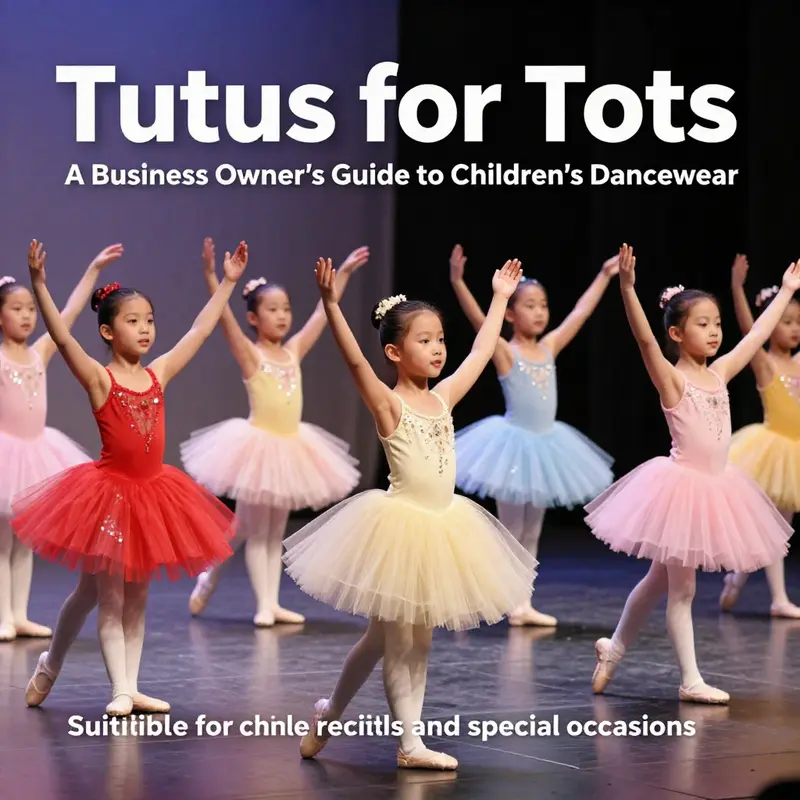
Conversely, formal events demand a degree of elegance that casual attire cannot achieve. Weddings, recitals, and other ceremonial occasions call for tutus that boast higher-quality fabrics such as organza or nylon. At these events, intricately designed tutus adorned with sequins, ribbons, or intricate patterns can elevate a child’s outfit, enhancing their presence while maintaining age-appropriate aesthetics. Observing how the tutu responds to the light can add an enchanting dimension, perfect for capturing unique moments on camera.
Age factors also play an important role in tutu selection. For toddlers and young children, typically aged 4 and up, this may be a time of burgeoning self-expression. Intricate designs featuring vibrant colors or character themes can not only excite a child’s imagination but also foster a sense of ownership over what they wear. This empowerment through personal style can enrich their overall experience, making them more enthusiastic participants in events.
However, practicality must never be overlooked in pursuit of style. Key considerations include durability, appropriate sizing, and comfort. The craftsmanship of a tutu should ensure it withstands both activity and time, while the fit must allow for ease of wear. Parents should prioritize designs that feature features like breathable waistbands, which add an extra touch of comfort without compromising on aesthetics. The ultimate goal is to create an ensemble that instills confidence in the child, allowing them to shine brightly throughout the occasion.
For a deeper dive into selection criteria and styling tips, parents may find it helpful to visit resourceful guides that focus on finding the perfect tutu. Embracing beautiful yet practical options transforms each event into a celebration of expression, creativity, and memorable moments—an invaluable part of the journey of childhood.
2. Mastering Material Selection and Comfort for Children’s Tutu Designs
When it comes to choosing the perfect children’s tutu, especially for special events, the emphasis on material and comfort cannot be overstated. These two factors play a crucial role in ensuring that your child not only looks fabulous but also feels comfortable throughout the occasion. The fabric’s quality significantly influences the tutu’s overall aesthetic and the comfort it provides.
Opting for high-quality materials like soft tulle, organza, or nylon is essential. These fabrics not only lend a fuller and more elegant silhouette but also minimize the risk of chafing, a common concern for children, particularly during extended wear. For everyday use or exciting activities, like an Easter egg hunt or a preschool dress-up event, the potential discomfort from cheaper, unlined tulle can overshadow the fun. Therefore, seeking out tutus that feature inner linings made from cotton or other soft materials is advisable—especially for those with sensitive skin who may be prone to irritation or rashes.
When evaluating comfort, it’s vital to consider both fit and construction. You should look for tutus that feature reinforced stitching alongside hypoallergenic materials, ensuring they can withstand the lively antics of children while being gentle on their skin. Adjustable waistbands offer a practical solution, allowing for a flexible fit that can adapt as your child grows. A well-fitted tutu should remain securely in place, offering the freedom to dance, run, and engage in playful activities with ease.
For more formal indoor gatherings, parents may wish to explore tutus adorned with tulle overlays, silk blends, or satin trims. While these styles can elevate the tutu’s appeal, one must prioritize modest coverage and secure fastenings, ensuring that the tutu not only looks grace but also remains practical and safe for all movements. The allure of a ballroom reflects sophistication, yet it should not compromise the wearer’s enjoyment.
In contrast, for casual outdoor events, lightweight, breathable fabrics are essential. Choices like eyelet cotton or embroidered cotton poplin enhance comfort and durability while allowing the child to stay cool amidst warmer weather. The care taken in selecting breathable materials augments the overall experience, allowing children to immerse themselves fully in their activities without the distraction of being too warm or uncomfortable.
Ultimately, the goal is to harmonize aesthetic appeal with practical functionality. Keeping these principles in mind not only guides you in selecting the right children’s tutu but also ensures your child can express their individuality and enjoyment freely during any event. For further inspiration and ideas on how to pair tutus with versatile outfit options, explore the comprehensive guide provided here: Ultimate Guide To Pairing Childrens T Shirts With Versatile Outfit Ideas.
3. The Essential Guide to Sizing and Safety in Children’s Tutus for Dazzling Events
Choosing the right children’s tutu for an event involves more than just selecting a vibrant color or charming design; it requires careful consideration of sizing, fit, and safety features to ensure your child not only looks adorable but also feels comfortable and secure. Starting with sizing, proper fit is paramount. A tutu that fits snugly around the waist allows for movement without the worry of it slipping down during spirited play or performance. While many brands offer one size fits most options, these are often tailored for specific age ranges, such as ages four to six, so it’s essential to consult the manufacturer’s size chart. Measuring your child’s waist and height prior to making a purchase can ensure that your selection enhances both comfort and functionality, preventing distractions during recitals or playful dress-up activities.
When evaluating fit, safety must remain a non-negotiable priority. Opt for tutus crafted from soft, hypoallergenic materials such as cotton-lined polyester or organza tulle, which can minimize skin irritation—a common concern for children with sensitive skin. Avoid poorly constructed fabrics that may fray or shed fibers as these can pose potential hazards during dancing or play. Look for tutus that feature a robust waistband designed not to dig into the child’s skin, providing a comfortable experience even during extended wear. When engaging in active events like dance recitals, it’s advisable to choose styles with controlled ruffles and shorter lengths. While longer trains can be visually appealing, they may introduce tripping hazards, thus careful consideration is needed.
Additionally, for special occasions that vary in formality and activity level—such as preschool events or festive holidays—tutus aimed at older girls (generally age four and up) can provide more elaborate designs featuring sequins, ribbons, or detachable embellishments. While these details can enhance personal expression, it’s critical to ensure all decorations are securely affixed to prevent small parts from becoming potential choking hazards. A well-constructed tutu balances charm with practicality, making it an excellent choice for celebrations or performances.
Furthermore, parents seeking a reliable option may appreciate brands that prioritize not only aesthetics but also the durability and safety of their products. As children may wear tutus for extended periods, particularly during events or active performances, selecting items built to withstand energetic playtime while still looking delightful is essential. This comprehensive focus on sizing, fit, and safety elevates the selection process, ensuring that your child will not only dazzle in their tutu but also feel confident and at ease.
For more guidance on finding the perfect tutu for your little one, consider exploring resources that discuss styles and matching them with diverse outfit ideas, enhancing their overall look while maintaining focus on comfort.
Learn more about selecting safe and stylish tutus by checking out this comprehensive resource: How to Choose Tutus for Little Girls: A Complete Buying Guide.
Chapter 5: The Whimsical World of Children’s Tutu Fashion
1. Embracing Comfort and Imagination in Today’s Children’s Tutus
The landscape of children’s tutu fashion has undergone a significant transformation, marking a shift towards designs that marry comfort with playfulness. This evolution reflects broader societal trends prioritizing inclusivity, creativity, and gender-neutral options in children’s clothing. Parents today are no longer satisfied with tutus that simply look good; they seek garments that enhance their child’s imaginative play while ensuring ease of movement.
A cornerstone of current tutu designs is the use of soft and breathable fabrics, particularly blends of mesh and cotton-polyester. These materials are chosen not just for their aesthetic qualities but for their lightweight nature, making them ideal for active play and special occasions alike. Parents can feel at ease knowing their child can wear these tutus during birthday parties, dance recitals, or Halloween festivities without discomfort. The playful nature of these garments is enhanced by an array of features that promote effortless wear, including elastic waistbands and quick-drying materials, catering to the energetic lifestyle of young children. The focus on comfort resonates deeply with caregivers, as these garments often endure various adventures, from backyard tumbles to performance stages.
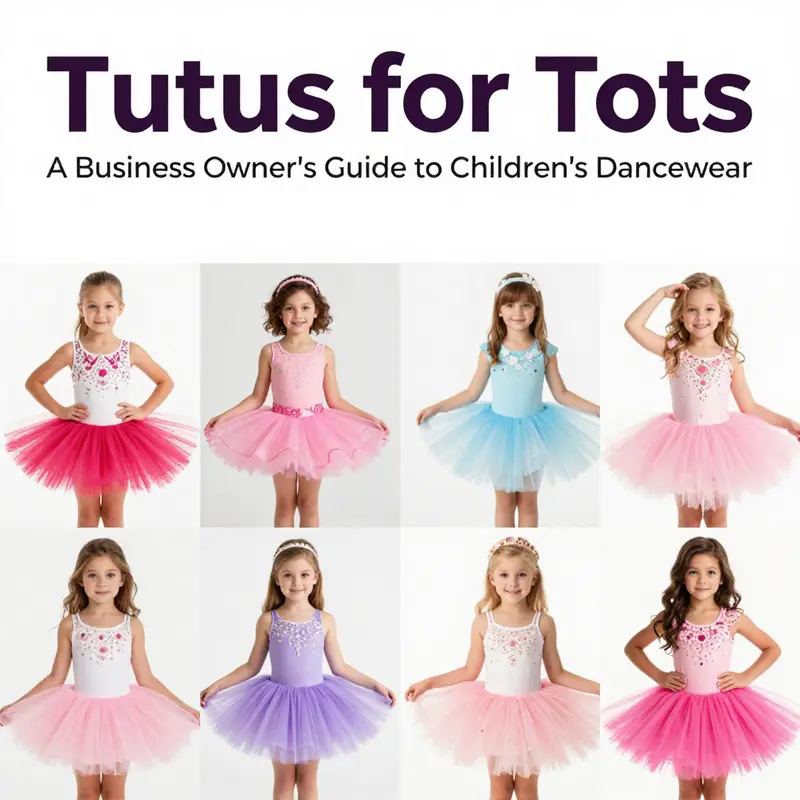
Bright colors and whimsical prints are also paramount in today’s children’s tutu fashion. Designers are crafting delightful pieces that incorporate animal motifs, floral patterns, and vibrant hues, stimulating children’s imaginations and making them feel like characters from their favorite stories. Accessories have taken on a significant role as well—tutus adorned with playful animal ears, tails, and even masks allow children to delve into imaginative play, transforming routine moments into enchanting experiences. Whether paired with a simple top for casual outings or complemented with themed accessories, these tutus become versatile wardrobe staples that encourage creativity.
The industry’s response to these evolving needs reflects a keen understanding of consumer demand. Manufacturers are increasingly prioritizing durability alongside flexibility to meet parents’ expectations for clothing that can withstand the rigors of childhood. Moreover, this dedication to quality often aligns with a growing trend towards sustainability, as many brands look to incorporate eco-friendly materials and practices into their production processes, addressing modern parental concerns for the environment.
Consequently, children’s tutus have blossomed into garments that celebrate both individual expression and playful movement. By fostering comfort and igniting creativity, these fashion choices provide not only practical solutions for parents but also empower children to explore their identities through imaginative play. The modern tutu is not merely a part of a child’s wardrobe; it represents a canvas for dreams—a joyful expression of childhood’s vibrant spirit. For more insights into the latest trends and how to style these enchanting outfits, you might explore the resources available at Dad a Tutu.
2. Whimsical Tutu Sets and Accessories: A Gateway to Imagination
The vibrant world of children’s tutu fashion has embraced the concept of complete tutu sets, enhancing the experience of celebration and play. These curated ensembles combine practicality and fantasy, making them the ideal choice for birthdays, holidays, and dance performances. A typical complete tutu set features a beautifully crafted skirt, an elegant bodice, and an array of thematic accessories, transforming moments into something magical.
At the core of these sets lies the tutu skirt—often composed of lightweight, airy tulle that can encompass anywhere from five to ten layers. This layered design not only creates a delightful fluffiness but also ensures ample room for movement, allowing children to dance freely and fully express themselves. The accompanying bodice is typically a form-fitting top, whether a classic tube design or halter style, balancing structure with comfort. When outfitted properly, these components are as functional for energetic play as they are stylish for the stage.
To further enhance the whimsical nature of these outfits, many tutus come with charming accessories. From sparkling tiaras and headbands adorned with cute animal ears to wings that give children a fairy-like quality, these add-ons encourage creativity and imagination. A particularly popular choice in the market is the themed carnival costume, which might include butterfly wings paired with a vibrant tutu, perfect for any festive occasion. These complete sets not only cater to aesthetic appeal; they are also designed for real-life performance. The use of machine-washable, durable fabrics ensures that these ensembles maintain their charm without sacrificing durability or comfort.
Practical considerations are prominent in modern tutu design, with careful attention to features like breathable waistbands and easy maintenance. Parents appreciate the versatility these sets offer—from relaxing family gatherings and preschool recitals to high-energy dance parties. The broad appeal of tutu ensembles creates a marketplace ripe for wholesale options, with pink tutus often leading sales due to their timeless charm.
This trend toward complete sets marries style with function, fulfilling a range of needs for children and parents alike. With safety and comfort as top priorities, the emerging fashion in children’s tutus serves both formal and informal occasions beautifully. Every twirl and leap transforms a child into a character, allowing them to embody their dreams while providing parents with the reassurance of quality and safety. It’s no wonder that these tutu sets are an integral part of children’s wardrobes, making each event not just a memory but an enchanting experience.
For more options that extend the tutu wardrobe, check out the various tutu choices available to enhance festive occasions and creative play. Whether for a birthday celebration or simply dressing up at home, the accessibility of whimsical tutu sets paves the way for unforgettable childhood moments.
3. Whimsical Layers and Lush Volume: Captivating Tutu Designs for Little Dancers
Layered and volume-rich tutu designs stand as a hallmark of elegance in children’s fashion, perfectly melding aesthetic charm with the comfort and practicality vital for young wearers. Their enchanting presence is particularly noticeable during special celebrations such as weddings, birthday parties, and theatrical presentations, where the multi-tiered silhouette offers a captivating visual experience that stirs the imagination of both children and adults alike. Beyond their eye-catching stature, these tutus are thoughtfully crafted to ensure warmth and ease of movement, making them ideal for countless occasions.
At the core of these designs is a layered construction that typically features lightweight, breathable materials such as tulle, organza, or nylon. These fabrics not only provide a dreamy, floaty quality but also ensure that even with prolonged wear—common during a bustling day full of fun and activities—children remain comfortable. A notable example is the innovative use of handcrafted tulle combined with chiffon, which not only lightens the dress by nearly 30% but also enhances its durability, a crucial aspect for active children with sensitive skin.
The voluminous effect of a tutu is achieved through precisely layered tiers, each varying in length to impart dynamic motion to the ensemble. Such design sophistication is particularly sought after in dance performances, where the play of movement pairs beautifully with the garment’s extravagant fullness. For instance, tutus featuring a rich burgundy hue can add depth to a performance, with their ruffled edges dancing elegantly with each turn and plié, perfectly suited for portrayals of whimsical characters or classical ballet.
In addition to their visual splendor, modern layered tutus are imbued with unique design elements that accentuate their charm. Details such as hand-stitched accents, intricate 3D embroidery, and delicate ruffled straps integrate playful sophistication with structural integrity—elements that parents can appreciate while allowing kids to express their artistic sides. Moreover, elastic waistbands provide a perfect fit, crucial for accommodating growth spurts, which ensures that these beautifully crafted garments serve children well for seasons to come.
Sustainability is increasingly weaving itself into the fabric of children’s tutu designs. Many brands prioritize eco-friendly materials and production processes that align with the contemporary emphasis on sustainability and safety. For example, innovative designs using yarn-dyed fabrics can enhance the longevity of these tutus, retaining their shape and allure even after extensive use without compromising on comfort.
These fashionable tutus don’t just excel in style; they are also strikingly versatile. Transitioning effortlessly from vibrant daytime outings to refined evening soirées, they embody adaptability, offering customizable features like sequins, ribbons, and detachable tails particularly aimed at older children. This versatility allows young wearers not only to shine but also to tell their own stories through fashion.
For those interested in acquiring such stunning pieces for their little ones, a wealth of curated selections is available through various suppliers, showcasing craftsmanship that meets global quality standards. By choosing layered and volume-rich tutus, parents can ensure their children not only look enchanting but also feel free to play, dance, and express themselves in a truly magical way.
Final thoughts
Children’s tutus are more than just garments; they represent a fusion of artistry, comfort, and functionality that appeals to both children and parents alike. Understanding the intricacies—from materials selection to design philosophies, manufacturing practices, event appropriateness, and evolving fashion trends—empowers business owners to cater effectively to this enchanting market. By staying informed and embracing innovation, you can ensure your offerings resonate with customers looking for the perfect blend of style and reliability.
Elevate your dance with premium, comfortable balletwear from luneballet.com! Designed for grace and performance, our pieces blend quality fabrics and timeless style. Shop now to find your perfect fit and shine on stage!
About us
At luneballet.com, we’re passionate about crafting exceptional balletwear for dancers of all levels. With a focus on quality, comfort, and elegant design, we produce pieces that support movement and inspire confidence. Our mission is to provide reliable, stylish dancewear that helps you embrace your passion and perform at your best.