
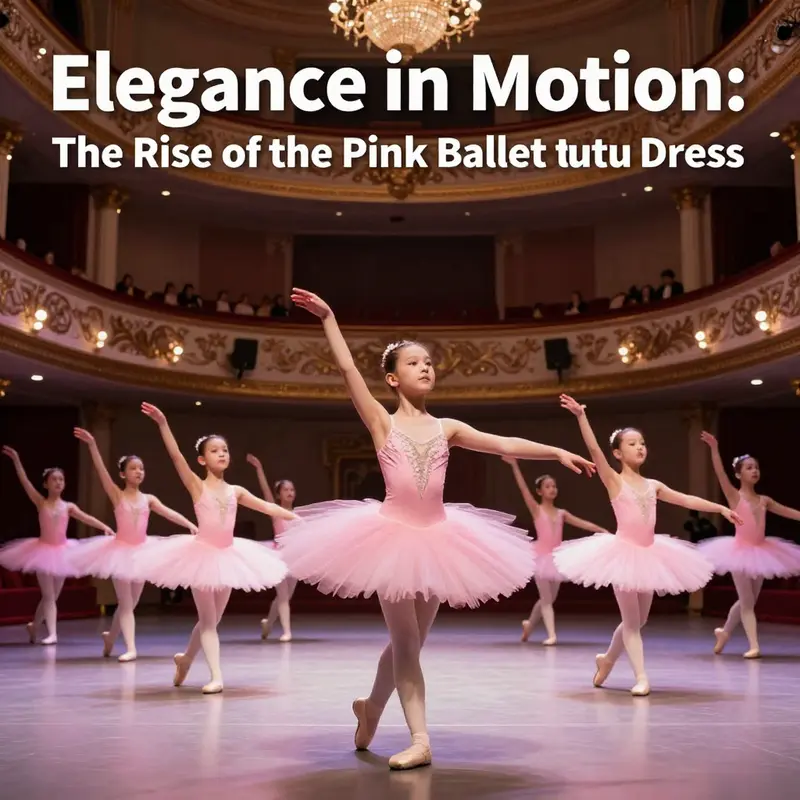
The pink ballet tutu dress stands as an iconic symbol of grace and elegance in the world of children’s dancewear. As industry stakeholders, understanding the design styles, material choices, functional applications, purchasing avenues, and safety standards associated with these dresses is vital for meeting market demand effectively. This article delves into these key components, providing an informative overview of the pink ballet tutu dress and establishing its ongoing relevance in today’s fashion landscape.
Draped in Dream Pink: Design Styles, Comfort, and Market Currents of the Pink Ballet Tutu Dress
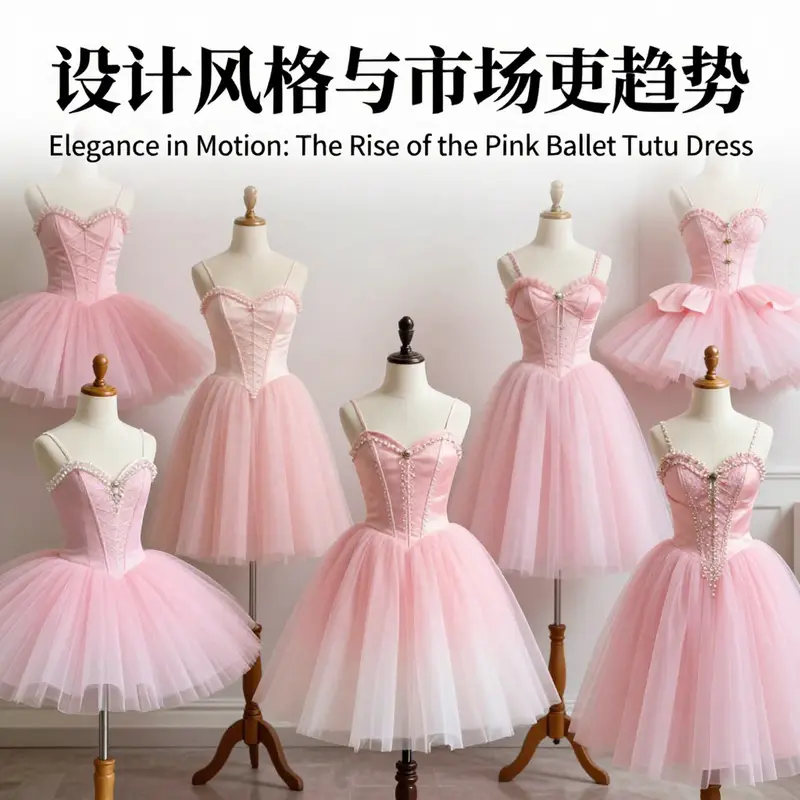
Among the costumes that carry the language of ballet, the pink ballet tutu dress functions as a bridge between studio discipline and stage poetry. It combines a snug leotard with a skirt built from multiple layers of soft tulle, designed to catch light and movement without constraining breath or balance. For young dancers, this ensemble anchors the artistry of turnout and port de bras while inviting imagination. The pink hue carries historical resonance in dance, yet it remains versatile across contexts—from formal performances to social moments that celebrate motion as story. The garment’s power lies in its ability to be more than a costume; it becomes a tool for confidence, posture, and expressive timing as a dancer discovers how to release a plié into a glide that reads clearly to an audience.
Design styles have evolved into a spectrum that honors tradition while inviting contemporary play. The traditional tutu, with its structured layers and refined silhouette, remains cherished for gala performances and senior showcases. Yet designers experiment with gentler ombre transitions that soften the edge between white and pink, and with princess-inspired silhouettes that embrace asymmetry and playful ruffles. Some iterations introduce tiny, tasteful details such as delicate trims and subtle motifs that nod to fairy tales or character-inspired storytelling. These touches are not merely decorative; they shape how the wearer perceives movement. A skirt that flares slightly with a grand plié can heighten the sense of lift, even when the dancer’s feet stay close to the floor. New fabric narratives also appear. A blend that harmonizes elasticity with a soft tactile feel supports swift turns and leaps, while a velvet-tulle mix adds depth and stage presence under bright lights. The trend toward mixed finishes—glossy satin, subtle lamé, and iridescent threads—lets the same pink read differently under daylight, rehearsal hall fluorescents, and backstage strobes. This evolving aesthetics aligns with a broader cultural moment in which ballet aesthetics mingle with romantic streetwear, creating a language that resonates with practicing students and curious spectators alike.
Comfort and safety ground these aesthetic explorations. The core materials emphasize flexible blends, where nylon or spandex is woven to offer support without binding the torso or hips. A cotton blend may be chosen for rehearsals that stretch long hours because it breathes and feels gentle against young skin. For premium pieces, velvet and tulle can be combined to create a tactile luxury that photographs well while preserving movement. Across the spectrum, manufacturers emphasize nonirritant dyes and minimal chemical exposure, a priority flagged by safety standards meant to protect children. As a result, the pink hue remains vivid but not overpowering, and the fabric stays soft after repeated washings. Practicality threads through the design as well: front closures that simplify dressing, reinforced seams that resist wear on a tense rehearsal day, and lightweight linings that prevent chafing. The skirt layers themselves are designed to hold their shape through dynamic spins yet avoid stiffness that would hinder articulation. Such details matter when a dancer transitions from plié to pirouette, because the costume should read the motion without fighting it.
Beyond the recital hall, the pink ballet tutu dress finds roles in teaching spaces, competitions, and social moments that celebrate youth creativity. In class, a reliable but comfortable tutu helps young dancers focus on alignment rather than adjusting clothing. In a competition, the impact of a clean silhouette and a fluttering tutu is visible in banner-like photographs and judges’ impressions. In a party or a themed photo shoot, the same dress can function as a versatile prop, its color inviting a spectrum of makeup and accessory ideas. To support these varied uses, many producers offer modular pieces: compatible headbands, slender tiaras, and light belts that complement the skirt without overpowering it. The practical design ethos—ease of dressing, maintenance, and durability—often translates into options that teachers and parents welcome. For example, a dancer may wear a leotard with a detachable skirt for a layered look that can be adjusted across performances, or swap in a lighter crown for a playful photoshoot. The flexibility of these garments mirrors how young dancers imagine their performance: a blend of discipline and storytelling that travels beyond the stage.
Market currents confirm that pink ballet tutu dresses have grown beyond a single costume type. They sit at the crossroads of Balletcore, a trend that redefines the aesthetic as a lifestyle—soft pinks, ruffles, and light-catching fabrics that still honor technique. The bright pinks and shimmering textures appear in campaigns and classroom mirrors alike, contributing to an atmosphere of optimism and momentum. The psychology of color plays a role here; pink is associated with warmth, approachability, and play, which aligns with how tutors and choreographers want young dancers to feel when entering the studio. Designers respond by offering variations that range from airy, cloud-like skirts to more structured, cake-like layers that enhance the leg line in still photography and video. Even practical elements—such as stabilized design that preserves balance while remaining light—embody a careful balance between appearance and support. In this way, the tutu dress becomes both a performance tool and a personal expression piece, a garment that invites a child to imagine a character and then move with intention through it.
From a procurement standpoint, the market supports a wide range of needs. Schools, studios, and families look for options that fit budgets, volume requirements, and growth. Bulk orders for schools may emphasize durability and color consistency, while individual shoppers seek size ranges and trial options. Retailers often offer easy care and clear instructions, recognizing that repeated washing and frequent wear accompany both rehearsal and celebration. In the broader ecosystem, the pink tutu dress sits among other costume categories as a gateway to more elaborate designs, attracting parents who first discover the joy of dress-up through dance attire. For those seeking practical, entry-level choices that still honor the craft, the basic tutu category provides a practical entry point. This path aligns with the reality that many young dancers begin with simple layers and stable closures, then gradually explore more complex silhouettes as confidence grows. Such progression mirrors how studios structure pedagogy—gradual, supportive, and attentive to both physical development and imaginative exploration. The result is a marketplace that rewards both enduring craftsmanship and creative experimentation, a combination that keeps pink ballet dresses relevant across seasons and generations.
As the fashion conversation around performance wear evolves, pink ballet tutu dresses become cultural artifacts as much as stage costumes. They symbolize a connection between technique and dream, a bridge from the discipline of practice to the moment of performance and even to the everyday joy of dressing up. The tulle’s translucence catches light in a way that makes a dancer appear lighter, while the solid bodice keeps the core secure and aligned. The palette remains forgiving and versatile, enabling complementary hair styling, makeup choices, and jewelry that range from classic to whimsical. In classrooms and on small stages, the garment performs with honesty: it does not pretend to be a fashion outlier; it supports motion, breath, and safety. Yet it also invites a narrative, the kind that makes a young dancer want to bow to an audience after a finale, then return to rehearsal smiling at the memory and the possibility of next time.
To situate these design and market dynamics within a wider cultural frame, readers can explore broader fashion conversations about Balletcore and its resurgence in contemporary styling. An influential voice in this discourse highlights how pink fabrics, glossy trims, and light-catching layers translate ballet aesthetics into everyday wardrobes while preserving the dignity of classical technique. This linkage helps explain why pink tutu dresses remain a preferred choice for studios and families alike, offering a tactile connection to tradition while welcoming modern play and personal expression. External reference: https://www.vogue.com/fashion/2025/04/balletcore-fashion-trend-2025
Material Matters: Comfort, Craft, and Color in the Pink Ballet Tutu Dress
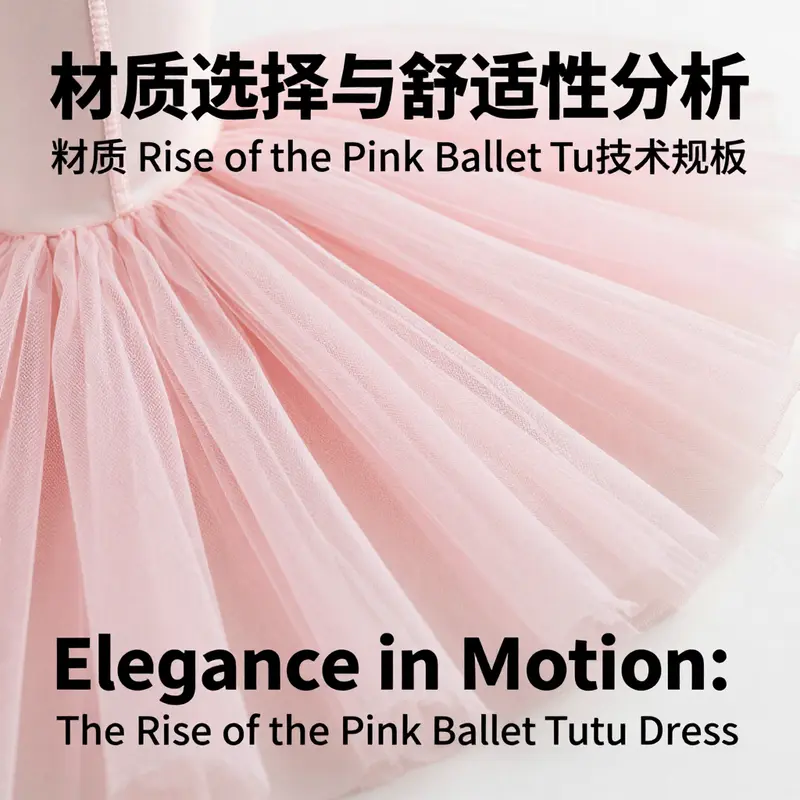
The pink ballet tutu dress is more than a costume; it is a conduit for movement, imagination, and the delicate balance between safety and artistry. In the choreographic space between a dancer’s breath and a jump, the fabric becomes both second skin and wing. When families select a tutu for practice, recital, or a playful photo moment, they are choosing not only color and silhouette but the very texture that allows a young dancer to stretch with confidence. The material choices—what the dress is woven from, how it breathes, how it holds its shape—shape the rhythm of every plié and pique. In the current market, the most successful designs fuse comfort with performance, yielding a garment that invites fluidity rather than restraint. The pink shade may capture the eye, yet the fibers beneath determine whether a child can focus on technique or on itchy fabric, heat, or moisture. A thoughtful mix of textiles can translate into hours of practice without irritation, while also supporting the dress’s iconic silhouette through lively spins and lifts.
At the core of this balance are fabric blends that honor both skin safety and active wearability. A common approach blends cotton with a touch of synthetic fiber. The cotton provides softness and breathability, making long practice sessions gentler on sensitive skin. The synthetic component—often a polyester or nylon element—adds resilience, helping the garment hold its shape through repeated movements, washes, and stage lights. The resulting knit or woven fabric often sits somewhere around 80/20 or 70/30 blends, a ratio chosen to deliver gentle stretch, stable drape, and a comfortable base layer that does not cling as perspiration increases. When the body heats up during a grand jeté, the fabric should wick moisture just enough to keep the skin dry and the dancer feeling unencumbered. This is not merely a matter of comfort; it is about preventing chafing, preventing fatigue in small joints, and ensuring the legs can move through full range without the fabric acting like a scrim against the knee or ankle.
Beyond cotton blends, some designs lean toward a nylon-spandex mix for enhanced elasticity. Spandex brings that essential spring, allowing the bodice to recover quickly after a stretch and the skirt to rebound after a twirl. The advantage here lies in the ability to tailor the garment to a growing child. An elasticized waist seam, a staple in many high-functioning tutus, accommodates different body shapes while reducing pressure points that can cause red marks after a long rehearsal. When elastics are gentle but secure, they distribute tension evenly, preventing the waistband from digging in during a long practice block. In the same breath, the lining plays a pivotal role: a soft cotton or cotton-blend inner lining can sit close to the skin, offering a buffer against the direct touch of a more abrasive outer layer. This dual-layer approach preserves the tutu’s fluffy exterior while guarding delicate skin against friction.
A tutu’s visual drama typically comes from its layered skirt, where sheer fabrics like tulle or chiffon are stacked to build the signature volume. The classic four-layer construction provides the necessary fullness without overwhelming a child’s movement. Each layer contributes to the silhouette while remaining light enough to avoid drag on the legs. The edges of these layers are often finished with rolled hems or narrow bindings to prevent fraying as the dress is tugged on and off, or as a young dancer moves through turns and leaps. For a touch of luxe, some designs may incorporate velvet accents or subtle iridescence, but even these embellishments must be careful not to weigh the wearer down in a gust of wind or during a particularly vigorous sequence. The color itself—pink—adds an extra dimension: it can fade with improper washing or bleed onto lighter fabrics if dye fastness is not secured. This is why responsible production emphasizes colorfast dyes and careful testing to keep a baby-soft shade from becoming dull or uneven after several wears.
Seasons dictate adjustments as well. For autumn and winter performances, a softly brushed interior or a lightweight fleece lining can provide warmth without sacrificing the dress’s silhouette. The goal is a garment that remains airy and buoyant when the dancer lifts, while offering enough insulation to comfort the body in a chilly studio or backstage corridor. The layering philosophy—where warmth is added subtly at the core rather than as an external bulk—helps maintain the tutu’s trademark flutter. From a design standpoint, these decisions reflect a mature understanding of a child’s rhythmic physiology: the body warms up with exertion, but it also cools quickly after exertion when stillness returns. A well-considered fabric system adapts to these shifts, enabling a dancer to switch from a high-energy routine to a poised, graceful finish without adjusting the garment mid-performance.
Safety and sustainability float to the top of the priority list in modern tutu design. Materials must align with safety standards that protect young wearers from skin irritation and chemical exposure. Reputable manufacturers emphasize low-irritation dyes and formaldehyde-free finishes, along with certifications that reassure parents about the absence of harmful substances. The dyeing process itself is a science, with eco-friendly techniques such as digital printing reducing water use and minimizing the risk of heavy-metal residues in the finished fabric. Because children’s clothing experiences frequent handling and sweat, colorfastness is non-negotiable. A pink hue that runs or stains other garments undermines both aesthetics and hygiene. In practice, this translates into strict testing protocols and a clear emphasis on fabrics that resist color migration after washing. The parent who inspects a new tutu will look for long seams, reinforced panels, and secure closures that won’t pop open during a jump. An elastic waist, carefully stitched, avoids red marks and allows the waistline to breathe. All these details—soft inner linings, sturdy stitching, secure closures—combine to ensure that the tutu remains comfortable, durable, and aesthetically faithful to its intended playful character.
For practical guidance, many families should think about the ongoing care this fabric system requires. A gentle wash cycle with mild detergent, cold water, and a careful tumble or line-drying regimen helps preserve both color and texture. Segregating fabrics by color during wash cycles is prudent to prevent dye transfer, especially for pinks near white or lighter pastels. The care ritual, while seemingly meticulous, pays dividends in longevity and ongoing comfort. A tutu that retains its volume after multiple washings preserves the dancer’s ability to perform with the same silhouette each time. Recognizing the need for accurate sizing is also essential; a waistband that adapts to growth without pinching is a common marker of quality. Parents can look for designs that offer a bit of stretch in the waist and discreet, durable closures that are easy for young hands to manage, promoting independence and confidence during routine changes or stage entrances.
In contemplating the broader ecosystem of pink tutu dresses, it is useful to anchor the design principles in a foundation that many studios and families share. For a starting point that honors core tutu aesthetics while encouraging exploration, consider the basic tutu category, which serves as a reliable reference for foundational styles and fit. This pathway helps guardians compare the essential components—fabric feel, stretch, lining, and silhouette—without becoming overwhelmed by more elaborate versions that add weight or bulk. Exploring this category can illuminate how a simple, well-cut base can be transformed with color, trim, or accessory coordination into a personal expression of a young dancer’s voice. (internal link: basic tutu category)
The pink ballet tutu dress, when conceived with thoughtful material choices, becomes a garment that not only looks like a dream on stage but behaves with integrity in motion. It respects a child’s need to breathe, to bend, to leap, and to rest, while still delivering the magic of a pink-tinted cloud that frames every pirouette. The best examples demonstrate a harmonious blend of softness and resilience: a skirt that floats yet remains under control; a bodice that stretches with each chest lift; a lining that preserves skin comfort without adding heat. When these elements align, fabric ceases to be merely a resource and becomes an unwritten partner in technique—the subtle support that lets a dancer glide, spin, and dream in equal measure. The result is a tutu dress that is as enduring as the memories it helps create, a garment that travels from classroom to stage with quiet reliability, always ready for the next luminous moment.
External reference: https://www.alibaba.com/product-detail/18008-Ballet-Dance-Costume-Ombre-Pink62578941832.html?spm=a2700.galleryofferlist.pyjw12&urlLog=follow%2Fproductdetail%2F62578941832
Grace in Practice: The Everyday Versatility of the Pink Ballet Tutu Dress
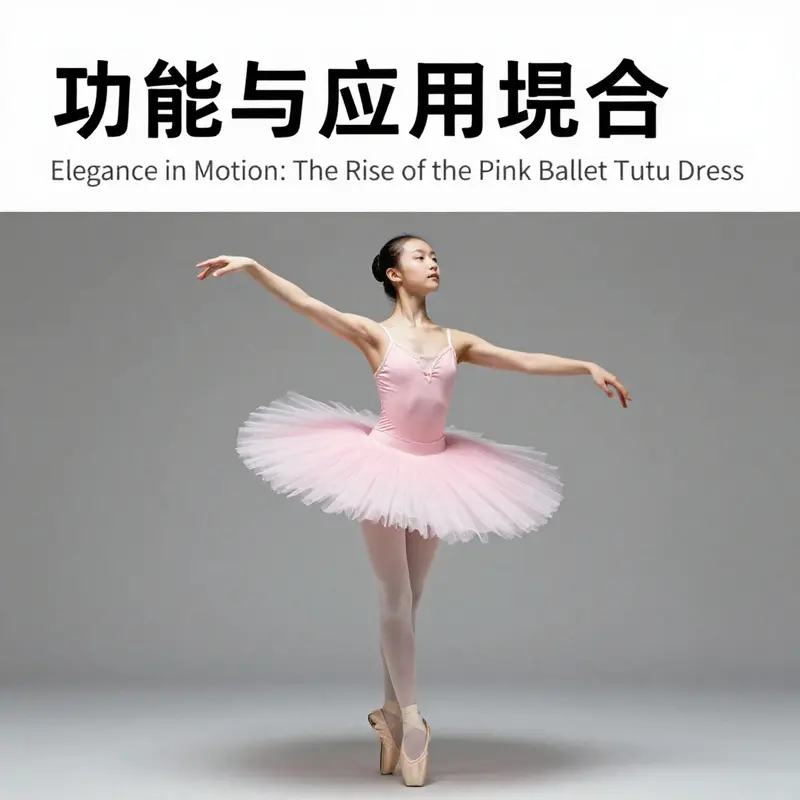
A pink ballet tutu dress is more than a costume; it is a doorway between the discipline of ballet and the spontaneity of daily life. Its soft color carries a gentle charm, yet the garment is engineered for performance as much as for play. When a young dancer slips into a leotard that seamlessly transitions into a three-layered tulle skirt, the body instinctively learns to move with a lightness that embodies both focus and joy. The pink hue becomes less about color aesthetics and more a cue for posture, balance, and the breath that threads together technique with expression. This chapter explores how the design combines elegance with practicality, guiding a wearer from studio practice to celebrations, photoshoots, and everyday moments that crave a touch of fairy-tale grace.
At the heart of the dress is a simple but purposeful construction: a snug, comfortable bodice paired with a voluminous yet controllable skirt. The bodice often merges the silhouette of a leotard with the security of reinforced seams, ensuring it stays in place during turns, leaps, and quick directional changes. The skirt, crafted from multiple tiers of light, airy tulle, is what creates that signature silhouette. Rather than a single heavy layer, the dress uses a layered approach that offers visual buoyancy without weighing the dancer down. This balance is crucial for young performers who need to maintain stamina through long rehearsals and still want to feel free during expressive moments on stage or in front of a camera.
The fabric choices emphasize both elasticity and comfort. A high-elastic blend—typically a mix of nylon and spandex—gives the ensemble the stretch needed for leaps and fast footwork while maintaining resilience after repeated flexion and extension. For those who prize skin-friendliness and air flow, softer blends that incorporate cotton can be chosen for longer wear, particularly during warm-up sessions or outdoor shoots. The aesthetic value of the material is complemented by functional details: reinforced seams along the waistline and hem reduce snags, while subtle draping lines help the garment hold its shape after movement. The result is a garment that looks poised and polished in performance while remaining practical for daily wear, class activities, and weekend adventures that call for a dash of stage-ready charm.
Safety and sustainability also shape the design. Many contemporary tutu dresses use eco-friendly dyeing technologies that minimize chemical exposure, a crucial consideration for children’s wear. Non-toxic dyes and careful print processes ensure that bright pinks stay vibrant without compromising skin safety or environmental health. Certification standards relevant to children’s apparel provide another layer of assurance; these garments are designed to be gentle on sensitive skin and safe for prolonged contact. Such attention to material science and safety turns a beloved performance staple into a trusted everyday garment, allowing families to embrace the look and feel of ballet without sacrificing peace of mind.
From a practical perspective, the dress is engineered for ease of use. Closures, whether front buttons, small zippers, or discreet snap systems, are chosen for quick changes between practice sets and performances. A robust waistline and flexible skirt construction enable dancers to perform with minimal adjustments, reducing interruptions and keeping momentum during classes or rehearsals. This practicality is essential for younger students who may be learning how to prepare themselves for recital days, as it lowers the cognitive load required to get dressed—one less task to manage when nerves are high and excitement is mounting.
The versatility of the pink ballet tutu dress becomes even more apparent when we widen the frame beyond formal performances. In school assemblies, charity events, and community celebrations, the color and design radiate a friendly, approachable energy that suits a festive mood. For a professional setting like a studio photoshoot, the dress offers a ready-made aesthetic that requires little styling beyond suitable accessories. Yet it still invites personalization: a coordinating headband or a simple crown can elevate the look without overwhelming the garment’s inherent elegance. The result is a flexible wardrobe staple that supports a range of storytelling moments—from the fairy-tale to the everyday—while preserving ease of maintenance and quick choreography execution.
Age and body diversity are also accommodated through thoughtful tailoring. The elastic waist creates a forgiving fit, allowing the same dress to adapt as a child grows or as measurements shift during a growth spurt. The interplay of bodice fit and skirt volume is designed to flatter a variety of silhouettes, producing a silhouette that reads confidently on stage and in front of the lens alike. The ombre or gradient storytelling found in modern tutu styles—soft transitions from pale to deeper pink—adds a contemporary twist that keeps the garment fresh while honoring ballet’s timeless elegance. For families who value both tradition and individuality, this blend of classic line and modern detail makes the pink tutu dress a compelling choice across different occasions.
Care and upkeep are simple when approached with the right routine. Gentle hand washing or delicate-machine cycles preserve the luster of the tulle and the integrity of the seams. Air drying helps retain the fabrics’ form and avoids the crinkles that can dull a garment’s line. A light steam can restore smoothness after travel or long gallery sessions, provided heat is kept at a safe level for delicate fabrics. Storage matters as well: hanging the dress in a breathable garment bag prevents crushing, while avoiding damp spaces protects the fibers from mold and odor. With a little care, this dress maintains its poise season after season, becoming a familiar companion in a young dancer’s journey toward confidence and artistry.
The abundance of contexts in which the pink ballet tutu dress shines speaks to a broader cultural current. Ballet-inspired attire has become a popular means of self-expression for young people, allowing a bridge between disciplined practice and imaginative play. This bridge is especially meaningful when the garment is comfortable enough to wear for hours yet refined enough to be photographed in a studio or on a city street. In moments when a child wants to feel celebrated or to capture a dream-like scene—whether in a school hall or a sunlit park—the dress offers a visual shorthand for grace and possibility. The garment thus functions as a catalyst for creative activity, enabling a young dancer to inhabit a poised presence without the barrier of constant wardrobe adjustments or discomfort.
For those who are curious about the building blocks behind tutu silhouettes, there is value in exploring the basics of tutu construction. A practical entry point is the Basic Tutu category, which features foundational styles that emphasize comfort and durability while remaining easy to style for various occasions. This resource helps families and studios understand how the core elements—bodice fit, waist construction, and skirt layering—work together to deliver consistent performance and everyday wearability. By engaging with these essentials, learners can better appreciate how subtle design choices translate into real-world use, whether preparing for a recital or planning a weekend photo session with friends and family. Basic Tutu category.
Across generations and cultures, the pink ballet tutu dress remains a touchstone of young dancers’ wardrobes. It embodies a deliberate balance between tradition and modern life, offering a graceful silhouette that can stand up to the rigors of practice while inviting playful experimentation with accessories and settings. The garment’s enduring appeal lies not only in its color and form but in its capacity to support growth—technical growth in technique and personal growth in self-confidence. When a child strides into a rehearsal room wearing this attire, the moment becomes more than a routine step; it becomes an assertion that beauty and effort can coexist. The pink tutu dress, in its careful blend of comfort, resilience, and charm, invites dancers to move with intention and to expand their sense of possibility in every drill, routine, or celebration that follows.
External resource for broader context on market offerings and certifications can be found here: https://www.alibaba.com/product-detail/18008-Ballet-Dance-Costume-Ombre-Pink_62578941832.html
From Catalog to Curtain: Navigating Channels and Prices for a Pink Ballet Tutu Dress
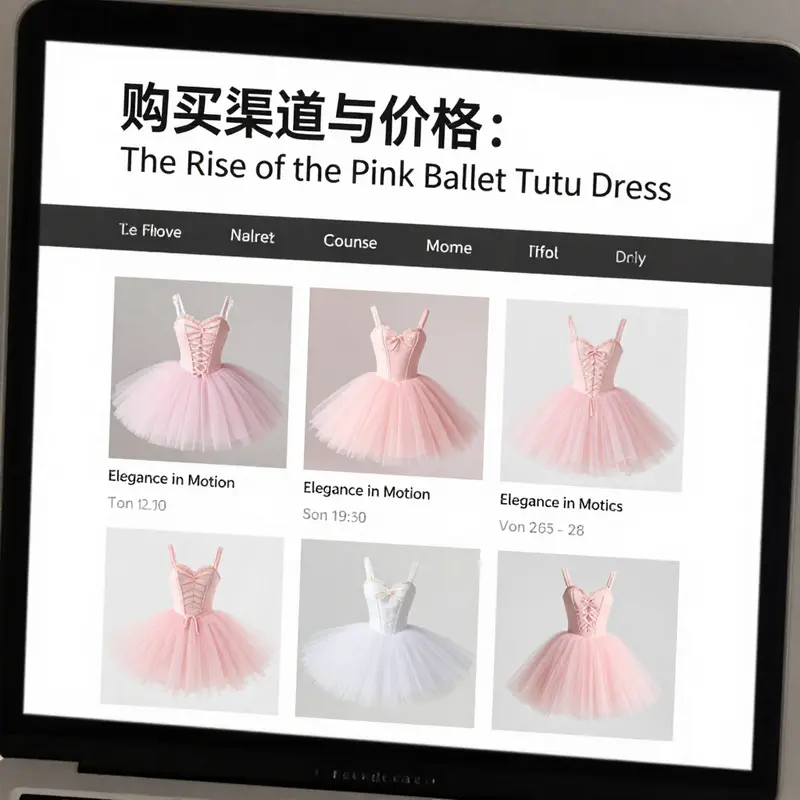
A pink ballet tutu dress is more than a costume; it is a practical tool that helps young dancers embody grace, poise, and the discipline of a classically trained art form. For families, studios, and individual performers, choosing the right garment means balancing aesthetics with durability, safety, and cost. The market for these outfits has grown increasingly layered, offering options that range from simple, economical sets to more elaborate, stage-ready ensembles. Buyers who approach the process with a clear sense of purpose can move smoothly from initial fascination to a confident purchase that supports repeated practice, school performances, and even special events outside the studio. In this landscape, the channels through which pink ballet tutu dresses are sold—retail shops, mass-market online platforms, and wholesale marketplaces—play a decisive role in shaping what is possible for a dancer at any level. Retail outlets often emphasize ready-to-wear convenience, enabling quick orders and straightforward returns. These pathways tend to align with families seeking a single, well-fitting garment that can be delivered promptly, allowing for last-minute rehearsals and photo sessions without delay. In contrast, wholesale channels cater to studios, schools, and dance groups that require multiple units and a coherent set of sizes for recurring seasons. Wholesale suppliers can accommodate bulk orders, batch customization, and consistent supply, which is essential when a studio rehearses a large cast or needs standardized costumes for a recital. The distinction between these channels is not merely about volume; it is also about the level of service, the potential for customization, and the assurance that every piece will adhere to expected safety and comfort standards. To navigate these options with confidence, buyers consider several practical dimensions that recur across the market: delivery speed, return policies, and the reliability of sizing information. A quality pink tutu dress is designed to move with a dancer. It should couple a snug, non-restrictive leotard with a multi-layered tulle skirt that holds its shape through repeated leaps, fast spins, and the soft, ever-changing light of a stage. The fabric choice matters here. High-elasticity blends such as nylon with Spandex offer durable stretch, enabling a dancer to bend and rebound without feeling pinched. For younger students, blends that emphasize breathability and skin-friendliness—such as cotton with a touch of Spandex—often feel kinder over long practice sessions. In more formal or deluxe lines, velvet accents or denser tulle layers can enhance the garment’s visual depth on stage, while still preserving comfort. Across the market, manufacturers increasingly emphasize environmentally friendly dyeing methods, non-irritating finishes, and compliance with children’s safety standards. This alignment with safety standards is not merely a marketing claim; it is a crucial expectation for parents and instructors who demand durable, skin-safe attire for growing dancers. Even within a single price tier, the garment’s construction factors—how securely the bodice is stitched, how the waistband is reinforced, and how well the seams resist creasing—ultimately determine how long a piece remains usable through a performance season. Buyers moving through channels should pay attention to practical design details that support daily use: easy closure mechanisms such as front snaps or discreet zippers that facilitate quick dressing without compromising the silhouette; reinforced seams at stress points to withstand frequent wash cycles; and wrinkle-resistant finishing to maintain a polished look between rehearsals and performances. The ability to pair the tutu with matching accessories, such as headbands, small tiaras, or delicate gloves, can complete the transformation from classroom wear to stage-ready attire. When considering price, the market reveals a tiered structure shaped by fabric quality, embellishments, and the complexity of the design. The most basic, entry-level pieces commonly present the lowest unit costs, with wholesale prices often dipping into a few yuan per item for simple, mesh-based skirts paired with a basic leotard. As designs grow in complexity—adding color gradients, layered tulle, or princess-inspired silhouettes—the price naturally rises, with a broad range that may extend into mid-range figures for standard schoolwear. In the broader wholesale spectrum, a wider spread exists, with foundational outfits priced to undercut premium lines while still maintaining clarity of pattern and fit. In many cases, schools and families that plan ahead can leverage this range to optimize their orders, balancing a sensible per-piece cost against the overall quality required for reliable performance. Of course, the final price a buyer sees is not only about the fabric and the design; it is also influenced by logistics, minimum order quantities, and the seller’s service package. Some suppliers offer flexible minimums, allowing a studio to purchase a handful of pieces for trial, while others might require larger commitments to access bulk discounts or customization options. Return policies, shipping timelines, and after-sales support all factor into the overall value equation. For families seeking single-item purchases or fast delivery, reputable retailers often provide straightforward options with predictable transit windows, easy exchanges, and clear sizing charts. For studios and teams, the ability to consolidate orders, standardize sizing, and coordinate color schemes across the company can translate into meaningful savings and smoother performance logistics. The path from a casual online browse to a firm purchase is also colored by the buyer’s longer-term needs. A dancer’s growth arc—entering a new level, preparing for a recital, or participating in a festival—can determine whether to choose a basic, economical option or invest in a dress with more forgiving fit and longer-lasting wear. In this sense, the market supports both immediacy and longevity. A growing dancer might begin with a simple entry garment and later upgrade to a more sophisticated design as technique and performance demands intensify. The value proposition, then, becomes a balance between immediate practicality and future-proof durability. For those who want to explore options beyond immediate retailers, wholesale portals offer a broader spectrum of styles, including potential customization. These channels frequently support color customization, silhouette tweaks, and branding details that make a garment feel uniquely aligned with a studio’s identity. Importantly, customization can extend beyond the garment to the packaging and presentation, enabling a cohesive look for a recital program or a themed production. To illustrate how buyers can begin this journey with confidence, it helps to connect the practical steps with a tangible starting point that centers on familiar, accessible choices. For families new to the process, exploring a basic tutu category can demystify size ranges, fit expectations, and wash care. This starting point is not just about price; it is about building a reference framework that helps families compare options across platforms and sellers. A simple, well-fitting option can act as a bridge to more complex, embellished designs later on, as the dancer’s needs evolve. If you are curious about a foundational collection, consider browsing the basic tutu category, which provides approachable options and a clearer sense of sizing and maintenance. For readers seeking a gateway to further exploration, this path can open doors to a broader set of styles while anchoring decisions in practical fit and care. When contemplating the broader ecosystem, it is valuable to think about the long view: the relationships between retailers, studios, and families, and how those relationships shape expectations for service, quality, and value. The market does not exist in isolation; it is a living network where instructors, parents, and young dancers continually influence design priorities through feedback, performance demands, and the evolving aesthetics of stage ballet. For anyone engaging with this landscape, the goal is a purchase that aligns with the dancer’s comfort, the studio’s standards, and the family’s budget. In practice, this means prioritizing garments that offer reliable construction, safe materials, and sensible sizing guidance, while recognizing that price is a meaningful signal of value, not a solitary determinant. A well-chosen pink tutu dress supports practice rhythms, recital rehearsals, and family memories alike. It becomes a shared instrument in the journey from shy first steps to confident performances under the stage lights. To close the loop on where to start, consider visiting the basic tutu category as a practical entry point and compare the options side by side. The pathway from catalog to curtain becomes clearer when you can feel, touch, and try a garment in a controlled setting, and when you can assess how the fabric behaves during dynamic movements. For more expansive sourcing, remember that wholesale avenues can offer broader design choices and customization, but they require attention to minimums, lead times, and quality checks. In every case, the aim remains the same: a pink ballet tutu dress that supports a young dancer’s growth, respects safety standards, and respects the family’s budget while delivering the confidence that comes with a garment designed for both rehearsal and performance. External resource: https://www.alibaba.com/product-detail/18008-Ballet-Dance-Costume-Ombre-Pink_62578941832.html
Beyond Pink: Environmental Stewardship and Safety Standards Guiding the Pink Ballet Tutu Dress
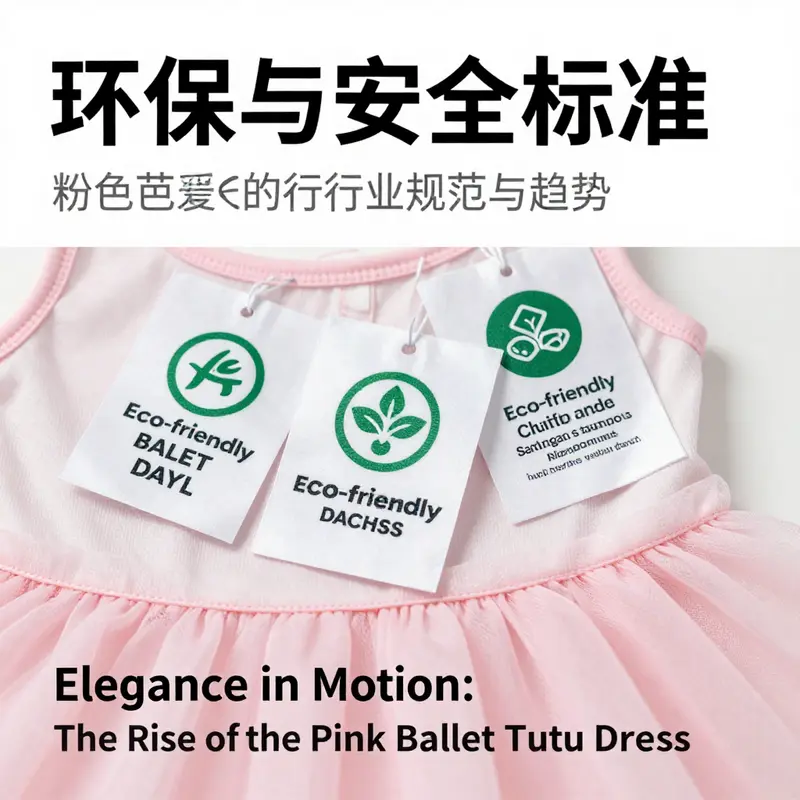
On a stage lit with soft, chalk-white light, the pink ballet tutu dress has always carried more than color and silhouette. It is a vehicle for technique, a canvas for expression, and a signal of a dancer’s readiness. Yet in recent years, this emblem of early training has begun to move in conversation with a different performance: sustainability and safety. Designers, manufacturers, studios, and families are collaborating to ensure that what appears delicate and innocent on stage has a robust, responsible life off it as well. The chapter that follows traces how environmental stewardship and rigorous safety standards are reshaping the pink tutu—from the atelier to classrooms, competitions, and everyday wear—without dimming the magic of its pale hue and airy form.\n\nAt the heart of contemporary pink tutus lies a design philosophy that honors both beauty and function. The classic tutu, with a snug leotard base and multiple layers of light, translucent fabric, remains a powerful vehicle for line and movement. But the fabric choices have grown more thoughtful. Photons of light still catch on the tulle as the dancer spins, yet the fibers themselves are increasingly selected for resilience and renewability. High-elasticity blends, such as nylon–spandex, provide the stretch needed for leaps and turns while maintaining a clean, taut line at the waist and hips. These blends endure repeated bending, stretching, and washing with far less pilling or distortion than older synthetics. For younger dancers, where longer practice times are common, breathable options like cotton–spandex blends offer a gentler touch against skin and a cooler feel during warm-up and rehearsal.\n\nThe market also sees a growing appetite for more responsible material stories. Recycled polyester blends and organic cotton-infused fabrics are substituting traditional nonrenewable fibers in many lines, particularly in entry-level and school-commissioned designs. When designers imagine the next generation of pinks, they often pair a soft, forgiving hand with a surface that withstands the rigors of practice—without discarding the dress’s signature lightness. Velvet accents and structured bodices in premium versions lend a sense of ceremony while remaining faithful to performance needs. Each fabric choice is weighed not only for its appearance but for how it behaves under pressure: how it holds color after repeated washing, how it breathes during long sessions, how it resists wrinkles after suitcase travel, and how it responds to the heat and humidity of a studio or stage.\n\nColor considerations go beyond mere shade. The pink you see on a tutu is increasingly treated as part of a broader color strategy that respects diverse skin tones and lighting conditions. Industry conversations have embraced the concept of skin-tone adaptive tones, aiming to minimize color shifts under stage lighting and to reduce the need for frequent re-dyeing that exposes young dancers to additional chemicals. In practice, this means subtle shifts toward pinks that translate evenly when reflected in warm lighting, plus the option of pale ivory or white bases for exam-centered wardrobes, in line with traditional guidelines. In all cases, dye processes are evolving away from aggressive chemistries toward water-based or plant-based alternatives that offer better colorfastness and lower water contamination risk.\n\nFrom a safety perspective, the tutu’s construction is as much about risk reduction as it is about aesthetics. Skirts that drift too far or flutter excessively during a pirouette can become a physical obstacle, while loose embellishments and frayed edges can irritate the skin or snag on equipment. Modern designs emphasize secure closures, reinforced seams, and thoughtful seam placement to minimize abrasion against the dancer’s torso and legs. Less is often more when it comes to adornments; the goal is a clean silhouette that reads clearly to judges and photographers alike while remaining durable through a season of performances and exams. Temperature and friction tests have become routine in development; fabrics are chosen for elasticity that does not trap heat or trap sweat, while linings provide a soft barrier against chafing.\n\nThe regulatory landscape for pink ballet tutus is increasingly aligned with broader child-safety and environmental standards. Exam boards and schools commonly specify color families, length guidelines, and performance requirements that keep the dress within safe, predictable boundaries for rapid dressing and undressing during class and testing. In this context, textile suppliers pursue certifications that verify non-toxicity, skin friendliness, and environmental responsibility. Certifications such as GOTS (Global Organic Textile Standard) and OEKO-TEX are becoming more visible in the supply chain, signaling that the fiber content and dye processes have met rigorous criteria for both ecological impact and human health. A growing number of manufacturers seek CPC-compliant, low-VOC finishes and plant-based or water-based dyes to minimize exposure to harsh chemicals. While the exact requirements vary by region and institution, the overarching trend is a shared commitment to safer materials, more transparent sourcing, and equipment that supports long-term dance health.\n\nAlongside chemical safety is a concern for the garment’s end of life. Studios and families increasingly ask, what happens when a tutu reaches the end of its useful life? The answer lies in design for durability and for potential recycling or repurposing. Fabric waste reduction is now part of the conversation from the earliest design sketches. Some manufacturers incorporate removable components or modular features that enable parts to be replaced rather than discarded. Others choose fabrics that can be recycled into new textile streams, or that degrade with minimal environmental impact when properly disposed of. Packaging is also being reconsidered, shifting toward minimal, recyclable materials and printed care instructions that avoid solvent-based inks.\n\nThe practical implications of these shifts extend to the studio floor and to the parent’s shopping list. For instructors, the emphasis is on teaching students to care for their outfits as part of routine discipline. A tutu’s life is extended through careful washing, air drying, and storage practices that preserve color and structure. Parents are educated to inspect seams for stress points after heavy practice weeks, to avoid aggressive heat treatment, and to understand the difference between gentle and industrial-cleaning methods. The goal is not a single garment that looks pristine for a photoshoot but a wardrobe that can withstand many seasons of growth, learning, and performance.\n\nWithin this evolving ecosystem, one can imagine a spectrum of products organized not only by price or design but by their ecological footprint and safety assurances. Designers often cluster offerings into foundational, romantic, and performance-oriented lines. The foundational category, for instance, prioritizes straightforward, durable cuts with simple closures and easily washable fabrics. For readers seeking a gateway into the broader world of tutus, a quick glance at a representative category can illuminate options that balance price, comfort, and responsibility. For a look at foundational tutu styles, you may explore the basic tutu category. basic tutu category URL: https://luneballet.com/product-category/basic-tutu/.\n\nThe industry’s forward trajectory also involves collaboration among educators, manufacturers, and regulators to standardize terminology and testing methods. When studios adopt a shared vocabulary and consistent care guidelines, dancers experience fewer surprises at dress rehearsals or during exams. Safety testing materials, fixture strength, and dye fastness are not abstract concerns; they translate into fewer wardrobe malfunctions, fewer last-minute costume changes, and more confident performance. The aim is to cultivate an environment where pink, the color nearly everyone associates with gentleness and grace, is no longer a risk signal but a promise of responsible craftsmanship and dancer wellbeing.\n\nAs we look toward the mid-2020s, the pink ballet tutu dress stands as a vivid reminder that tradition and innovation can coexist. The color remains iconic, but the fabric choices, the dye chemistry, and the garment’s lifecycle have grown more intentional. Studios that adopt transparent supplier practices and invest in fabrics certified for safety and sustainability can offer students dresses that not only flatter a perfect first barre but also honor the health of the dancers who wear them and the world that makes them possible. In this way, the pink tutu becomes more than a costume; it becomes a statement about care for young performers, care for communities, and care for the future of dance.\n\nExternal resources for broader context corroborate these shifts. For authoritative guidance on dancewear standards and safety, see the widely referenced guidelines published by a premier dance authority. https://www.ballet.org.uk/standards/dancewear-guidelines
Final thoughts
In summary, the pink ballet tutu dress is more than just a garment; it embodies the values of elegance, comfort, and functionality in children’s dancewear. For business owners, recognizing the trends and standards related to this item can offer a competitive edge in the marketplace. By investing in quality materials, understanding buyer preferences, and prioritizing safety, stakeholders can effectively cater to the evolving needs of young dancers and their parents, ensuring that this classic attire continues to inspire grace and creativity.