
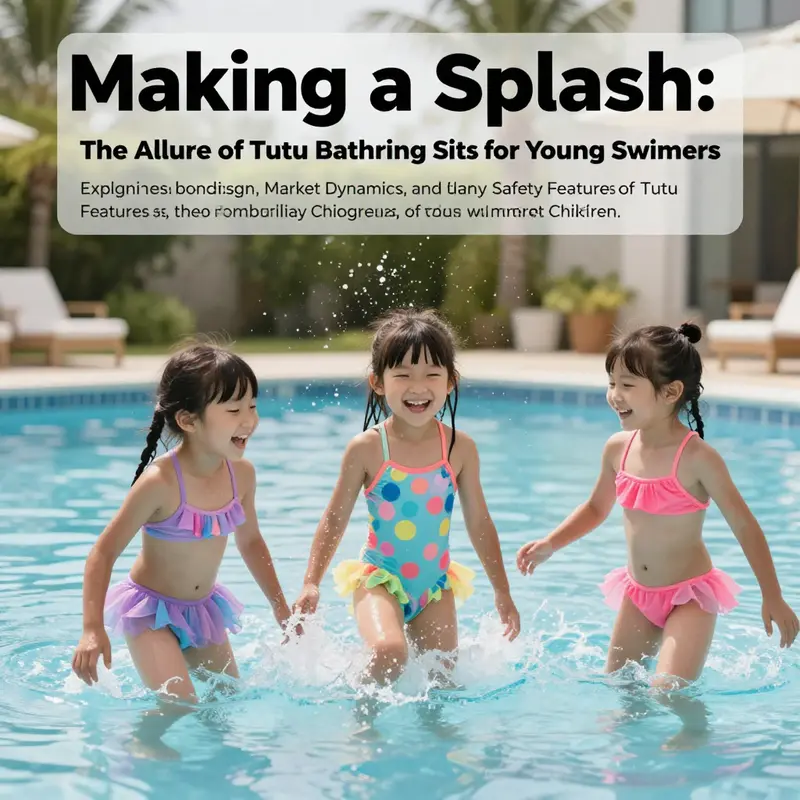
Tutu bathing suits have emerged as a playful blend of fashion and functionality, appealing to both children and their parents. These unique swimsuits, characterized by their ballet-inspired skirts, reflect a commitment to style while ensuring comfort and practicality for young swimmers. With a keen focus on design and materials, such as quick-drying fabrics and UV protection, tutu swimsuits cater to the needs of families seeking both aesthetics and safety in swimwear. This article will delve into the artistry behind these swimsuits, their rising popularity in the market, and crucial health aspects associated with children’s swimwear.
Whimsy in the Water: How Tutu-Skirt Bathing Suits Meld Ballet-Inspired Style with Practical Swimwear
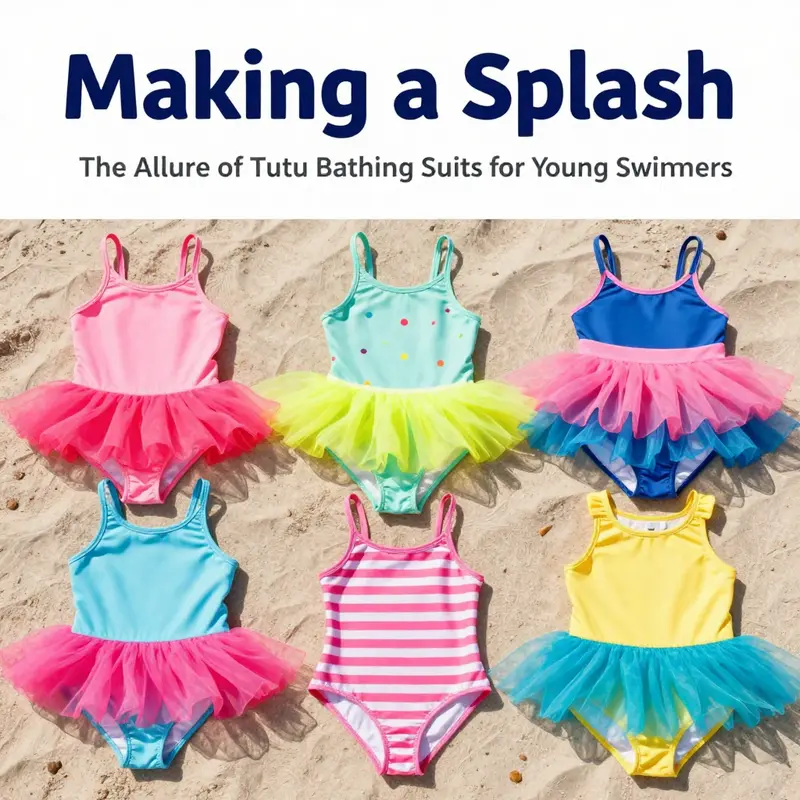
The tutu bathing suit arrives on the shoreline as more than a swimsuit. It is a small stage costume made for the sun, wind, and splash, a garment that invites movement and imagination even before the first wave. The design borrows the voluminous cadence of a ballet tutu, yet it translates that silhouette into fabric meant to endure chlorine, salt, and summer heat. What begins as a playful visual cue quickly reveals a deeper purpose: to provide comfort, coverage, and confidence for young swimmers who are learning how their bodies move through water and air. In this sense, the tutu bathing suit functions as both theatre and tool. It offers a visual cue that encourages expressive play—twirls, leaps, and the simple joy of running along the shore—while also delivering the kind of practical features that make water play safer and more comfortable. The result is a piece of swimwear that feels as much like a friend as a garment. Its presence on the sand, at the pool edge, or in a sunlit yard near the water signals a blend of care and celebration, a reminder that fashion can be functional without surrendering whimsy. The appeal lies not only in the dramatic silhouette but in the ease with which the design accommodates activity. Children who run, jump, spin, and splash benefit from a skirt that flares with motion, rather than clinging or restricting. The skirt’s flare is more than visual drama; it strategically introduces freedom of movement. When a child kicks off into a playful dive or sprints toward the foam, the layered fabric creates a forgiving whirlwind that follows the body’s motion. This sense of freedom matters, because the best swimwear for active kids supports rather than hinders their natural curiosity. The tutu’s layered layers—many short, ruffled planes—also offer a practical advantage: they help balance modesty and exposure. The extra fabric covers more surface area without feeling bulky, which matters during steady, everyday swims and during sudden bursts of play. Parents often appreciate that the skirt can provide a little additional coverage on the hips and upper thighs, which is comforting for children who are still growing confident in the water and in their own bodies. The silhouette, though, does more than veil; it frames. It frames a child’s posture and gait in a way that seems to invite upright carriage, a small but meaningful confidence booster. A poised stance at the pool edge can translate into more assured strokes as they learn to swim, or simply into a moment of quiet pride as they watch the waves roll in. The tutu bathing suit, then, sits at the crossroads of style and substance, a design that understands the language of childhood play and translates it into fabric that can stand up to the demands of outdoor water time. Layered fabric construction is the heart of this design. The skirt is built from multiple levels of lightweight material, typically a blend that balances stretch, resilience, and quick-drying properties. The layers are not merely decorative; they create coverage that remains comfortable as the child moves through splashes, dries in the sun, and then returns to water. The choice of material matters here. Swimsuit fabrics such as nylon-spandex blends provide the stretch that makes the tutu skirt flexible enough for twists and turns, while maintaining shape after repeated wetting and drying. The quick-dry performance is essential because it reduces drag in the water and minimizes the discomfort of damp fabric clinging to the skin. This is particularly important for young swimmers who may alternate between swimming and sunbathing or who are shifting between pool deck and beach towel. The top portion of the suit typically mirrors standard swimwear: a bikini top, a tankini, or a more streamlined one-piece, depending on the preferred level of coverage and support. The top is designed to stay secure as activity increases, with features like adjustable straps and secure, elasticized waistbands that help customize fit as the body grows. The fabric choice and construction speak to durability. The skirt’s layers are designed not to shed or pill easily, even after repeated encounters with chlorine and saltwater. This durability is crucial for families who value a garment that can endure a season of water play without losing its shape or color. The result is a garment that wears well through sun, splash, and wind, maintaining its cheerful appearance even after long days at the beach. The sun becomes a constant companion during outdoor activity, so protective considerations are woven into the design. Many tutu swimsuits incorporate UV-blocking materials, offering UPF 50+ protection in some variations. This feature adds a layer of safety without sacrificing comfort or style. For children who spend hours in the sun, the combination of a colorfully layered skirt and protective fabric can support a healthier beach day by reducing sun exposure on the legs and hips. The lightweight skirt fabric helps keep the overall heat burden down, preventing the garment from becoming clingy as the day grows warmer. In practical terms, the tutu bathing suit is engineered for quick transitions between water and sun. Children are frequently changing activities, from wading to swimming to drying off and resuming play. Quick-dry fabrics help reduce the time between splashes, while the structured waist and adjustable straps keep the garment in place as movement shifts. This combination of features is not accidental: it reflects a design philosophy that values ease of wear, longevity, and daily usefulness for families. The result is a garment that looks as if it were tailored for a child’s day at the pool or shore yet remains robust enough to handle the realities of a day filled with play. The tutu silhouette also serves a practical purpose beyond modesty and coverage. The flared shape creates a visual balance that can help with coordination and spatial awareness for beginners. When a child runs or spins, the skirt’s volume provides a tactile cue for motion, a gentle reminder of how the body moves through space. This can be especially helpful for younger swimmers who are learning to control their pace and direction. In this light, the tutu bathing suit earns its place not just as a fashion choice but as a practical coaching aid, guiding kids toward confident, independent water play. The market for tutu bathing suits has grown with a concurrent interest in empowerment and self-expression for young girls. Many marketing narratives frame these suits as expressions of personality, creativity, and individuality. The playful aesthetic invites children to adopt roles, whether as a graceful dancer or a confident explorer of the shore, without compromising the practical demands of swimming and outdoor activity. The balance between style and substance makes tutu swimsuits appealing to families who value both aesthetics and functionality. Parents are drawn to the idea that a garment can be visually appealing while meeting everyday needs: it dries quickly, it offers sun protection, and it stays put during movement. Designers reinforce this dual appeal by selecting fabrics that resist chlorine and salt without compromising stretch or comfort, and by crafting skirts with enough body to hold their shape while remaining light and airy. The broader fashion conversation around tutu-inspired swimwear intersects with ideas about empowerment and self-expression for young girls. In modern guides to children’s fashion, tutu silhouettes are discussed less as mere novelty and more as a statement about confidence and play. The tutu becomes a symbol of choosing to enjoy the moment, of embracing movement, and of presenting oneself with a sense of joy that can radiate into all kinds of social interactions. Within this context, the tutu bathing suit functions as a personal invitation to explore, to test limits, and to celebrate a day at the water with a sense of wonder. Yet for all its whimsy, it remains anchored in practical design choices. The layered skirt is not a reckless flourish; it is a considered element that blends coverage, movement, and sun safety in a single, cohesive silhouette. The top is not merely a decorative add-on; it provides the essential support and coverage that young swimmers need. The fabrics are chosen for longevity and performance, not just texture or color. The result is a garment that holds up to the realities of childhood summers while offering a daily dose of delight. Children’s swimwear, and tutu-inspired designs in particular, can also invite DIY or customization. DIY guides popular with families suggest using four-way stretch swim fabrics and sturdy thread to create a tutu swimsuit that can be personalized with color, trim, or embroidery. A parent or caregiver can tailor straps, adjust waistbands, or add accessories to reflect a child’s preferences, turning a ready-made silhouette into a uniquely personal piece. The design’s adaptability makes it suitable for various contexts, from family beach days to pool parties and summer camps. It also aligns with a broader trend toward versatile, durable children’s wear that can endure the rigors of outdoor water activities while remaining fun and expressive. For readers who want to explore related tutu concepts beyond swimwear, a gateway page offers a wider family of tutu silhouettes and themes that echo the same spirit of movement, color, and playful design. See the Basic tutu category for a starting point in this broader fashion conversation. Basic tutu category. External resource: https://www.walmart.com/ip/Eytino-Women-Tankini-Bathing-Suits-2-Piece-Swimsuits-V-Neck-Tummy-Control-Adjustable-Straps-M-XXL/1764980357
Tutu Touch at the Shore: Ballet-Inspired Aesthetics Within the Modern Swimwear Landscape
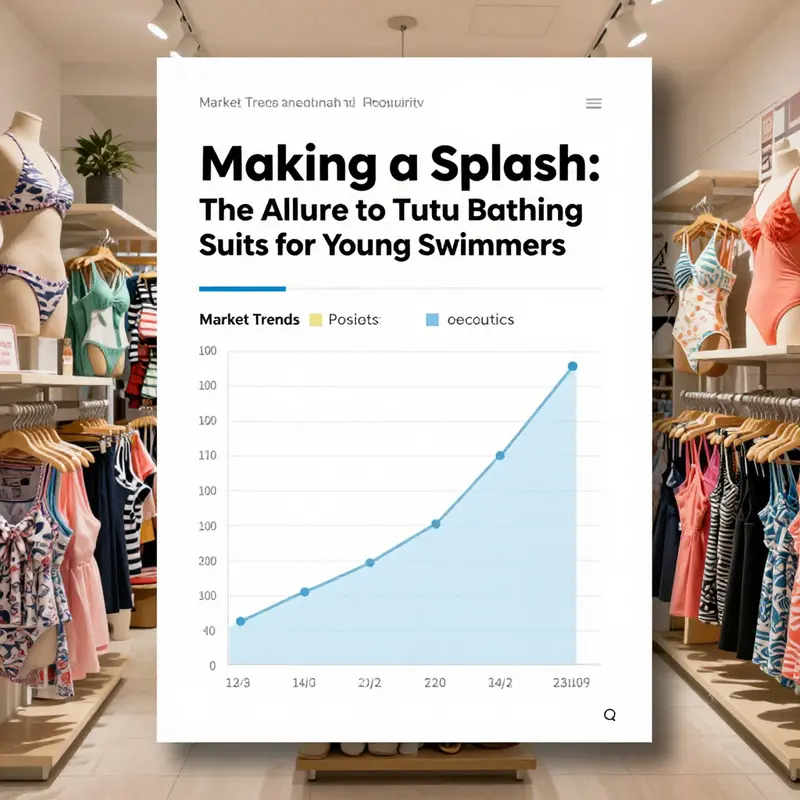
When families plan a day at the beach or a session by the pool, the visual mix can be as telling as any technical spec on a tag. A little girl in a swimsuit with a fluffy, layered skirt that recalls a dancer’s tutu instantly signals more than just a fashion choice; it signals a longing for play, performance, and a moment of whimsy in an ordinary sunny afternoon. Yet the way this tutu-inspired detail appears in swimwear catalogs and in store displays tells a more nuanced story than a simple trend line. It speaks to the broader dynamics of how children’s swimwear blends aesthetics with practicality, how caregivers weigh safety and comfort, and how designers negotiate the line between costume-like fantasy and the functional needs of water play. As of early 2026, market analysis does not treat tutu-inspired elements as a standalone category within the swimwear market, but they persist as a design motif layered onto the more prominent, conventional formats that dominate shelves and online carts. In this sense, tutu touches are less a tidal wave of a new product category and more a decorative ripple that reflects deeper currents in children’s apparel, family routines, and the evolving vocabulary of swimwear itself.
The tutu-inspired skirt on a swimsuit arrives at the intersection of childhood fantasy and everyday practicality. It is easy to misread its appeal as purely ornamental, a visual cue that a child is welcome to dance before the waves or to enact a miniature performance during a pool party. Yet many families appreciate the tutu’s ability to make swimwear feel special without sacrificing the essentials: speed-drying fabrics, ease of movement, and protection from the sun. Designers have learned that parents want outfits that can transition from water to land without a wardrobe change, outfits that dry quickly after a splash and that remain comfortable under the sun’s heat. In this sense, the skirt is not merely a costume piece attached to a swimsuit; it is a design element that negotiates the realities of a child’s day by the water. The fabric choices behind these skirts—often light, airy layers of tulle or mesh—are chosen not for long wear on the dry sands but for a quick transition back to dry skin and street-ready play moments. The contrast between the filmy flutter of the skirt and the pragmatic needs of swimming is a testament to how modern children’s swimwear is crafted for both imagination and everyday life.
What makes tutu-inspired skirts possible in the current landscape is the ongoing attention to fabric technology and fit within children’s swimwear. Quick-dry materials have become standard across many lines, reducing the wait time between splashes and sunlit lounging. UPF protection remains a critical feature for many families who want to shield their children from harmful UV rays during long hours outdoors. In tutu-adorned pieces, designers often balance the delicate appearance of the skirt with the practical demands of a child who is learning to swim or who enjoys active water games. The result is a hybrid aesthetic: something playful enough to be a favorite for photos, yet resilient enough to handle the rigors of splash-heavy activity. As a consequence, the tutu element rarely stands alone as a marketing pitch; it sits alongside the core attributes that define successful children’s swimwear today—durable seams, secure closures, comfortable linings, and fabrics that resist chlorine and salt water.
From a consumer behavior perspective, the appeal of tutu-enhanced swimwear lies in its capacity to transform a routine beach day into an occasion. Parents often seek out outfits that combine a sense of ceremony with everyday practicality. A child can wear the tutu skirt for a birthday party by the pool or simply for a family photo, and then transition to a swim-friendly option for free play in the shallows. This dual utility matters because it converts a single purchase into a multi-use garment, a consideration that has real implications for value. Price points reflect this blend of aesthetics and utility. When a skirted design is integrated into a one-piece or a two-piece set, the overall cost is influenced not only by the materials and construction but also by the perceived added value of the whimsical silhouette. In a market where parents weigh multiple attributes—from UPF protection to seam quality to drying speed—the tutu element tends to be treated as a luxury-supported enhancement rather than a standalone performance feature.
A broader view of today’s swimwear market helps frame where tutu-inspired elements fit. The dominant categories—the classic one-piece, the versatile two-piece, the increasingly popular high-waisted silhouettes, and the inclusion-focused rash guard styles—define the baseline expectations for what families encounter when they shop. Within this framework, tutu-inspired skirts are most commonly deployed as decorative overlays or detachable embellishments on options that are already designed for active water use. They serve as a design flourish that invites the imagination without compromising the garment’s capabilities. The market’s emphasis on inclusivity and sustainability also shapes how these designs are produced and marketed. Eco-friendly fabrics and responsible manufacturing practices have become more prevalent across children’s swimwear, including pieces that feature decorative elements. Consumers increasingly expect fabrics to be soft, non-irritating against sensitive skin, and free from harsh dyes or heavy coatings that could irritate delicate eyes or noses after a day at the pool. In tutu-adorned swimwear, this translates into thoughtful choices about the layering, the kind of mesh or tulle used, and how the skirt is attached so that it does not snag on chairs, pool rails, or splash-friendly play structures.
The aesthetic appeal of tutu-inspired swimwear is also amplified by the social and cultural ecology surrounding children’s fashion. Photos snapped at the edge of a pool can become progenitors of trend stories on family feeds and school event slideshows. Even if the data does not classify tutu-adorned swimwear as a separate category, its visibility in social media feeds, weekend events, and birthday celebrations helps reinforce its presence in the collective imagination. That visibility, in turn, influences what retailers stock and how they present it. Retailers instinctively know that a product’s narrative matters as much as its technical specs. A tutu skirt can convey playfulness, dance-class charm, or a nod to classic fairytale motifs, depending on its color, the density of the layering, and the way it moves in a light breeze or with a child’s stride in the shallows. The narrative around such pieces becomes part of the product’s identity, shaping how caregivers perceive value and how children perceive self-expression in a setting that invites performance and display.
In this sense, tutu-inspired swimwear is not about reinventing the wheel of swim design. It is about augmenting the wheel with a flourish that captures a moment of childhood joy without overshadowing function. Designers know that a skirt fluttering in the sea breeze can be the difference between a swimsuit that ends up forgotten in a beach bag and one that becomes a beloved favorite, worn repeatedly across seasons. Parents, for their part, weigh the child’s comfort, the ease of movement, and the ease of care against the desire for something visually charming. The balance struck in most tutu-adorned pieces tends to lean toward fabrics that retain their lightness after drying, avoid heavy embellishments that could trap chlorine or sand, and keep fastenings accessible for a child who is learning to manage zippers or snaps with growing independence. The end result is swimwear that accommodates the volatile rhythm of a family’s outdoor days—often with a clear emphasis on safety and practicality wrapped in a touch of theatrical delight.
An important thread in this conversation is the way tutu-inspired elements sit alongside the trend toward more performance-ready and protective options in swimwear. Rash guards, long-sleeve UV-protective tops, and high-necked one-pieces have surged in popularity precisely because they respond to parental concerns about sun exposure and skin safety. The tutu element can gracefully coexist with these functional pieces when designed with care. For example, a child might wear a quick-dry, UPF 50+ one-piece that also includes a fluttering skirt overlay, offering both sun protection and a playful aesthetic for photos or a quick dance routine on the beach. The key is modularity and comfort: the skirt should detach if necessary, or be lightweight enough to lazily shed after a dip without snagging or twisting around water-worn fabric.
This interplay of form and function is also evident in the way retailers present tutu-inspired swimwear to customers. The merchandising narrative often positions these pieces as ideal for beach days that feel a little magical, perhaps a party by the pool, a family trip, or a first dance recital on the beach boardwalk. The imagery leans into lighthearted, carefree scenes—children twirling near the water, friends gathering for a swim, the camera catching that moment of buoyant joy. Yet the product pages silently validate practical concerns: quick-drying materials, secure waistbands, and the readiness of the suit to withstand chlorine and saltwater without losing its shape. The tension between whimsy and resilience is not a contradiction but a coexistence, a reflection of how modern families approach clothing for children—garments that keep up with active play while still inviting imagination.
To better appreciate how tutu-inspired details travel across this landscape, it helps to think about the lineage of ballet-inspired fashion in kids’ garments. The tutu, historically a symbol of artistry and discipline, becomes a motif that signals a certain aspirational play—the idea that a child can be both a swimmer and a performer, both active in the water and present in the spectacle of the moment. This symbolic layer adds to the overall appeal, turning a swimsuit into a canvas for storytelling, even if the market data does not recognize it as a separate category. The result is a layered consumer experience: a garment that speaks to a child’s sense of self through fantasy and the parent’s sense of care through functional design. As the market continues to evolve, this layered appeal could influence how future swimwear lines are conceived, encouraging designers to experiment with more nuanced translations of performance aesthetics into everyday beachwear.
For readers curious about the concrete presence of tutu-inspired design within a broader catalog, consider the ways in which such elements appear in the product ecosystems that provide options for young swimmers. The tutu detail often manifests as a detachable overlay or as a lightweight skirt integrated into a one-piece or as part of a coordinated two-piece set. The layering is typically slim enough to prevent overheating but expressive enough to create a visual focal point in photos and during moments of playful movement. The practicality of such designs hinges on the choice of lining, the weight of the material, and how the skirt interacts with water. A skirt that holds water can become cumbersome; therefore, designers favor fabrics and constructions that shed water quickly and maintain a comfortable fit when the child runs, jumps, or dances along the pool edge. This pragmatic approach ensures that the tutu motif enhances rather than inhibits the child’s swim experience, aligning with the broader trend toward swimwear that prioritizes both aesthetics and active use.
In contemplating the future, it is reasonable to expect that tutu-inspired details will endure, but perhaps not as a dominant category. The market’s attention tends to migrate toward features that directly address performance and protection—ease of movement, fabric durability, sun safety, and inclusive sizing—while decorative elements serve as a recurring, tasteful layer that can be refreshed season by season. The core swimwear archetypes will likely remain the primary drivers of sales, with tutu touches acting as charming embellishments that satisfy a subset of shoppers who crave a distinctive look for special occasions or daily dressing with a sense of theatrical play. For designers, this means continuing to innovate within those core categories while offering limited-edition or seasonal prints and silhouettes that nod to ballet aesthetics without compromising the essential qualities that families need for summer abounds. For families, it means a choice: embrace a garment that turns a beach afternoon into a small stage, or prioritize the simplest option that maximizes durability and freedom of movement. Either path reflects a common goal—safety, comfort, and a touch of wonder as children discover the water’s joy.
From a cultural standpoint, tutu-inspired swimwear also highlights how fashion choices for children increasingly weave together cues from performance arts, festival culture, and everyday play. The skirt becomes a portable stage on a sunlit afternoon, while the swim fabric does the heavy lifting of staying secure and dry-ready through a sequence of dives, splashes, and runs along the shore. The choreography of a child’s day—pause for a photo, splash in the shallow water, dance along the boardwalk, ease into a resting seat—dictates the rhythm of design and retail presentation. In this sense, tutu-adorned swimwear is less about selling a niche product and more about offering a set of options that align with the varied tempos of family life on the water. The design ethos is less about creating a new category and more about expanding the vocabulary of existing categories with a dash of whimsy that remains respectful of a child’s comfort and safety.
For readers who want to explore associated aesthetic directions without leaving this chapter’s thread, consider a nearby avenue of inspiration that many families already browse as part of their broader wardrobe planning: tutu-inspired embellishments appear across a spectrum of children’s clothing and accessory lines, including headbands, swirls of color on skirts, and coordinated dance-themed outfits. While the swimwear piece remains a separate decision at the point of purchase, the visibility of ballet-inspired silhouettes in related garments reinforces the enduring appeal of this motif in children’s fashion. This cross-category resonance helps explain why the skirted swimsuit persists as a familiar option in seasonal assortments, even as it remains one of many design ideas competing for attention in a fast-moving market.
If you want a tangible sense of how such elements are positioned within a broader catalog, a good starting point is to explore a dedicated tutu collection that showcases how the basic silhouette can be adapted for various costumes and scenes. Basic tutu collection offers a direct look at how designers translate the flutter of tulle into multiple product contexts. This reference helps illuminate how a single aesthetic idea can cross over into different apparel streams while maintaining its core charm. The tutu motif thus functions as a through-line in children’s fashion rather than a standalone revolution, a subtle yet persistent thread that enriches the tapestry of kids’ swimwear through the seasons.
In summary, the market reality as of January 2026 shows no formal designation of tutu bathing suits as a distinct category within the swimwear industry. Yet the tutu-inspired motif remains a meaningful and enduring design gesture in children’s swimwear, offering a playful counterpoint to the more technical, protection-forward pieces that dominate the shelves. It reflects a broader consumer desire for clothes that support active play and personal expression while still delivering practical performance. The tutu element succeeds because it is adaptable: it can be as delicate or as durable as the wearer and the activity require, and it invites a sense of wonder without compromising the day’s safety, comfort, and enjoyment. As designers continue to balance aesthetics with function, as families navigate sun safety and movement, and as social media continues to celebrate child-friendly moments by the water, tutu-inspired touches are likely to linger—modestly influential, quietly persistent, and forever capable of brightening a beach day with a dash of dance and a lot of sunlit imagination.
External context on swimwear trends can be explored for a broader market perspective: External context on swimwear trends.
Safeguarding Sunshine and Style: Health and Safety in Children’s Tutu Bathing Suits
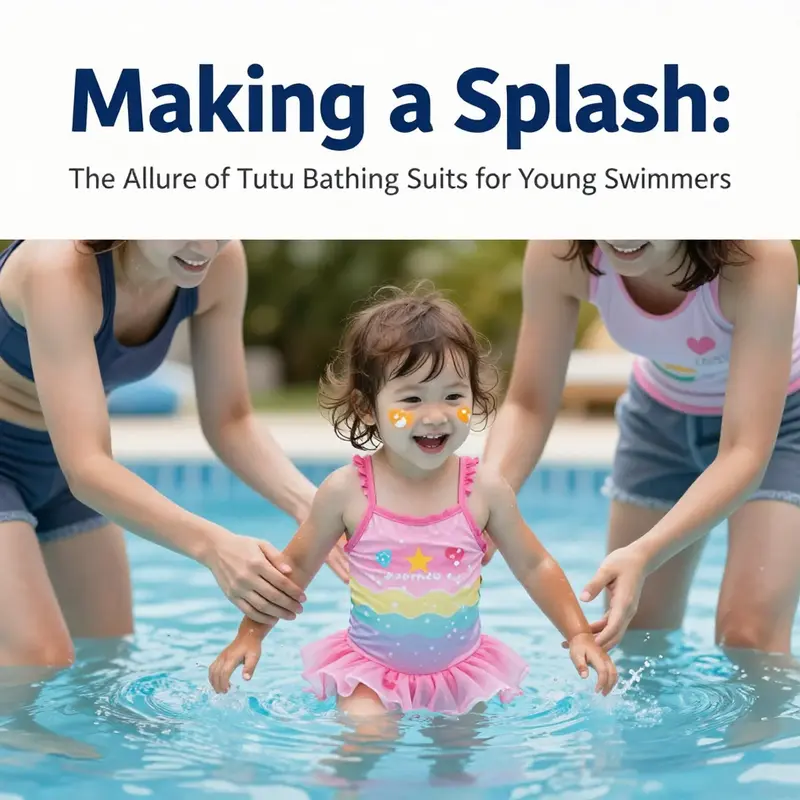
The yellow glow of a summer day can turn a beach scene into a stage, and a tutu bathing suit adds a hint of whimsy to that stage. Yet behind every fluttering layer of tulle lies a responsibility to keep playful moments safe. Tutu bathing suits for children are more than cute outfits; they are active gear that must respect growing bodies, sensitive skin, and the unpredictability of sun and water. The appeal of a soft, multi-layered skirt is undeniable—the garment invites movement, imagination, and a sense of ceremony as a child pretends to dance between waves. To translate that fantasy into safe, everyday use requires a careful look at fit, fabric, sun protection, durability, and the rhythms of a child’s day at the pool or beach. When these elements come together, they enable long afternoons of exploration without sacrificing comfort or safety.
A first principle anchors all further considerations: a tutu bathing suit must fit the child, not a rigid ideal of fashion. The torso should breathe, the limbs should move freely, and every seam should retreat from the realm of distraction. A suit that is too tight around the chest or waist can restrict breathing or hinder a swim stroke. In moving water or during energetic play, even a small pinch can become a source of discomfort or momentary distraction. The same goes for the skirt. Layers of tulle or mesh are light, but they can catch fabric on pool edges or snag on accessories if not properly constructed. A well-fitting piece keeps the child secure and allows a full range of motion for kicking, bending, reaching, and turning. Comfort and mobility are not luxuries; they are essential for safety in the water, where quick adjustments can prevent fatigue and missteps.
The materials chosen for tutu bathing suits matter just as much as the cut. These suits are typically crafted from blends of nylon and spandex, fabrics selected for stretch, durability, and quick-drying properties. Yet these materials can pose skin health questions for young wearers who have more sensitive skin and a thinner barrier against irritants. Non-toxic, hypoallergenic fabric is not merely a selling point; it is a prerequisite for a garment worn close to the body for hours at a time, often after sun, sand, or sunscreen has introduced a mix of textures and residues. The dyes used to color the ruffles should be certified to minimize the risk of dermatitis or staining on delicate skin. Parents and caregivers should seek garments with clear fabric certifications and avoid anything that feels abrasive or stiff to the touch. In practice, that means looking for garments produced with gentle dyes and finished with careful heat or chemical treatments that do not leave harsh residues on the inside lining or the skirt’s inner layers.
Sun safety is another cornerstone of confidence in tutu swimwear. Modern children’s swimwear frequently features UPF ratings designed to reduce the skin’s exposure to ultraviolet radiation. A UPF 50+ rating, which some tutu styles boast, can significantly cut the amount of UV radiation that reaches the skin. This protection is particularly valuable for children who spend long stretches outdoors, whether building sandcastles, following a parent around the pool deck, or performing a make-believe ballet on the towel stage. Yet UPF is not a substitute for sunscreen or shade. It is a complementary layer of defense that helps reduce cumulative exposure, especially in the mid-day sun or during a long pool day. Parents should continue to apply broad-spectrum sunscreen to exposed areas, use hats or parasols during peak hours, and seek shaded spots for rest periods. The tutu’s design can sometimes trap heat if the fabric beneath the skirt is dense or non-breathable, so it’s wise to monitor a child’s comfort level during hot afternoons. Keeping hydration close at hand and encouraging breaks in shade helps balance style with wellbeing.
Durability and chlorine resistance are practical concerns when a tutu bathing suit makes frequent appearances in the swimming pool. The chlorine in pools can gradually degrade fabrics, leading to color fading or slight loss of elasticity over time. While the outer skirt’s decorative layers may fade a touch with repeated exposure, the core body fabric should remain resilient if it is built to a higher standard. A well-made suit will retain its shape and color after several cycles of wear, washing, and chlorine exposure, with seams still intact and the ruffles maintaining their fluffy silhouette. To maximize longevity, caregivers should rinse suits in fresh water after swimming, avoid harsh detergents, and air-dry away from direct sun. Mild soap and a gentle rinse can help remove sunscreen residues that otherwise build up on fabric and reduce breathability. The goal is to preserve the garment’s comfort and protective features rather than chase a pristine, new look that may disappear with the first pool splash.
The design itself warrants thoughtful attention to how activity and environment intersect with safety. A tutu skirt adds visual delight, but it can also introduce considerations for overheating. The layered skirt, particularly if it uses multiple tulle or mesh tiers, can trap heat more readily than a simple one-piece with minimal fabric. On hot summer days, a child may become uncomfortable if the warrior-like spark of dress-up is persisted for too long without a break. Parents can mitigate this by planning shorter wear blocks during peak heat, offering regular hydration, switching to lighter garments for certain activities, and ensuring that play spaces include shaded areas with ample air movement. The aim is not to dampen enthusiasm for dress-up but to ensure that energy remains steady and safe across activities—whether the child is wading in shallow water, practicing a makeshift ballet on the shore, or chasing a toy along the pool deck.
Supervision remains non-negotiable. A tutu bathing suit, however charming, does not replace supervision or a life jacket when appropriate. Children, especially younger ones, can slip or become fatigued quickly in water. The garment’s ability to stretch and move with the body may help, but it does not provide buoyancy or flotation. Caring adults should maintain a constant watch, establish clear boundaries around deep water, and teach basic water skills suitable for the child’s age and experience. The safety mindset should be woven into the fabric of the day, not wrapped around the garment as a mere accessory. Even the most thoughtfully designed tutu swimwear should be treated as part of a broader safety strategy that includes waterproof sunscreen, hydration strategies, and safe play routines near water.
Maintenance and hygiene are practical safety considerations that often get overlooked in the excitement of shopping for a cute outfit. Sweat, sunscreen, sand, and pool chemicals accumulate on swimwear, so regular cleansing is essential. Rinse the suit after use, removing salt and chemical residues that can irritate the skin or degrade fabrics. Inspect seams for wear and tear—tiny threads and loose stitches can snag during play or become channels for water to seep in, compromising fit and comfort. Detach any delicate trim or adornments if they show signs of fraying, and store the garment in a dry, ventilated space rather than crumpled in a bag. Odor control is another practical concern; a quick air-out is often enough, but a more thorough rinse and a gentle air-dry can prevent mustiness. A well-cared-for tutu bathing suit continues to feel soft against the skin and retains its protective and aesthetic attributes for longer.
A sense of age-appropriateness helps align fashion with safety. Tutu bathing suits are designed with children in mind, and their playful silhouettes can spark imagination without distorting safety priorities. The skirt’s volume should not impede rapid movement or snag on poolside equipment. Elastic waistbands should hold gently enough to avoid restricting breathing while staying in place during the most vigorous movement. The design should avoid long, trailing elements that could catch on cartwheels or slides or become tangled in pool drains. An informed shopper will assess whether the garment’s style supports active play just as much as it supports a festive, photo-worthy moment. The best choices reward both caregiver and child with confidence: confidence that the child can swim freely, play safely, and dress in a way that feels like a small personal celebration of childhood.
From a practical perspective, one helpful habit is to consider the sun and water day as a whole narrative rather than a series of isolated moments. A child may wake up with a smile, slip into a tutu swimsuit, and rush toward a pool, sweat briefly on the skin, apply sunscreen, and then run under a shaded umbrella for a snack. In each of these transitions, the garment should support ease of dressing, quick drying, and comfort. The fabric’s quick-dry properties help a child stay comfortable between activities, limiting the time spent with damp fabric clinging to the skin. This contributes to a more pleasant day and reduces the risk of chafing or irritation that can arise from prolonged moisture. The idea is seamless integration: the tutu is not a barrier to movement but a companion that travels smoothly from the changing area to the poolside to the sandy shore.
The social dimension of safety also deserves emphasis. Children learn by imitation, and a tutu bathing suit can become part of a shared ritual that builds positive associations with water activities. When a parent models careful behavior—reapplying sunscreen, checking the fit of the suit, taking regular breaks, and respecting rest times—the child learns to adopt similar routines. The garment’s design can reinforce this discipline by encouraging attire that is easy to adjust, remove, or refresh. A well-timed pause becomes a cue for hydration and shade, a moment to refill a water bottle and reapply sunscreen. In this way, the tutu’s charm helps cultivate a whole-day approach to safety, where style and precaution are not competing priorities but complementary elements of a well-planned family day.
Selecting a tutu bathing suit with health and safety in mind also means acknowledging the limits of fashion in the water. The most alluring skirts will not compensate for improper sizing, insufficient sun protection, or a lack of supervision. A child may adore the flutter of the fabric, yet if the piece fails to stay comfortably in place during a splash or a quick dive, that excitement can become a distraction from safe behavior. The best garments are those that invite exploration while remaining quietly obedient to the rules that keep children safe: a fit that moves with the body, skin-friendly materials, proper sun protection, and a maintenance routine that preserves both the garment and the skin it covers.
To support families in making informed choices, it is helpful to think of tutu bathing suits as a toolkit rather than a single accessory. The toolkit includes the fabric’s breathability, the cut’s freedom of movement, the skirt’s weight and volume, and the garment’s color and UPF rating. It also includes the care routine that keeps everything in good order. By integrating these elements, a family can enjoy a day by the water with less friction between the desire to dress up and the reality of pediatric safety. And when in doubt, choosing simpler designs—less elaborate skirts, easier-to-clean fabrics, and clear labeling—can be a practical default that protects comfort and safety without diminishing the child’s sense of wonder.
For parents and caregivers seeking practical paths through these decisions, a quick reference point can be found in product categories that emphasize safety-oriented features alongside whimsy. For instance, exploring a basic tutu collection can offer a baseline of fabrics and fits that have been curated with comfort and skin health in mind. Basic tutu category provides a starting place for evaluating options that prioritize gentle fabrics, secure yet flexible waists, and reliable construction. This kind of shopping approach helps ensure that the allure of the tutu remains a positive adding to a safe and enjoyable water day rather than a distraction from essential precautions.
Ultimately, the value of tutu bathing suits lies in their ability to support joyful play while inviting mindful habits. When a family approaches each swim or beach outing with a clear sense of fit, fabric safety, sun protection, and practical upkeep, the garment becomes a trusted ally. The child benefits from clothing that encourages movement and imagination, and the caregiver benefits from a clearer framework for safety and comfort. The interplay between design and health is not a tension but a dialogue—one where responsible choices elevate the everyday pleasures of childhood swimming. And in that dialogue, the tutu serves not as a mere aesthetic flourish but as a thoughtful, child-centered garment that honors safety as much as style.
External resource for further reading on sun safety and youth exposure to ultraviolet radiation: Sun exposure and safety.
Final thoughts
Tutu bathing suits stand as a vibrant and functional option for young swimmers, merging aesthetics with essential safety features. They are not merely a trend but a testament to how swimwear can evolve to meet the needs and desires of both children and their parents. As market trends continue to sway towards stylish yet practical options, these swimsuits are likely to maintain their popularity. By understanding the design innovations, market dynamics, and safety aspects of tutu bathing suits, business owners can better cater to this niche segment, ultimately enhancing their offerings and customer satisfaction.