
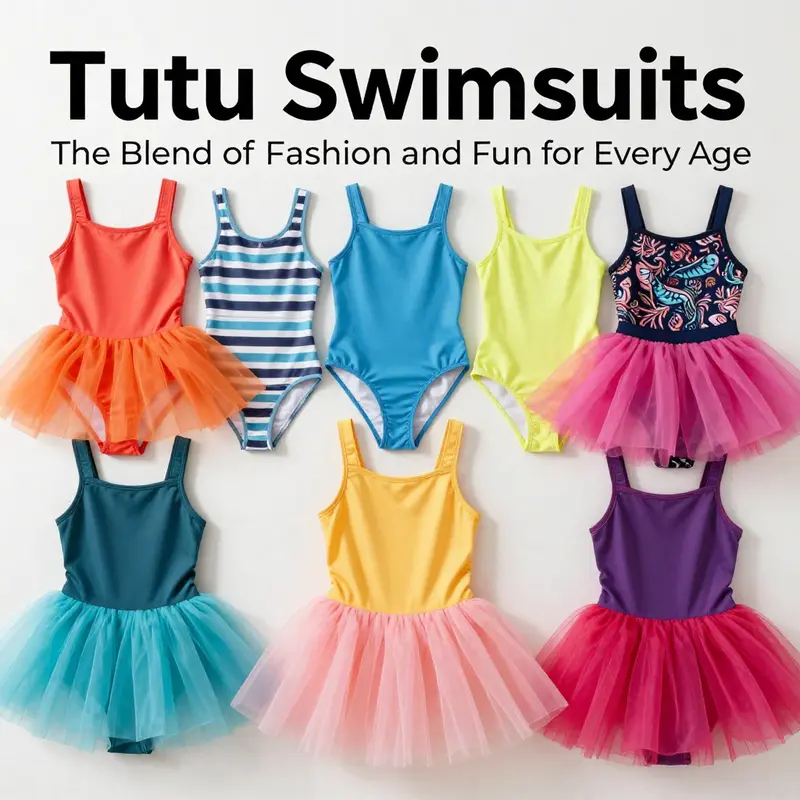
Tutu swimsuits have taken the swimwear industry by storm, becoming a staple choice for both children and adults. Their playful designs, reminiscent of a ballerina’s attire, invite a sense of joy and individuality. In this examination, we will delve into the latest fashion trends shaping tutu swimsuits, analyze the materials and designs that enhance their appeal, and explore the diverse market options available to consumers. Each chapter builds upon the significance of tutu swimsuits, offering insights that are beneficial for business owners looking to tap into this vibrant niche.
Skimming the Surf with Tulle: The Subtle Rise of Tutu-Inspired Swimwear in Children’s Beachwear
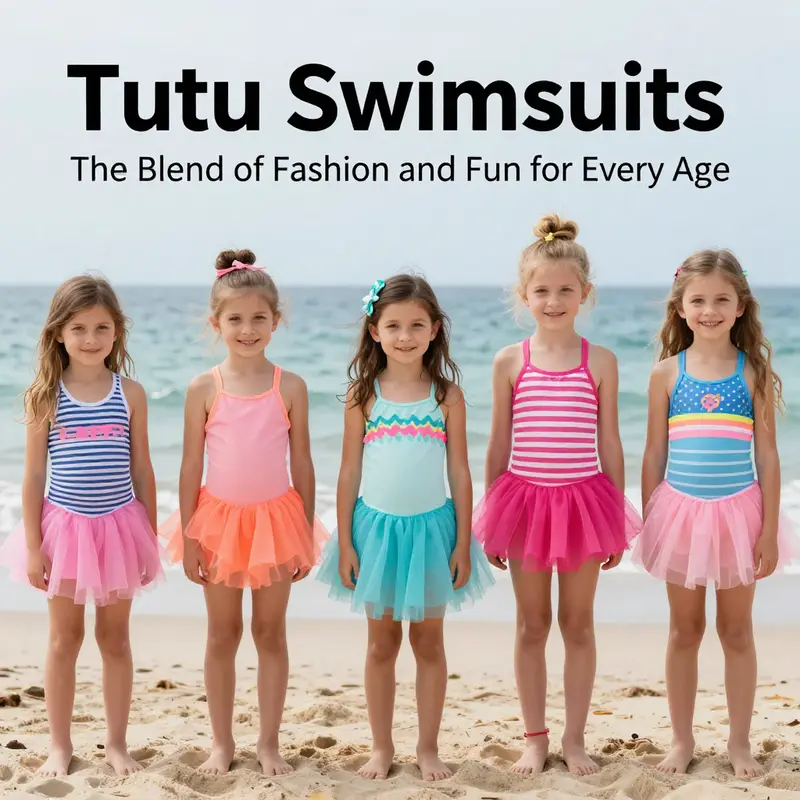
A concise overview of tutu-inspired swimwear shows how a tiered overlay can be both playful and practical for children at the water’s edge. Designers blend quick-dry fabrics with UPF protection, and removable skirt layers offer movement without sacrificing sun safety or ease of care. The color cue tutu blue anchors a family story of seaside whimsy, while thoughtful construction preserves mobility for swimming, running, and splashing.
Tulle, Tide, and Texture: The Materials and Design Language of Tutu Swimsuits
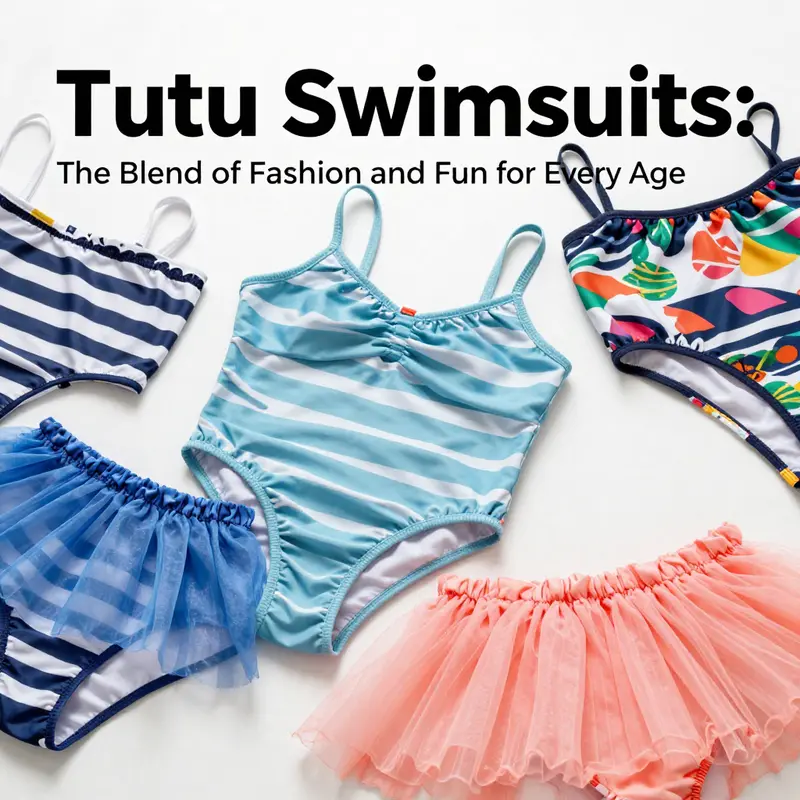
A tutu swimsuit is more than a cute outfit for a day at the beach or pool. It is a crafted dialogue between fabric science and playful silhouette, a garment designed to move with a child as easily as a dancer moves across a stage. In calm water and bright sun alike, the layered skirting catches light and air, while the body remains free to bend, leap, and splash. The materials chosen and the design decisions made in tutu swimsuits work together to deliver comfort, flexibility, and durability, all wrapped in a look that invites imagination. This chapter traces the materials that form the backbone of these suits and the design ideas that give them their iconic, ballet-inspired presence, showing how a practical garment can feel almost magical when worn by a child who is learning to swim, to play, and to express themselves through color and motion.
At the heart of tutu swimsuits lies a careful balance of performance fabrics. The common thread running through successful examples is a triad of nylon, polyester, and spandex. Nylon contributes softness and pliability, along with respectable strength. It helps the fabric glide against the skin, reducing irritation during long days by the pool. Polyester brings resilience against chlorine and the sun. It helps color stay bright after repeated exposure to UV rays, which is a practical necessity for outdoor wear that endures through many summers of play. Spandex, the elastane component, provides stretch that enables a snug but forgiving fit. It allows the garment to move with a growing child and to recover after a splash or a tumble, preserving the silhouette of the tutu-style skirt even as the body is in motion.
A typical outer layer in a tutu swimsuit often reflects these principles in a composition that emphasizes both form and function. In one representative construction—without naming brands—the outer shell frequently rests around a high percentage of polyester, mingled with a touch of spandex to capture and maintain shape as the suit stretches with movement. A corresponding lining, usually 100% polyester, adds opacity and added support. This arrangement balances touch and texture with practical concerns such as colorfastness, wear resistance, and ease of care. The precise ratios are tuned to the target age group and the intended use—whether a child’s first pool time, a family beach day, or a more active afternoon at a supervised pool party. The science behind these blends is straightforward: polyester provides longevity and color stability, while spandex ensures the garment tracks with the body’s every twist and kick, and nylon contributes an overall softness that reduces friction against delicate skin.
Beyond the fabric blend, the most distinctive feature of tutu swimsuits is the layered ruffles that form the characteristic tutu silhouette. Layered skirts or tulle-like panels create a voluminous, ballet-inspired shape that reads as whimsical and fun while remaining, in a practical sense, lightweight. The design philosophy here is not simply about aesthetics; it is about how fabric behaves when wet. Designers craft spacing within the layers to facilitate water drainage. The gaps between threads and the weave of the fabric allow water to escape quickly when a child exits the pool, reducing the weight of the garment and helping it dry faster. This drainage feature is subtle but essential: without it, the skirt could cling and weigh a child down, making the experience less comfortable and more effortful. With a well-considered drainage design, the tutu remains buoyant in its feel and easy to wear for long stretches of play.
Color and print choices play a crucial role in the appeal of tutu swimsuits. The garment can be a canvas for vibrant, high-energy hues and lively prints—animal patterns, florals, or bold solids—that invite self-expression and imagination. A strong color palette communicates mood and personality, and it anchors the visual drama of the tutu’s layers. Print placement is also part of the design conversation: designers may position ruffles to frame the body in flattering ways, or align color blocks to correct visual proportions during movement. The overall effect is one of cheer, movement, and confidence. The bright layers move with the wearer, catching light as the child runs toward the water or turns in a spray of sunlit mist.
Sun protection is another important design consideration for tutu swimsuits. For many families, a suit that offers UPF50+ coverage inside and out provides an added layer of safety for long days outdoors. The inclusion of UPF protection in swimwear reduces the need for constant reapplication of sunscreen while a child is active in the sun. In tutu designs, sun-safe features may be integrated into the fabric itself or complemented by the cut and coverage of the garment. A higher neckline, longer sleeve options in some sets, and thoughtfully designed armholes can contribute to sun safety without compromising mobility or comfort. When UPF is built into the fabric, it is a practical guardrail that supports a day spent at the pool, on the beach, or at a water park.
The choice between one-piece and two-piece configurations is also central to tutu design language. Some families prefer the simplicity and security of a single-piece style, where the tutu’s skirt is integrated into a continuous shell that stays put as a child dives and climbs. Others opt for a two-piece arrangement, such as a tankini or a separate bottom, which offers mix-and-match versatility and extended wear as a child’s body changes with growth. In either format, the design can incorporate other helpful features: a sweetheart neckline on the top for a touch of elegance, straps trimmed with ruffles for a playful frame, and an elastic waistband on the bottoms for ease of dressing and a comfortable fit during active play. The result is a swimsuit that is adaptable to a range of activities—poolside lounging, splash-heavy games, or a staged family photo—without feeling like a costume that constrains movement.
Care and durability are not afterthoughts in tutu swimsuit design. Because these garments are intended for frequent water exposure, they must withstand repeated washings and still feel soft and forgiving against the skin. Machine washable care is a practical necessity, and many blends are chosen for their resilience in a gentle washing cycle. The 100% polyester lining contributes to opacity, reducing concerns about wet fabric clinging; it also helps preserve color and texture through countless cycles. Colorfastness is especially important for the vivid palettes that characterize tutu designs, so dyes and finishing processes are selected with chlorine resistance and sun exposure in mind. Designers also pay attention to pilling resistance and seam durability, particularly at the waistbands and strap attachments, where stress tends to accumulate during active play. These details matter, because a tutu that wears out quickly can dull a child’s experience of movement and make a parent think twice about letting a youngster try new water activities.
The design language of tutu swimsuits blends whimsy with practicality in a way that resonates with both children and caregivers. The silhouettes reference the elegance of ballet while the fabrics and construction speak to everyday use in water. The layers provide a dramatic visual without overwhelming the wearer with bulk, and the quick-drying properties of the blends support extended outdoor time. For a growing child, the combination of stretch and position-stability means the suit can adapt as little bodies become more confident swimmers. The result is a garment that invites discovery: the child explores the shoreline, returns with a towel slung over a shoulder, and still feels like a performer on a sunlit stage.
In considering the broader design ecosystem, it helps to view tutu swimsuits as part of a continuum that includes foundational tutu silhouettes and evolving swimwear technologies. A useful way to explore this continuum without becoming overwhelmed by brand names is to look at the foundational pieces in the tutu category that emphasize basic shapes, accessible materials, and reliable care. For those curious about how these foundational elements translate into ready-to-wear options, a useful reference point is the basic tutu category page, which showcases silhouettes that prioritize ease of wear and playful form. You can explore that space here: basic-tutu category.
In sum, the materials and designs of tutu swimsuits are intentionally harmonized to support the broad goals families have for summer time: safety in the sun, ease of care, and the chance for a child to feel both comfortable and magical in the water. The fabric blends honor the demands of frequent outdoor use, while the layered ruffles and bright palettes invite a sense of performance and imagination. The inclusion of sun protection, the choice between one-piece and two-piece formats, and the practical details like elastic waistbands and machine-washable care all reflect a thoughtful intersection of engineering and artistry. As children twist and leap into the water, the tutu becomes more than a garment; it becomes a small stage on which childhood play is choreographed by fabric, thread, and color.
External resource for further reading on fabric performance in swimwear can be found here: https://www.amazon.com/dp/B0CZQX2V9D
Twirls of Choice: Navigating the Market Landscape of Tutu Swimsuits
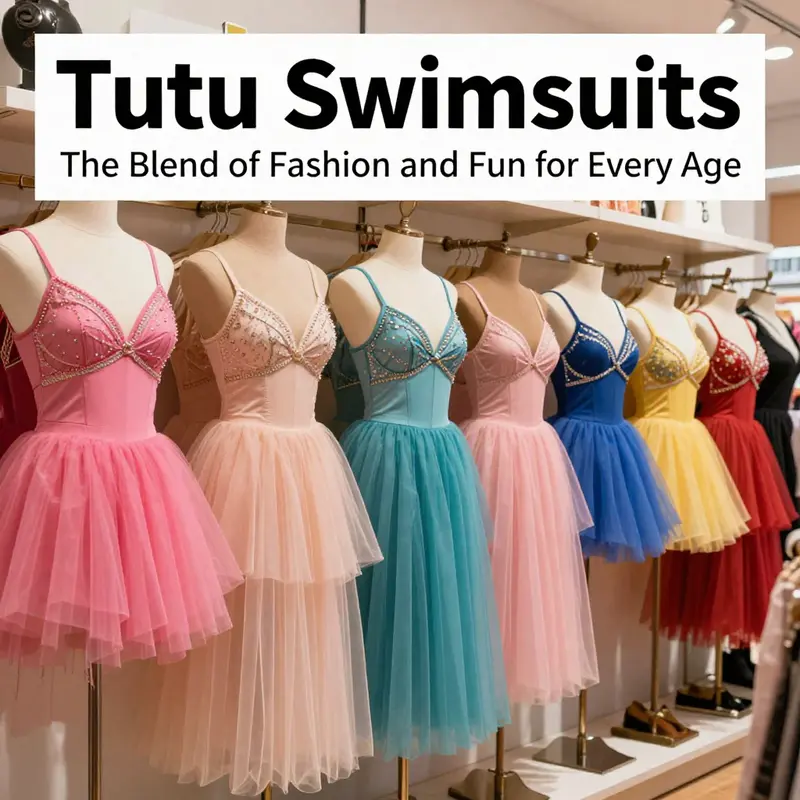
The market for tutu swimsuits has evolved into a wide, shimmering landscape where playful design, practical fabrics, and family needs converge. What once might have seemed a niche dress-up item has become a staple pool and beachwear choice for many households. At its core lies a simple promise: to pair whimsy with function. Parents look for fabrics that dry quickly, seams that don’t rub a child’s skin the wrong way, and sun protection that survives spirited days at the shore or the pool. Designers respond by layering functionality into the same pocket of fantasy where a tutu’s fluttering layers once dominated the imagination. This harmony between charm and practicality has fueled steady growth, inviting a broader range of ages, body types, and occasions to embrace tutu inspired swimwear.
Design variety is the market’s strongest signal. The same fabric and cut can morph into a toddler’s first tutu swimsuit with a soft, breathable base and a light, airy skirt that swirls with every splash. For older children, the line grows more structured yet retains the signature tiered ruffle. One piece may blend a tankini top with a layered skirt, balancing coverage with movement, while another offers a sleek one piece with subtle ruffles that skim the waist and a skirt that twirls at the hips. The aesthetic risk is managed by color and print choices that feel age appropriate without losing the sense of play. Florals drift into nautical stripes, and bold geometric motifs share space with sea life imagery, all designed to catch the eye without overwhelming the wearer. In this market, the tutu becomes less a costume and more a daily option for sunny days, water play, and family vacations, a testament to how style can evolve without sacrificing comfort.
Behind every design decision is a careful blend of materials and construction. Quick-dry fabrics, often a polyester-spandex blend, are common for their resilience in sun and water while offering stretch that accommodates a growing child’s movements. Some pieces feature a full lining for modesty and comfort, ensuring softness against delicate skin and reducing the chance of transparency when wet. UV protection is increasingly woven into the fabric’s performance, with UPF ratings that help shield sensitive shoulders and backs from harsh rays during long outdoor sessions. The lining choices, stitching quality, and elastic waistbands are all tuned to withstand frequent washing and active play. A well-made tutu swimsuit can endure repeated trips to the pool, beach, or water park and still retain its color and shape after countless spins in the dryer or air-drying line.
Sizing and inclusivity anchor the market’s broad appeal. The offerings span infancy through school-age years and extend into tween and even adult sizes in some lines. This range reflects a growing commitment to inclusive fit, recognizing that the affection for tutu-style swimwear isn’t limited to a single age group. Adjustable straps, elastic waistbands, and thoughtful seam placement help accommodate different body shapes while maintaining the silhouette that defines tutu swimwear. For families seeking especially inclusive options, the market now includes picks that offer extended size ranges and adaptive features to accommodate mobility challenges or persistent sun exposure concerns. The idea is not simply to dress a child in a pretty piece but to provide reliable coverage, comfort, and confidence for every swimmer who wants to blend whimsy with practicality.
The shopping experience in this category has become as rich as the garments themselves. Online catalogs and in-store displays showcase curated ranges that help shoppers compare features at a glance: color palettes, print themes, fabric content, sun protection attributes, and care instructions. The process often begins with a quick assessment of what the wearer needs—does the child require extra length for added coverage, or is a shorter skirt preferable for easier movement? Parents then weigh durability against design, choosing pieces that wash well and hold up after repeated exposure to sun, chlorine, and sand. The online shopping journey is further enhanced by size guides, customer reviews, and clear return policies, which reduce the friction of trying a new style or brand. Many retailers now offer mix-and-match options, enabling families to pair a tutu skirt with a different top or bottom, crafting personalized outfits for themed days at the pool or beach.
Among the considerations shaping consumer decisions are practical concerns that sit side by side with aesthetic ones. Sun safety remains a consistent priority, and pieces with UPF protection are increasingly paired with features like longer sleeves or higher necklines for more coverage when extended beach days are planned. Easy care is another decisive factor; garments that resist snagging on zip ties and floaty toys, dry quickly after a rinse, and maintain their color after repeated washes are prized. The risk of fading or shape loss is mitigated by thoughtful fabric choices and construction, so parents feel confident that the tutu will look as lively after a season as it did on first purchase. The market’s emphasis on durability and easy care does not erase charm; instead, it weaves practical resilience into the fabric of delight, ensuring that the tutu remains a beloved and reliable option across many sunny summers.
Prints and motifs drive much of the fun, yet the market’s depth means consumers can opt for complexity or restraint. Some buyers gravitate toward playful themes—flowers, fish, and ocean motifs that echo the beach season’s mood—while others favor more refined tiers and color-blocked contrasts that offer a polished look for family photos or resort days. A well-designed tutu swimsuit often leverages color blocking or layering to maintain a sense of motion when the wearer is active, while the skirt’s tiers create a visual rhythm that’s as pleasing to the eye as it is playful to wear. This balance—between whimsy and elegance—keeps tutu swimwear versatile for a range of settings, from casual family days at the pool to more formal seaside events where a touch of fantasy feels appropriate yet tasteful.
The social and cultural context surrounding tutu swimwear also shapes the market. Parents increasingly seek outfits that reflect a child’s personality, whether that means bold color pairings that pop in sunny light or softer hues that photograph gently in family portraits. Reviews and social media posts help new shoppers predict how a piece will perform under real conditions—how well the fabric holds up after a summer of chlorine, how the colors endure sun exposure, and whether the fit adapts as a child grows. This peer input matters because it translates into better sizing choices, more confident purchases, and less waste. The market rewards brands that listen to their customers and respond with documented comfort, transparent care instructions, and honest product descriptions.
A thread that runs through these considerations is the idea of accessibility. While tutu swimsuits are often marketed toward young girls, the market broadens with options for teens and adults who want a chic, playful silhouette for photoshoots, performance events, or themed gatherings. This expansion does not dilute the core idea of the tutu—its skirt’s flutter and its sense of movement—but it does broaden the way it can be worn. The adult and teen segments often lean toward more sophisticated cuts, thicker straps, or one-piece silhouettes that still celebrate the tutu’s signature layered skirt. In this sense, the tutu swimsuit becomes a flexible, expressive piece rather than a single, rigid stereotype of swimwear. It invites wearers at different life stages to claim a moment of whimsy while staying grounded in the practical demands of sun, water, and daily life.
For shoppers curious about exploring more tutu options, a quick path to discovery lies in exploring the Basic tutu category, where foundational styles and timeless silhouettes offer a reliable starting point for families building a summer wardrobe. Basic tutu category
In the wider ecosystem of swimwear, a tutu silhouette also prompts reflection on where to shop for the best fit, value, and service. Shoppers often appreciate retailers that provide clear size charts, free or affordable return options, and robust filtering to sort by features such as UPF protection, fully lined interiors, or specific skirt lengths. The market rewards those who invest in educational content alongside product offerings—size guidance, washing instructions, and tips for preventing color bleed in colored prints. The result is a shopping experience that feels thoughtful rather than transactional, turning a simple purchase into a confident choice that supports a child’s outdoor enjoyment and self-expression. Consumers increasingly favor retailers who present a coherent story: a narrative in which design, safety, and care converge to support vibrant, active experiences rather than mere fashion statements.
The chapter’s arc suggests a future where tutu swimsuits continue to grow in sophistication without losing their playful heart. As materials technology advances, fabrics may offer even better wicking, enhanced chlorine resistance, and more durable colorfastness, all while preserving the soft touch and gentle drape that let the tutu skirt float with every movement. The industry may also broaden collaborations across kids’ apparel and swimwear lines, enabling coordinated outfits that remain practical for water time and sun time alike. Yet even as the market expands and refines its offerings, the core idea endures: a tutu swimsuit is a promise of joy—a small, wearable theater where the sea and sand become a stage for imagination. The consumer’s choice becomes an act of balancing imagination with responsibility, style with comfort, and individuality with shared summertime moments. For those navigating this landscape, the path is not a single route but a tapestry of options that invites discovery and daily delight, with every purchase contributing to a summer story told in color, flutter, and sunlit laughter.
External resource: https://www.walmart.com
Final thoughts
Tutu swimsuits encapsulate a playful spirit and a unique sense of style that resonates with audiences across various age groups. As the trends evolve, understanding the materials and designs will empower business owners to curate their offerings effectively. The growing market diversity presents a wealth of opportunities, enabling retailers to cater to varied consumer preferences. By staying attuned to these insights, business owners can flourish in this colorful niche and better connect with their target markets.