
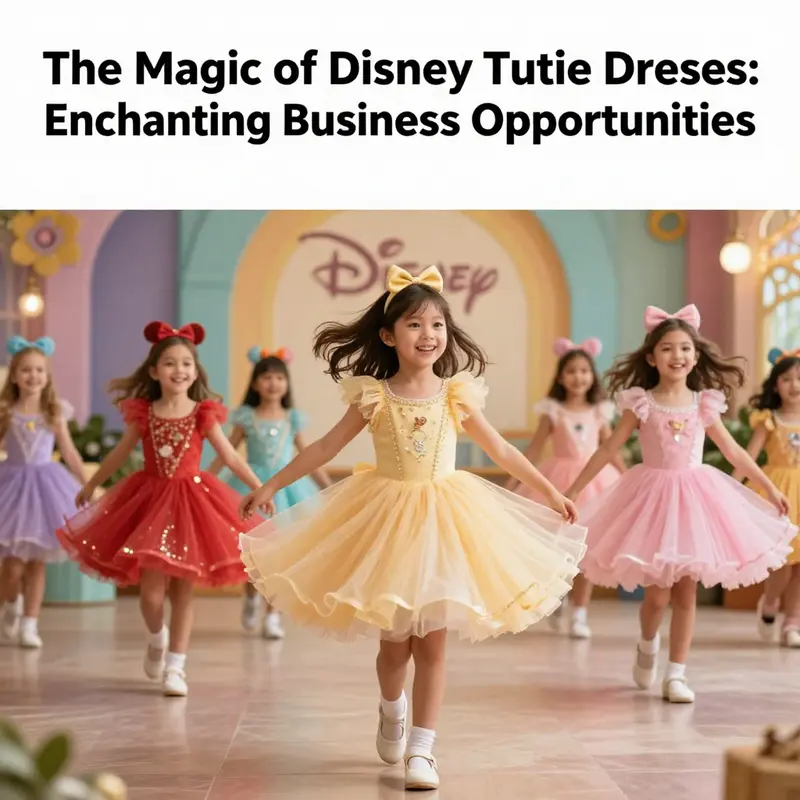
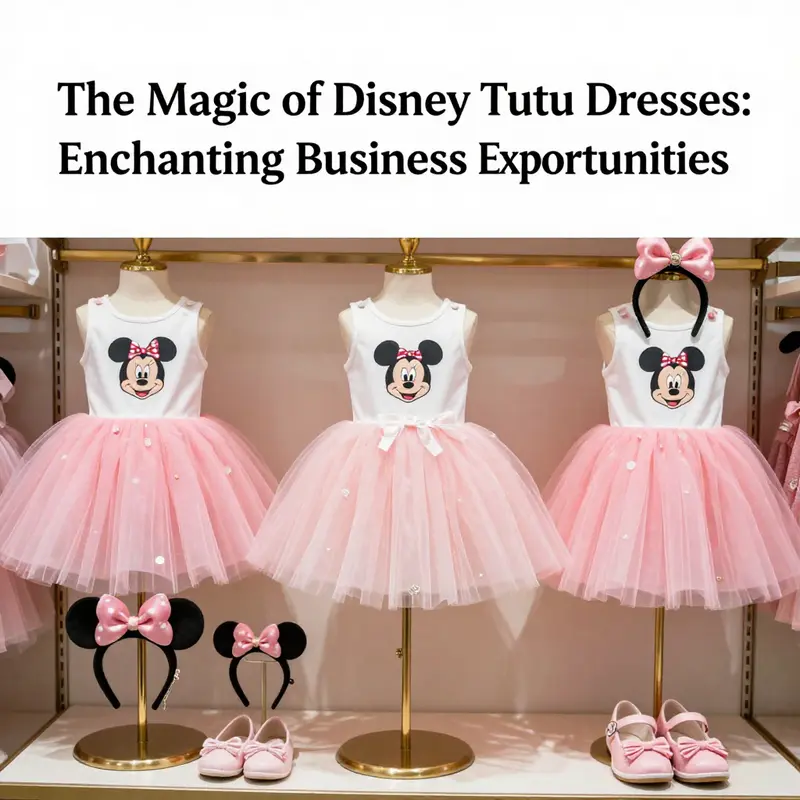
Disney tutu dresses are more than mere garments; they embody the whimsical charm of beloved princesses and characters, appealing to children and parents alike. For business owners in the fashion and retail sectors, understanding these dresses’ unique design elements, their cultural significance, and current market trends can unlock new avenues for profit and customer engagement. This article will provide insights into the intricate design of Disney tutu dresses, discuss their cultural impact, explore market trends, and suggest ways to personalize offerings, all aimed at enhancing the customer experience and driving sales.
Weaving Wonder: The Craft, Color, and Story of Disney Tutu Dresses
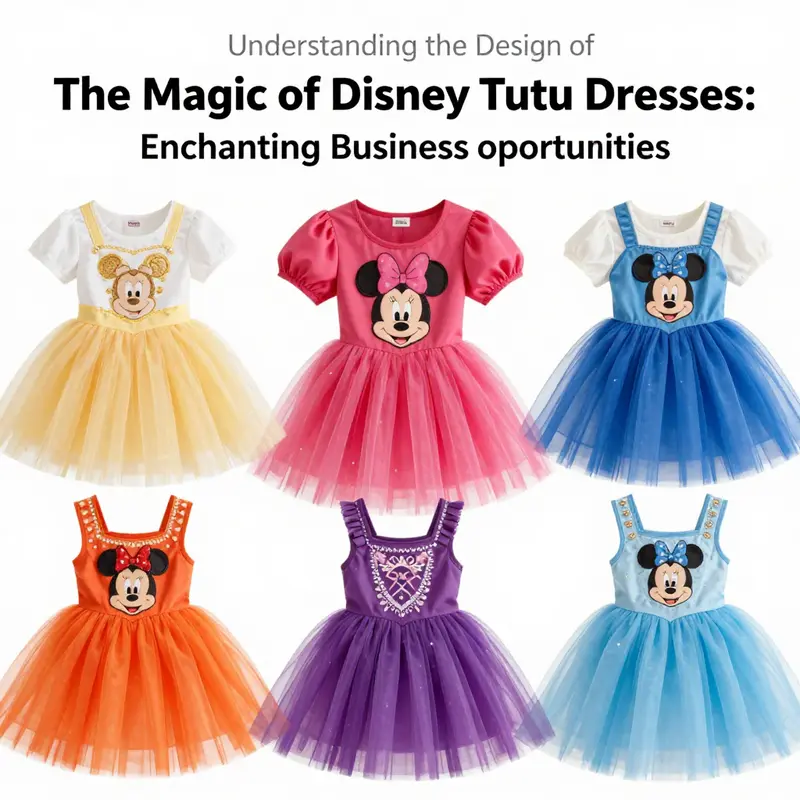
A Disney tutu dress is more than fabric and seams. It is a small stage dress that invites a child to step into a story, to twirl toward a moment when imagination becomes motion. These gowns are crafted not only to look enchanting but to move with a child who wants to dance, spin, and discover that a dress can be a doorway. In the fabric, there is a balance of whimsy and practicality. In the silhouette, there is a narrative of growth and possibility. The design teams behind these dresses think in layers, textures, and the subtle physics of a skirt that must float yet endure a day of play. What looks effortless at a glance rests on careful decisions about structure, material weight, and the way color behaves as light catches the tulle and satin. The result is a garment that feels like a fairy tale yet performs like everyday wear, ready for birthday photos, party games, or a kitchen concert in which a child performs a private recital for an audience of stuffed animals and cheering adults.
The architecture of a Disney tutu dress centers on movement. The tiered tulle skirt is the defining feature that creates volume without heaviness. It gives a sense of buoyancy, a visual cue that twirling is not only allowed but encouraged. Multiple layers of soft tulle, often paired with a sheer mesh layer, create fullness while preserving a light, airy feel against the skin. The skirt is not merely decorative; it choreographs the child’s motions. As she spins, the layers catch the air, lifting with every turn and returning to a gentle sway when she stops. Designers consider the skirt length and the density of layers to ensure that the dress remains age appropriate, safe for active play, and flattering as the child grows taller and more confident in movement. The result is a silhouette that looks magical but behaves with the ease a busy little dancer needs.
A second pillar of the design is the bodice. It usually uses sturdier materials such as satin or stretch fabrics to hold its shape and provide support where a child needs it most. The bodice acts as a frame for the visual narrative of the dress. It anchors the fantasy, offering a smooth surface for appliques, embroidery, or metallic ink motifs that evoke the character or world the dress references. The contrast between the structured bodice and the airy skirt is deliberate; it mirrors how a character can be poised and graceful yet full of life when they enter a scene. Finishing touches such as pleated bands or decorative bows enrich the texture, catching the eye and inviting a closer look on a photoset or during a slow spin at a party. These elements are not frivolous frills; they are tactile signifiers that help the wearer inhabit a role with confidence and charm.
Thematic elements sneak into the design through color, texture, and motif. In a design inspired by a snow queen, for example, the color story leans toward icy blues, frosted whites, and silvery accents. The dress might feature a satin bodice with a delicate pattern reminiscent of frost, paired with a layered skirt that glitters with a foil effect or subtle metallic threads. A sheer mesh neckline can mimic the ethereal quality of ice, while a tulle underskirt adds volume that catches the light with every movement. The effect is not a literal portrait of a character but an impression of their essence: calm, strength, and a quiet radiance that turns heads without shouting. In contrast, an Aurora or princess-inspired design might celebrate sun-drenched tones, warm pinks, and floral embroidery. An organza accent with soft, dimensional flowers can evoke a garden at dawn, with metallic ink detailing that hints at fairy-tale magic. These designs are not about copying a look; they translate it into wearable poetry that a child can perform with her own body on a familiar stage—the home living room or a community party.
The design vocabulary continues with small technical choices that quietly shape the experience. Satin bodices provide a gentle glow and a smooth feel against the skin, yet they must be cut and finished to resist snagging during rough-and-tumble play. The outer layers of tulle and mesh are chosen for softness and breathability, allowing air to circulate as the child dances and breathes easily. The waistline is often elastic or gently gathered with a ribbon or drawstring that makes it easy for caregivers to adjust as a child grows. This is what makes a tutu dress not a one season costume but a little garment that can accompany a child through multiple events as they become more self-assured in their stride. The care instructions that accompany these pieces are practical and protective, designed to keep the layers from tangling and the delicate appliques secure through washing and wear. A tendency toward machine washable fabrics, with gentle cycles, makes the dress accessible for families, while some finer features may require hand washing or special care to protect beading or organza accents.
Material choices matter as much as the aesthetic. Tulle, organza, satin, and mesh each contribute a distinct quality to the final garment. The bodice may be lined with a soft knit or satin to maintain shape and offer a comfortable base against the skin. The skirt layers use lighter tulle or voile-like meshes to preserve a delicate flutter as the child moves. The interplay of these fabrics is akin to arranging a chorus for a stage performance; each layer has a part to play in how the dress behaves and how it feels to wear it. When a designer glances at a mood board and then at a fabric swatch, they are listening for how the material will respond to light, how it will hold up to a day of play, and how it will translate the character into tangible texture. The aim is a harmonious mix where beauty does not come at the expense of comfort or durability. Practical features, such as a smooth back seam, reinforced hems, and careful edge finishing, ensure that the dress remains reliable through countless spins and snapshots.
There is a quiet artistry in how a Disney tutu dress becomes a family moment. The design is not only about reflecting a character but about celebrating the child who will inhabit the dress. The choices around color palette, motif density, and the weight of the fabrics all speak to a desire to support the child’s activities. A dress that is too stiff can hinder a graceful spin, while one that is too flimsy may not withstand a week of school events or weekend adventures. The designers strike a balance by selecting fabrics that drape beautifully yet hold their form, by using lining and sometimes a light stretch panel in the bodice, and by incorporating a silhouette that flatters different heights and body types. The result is a garment that invites repetition—the joy of twirling, the delight of a compliment, the sense that in this dress the world is a little more magical.
The sleeping beauty of a well-made tutu dress is not merely in the image it projects but in the social and imaginative role it enables. Children often pair these dresses with accessories that extend the story side by side with the garment itself. A matching headband, a pair of sparkly shoes, or a simple bracelet can complete a look that helps a child feel like a character in a cherished tale. The coordination with accessories is not decoration for decoration’s sake; it is an extension of the narrative that the dress embodies. When a child steps out wearing the entire ensemble, the moment feels larger than ordinary play. It becomes a shared story, something that families remember and recall with a smile on a later day.
Academically, the design discipline behind these dresses borrows from costume design, fashion design, and child-centered ergonomics. It is not enough to idolize a story; a good tutu dress makes the story accessible to real life. Designers study the way fabrics move when a child runs, climbs, or sits for a long period at a birthday party. They test for snag resistance, for colorfastness in sunlight, and for the ease of laundering after a day of adventures. The process also involves ethical considerations, from choosing fabrics that are durable enough to endure frequent washing to ensuring that trims and embellishments are securely attached to minimize the risk of small parts becoming detached. The practical merges with the magical in a thoughtful way, so that the dress remains a reliable companion rather than a fragile piece that demands constant babysitting.
In this conversation between design and play, theSleeping Beauty themed reference presents a particularly compelling case study. An Aurora-inspired design might lean into fluid lines and floral accents that celebrate renewal and kindness, while an ice queen motif may embrace crisp lines, silver hues, and frosted motifs that speak to resilience and grace. A prospective buyer can explore the Sleeping Beauty tutu category to see how variations in color, texture, and ornamentation translate a single story into multiple wearable expressions. This approach demonstrates how a single concept can branch into a spectrum of options, each tailored to different personalities, occasions, and comfort needs. For families seeking a specific mood, this category offers a clear lens through which to evaluate what a dress can express beyond the obvious charm of soft fabrics and pretty colors.
The chapter of the design story does not end with the seams alone. It continues in the way these dresses are marketed, worn, and shared within communities of parents, guardians, and young wearers. The dresses become props for family photos, catalysts for birthday celebrations, and even tiny canvases for personal expression as a child chooses accessories that match her inside world. A well-designed tutu dress becomes a conduit for confidence, a physical reminder that a child can embody wonder without losing comfort, safety, or the ability to keep up with a day full of exploration. The joy is not merely in how a dress looks when still, but in how it behaves when the world pushes back with chatter, laughter, and movement. The garments invite children into the dance of childhood, where imagination meets fabric in the most literal and delightful way.
For readers who wish to see an expansive range of Disney-inspired ensembles and to observe how different lines emphasize certain character cues or narrative tones, a look into Sleeping Beauty themed options provides a useful cross-section of approach. The category page highlights how designers weave color, motif, and texture into a cohesive whole that remains suitable for everyday wear as well as special moments. It becomes evident that the most successful designs are those that invite both careful observation and carefree play. The child is at the center, and the dress becomes a partner in stories the child will tell through eyes, smiles, and countless loops of twirl after twirl.
External resources offer broader context for how such garments fit into seasonal wardrobes and holiday celebrations. A comprehensive catalog from a major retailer demonstrates how festive themes extend beyond the classroom or living room, offering looks that mingle with family traditions and community gatherings. This wider view helps to situate the Disney tutu dress within a continuum of festive attire, illustrating how a single garment can traverse birthdays, holidays, and spontaneous dance moments with equal grace. For those who want to explore a broader view of seasonal dress options, see the external resource linked at the end of this chapter. As with any fairy tale, the ending of one chapter is really the beginning of another, where the child and the dress together write new pages in their own imaginative book.
In the end, the magic of a Disney tutu dress rests in its careful balance of artistry and practicality. It is a garment designed to be worn, to be touched, and to be treasured not only for its beauty but for the way it supports a child in expressing self through motion and play. The craft behind it—tiered layers that create volume, supported bodices that endure a day of activity, and thoughtful finishes that protect delicate embellishments—makes the dress a reliable partner in the kid’s daily adventures. And the storytelling remains central: a child does not simply wear the dress; she inhabits a moment in a larger tale. The dress becomes a portable stage, a canvas for imagination, and a quiet reminder that in the world of play, every twist of fabric can reveal a new possibility. For families drawn to this idea, a Sleeping Beauty inspired tutu category is a compelling place to begin exploring how color, texture, and theme converge to produce something that feels timeless and fresh at the same time. The chapter of design thus closes with a renewed sense of wonder, ready to turn another page in a child s day marked by curiosity, courage, and the simple joy of a perfect twirl.
External resource for further context and a broader look at seasonal dress options can be found here: https://www.disneystore.com/girls-winter-dresses.html
Twirling Through Culture: How Disney Tutu Dresses Shape Play, Identity, and Community
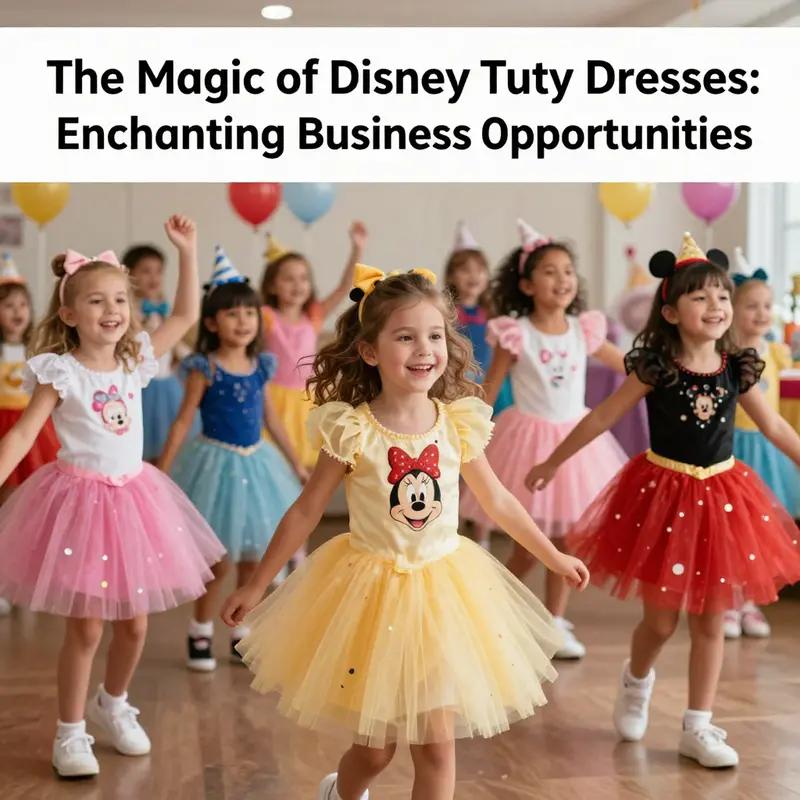
Color and movement fuse in childhood as a Disney tutu dress becomes more than fabric and thread. It is a portable stage for imagination, a wearable invitation to step inside stories where benevolent heroes, talking animals, and magical moments swirl together with everyday life. In living rooms, backyards, and party halls, the tutu dress translates fantasy into a shared ritual. The layers of tulle ripple with every spin, catching light and laughter in a way that makes a child feel both seen and buoyant. Far from being mere decoration, these dresses become a language of possibility, a way to practice courage, kindness, and creativity within the safety of play. They allow a child to perform a version of herself that blends personal wonder with collective storytelling, weaving private hopes into public moments of celebration. This chapter explores how such garments sit at the crossroads of fantasy and daily life, shaping how children learn to tell stories about themselves and their world, while also revealing the tensions and conversations that accompany a culture saturated with magical wardrobes.
The notion of princess culture has been central to understanding how media, fashion, and family routines braid together to influence young minds. Princess culture is not simply about costumes; it is a set of rituals, values, and associations that get activated when a child puts on a dress that evokes a beloved character. The Disney universe extends far beyond the screen, echoing through classrooms, birthday parties, and community events. A tutu dress rooted in this world becomes a shared cue, signaling to peers a readiness to participate in a narrative moment. The dress, in its form and color, asks not only for admiration but for participation: a child is invited to improvise a plot, to embody a virtue, or to rehearse a difficult moment with gentleness. Scholars who study early childhood culture describe this experience as part of a wider process by which children practice social roles and identities within a receptive, story-rich milieu. In this sense, a single outfit becomes a microcosm of cultural exchange, a hinge between private reverie and public conversation.
Yet this cultural phenomenon sits within a nuanced landscape of possibility and concern. A growing body of research acknowledges the joyful dimensions of imaginative dress-up while also interrogating how heavily marketed fantasies intersect with ideas about gender, beauty, and consumer desire. A 2021 study titled “This is a different kingdom”: A case study of gender-creative highlights how costumes can serve as a form of gender exploration for children. The work emphasizes imaginative play as a space where children test boundaries, negotiate self-presentation, and rehearse social interactions. At the same time, it cautions that media-rich environments and branded narratives can amplify pressures around body image and normative femininity, fostering a narrow script for what it means to be a girl and what is expected of appearance. Acknowledging this complexity is essential when considering the broader role of tutu dresses in a child’s life. They are not inherently aligned with virtue or vice; they function as tools, capable of expanding or constraining a child’s sense of self depending on how they are used, discussed, and framed by caregivers, peers, and educators. The dialogue around these garments tends to be less about a single product and more about a cultural practice—the way a family negotiates magic, play, and real-world values in tandem.
Within the fabric yourself lies a social script that children rehearse daily. The satin bodice and the layers of mesh and tulle are more than aesthetics; they are a choreography of movement that invites a cadence of play. The dress encourages a rhythm of twirl, spin, lift, and settle, a short narrative arc performed with the body. A child who spins until the layers billow into a circular sea of color is, in that moment, authoring a story of possibility. The sheer overlays, foil accents, and glimmers of glitter act as sensory cues, guiding attention and signaling mood. Light catches the fabric in a way that feels like a page turning in a picture book, a cue that tells the child to lean into wonder. For families, these decisions about design—color palettes, textures, and the presence or absence of sparkle—become part of a shared language about beauty, whimsy, and possibility. The tutu dress is a practical canvas for storytelling as well as a garment; it invites a child to imagine herself as a heroine, a friend, or a traveler on a quest, often all at once.
The social magic of these dresses extends beyond individual play to the fabric of community life. Birthday celebrations, school performances, and visits to imagine-rich spaces become opportunities for shared narrative work. A party themed around a favorite story world becomes a collective experience in which children, siblings, and parents alike enact familiar plots, exchange ideas about character, and invest in a moment of collective joy. In these settings, the dress becomes social currency—a quick signal of participation, a bridge linking different age groups through common imagery and memory. When a child arrives at a gathering in a tutu dress, the reaction of peers is immediate: recognition, invitation, and a readiness to join in a story. The effect is not passive admiration but active collaboration. The exchange of ideas—how to move through a scene, what emotion to convey at a particular beat, how to choreograph a finale—turns dress-up into a social exercise in empathy and cooperation. Such interactions help solidify a sense of belonging, a crucial part of childhood development that grows stronger when tied to shared cultural narratives.
With this communal dimension comes an important question about accessibility and inclusivity. If the wardrobe becomes a central arena for cultural participation, then access to well-made, fitting, and age-appropriate designs matters. A broad size range, from infant to older children, helps ensure that more families can participate in the same imaginative play, even as children grow. A mindful approach to inventory and design can democratize the experience of dress-up, ensuring that siblings of different ages can share a wardrobe space and that friends can borrow, remix, and reimagine their stories without barriers. When a garment is durable and comfortable as well as visually enchanting, it remains a tool for ongoing storytelling rather than a single-use costume. In this way, the tutu dress contributes to a community’s cultural literacy, teaching children to observe color, texture, and silhouette as signals of mood and meaning while fostering physical curiosity and social cooperation. The result is a more inclusive, more collaborative culture of play, one that respects individual expression while honoring shared traditions.
Design, mechanics, and memory weave together to give the tutu dress a lasting place in childhood. The textures—the smooth satin, the soft tulle, the glittery sequins—read by young bodies as cues about mood and intention. The multi-layered silhouette allows for dramatic movement and encourages kinesthetic exploration, helping children develop balance, spatial awareness, and confidence as they spin and watch the fabric swirl. A well-constructed tutu dress can endure through a season of birthdays, school events, and family photos, becoming part of a family’s visual archive of growth. In this way, a garment becomes a repository of memory, linking present play to past stories and future dreams. This continuity matters because it embeds a sense of continuity and security in the child’s developing self, especially during times of change or transition. The dress thus operates as both a catalyst for imagination and a steady anchor in the tide of growing up.
The economic and cultural ecosystems around these garments also reveal how childhood fantasy circulates in society. Merchandizing, media narratives, and community rituals converge to create a shared world where a tutu dress acts as a passport to a story universe. The dress becomes a way to participate in a larger conversation about kindness, courage, and generosity, not merely a way to look cute or fashionable. It teaches children that fantasy and empathy can coexist with everyday routines—the school bus, the living room, the party table. The wearer learns to blend private aspiration with communal expectations, to relish moments of solo experimentation while supporting friends as they join in a chorus of movement and talk. In this light, the tutu dress is not simply a product of a media empire; it is a social practice that enables children to practice social participation within a culturally saturated landscape of stories and symbols.
To start exploring these ideas in practical terms, families often begin with a simple, foundational piece that allows room for experimentation and growth. A basic tutu category can serve as a versatile entry point, offering a clean canvas for personalization and storytelling. For those beginning their journey, consider the basic tutu category as a flexible starting point for creating a shared costume culture within the family. basic tutu category
As this chapter closes on memory and meaning, the broader picture comes into view: Disney tutu dresses, in their various forms, are not merely garments. They are cultural instruments that shape how children imagine themselves and their relationships with others. They invite children to practice storytelling, to negotiate meaning with caregivers, and to participate in communities that celebrate wonder. They teach that magic can be a mode of learning, that performance can cultivate generosity, and that imagination can be a gentle, everyday discipline. And while critiques remind us to attend to issues of body image, consumerism, and the pressures of idealized femininity, the central takeaway remains hopeful: when used thoughtfully, these dresses can be portals to resilience, collaboration, and joyful exploration.
External resource: gender-creative study (2021)
From Sparkle to Story: Market Trends in Disney Tutu Dresses
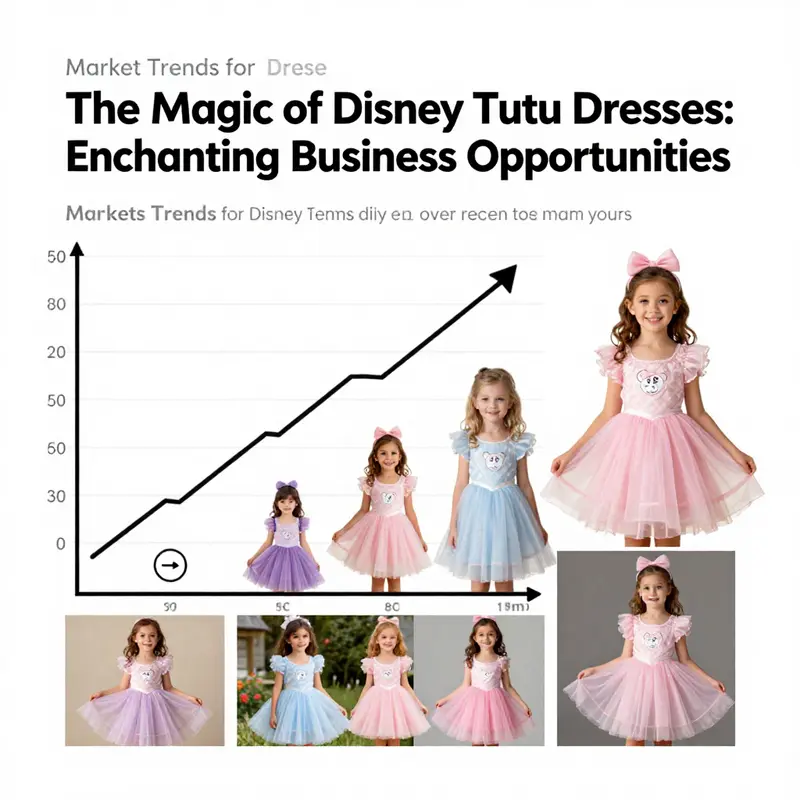
The appeal of tutu dresses designed around beloved characters and stories has evolved beyond simple dress-up. Today, the market sits at a precise intersection of whimsy, personal storytelling, and the growing expectations of younger consumers who seek more than a garment; they want an invitation into a shared narrative. In recent industry analyses, the trend toward personalized, emotionally resonant products is not just a passing fad. It reflects a broader shift in how families approach play, birthdays, and everyday moments that feel like small adventures. Disney tutu dresses, as a category, embody this evolution. They are not merely outfits; they are gateways to moments where a child pretends to step into a favorite tale or celebrate a beloved character while twirling with joy. The fabric choices, the silhouette, and the way the dress catches light all contribute to a sense of magic that is both accessible and collectible, a combination that resonates deeply with caregivers who seek value and meaning in every purchase.
Strategic direction from a major media and commerce conglomerate underscores the move from products to experiences. In the 2026 launch cycle, the emphasis is on forming lasting, emotionally rich connections with audiences, especially among generations that grew up with digital media and now influence the widest age range of consumers. This is not about pushing more stock; it is about crafting moments that can be woven into birthdays, parties, and park visits. The shift recognizes that contemporary families want to transform a simple outfit into a small rite of passage—an experience that can be shared with siblings, friends, or even virtual communities. For tutu dresses, that translates into designs that invite storytelling through color, texture, and movement. Satin bodices, layered tulle, and soft overlays become parts of a larger narrative rather than just fashion details.
As the market leans into experiential storytelling, the idea of retail as a pure point of sale gives way to retail as a stage. Branded shops within resort environments are increasingly framed as immersive spaces where guests encounter character mythologies in tangible form. Rather than a single item on a peg, the experience centers around a curated environment that showcases how a tutu dress can be worn for a specific moment or theme. This approach helps explain why these dresses are not simply purchased and worn; they are paired with themed accessories, coordinated headpieces, and event-ready styling that makes a birthday or party feel like a curated mini-production. The result is a sense of urgency that is not just about limited stock but about a moment in time when a child can join a celebration of storytelling in a physically immersive setting.
A key element of this trend is the growing importance of experiential retail. Consumers today prize venues that invite experimentation, customization, and social sharing. In major travel and resort destinations, teams are designing shops that emphasize interactive displays, live styling sessions, and opportunities to preview how a dress will perform in a real moment of play. While no single public dataset pinpoints tutu dress sales, the broader licensed apparel category shows sustained strength, especially in markets where families combine travel, theme parks, and seasonal events. The idea that a garment can carry the aura of a cherished character is amplified when that garment is connected to a larger experience. Parents look for items that are sturdy enough to withstand active play, yet elegant enough to feel special on a birthday or during a themed celebration. The result is a market where design quality, storytelling potential, and experiential value coalesce into a compelling purchase rationale.
Another dimension shaping the market is the integration of digital elements. The newest wave of licensed apparel is beginning to weave augmented reality and app-linked features into fashion moments. Imagine a tutu dress that is not only beautiful on the rack but also interacts with a companion app to unlock animation overlays, interactive storytelling prompts, or stage-ready lighting cues for a home performance. This digital augmentation enhances the dress’s value by extending its life beyond the party or the park visit. It also aligns with the expectations of digital-native generations who perceive play as a hybrid of physical and virtual experiences. The ability to scan a garment and reveal story clips or to collect digital badges for completing a character-inspired routine can transform a simple outfit into a small, ongoing adventure. While the precise sales figures for AR-enabled apparel are not publicly disclosed, the momentum in licensed offerings, particularly in fast-growing markets, points to a future where digital integration becomes a routine layer of product design rather than an afterthought.
The market also emphasizes exclusivity and collectible appeal. Limited editions tied to seasonal events or park milestones encourage a sense of urgency while acknowledging that children grow quickly and their wardrobes change with the seasons. In practice, this means designers and retailers collaborate to create new colorways, textures, or subtle embellishments that keep the category fresh without moving away from core characteristics that appeal to families. The volume of options in the catalog matters, but so does the story each piece tells. Parents gauge value not just by price but by how well a dress fits into a broader storytelling plan for a child. A well-chosen tutu dress becomes the centerpiece of a birthday theme, a character-inspired party, or a magical day at a resort, helping the family convert a moment into a memory that can be revisited in photographs, keepsakes, and future costumes.
A practical signal of these shifts is the expansion of size ranges and fit options. For growing children, a garment that can adapt as a child becomes more active is essential. The category often includes options that span infant to big kid sizes, with generous skirts, forgiving elastics, and adjustable features that support repeated wear across years. Versatility matters because parents value the ability to reuse pieces for multiple occasions, from everyday dress-up to special event attire. The better the dress travels through a child’s stages of play, the more value families perceive, and the more likely they are to invest in a garment that can serve as a long-term prop for imagination.
Styling details continue to be a powerful differentiator. Designers focus on the tactile pleasure of fabric—the rustle of layered tulle, the smooth glide of satin, the subtle sheen of organza overlays. Embellishments like delicate foil accents and tiny gem accents catch light as a child spins, creating a moment of sparkle that feels personal and celebratory. Critically, these elements must balance durability with beauty; a dress intended for frequent wear needs to hold color and shape through regular washing and outdoor play. The best designs achieve this balance by selecting high-quality materials, precise stitching, and finishing touches that preserve the silhouette during lively movement. The resulting garment is not only photogenic but practical, enabling children to express joy through movement while staying comfortable enough for long party days.
In this shifting landscape, the role of crafting an outfit extends beyond the dress itself. Parents increasingly seek complete styling ideas that weave together dress, headbands, shoes, and other accessories into a cohesive look. The idea of a single item standing alone has softened as households seek ready-to-wear ensembles that capture a theme from head to toe. When a family plans a party or a park day, they often envision a full narrative arc—beginning with a costume reveal, continuing through a coordinated photoshoot, and culminating in a memorable moment captured on video or in a scrapbook. The tutu dress becomes a reliable anchor for that arc, with its design enabling a wide range of creative choices while maintaining a recognizable link to a beloved story or character universe.
For families interested in a broader palette of options, a base canvas can be especially appealing. A versatile, simple tutu option serves as a foundation for personal styling that can be customized with accessories. This approach invites caregivers to mix and match elements such as headbands, lightweight capes, or jewel-tone shoes to tailor the look to a specific party theme or home performance. The idea is to empower imagination without demanding a costly or time-consuming styling routine. In practice, the basic tutu collection provides a flexible starting point for many styling scenarios, allowing parents to experiment with color, texture, and layering while maintaining a cohesive overall aesthetic. For those curious about a simple, adaptable base, the basic tutu collection offers a versatile canvas for creative styling. basic tutu collection.
The broader market implications extend beyond individual outfits. These dresses function as micro-ecosystems within families, parks, and communities. They encourage shared rituals, such as planning a party around a character-inspired theme, inviting siblings to participate in coordinated outfits, or arranging a photo shoot that captures a child in motion. In doing so, they reinforce the idea that play is a social activity with tangible, lasting rewards. The social dimension is not incidental; it is a core driver of perceived value. Parents often seek items that can be part of family storytelling, not just standalone fashion statements. When a dress aligns with a child’s growing interests and a family’s celebration calendar, it multiplies in value through repetition, anticipation, and memory building. That is why the market favors designs that offer enduring charm, dependable durability, and a flexible styling framework that remains relevant as a child matures.
Looking ahead, the market appears poised for continued growth as Gen Z and Alpha households shape demand with a stronger emphasis on experiences and storytelling. Projections suggesting a multi-trillion-dollar potential by mid-century reflect the scale of what families are willing to invest when play and celebration intertwine with brand narrative. This trajectory is not just about better fabrics or clever prints; it is about delivering moments that feel earned and shareable. When a child can inhabit a dress for a party, a park visit, or a home performance with equal ease, the garment becomes a tool for confidence, creativity, and connection. It is this synthesis of design, function, and meaning that will sustain the appeal of tutu dresses in the coming years, even as new technologies and distribution channels reshape how these garments are discovered and purchased.
In sum, the market trends surrounding Disney tutu dresses reveal a mature ecosystem where whimsy converges with purpose. The dresses are crafted to be durable, aesthetically striking, and emotionally resonant. They are designed to be experienced, shared, and revisited as part of a child’s evolving storytelling. They serve as fashion and as a gateway to moments that families will remember long after the party hat is taken off. As retailers and designers respond to the demand for personalization, collectibles, and digital augmentation, tutu dresses will continue to evolve while preserving their core appeal: a simple, joyful invitation to play, to dream, and to move with rhythm and grace through the stories that captivate children and their communities.
External reference: https://www.disneystore.com
Weaving Memory and Magic: Personalizing the Disney Tutu Dress Experience
A powerful starting point for personalization is to treat the dress as a storytelling vessel rather than a static garment. Think of color palettes that reflect a favorite tale, or textures that evoke atmosphere from a beloved scene. A satin bodice can anchor a gleaming palette, while a mesh or tulle skirt adds volume for those signature twirls that every child loves. The texture mix matters because it invites touch and movement. A soft lining keeps comfort at the center, and a breathable fabric choice supports wear throughout long party days or imaginative play sessions. Rather than naming specific items, focus on the experience of wearing. A dress should feel like a gentle invitation to explore a character’s world, not a costume that restricts movement or comfort. In this light, personalization becomes a collaboration between parent, child, and a designer who understands how to balance whimsy with wearability. The aim is to craft a look that supports confidence, so the child feels fearless enough to spin toward new possibilities with a smile that shines through the fabric.
Themed photo displays can anchor a tutu dress in tangible memory while enriching the dress’s personal meaning. For example, imagine a small, interactive frame built from LEGO bricks that sits beside a dresser or hangs on a wall. This frame can cradle photos from a cherished visit to a Disney-inspired destination and couple those memories with tropical accents inspired by a beloved character’s world. Seashells and delicate flora details can echo a story about sunshine and ocean breezes, while bright colors recall bright moments of laughter. The idea is not to copy a particular outfit but to echo the favorite scenes and sensations that sparked the child’s affection for the story. A cohesive memory board or display line can tie the look together, guiding accessory choices, color selection, and even the pace of dressing routines. It also invites a gentle conversation about what the child loved most on a trip or during a day of imaginative play, reinforcing the sense that the dress is an ongoing project rather than a finished product. In this light, the tutu becomes part of a daily ritual, a reminder that stories are alive when they are revisited and reimagined.
Personalized merchandise offers another dimension for adding meaning without locking into one rigid idea. Shops at resort destinations often provide options for customizing accessories and small wearables that complement the dress’s central motif. Instead of detailing a fixed product, imagine choosing coordinating headwear such as a tiara or a themed hat that aligns with the character’s world and the dress’s color story. The goal is harmony across elements—headpiece, sash, jewelry, and even footwear—so the entire silhouette reads as a single, coherent scene rather than a patchwork of unrelated pieces. When the child grows excited about a different facet of the story, those add-ons can be swapped with minimal fuss, preserving the family’s long-term investment in the look. This flexible approach also respects budget and closet space, enabling you to seasonally refresh the ensemble through thoughtful accessories rather than a complete overhaul. The result is a wardrobe that travels from one celebration to another with the same joyful energy, ready to retell a favorite moment on a new stage.
For families who enjoy exploring creative marketplaces, the idea of a custom-designed dress becomes a gateway to collaboration. A custom dress can reflect a child’s unique interpretation of a beloved tale, blending classic silhouettes with modern twists in fabrics, trims, and colors. Instead of relying on a single, predefined design, you can partner with a designer to shape a garment that speaks to your child’s measurements, comfort needs, and expressive preferences. A well-chosen designer will begin with careful measurements and a discussion about movement—how freely the child can raise arms, how the dress behaves when spinning, and how the fabric feels against the skin after hours of wear. Comfortable, durable fabrics are essential; they support play, dancing, and adventures without compromising the dreamlike aesthetic. The process itself can be playful and collaborative: a sketch, a fabric swatch, a sample fitting, and a final fitting that brings the story to life. The emphasis is on creating a lasting piece that can be enjoyed across seasons and keeps the magic portable from party to party. When you invest in customization with a thoughtful approach, the dress becomes more than an outfit; it becomes a vehicle for the child to express a developing personality and a growing sense of story.
A practical step in personalization is to consider interactive elements and themes that tie back to the experience that sparked the love for the dress. If a trip to a park or a resort left a strong impression of certain colors, textures, or characters, translate that impression into the dress’s palette and embellishments. Rides and attractions can inspire color choices and design accents that echo the journeys the child took within a park or a story they once watched. For instance, if the day featured bright daylight and coastal breezes, you might favor airy layers, light shimmering fabrics, and a spectrum that moves from soft pastels to glowier accents as the child spins. Synesthetic cues—like the way a certain color feels when touched, or how a particular fabric rustles as the child moves—can shape the dress in ways that engage more than sight. The more senses the dress engages, the richer the personal narrative becomes. At this stage, it helps to maintain a visual journal of color swatches, fabric textures, and accessory ideas. A simple mood board can guide future updates or substitutions, ensuring that the dress continues to reflect evolving tastes without feeling like an outdated relic.
Seasonal events and themed activities at parks or workshops offer fertile ground for inspiration. Seasonal events often encourage attendees to dress in ways that celebrate the occasion, creating an opportunity to weave a shared story with other families. Workshops that promote creative costume design can provide practical tips on layering, stitching, and customizing trims that keep costs manageable while elevating the final look. The key is to view these opportunities as collaborative experiences rather than one-time purchases. The child can participate by selecting color swatches, choosing either satin or matte finishes, or helping attach a few simple embellishments under supervision. The process becomes a family project, a memory-packed activity that teaches patience, problem-solving, and pride in a finished garment. The resulting ensemble embodies a moment in time, a snapshot of a day when imagination ran freely and everyone joined in the storytelling through dress and play.
If you want a concrete example of how a Sleeping Beauty inspired look can feel authentic yet adaptable, consider exploring the Sleeping Beauty tutu collection. This reference point demonstrates how a cohesive color story and timeless silhouettes can anchor a personal interpretation. The idea is not to imitate a precise character outfit but to capture the spirit—gentle elegance, a touch of enchantment, and an emphasis on movement that invites dancing and daydreaming. You can use this as a starting point to refine your own design choices, then bend the theme to reflect your child’s current favorites as they evolve. The process stays flexible because the focus remains on personal expression and the joy of creative discovery, rather than on preserving a single, unchanging look.
A crucial practical note is to maintain a balance between precision and comfort. A well-personalized tutu dress should celebrate a child’s energy as much as their storytelling impulse. It is perfectly acceptable to adapt a design by simplifying embellishments for younger children or increasing volume and sparkle for older ones who want more drama in their twirls. Careful attention to fit is essential; garments should accommodate growing bodies and allow a full range of movement. When measuring for a custom piece, consult a professional about how to account for growth over the year, ensuring the dress remains a friend rather than a constraint. If a child wants to reimagine the same silhouette for a different theme, you can swap color accents, replace a few trims, or adjust the accessories to reflect a new chapter in their story. In this way, the tutu dress becomes a reusable prop in a child’s ongoing narrative, a wearable scrapbook that invites new chapters with each season.
To keep the personalization grounded in a cohesive approach, consider documenting the process as you go. Take photos of fabric choices, sketch ideas, and fittings, and save notes about what worked well and what felt less comfortable. This ledger becomes a practical tool for future dressing projects, enabling you to repeat successful details while avoiding learnings from past missteps. The goal is continuity over repetition, ensuring that each new look feels connected to the last even as it introduces fresh inspiration. By focusing on story-telling coherence, you ensure that the outfit remains meaningful rather than merely fashionable. The child learns to anticipate what is coming next and to see the dress as a living piece of their personal history, not an ephemeral trend.
For those who enjoy curating a broader Disney-inspired wardrobe, the chapter invites you to consider how the tutu dress can work in concert with other pieces. The dress can pair with a coordinating cape, a light scarf, or a simple cardigan that echoes a scene from a favorite tale. Matching accessories help anchor the look while keeping it adaptable for different occasions. The key is restraint: select a few meaningful accents rather than an overabundant collection. A purposeful, well-balanced ensemble will be more versatile and easier to care for over time, enabling more frequent wear and more opportunities for storytelling through dress.
A practical reminder accompanies this creative journey. Personalization should respect the child’s consent and comfort. Allow them to participate in decisions about color, texture, and accessories. When the child feels ownership over the design, the experience becomes empowering and joyful, not overwhelming. It is perfectly acceptable to revisit an idea later, to soften or intensify a theme based on what resonates at that moment. The dress should support the child’s confidence and imagination, and the most successful outcomes are those in which the child returns to the wardrobe with excitement rather than reluctance.
If you want a concrete example of a Sleeping Beauty inspired look, explore the Sleeping Beauty tutu collection. This reference demonstrates how a cohesive color story and timeless silhouette can anchor a personal interpretation while leaving room for individual voice. For more inspiration and ideas on crafting a truly unique Disney themed celebration, visit the official Shanghai Disney Resort website for additional context and possibilities that extend beyond the wardrobe into the realm of immersive experiences. This broader context can help you think about how the dress can reflect a full day of wonder—photos, rides, character encounters, and family rituals—into a single, coherent story that the child can carry with them long after the party ends.
As you progress, remember that the most memorable personalization blends intention with play. A dress is not a final product but a starting point for ongoing exploration. It is a doorway to shared stories, a way to honor a child’s evolving imagination, and a small garment that can carry big emotions. When approached with curiosity and care, a Disney tutu dress becomes more than attire. It becomes a trusted partner in daily adventures, a wearable reminder that magic is not something to chase but something to create together with the people who love the child most. This collaborative spirit will keep the process joyful, sustainable, and deeply personal for years to come.
External resource for broader inspiration and park-based ideas: https://www.shanghaidisneyresort.com/
Final thoughts
In the retail landscape, Disney tutu dresses represent a unique opportunity to tap into the magic of childhood and the nostalgia of iconic characters. By understanding their design intricacies, recognizing their cultural significance, keeping abreast of market trends, and offering personalized options, business owners can create an enriching shopping experience that celebrates both fantasy and imagination. These dresses are not just products—they’re a gateway to joy for children and parents alike, making them a worthwhile investment for any retailer catering to young audiences.