
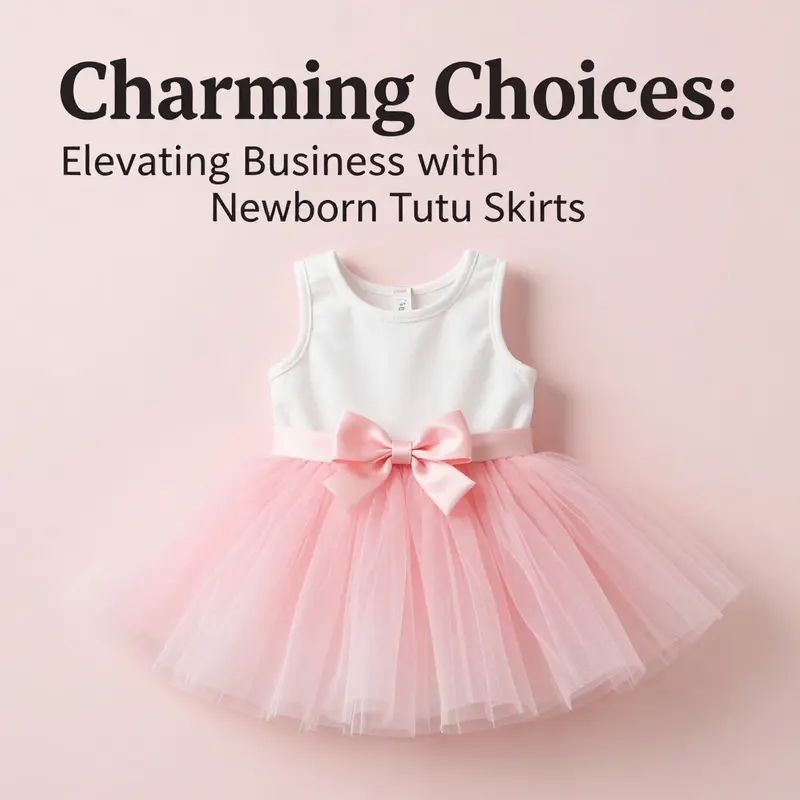
Newborn tutu skirts are a staple in the fashion world for baby girls, capturing the hearts of parents and making memorable moments even more special. As a business owner in this niche market, understanding what makes these adorable garments appealing can significantly influence your offerings and increase customer satisfaction. This article delves into the intricate design features that give newborn tutu skirts their charm, the diverse materials that enhance comfort and durability, various purchasing options for stock and customization, and creative styling ideas that will resonate with customers. By examining these aspects, you can be better prepared to captivate your target market and expand your business offerings.
Whispers in Tulle: The Delicate Design Features That Shape Newborn Tutu Skirts
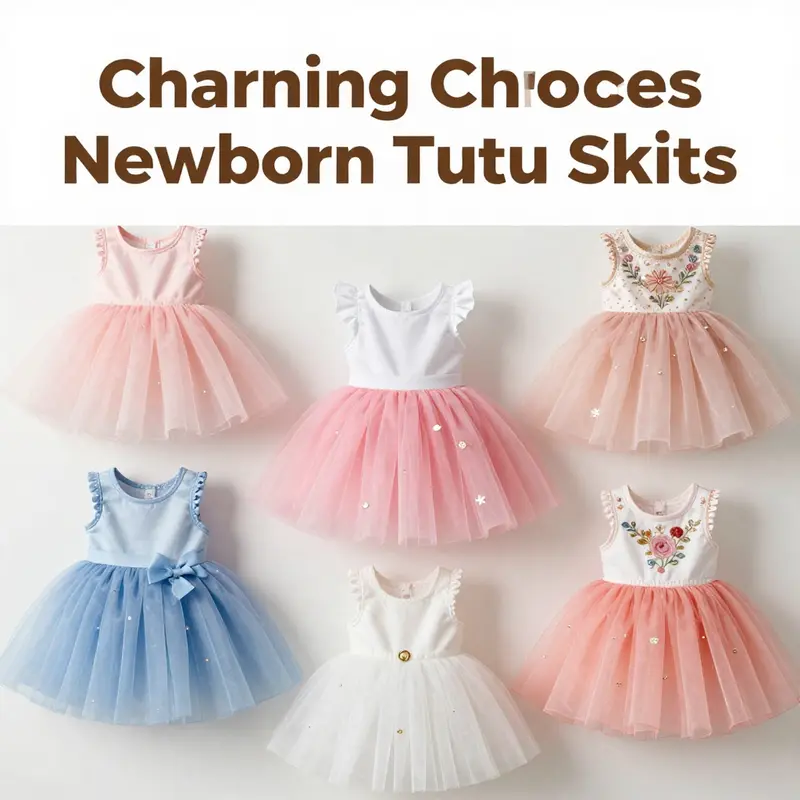
A newborn tutu skirt is less a simple garment than a carefully tuned balance of softness, safety, and whimsy. Designers who work with the tiniest of wearers approach the craft as if preparing a miniature stage for a first memory: the soft sounds of fabric, the gentle rustle of tulle, and the quiet confidence of a silhouette tuned to move with a newborn’s quiet, unhurried rhythm. In this light, the design features of newborn tutu skirts emerge not as indulgent ornamentation but as a thoughtful communication between fabric and wearer. The most prominent decisions—materials, layers, waist fit, embellishments, silhouette, and care—are each chosen to honor the baby’s comfort while preserving the visual magic that makes these skirts so beloved for photographs, family milestones, and playful, everyday moments. The result is a garment that feels almost ethereal in real life yet remains practical enough for the realities of infant life. In exploring these elements, we see how a skirt becomes more than a pretty piece; it becomes a tiny, wearable work of design that respects the delicate boundaries between wonder and safety.
The choice of materials anchors the entire design philosophy. Newborn skin is exquisitely sensitive, so fabrics must be lightweight, breathable, and gentle. Most tutu skirts lean on a foundation of polyester or a polyester blend, sometimes accompanied by chiffon, nylon, or a touch of cotton for contrast. These fibers offer a feather-light touch that drapes softly over the legs without adding heat or stiffness. Importantly, many of these fabrics are treated to be hypoallergenic or certified for sensitive skin, a caution that matters more with newborns than with any other age group. The goal is to minimize irritation while maintaining the luminous, slightly translucent glow that makes tulle so captivating. The fabric choice also informs care: polyester blends resist wrinkles and dry quickly, which means more time for memory-making and less time spent on maintenance after a photoshoot or a family gathering. The result is a skirt that looks pristine in photos yet remains comfortable enough for a baby to sit, rest, or squirm with ease, a subtle reminder that beauty in infant fashion is inseparable from practicality.
Beyond the fabric, the construction of the tutu’s signature volume speaks to a different but equally important design intention. The iconic puff of a tutu arises from multiple layers of tulle or similar netting. Newborn skirts typically employ two to three layers, a deliberate choice to achieve a cloud-like silhouette without sacrificing mobility or safety. Each layer adds depth and texture, lending the skirt that fairy-tale air that photographers love while ensuring the garment stays light on the child’s body. The layers are cut and finished with clean edges to prevent fraying and snag risks. The way these tiers interact with the underlayers matters, too: a well-made multi-layer tutu maintains its shape even as the baby wiggles or shifts position, yet remains soft enough not to poke or irritate. The overall effect is a silhouette that reads as generous and playful in photos but remains slim enough to prevent overheating or cumbersome bulk during a stroll or quiet play. The watchword here is restraint—enough volume to enchant, not so much that the baby becomes tethered to the fabric’s drama.
The waistband is another critical design decision that shapes both fit and function. An elastic waistband provides the essential combination of snugness and adaptability. For newborns who grow rapidly in the first months of life, an adjustable or softly elastic band ensures a secure fit without constriction. It should be wide enough to distribute pressure evenly across the waist, avoiding any pinching across delicate skin. A well-executed waistband also helps prevent the skirt from slipping during movement, which is especially important for infants who may wriggle or drift in and out of cozy little positions. When the waist feels comfortable, a baby is more likely to act naturally in front of a camera or during a family moment, and that natural ease translates into photographs that feel intimate rather than staged. The elastic approach also supports different body shapes and sizes, allowing a single design to function for newborns through the early months of toddlerhood with minimal adjustments.
Delicate embellishments are where the design often reveals its storytelling impulse. Tiny bowknots, soft ribbons, and small pom-poms contribute charm without compromising safety. The guiding principle is to evoke whimsy while avoiding embellishments that could pose choking hazards or snag on tiny fingers or clothing. Designers exercise restraint here, favoring subtle accents over bold appliqués. A well-chosen embellishment can become the focal point in a photograph—the moment where light catches a bow or a ribbon catches a breeze and turns a still moment into something almost alive. The key is to keep these details small, secure, and plain enough to remain gentle as a newborn interacts with the garment. In many cases, the best design choice is one that is just visible enough to convey a mood or theme without overwhelming the baby’s natural charm. This approach also aligns with the broader idea that newborn attire should complement, not compete with, the newborn’s own features.
The silhouette itself—the shape and length of the skirt—matters as much as the fabric that forms it. Newborn tutu skirts are typically short enough to sit above the knee, a practical cut that reduces the risk of tripping or snagging on strollers, blankets, or tiny shoes. An A-line or tiered silhouette supports ease of movement, which is essential even in staged photographs where babies are gently settled in a pose. The design aims to celebrate the baby’s limbs and movements rather than to restrict them. A compact, practical silhouette also translates well across different environments—soft indoors during a family shoot, or airy outdoors when the light is especially flattering. The shape becomes a stage for the newborn’s expressions and gestures, while the fabric’s buoyancy carries those moments with a delicate nod to fairy-tale aesthetics.
Care and durability round out the design conversation in a way that matters to caregivers as much as to designers. Parents and photographers alike value garments that can withstand frequent use, quick cleanups, and repeated wear. Tutu skirts designed for newborns often feature quick-dry properties and anti-wrinkle finishes, making them ready for the next session soon after a project or a family outing ends. This practicality reduces the anxiety around accidents, spills, or the inevitable diaper-changes that happen during shoots. It also supports the idea that a newborn’s wardrobe can be both enchanting and easy to manage, a harmony between artistry and real-life parenting. The durability does not come at the expense of softness. Careful tailoring and the judicious use of durable fabrics ensure that the tutu remains a soft, comforting surface against a baby’s skin while standing up to the daily rhythms of infant life.
The synthesis of these features reveals why newborn tutu skirts have become a staple for newborn photography and special occasions. The gentle materials and hypoallergenic considerations protect sensitive skin while delivering the luminous, ethereal look that makes a photo feel timeless. The layered tulle creates that signature puff, a visual cue that signals whimsy without overwhelming the infant’s natural presence. An elastic waistband provides adaptability, keeping the garment secure without compromising comfort. Delicate embellishments add personality while staying within safety boundaries. The silhouette’s practical, above-the-knee length invites movement and reduces risk, while the care-centered design ensures the skirt is ready for the next round of memories with minimal effort. The result is a garment that honors the infant experience: a tiny skirt that moves with the baby and with the moment, rather than against it.
For readers who want to explore variations or understand how these features translate into different looks, consider exploring a broader collection of tutu styles in the Basic tutu category. This internal resource offers a glimpse into how foundational design elements can be adapted for themes, color palettes, or photography moods while maintaining the core principles of comfort, safety, and beauty. Basic tutu category.
As you plan for a newborn photo session or a family milestone, remember that the best designs honor both the baby’s comfort and the photographer’s eye. The most compelling images emerge when the garment supports the moment rather than stealing attention from it. The velvet hush of tulle, the soft gleam of a satin bow, and the tiny sway of a layered skirt—these are the details that translate a first year into a sequence of memory frames. The design choices discussed here are not mere styling notes; they are a language that helps caregivers convey care, joy, and wonder in a way that feels as natural as a baby’s first smile. In practice, the most memorable newborn tutu skirts are those that behave like a whisper—visible and cherished, yet never overpowering the tiny life they adorn.
External resource for further reading: https://www.alibaba.com/product-detail/Baby-Girls-Tutu-Skirts-MY-LG-13_1601758749748.html
Softness with Purpose: The Fabrics and Foundations of the Newborn Tutu Skirt
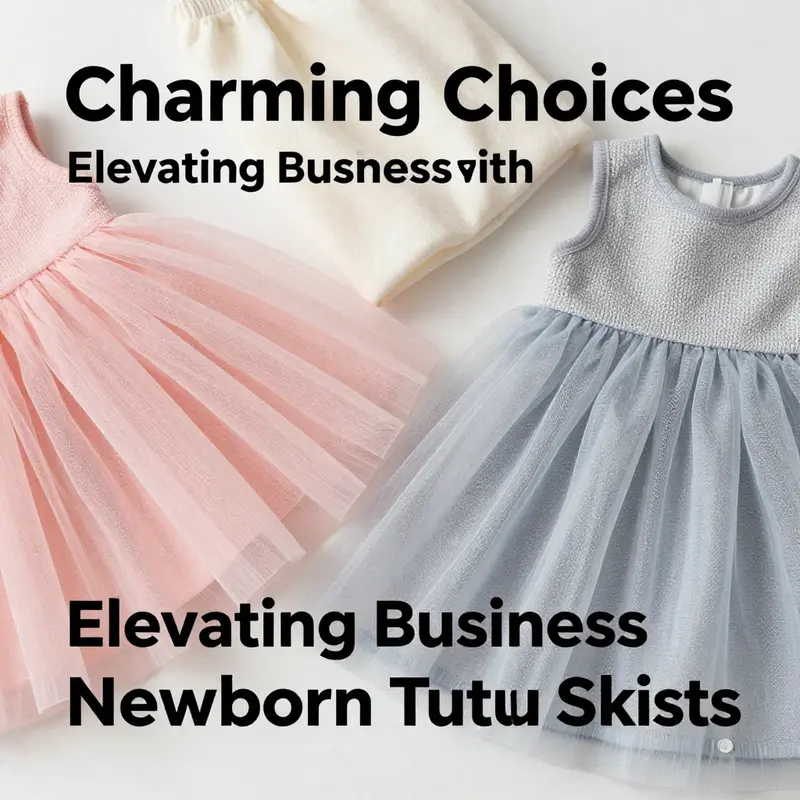
A newborn tutu skirt is not merely a charming image in a photo album; it is a carefully constructed garment that begins with the most delicate threads and threads of intention. The soft world of a baby’s wardrobe hinges on materials that cradle sensitive skin, breathe with little bodies, and move with the ripples of a tiny breeze. When parents and photographers seek that perfect twirl in a tiny silhouette, the choice of fabric quietly does most of the heavy lifting behind the scenes. It is here, at the material level, that comfort, safety, and visual magic converge to create something more than cut and color. It is a whisper of fabric that speaks gently to the infant’s comfort, a promise that the skirt will feel like a tender companion rather than a scratch of fabric against new skin.
Cotton sits at the heart of many newborn pieces because it is a natural fiber that blends everyday practicality with baby-friendly softness. Its breathable weave allows air to flow close to the skin, reducing the risk of overheating during a summer photoshoot or a family gathering. Cotton’s hygroscopic nature means it can absorb moisture away from the skin, which can be especially comforting in warmer climates or during long photo sessions that require kid-friendly calm. For newborns, cotton often appears in the lining or in the portions of the garment that sit closest to the body, where the child could be most exposed to contact with skin. The appeal lies not only in comfort but in hypoallergenic properties. A cotton-based layer can act as a gentle buffer, reducing irritation from other fabrics and dyes, giving parents a degree of reassurance that the outfit is less likely to provoke redness or discomfort. The fiber itself is robust enough to withstand the small, careful handlings typical of a family photo day while staying soft enough to be undetectable to even the most sensitive skin.
Yet the tutu’s hallmark—the fluffy, dream-like tiered silhouette—owes much to polyester tulle. This is not your everyday stiff industrial tulle; modern baby-friendly tulle is designed to be soft, pliable, and forgiving. The layered, voluminous effect that makes a tutu skirt so visually enchanting comes from carefully gathered or sewn tiers of this fabric. Polyester tulle provides the lightness and structure that allow the skirt to hold its shape without weighing down the infant. It captures and reflects light in a way that photographs adore, creating that signature halo around a baby’s movement. The trick lies in balancing density with comfort: too stiff a tulle can feel rigid, while too delicate a mesh may lose volume; the modern approach uses a softened finish and a careful weave to maintain both dreamlike puff and gentle wear. Even when employed in larger quantities for a fuller look, tulle can remain surprisingly comfy when it’s produced with smooth edges, thoughtfully finished seams, and a gentle, skin-friendly surface. It’s this balance—volume without bulk, display without discomfort—that elevates the newborn tutu from mere adorment to a wearable experience that supports a baby’s easy, unforced movement.
Chiffon and nylon blends enter the picture as clever partners to cotton and tulle, adding a touch of airiness and an elusive drape that makes every motion feel almost cinematic. When chiffon is blended with nylon or polyester, the skirt gains a delicate translucence and an ethereal movement that enhances the impression of fluttering layers in a photo or a quick, joyful sway during play. These fabrics are notably light, which is a practical advantage for newborn garments that aim to keep the baby comfortable during warm days or long sessions. The blends also tend to be more forgiving in terms of care, while still offering a refined look. The chiffon’s soft, sheer effect can soften the edges of the overall silhouette, letting the layers beneath peek through in a way that feels playful rather than fussy. The careful interaction between tulle’s fullness and chiffon’s flow creates a scene that is both visually delightful and physically comfortable for the infant. It is a reminder that a tutu’s beauty is not just in appearance but in the choreography of fabric against tiny movements—how the skirt catches light in a moment of curiosity, how it sways with a parent’s hand, how it stays cool and smooth against a baby’s skin when the day grows warm.
To complete the palette of textures, designers often incorporate embellishments with care. Sequins, tiny beads, or metallic accents can brighten the look for special occasions or photoshoots, but they must be securely attached and crafted from non-toxic materials suitable for newborn wear. The goal is sparkles that do not risk poking, catching, or irritating; the glimmer should be a visual note rather than a tactile interruption. In many thoughtfully designed outfits, embellishments are added to the outer layers yet secured in a way that minimizes snagging or rough contact with the skin. The safety conversation extends to dyes and colorfastness as well. The colors adorning newborn tutus are typically chosen with skin-safety in mind, prioritizing non-toxic dyes and minimal chemical processing. Parents often look for materials labeled hypoallergenic and breathable, as these signals indicate an awareness of the potential sensitivities of delicate infant skin. It is a nuanced equation: the fabric’s face must feel gentle, its weave should allow air to circulate, and its finish should remain forgiving through gentle washing and occasional mishaps.
From a production standpoint, the fabric choices are not only about comfort but about the garment’s lifecycle. An eco-conscious sensibility guides many manufacturers today, encouraging materials that minimize environmental impact without compromising safety or aesthetics. This means natural fibers where appropriate, blended fabrics where needed to reduce bulk or improve durability, and finishes that emphasize skin safety and environmental responsibility. The result is a tutu skirt that can endure gentle domestic care, withstand the occasional tumble in photos, and still look pristine after a careful wash. Care guides often accompany these garments with practical tips: wash in cold water on a delicate cycle, use mild detergents free of harsh dyes, and lay flat or hang to dry to preserve the shape and softness. Parents who follow these tips tend to discover that the fabrics retain their softness longer, the dyes stay bright without bleeding, and the delicate texture remains gentle against newborn skin.
The link between material selection and the baby’s comfort is not incidental. It informs how a person dresses a newborn for a milestone like a first family portrait or a milestone moment in a celebration. When choosing a tutu skirt, many parents weigh the balance between the voluminous, camera-ready look and the baby’s ease of wear. A robust cotton foundation can support the body’s warmth and comfort, while a soft tulle overlay supplies the signature poof and visual charm. The chiffon or nylon blends contribute a lilting quality that makes every motion feel like a soft, floating performance. It’s a symphony of fibers, where each layer has a role: the base that touches skin matters most; the mid-layers give shape and movement; the top layers catch light and create a dreamlike presence without overwhelming the tiny frame. A well-made tutu achieves the difficult trick of appearing effortless while being meticulously engineered for a newborn’s safety and a photographer’s vision.
As with any decision about a baby’s clothing, the choice of materials invites a broader question about the kind of experience a family wants to create. The tactile memory of cotton against skin, the airy flutter of tulle, and the delicate shimmer of embellishments weave together into a moment that becomes a cherished keepsake. For those seeking a broader context within the world of tutus, the family can explore a wider range of styles and fabric combinations through related collections such as the basic tutu category, which foregrounds the essentials and the dependable foundations that support more elaborate designs. See the basic tutu category for a sense of how simple, well-chosen fabrics can serve as a versatile canvas for customization, color palettes, and accessory decisions that make every newborn moment feel uniquely theirs.
In the end, the science of materials in a newborn tutu skirt is a discipline of empathy as much as technique. It requires listening to the baby’s comfort signals, understanding the performance needs for a photoshoot or a day of play, and honoring a parent’s instincts about safety and care. Cotton’s breathability, tulle’s buoyant lift, chiffon’s delicate movement, and the protective precision of careful embellishments come together to form a garment that is more than the sum of its parts. It is a tiny, wearable artwork that makes the newborn moment a little softer, a little brighter, and a lot more unforgettable. That is the practical magic behind the newborn tutu: a fabric science that respects the most sensitive wearer while delivering the dreamlike elegance that keeps photographers and families returning to the same charming question each season—what new twirl will this fabric reveal next?
External resource: https://www.alibaba.com/product-detail/Baby-Girls-Tutu-Skirts-MY-LG-13_1601747858934.html
Tiny Tulle, Big Decisions: Navigating Purchasing Options for Newborn Tutu Skirts
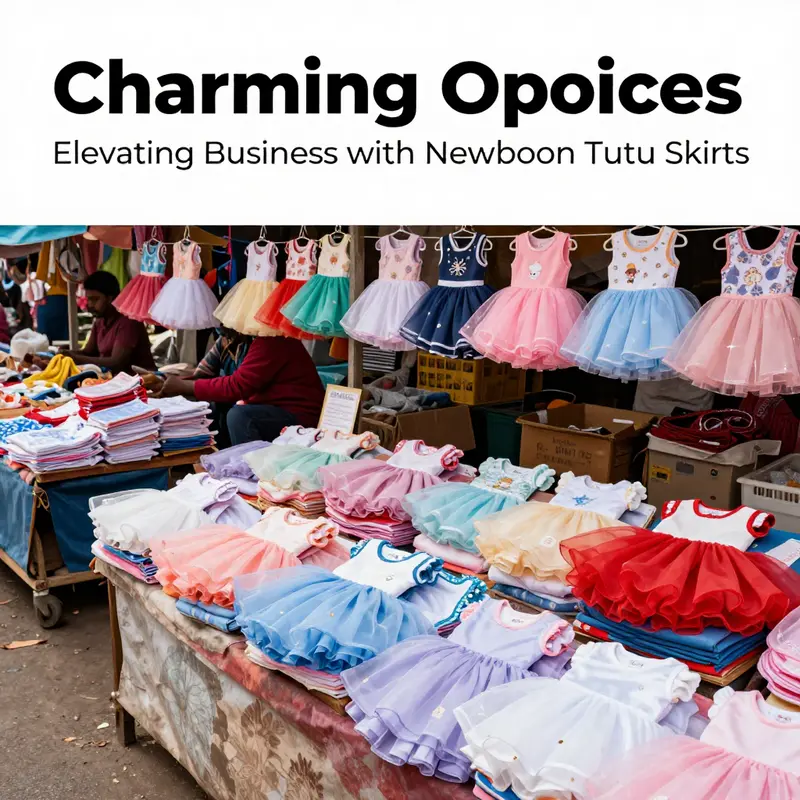
The moment a family plans a newborn photoshoot or special occasion, a fluffy tutu can become the centerpiece. Soft tulle, light colors, and tiny details create a scene that feels timeless and playful. But choosing where to buy, ensuring baby comfort, and balancing look with care are essential steps. This chapter walks through the purchasing landscape for newborn tutu skirts, translating market nuance into a smoother choosing process for parents and photographers alike.
The market spans bulk wholesale, boutique designers, and single-piece retail. Bulk options offer savings for multiple outfits but come with minimum orders, lead times, and considerations about sizing consistency. Understanding MOQs—often starting around five sets or more—helps decide whether to buy all at once or stagger orders. In bulk, durability, soft elastic waists, drape, anti-wrinkle finishes, and easy-care fabrics are common priorities.
Specialized manufacturers give access to a broader color palette and customization, from ribbons to embellishments. When a cohesive look across a shoot is desired, these options can deliver a refined aesthetic. Turnaround may be longer, but a garment tailored to fit and comfort can be worth the wait. Request swatches, confirm colorfastness, and discuss care instructions so the final piece remains photographable and gentle on skin.
Retail platforms and designer studios offer a more intuitive one-off purchase. These pieces may feature more embellishments and story-driven styling, with the trade-off of higher price or limited stock. They are often paired with accessories that simplify coordinating looks. Always check return policies, since newborns grow quickly and fabrics can read differently on camera.
Beyond style, fit and comfort matter. Breathable fabrics, light layers, and soft waistbands support calm sessions. For summer shoots, airy designs help maintain humor and cooperation in front of the camera. Practical care matters too; gentle washing, flat-drying, and proper storage preserve volume and color for future use with siblings or milestones.
Sizing is another practical axis. Newborn and infant ranges are narrow but essential. Some sellers offer size charts and precise measurements—news that can reduce returns and speed up planning. It helps to map outfits to a growth cadence so the visual arc stays cohesive across sessions.
In sum, purchasing newborn tutu skirts is about balancing aesthetics, comfort, value, and timing. The most successful outcomes come from clear communication about fabric, fit, and care; reliable size guidance; and a thoughtful balance between price and quality. Buyers can start with a basic tutu category to test the waters before expanding to color, texture, and embellishment. The journey is a curated sequence of choices that suit the event and the child, not a rush for the lowest price.
External resource: https://pinkoi.com
Dreams in Tulle: Gentle Styling and Safe Comfort for a Newborn Tutu Skirt
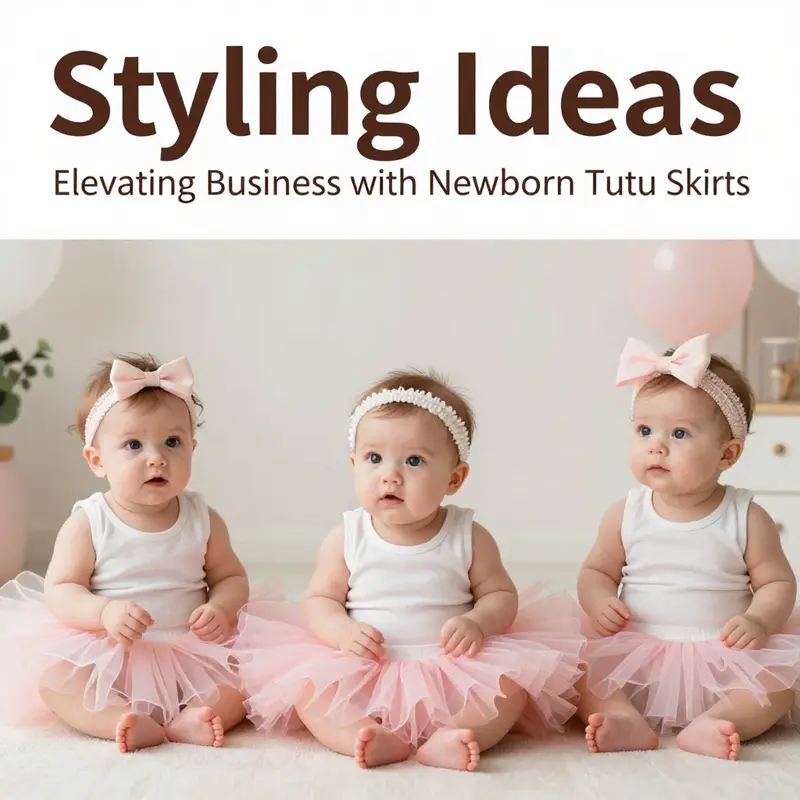
A newborn tutu skirt has a magic all its own. It is not merely a piece of clothing but a tiny stage for the quiet drama of early life. The soft, fluffy layers of tulle catch the light with a delicate shimmer, turning every moment into a fleeting, dreamlike portrait. Yet the true art of styling a newborn tutu skirt lies not in spectacle alone but in a careful dialogue between whimsy and comfort, safety and simplicity. When you approach a newborn wardrobe with that balance in mind, the tutu becomes a canvas for memory rather than a burden of fuss. The skirt’s charm rests on how it sits against pure skin, how it moves with a newborn’s gentle waver of limbs, and how thoughtfully it is layered to shield softness from the world’s touch while letting the baby breathe and explore the moment at hand. In this chapter, the aim is to explore styling with intention, to outline a path from the bare essentials to the small flourishes that make photos sing, all while keeping the baby comfortable, secure, and free to express those first, unforced signs of personality.
The most fundamental decision when styling a newborn tutu skirt is the base layer. Think of the onesie or the small cotton vest as the quiet undercurrent that supports the whole outfit. It should be made from pure cotton or organic cotton, ideally with seams that lie flat and labels that are non-irritating. The color palette for this foundation is gentle and forgiving: whites, creams, warm beiges, and soft blushes. These tones do not compete with the tulle; they work with it, allowing the skirt’s ethereal texture to take center stage. The goal is not to clash or distract but to create a frame in which the tulle can glow. A clean, snug fit is important, but there is no need to squeeze or constrain; fabrics should drape softly and breathe freely. The result is a calm base that lets the toddler’s skin tones and the skirt’s translucence be the stars of the frame. In more than one picture, parents have found the simplest base layer—paired with a minimal bow or a tiny flower on the bodice—produces the most timeless images, the kind of photos you return to over the years with a tenderness that makes the memory feel freshly in bloom.
Layering beyond the base is where a newborn’s outfit begins to tell a narrative. A light, airy outer layer can provide warmth for slightly cooler days or air-conditioned spaces while preserving the garment’s airy essence. The texture of a fine knit cardigan or a short-sleeve, open-front shawl made specifically for infants can add a soft whisper of warmth without muffling movement. The fabric choice matters as much as the color. Opt for materials that are breathable, such as cotton blends or bamboo-cotton fabrics, and avoid anything bulky or stiff. The outer layer should complement the tutu, not compete with it. The aim is to create a gentle contrast—sheer, soft, and almost weightless—so that the skirt still floats with the baby’s every breath. In many scenes, a pale cardigan in ivory or a sheen of cream can catch light in photographs, giving a subtle glow that highlights the tulle’s layers without casting harsh shadows. The overall effect is a quiet radiance that feels almost like a memory you cannot quite place—an instant classic that holds its charm year after year.
Footwear and accessories deserve careful, almost reverent handling. Newborns rarely need shoes, and when photos or short outings demand some footwear, choose soft-soled options that allow free foot movement and have non-slip grips. The same principle applies when considering headbands or small accessories. The safest approach is to minimize potential hazards: avoid strings, cords, or any decorative items that could detach and pose a choking risk. A single, delicate headband or a tiny fabric flower, placed securely and out of the baby’s line of vision, can add a refined touch without pulling focus from the tutu’s dreamlike silhouette. If you choose a scarf or a wrap for a posed moment, ensure it is light, breathable, and positioned so it never constrains the baby’s neck or breathing. The simplest adornments often read as the most elegant in photographs because they let the fabric and the baby’s expressions do the storytelling.
As for the scene, the context in which the tutu is worn matters almost as much as the garment itself. For a family portrait or a new-month milestone photo, pairing the tutu with matching hat accents and a soft, plush blanket can create a warm, cohesive tableau. The blanket’s texture and color should harmonize with the tutu’s hue; a knit or fleece in a pale shade can ground the ethereal feel of tulle while offering a sense of cozy containment. When venturing outdoors for casual photos, a lightweight tutu skirt paired with a short-sleeve cotton bodysuit and a soft outer layer offers protection from sun and wind while preserving the scene’s lightness. The outdoor light will interact with the tulle differently than indoor lighting; at times it will cast a gentle glow through the fabric, creating a halo that feels almost otherworldly. If a photography prop set is involved, expect it to include a coordinating headpiece or floral accessory that complements the tutu without overwhelming the baby’s natural sweetness. The best prop choices support the baby’s face as the focal point and give the photographer a few extra textures to capture—soft blankets, delicate florals, or a fuzzier backdrop that adds dimensionality to the shot.
Integrating a sense of color is another nuanced craft. Tulle skirts often come in a palette of pinks, ivories, whites, and pastels, but there is value in exploring gentle contrasts. A white tutu paired with a blush vest can echo the tender blush on a newborn’s cheeks; a lavender-tinted skirt with a creamy base layer can create a soft, dreamy morning light effect when photographed with natural daylight. Glitter accents or pom-pom touches are tempting for their sparkle, yet they require restraint: the sparkle should be a whisper, not a shout. A tiny, understated bow or a subtle shimmer in the waistband is enough to add personality without distracting from the baby’s face. The skin and eyes should stay the narrative’s center; the tutu enlarges the setting but never eclipses the infant’s own expression, whether that expression is a curious gaze, a shy flutter of the eye, or a serene, almost meditative stillness.
Sourcing and care also matter in how these styling decisions hold up over time. A great tutu skirt should be fabricated from fabrics that are durable yet gentle, such as polyester or polyester-cotton blends. These fabrics are known for their resilience in washing and their ease of care, important considerations for everyday wear or frequent photo sessions. The goal is to choose a fabric that remains soft after repeated wear and gentle washing, so the baby can wear it with confidence and comfort. It is not merely about appearance; it is about the policy of care that ensures the garment remains gentle on the skin and on the senses. When planning wardrobe for newborns, many families prefer a few reliable core pieces—soft base layers, a couple of tutu variants in complementary shades, and a minimal set of accessories—that can be mixed and matched across multiple sessions. This approach reduces clutter, simplifies decision-making for caregivers, and preserves the child’s comfort and safety while still delivering variety in photos.
The very best styling choices emerge from a thoughtful, child-centered perspective. Parents know their baby’s rhythms and sensitivities—how easily a tiny logger of a zipper becomes a scratch, or how a certain fabric feels against sensitive skin after a nap. Listening to those cues, then applying simple, timeless styling rules, yields outcomes that feel right in the moment and remain cherished in memory. The aesthetic is not an exercise in excess but a study in balance—between softness and structure, between movement and stillness, between the glow of the tulle and the quiet personality of the newborn. It is a reminder that the tutu’s magic is really about how it moves with a child’s first steps into the world: the giggle that escapes as the skirt sways, the tiny fingers brushing the airy edge, the calm about which family photographs gather around a couch or a blanket.
For those who want to explore more foundational options within the broader tutu family, the basic-tutu category can be a gentle starting point. It offers a spectrum of styles that can complement a newborn silhouette without overwhelming it, letting you build a capsule of outfits that remain timeless across seasons. See the basic-tutu category for a sense of how a simple, well-cut tutu can form the core of a photo-ready, everyday wardrobe for the earliest months. basic-tutu category
In the end, the art of styling a newborn tutu skirt comes down to a mindful blend of comfort, safety, and soft, storytelling beauty. The baby should feel secure and content; the parent should feel confident that the outfit will photograph beautifully while remaining practical for the day’s wear. When these elements align—the right base layer, a light outer touch, a restrained bit of sparkle, and a scene that breathes with natural light—the result is not just a picture but a memory that lingers in the family’s living room and in the heart of the child’s earliest chapters. The tutu becomes more than fabric; it becomes a gentle stage where the newborn’s first appearances of wonder and delight are framed with care, reverence, and a touch of whimsy that will endure long after the fabric has faded from view. For photographers and parents alike, that is the true magic of the newborn tutu skirt: a fleeting moment rendered lasting by thoughtful styling, safe materials, and the quiet elegance of a baby at peace in a world made soft by tulle and love.
Final thoughts
In summary, newborn tutu skirts are more than just a fashion choice; they represent a delightful blend of design, comfort, and creativity that can significantly enhance your product offerings. By understanding their design features, utilizing quality materials, exploring various purchasing options, and applying creative styling ideas, you can effectively capture the interest of parents looking for that perfect outfit for their little ones. The market for these charming skirts continues to grow, making it an opportune time for businesses to invest in this delightful clothing category.