
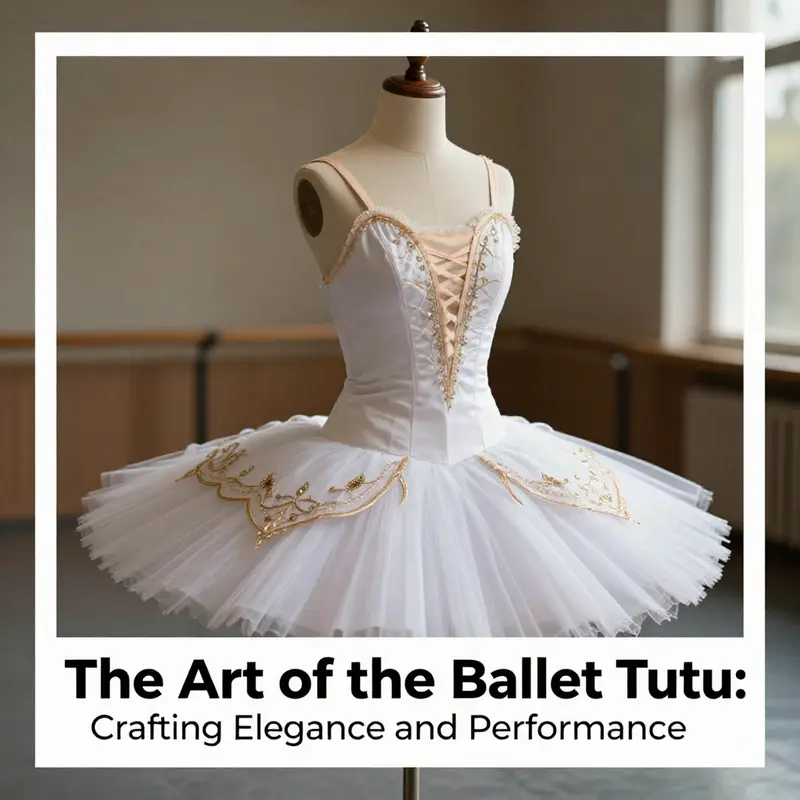
Ballet is an art form that seamlessly blends grace and athleticism, with the tutu serving as a pivotal element in this elegant tradition. This specialized garment, worn by ballet dancers, is not just a costume; it is a vital tool that enhances performance and embodies the dancer’s artistry. Understanding the intricacies of a professional ballet tutu dress—from its structural components and fabric choices to its historical evolution—equips business owners in the dancewear industry to make informed decisions on design and production. Each chapter of this article will delve deeper into these aspects, offering insights that can influence buying, selling, and creating high-quality ballet attire that meets the needs of both performers and educators alike.
Between Structure and Starlight: The Anatomy and Craft of a Professional Ballet Tutu
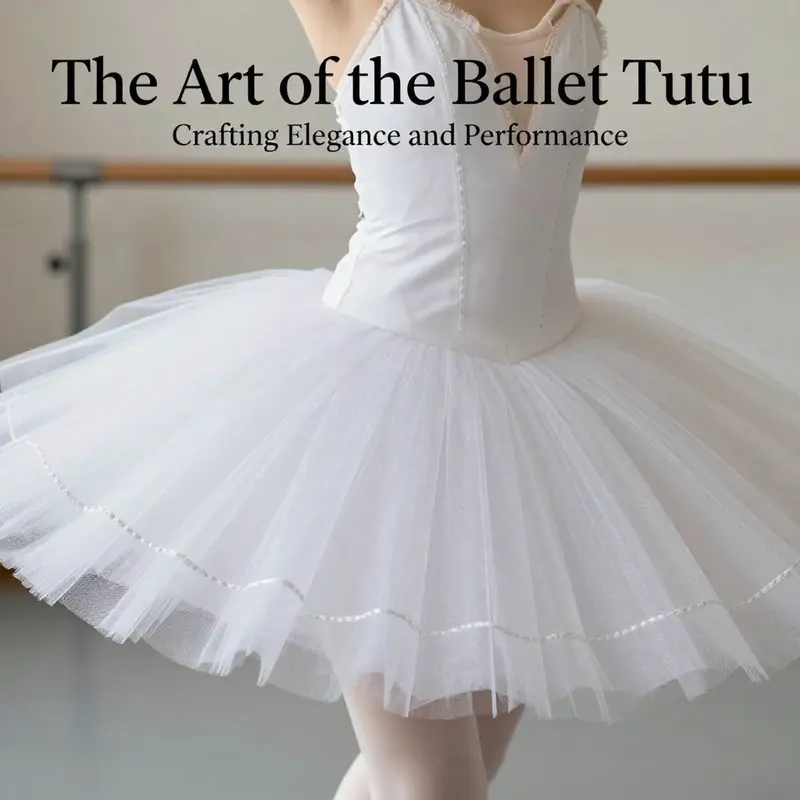
A professional ballet tutu is more than a costume; it is a precisely engineered garment that translates choreography into a silhouette. On stage, every seam, every layer of fabric, and every ounce of weight or restraint must work in harmony with a dancer’s body and the lighting, acoustics, and spatial realities of the performance space. The tutu is the visible boundary between art and physics, between the dancer’s breath and the audience’s gaze. If the choreography is the language of movement, the tutu is the punctuation that makes that movement legible from every angle, under every spotlight, and at multiple elevations of the orchestra pit to the last row of the house. The design decisions behind a professional tutu are not arbitrary; they reflect centuries of ballet history, evolving technique, and an ongoing dialogue between tradition and innovation.
Ballet’s repertoire has long rewarded two distinct visual languages, and those languages are echoed in the two primary tutu styles in use today: the classical, or hard, tutu, and the romantic, or soft, tutu. Each silhouette embodies a philosophy about visibility, line, and range of motion that suits particular choreographic demands. The classical tutu is a crown of staccato clarity. Its stiff, horizontal plane fixes the skirt into a flat, circular arc that radiates outward from the waist, creating a silhouette that is instantly legible in bright, high-contrast lighting. The musician on stage and the audience in the stalls both read a dancer’s leg lines as if they were written in a bold font. This rigidity is achieved through multiple layers of sheer tulle—thick enough to hold a shape but light enough to remain ethereal—supported by a hoop or bustle that acts as a discreet internal backbone. The effect is dramatic: a dancer’s legs appear elongated, the feet carve precise lines, and intricate pointe work is highlighted against that unwavering background. The trade-off, of course, is flexibility. The classic hard tutu favors display over floor work, and its construction demands careful fitting, meticulous maintenance, and an investment in professional fabrication that can be considerable. Yet when a company stages Balanchine’s virtuosity or Petipa’s formal grand pas, the look of the hard tutu is inseparable from the music, the lighting design, and the choreographic language itself.
Conversely, the romantic tutu embraces a different truth: movement can be poetry, and beauty can unfurl with a gentler, more liquid bloom. The romantic silhouette is bell-shaped, a cascade of lightweight layers—often chiffon or fine tulle—that billows with the dancer’s carriage and breath. This soft, flowing form aligns with lyrical passages and expressive storytelling, where the body’s line is translated through a confluence of fabric weight, gravity, and the dancer’s own fluidity. The layers drift and shimmer under the stage light, lending a dreamlike aura to scenes drawn from nineteenth-century sensibilities. Yet the romantic tutu is more demanding of gentle handling and ongoing care. The fabrics, while delicate, must resist wrinkling and tears under repeated rehearsals and performances. A soft tutu rewards purity of line with expressive, almost cinematic movement, but it requires a different kind of discipline—from the seamstress as well as from the dancer—to preserve its ethereal surface across a punishing schedule of performances.
The transition from historical form to contemporary practice is not simply about choosing a silhouette. It also involves a ledger of materials, construction techniques, and ergonomic considerations that adapt a tutu to the realities of modern stagecraft. In many professional settings, the bodice and waistband are as carefully tailored as the skirt itself. A well-fitted bodice anchors the tutu to the dancer’s torso, distributing weight evenly and allowing the upper body to move freely while maintaining the crisp line of the torso. The waistband may be reinforced or constructed in a way that accommodates a range of body types, with adjustable straps or panels that permit rapid changes during fittings or between acts. Reinforced stitching becomes essential when the rigors of touring, long rehearsal days, and high-energy bursts push the garment to its limits. The goal is not to create a costume that simply looks beautiful in a photo but to craft a second skin that supports the dancer’s artistry in a live, demanding environment.
Fabric technology has also reshaped the professional tutu. Traditional tulle, a lightweight nylon-based net, remains a core element for its translucence and resilience. For hard tutus, multiple layers of sheer tulle are stacked to create the characteristic weight and body that won’t sag under bright lights or during extended spins. The rigid silhouette is often underpinned by a wire or fabric hoop—an internal contour that keeps the skirt afloat and maintains the flat profile at the hip line. The romantic tutu, by contrast, relies on the texture and movement of its fabric layers. Chiffon and finer grades of tulle are chosen for their drape and elasticity, allowing the skirt to ripple with every en dedans and pas de bourrée. The interplay of layers creates a subtle, shifting volume that seems to float behind the dancer, especially when coupled with a flowing, responsive bodice. Modern tutu design does not ignore weight, though. Some contemporary interpretations emphasize lighter construction to reduce fatigue and improve turnout, while others maximize durability with reinforced seams that withstand the friction of repeated wrappings and unwrappings, dust, and cleaning cycles. In certain innovations, designers employ fabrics and seam configurations that cut weight by meaningful margins without sacrificing the silhouette or safety. These choices reflect a practical synthesis of artistic intention and the dancer’s need for endurance across a demanding program.
Beyond silhouette and fabric, the tutu’s construction speaks to a philosophy of performance that extends from backstage to the footlights. The tutu’s layers must be aligned with the dancer’s center of gravity, ensuring that any sway, tilt, or lift remains controlled rather than destabilizing the torso. The bodice is often a close fit, designed to amplify line while enabling the upper body to translate emotion into subtle head tilts and shoulder placements. For many performers, the garment must be comfortable enough to wear for multiple acts, with careful consideration given to breathability and temperature control under hot stage lighting. The materials, the layering, and the seams all contribute to a sense of lightness or heft as needed by the role. This is not merely about aesthetics; it is about the dancer’s ability to breathe, to move, and to express character with unimpeded clarity.
Historical evolution threads through these practical realities. The tutu’s name itself hints at a layered past, with the term originally deriving from a close-fitting undergarment in old French usage. The Romantic era’s long, flowing skirts gave way under the influence of Marie Taglioni’s performances, as designers began shortening skirts to reveal the legs and the feet with greater precision and elegance. What began as a functional preference—visibility of footwork and line—became a lasting formal convention that persists in the classical repertoire. The modern era has not abandoned this lineage; it has instead reimagined it. The same attention to engineering and process that has governed corsetry, harnessing, and stage rigging now informs tutu design. The result is a set of garments that hold their shape under high-intensity choreography while preserving the airy, almost mythic quality that audiences associate with ballet. In this way, the tutu remains a living artifact of ballet history, continually refreshed by new fabrics, new construction methods, and new demands from contemporary choreography.
Estimating the needs of a given production involves balancing the choreography’s demands with the dancer’s physiology. A virtuoso leap sequence or a demanding pirouette cadence may call for a sturdier construction and a stiffer silhouette, where the hard tutu offers crispness and leg visibility. A sustained lyrical segment, however, benefits from a softer, more forgiving shape that allows for a broader range of torso rotation, rib cage expansion, and spine flexibility. In either case, professional tutus are seldom a one-size-fits-all solution. Tailoring remains essential. Designers work closely with dancers to adjust for height, torso length, and arm reach, ensuring the bodice holds without pinching and that the waistband does not ride up or slip during jumps. The artistry of this process lies not only in the final appearance but in how the garment adapts to the dancer’s timing, tempo, and phrasing across the entire performance.
For those seeking authentic, high-quality professional tutus, sourcing becomes a crucial step. The idea is to find a supplier or manufacturer that understands the dual goals of artistry and reliability: the tutu must perform under pressure while preserving its beauty over years of use. In this context, the professional tutu category offers a curated pathway to garments designed for the rigors of rehearsal rooms and stages alike. The emphasis is on durable construction, meticulous fitting, and the capacity to tailor the silhouette to individual performers. When approaching a purchase or commission, dancers and companies typically evaluate the fabric quality, the stiffness of the silhouette, the strength of the seams, and the fit options that accommodate a range of body types. Maintaining a tutu, after all, is a long-term investment; it involves careful cleaning, gentle handling to prevent snagging, and periodic reshaping to sustain the crisp lines that define its presence on stage. The result is a garment that supports not only the dancer’s technique but also the production’s overall visual integrity.
As with many elements of ballet production, the tutu’s effectiveness rests on the interplay between material, form, and performance demands. The silhouette must be legible from the farthest seat, yet responsive enough for a dancer to execute a full spectrum of movements without distraction. The fabrics must breathe under hot lights and endure the friction of repeated use. The construction must be precise enough to hold a line while flexible enough to accommodate the dancer’s expressive choices. This synthesis—historical reverence, technical craft, and contemporary material science—defines what a professional tutu can accomplish on a modern stage. It is a testament to the balance between art and engineering that lies at the heart of classical ballet itself.
For readers who wish to explore the professional side of tutu selection more concretely, the professional tutu category provides a logical starting point to assess options, fit, and construction philosophy. This resource can illuminate how different silhouettes align with specific roles, choreographies, and stage demands, helping producers and dancers alike to envision the garment not merely as attire but as an essential instrument of the performance. While the specifics of every cut may vary, the underlying principles remain consistent: a tutu should enhance movement, protect the dancer, and contribute to the audience’s immersive experience of the story told through dance. In that sense, the tutu is both a tool and a symbol—a kinetic frame through which the body becomes a moving sculpture under light and sound.
External reading can provide historical grounding and broader context for how tutu design has evolved within the world of professional ballet. For a concise historical overview and discussion of tutu evolution, see the Royal Opera House guidance on what a tutu is and how it functions on stage: https://www.roh.org.uk/whats-on/ballet/what-is-a-tutu
Tulle Through Time: The Professional Ballet Tutu’s Transformation from Romantic Whimsy to Stage-Ready Precision
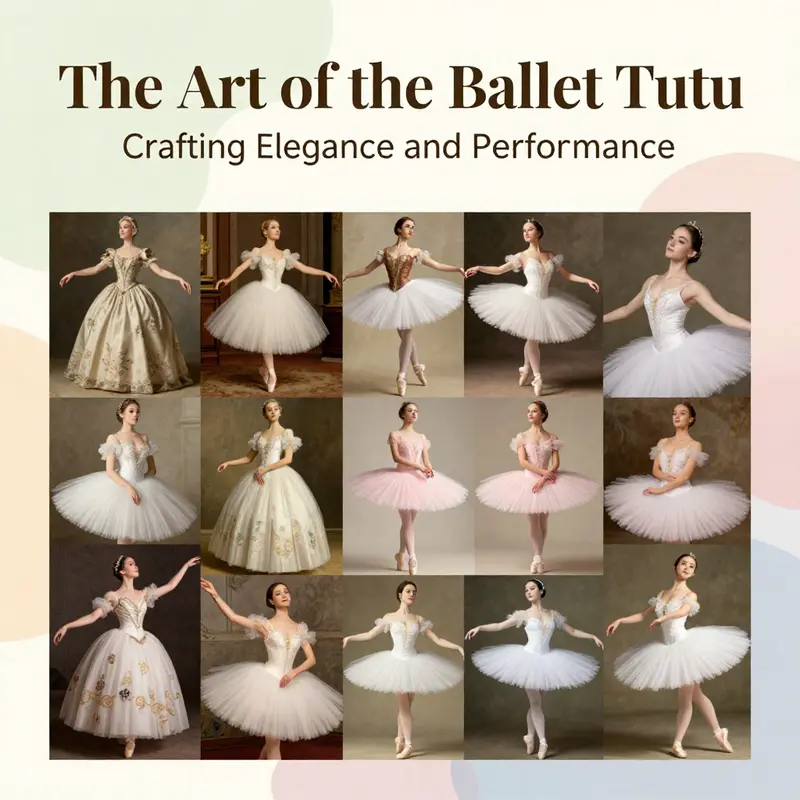
Across generations and theaters, the professional ballet tutu has stood as a quiet mediator between a dancer’s body, a choreographer’s intention, and a theater’s demanding technologies. It began as a garment that blurred boundaries between reality and illusion, then sharpened into a technical instrument that could carry the full weight of a leading role. What emerges from the history of this garment is not only a sequence of silhouettes, but a continuous dialogue between movement, fabric, and light. When we watch a dancer in a fully realized tutu glide into a neige-like pirouette or project the energy of a grand jeté, we are witnessing a crafted union of artistry and engineering. The layers of tulle that flutter around the legs, the bodice that cinches with just enough give, and the rigid understructure that keeps the line clean under stage lighting—all of these elements speak to a lineage that stretches from the Romantic era to contemporary performance practice.
The Romantic tutu, born in the 1830s, marks the first decisive shift from the earlier, heavier forms toward something that could read as weightless on stage. The silhouette was soft and flowing, often constructed from multiple layers of gauze-like fabric such as tulle or muslin. These layers created a halo of movement that suggested otherworldliness, a kind of visual mist that could accompany spirits, nymphs, and dreamlike landscapes. Dancers could express emotion through the swaying drapery of the skirt, while the legs remained visible enough to reveal delicate footwork and the line of the leg in flight. The aesthetic was inseparable from the choreography of the era, which favored lyricism and a sense of suspended gravity. The aesthetic demanded that the tutu not appear burdensome; it had to breathe with the dancer, amplifying rather than restricting expression.
Yet as ballet technique evolved—becoming more demanding in terms of jumps, turns, and precise line—the Romantic tutu began to yield to the needs of discipline and clarity on stage. By the latter part of the 19th century, composers and choreographers sought a form that could endure rigorous standardized performances while maintaining its ethereal aura. The Classical tutu emerged as a response to this demand. Its defining feature was structure. A rigid understructure, often a wire frame or pannier, supported a stiffened skirt that extended outward in a crisp, bell-like shape. This architecture did not simply create a dramatic silhouette; it served a vital performance function. The shortened, well-supported skirt lifted the dancer’s hips and torso into a straight, elongated line. In movements such as adagio poses and rapid adagios, the tutu reinforced the visual geometry of the body, allowing audiences to perceive the dancer’s precise positions against the backdrop of a bright stage. The metal or reinforced fabric that maintained the skirt’s stance also meant that leaps could be executed with increased confidence, as there was less wobble in the hem and more control over leg extension at peak heights. It was a different kind of poetry—one that balanced grace with exactitude, and that could endure the demands of works like Swan Lake and The Nutcracker without sacrificing the leg lines that the eye craved.
The transition from the classical to the modern professional tutu did not wipe away the lessons of the past. Instead, it absorbed them, incorporating innovations that would expand both movement and visibility. The modern tutu is a product of ongoing refinement in materials science and construction methods. Lightweight fabrics—nylon and silk tulle among them—are standard, chosen for their balance of translucence, strength, and airiness. The skirt remains a consolidated mass of layers, typically four to five, each layer contributing to the overall bell-shaped silhouette while permitting a dancer’s leg to be seen clearly through the fabric. But the modern solution often blends tradition with technical performance: bodices employ stretchable materials such as spandex or elastane to achieve a close, supportive fit without impeding breath or range of motion. The dancewear industry has learned to tailor each tutu with reinforced stitching along stress points, reinforcing seams where the heavy motion of pirouettes and beating leaps repeatedly test the fabric’s endurance. If a choreographer asks for a long, sweeping gesture or a sudden, tough sequence, the tutu must hold its shape while allowing the dancer to articulate every muscle and axis with confidence.
In contemporary practice, a tutu is no longer a single garment but a modular system of design decisions. The weight of the fabric is carefully managed to keep the dancer centered without drawing the eye away from the technique. Weight reductions can be substantial, with semi-transparent layers contributing to the visual effect while decreasing the drag that can accompany heavier materials. Safety considerations have become more explicit, guiding the construction of understructures, the distribution of load across the waist and hips, and the way the tutu interacts with tights and pointe footwear. Modern tutus may incorporate features such as adjustable straps, memory stitching, and custom-fit designs tailored to a specific dancer’s proportions or a role’s visual demands. They are also made with an eye toward durability through repeated touring, rehearsals, and age-appropriate adjustments for young professionals who step into demanding technical roles. The result is a garment that honors history while speaking the language of today’s stagecraft.
One of the most striking aspects of this evolution is how the tutu simultaneously reveals and conceals. The shorter, stiffer silhouette of the classical tutu frames the legs with precise geometry, making every turnout and line legible to audiences under bright arc lamps. The Romantic tutu’s extended proportion—its softer, layered volume—creates a dreamy veil over the leg, softening the silhouette while preserving expressive possibilities. In a theatre lit by thousands of watts, the interplay between fabric and light becomes a kind of choreography in its own right. The tulle behaves like a canvas, catching and refracting color and warmth from the stage lighting, turning each leap into a moment of shimmering meteor or a whisper of fabric. The texture and thickness of the layers, the degree of stiffness in the understructure, and the fit of the bodice together determine how a dancer’s performance is perceived from the wings and from the back rows. In this sense, the tutu is a collaborator: it does not pretend to be the dancer, but it does the work of amplifying the dancer’s artistry by clarifying lines, preserving extension, and supporting the dramatic arc of the choreography.
The modern professional tutu thus sits at a nexus of artistry and engineering. Its design responds to the needs of choreography and the reality of stage tech. It must be lightweight enough to feel like a second skin, yet sturdy enough to resist deformation through the jet of air from audience-facing spots and the repetition of hours of rehearsals. It must be easy enough to care for on tour, with materials that can withstand washings and frequent storage, but it also has to look pristine under the hot, heavy, and often changing lights of a theatre. The interplay of fabric choice, stitch density, and the understructure’s tuning becomes a quiet form of choreography as dancers adjust to the garment’s behavior. This is not merely about fashion or tradition; it is about maintaining the integrity of the line, supporting injury prevention through considered weight distribution, and ensuring that the garment does not constrain breath or movement during a climactic sequence.
For dancers seeking to align authenticity with performance endurance, the sourcing of a tutu becomes a meaningful decision. Authenticity is not just about the exterior beauty but about the confluence of craftsmanship, material science, and a fabric’s long-term behavior under pressure. In practice, this means looking for tutus designed to meet rigorous performance standards, with attention to how the layers are stitched, how the waistband holds under repeated spins, and how the garment sits on the hips during grand jetés. It is a search that moves beyond mere appearance to consider how a tutu behaves in the heat of a live show, how easily a performer can adjust it between acts, and how the garment accommodates different body types without compromising the dancer’s line. Dancewear catalogs and specialist suppliers offer a spectrum of options, from historically inspired silhouettes to contemporary interpretations that push the boundaries of weight, breathability, and color variation. In this continuum, the tutu preserves its own mythology while steadily embracing innovations that make it more durable, safer, and more expressive.
Historically informed practice remains a touchstone for many studios and companies. The romantic ideals that gave birth to the soft, flowing tutu still enchant audiences in performance contexts that value myth and fantasy. Yet the practical demands of daily rehearsal, touring schedules, and the fierce scrutiny of critics and audiences compel a different set of priorities. Dancers now rely on tutus that are not only beautiful but also precisely engineered to facilitate a dancer’s confidence on stage. This synthesis of beauty and biomechanics is at the heart of the tutu’s ongoing evolution. It speaks to a broader truth about dance attire: garments become so thoroughly integrated with technique that they cease to be mere clothing and begin to function as tools of expression. The tutu, more than any other single element of a classical costume, embodies this synthesis. It is a vessel that carries history and a promise of precision into every performance, a fabric memorializing the Romantic dream while actively enabling the technical discipline of contemporary ballet.
For readers seeking a tangible connection to this lineage, catalogues and retailer sections dedicated to professional tutus provide a useful bridge between history and practice. In curated spaces such as the professional tutu category, practitioners, students, and connoisseurs can examine how design choices translate into stage-ready performance. The lineage traced through the Romantic, Classical, and Modern phases is not merely a fashion arc; it maps the evolution of bodily articulation on the stage and the way that accessory becomes ally. By appreciating how each layer, stitch, and reinforcement contributes to the dancer’s freedom and the audience’s perception, one gains a more complete sense of how a single garment holds within it a history of choreography, fabric technology, and the discipline of performance. The tutu is not simply the dress that accompanies ballet; it is a living document of technique, a wearable archive that continues to evolve with every leap and every breath that passes across a proscenium.
For those who wish to explore more about authentic professional tutus, the category page offers a gateway to understanding how makers balance tradition with modern performance demands. luneballet.com/product-category/professional-tutu/ luneballet.com/product-category/professional-tutu/ serves as a point of reference for examining construction details, fit options, and the continued blending of aesthetics with function. And while the tutu’s story is deeply rooted in historical drama, today’s designers actively engage with a broader set of influences, including ergonomics, safety standards, and color theory, to craft versions that honor the past while anticipating the needs of tomorrow’s performers.
As the curtain falls on a performance, the tutu remains a quiet witness to the dancer’s mastery. It has evolved from a flowing veil of fantasy to a precise instrument attuned to the complex demands of modern technique. Yet it still carries the unmistakable romance of its origins—the sense that in a single moment, fabric can become air, and air, in turn, can carry a body toward a perfect, fleeting unity of form and feeling. The tutu’s journey—from the soft, weightless silhouettes of the Romantic era to the technologically informed, customized ensembles of today—maps the trajectory of ballet itself: a constant negotiation between illusion and precision, between dream and craft. It is a narrative woven in thread and time, and it continues to unfold with each new generation of dancers who step onto the stage poised to redefine what is possible within the familiar rhythm of a classical score.
External resource: https://www.alibaba.com/product-detail/Edance-AL-T0380-Adult-Professional-Ballet-Tutu_1601252724379.html
Motion, Measure, and Magic: How the Professional Ballet Tutu Dress Shapes Movement and Stage Presence
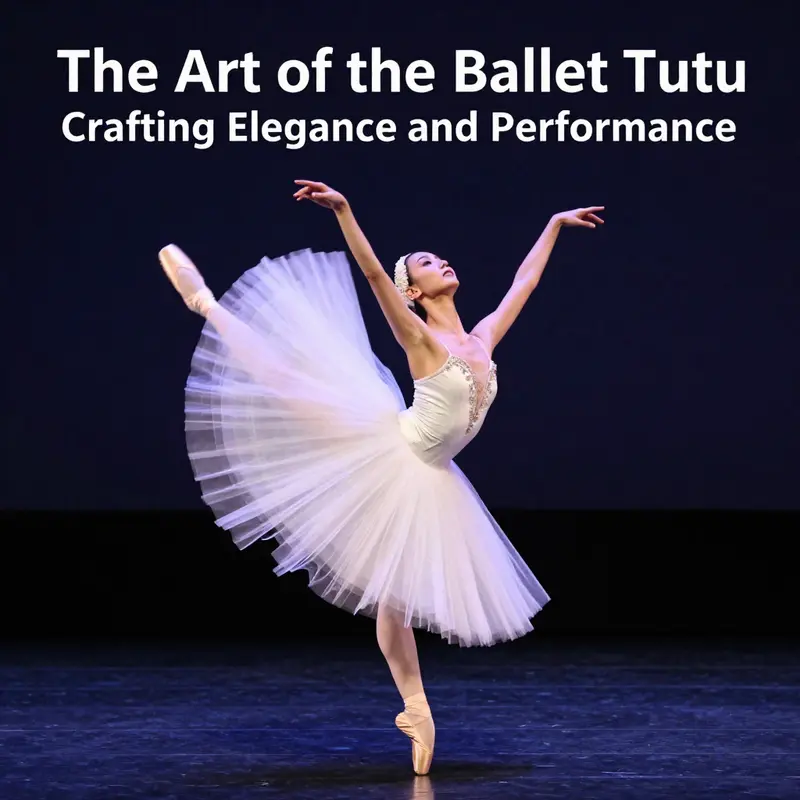
To the untrained eye, a ballet tutu can seem like a gleaming fringe of fabric suspended between dancer and light. Yet within its layers lies a complex instrument designed to translate gravity into flight, to translate breath into bloom, and to ensure every gesture reads with maximum clarity to an audience. The professional ballet tutu dress is not merely a costume; it is a carefully engineered interface between a dancer’s body and the stage. Its design responds to the primacy of movement in classical ballet—where the body’s lines, timing, and balance must be legible from the farthest seats—by marrying form and function in a single, luminous gesture. The result is a silhouette that is as much a part of choreography as the steps themselves, a silhouette that can amplify the energy of leaps, spins, and port de bras while still keeping the dancer perfectly poised for the next phrase of music. In practical terms, this instrument is built from materials chosen for lightness and resilience, then assembled with precision that pays homage to centuries of technique while embracing modern engineering. Modern professional tutus frequently feature a layered construction that influences both motion and perception. A seven-layer skirt, for example, creates a full, bell-shaped profile that holds its form during the most vigorous spins yet remains flexible enough to trace every turn with a crisp, lacquered edge under stage lighting. This fullness matters: the tutu’s silhouette must be dramatic enough to register from a distance, yet it must glide around the dancer’s legs rather than cling to them, preserving line and extension. Material science underpins this balance. Lightweight tulle, often in hues chosen to complement dramatic narratives, must be sturdy enough to maintain its shape through hours of rehearsal and performance. A typical professional tutu uses a tulle with high tensile strength and a bodice crafted from stretchable fabric, such as Lycra or a similar blend. The bodice not only flatters the torso but also supports alignment and posture. When a dancer locks in a stable core, the arms and legs gain a freer, more expressive range of motion, and the audience experiences a seamless translation of music into movement. The 20 percent spandex blend in the bodice offers the necessary give for quick, precise adjustments, while maintaining a controlled stiffness that resists flutter or sag during high-velocity sequences. This mechanical harmony—soft, pliable fabrics where they must be, rigid where structure is critical—enables complex movements like grand jetés and multiple pirouettes to unfold with a sense of inevitability. It is not just the fabric but the construction that matters. Reinforced stitching and reinforced hems are not flashy details; they are the quiet assurances that a dancer can trust the costume to perform as faithfully as the muscles and mind behind it. The tutu’s foundation is often designed to be custom-fit to an individual body, acknowledging that each dancer carries distinct proportions, strengths, and limitations. A well-fitted bodice provides stable support for the spine and ribcage, encourages an open chest, and reduces fatigue in long passages of tempo. Adjustable straps and contours that align with the shoulder blades prevent slipping or retreat during leaps, a common distraction that can undermine focus and technique. The invisible work of tailoring—pinpoint measurements, careful ease, and a willingness to revise for the role—translates into tangible performance gains. On stage, the visual and the technical converge. Costuming choices extend beyond fit and fabric to color, embellishment, and texture, all of which can intensify the storytelling happening in real time. Gradients that shift from emerald to gold, or black lace layered over nude mesh with subtle beadwork, can echo narrative stakes without overpowering the dancer’s line. The tutu’s semi-transparent layers, while airy, are dense enough at the hem to catch and refract lighting, creating a glow that seems to emanate from the dancer itself. These aesthetic decisions are never arbitrary; they are choreographic tools that work with the dancer’s momentum to shape perception. A tutu’s color and ornamentation must align with the role’s emotional arc and the work’s visual language. In a narrative like Swan Lake or The Sleeping Beauty, where mood shifts from innocence to danger, the costume becomes a silent companion to the music, turning motion into meaning. The interplay of light, fabric, and form can intensify a dancer’s presence, making every extension feel almost measured against the house lights. The tutu’s silhouette, by staying afloat and upright, also serves a practical purpose: it helps the audience parse spatial information. The bell-like shape clarifies the arc of an arabesque, the height of a développé, and the speed of a pirouette, turning what could be a blurred sequence into a clear line of progression. This clarity is particularly valuable in ensembles, where the visual rhythm of multiple dancers relies on shared silhouettes that read as a cohesive whole rather than as a collection of random motions. Beyond aesthetics and geometry, safety and health find a prominent place in the modern tutu’s design. Professional standards increasingly emphasize materials that are non-toxic and skin-friendly, reflecting a growing awareness of repetitive use and prolonged wear. Certification processes may be in place to validate the absence of harmful substances and to ensure that fabrics, threads, and embellishments won’t degrade under the stress of performance. In this context, a tutu stands as more than a costume—it is a performance tool backed by quality assurances that let dancers push toward the edge of technique with confidence. The notion of fit—tailored to body type, adjusted to support the individual’s posture, and designed to maintain silhouette across multiple acts—reaffirms that the tutu is an ally, not a limit. The role of customization cannot be overstated. A bodice that provides deep, secure support can transform a dancer’s alignment, yielding better turnout, more open chest, and a trunk stabilized for high-speed sequences. When a performer feels unencumbered by the costume, posture and breath become reliable partners in flight, and the audience experiences a seamless translation of effort into artistry. For designers and dancers alike, the tutu presents a dynamic space where tradition and invention converge. The evolution from the Romantic era’s flowing skirts to the modern, structured short tutu reflects a continued dialogue between form, function, and storytelling. Designers experiment with embellishments, but always with respect for the body’s movement—they recognize that the most powerful ornament is the dancer’s own line, clean, precise, and expressive. In the end, the professional ballet tutu dress is not a static garment. It is a living instrument that requires ongoing attention to fit, fabric, and finish to preserve the dancer’s ability to move with speed, control, and emotion. A well-made tutu supports every turn with a steady frame, invites a performer to reach further in each leap, and, under the glow of stage lights, helps reveal the core truth of ballet: beauty arises when technique is invisible to the audience and movement speaks for itself. For dancers who seek authentic, high-quality professional tutus, the path is to trust the craft of the costume as a partner in performance, to engage with tailors who understand both anatomy and art, and to recognize that the right combination of layers, fabric, and fit can elevate a routine into a resonant, unforgettable moment. If you are exploring options, consider approaching the care and selection of tutus as you would a musical instrument—test, tune, and tailor until the instrument becomes an extension of the dancer’s will. For further reference on the broader history and role of the tutu in ballet, resources from established performing-arts institutions can illuminate how these garments are integrated into classical repertoires and stagecraft. The professional tutu category, for instance, offers a curated view of pieces designed for demanding work on stage, highlighting the balance between visual impact and practical reliability. You can explore related collections and design approaches through the professional tutu category. professional tutu collection. As a complement to this perspective, authoritative guides on ballet costumes describe how tutus function within a production, including guidance on construction, materials, and safety standards. For a deeper dive into how tutu design aligns with historical and contemporary performance practice, see the Royal Opera House guide on what a tutu can be, which situates the garment within a broader conversation about costume, choreography, and stage lighting: https://www.roh.org.uk/whats-on/ballet/what-is-a-tutu
Silhouette in Motion: The Art and Aftercare of Choosing a Professional Ballet Tutu for Performance
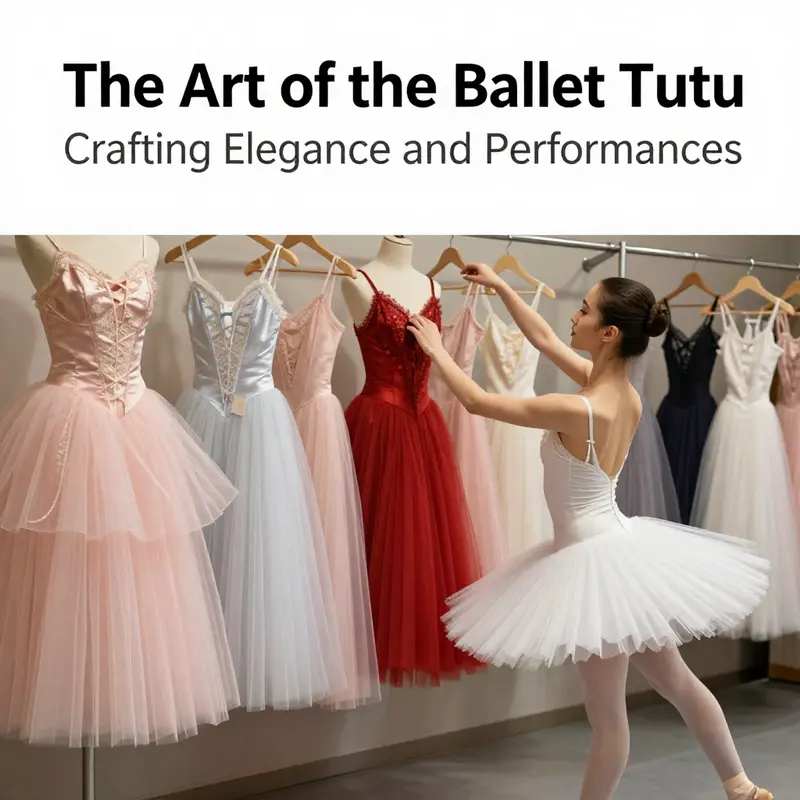
A ballet performance is not just a sequence of steps; it is an intricate conversation between dancer, choreographer, and costume. The tutu, in its most refined form, acts as a partner on stage, shaping the dancer’s line while remaining almost invisible to the audience, except where it deliberately draws the eye. When the curtain rises, the right tutu does more than sit prettily on the body; it translates choreography into visible breath, weight, and intention. It supports the dancer’s movements without constriction, frames the leg lines that define classical technique, and under the glow of stage lighting becomes a living extension of the story being told.
A core consideration in that choice is material and construction. The professional tutu is built from layers, often four to five, of lightweight tulle or netting. These layers create the bell-shaped silhouette that gives classical ballet its iconic profile while allowing freedom of movement. The fabric itself must be breathable enough to avoid overheating during long rehearsals and demanding, high-energy numbers. A modern approach typically blends sheer tulle with stretch components like spandex or elastane, ensuring the bodice conforms closely to the torso without pinching, while the skirt retains its buoyant, buoying sway. The bodice fabric also matters; a stretchable, supportive material can be crucial for stability, particularly in pieces that require long holds or forces of elevation. When dancers leap into grand jetés or execute multiple spins, every layer of tulle should glide rather than cling, and every stitch should be engineered to prevent shifting or twisting out of alignment under bright stage lights. In practice, this means a careful balance: the tutu must be light enough to float with the movement, yet sturdy enough to endure the rigors of a full-length performance.
Beyond the silhouette, the construction speaks to durability and fit. The most effective professional tutus anticipate the dancer’s body as it evolves through a season of performances. Precise fit is paramount, and many high-quality tutus offer customization options that accommodate different body types and roles. A well-considered design may incorporate features such as adjustable straps or a corset-style lacing system. The latter, in particular, can provide greater flexibility in sizing, accommodating subtle shifts in posture or torso length that arise with age or training changes. The result is a silhouette that reads cleanly from the audience and remains secure during the most demanding moments of a routine. A robust fit also reduces the need for constant adjustments backstage, allowing the dancer to focus on timing, musicality, and the storytelling demands of the moment. It is not merely about keeping the costume in place but about ensuring the dancer can trust the costume to move with, and not against, the body.
Aesthetics play a complementary role in performance. In a classical company, the tutu’s visual design often mirrors the narrative tone of the work. Subtle gradients, metallic threads, or carefully placed embroidery can catch the flash of the footlights without drawing attention away from the dancer’s technique. A gradient skirt or a softly gleaming bodice can amplify a character’s presence on stage, helping to convey emotion with a single glance. Conversely, some productions call for more saturated palettes or culturally resonant color schemes that align with the choreography’s mood or theme. In these cases, the fabric choice becomes a storytelling device. The interplay of color, light, and texture can heighten the perception of line and extension, making each arabesque and each penché feel more decisive. The decision to adopt ornate embellishments versus a pared-back surface reflects not only a dancer’s preference but the production’s demands, cast, and lighting design. The tutu thus serves as both costume and instrument, shaping how movement reads to a viewer long after the curtain has fallen.
Safety and quality assurance occupy a parallel but equally vital axis of consideration. For performances involving young dancers or touring ensembles, choosing tutus with recognized safety certifications offers a foundational layer of protection. Certifications such as CPC provide assurance that the garment meets specific safety standards for children’s products and performance wear. While safety concerns may seem peripheral to an artistic decision, they are in fact inseparable from artistic reliability. A tutu built to rigorous safety guidelines reduces the risk of wardrobe malfunctions that could interrupt a performance or, worse, injure a dancer. In this sense, the selection process intertwines artistry and responsibility: the best tutu is one that respects the body’s needs, the technique’s demands, and the audience’s immersive experience. Even the most beautiful garment can fail under stress if its construction is compromised, so practitioners weigh not only aesthetics and fit but also the durability of seams, the strength of attaching hardware, and the ease of maintenance during a touring schedule.
Maintenance and care further influence the decision. The routine of rehearsals, costume fittings, and backstage quick-change moments tests a tutu’s resilience. Tulle, while delicate in appearance, benefits from careful handling during cleaning and storage. For prolonged wear, adequate airflow between layers prevents moisture buildup that can lead to fabric fatigue or odor. Storage solutions that maintain the crisp shape of the skirt while protecting the bodice from deformation are essential. The choreographic demands of a role can also dictate the choice of support structures: some tutus rely on reinforced stitching at stress points, while others favor lighter, more flexible constructions to preserve range of motion during extended sequences. Dancers and designers often collaborate to tailor these practical aspects to the show’s schedule, ensuring that each performance remains flawless from curtain rise to curtain fall.
Selecting a tutu thus becomes a study in balancing form and function. The dancer’s body, the choreography’s geometry, and the stage’s aura converge in a single garment that must perform consistently under unpredictable conditions—changing lighting cues, quick costume changes, and the intensity of a live audience. The silhouette must stay true under footlight glare, while the fabric must flow with each launch and landing, accentuating lines without overpowering them. In Swan Lake or The Sleeping Beauty, the tutu’s presence guides the eye along the dancer’s path; it frames the elegance of a jump, the precision of an assemble, and the grace of a turnover. Yet, it also communicates the inner life of the character—a regal aura or a woodland fantasy—through color, texture, and the way light plays on surface. The best professional tutu is not a mere costume but a well-designed interface between artistry and physics, a tool that translates intention into perception in every angle of the stage.
For those exploring options, a centralized resource can help expand the range of possibilities while maintaining a clear eye for fit, material, and safety. A curated collection described as a professional tutu catalog offers a broad spectrum of performance-ready choices that cater to different roles and repertoires. This collection emphasizes how customization can be leveraged to harmonize the dancer’s body with the choreography, ensuring that the line remains unmistakable under the strongest stage lighting. It is important for designers and performers to assess not just the aesthetic appeal of a tutu but how it integrates with the dancer’s technique, the rehearsal cadence, and the specific demands of the production. A well-chosen tutu is a partner in movement—subtle, reliable, and capable of amplifying the artistry rather than competing with it.
Internal link for readers seeking a broader selection, without losing sight of the particularities of a performance-ready garment, can be found in a dedicated professional tutu collection: professional tutu collection. This link offers a gateway to a range of options that prioritize onstage silhouette, comfort, and durability, while allowing dancers to compare fittings and tailoring approaches in a single, streamlined resource. The emphasis remains on ensuring that the chosen tutu serves the choreography—and the dancer—throughout a demanding season of performances.
While the specifics of each design will vary, the guiding principle remains constant: the right tutu should feel like a natural extension of the dancer’s body, the choreography, and the stage lighting. It should support the breath and timing of every leap and turn, reinforce the lines that the choreographer seeks to illuminate, and endure the rigors of repeated wear in the studio and on tour. The ultimate measure is not merely how the tutu looks, but how it functions in concert with the body’s own physics and the narrative’s emotional texture. In this sense, selecting a professional ballet tutu becomes a craft of listening as much as it is a craft of sewing: listening to the dancer’s needs, to the choreographer’s intent, and to the stage’s demands, all while honoring the long historical arc that has shaped the tutu from a practical foundation garment to a symbol of disciplined beauty on the world’s grandest stages.
External reference: https://www.roh.org.uk/whats-on/ballet/what-is-a-tutu
Tutu as Tool: How a Professional Ballet Dress Shapes Training, Technique, and Stagecraft
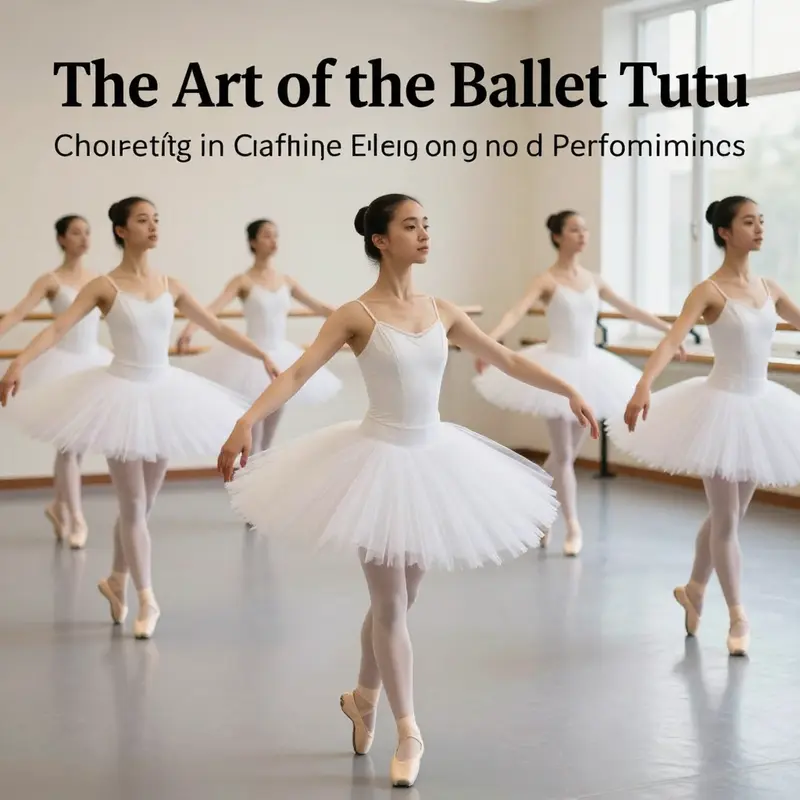
A professional ballet tutu is more than a costume; it is a carefully engineered instrument that shapes how a dancer moves, reads space, and communicates intent on stage. In training studios and in competitions alike, the tutu helps translate kinesthetic detail into visible artistry. Its silhouette narrows at the waist and blooms into a bell of layered tulle, offering a reference for alignment and line. The garment guides turnout, extension, and balance, creating a disciplined fluency in technique. Construction matters: stiff tulle maintains shape, while softer layers add lift and flexibility so jumps and footwork read cleanly. Fit is essential; personalized fittings let the dancer trust the costume as a partner rather than a constraint. Onstage, the tutu can amplify lines and cadence, supporting storytelling while preserving the choreography’s architecture. Across genres, designers tailor bodices, colors, and embellishments to match roles and lighting, balancing form and function. In short, a well-made tutu is a functional instrument that reinforces technique, aids stagecraft, and communicates character.
Final thoughts
The professional ballet tutu dress is far more than a mere costume; it is an essential component that encompasses functionality, artistry, and a rich historical legacy. By understanding its intricate structure, historical evolution, and relevance in performance and training contexts, business owners can better appreciate and cater to the needs of dancers. Focusing on quality construction and appropriate fabric choices will provide dancers with the comfort and style they need to express their artistry fully. Investing in the right ballet tutu dresses not only supports the performance but also fosters the next generation of artists. As this iconic garment continues to evolve, staying attuned to the needs of dancers will ensure its relevance and allure in the captivating world of ballet.