
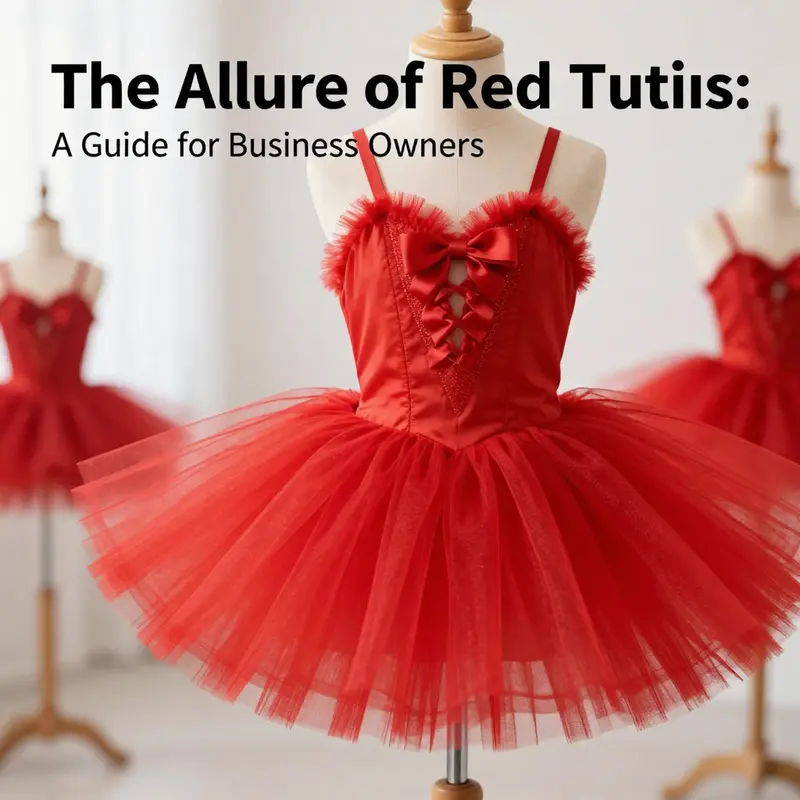
Red tutu outfits symbolize joy and elegance, making them a vibrant choice for children pursuing dance, stage performances, and themed celebrations. Business owners catering to this sector can capitalize on the growing demand for such items by understanding their performance features, design versatility, and safety standards. This article will delve into the performance and design features of red tutu outfits, how they elevate special occasions and holidays, the materials ensuring safety and comfort, and the emerging market trends that business owners should be aware of.
Performance and Design: How a Red Tutu Blends Form, Function, and Flair
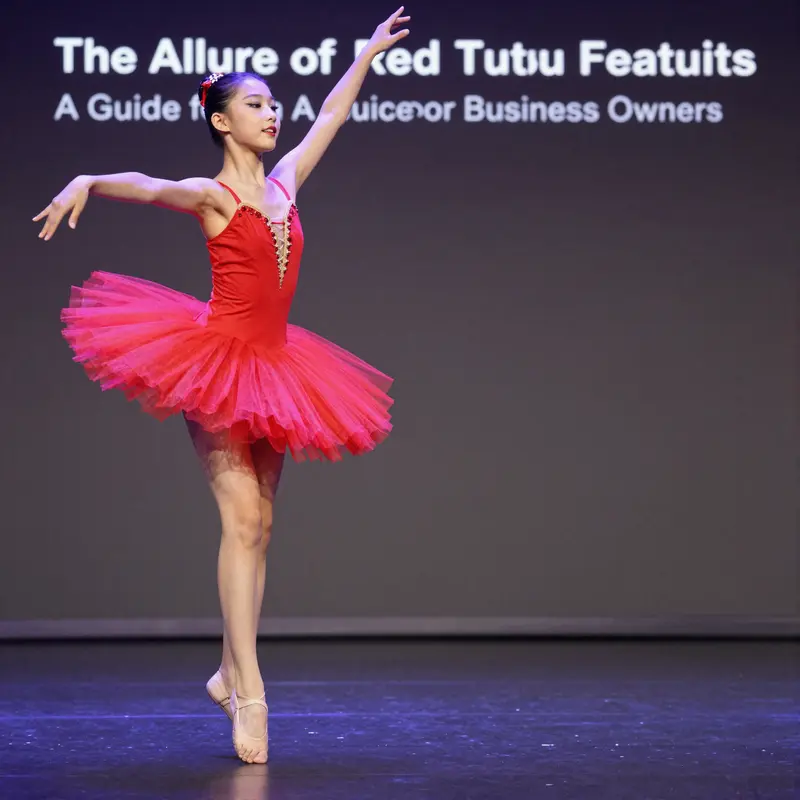
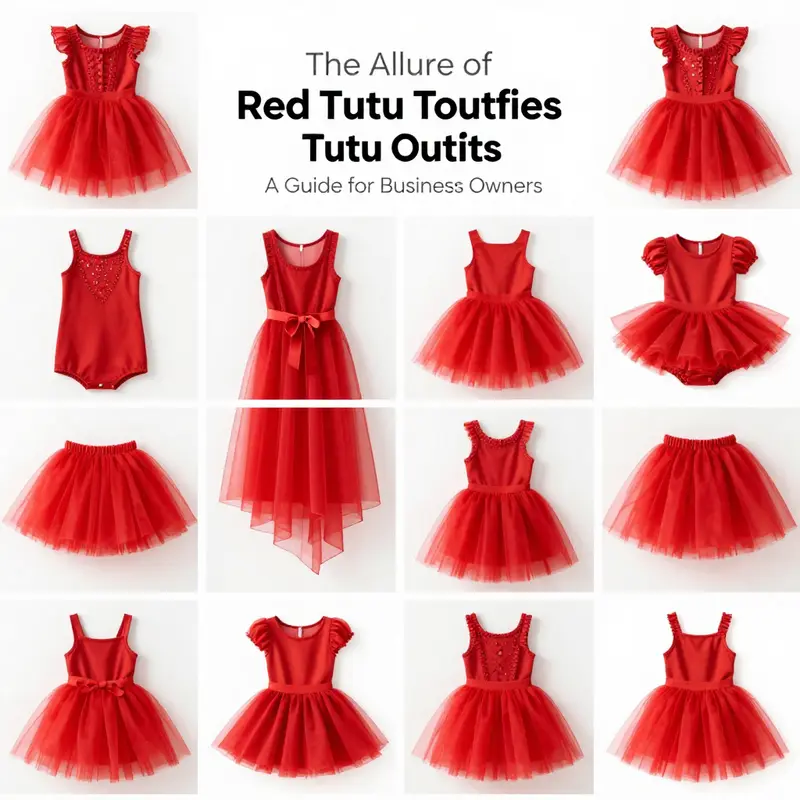
A red tutu is a study in contrasts: bold color and delicate fabric, dramatic volume and precise engineering. When designers and dance professionals approach a red tutu, they balance visual impact with movement needs. The result must read beautifully onstage while allowing the wearer to perform with confidence. This chapter explores how color choices, layered construction, bodice design, and practical performance features come together to make the red tutu an enduring choice for celebrations and serious performance alike.
At the heart of every red tutu is color. Red carries energy, draws the eye, and reads well under a variety of lighting conditions. Designers choose shades ranging from bright cherry to deep burgundy depending on intent. Lighter reds sparkle and pop beneath cool stage lights, while deeper tones convey warmth and regality. The chosen hue influences fabric selection and detailing. For instance, a vivid scarlet might pair with glossy satin trims to enhance sheen. A wine red benefits from matte finishes and subtle embroidery that reads better from a distance.
Volume is the next signature element. Layered tulle creates the classic tutu silhouette. Multiple tiers deliver fullness without weight. Each layer is cut, edged, and assembled to maintain a bell-shaped profile that moves with the dancer. The spacing between layers is deliberate. Too many tightly packed layers mute movement and add stiffness. Spread layers capture air and create that ethereal flutter during turns and leaps. Designers often vary tulle density through the skirt so the bottom holds a structured outline while upper layers remain soft. That interplay creates depth and motion while preserving a wearable lightness.
Bodice integration is where aesthetics meet biomechanics. A red tutu’s bodice must fit like a second skin. Stretch fabrics such as lycra, spandex, and technical nylon are common choices. They offer stretch and recovery, hugging the torso while supporting range of motion. For performance variants, designers add structural elements. Boning, reinforced seams, and interfaced panels maintain posture and frame. These elements are shaped to follow the ribcage and waist, keeping the silhouette clean during arabesques and lifts. The seam lines are also design opportunities. Princess seams, waist tapes, and decorative overlays conceal functionality while reinforcing stress points.
Closures and fit solutions ensure security in motion. Elastic waistbands are common in children’s and casual tutus for ease of dressing and comfort. For concert or professional pieces, closed-back zippers, hook-and-eye fastenings, or hidden side closures create a seamless look. Adjustable ties and discreet inserts allow for small size variations and costume changes. The ideal closure distributes load evenly. A secure fit prevents slippage without restricting breathing or upper-body expansion during vigorous movement.
Durability matters. Tutus endure repeated wear, laundering, and travel. Performance tutus are constructed with reinforced stitchwork at high-stress junctions. Seams at the bodice-skirt join, waistbands, and strap points receive bar tacks and backing reinforcements. Tulle edges are finished to resist fraying. When designers select materials, they consider abrasion resistance and tensile strength as much as appearance. High-quality elastics and stable trims prevent loss of shape. For children’s pieces, non-toxic dyes and breathable materials are prioritized for safety and comfort.
Comfort and mobility guide every technical decision. A red tutu must never inhibit an ankle roll, turnout, or spine extension. This requires ergonomic patterning and strategic placement of stiffening elements. For example, boning in the bodice should align with the wearer’s centerline and not cross areas that require flex. The skirt’s internal structure must allow the hips and thighs to move freely. Many tutus incorporate a soft lining against the skin to prevent abrasion from tulle. Removable or adjustable straps help vary support level per performer preference.
Stage conditions shape material choices. Lighting can wash out color or highlight texture. Designers test fabrics under LED, halogen, and daylight to ensure the red reads correctly. Tulle interacts with light; layered sheens and finishes change how shadows form between tiers. Embellishments, when used, are selected to complement rather than compete. Sequins, rhinestones, and metallic trims add sparkle for distance but are used sparingly to avoid weight and glare. For thematic pieces—say, a story ballet or a character role—embellishments reinforce character without compromising functionality.
Versatility is another strength of the red tutu. Beyond classical ballet, it adapts easily to themed applications. With simple accessories, a red tutu can become an iconic character look. One can design a version with accent colors and motifs to suggest a fairytale heroine or a historical figure. For community performances and parties, lighter, elastic-waist models allow rapid costume changes and group uniformity. When supporting a specific theme, costume designers might source specialized trims or prints to match the narrative, while keeping the base tutu pattern consistent for ease of production.
Customization options add value for group performances and single events. Adjustable straps, detachable bows, and removable overskirts give one costume multiple looks. These features are useful for dancers who need quick changes between scenes. For children’s wardrobes, modular elements mean a single tutu can serve a birthday party, a photo shoot, and a holiday play. Suppliers often offer size bands and pattern variations so groups can order matching costumes with consistent color and silhouette across ages.
Safety and care are practical considerations that inform design. Fabrics and dyes should meet child-safe standards. Breathable linings prevent overheating in active children. For long-term use, designers recommend specific care routines: gentle washing, low-temperature drying, and careful storage to preserve tulle shape. Professional tutus require specialized maintenance; structured skirts benefit from storage on flat surfaces or form supports to avoid crushed layers. Labels including material composition and care instructions help users maintain performance and appearance.
Material innovation plays a growing role. New blends and finishes offer improved recovery, lighter weight, and greater resistance to tearing. Some manufacturers experiment with eco-friendly tulle options and lower-impact dye processes. These choices reduce environmental footprint and appeal to caregivers concerned with sustainability. At the same time, classic fabrics remain in use for their proven performance characteristics and ability to maintain silhouette under stage stress.
Choosing the right red tutu for a specific need means evaluating fit, material, and structure in concert. For recital and classroom use, prioritize comfort, easy closures, and washable materials. For concert pieces, place emphasis on reinforced construction, clean seam work, and balance between softness and shape. For themed or theatrical uses, focus on color accuracy and embellishment placement while maintaining core performance features.
Designers and users alike benefit from understanding these trade-offs. A tutu that looks stunning in a catalog may fail under harsh stage conditions if structural needs were overlooked. Conversely, an over-engineered piece can restrict movement and tire performers. The best red tutus strike a middle path: they capture light and attention, support rigorous movement, and adapt to the demands of performance, celebration, and play.
For inspiration and specific costume themes, designers often look to established collections. If you are exploring themed red tutus, consider options that echo classic narratives, like the little red riding hood costume options available from curated costume categories. For technical guidance on material standards and application in mixed-color tutus, refer to this detailed guide: https://www.example.com/red-white-blue-tutu-guide
This integrated view of design and performance shows why the red tutu remains a popular choice. Its success depends less on a single feature than on thoughtful coordination of color, construction, comfort, and durability. When those elements are in balance, the red tutu becomes more than a garment. It becomes a functional work of stagecraft that supports movement, tells a story, and creates lasting visual memories.
null
null
Starlit Tulle and Safe Hands: Material Integrity in Red Tutu Outfits for Playful Confidence
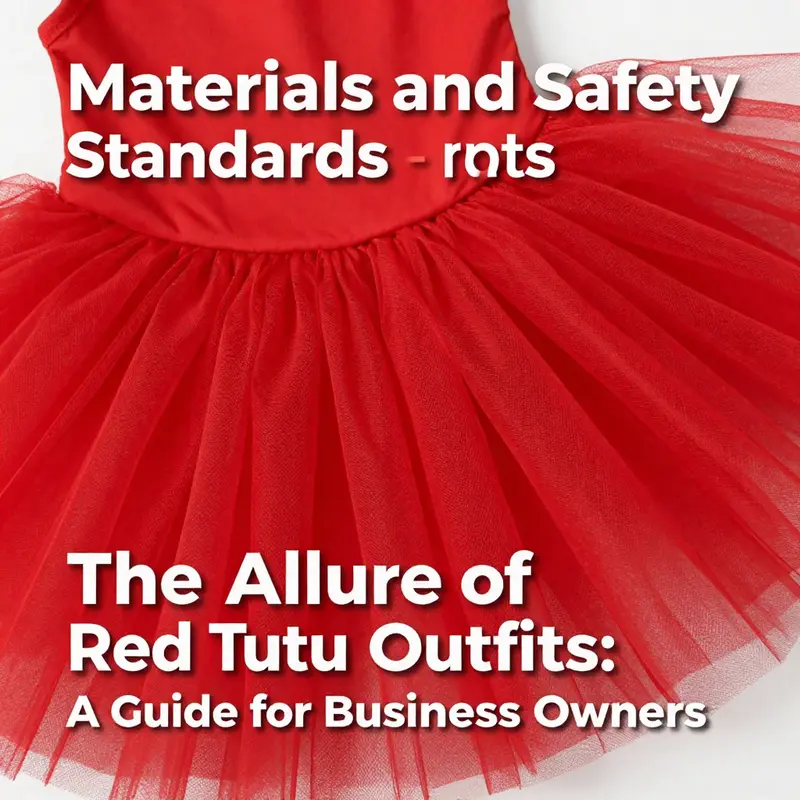
The red tutu is more than a bold splash of color in a child’s wardrobe; it is a careful intersection of art, movement, and safety. Behind the vivid hue and the cloud-quiet rustle of layers lies a set of decisions about materials, construction, and cleanliness that belong to the craft as much as to the costume’s look. A well-made red tutu balances spectacle with comfort, offering a silhouette that dancers can trust as they pirouette and leap, birthday revelers can wear with ease, and parade-goers can move through with buoyant energy. The story of this garment begins with the fabric itself. Tulle, that light, sheer fabric that creates the tutu’s signature volume, is the backbone. It is light enough to float with every gesture, yet resilient enough to hold a multi-layered shape through hours of play and performance. The aesthetic magic comes from the way those layers catch air, hover, and frame a child’s movement; the safety magic comes from the way the fabric feels against skin and how it stays gentle under constant wear. In a well-crafted red tutu, tulle’s delicate appearance and practical strength are not at odds but are harmonized through thoughtful material choices and sensitive construction practices.
To achieve both drama and durability, designers typically blend tulle with complementary fabrics that offer stretch, comfort, and resilience. A soft lining, often cotton or a cotton-blend, sits against the skin to reduce itchiness and to absorb sweat during active play. An interior layer or facing may include a smooth knit such as a light spandex-nylon mix to provide just enough give for bending, stretching, and quick movements while keeping the outer layers luminous and uninterrupted. This combination creates a balance: the tulle remains voluminous and airy, the lining remains comfortable, and the overall garment retains its shape through repeated use. The result is a tutu that moves as freely as the performer, without catching on tights or snagging on furniture during a playful routine or a festive dance at a birthday party. For families stepping into the world of tutus, it can be helpful to explore the foundational options—not to limit imagination, but to understand how a basic structure can support safety and comfort. A good starting point is the basic tutu category, which outlines core construction features that emphasize fit, finish, and child-friendly materials.
Beyond basic structure, the safety story extends to how those materials are sourced and finished. Certifications matter because they signal a commitment to health and well-being beyond aesthetics. One of the most important benchmarks for child textiles is OEKO-TEX Standard 100 Class I, a label that reflects testing for harmful substances and asserts that products are safe for infants and young children when used as intended. This standard covers substances that could irritate the skin or pose longer-term health concerns, such as formaldehyde, certain heavy metals, allergenic dyes, and other hazardous chemicals. When a red tutu carries this certification, it offers parents and caregivers a level of reassurance that the fabric and dyes have undergone independent testing and meet stringent limits appropriate for young wearers. While certification is not a guarantee of perfection, it is a robust signal that the garment has been evaluated against a set of scientifically grounded safety criteria and a framework for ongoing quality control.
Equally important is how the garment is constructed to minimize risks during wear. The U.S. Consumer Product Safety Improvement Act (CPSIA) sets expectations for children’s apparel, with a particular emphasis on choking hazards and the durability of fasteners and decorations. In practice, this means avoiding small, detachable beads or sequins that could be pulled off by curious fingers and ensuring that any fasteners, such as Velcro or elastic waistbands, are securely attached and designed to withstand the stresses of regular activity. Reputable makers often go a step further by reinforcing seams at stress points, selecting thread that resists fraying, and choosing trims that stay in place even during rapid movements. They may also feature soft linings and smooth finishes to eliminate rough edges that could irritate skin or catch on tights. The result is a red tutu that celebrates imagination without inviting accidental hazards.
The aesthetic elements—sparkling bodices, star motifs, or small bows—often contribute to the garment’s appeal and its performance potential. Yet they must be implemented with safety in mind. Sparkles and decorative elements should be securely attached, with attention paid to how small parts are anchored and whether any attachments could loosen under normal wear. Thoughtful design also means considering how these details interact with the child’s activities. If a costume is meant for a school performance or a parade, the wearer may be lifting arms high or leaping briefly during choreography. In such cases, a well-conceived design prioritizes both drama and a sense of security, avoiding anything that could impede movement or create distraction. The interplay of style and safety becomes the chapter’s quiet center: the red tutu’s glittering promise is realized not only in color and form but in the way it behaves when the child runs, spins, and imagines.
Careful material choices align with growing expectations for environmental responsibility as well. Eco-friendly dyes and fabrics reduce exposures to potentially harmful substances and support a more sustainable wardrobe for children. The idea of eco-friendliness in a tutu is not merely about colorfastness; it encompasses the entire lifecycle of the garment—from sourcing to dyeing to finishing. When dyes are GOTS-certified or otherwise produced under organic guidelines, the risks associated with residual chemicals and harsh dyes can be lowered even further. In practice, this means choosing fabrics that have undergone dye processes with attention to low environmental impact and minimal residual chemicals, helping to protect both child health and the broader ecosystem. The interplay between vivid red and responsible production invites families to view the tutu as a celebration of color that also honors long-term well-being and planetary care.
Durability is another essential thread in the chain of safety. A tutu that holds its shape after a dozen spins, a handful of pirouettes, and a few tumble-downs from a cheerfully ambitious tumble is a tutu that reduces frustration for parents and offers a more stable performance canvas for a child. Durable construction includes reinforced seams, robust waistbands, and dependable attachment points for any accessories that accompany the look. An elastic or Velcro waistband, perhaps adjustable to accommodate growth or different performances, provides flexibility without compromising safety. The interior finish should be smooth, with soft linings that minimize rubbing and discomfort. When these elements align, the garment remains comfortable under the arms during a long day of events and travels with the wearer from rehearsal to podium to party without losing its shape or its safety assurances.
Care instructions extend the life and integrity of the red tutu. Gentle washing, avoiding high heat, and air drying are common recommendations that help preserve the fabric’s color and the integrity of the tulle’s layers. This is not merely about keeping the garment clean; it is about maintaining the antistatic properties, preventing fiber damage, and preserving the stiff yet flexible character of the tutu’s silhouette. Proper storage—hung to maintain form or folded with tissue to avoid crushing—helps protect the layers from compression and keeps the edges crisp for the next wearing. Parents who understand these maintenance steps often find their children’s costumes remain a source of joy rather than a source of disappointment when performance time arrives.
The red tutu’s versatility also invites a thoughtful discussion about its role across different occasions. For daily dress-up, a tutu that is comfortable and easy to wear can become a catalyst for imaginative play, turning a simple afternoon into a magical adventure. For holidays and performances, the same garment can be paired with accessories that reinforce a character or a theme—without compromising safety. The possibility of transforming a red tutu into a playful superhero, a regal queen, or a festive party look is not in conflict with the need for secure materials; it is precisely the balance of strong design and careful construction that keeps the magic intact across contexts. In a landscape where play is learning and performance is growth, the red tutu stands as a reminder that beauty and responsibility can share the same stage.
In evaluating safety and quality, attention to both material science and practical use matters most. Certification, thoughtful construction, non-toxic dyes, and durable finishes together create a garment that a child can wear with confidence and pride. The red tutu’s enduring appeal lies not only in its color but in the quiet confidence it affords the wearer—the certainty that the fabric, the seams, and the details have been selected with care and tested for safety. This is the heart of the chapter: a deliberate craft that respects the joy of movement while recognizing the responsibility that comes with dressing a child for play, celebration, and performance.
External reference for further assurance: https://www.oeko-tex.com/en/standards-and-certification/standard-100
null
null
Final thoughts
The charm of red tutu outfits lies in their multifunctionality—perfect for both performance and play. By understanding their design attributes, the significance during special occasions, material safety, and current trends, business owners can effectively meet market demands and enhance customer satisfaction. Incorporating red tutu outfits into your product line not only caters to a vibrant market but also promotes creativity and joy in children’s fashion.