
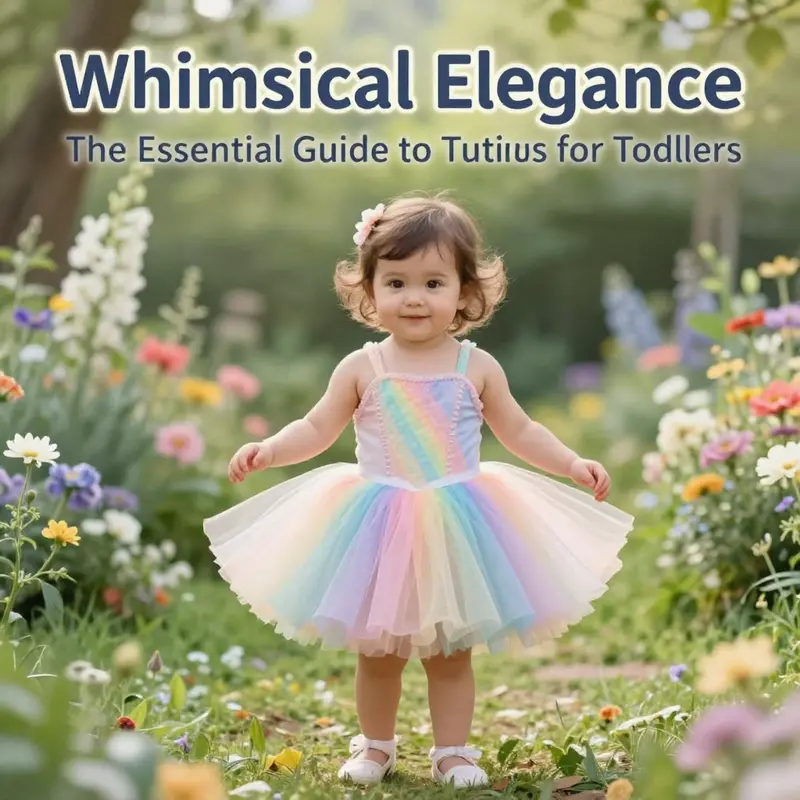
The world of toddler fashion is as vibrant and diverse as the little ones who wear it. Among the favorites, the toddler tutu stands out for its playful aesthetic and versatility. This charming garment serves not just as an outfit but as a tool for self-expression, movement, and imagination. In the following chapters, we will explore the distinct design and functionality of these tutus, delve into the eco-friendly materials involved in their creation, ensure their safety and comfort for active play, and highlight emerging fashion trends that appeal to both parents and children alike. Each aspect contributes to understanding how these delightful skirts can meet the needs of both the wearer and business owners aiming to cater to a growing market segment.
Twirl, Comfort, and Imagination: Designing Tutus for Toddlers That Move with Them
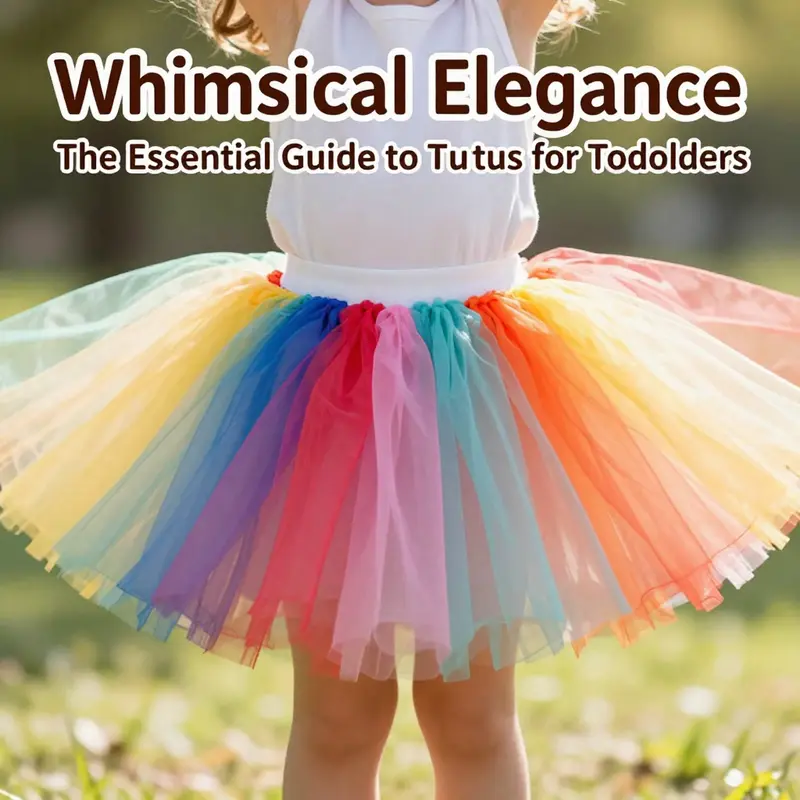
In the world of toddler play, a tutu is not merely a skirt. It is a doorway for little bodies to explore velocity, balance, and curiosity. A well designed tutu acknowledges that a two- to eight-year-old moves with a combination of exuberance and uncertain coordination. The fabric must float with every step yet stay anchored to the child’s waist. It must feel soft against bare skin, be resilient enough to survive a dozen rehearsals and a dozen spills, and still invite the next moment of make-believe. The result is a garment that blends whimsy with practicality, a garment that invites a child to spin, reach, and dream while offering parents peace of mind about comfort, safety, and care. In this sense, a toddler tutu stands at the intersection of dress-up and active wear, a tool for expression that respects the realities of a growing body and the rhythm of playful learning.
Material choice sits at the heart of this balance. Modern toddler tutus commonly use lightweight blends that combine polyester, tulle, and cotton. The goal is to create air flow that prevents overheating during energetic play while preserving the tutu’s signature buoyant silhouette. Breathability matters not just for comfort but for mood; a cooler child is more likely to stay engaged in games, music, or dance rather than tug at clothing or become unsettled by heat and stiffness. These fabrics also reflect a practical, everyday reality: many tutu designs are machine-washable and resistant to wrinkling, an important feature for busy households where taking care of a dressing-up garment should be simple rather than a ritual. A summer tutu dress, for instance, can be notably lighter—around thirty percent lighter than a cotton-only alternative—without sacrificing the fullness that makes a tutu magical. Reinforced stitching helps preserve shape after repeated washing, an essential detail since a toddler’s tutu is often worn week after week, during warm days and after outdoor adventures that leave tiny fingerprints and traces of frosting or mud on the fabric.
Beyond the raw materials, the construction of a toddler tutu is a study in ergonomics. The most beloved shapes—whether the classic flat-backed silhouette that emphasizes a rounded front or the 360-degree faerie fullness that creates a dramatic twirl—are only as good as their ability to stay comfortable as a child moves. The skirt can be voluminous, yet it must not feel cumbersome. To achieve this, designers favor elasticized waistbands that stretch with a growing waist and stay secure without digression. Multi-layered skirts are cut with flexible edges that do not snag on tiny shoes or the floor as a child crawls or hops. The layers themselves are often lightweight tulle or mesh, which provides the desired starry, cloudlike motion while keeping the overall weight manageable. In a practical sense, this means a child can carry on with dance practice, pretend play, or birthday-party adventures with less need for constant adjustments. A well proportioned tutu supports a child’s confidence, enabling full arm movement for steering a pretend ship or lifting imaginary wings on a fairy’s back.
Design features play a crucial role in signaling safety and inclusivity as well as charm. Whimsical details—floral embroidery, ruched accents, and bright, cheerful patterns—draw a child’s eye and invite narration. A tutu can be dressed up for a party or styled for a quiet moment of pretend play at home, and designers often ensure that such embellishments are securely attached so they don’t loosen with movement. When color and pattern are considered, designers often balance bold hues with softer tones to extend wearability across different occasions. For parents seeking versatility, many tutu outfits are designed as separates. A simple leotard, tank top, or T-shirt can pair with a tutu to form a complete look, while still allowing the child to mix and match with other garments. This separateness is more than convenience; it supports durability because the skirt and top can be laundered separately as needed and replaced individually if a specific piece suffers wear.
The functional dimension of design also concerns how a tutu behaves during the various activities a toddler loves. A tutu’s silhouette is not only about looks; it also influences how a child moves. A starkly voluminous, 360-degree tutu can create a striking effect on stage or during a celebratory moment, but it might slightly impede rapid, free movement during an impromptu game of tag or a playful dance circle. To address such dynamics, many modern designs incorporate ergonomic cuts and flexible layers. The result is a garment that maintains its celebratory form while allowing arms to swing freely, legs to kick lightly, and feet to explore floors without restriction. Such considerations are especially important in environments like dance classes or birthday parties, where a child’s energy level can swing between calm focus and exuberant bursts. In these contexts, the tutu becomes less about recreation of a specific character and more about enabling a child’s own expression—the way a child might imagine flight, marching to music, or stepping into a role of leadership in a silly pretend parade.
Care and maintenance are not afterthoughts but essential components of functionality. Parents want a garment they can count on, not one that requires a special weekend ritual. Hence the emphasis on machine-washable fabrics, quick-drying inner linings, and reinforced seams. A well-made tutu resists deformation after multiple washings, retaining its shape and fullness while remaining comfortable against the skin. An additional benefit comes from choosing materials designed for air circulation. A breathable lining—often a mesh or cotton blend—keeps skin cool and helps wick away moisture, reducing the discomfort that can arise after long periods of play. For families who frequently wash costumes after parties or school events, these features are not just luxuries; they are practical necessities that keep skin irritation at bay and extend the garment’s lifespan. In short, the best tutu is one you can launder with minimal fuss, and that still looks inviting enough to inspire another round of spinning and storytelling.
A broader view of design and functionality also acknowledges safety standards without turning a tutu into a laboratory item. Certifications that ensure materials are free from skin-irritants and meet safety criteria for children are meaningful signals for parents. They help distinguish products that balance aesthetic charm with sensitivity to delicate skin and evolving immune systems. In practice, this translates to minimizing rough seams, avoiding sharp embellishments, and ensuring that any decorative elements are securely fastened and do not pose choking hazards as a child twirls or sits in a carpeted corner pretending to host a tea party for stuffed animals. In addition, the selection of eco-friendly materials aligns with a growing emphasis on sustainability. Families often appreciate that fabrics can be recycled, reused, or produced through processes that reduce environmental impact while preserving softness and comfort for a child’s sensitive skin. The result is a tutu that feels good to wear and aligns with values families hold dear, making daily dress-up more than a momentary fancy and turning it into a habit of joyful, responsible play.
In practice, the best toddler tutus emerge from a careful choreography between aesthetic aim and everyday use. They embody the story a child wants to tell through movement while remaining anchored in the realities of a toddler’s life—the need for quick changes between play and rest, an ease of care that frees parents to focus on connection rather than laundry schedules, and a stability that invites repeated merriment rather than repeated adjustments. A tutu that achieves this balance becomes part of a child’s vocabulary of play, a visual cue that invites others to join in a shared moment of imagination. With wings of tulle and a waist that holds true under energetic play, the garment becomes a partner in a child’s growing sense of self, helping them discover how their body can move, how a space can be transformed with a twirl, and how a simple piece of fabric can become the center of countless stories.
For those who want a tangible example of the balance between aesthetics and durability, consider a high-quality white garment designed to endure frequent washing and maintain shape through many spins. This piece demonstrates how a tutu can be both refined and practical. In practice, such designs can be found as a reference point in the broader market of toddler costumes, illustrating how care for comfort and safety does not preclude elegance or style. The balance between form and function is not a theoretical ideal; it is a lived reality in the wardrobe of every child who adores the sensation of twirling, the sound of music, and the sparkle of discovery as they explore the world around them. For readers seeking a concrete example of durability married to visual appeal, a representative product page offers a window into how a well-made tutu can perform under ordinary daily conditions while remaining a source of delight for the child.
This integrated approach—soft, breathable materials; movement-friendly construction; playful yet sturdy design features; practical care; and mindful safety considerations—defines the heart of toddler tutu design. It is a commitment to creating clothing that respects the child’s autonomy and energy while supporting parents in guiding and cherishing those bright moments of growth. When a child spins, the tutu should respond with equal grace, rising and falling in a gentle, predictable arc. When a child lifts a pretend wand or reaches toward a friend, the fabric should not hinder but rather accompany those gestures. And when a child collapses into a chair after an exuberant game, the tutu should settle softly into place, as if it understood that rest is just another part of the day’s adventure. A thoughtfully designed tutu makes such moments possible, transforming ordinary minutes into opportunities for imagination and learning.
To bring the thread of design into a practical frame, consider how a single garment might serve many moments. A tutu used at a birthday party might also be worn at a family game night, a small recital, or a pretend camping trip indoors. Its adaptability rests on the quality of its cut, the flexibility of its layers, and the simplicity of care. In this light, the tutu transcends being a mere costume item. It becomes a versatile tool for early childhood development, offering a physical channel for self-expression and a social bridge that invites peers to celebrate shared stories. The child who twirls understands that movement can be an art form and a means of connection; the parent who observes learns to read a moment when a child’s new skill—the simple act of balance while spinning—appears, inviting praise, gentle correction, or a shared chorus of laughter.
In closing, the best toddler tutus are not locked into a single function or event. They are designed to serve a spectrum of moments: a child’s first confident spin, a pretend parade through the living room, a quiet evening of storytelling, or a sunlit outdoor game that ends with a shower of giggles and a quick, happy pile of fabric on the floor. They are built to honor both the magic of childhood and the realities of daily life. A well-made tutu invites movement without forcing it, supports safety without stifling imagination, and speaks in colors and textures that invite a child to narrate their own adventures. In this way, a tutu becomes less about a costume and more about a partner—an ally in a child’s ongoing exploration of movement, expression, and joy. For those curious about how a garment can embody this balance, a representative product page offers a practical example of the blend of durability and whimsy that characterizes contemporary toddler tutus. high-quality-white-ballet-costume-tutu-swan-lake-t0596.
External reference for broader context: a sample from a global marketplace with detailed embroidery and tulle work that demonstrates how decorative elements can be integrated with comfort and safety in mind. This resource provides a tangible look at design features such as floral embroidery and durable stitching that support long-term wear for active toddlers. External resource: https://www.alibaba.com/product-detail/Daisy-Floral-Embroidery-Sleeveless-Tulle_1601795846465.html
Materials Used in Creating Tutus for Toddlers
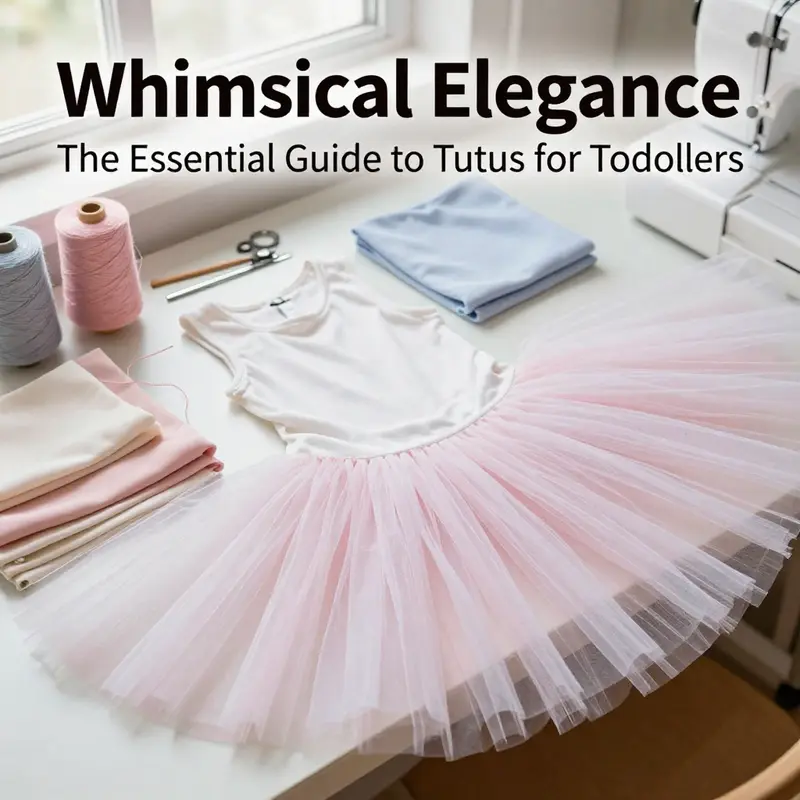
In the world of tutu dress-up for toddlers, materials shape both comfort and movement. The core fabric is tulle, a lightweight netting that creates the tutu’s signature silhouette and volume. Tulle comes in different weights and textures, allowing designers to balance fullness with wearability, while layered tulle over a soft lining keeps delicate skin from brushing against rough edges. Polyester blends are common because they improve colorfastness, reduce wrinkling, and help the skirt keep its shape after wear and washing. To add softness and breathability, many designs incorporate cotton or cotton blends for the inner lining, sometimes combined with a gentle polyester-cotton body. Stretch components such as elastic waistbands or a flexible mesh underlayer help the tutu stay in place during active play without pinching or rubbing. Decorative overlays in chiffon, organza, or satin can provide a refined look on special occasions without compromising comfort. Safety and hygiene are central considerations, so fabrics are often chosen with low allergen potential and may carry certifications like Oeko-Tex to minimize exposure to harmful chemicals. Care considerations matter too: machines-friendly fabrics, cool-water washing, and air drying extend the life of the tutu, while delicate trims may require gentler handling. Sustainability is increasingly on the radar, with recycled polyester and responsibly sourced cotton appearing in some lines. Ultimately the best materials offer a balance of lightness for freedom of movement and enough stiffness to maintain the silhouette, enabling a child to spin, leap, and imagine with confidence. When selecting a tutu for a toddler, families typically weigh texture, weight, breathability, washability, and fit, recognizing that the fabric is a quiet partner in play rather than a distraction from the story the child creates.
Soft, Safe, and Spiraling: Comfort, Safety, and Play in Toddler Tutus
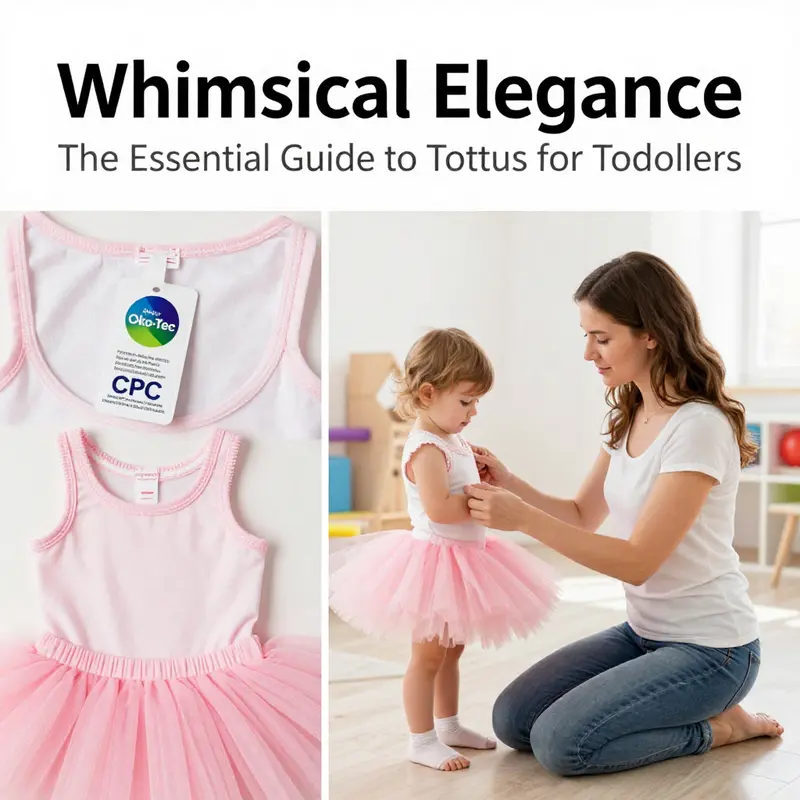
The appeal of a tutu for a toddler lies in movement as much as in whimsy. A well-made tutu invites spinning, hopping, and the curious exploration that defines early childhood. Yet little bodies deserve more than beauty; they deserve fabric, structure, and edges that respect growing joints, skin sensitivity, and the unpredictable energy of active play. This chapter threads together safety standards, fabric science, and everyday practicality to reveal how designers and caregivers can balance comfort with protection. It treats the tutu not as a costume component alone, but as a small wearable tool that supports a child’s development while sparking imagination. In doing so, it anchors the discussion in the material realities of kid-sized clothing—where movement, durability, and safety intersect with the desire for delight and self-expression.
Selecting a toddler tutu begins with a simple but essential question: does the garment allow unrestricted movement? A tutu should encourage free walking, squatting, and floor play without pinching, constraining, or creating tripping hazards. Overly rigid silhouettes can impede the very activities they are meant to accompany. When movement is unhindered, play becomes more exploratory, and children can engage their bodies more fully in dancing, practicing balance, and improvisational games. The core component—the skirt—must be designed to twirl with ease rather than to hold a child in a fixed pose. A 360-degree faerie style, or the flatter, classic ballet cut, should both enable a child to pivot, sit cross-legged, and rise to stand without snagging on furniture or fabric. The fabric’s weight, stiffness, and the way it flows when a child spins all influence this dynamic. The most successful toddler tutus feel almost invisible, letting the wearer forget the garment is there and focus entirely on the moment of play.
Safety standards provide a vital blueprint for how designers evaluate materials and construction. Recognized guidelines matter not only for the single garment but for the shared spaces where toddlers learn, dance, and celebrate. In the United States, compliance with ASTM F963, the toy safety standard, and CPSIA, the Consumer Product Safety Improvement Act, matters for toy-like apparel worn by young children. These standards address chemical safety, physical attributes, and overall risk. As of January 13, 2026, these certifications serve as a baseline expectation for quality products marketed to toddlers. They help ensure that fibers, dyes, and embellishments do not introduce toxic exposure and that the garment’s construction minimizes choking hazards, sharp edges, or small parts that could detach during active use. The importance of flame resistance enters the conversation when candles, candles-shaped decorations, or open flames are present at events where a toddler might be nearby. Flame-retardant properties lessen risk in settings with holiday lights, sparklers, or campfire storytelling near a bonfire blanket. While these considerations reflect worst-case scenarios, they anchor choices in the reality that toddlers explore with hands, mouths, and a fearless curiosity about the world around them.
True safety is not a static checklist but a lived practice of design and use. Fabric quality, for example, is more nuanced than the claim that a material is simply “soft.” Softness can be a marketing cue, but it does not guarantee safety or comfort. Very soft fabrics—often polyester blends that rely on synthetic fibers—can trap heat, irritate sensitive skin, or trap moisture after a child sweats during vigorous play. The better choice, when possible, is fabrics that combine a touch of gentleness with breathability. Organic cotton or sustainable tulle blends can offer an appealing balance: a gentle hand against the skin, improved airflow, and reduced environmental impact. Breathability matters in a garment that may be worn for long periods—during a birthday party marathon, a weekend recital, or a whole afternoon of imaginative play. A tutu that remains cool and dry helps prevent itchiness and discomfort, which in turn supports longer, more confident exploration of movement.
Durability is another crucial factor. Toddler tutus are not mere costumes for a photo moment; they accompany daily life, including spills, playground adventures, and repeated wash cycles. Clothing designed for toddlers should be machine-w washable without losing shape or color. It should withstand agitation and wringing without the layers separating or the waistband loosening. Shape retention after washing is not a vanity feature; it is about performance in everyday life. Tulle, the classic fabric for tutu skirts, can shed or snag if the finish is too coarse or if the edges fray easily. The right finishing details, such as neatly secured seams, snag-free edges, and reinforced waistbands, help keep the garment in rotation rather than relegated to the back of the drawer after a few uses.
Construction quality dovetails with safety in meaningful ways. Secure stitching matters because loose threads and unfastened sequins or beads can pose choking or entanglement hazards. A well-made tutu uses robust stitching along seams, a waistband that sits comfortably without digging in, and embellishments that are firmly attached or entirely avoided unless they are essential to the design. The presence of dangling ribbons, charms, or beads should be minimized or eliminated, particularly for very young wearers who explore with their mouths and fingers. In this light, the tutu becomes a carefully engineered space for safe, imaginative play rather than a collection of delicate parts that require constant supervision.
Fabric safety also intersects with regulatory guidance on colorants and compounds. A growing emphasis on non-toxic, skin-friendly materials means that parents and caregivers can look for certifications or third-party testing results beyond marketing claims. Certifications such as Oeko-Tex Standard 100 or CPC attest to the safety of materials used in textiles, though it is important to note that not every safety certification directly covers every component of a tutu. When possible, choosing fabrics with these endorsements reduces the worries about dye migration or irritating chemical residues. It is worth noting that even with certifications, individual sensitivities vary. A child with sensitive skin might react to a fiber blend that is otherwise considered safe for the general population. In practice, this means trial fittings and careful observation after the first wear are prudent steps for any caregiver.
Footwear, too, plays a role in overall safety and comfort. If a tutu is worn with ballet slippers or soft shoes, the sole’s grip and the shoe’s fit influence stability on slick floors or wood panels. Non-slip soles help prevent slips during quick spins and hops, while a secure, comfortable fit reduces ankle strain during longer practice sessions. In daycare or classroom settings, where children accumulate time in movement-based activities, the garment’s design should align with safety policies that emphasize supervision and age-appropriate usage. The combination of a well-fitted shoe and a tutu crafted with safety in mind can turn an ordinary afternoon into a joyful, accident-free exploration of dance and movement.
From a practical standpoint, parents and caregivers often balance safety with the desire for versatility. A toddler tutu that comes as a separate skirt paired with a simple leotard or T-shirt offers flexibility and comfort. This separation allows the child to mix and match based on the activity, weather, or mood, while still maintaining a cohesive, playful look. It also reduces the pressure for a single outfit to perform multiple roles—from dance practice to casual wear to a party outfit. The ability to adapt the garment to the child’s activities supports longer wearability and reduces the temptation to treat the tutu as a single-use costume.
Alongside fabric and construction, the question of environmental impact enters the conversation. Eco-friendly textiles and sustainable production methods align with a broader commitment to responsible parenting. Organic cotton and sustainable tulle can reduce the ecological footprint of a garment worn by a child many times during a season. While these materials may sometimes come at a slightly higher upfront cost, their improved breathability, reduced skin irritation, and potential for longer life can make them a worthwhile investment in a child’s wardrobe. The broader takeaway is straightforward: safer materials, thoughtful construction, and practical design all converge to support a child’s healthy development and a caregiver’s peace of mind.
To translate these values into everyday choices, it helps to understand what to look for on labels and in product descriptions. Certifications and tested fabrics provide a language that goes beyond “soft.” They speak to a standard of care that recognizes the realities of toddler life—hands that reach, bodies that tumble, and curiosity that wants to know how fabrics feel and behave when worn for hours on end. When a parent reads a label or speaks with a retailer, they can ask pointed questions: Is the fabric breathable? Is the waistband comfortable and secure? Are all embellishments firmly attached? What tests or certifications support the claim of safety? These questions shift the shopping experience from a quick purchase to an informed choice that centers a child’s comfort and protection.
As a practical guide, consider prioritizing the following approach when browsing potential tutus. First, verify safety certifications such as ASTM F963 and CPSIA, which set expectations for materials, construction, and overall risk. Second, assess fabric choices with an emphasis on breathability and skin-friendliness; seek fabrics that blend comfort with durability, and be wary of opaque claims about softness that lack substantiation. Third, inspect construction details in person if possible: check seams for even stitching, confirm that sequins or beads are securely anchored, and ensure there are no dangling components that could become choking hazards. Fourth, consider the broader context in which the tutu will be worn. If the event involves candles or open flames, flame resistance takes on practical importance. If the wearer is in a daycare or school setting, confirm that the garment aligns with center safety policies that govern wardrobe and accessories. Finally, remember that fit matters as much as fabric. A tutu that sits too tightly or brushes the back of the knees can hinder movement or cause discomfort after a short time; a properly sized waistband and well-balanced length help sustain playfulness without sacrificing comfort.
In reflecting on the broader ecosystem of toddler tutus, it is also valuable to acknowledge that safety is not solely about avoiding danger. It is about cultivating an environment where exploration is encouraged and where children can move with confidence. A tutu designed with this philosophy becomes a partner in play, rather than a barrier to it. When designers integrate safety considerations with comfort-focused choices, they craft more than apparel; they shape experiences that nurture early movement, balance, and self-expression. The child learns that their body can express joy through motion, while the caregiver gains assurance that the garment supports rather than restricts that expression.
Within this framework, the role of a well-chosen tutu extends beyond civic responsibility or fashion. It becomes a catalyst for a child’s developing sense of agency. When a small dancer spins and gestures with an unimpeded sense of freedom, their confidence grows in tandem with their physical abilities. The tutu, light and airy, serves as a vehicle for creativity, a stage on which a child can try new steps, improvise stories, and celebrate small victories—each twirl reinforcing a positive relationship with movement. The most enduring tutus are those that balance form and function: they look delightful, feel comfortable, and support the safety needs of the child who wears them. The result is a garment that stands up to the rigors of a toddler’s day while preserving the magic that makes dancing feel like a new, friendly world.
To anchor these reflections in a concrete path forward, readers may explore a curated example that demonstrates how a tutu can fulfill safety, comfort, and playfulness in a real product context. For instance, a high-quality white ballet costume tutu, noted for its thoughtful construction and comfort-conscious design, can serve as a reference point for evaluating other options. The product’s emphasis on durability and breathable materials aligns with the principles described here, offering a model of how a child-friendly tutu can perform across activities—from quiet practice to lively party moments. high-quality-white-ballet-costume-tutu-swan-lake-t0596 exemplifies how a well-designed garment can harmonize elegance with practicality, turning safety considerations into a natural part of the shopping experience rather than a separate checklist item. In this way, the discussion remains grounded in real-world choices while staying focused on the central aim: enabling toddlers to move freely, learn through play, and enjoy their early steps into the world of dance and imagination.
The external standard-setting body’s guidance remains a vital reference point for caregivers who want to translate safety research into everyday decisions. For a broader, authoritative understanding of what safety testing entails and why it matters, the official consumer guidance linked here provides a foundational overview of the ASTM F963 standards and related safety expectations. This knowledge helps parents and educators connect the dots between laboratory-grade safety criteria and the fabrics, seams, and finishes they encounter in stores and online. By integrating regulatory context with practical observations about fit, fabric, and finish, caregivers can approach each tutu as a thoughtful choice rather than a reflex purchase. This approach elevates the standard of care in toddler wardrobes and reinforces a culture of safe, joyful exploration.
External resource: https://www.cpsc.gov/Regulations-and-Standard-Information/Toys/ASTM-F963-Standard-Consumer-Guide-to-Toy-Safety
Playful Style Meets Practical Design: Current Trends in Toddler Tutus
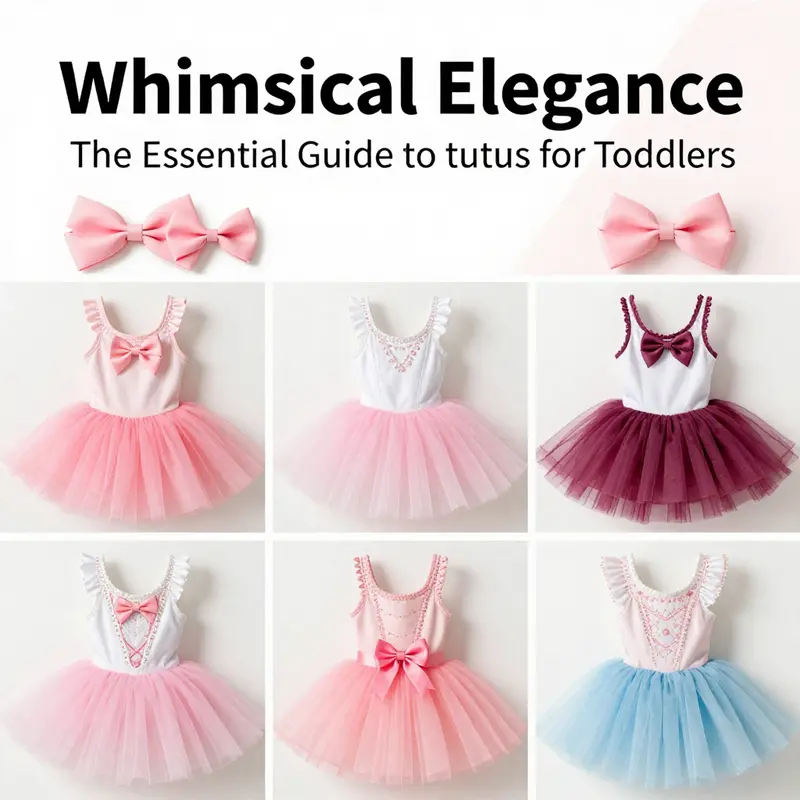
Fashion for toddlers often balances imagination with real-life needs, and tutus are a perfect example of that balance. Today’s trends in toddler tutus emphasize a union of joyful, theatrical style and thoughtful, child-first design. The skirt remains the heart of the garment—layers of tulle that create motion, volume, and the irresistible urge to spin—yet modern makers have expanded the idea of a tutu beyond stage-ready decoration. Parents and caregivers now expect clothing that supports active play, withstands repeated washing, and keeps delicate skin comfortable. Those expectations shape how fabrics are chosen, how silhouettes are cut, and how accessories are attached.
Designers are using softer tulle and blended fabrics to reduce scratchiness while preserving the full, twirl-ready look. Where older tutus relied on stiff netting, newer pieces often pair a light, airy tulle overlay with a soft knit or mesh lining. This creates the same dramatic silhouette but prevents irritation at the waist and inner thighs. Elastic waistbands remain standard, but they are now wider and covered with soft cotton or satin to avoid chafing. Many brands also add a hidden drawstring or adjustable ribbon so the skirt can grow with the child. These small construction decisions make a big difference. A skirt that stays put during a hop or cartwheel gives a child the freedom to play without fuss, and it gives parents peace of mind.
Functionality extends to maintenance and durability. Machine-washable tutus with shape-retaining tulle are increasingly common. Fabrics are chosen to resist shrinking and to keep a skirt’s bounce after repeated cycles. Anti-wrinkle properties are important for families who travel with a wardrobe for special events. Certifications that ensure safety for sensitive skin and compliance with children’s product standards are another trend. Many manufacturers now list fabric safety checks and third-party testing as part of their product descriptions, which reassures buyers who prioritize non-toxic dyes and ASTM-compliant hardware on trims and accessories.
Stylewise, tutus have stretched far beyond ballet basics. Classic pastels and ballet whites still hold a special place for recitals and formal portraits. But parents and designers also embrace themed, seasonal, and whimsical prints. Animal-inspired tutus—such as black cat versions for Halloween—mix a costume’s playful intent with the convenience of a removable skirt. These themed tutus often include coordinated accessories like ears, tails, or simple masks. When accessories are present, design teams are paying closer attention to secure attachments and avoidance of small parts that could detach during rough play. A detachable tail or clip-on ears keep a costume fun and reduce choking risks compared to glued or tiny sewn-on embellishments.
Another clear shift is toward separates rather than full dresses. Pairing a tutu skirt with a leotard, tank top, or soft tee has become the norm. This modular approach increases outfit versatility. A child can wear the skirt for a birthday party and then pair it with leggings for a playground morning. It also simplifies laundry and storage. Separates allow mixes of textures and patterns, which appeals to caretakers who want to stretch a wardrobe economically. Additionally, separates accommodate layering: a tutu with a thermal base can work across seasons, and a skirt over leggings allows toddlers to stay active without feeling cold.
Inclusivity is reshaping fit and sizing. Where tutus were once produced in one or two narrow fits, brands now offer a broader size range and varied cuts. Some skirts have fuller 360-degree construction for a faerie look, while others mimic the flatter, pancake silhouette associated with classical ballet for a tidier profile. Designers also provide different waist shapes—high-waist, mid-rise, and pull-on elastic—to suit different body types and comfort needs. For very young toddlers, looser, forgiving fits prioritize comfort and diaper access. For older children, fitted styles with adjustable elements allow for a more polished look for performances or portraits. This emphasis on multiple options acknowledges that little bodies change quickly and that a tutu should enhance play rather than restrict it.
Sustainability and material innovation play a growing role in purchasing decisions. Recycled polyester and sustainable blends are appearing in tutus that strive to reduce environmental impact while retaining lightweight structure. Mesh linings that improve airflow can also come from recycled fibers. Designers experiment with natural-dye techniques and lower-impact printing to soften the environmental footprint. Eco-conscious families tend to favor pieces made for repeated wear rather than single-use costumes, so longevity and easy care are central selling points. When a tutu is clearly constructed to last, it transforms from a novelty into a wardrobe staple.
Customization and personalization are another current favorite. Parents can often choose ribbon colors, add name embroidery, or select removable appliqués to match themes for parties and photos. Custom elements help a tutu feel personal without sacrificing safety. Adjustable satin belts, sewn-in loops for removable bows, and reinforced attachment points mean charms can be added and removed without stress. This flexibility is useful for families who reuse a skirt across seasons or who want to adapt a piece for siblings.
Color and texture trends pull from both couture and childhood whimsy. Gradient ombré tulle, layered pastels, and metallic-thread accents give skirts a couture feel, while printed knits and bold rainbow palettes keep things playful. Mixing matte and shimmer tulle layers adds depth and a subtle glow in photographs. Designers often combine a plain base layer with a printed overlay to keep the look lively without becoming overstimulating. The result is a piece that works for a studio shoot and looks right for a backyard tea party.
Safety-focused design is woven into aesthetics. Wider waistbands, flat seams, and covered elastics reduce points of irritation. Avoiding loose sequins, small beads, or long ribbons that can tangle is common practice. When trims are included, they are usually sewn securely and tested to withstand pulling. Manufacturers are mindful of flammability standards and often opt for materials that meet or exceed the required testing for children’s sleepwear and outerwear. This attention to detail ensures a tutu can be worn for spontaneous play without becoming a hazard.
Practicality also governs accessory choices. Footwear compatibility is considered so tutus sit correctly when paired with sneakers, ballet flats, or boots. Hem lengths are designed to clear knees for climbing and running. Skirts made for active toddlers tend to avoid heavy embellishments around the hem, which could snag on playground equipment. Instead, decorative emphasis is concentrated at the waist or in removable overlays, preserving safety while keeping the skirt eye-catching.
Retail strategy mirrors the product’s versatility. Many families look for tutus that double as costumes and everyday wear. For that reason, online marketplaces and small retailers highlight multipurpose sets and offer styling suggestions that show how a skirt works beyond the stage. Practical product pages include clear care instructions, size guides with measurements, and photos of real children wearing the skirts in motion. This type of presentation helps caretakers imagine the skirt in real life, rather than only in a posed studio shot.
When shoppers seek inspiration, visual platforms remain indispensable. They aggregate outfit ideas and show how to combine a tutu with practical layers. These resources often spark imaginative pairings—tutus over overalls, paired with denim jackets, or layered with turtlenecks for colder months. Seeing a tutu styled in multiple ways gives families confidence that the piece will offer more than a single use.
On the production side, the tension between craft and scale matters. Handmade, small-batch tutus can offer bespoke details and unique trims. Mass-produced skirts provide consistent sizing, broad color selections, and often lower price points. Buyers choose based on priorities: a handcrafted tutu may be ideal for a special photo session, while a machine-made, certified piece may better suit everyday play.
In the end, modern toddler tutus reflect a wider shift in children’s fashion: an insistence that clothing be beautiful, safe, and adaptable. Designing a skirt that invites spinning and play while holding up to the practical demands of family life requires intention at every step. Fabric selection, seam finishing, accessory attachment, and care labeling all contribute to a tutu that delights children and reassures caregivers. This evolving approach ensures the tutu remains an enduring item in a toddler’s wardrobe—one that supports movement, nurtures imagination, and stands up to real use.
For a closer look at seasonal and styled outfit ideas, many caregivers turn to curated photo boards and idea collections on visual platforms such as Pinterest. These collections show how modern tutus can be mixed into everyday wear and special-occasion looks. For those exploring classic stage-informed designs and high-quality construction, a detailed example can be found for reference in a product listing for a classical ballet tutu that combines professional construction with performance-ready details: https://luneballet.com/product/classical-ballet-tutu-little-red-riding-hood-t0399/.
External inspiration and real-world photos often guide purchasing decisions. For a broad range of creative outfit suggestions, the following resource compiles current user and stylist ideas: https://www.pinterest.com/search/ideas/toddler%20tutu%20outfits/.
Final thoughts
The toddler tutu is more than a whimsical garment; it encompasses design, safety, and current trends while emphasizing comfort and functionality. As business owners, enhancing your retail offerings with high-quality, fashionable, and safe toddler tutus can cater to the ever-evolving demands of young families. By understanding and implementing the principles outlined in these chapters, you can forge a path toward a successful venture that supports creativity, play, and elegance for the littlest of wearers.