
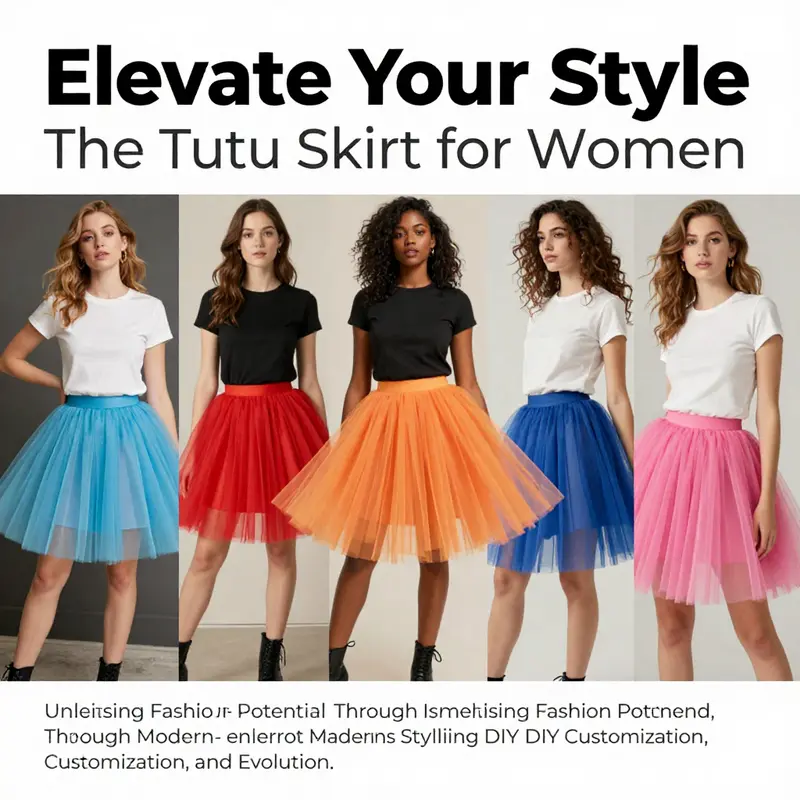
The tutu skirt is a sophisticated yet playful staple, vital for women looking to express their creativity and individuality in fashion. This versatile piece has transitioned from a ballet essential to a high-fashion item seen in boutiques worldwide. Business owners can harness its popularity by understanding modern styling techniques, engaging customers with DIY customization options, and appreciating the evolution of this garment over the years. The insights presented in this article aim to equip business owners with the knowledge to capitalize on this trend.
Modern Grace in Motion: Styling the Tutu Skirt for Women Across Day and Night
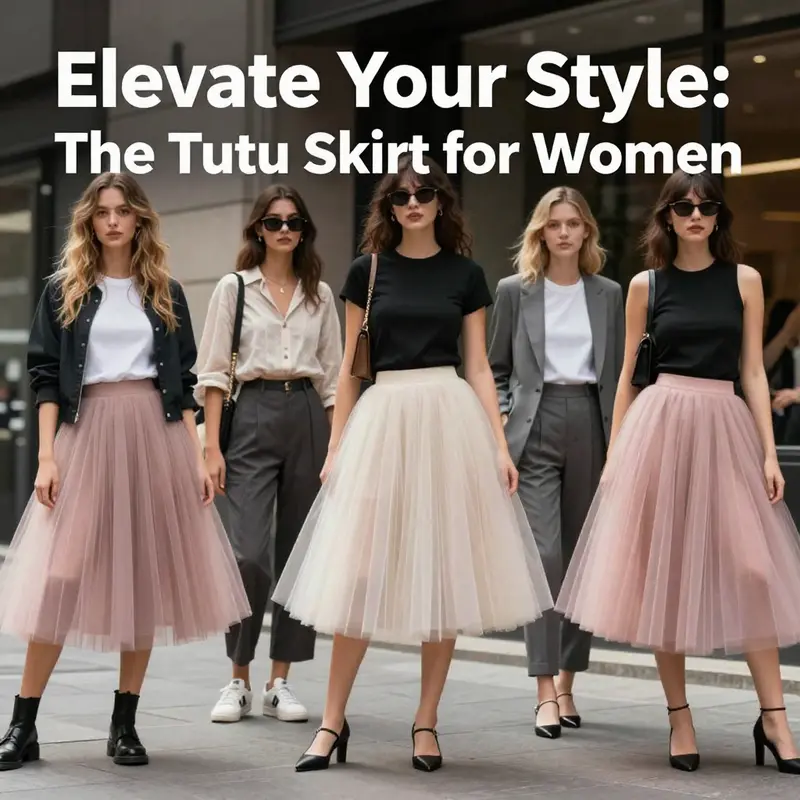
The tutu skirt has traveled a remarkable arc from its stage-bound origins to a widely embraced everyday essential. What began as a compact chorus of tulle petals surrounding a dancer’s waist now pirouettes into city streets, office corridors, and dimly lit galleries with a startling ease. Its defining feature—a cascade of light, layered fabric that holds its shape yet remains airy—does more than add volume. It creates a silhouette that elongates the leg line, cinches the waist, and invites the wearer to claim a playful sense of movement as part of her personal style. The modern tutu is less a costume than a costume for life; it invites interpretation, layering, and the kind of confidence that comes from consciously choosing whimsy with intention. In this light, styling a tutu skirt for women becomes less about one definitive look and more about a choreography of textures, colors, and proportions that align with the moment you’re dressing for.
A guiding principle emerges early in any considered approach: balance. The volume of a tutu skirt calls for restraint on top, a counterpoint that anchors the eye and lets the skirt perform without overwhelming the frame. This balance can be achieved in many ways, but the through line is simple—pair cloud-like layers with clean lines. A fitted top or a structured blouse, a slim blazer, or a sleek knit creates a counterweight to the skirt’s buoyant presence. When the upper half reads tailored and controlled, the bottom can read playful and expressive. It’s a pairing that respects both halves of the equation: the elegance of a precise silhouette and the delight of a voluminous moment.
For daytime occasions, the tutu’s charm shines brightest when softened by approachable textures and a more languid color palette. A mini tutu skirt in a soft pastel or ivory becomes a neutral canvas for more casual elements. Imagine a fitted graphic tee tucked into the waistband, the graphics drawing attention upward while the tulle adds a whisper of romance to the look. If a graphic tee feels too casual, an oversized denim shirt tied at the waist offers a similar counterpoint with a touch more polish. Footwear matters as well. White sneakers ground the look in everyday wear, while flat ankle boots bring a slightly more defined edge. In keeping with the casual energy, a compact crossbody bag and a modest sprinkling of jewelry prevent the silhouette from ballooning into distraction. The aim is to keep the overall impression light, approachable, and poised rather than dressed-up for a formal event.
The day-to-night proposition shifts when the occasion leans toward semi-formal or polished settings. Here, the tutu skirt takes on a more deliberate, eye-catching presence while still allowing space for modern restraint. A tutu in a jewel tone—emerald, deep sapphire, or a burnished gold—offers a sophisticated shimmer without becoming costume-like. Pairing this with a tailored blouse in a crisp fabric, or a thin-knit turtleneck, creates a refined top line that elegantly balances the skirt’s exuberance. Layering becomes an art form in this context: a blazer with clean shoulders and a single-button closure adds structure, while a longline coat in a neutral hue extends the leg line and introduces a modern architectural element to the ensemble. Footwear can shift toward a more elegant footprint without sacrificing comfort; the look benefits from heeled mules or pointed-toe flats that elongate the line while preserving an approachable demeanor.
In more dramatic iterations of the tutu—where multiple layers of tulle are paired with built-in lining for extra volume—the styling logic remains the same at heart but requires sharper top-half definitions. A fitted bodysuit or a tank top in a solid color can define the waist and anchor the silhouette against the skirt’s expansive shape. For added texture and dimension, a sheer mesh layer or a cropped cardigan can be layered over the base top. The emphasis stays constant: the upper body should present a clean, intentional space that lets the tutu’s volume float within a controlled frame. Accessories should be minimal but meaningful, acting like punctuation marks that clarify where the eye should rest. A slim belt can subtly emphasize the waist, while a delicate necklace or a pair of understated earrings completes the story without competing with the drama of the skirt.
Texture is a particularly ripe field for exploration when styling modern tutus. The modern tutu now frequently enters outfits that blend lace with satin, suede with tulle, or even denim with delicate chiffon overlays. These juxtapositions can harmonize the whimsical nature of the skirt with the more grounded textures that define today’s wardrobes. A lace overlay on the tutu itself, or a lace-trimmed blouse, can create a cohesive vignette where the contrasts feel orchestrated rather than accidental. The key to successful texture mixing is repetition and restraint: repeat a motif in a different context, and keep the palette cohesive so the pieces speak to one another rather than compete for attention.
Color theory also guides modern tutu styling. Soft, pale hues lend an air of romance and youthfulness, while bold, saturated tones offer a more fashion-forward, runway-inspired attitude. Neutral bases—ivory, ivory-tinted creams, or soft blush—serve as a gentle backdrop that lets the skirt’s color, shape, and volume be the focal point. When opting for a brighter hue, pair it with neutrals that don’t fight for dominance. A deep green or burgundy tutu can be offset by a black, white, or cream top, allowing the color to radiate rather than compete with other elements. Metallic finishes—silver, gold, or champagne—bring a reflective heat to evening looks, especially when paired with sleek fabrics in solid colors. The color story you choose frames the narrative of the outfit and communicates mood, season, and occasion with a few deliberate choices.
The silhouette’s length also matters for how a tutu reads in daily life. Shorter mini tutus feel buoyant and playful in the daytime, offering a wink of whimsy that’s easier to translate into streetwear. Midi and knee-length variants present a more formal, poised version that elegantly bridges casual and chic. Floor-length tutus, while less common for daywear, can perform as statement gowns for special events, especially when paired with a structured top or corseted bodice that adds historical texture with contemporary tailoring. The common thread across these lengths is proportion: shortening the upper body by choosing a cropped jacket or high-neck top can visually extend the legs when a longer tutu sits at the hips. On the flip side, tucking a longer blouse into the waistband or layering a fitted top beneath a cropped cardigan can create the impression of longer lines without sacrificing the tutu’s buoyant energy.
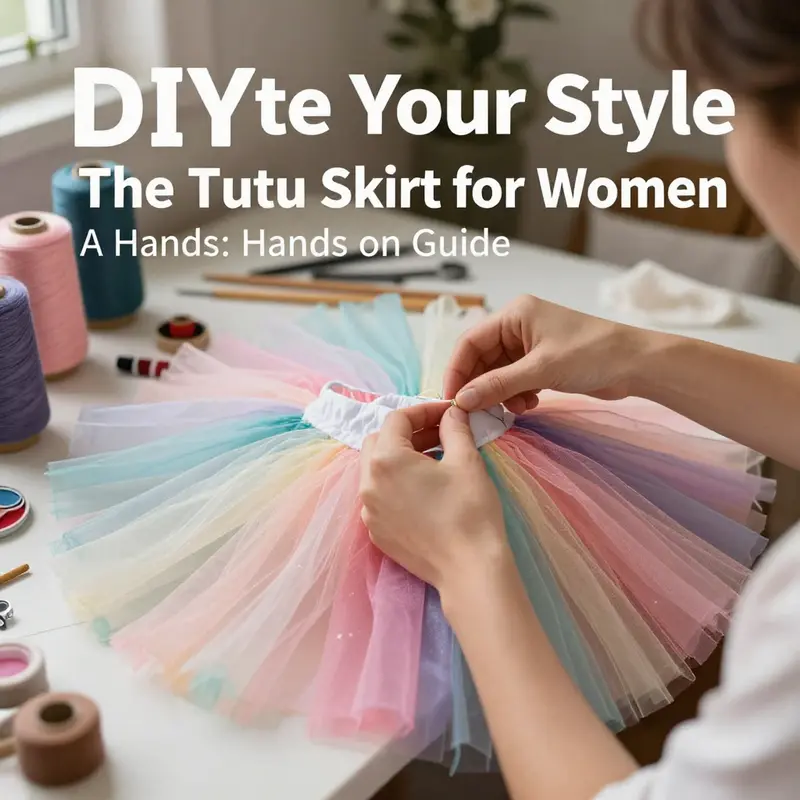
Beyond ready-to-wear combinations, the tutu encourages personal experimentation through DIY and customization. The underlying craft remains surprisingly accessible: tulle, elastic, pins, and decorative trims can yield a customized piece that fits unique measurements and personal taste. DIY projects are not just about cost-saving; they’re an invitation to participate in the process of fashion, to tailor a garment to one’s own curves and movement. This hands-on approach makes possible a tutu skirt that aligns with specific activities—cosplay, dance rehearsals, or festive gatherings—while preserving that essential sense of whimsy. Even in a world of mass production, a one-off piece communicates confidence and individuality in a way that off-the-rack items sometimes cannot.
The practicalities of care and wear often shape how a tutu is styled. Because many tutus rely on delicate mesh and multiple layers of tulle, washing and storage require careful handling. Some skirts are designed with built-in linings to make maintenance simpler, while others benefit from gentle hand washing and air drying. When it comes to storage, preserving volume means hanging the skirt or laying it flat to avoid creases that can flatten the froth of the layers. A carefully chosen hanger with a wide shoulder helps protect the waistline and prevents the elastic from losing its shape. In addition, transporting a tutu to events calls for practical planning: a garment bag can keep the layers pristine, and a light spritz of fabric freshener helps maintain a clean, airy scent between wearings. Care routines like these ensure the tutu remains buoyant and ready to perform with every outing.
The modern tutu also intersects with broader fashion movements that celebrate inclusivity and versatility. The idea that a single piece of clothing should define or constrain a woman’s expression has given way to a more expansive perspective: a tutu skirt can be layered over jeans for a casual weekend statement, or paired with a blazer and trousers to craft a look that reads as contemporary and bold rather than costume-like. This adaptability makes the tutu a reliable companion through shifts in personal style, life stages, and social settings. It’s not merely about what you wear, but how you wear it—how you shape the energy you bring to a room through a choice that is at once playful and deliberate. The result is a garment that can be as quiet as a whisper or as bold as a chorus, depending on how the pieces are combined and how the wearer carries herself through the moment.
Throughout the exploration of modern styling, a sense of storytelling remains central. Each choice—from fabric texture to color to silhouette—contributes a line to a larger narrative about self-expression. The tutu skirt, with its inherent whimsy, invites a narrative that can be serious or light, formal or relaxed, depending on context. It rewards thoughtful curation rather than impulse purchases. The wearer who thinks through layers, textures, and proportions discovers that the skirt is not an isolated flourish but a flexible foundation upon which a wardrobe can be built. And this is where the tutu transcends its origins: it becomes a prop for personal storytelling, a way to present mood, occasion, and energy with clarity and charm.
To readers seeking a direct way to connect design and practice, consider a curated example of the possibilities available in the broader market and culture. For those drawn to a softer, more playful palette, a tutu in ivory with subtle embellishment can be read as a neutral anchor for a graphic tee and denim. If the intention leans toward elegance with a modern edge, a velvet or satin corset top paired with a full, layered skirt provides a dramatic silhouette that still honors contemporary comfort and movement. The key is to treat the skirt as a conversation starter rather than a solitary statement—the other pieces should respond, echoing lines, colors, and shapes that reinforce the overall impression. This approach allows a tutu skirt to live in multiple contexts, from daylight outings to evening performances, without appearing out of place or inappropriate for the setting.
For readers who want to explore a tactile, hands-on approach to style, the tutu also invites a playful DIY mindset. A basic kit can yield a personalized piece that reflects color, length, and embellishment choices that honor one’s own sensibilities. The process itself—planning, cutting, layering, and finishing—becomes part of the aesthetic dialogue. It’s a reminder that fashion can be collaborative and experimental, not merely replicative. And when a person builds her own tutu or customizes one she owns, the garment carries a sense of ownership and pride that enriches the entire styling experience. This blend of craftsmanship and fashion philosophy is what makes the tutu enduringly appealing in a world that values both creativity and practicality.
In the end, the tutu skirt’s modernization is less about abandoning its heritage and more about integrating its essence with the vocabulary of today’s wardrobes. It remains a symbol of whimsy and movement, a veil of soft drama that can be worn with the ease of a favorite denim jacket or the precision of a tailored blazer. The result is a look that can travel from a sunlit brunch to a gallery opening with equal ease, always grounded by thoughtful proportions and purposeful styling. The tutu’s versatility makes it an enduring study in how clothes feel when they are worn with confidence: not merely seen, but experienced, maneuvered, and made personal. As the broader fashion conversation continues to evolve, the tutu skirt stands as a reminder that fashion can be both joyful and pragmatic, a refined tool for telling a story about who a woman is in the moment she wears it.
For readers who want to explore a ready-made glimpse of the playful possibilities mentioned here, a related piece to consider is a pink ballet costume selection that demonstrates the balance of whimsy and polish in action. pink ballet costumes for sale—Sleep Beauty, gilded edge.
External reading and inspiration can be found in fashion guidance that blends practical styling with the latest trend insights. For a broader, authority-driven perspective on tutu skirt styling, see the Vogue article on chic and versatile ways to style a tutu skirt for women—from casual to elegant. Vogue: Chic And Versatile Ways To Style A Tutu Skirt For Women From Casual To Elegant
null
null
From Ballet to Boulevard: A Modern Woman’s Journey with the Tutu Skirt
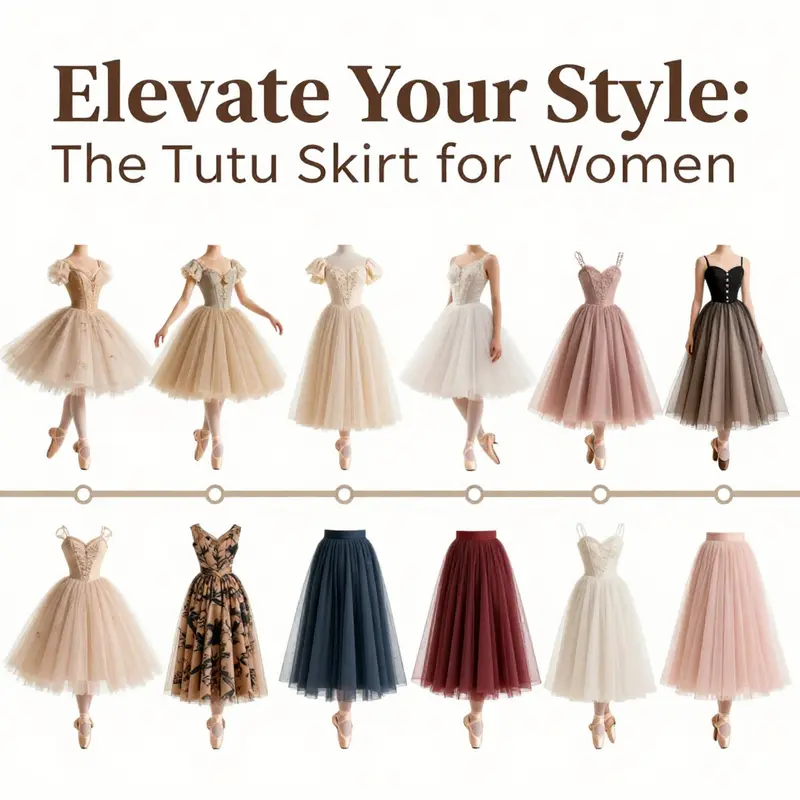
The tutu skirt has traveled a remarkable arc from the studio to the street, a migration that speaks to how fashion can translate discipline into playful expression. Its origins lie in the 19th century ballet stage, where dancers wore multiple layers of tulle to create a silhouette that could sparkle under stage lights and follow the lines of a dancer’s movement. The traditional tutu, with its stiff, dome-like shape and crisp, machine-cut layers, was less a garment of daily life than a carved sculpture in motion. Yet even in that pure, performance-driven form, the tutu established a principle that would outlive the theater: volume at the waist and a light, feathery lift that elongates the leg and lifts the posture. This visual grammar—a defined waist, a buoyant skirt, and a silhouette that reads lightness even when it weighs a little—proved irresistible beyond the curtain call. It proved that clothes could be both a device for movement and a message about personality, about confidence, and about the joy of wearing something that looks as if it belongs to a dream you can step into at will. Over time, the tutu shed some of its formal rigidity and learned to speak in several fashion dialects, each one suited to a different mood, setting, and body type. The shift did not erase its lineage; it expanded it. The result is a tutu skirt for women that can feel like a casual gesture one day and a dramatic statement the next, all while preserving the core illusion of lift and elongation that makes the silhouette so universally flattering. The transformation is less a breakup with the past than a dialogue with it, a conversation about how to honor a historic silhouette while inviting it to participate in contemporary life. In that dialogue, the tutu becomes both a reminder of elegance and a tool for self-expression. It invites experimentation, whether layered with denim and a graphic tee for a street-ready look or paired with a corset top and velvet for a formal moment that feels vintage and new at once. This flexibility is at the heart of the tutu skirt’s enduring appeal and its enduring relevance for women who want fashion to keep pace with life’s varied tempos. The modern tutu is not a single garment but a family of silhouettes, each variant tuned to different occasions, fabrics, and comfort needs. Designers have experimented with softer, breathable fabrics such as cotton blends and stretch knits. They have introduced elasticized waists, smoother lines, and more relaxed drapes that respect natural movement yet retain that signature puff. The result is a garment that can settle softly against the hips, skim the thighs, or rise into a dramatic flare as the tempo of the moment invites it. This evolution matters because it aligns with body diversity. The tutu of today keeps the waist as a visual anchor but accommodates a broader range of shapes and proportions. It allows women with fuller hips or pear-shaped figures to experience a silhouette that defines the waistline, creates a vertical line, and keeps the gaze attracted to movement rather than being overwhelmed by fabric. The shift toward inclusive sizing and adaptable cuts makes the tutu feel less like a costume and more like a lifestyle choice. When styling for everyday wear, the tutu often sheds its theatrical nerves and becomes a playful yet real garment you can reach for without ceremony. A soft pink or ivory mini tutu, paired with a fitted graphic tee or an oversized denim shirt tied at the waist, carves out a look that reads chic rather than childish. The key to keeping the volume from overwhelming the frame is balance: tuck in at the waist to emphasize the silhouette, lean on a flat or low-heeled shoe, and choose delicate accessories that do not compete with the skirt’s buoyancy. White sneakers or flat ankle boots preserve a casual vibe, while a crossbody bag and pared-down jewelry prevent the look from becoming too busy. It’s in these deliberate contrasts—between the structured fullness of the skirt and the ease of a simple top—that the tutu becomes a versatile building block rather than a costume. The modern tutu’s ability to adapt is not only a matter of color and fabric but also cut and proportion. Designers experiment with high-waisted lines that cinch and define, baby-doll silhouettes that soften the waist, and hems that hover just above or graze the knee for a playful yet refined expression. Lightweight boning, where used, is engineered to retain shape without creating stiffness or discomfort, ensuring the garment can move with the wearer rather than against her. The result is a tutu skirt that speaks to a broader audience of fashion lovers who crave whimsy but insist on practicality. For evening events, the tutu often becomes a stage for more saturated drama. The corset tutu dress, with a structured top and a full, layered skirt, marries a vintage sense of proportion with contemporary drama. Velvet, satin, or silk fabrics carry a tactile richness that elevates the silhouette, while details like delicate lace overlays, subtle sequins, or tasteful glitter catch the light in a way that reads as sophisticated rather than overblown. In 2026, this sartorial conversation leans toward vibrant, expressive colors—deep burgundies, rich purples, or even rainbow palettes—paired with materials that remain light and comfortable enough to wear for hours. The appeal of these combinations lies in the balance between bold color and mindful construction; the wearer can move, dance, or toast with the same ease, with the tutu acting as a frame for personal expression rather than a rigid costume. The DIY movement around tutus further democratizes this garment, turning a simple kit of tulle, elastic, pins, and trims into a canvas for customization. Crafting your own tutu invites a tactile relationship with fashion—choosing the shade of tulle, deciding on the length, adding ribbons, lace, or fabric flowers. This approach allows for a tailored fit that suits a specific event or personality, whether it’s cosplay, a festival look, or a playful weekend outfit. DIY tutus empower individuals to translate mood into material, transforming an idea into wearable art that resonates with the wearer’s identity. Beyond the individual, the tutu skirt has also become a symbol of modern design experimentation. Contemporary versions incorporate mixed textures and flirt with contrast. Think lace layered over tulle, cascading ruffles at the hem, or denim accents that introduce a casual edge to a silhouette historically associated with romance and fragility. These evolutions blur the lines between costume and everyday wear, inviting a broader audience to experiment with a look that was once considered exclusive to stage performances. The tutu’s capacity to inhabit multiple modes—from princess fantasy to grown-up elegance—makes it a flexible focal point for a wardrobe. It can stand alone as a statement piece or be layered with other fabrics like tweed, leather, or lightweight knits to create outfits that feel grounded, modern, and self-possessed. The shift toward inclusive fashion has deepened this flexibility. Plus-size and extended-size offerings ensure the silhouette achieves its iconic waist-definition and leg-lengthening effect across a wider range of bodies. This cultural shift mirrors a broader movement in contemporary fashion toward self-expression and body positivity. As a result, the tutu skirt is no longer a single moniker for a look but a language of personal style. Consumers glimpse a world where a single piece can echo through different moods, occasions, and identities with gentle ease. The marketplace responds with variety, aligning with the demand for color, length, and texture. In open marketplaces you can find versions designed for dance practice, performance, or casual wear in colors spanning from sea foam to midnight. The value proposition lies not just in aesthetics but in adaptability: a tutu can layer over jeans for a street-smart ensemble, or pair with a blazer for a structured, unexpected twist that reads as contemporary chic. The evolving tutu also becomes a case study in sustainable fashion when designers experiment with renewables and remixes of materials. Recycled fabrics, responsibly sourced trims, and careful pattern cutting help reduce waste while preserving the silhouette’s generous volume. In practice, the result is a skirt that feels light on the body and on the environment, offering a forward-looking take on a garment rooted in history. The tutu’s journey from stage to street has a further resonance: it is a garment that invites collaboration. A wearer can collaborate with color, texture, and layering to craft a look that reflects a moment, a mood, or a memory. This collaborative spirit aligns with the broader fashion goal of personal empowerment through clothing. It helps each woman claim a sense of agency in how she presents herself to the world. The tutu thus becomes more than fabric; it becomes a narrative tool. It tells a story of movement, of confidence, and of the audacity to be seen. It offers a tactile reminder that fashion can be immensely expressive and deeply practical at the same time. The modern tutu skirt is also a bridge to performance culture without demanding performance. It can support a casual dance class or a festival parade and still retain the elegance tied to its origin. A well-cut tutu offers a frame for the wearer’s presence and personality, letting movement become the focal point rather than the fabric alone. The velvet crescendo of a corset tutu dress may be the grand moment, yet the everyday satin or cotton versions offer a daily ritual of joy and self-care. Both ends of the spectrum share a single thread: the waistline remains the anchor, and the skirt’s volume becomes a visual celebration of the body in motion. In a world where fashion moves quickly and trends cycle with new energy, the tutu skirt endures because it makes a statement about self-possession. It invites playfulness, but it also demands respect for the craft that shapes the silhouette. The tutu is not merely a costume; it is a working wardrobe staple for many women who want to inject whimsy into their routines without losing legibility in professional or social settings. The result is a garment that can be a starting point for countless ensembles, each one carefully balanced to honor both history and modern life. An anchor in all seasons, the tutu appeals to a wide spectrum of ages, styles, and occasions. It holds space for experimentation, while preserving the quiet confidence that comes from a fit that feels right and a silhouette that flatters. The tutu skirt’s evolving language—soft, chic, bold, subtle—allows a wearer to change the tone of an outfit with a simple swap of top, footwear, or accessories. It is a testament to how a single silhouette can carry a lineage while remaining profoundly current. For those seeking to explore this journey further, a sample of how practitioners and enthusiasts are engaging with the tutu in contemporary fashion can be seen in the way color, texture, and length are curated to suit personal taste, event type, and comfort level. The canvas remains wide open: a color story, a texture play, a hem that skims the knee or swirls at the ankles. The tutu skirt is more than a piece of clothing; it is a gesture toward possibility. It invites a sense of play, yet it does so with a discipline learned on the stage, now redirected toward everyday life. It is a technology for confidence, a tool for personal expression, and a link between artistry and practicality. And in that crossroad lies the chapter’s calm truth: a tutu can be light as air, bold as color, and wonderfully wearable. The journey remains ongoing, and each season adds a fresh layer to the story, inviting new readers to step into the narrative and find their own cadence within the swirl of tulle. As you move toward the next chapter of this article, consider how the tutu’s history informs your own wardrobe choices. Reflect on how rhythm, movement, and balance shape your look and how a single garment can embody both heritage and modern edge. The tutu skirt for women continues to evolve as a statement of personal style, a celebration of movement, and a testament to the enduring appeal of a silhouette that has learned to dance with time. pink-ballet-professional-tutu-with-golden-trims-cost-effect-t0503/ The chapter closes not with a final decree but with an invitation to explore, adapt, and wear with intention. For those who want a broader view of global accessibility and fashion marketplaces, the tutu appears as a symbol of inclusive design and democratized style across cultures and economies. Whether supporting a dance routine, enhancing a cosplay, or simply brightening a weekend, the tutu skirt offers a versatile, empowering option for women who value movement, color, and a touch of whimsy in their everyday life. External resource: https://www.aliexpress.com/item/1005005867346765.html
Final thoughts
Understanding the multi-faceted nature of the tutu skirt empowers business owners to connect with diverse consumers. By incorporating modern styling techniques, promoting DIY customization options, and recognizing the garment’s historical significance, businesses can enhance their offerings and foster a creative community around this timeless fashion piece. Embracing the tutu skirt may not only expand inventory but also ignite a passion for fashion that resonates with consumers at various levels.