
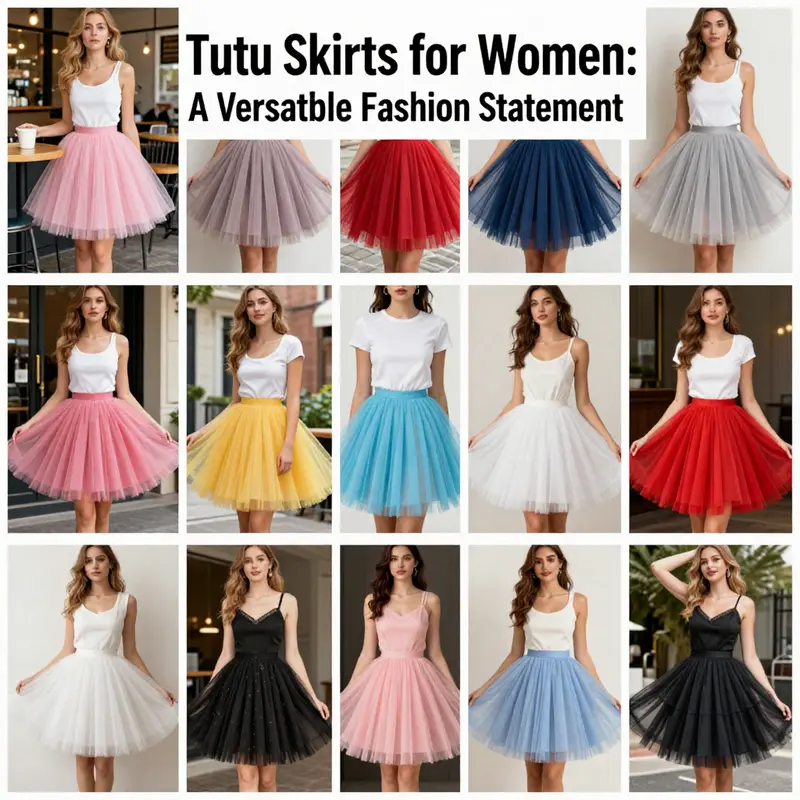
Tutu skirts for women have emerged as a dynamic fashion choice, exuding versatility that accommodates both leisure and formal events. With their voluminous structure and playful aesthetic, these skirts invite creativity in styling, making them suitable for various occasions. From casual daytime wear paired with graphic tees to sophisticated looks perfect for weddings or cocktail parties, tutus are an expression of individuality and flair. This article will delve into the diverse ways to style tutu skirts, understand the materials that shape them, their role in dance and performance, emerging trends, and the cultural significance they carry from ballet to contemporary fashion. Each chapter builds upon the last, offering business owners insight into the market potential of tutu skirts in their fashion lines.
Twirl with Purpose: Mastering Casual and Formal Styling of Tutu Skirts for Modern Women
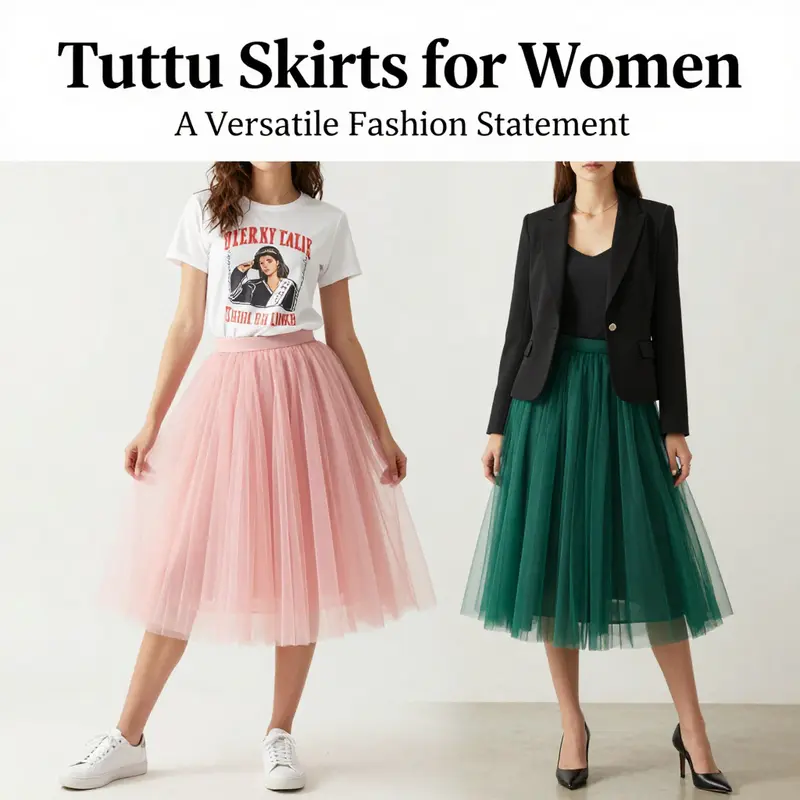
From the first flutter of tulle to a silhouette that moves with the body, tutu skirts carry a paradox: they are at once playful and poised, airy on the eye yet grounded in craft. They offer a trace of whimsy without sacrificing polish, and they invite a dress choice that speaks in motion as much as in stillness. For women navigating a wardrobe that must adapt from coffee dates to gala evenings, the tutu becomes a trusted shorthand for expressed mood—bright, imaginative, or boldly structured.\n\nCasual chic comes easily when soft color and careful balance align. A ivory or pastel pink mini tutu becomes more than a color statement; it becomes a frame for everyday life. Pair it with a fitted graphic tee that adds a touch of humor or with an oversized denim shirt cinched at the waist to create a relaxed line that still honors the skirt’s volume. White sneakers keep the look grounded, while flat ankle boots can lend a tougher edge when the city demands practicality. A crossbody bag offers hands-free ease, and minimal jewelry ensures the eye lands where it should—on the movement and silhouette rather than on a jumble of distractions. In this light, tulle is not a costume element alone; it is a texture that, when worn with intention, communicates confidence, playfulness, and polish. The sentence from an image consultant and wardrobe strategist captures this shift in mood beautifully: tulle isn’t just fabric—it’s an attitude. When worn with intention, it communicates confidence, playfulness, and polish.\n\nThis casual approach deserves a nod to fit and proportion as well. The tutu’s fullness can be balanced by keeping the upper half clean and streamlined. A fitted tee or knit sweater acts as a counterpoint to the skirt’s volume, while the hemline of the top can echo the length of the tutu to create a harmonious line. Shorter length hems invite movement and show leg; longer shapes whisper elegance and formality without demanding a heavy coat of makeup or a completely transformed evening persona. In practice, the look works because the skirt does not compete with every other element on the body; it completes them, weaving together texture, color, and proportion into a memorable, wearable story.\n\nShift now to formal occasions, where the tutu reveals another facet of its versatility. For a truly elevated appearance, the emphasis moves from casual ease to controlled structure and luxe texture. A longer tutu in deeper hues—black, burgundy, midnight blue—tells a different story, one that is anchored by the weight and drape of high-quality tulle or organza. The key here is silhouette and layering. A sleek bodysuit or satin camisole, chosen in a color that harmonizes with or playfully contrasts the skirt, provides a clean backbone for the ensemble. To add depth, consider a sheer lace shrug or a tailored blazer that introduces modern lines without breaking the skirt’s rhythm. Heels become the leg-lengthening instrument in this setting; stilettos or embellished mules draw the eye up and over the fullness, making the ensemble read as poised rather than cartoonish. In terms of accessories, think statement earrings that echo the color story, a clutch with quiet luster, and a bold lip that can anchor a dramatic look without competing with the garment’s movement.\n\nIf the occasion calls for something with a stricter, almost couture edge, the corset tutu dress stands out as a deliberate fusion of historical silhouette and contemporary drama. The corset’s structured support contrasts with the tutu’s fluttering volume to create a shape that reads as sculptural on the body. The palette tends toward luxurious textures—velvet, silk, or satin—with subtle shimmer that catches the light when a dancer’s spin turns a corner of a ballroom. This approach can be especially striking for galas, weddings, and performances, where the garment must perform as well as it photographs. The result is a look that honors craft and storytelling in equal measure, where movement becomes the accessory and confidence is the final embellishment.\n\nThe modern tutu, however it is styled, rests on a few enduring principles: fit, fiber, finish, and intention. The multi-layered structure of the skirt is essential to its signature bounce, but it is not a free pass to neglect the rest of the outfit. Elastic waistbands can offer comfort and adaptability for long nights out or marathon events, while layers of tulle or chiffon create the texture that defines the piece. The choice of color—from pale pastel to deep jewel tones—affects not only mood but lighting, how the skin reads in photos, and how the wearer interacts with a space. In more casual settings, lighter fabrics and shorter lengths keep the atmosphere buoyant and approachable. In formal settings, thicker textures and longer lengths yield a refined line that reads as timeless rather than trendy. The aim is a coherent dialog between fabric, form, and function, with the tutu serving as a focal point around which the rest of the ensemble orbits.\n\nFor readers seeking a ready-to-wear point of reference that leans into color and playful energy without losing sophistication, consider a pink-tinted option that sits comfortably at the intersection of performance and street style. The garment’s ability to move with the body—catching light with every turn—helps explain why tutu skirts have endured as a fashion staple across occasions. If you want a direct, on-brand example that aligns with the casual-to-formal spectrum described above, you can explore this option: pink-ballet-professional-tutu-costumes-sleep-beauty-t0609. It embodies the idea that a tutu can be a versatile partner rather than a costume, a partner that bravely moves with you through a day that blends work, leisure, and celebration.\n\nAs you experiment, remember that the added dimension of movement is part of the tutu’s magic. The layers ripple with every step, and a well-chosen silhouette can extend or reduce perceived height, guiding how a person stands and breathes in a room. When you understand your priorities—whether you want to charm a brunch crowd or command attention at a formal reception—your styling choices can honor both the garment and the moment. Your intention is to select fabrics that read well on camera, opt for lengths that flatter your figure, and pair the skirt with pieces that reinforce the look’s purpose rather than competing with it. The result is a wardrobe that feels fresh and anchored at the same time, a space where whimsy and polish coexist.\n\nFor further perspective on how top fashion authorities approach tutu styling for a spectrum of occasions, see the practical guide in The Cut’s styling notes. The article presents accessible, real-life examples that echo the ideas here while offering additional angles on color, proportion, and finish. External resource: https://www.thecut.com/style/2025/12/how-to-style-a-tutu-skirt-for-every-occasion
From Tulle to Tactile Flow: Understanding the Fabrics and Design Language Behind Women’s Tutu Skirts
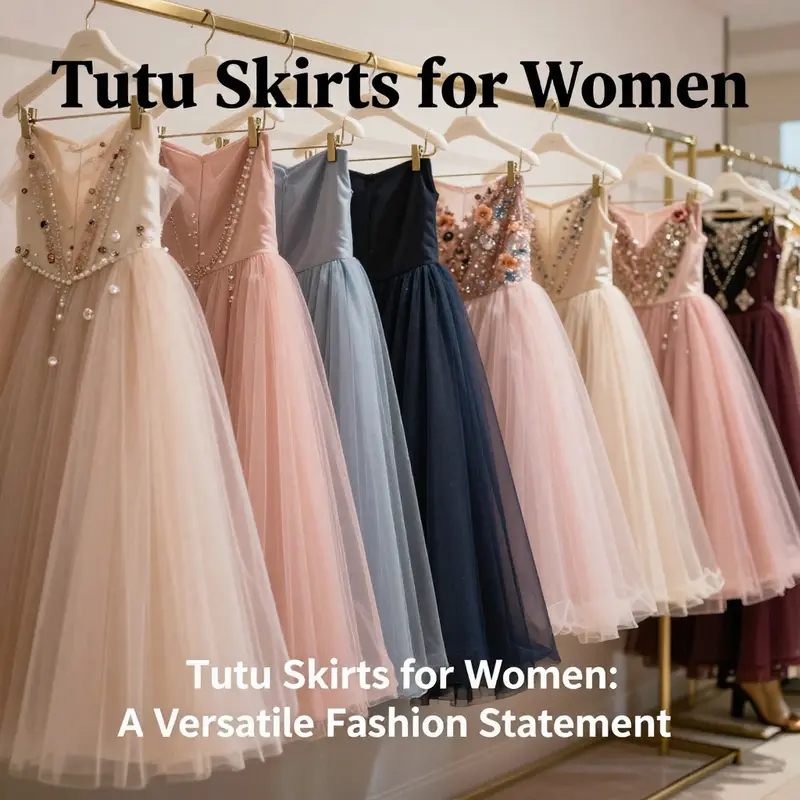
Tutu skirts for women speak a language of volume and movement, but their true voice comes from the fabrics that sculpt and support that signature silhouette. At the core, tulle remains the defining material, a lightweight, stiff netting whose morning stiffness becomes evening poise when layered and twirled. Yet the contemporary tutu has moved beyond a single fabric, embracing blends that soften the touch without sacrificing the dramatic shape. This evolution matters because the choice of material governs how the skirt sits, flows, and endures in daily life as well as on stage or at special events. A modern tutu often mixes tulle with chiffon for a more forgiving drape, or with cotton and nylon blends that allow for breathability and ease of wear during longer outings or dance-inspired activities. The result is a garment that can feel almost like a second skin when walked in, yet still hold a whimsical, architectural silhouette that demands attention as it moves through space and light.
The tactile experience of these fabrics matters as much as the look. Pure tulle provides the backbone—a crisp, airy cling that holds a flare of volume even when the wearer is standing still. But when designers add chiffon’s softer hand, the skirt gains a forgiving halo that flickers with every spin. Cotton blends introduce a touch of everyday comfort without erasing the ethereal lift. Nylon, known for its resilience, improves durability and reduces wrinkling, keeping the tutu appearing buoyant and well-formed from morning routines to late-night recitals. Quick-dry technologies and breathable blends respond to real-world needs, especially for those who want to wear a tutu during playful social gatherings or dance practices without feeling overheated or damp after a full day of movement.
Beyond the everyday practicality, specialty fabrics push the design into visually striking territory. Foil print fabric brings a regal sheen that catches the eye in candlelight or stage lighting, elevating a tutu from a party garment to a statement piece. Glitter-print mesh, equally bold, offers a sparkly, kinetic surface that photographs beautifully and amplifies motion, making it a favorite for DIY projects, celebrations, and fashion-forward shoots. These finishes don’t merely decorate; they participate in how the garment reads in different contexts—from casual daytime social scenes to high-energy performances where every flutter of the hem contributes to the overall choreography of the moment.
Structure and edge are not at odds with softness. Designers are increasingly pairing traditional tulle overlays with military-inspired fabrics in a controlled, editorial clash that feels both modern and intentional. Olive greens, khakis, or sandy beiges can appear beneath a sheer, voluminous layer, producing a tutu that reads tough and refined in the same glance. This fusion supports a broader aesthetic range—from whimsical to avant-garde—without sacrificing the familiar buoyancy that makes a tutu instantly recognizable. The result is a skirt that can sit at a cocktail party with a sleek blouse and heels or accompany a leather jacket for a bold, fashion-forward statement. It’s a reminder that materials are not merely a choice but a storytelling device; they tell a story of how light interacts with fabric, how air moves through layered texture, and how a skirt can adapt to different settings while retaining its core character.
From a construction standpoint, modern tutu design leans into features that enhance wearability while preserving drama. Elastic waistbands are a practical anchor, allowing for a comfortable fit across a range of body types and activity levels. They also respond to growth, making tutus a versatile option for evolving wardrobes. Decorative details—bows, layered ruffles, or delicate applique—offer a playful nod to tradition while inviting personal expression. When crafted with care, these accents sit subtly on the surface, avoiding over-dominance so the full volume remains the focal point. For performers and enthusiasts, performance-oriented features matter as much as aesthetics. Hypoallergenic fabrics reduce irritation for sensitive skin, a thoughtful inclusion in children’s wear and adult costumes alike. Anti-static finishes can keep the fabric from clinging during lively dance routines, while reinforced seams help the tutu withstand frequent spin, jump, and toss motions that define a memorable performance.
The question of care also shapes fabric choice. Gentle handling, careful washing, and air drying extend the life of the tutu’s delicate layers. The more forgiving blends require less maintenance than pure tulle, yet even the stiffest overlays respond well to thoughtful maintenance. Storage is another design consideration; hanging the skirt by the waistband prevents unwanted creasing in the full layers, and storing it in a cool, dry place preserves texture and color. These practical guidelines matter because a tutu that looks stunning in a showroom or during a rehearsal can lose its magic if the fabric stiffens or the layers crumble after a few wears.
As the materials palette expands, the possibilities for styling grow in tandem. A casual daytime look might pair a tutu skirt in a soft ivory or pale pink with a fitted graphic tee or a loose denim shirt cinched at the waist. White sneakers or flat ankle boots keep the vibe relaxed yet purposeful, and a minimal crossbody bag allows the fullness of the skirt to remain the center of attention. For more formal occasions—cocktail parties, weddings, or performances—the same silhouette can be elevated with a longer length, deeper hues, or subtle embellishments. A sleek blazer or a fitted top in a rich shade, coupled with classic heels, can transform playful volume into poised elegance. This adaptability underscores why fabric choice is so central: it dictates not just the look but the energy a wearer can project in any given moment.
In exploring these materials, it is worth noting the broader ecosystem of production and sourcing. The evolution of tutu fabrics reflects a balance between traditional techniques and modern innovations. The integration of quick-dry technologies, air-flow fabrics, and hypoallergenic finishes reveals a trajectory toward comfort without compromising drama. The rise of understated, durable military-inspired textiles beneath sheer overlays points to a design mood that honors both whimsy and resilience. For readers curious about how fabric trade and sourcing intersect with design, industry resources offer a macro lens on how these fabrics are engineered, graded, and brought to market. See the broader supply chain context here: https://www.alibaba.com/product-detail/Latest-Skirt-Design-Fluffy-Pettiskirt-Wholesale_1600495385227.html?spm=a2700.191209.0.0.5e5c1a3bKJFvRj
For a concrete example of how these fabric choices translate into a real-world look, you can glimpse a related ready-to-wear interpretation that blends contemporary color, performance feel, and classic tutu volume. A glimpse into this fusion is available through a related collection page that showcases the pink ballet-inspired tutu silhouette, combining professional construction with romantic color. See pink-ballet-professional-tutu-costumes-sleep-beauty-t0609 to appreciate how the same materials can yield a garment suitable for rehearsal, stage, or a stylish everyday moment. This link demonstrates how a single material language can adapt across contexts, reinforcing the idea that fabric is a decision about how life will be lived in a skirt, not just how it will look when photographed.
In sum, the fabric and design of tutu skirts for women embody a dialogue between tradition and invention. Tulle remains the signature backbone, yet modern blends, specialty finishes, and edge-driven textures give designers leeway to choreograph volume with comfort, durability, and personality. The elastic waist, decorative touches, and performance-ready features are not afterthoughts but essential tools that empower wearers to express themselves—whether they are dancing, walking, or simply imagining a scene in which whimsy and poise share the stage. And as materials evolve with new finishes, breathable blends, and smarter finishes, the tutu continues to drift beyond its classical roots, inviting every woman to find a fit, a shade, and a rhythm that feels as good as it looks.
Tutu Skirts in Motion: The Dance of Form and Function
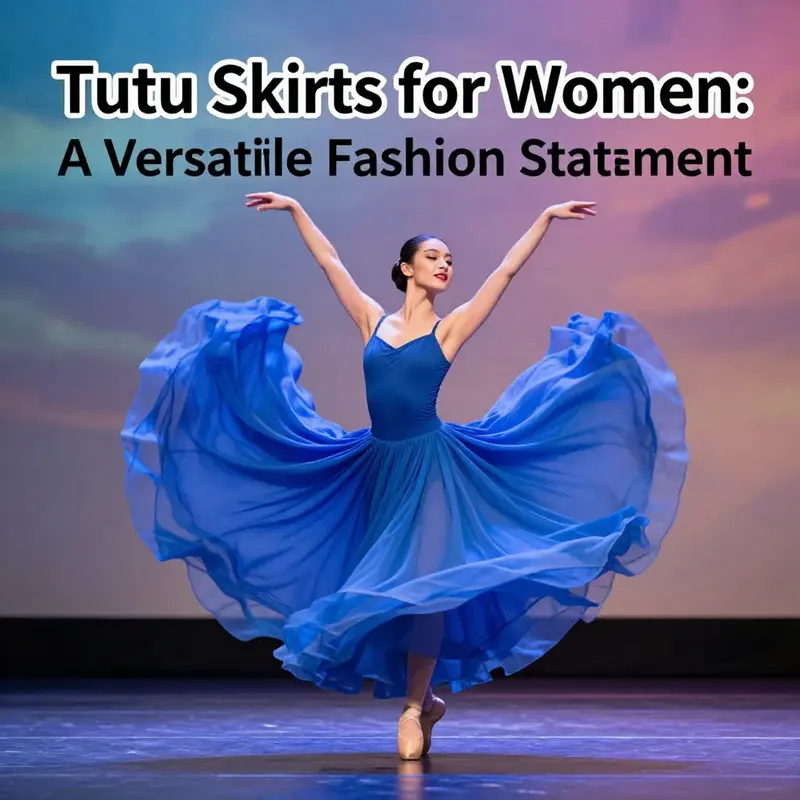
Tutu skirts for women occupy a unique space where artistry and apparel meet on stage. They are more than decorative; they are designed to support movement, catch light, and communicate rhythm to the audience. The silhouette, weight, and fabric texture all interact with the dancer’s line, tempo, and breath. In classical ballet, the tutu’s balloon shape helps keep the leg readable while amplifying each gesture. The stiff layers of tulle are chosen to hold a refined horizontal profile and to respond to turns and leaps with predictable snap. In this context, the tutu is both a costuming element and a cue for timing and visual clarity.
Modern approaches expand the vocabulary. Contemporary tutus may employ more flexible cuts, stretch fabrics, and varied hems that favor range of motion over rigid projection. Designers experiment with color, texture, and layering to support a choreography’s mood without compromising mobility. The result is a versatile tool that can range from minimal to theatrical, always balancing form with function so the dancer remains free to express intent.
Care and construction matter as much as aesthetics. Elastic waistbands, lined interiors, and durable finishes help tutus withstand long rehearsals, rapid costume changes, and the rigors of lighting and sweat. Across both classical and contemporary contexts, a well-made tutu preserves line, supports safe movement, and enhances the audience’s perception of motion. When chosen with intention, a tutu becomes a living part of the dancer’s body, translating tempo, precision, and emotion into visible shape.
For readers seeking a reference point, many museums and studio resources discuss tutu history and technique, illustrating how different eras favored different silhouettes while preserving the core goal: to present the leg work clearly, lift the eye with fabric, and celebrate motion.
Tutu Skirts for Women: Everyday Versatility with Flair
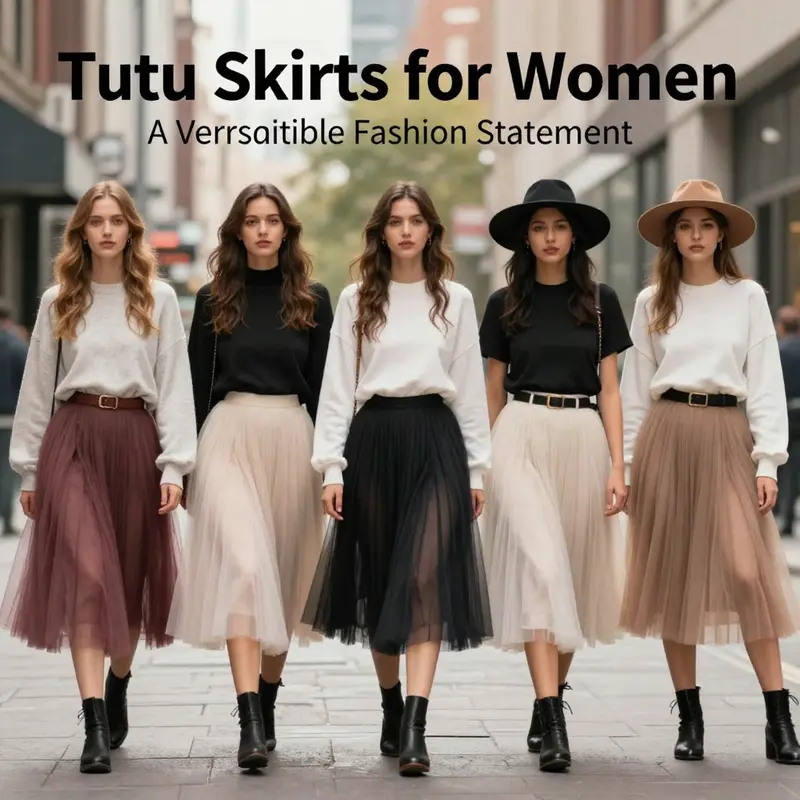
Twirl-worthy tutu skirts have moved beyond stagewear to become versatile staples for modern wardrobes. They pair gracefully with casual pieces for daytime looks and lift evening outfits with a touch of playful drama. Today’s tutu skirts come in a range of fabrics—from soft tulle to light chiffon—and in colors from ivory and blush to deep emerald or noir black. The result is a single piece that anchors casual outfits or elevates a night out.
Casual styling emphasizes balance: let the skirt be the focal point and keep the rest of the silhouette quiet. Pair a pale ivory tutu with a simple tee, a neutral cardigan, or a fitted knit. White sneakers or sleek ankle boots anchor the look, while minimal jewelry preserves the skirt’s movement. The goal is ease, comfort, and a sense of intentional polish rather than fuss.
For more formal occasions, the tutu can be dressed up with structure: a tailored blazer, a sleek top, or a dressy heel. Midi lengths, subtle embellishments, and tonal layering create drama without overwhelming the wearer. Elastic waistbands and adjustable layers help the pieces fit a range of body types while maintaining comfort for long conversations or dancing.
Innovation in tutu design points to sensory-friendly finishes, easy-care fabrics, and versatile silhouettes that transition across settings. Foil prints, delicate embroidery, and muted metallics offer visual interest, while multi-layered construction ensures lift without bulk. The result is a modern garment that feels both aspirational and approachable, ready for a coffee run, a gallery stroll, or a celebration.
Ultimately, the tutu is a living wardrobe piece—a tool for mood and movement. Start with a simple base, listen to how the fabric moves, and build around it with textures and color. When styled with intention, the tutu becomes less costume and more personal expression, a reminder that fashion can be comfortable, expressive, and endlessly fun.
From Ballet Stage to Everyday Streets: The Cultural Arc of Tutu Skirts for Women
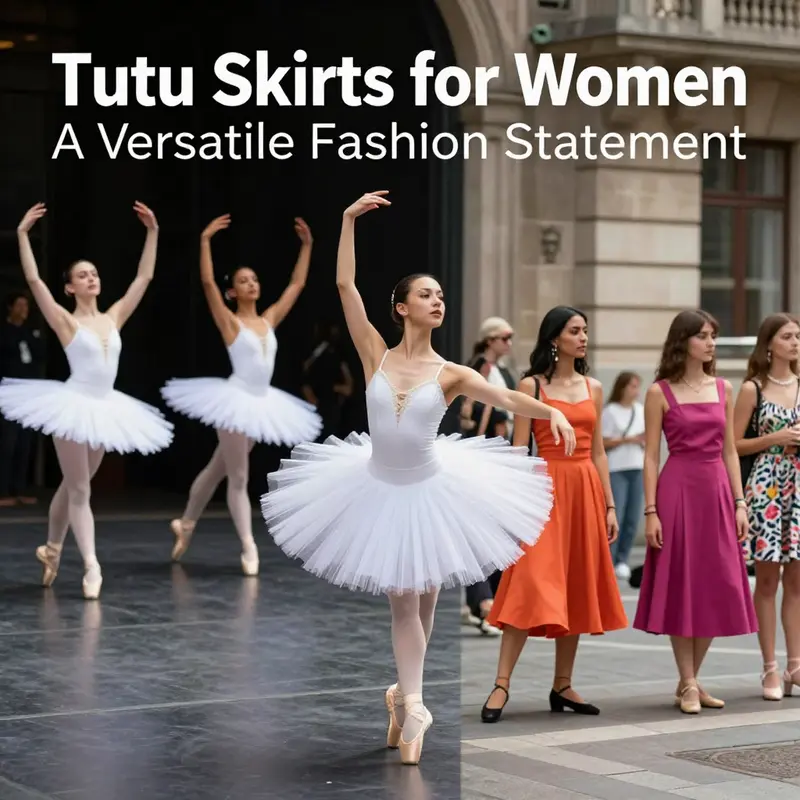
The tutu skirt travels a remarkable arc. It begins as a concentrated instrument of movement in the dance studio and winds its way into living rooms, streetwear, and weekend celebrations. Its presence signals more than whimsy or drama; it marks a conversation about femininity, performance, and the ways clothing can fuse art with daily life. Across settings, the tutu’s silhouette remains instantly recognizable, yet its meanings shift with context. In galleries of style, it becomes a vehicle for storytelling, for personal mood, and for a sense of freedom that resists tidy categorization. The garment invites both discipline and play, demanding a balance between grace and grit, between structure and spontaneity. And because it can be built from multiple layers of light fabric like tulle or chiffon, it naturally offers volume without heaviness. The result is a piece that catches light as it moves, creating a sense of buoyancy that seems to defy gravity even when worn for a casual afternoon stroll or a formal evening gathering. This capacity to oscillate between discipline and delight lies at the heart of the tutu’s cultural staying power.
Historical roots anchor the tutu in a lineage that stretches back to the Romantic era. The era’s aesthetics celebrated ethereal beauty and the idea of the dancer as a modern-day myth. When Marie Taglioni debuted the long, flowing Romantic tutu in La Sylphide, movement and fabric synchronized to convey airiness and elevation. The emphasis was movement itself—the fabric seemed to become an extension of the dancer’s light footwork, a visual echo of breath and intent. It was less about stiffness and more about an impression of weightlessness, a metaphor for hopes and dreams embodied in fabric. This era set a template for how a skirt could become a partner to the body, amplifying presence without overpowering it.
As choreography evolved, so did the skirt. By the late nineteenth century, choreographers pushed the tutu toward a shorter, stiffer, more sculpted form—the Classical tutu. Its bell-like silhouette required a precise relation to the dancer’s lines and turnout, shaping the storytelling of ballets like Swan Lake and The Sleeping Beauty. The white Odette and the black Odile outfits entered the cultural imagination as symbols of duality, grace and peril, light and shadow. The tutu thereby assumed a role beyond mere costume: it became a visual language, a shorthand for character and fate. The silhouette itself carried meaning, and audiences learned to read a tutu as a cue to mood, motive, and transformation.
Today, the same silhouette has shed some of its strictly theatrical associations while retaining its striking capacity to command attention. Contemporary designers and fashion-forward performers reinterpret the tutu for a broad spectrum of moments. On runways, the tutu appears in vibrant palettes and varied textures, a celebration of color, movement, and exuberance. In children’s celebrations, it brings a playful, storybook energy that can translate into adults’ wardrobes when styled with restraint or whimsy. The modern tutu crosses genre and genre boundaries with ease, finding a home in dance-inspired streetwear, festival looks, and formal ensembles alike. The movement-friendly design remains central, but the emphasis broadens. It becomes not only a display of skill and form but also a canvas for personal narrative—an honest expression of attitude, mood, and identity.
Symbolism compounds this adaptability. The tutu’s very name signals a lightly transcendent idea: a garment that lets the wearer perform, dream, and transform herself with a single outward gesture. This is why it often appears as a bold statement piece in everyday styling. A softly colored mini tutu paired with a fitted top or a relaxed outer layer can read as approachable and charming, while a longer, richly hued version with subtle embellishments can project elegance and authority at a cocktail party or a ceremonial gathering. The balance of volume and line allows wearers to experiment with proportion, to highlight the waist or to play with silhouette against the arc of the leg. The layering of materials—more layers for fullness, sheer overlays for glimmer, compact bases for structure—mirrors a broader fashion truth: texture and movement can carry meaning as potently as color or cut.
This cross-cultural journey—toward a garment found in studios and in streetwear alike—also reveals a quiet democratization. The tutu’s appeal rests on its capacity to be expressive rather than prescriptive. It invites collaboration between design and wearer, between a mood and a moment. Casual styling often leans into balance. A soft pink or ivory mini skirt can be anchored by a fitted tee or an oversized shirt. A clean sneaker or flat ankle boot preserves ease, while a crossbody bag and minimal jewelry keep attention on the skirt’s volume rather than competing with it. For more formal moments, the same piece can be extended in length or rendered in richer hues—hot pinks, deep greens, or black—with subtle sequins or embellishment to catch the light. In these instances, the tutu becomes a narrative device, a way to tell a story about confidence, celebration, and a refusal to fade into the background.
To glimpse a classic, storytelling example within the broader continuum, consider the way the classical ballet tutu can be imagined in a contemporary context. A representation such as the Little Red Riding Hood-inspired classical ballet tutu illustrates how a single garment can nod to tradition while inviting modern reinterpretation. The image of a character, a fairy tale, and a performance coalesces into a design language that can translate to fashion contexts beyond the stage. The link to this concept serves as a reminder that even highly stylized pieces can inform everyday wear when their essence—volume, movement, and narrative potential—is honored.
In embracing the tutu, wearers also embrace a history of empowerment. The garment marks a space where artistry meets autonomy. It invites women and girls to inhabit a role that blends strength with radiance, discipline with spontaneity. The tutu’s layered construction invites the eye to travel upward and outward, following the dancer’s motion and echoing the inner momentum of a confident presence. This symbolic resonance resonates across contexts—from dance studios to social gatherings to intimate performances—demonstrating that a piece of fabric can carry a philosophy of self-expression. The tutu thus serves as a bridge: it links the disciplined rigor of ballet with the wide spectrum of daily life, reminding us that clothing can be a catalyst for imagination and a declaration of personal meaning.
As audiences and wearers continue to explore what a tutu skirt can be, its appeal endures precisely because it resists being pigeonholed. The garment invites experimentation—layering with different textures, mixing colors with neutrals, or pairing it with tailored pieces to temper its exuberance. It also supports storytelling: a tutu conveys mood without the need for words, a silent performance that can adapt to diverse moments. In the end, the tutu’s cultural arc—from a stage-specific costume to a versatile staple—speaks to a broader truth about fashion: that style evolves when people bring new life to old silhouettes, and that movement, expression, and craft together create something timeless.
For readers curious about a tangible reference that embodies this ongoing dialogue between classic form and modern wear, one can explore a classical ballet tutu interpretation linked here as a nod to the tradition that informs contemporary styling: classical ballet tutu: Little Red Riding Hood. This example encapsulates how a single concept—volume, narrative resonance, and movement—can be reimagined across different settings while preserving the core idea of the tutu as a vehicle for artful expression. The tutu’s journey continues to unfold as designers, performers, and everyday wearers write new chapters, layering history with personal meaning in fabrics that catch the light and hearts alike.
External reading can deepen understanding of its linguistic and cultural roots. For a concise definition and overview of the tutu’s evolution, see the Cambridge Dictionary entry on tutu: https://dictionary.cambridge.org/dictionary/english/tutu
Final thoughts
Tutu skirts for women exemplify the beauty of versatility in fashion, seamlessly transitioning from casual to formal wear while offering a platform for personal expression. As they evolve through trends and cultural interpretations, tutu skirts continue to captivate both designers and wearers alike. For business owners in the fashion industry, integrating tutu skirts into collections can cater to diverse markets—from everyday consumers seeking whimsy to dancers requiring functional styles. By understanding the fabric choices, stylings, and cultural significance, you can leverage this dynamic garment to create appealing fashion lines that resonate with a wide audience. Embracing the essence of tutu skirts not only enhances style offerings but also reflects an understanding of their enduring charm in contemporary society.