
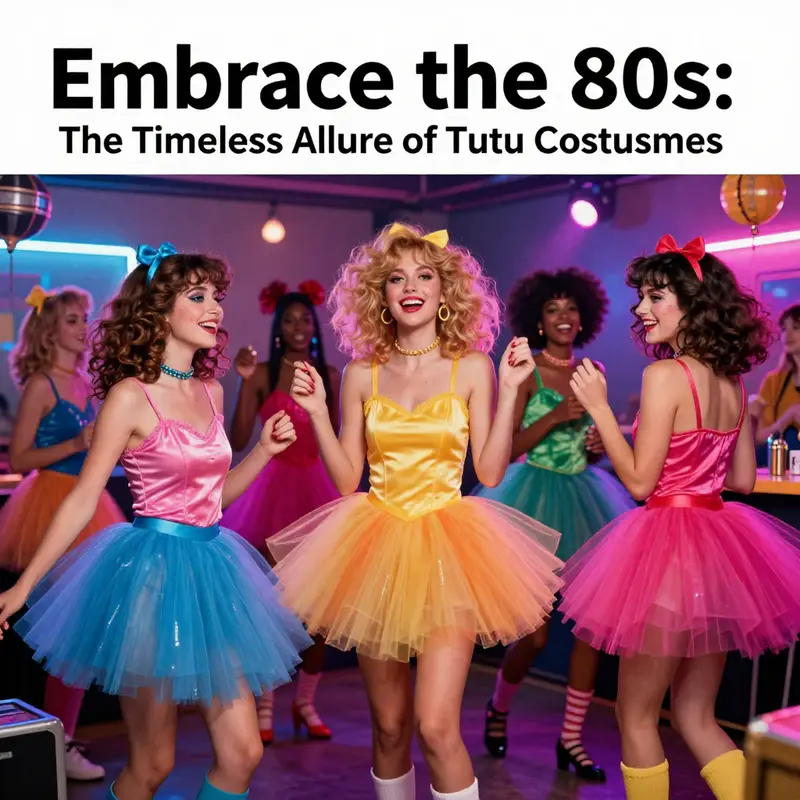
The 80s tutu costume is far more than just a fuzzy frill; it embodies an era of flamboyance, creativity, and vibrant self-expression that resonates across generations. As nostalgia for retro styles surges, business owners are presented with a unique opportunity to tap into this growing market. This article delves into the cultural significance of the 80s tutu costume, exploring its flamboyant roots and how those roots influence today’s designs and consumer preferences. Key features of these costumes will be examined alongside current market trends, highlighting the versatile appeal that captivates diverse demographics. Finally, we will outline ways to access authentic 80s tutu costumes in today’s marketplace, ensuring your offerings stay competitive and in tune with consumer needs.
Neon Echoes and Performative Identity: The Cultural Significance of the 80s Tutu Costume
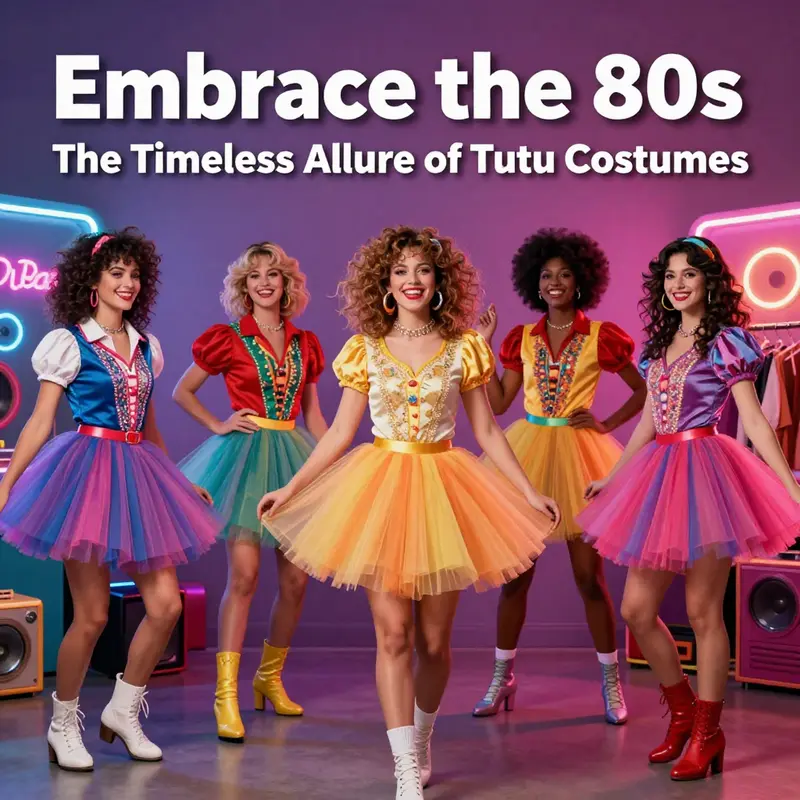
The 80s tutu costume is easy to misread as a mere splash of color in a decade famous for its excess. Yet its persistence in fashion memory and party culture reveals a more intricate dynamic: a garment that became a microphone for identity, a canvas for performance, and a visual shorthand for a time when public display and personal expression fused with consumer vitality. The tutu, once a ballet staple, shed some of its classical gravity in the hands of designers, dancers, and party-goers who wanted their wardrobes to shout with color, noise, and movement. Neon pinks and electric blues didn’t simply decorate the figure; they framed the wearer as part of a lively chorus in which the body performed joy, rebellion, and possibility all at once. The tutu’s evolution from stage prop to everyday emblem parallels wider shifts in how people negotiated belonging, difference, and visibility during the era’s most flamboyant years. The result was a look that felt at once communal and singular, a uniform of exuberance that could be personalized with accessories, layers, and choreography.
In this sense, the 80s tutu sits at a crossroads of fashion theory and social experience. Georg Simmel’s ideas about fashion as both distinction and conformity illuminate the paradox. A neon tutu set created instant recognition, a shared signal that placed the wearer within a broad cultural club. Yet the same outfit invited personal experimentation: the color might be chosen to reflect a mood, a persona, or a performance context. Sneakers, leg warmers, oversized gloves, and a disco-quick step could turn a simple tutu into a small theater where everyday life felt theatrical and upwardly mobile. The costume thus operated as a socially legible costume, one that proposed a collective memory of the decade while granting space for individual self-expression. The result was not uniformity, but a disciplined spontaneity: a familiar silhouette reinterpreted through color, texture, and rhythm.
The cultural pull of the 80s tutu extended far beyond theater and Halloween. It became a staple in school events, dance recitals, and pop-inspired parties, a way to conjure the era’s energy without losing personal agency. The imagery associated with these outfits—neon leg warmers flashing in a gym, translucent tutus catching the glare of a strobe, and gloves sparkling with sequins—captured the decade’s love of performance as a form of social participation. In parallel, the era’s fascination with media—music videos, dance films, and nocturnal nightlife—transformed the tutu into a symbol of exuberant modern femininity. It wasn’t just about looking cute; it was about joining a public display of cheer, confidence, and communal celebration. The tutu’s wide appeal lay in its adaptability: it could accompany Madonna-inspired glam, aerobics-inspired vigor, or a playful nod to club culture, depending on the wearer’s mood, space, and company.
The shape of the 80s itself—rapid media circulation, mass consumerism, and a growing appetite for performance—helped to propel the tutu from niche costume to cultural shorthand. The era’s music videos and stage shows offered a visual vocabulary of possibility, where the tutu functioned as a kinetic symbol of optimism and risk-taking. This is not to sanitize its history as merely carnival; it is to acknowledge how the garment became a site where style and social ambition intersected. People used the tutu to perform a form of identity work, selecting layers and colors the way a contemporary teenager might curate an online profile. The effect was performative, yes, but also liberating: a way to rehearse confidence, to rehearse belonging, and to set a tone for social encounters that felt both bold and welcoming.
Global resonance followed quickly. Across North America, Europe, and Asia, the 80s tutu acquired a life beyond Western pop culture, crossing borders through fashion magazines, club nights, and vintage markets. The look tapped into a shared memory of a decade characterized by fearless do-it-yourself styling and an embrace of theatricality as daily wear. This cross-cultural circulation intensified the tutu’s function as a social barometer: if a city’s parties or performances leaned into bright color and dramatic silhouettes, it spoke to an audience that valued energy, visibility, and communal joy. The result was a worldwide language of exuberance that could be translated across continents, retaining its core idea while adapting to local tastes and performance contexts.
In contemplating the cultural significance of the 80s tutu, it’s useful to acknowledge how accessible it became. The era’s economy encouraged experimentation, while mass media provided a platform for rapid trend diffusion. A young dancer in Osaka could be inspired by a video vignette featuring a neon tutu, just as a performer in Montreal might amp up her look with a few strategically placed sequins and a bold color choice. The garment ceased to be a mere costume and started to act as a communal artifact—something people could borrow, adapt, and reinvent within their own social circles. In this light, the tutu’s enduring charm rests not only in its bright palette or its ruffled innocence, but in its capacity to catalyze participation. It invites wearers to join in a collective fantasia, even if only for a night, and then to carry that sense of play into ordinary life.
The cultural memory of the 80s tutu also reveals a tension between nostalgia and empowerment. On one level, the silhouette summons a wistful longing for a past that seems simpler, louder, and more carefree. On another, it serves as a reminder that fashion can be a rehearsal space for agency. When people choose to wear a tutu with neon trim or glittering accessories, they are not simply chasing a retro look; they are reclaiming a moment when self-expression felt almost unbounded. The tutu’s staying power is thus less about the fabric and more about the invitation it offers: to enter a public stage, to perform with others, and to celebrate the act of being seen. This is where history intersects with personal choice, and where fashion becomes history-making in its own right.
For readers drawn to the broader social psychology of dress, the 80s tutu offers a vivid case study in how a single garment can encode collective memory while enabling individual voice. It shows how a seemingly frivolous piece of attire can function as a medium for empowerment, community, and creative risk-taking. The tutu’s legacy persists in modern runways, party looks, and performance wardrobes, not as a vestige of a bygone era but as a continual invitation to perform, adapt, and reconnect with the exuberant vibe that defined a decade of no apologies. The garment remains a bright thread in the fabric of cultural history, a reminder that style can be both game and gateway—the very medium through which people learn to show up, time and again, with confidence and courage.
Readers curious about how such costumes translate into performance contexts or design practices can explore related explorations at the pink-ballet-costumes-for-adults-child-sleep-beauty-t0617. This internal reference opens a doorway to seeing how similar silhouettes live on in contemporary staging and education, reminding us that the past maintains a living influence on the present. And for a broader historical lens on 80s fashion and the tutu’s role within it, the field’s comprehensive overview offers a valuable synthesis of how style, culture, and social signaling intertwined during the era. External readers can consult this external resource for a deeper historical arc: Everything You Need to Know About the 80s Fashion Tutu.
Energetic Silhouettes and Neon Flair: The Design DNA of 80s Tutu Costumes
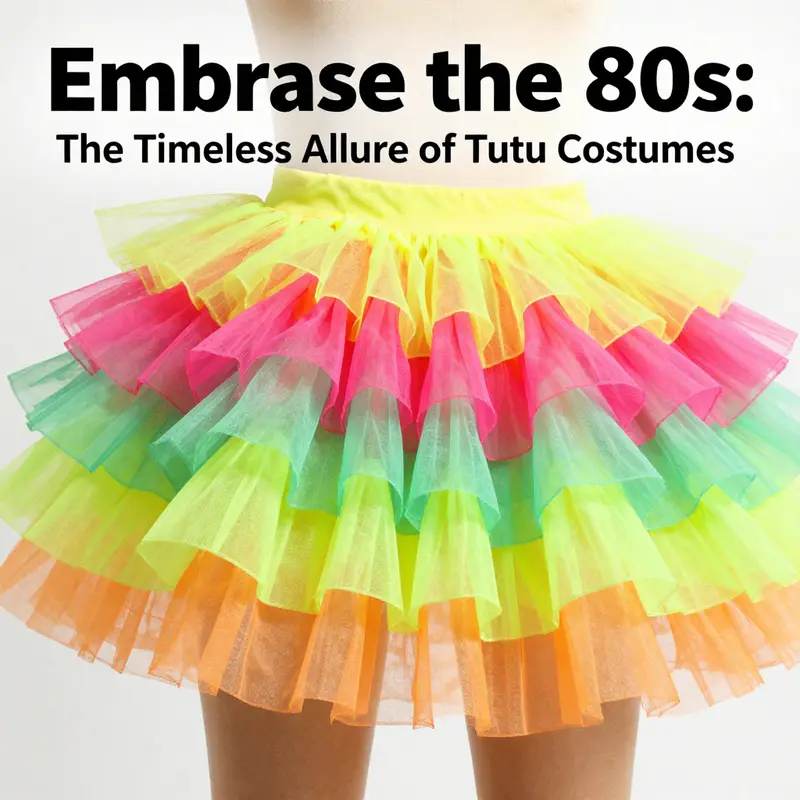
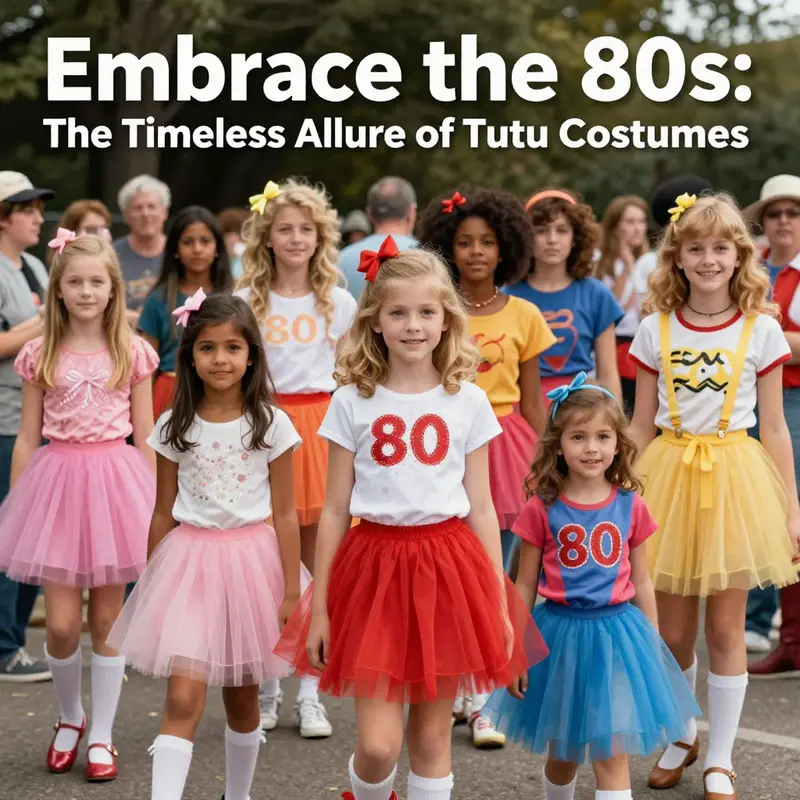
The 1980s reframed the tutu from a classical stage symbol into a show-ready engine of movement and color. The tutu costume became a performance device designed to spin, shine, and read from across a room under club lights. The silhouette centers on a voluminous multi-layered skirt perched on a fitted bodice, creating a dramatic contrast between control and exuberance. Neon palettes and high-contrast pairings defined the era, with electric pinks, cobalt blues, lime greens, and sunny yellows dominating stages and party photos. Fabrics like polyester and spandex offered a glossy, stretchable surface that caught light and moved with the wearer. Embellishments—glitter, sequins, and metallic trims—refracted light as energy and music moved together. The design balances readability at a distance with the lure of kinetic detail up close.
Constructed for lift and freedom, the layers of tulle are intentionally airy, with stiffened or pleated tiers that hold volume without weighing down the dancer. The bodice provides support while remaining expressive, often in solid color or bold contrast to the skirt. Accessories—leg warmers, fingerless gloves, headbands, and oversized earrings—add to the theatricality without obscuring the silhouette.
Culturally, the 80s tutu fused ballet-inspired form with pop spectacle. It echoed disco gloss and new wave bravado, becoming a symbol of self-expression and performance energy. The look translated from the stage to music videos and party scenes, where brightness and movement could be captured by cameras and remembered in photos for decades. Today, the 80s tutu persists as a versatile costume choice for themed events, stage renditions, and retro-inspired workouts that celebrate kinetic style.
Neon Nostalgia in Motion: How Market Trends Are Steering 80s Tutu Costumes into Modern Wardrobes
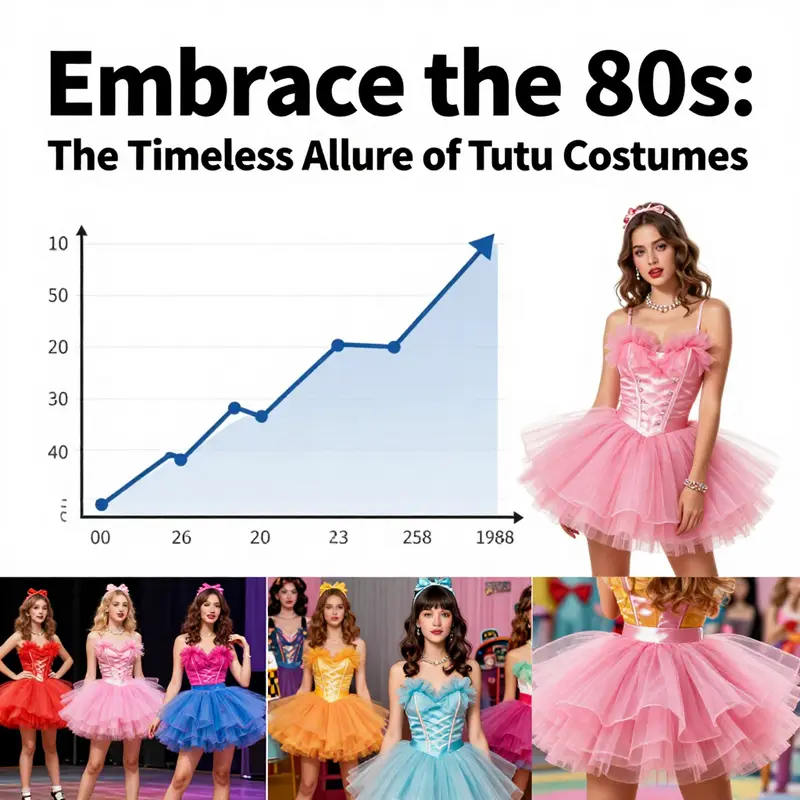
The resurgence of the 80s tutu costume is less a seasonal flash than a sustained shift in how consumers connect with retro styles. What began as a party-ready flourish has matured into a recognized segment that crosses playful novelty and wearable fashion. In recent years, the 80s tutu has found its footing not only at themed events and Halloween gatherings but also as a bold, everyday statement for festival dressing, performance pieces, and even streetwear-inspired looks. By 2025, this niche had become a dominant influence on both casual wear and event styling, driven by a broader revival of 1980s aesthetics and a hunger for expressive silhouettes. Searches for “80s tutu” and related outfits surged across major e-commerce platforms, signaling a collective desire to recapture the era’s exuberance without sacrificing comfort or modern practicality. Integrating the retro vibe with contemporary fit has become a core focus for designers and retailers who want that instant wow factor while ensuring the piece works across bodies and occasions.
The design language of these costumes leans into color, volume, and movement. Neon hues, high-contrast palettes, and sequined accents remain central to the look, but there is a clear shift toward items that balance drama with durability. A typical full ensemble now often features a multi-layer tutu skirt paired with stretchable tops or tees that echo the era’s graphic boldness. The silhouette—a voluminous, layered tutu—still speaks to the 80s love of excess, yet the fabrics and construction emphasize wearability. Rather than pure novelty, the modern tutu seeks to perform: it should hold shape in dance-inspired poses, resist tangle, and survive repeated wear and wash. In practice, buyers report that the modern interpretation manages vintage charm with long-lasting stitching and resilient materials, a combination that makes the look feasible beyond party nights.
From a product-development perspective, bundles and sets have become a core engine of the market. Rather than a single piece, retailers now offer complete kits that include a full tutu, coordinating accessories, and sometimes a complementary top or headband. The appeal is straightforward: a one-stop costume that delivers impact without hunting for compatible add-ons. This bundling strategy taps into consumer desires for convenience and show-ready options that can be worn immediately on a night out, at a performance, or during a festival weekend. In many cases, these sets embrace inclusive sizing and gender-inclusive styling, mirroring a broader cultural shift toward versatility in costume design.
Behind these consumer patterns lies data that reveals both scale and velocity. On major platforms with real-time trend reporting, searches for 80s-themed outfits have surged, with a notable emphasis on full ensembles that combine a tutu with a themed T-shirt, a headband, and playful accessories. One standout example in the market was a plus-size T-shirt tutu set that paired a vibrant graphic tee with a five-layer tutu, a headband, and quirky glasses—a combination that instantly communicates the era’s graphic aesthetic while offering a forgiving fit and easy care. Another popular format has been a gender-adaptable workout-inspired set that channels the 80s’ fitness craze into a costume framework, reflecting how the aesthetic now crosses into crossover styles that appeal to a wider audience.
The popularity of these pieces is reinforced by tangible sales momentum. In recent reports, full ensembles that include matching tops and accessories have demonstrated triple-digit growth year over year. Case studies from the market illustrate how a single month can register hundreds of units in a given region, underscoring the appetite for coordinated looks that are both nostalgic and practical. Buyers repeatedly emphasize that the quality aligns with vintage charm while incorporating modern stitching and durable seams, a balance that makes the outfits credible for more than one-night wear. This indicates a maturation of the category from novelty costumes to credible wardrobe options for performance, festival, and casual experimentation.
Demographically, the market is broadening. The retro-tutu aesthetic is no longer positioned as a women-centric costume; it has evolved to include men’s workout-inspired variations and plus-size adaptations, opening the door to cross‑gender styling and diverse body types. The result is a more inclusive landscape where the same look can be interpreted in multiple ways for different contexts. In parallel, geographic demand has diversified: across North America, Europe, and parts of Asia, buyers are seeking outfits that translate the 80s energy into contemporary wearability. The trend line suggests that consumers are less interested in a strict historical replica and more engaged with an atmospheric cue—an instant mood lift that is recognizable as 80s but adaptable to modern routines, parties, or stage performances.
This is where the supply chain dynamics matter as much as the design aesthetics. Sourcing platforms report that buyers prize factory-direct pricing that does not compromise detail or fit. The appeal lies in getting a complete look at a value point that supports experimentation—consumers want the confidence to mix and match without breaking the bank. Real-time product-trend sections capture buyer sentiments, including color preferences, preferred levels of sparkle, and the acceptable range of body types. The takeaway for designers and retailers is clear: the market rewards bundles that deliver both standout visual impact and reliable construction, while also accommodating a spectrum of sizes without sacrificing the iconic silhouette that defines the 80s tutu.
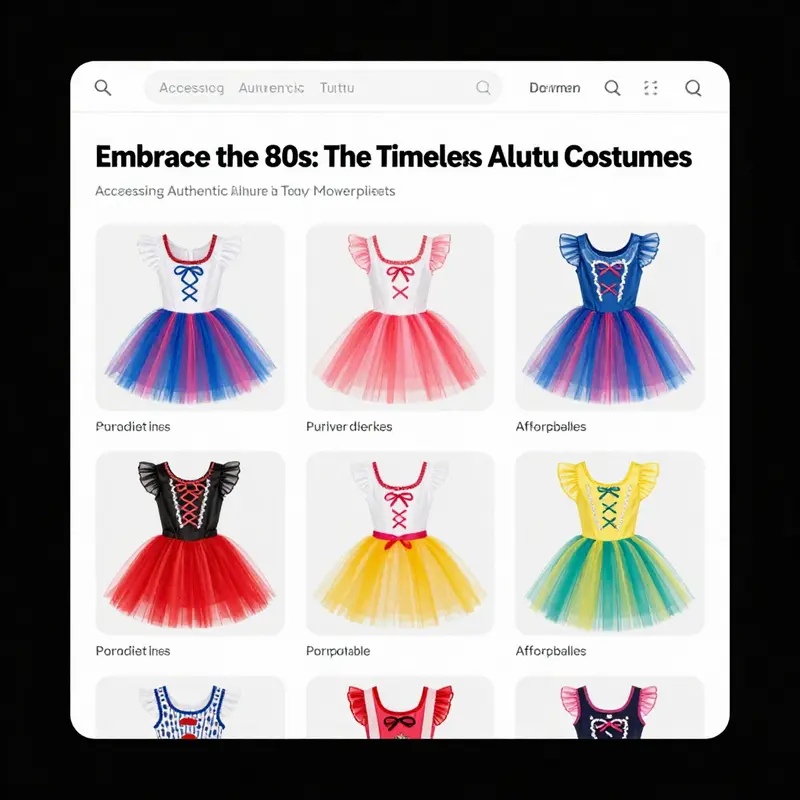
To illustrate how a modern catalog approaches this, consider a catalog entry that demonstrates the balance of affordability and performance in a tutu-based ensemble. The listing showcases a pink tutu ballet costume that pairs a five-layer skirt with a coordinated top and accessory set, designed to flatter a wide range of proportions while preserving the retro visual language. This entry exemplifies how contemporary retailers translate nostalgic appeal into practical apparel that can be worn repeatedly. It also demonstrates how color, texture, and silhouette are coordinated across pieces to create a cohesive look without requiring consumer guesswork about compatibility. The ability to present a complete look—through a single page, single purchase—helps buyers feel confident in choosing a costume that will perform both on the dance floor and in street-style contexts.
pink-tutu-ballet-costume-sleep-beauty-high-end-t0578 provides a concrete illustration of how the concept translates into a practical product page. It demonstrates how a modern tutu ensemble can balance the drama of the era with the ease of contemporary wear. This kind of entry helps buyers visualize themselves wearing a coordinated set rather than collecting disparate pieces, which in turn supports higher conversion rates and more confident purchases for both adults and younger wearers. The broader lesson for makers and marketers is that the market rewards clarity and completeness: when a costume feels designed for both performance and everyday expression, it travels more easily from a party or stage to a festival or photoshoot.
The market’s trajectory also points toward ongoing experimentation in materials and construction. High-quality, stretchable fabrics that maintain their shape under movement are increasingly common, as are flexible waistbands and multi-layer tulle that retain volume without becoming unruly. As the category matures, designers are refining care instructions and durability profiles to match consumer expectations for longevity. The result is a more sustainable approach to retro fashion, where bold design does not come at the expense of practicality. While care recommendations vary by fabric, the overarching guidance emphasizes gentle handling and air-drying to preserve color and structure, aligning with consumer desires for outfits that endure through repeated performances and social events.
In sum, the market trends surrounding 80s tutu costumes reveal a dynamic fusion of nostalgia and modernity. The revival is not a one-off fad; it is a calibrated shift toward outfits that capture the era’s exuberance while delivering contemporary comfort, fit, and versatility. The rise of complete ensembles, the expansion to inclusive sizing and gender-crossing styles, and the emphasis on durable materials and easy care all signal a maturing category that invites ongoing creative exploration. For buyers, this means more accessible access to cohesive looks that can be worn across contexts. For designers and sellers, it means a clear mandate to offer bundled, well-constructed sets that deliver real value and enduring appeal. And for the broader fashion ecosystem, the 80s tutu is a case study in how nostalgia can be harnessed to create wearable, repeatable style—an enduring mood that continues to energize both the dance floor and everyday life. External resource: https://www.alibaba.com
null
null
Sourcing the Authentic 80s Tutu: A Global Market Guide
The 80s tutu revival has grown beyond a novelty throwback and now serves as a credible option for retro glamour across borders. Its appeal goes beyond bright colors and dramatic silhouettes; it carries memories of music videos, gym floors, and crowded dance floors into today’s wardrobes and events. The look travels easily via global online retailers, themed parties, Halloween celebrations, and stage performances that demand movement and flair. The silhouette with layered tulle, bold color, and a waist that allows flexible movement remains iconic, while modern designs add breathable fabrics, adjustable waists, and durable finishes that hold up to long wear and repeated dancing. Color palettes range from classic hot pink and electric purple to metallics and color blocking that nod to late 80s clips. The result is a versatile aesthetic that suits adults and younger fashion explorers who want big impact without sacrificing comfort.
From a sourcing perspective, the emphasis is on comfort, durability, and fit. Modern tutus are designed with fabrics that breathe during long wear and with adjustable features that accommodate changing shapes, movement, and activity. The construction should hold its shape through repeated use, be colorfast under bright stage lights, and be relatively easy to care for. Pay attention to the weight of the materials, the stiffness of the skirt, and the integrity of accompanying accessories such as gloves, belts, or necklaces. A bundled ensemble can simplify styling and reduce last minute sourcing stress.
The marketplace reflects this versatility. Global e commerce platforms offer a broad spectrum of styles, sizes, and finishes, including inclusive options that fit adults, teens, and kids. For authentic looks, buyers seek pieces that capture the era mood while delivering contemporary comfort and longevity. Wholesale and direct to store channels often provide factory direct pricing and opportunities for customization such as waistband design or layer counts, which can help achieve a tailored fit for a group or event.
Cultural and practical considerations matter too. The decade is associated with bold color, dramatic silhouettes, and performance oriented fashion. As a result, many buyers look for multi layered skirts that hold air and create a dynamic silhouette when moved. Care instructions vary, but many delicate finishes benefit from gentle hand washing and air drying to preserve color and shape. Inclusive sizing and adaptive features expand participation for families, schools, and community groups planning performances or themed parties.
To start sourcing with intention, consider a simple pink ballet inspired base that can pair with neon accents or metallic accessories. A well chosen base supports multiple looks, from Madonna esque glam to playful princess vibes, simply by swapping top pieces, belts, and jewelry. For those seeking real world guidance, look for examples that demonstrate how a single pink tutu can be styled to read nostalgic yet contemporary. When assembling a kit for a group, a bundle that includes tutu, gloves, belt, and jewelry can streamline planning and ensure a cohesive aesthetic across participants.
In the broader market, wholesale platforms and direct to store channels enable affordable quantities and precise sizing guidance. The era remains influential, with its bold color stories and performance driven silhouette continuing to resonate with new generations. The result is a shopping experience that respects authenticity while embracing today’s wearers and event needs, whether for a one off party or a rotating capsule wardrobe.
If readers want a practical touchstone, look for a tutu with pronounced layers that can hold air and create a lively silhouette under lighting. Notice how colors interact with stage lamps or social media photos, and consider how accompanying pieces such as gloves, a belt, or bold jewelry frame the look. These cues help translate decade energy into a wearable, repeatable moment of performance.
External reference suggestions: seek out widely available 80s style tutu pieces from reputable wholesale platforms to understand how production values align with consumer expectations, including size ranges, finish quality, and durability. A well curated set can travel from storage to stage with confidence and minimal adjustments.
This approach supports a practical starting point for organizers and shoppers alike, balancing nostalgia with modern comfort and wearability.
Final thoughts
The 80s tutu costume remains a vibrant reminder of a time when dressing boldly was a form of self-expression, and today, it serves as a lucrative opportunity for business owners ready to capitalize on nostalgia. By understanding the cultural significance, key design features, market trends, and the diverse demographics that embrace this costume style, businesses can tailor their offerings to meet the cravings of modern consumers. With access to quality suppliers and a keen insight into consumer preferences, stepping into this market promises both creativity and profitability.