
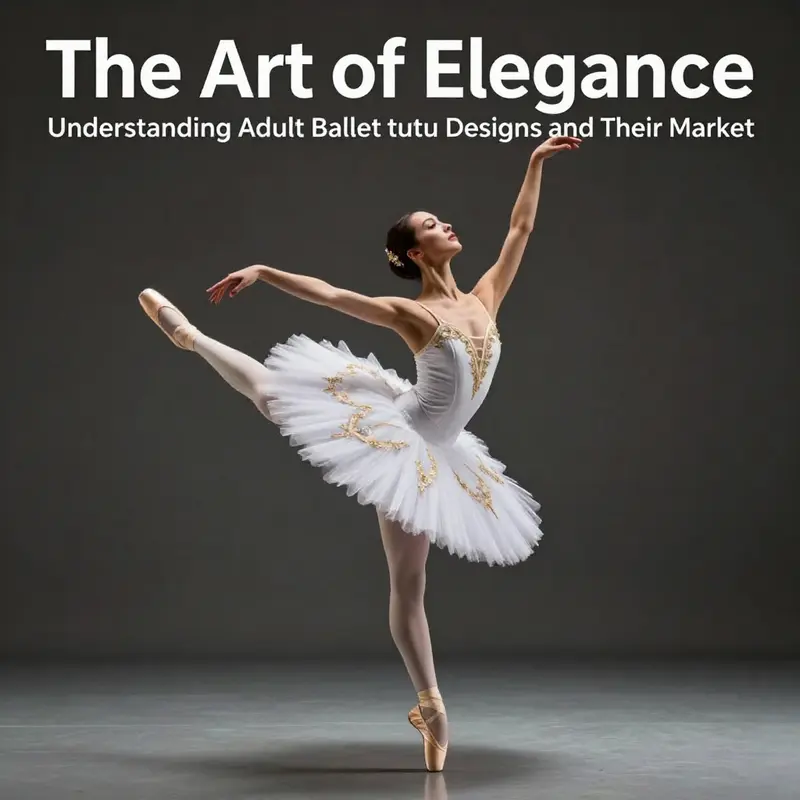
Adult ballet tutus represent a unique blend of artistry, practicality, and cultural significance in dance apparel. Their design and material composition play a crucial role in performance, allowing dancers to express grace and fluidity. As demand rises in the performance arts and beyond, understanding market trends becomes essential for business owners in the apparel industry. The following chapters delve into the design characteristics, market dynamics, performance aspects, cultural significance, and safety standards of adult ballet tutus. Each chapter builds a comprehensive narrative that empowers business owners to appreciate the importance of this iconic dancewear, ensuring they can effectively meet the evolving needs of customers.
Weaving Light and Line: The Design Language of the Adult Ballet Tutu
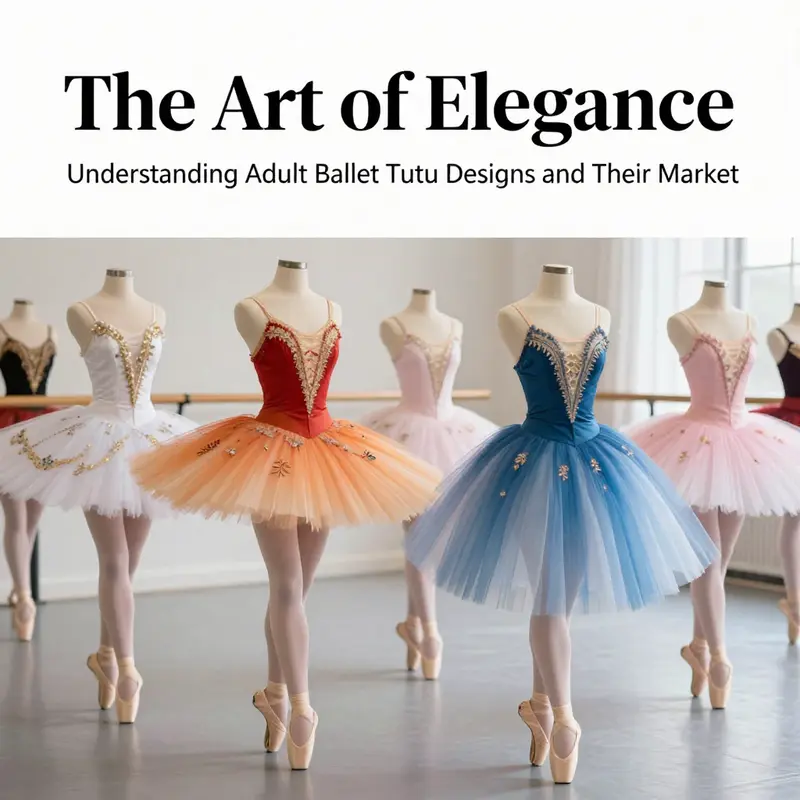
The adult ballet tutu sits at a poised intersection of art and engineering. It is not merely a costume; it is a tactile articulation of lineage, technique, and motion. To dancers who move with seasoned bodies, the tutu must be more than decorative. It has to translate complex choreography into controlled flight, offering lift without weight, drama without distraction, and a silhouette that remains legible under the glare of stage lights. In this sense, the design language of an adult tutu begins where fabric science meets performance psychology. It speaks first to the body, acknowledging mature proportions, longer lines, and stronger core engagement, and then to the space around the dancer—an arena where every pleat catches light and every seam resists strain. The result is a garment that feels almost invisible while preserving a commanding presence on stage. This delicate balance of presence and practicality forms the core of how modern adult tutus are designed, manufactured, and chosen for different performance contexts.
At the heart of contemporary adult tutus lies a careful blend of materials that deliver both performance and comfort. The lightweight tulle remains the visual cornerstone, but it is paired with substrates and structures that extend the dancer’s reach rather than restrict it. Modern constructions often combine several layers of tulle with a structured bodice crafted from satin, Lycra, or other stretch fabrics. The advantage of this combination is twofold. First, the tulle layers provide the iconic silhouette—the soft, forward-arching volume that flares away from the hips as the legs extend. Second, the stretch-friendly bodice provides essential support, enabling the torso to elongate through a sustained line without limiting the dancer’s ability to articulate the spine, arms, or head. The result is a tutu that feels buoyant yet secure, light enough to float through grand jetés and stable enough to maintain shape after repeated spins under bright lights.
The layering strategy is not arbitrary. In professional practice, a tutu can feature a tiered system that ranges from seven to twelve layers of netting or a combination of netting and soft tulle. The higher the layer count, the greater the potential for a dramatic, gravity-defying arc. Yet the designer’s challenge is to keep those layers from becoming bulky or stiff. This is where precise fabric selection and careful stitching matter. A modern adult tutu uses fabrics designed for resilience—high-tensile fibers that resist tearing from repeated flexion and misalignment, yet remain breathable enough to prevent overheating during rehearsals that stretch into long hours. In practice, the weight of the skirt is carefully managed through a balance of fabrics and internal supports, so the dancer can sustain long sequences without noticing the garment as a burden. A well-made tutu should nearly disappear as it moves, letting the audience perceive the performance rather than the garment. When the lights hit the stage, the layered tulle should respond with a soft, even glow, tracing the lines of the dancer’s legs and echoing the rhythm of the music.
Bodice design in adult tutus also reflects this emphasis on fit and function. Unlike many children’s designs, adult models anticipate variations in torso length, shoulder slope, and waist proportions. The bodice is often crafted from a revised satin or a stretch satin blend that provides a snug, sculpted look without constricting the chest or ribcage. Lycra or spandex inserts can be used to allow unrestricted expansion of the chest and back, which is particularly important for dancers who must breathe deeply during grand allegro or extended balances. The waistline is commonly reinforced with a flexible band that sits securely without digging in, while mid-back seams are positioned to support the spine’s natural curve rather than exaggerate it. The result is a silhouette that remains clean and elongated, making the waist appear slightly trimmer and the legs more extended, a visual advantage that aligns with the mature dancer’s aesthetic goals.
Customization plays a pivotal role in ensuring that adult tutus fit a wide range of bodies and performance moods. Contemporary designers and makers offer adjustable features such as corset-like lacing or elastic panels that accommodate different torso lengths and hip widths. The opportunity to tailor sizing is not merely practical; it also enables dancers to inhabit roles with a strong sense of character and identity. With adult performers in mind, embellishments have grown more sophisticated. Embroidery, metallic threads, and satin linings provide character cues—whether a classical interpretation or a contemporary narrative—while remaining aligned with the garment’s structural demands. In addition to color choices, many designs incorporate subtle gradients or accent details at the hem, allowing a performance to shift tone from scene to scene without sacrificing the silhouette or the dancer’s range of motion.
The visual impact of the tutu is further amplified by the interplay between fabric and lighting. Stage illumination can transform the tutu from a static shape into a living contour that moves with the dancer. Semi-transparent layers permit a sense of air and movement, while opaque sections anchor the garment’s weight and reinforce the body’s line against the backdrop. This relationship between fabric, form, and light is central to the tutu’s role in storytelling. When a performer lands from a leap, the skirt’s swing traces the arc, catching the eye and guiding it through the choreography. When the dancer conducts a sequence of pirouettes, the concentric circles of tulle become a halo around the movement, emphasizing center, balance, and control. In this sense, the tutu is not just a costume but a kinetic canvas that translates technique into visible poetry.
Beyond aesthetics, durability and care are essential considerations for adult tutus in serious practice and performance. The fabrics chosen for the skirt and bodice must withstand repeated washing and long touring cycles without losing color or structural integrity. Durable polyester blends and nylon components are favored for their resilience, fade resistance, and ease of maintenance. For professional use, the construction is reinforced with careful seam work and reinforced edges to counteract fraying at stress points. Breathability remains a priority, especially for performers who spend hours rehearsing in studio spaces that can become warm or humid. The combination of breathability, stretch, and resilience ensures that the tutu remains comfortable through the demands of a demanding repertoire—from slow, lyrical phrases to high-energy, athletic sequences. The garment’s ability to hold its shape through multiple performances rests on the combined performance of every component, from the base undergarment to the outer tulle layers and the finishing touches on the waistband.
Safety and quality standards have become an implicit dimension of design, particularly for outfits intended for professional settings or company productions. While adult tutus operate in a different regulatory space from children’s products, industry norms encourage the use of certified materials and tested constructions to mitigate the risk of irritation, tearing, or poor fit that could impact performance. The result is a suite of certifications and guidelines that reassure buyers—instituting trust between dancers, studios, and makers. In practice, this translates to clear sizing charts, robust return policies, and inspection-ready shipments that reduce the friction between rehearsal needs and stage-ready garments. The goal is not merely compliance but the assurance that the tutu can perform repeatedly under pressure without compromising the dancer’s safety or artistry.
The global and regional contexts of production also shape what is available to modern dancers. East and South China remain influential hubs where factories and ateliers produce adult tutus at a range of price points, with emphasis on durability, customization, and speed of delivery. The capacity to prototype quickly, adjust sizing, and deliver bulk orders to schools or theaters has redefined what it means to own an adult tutu. For dancers who require specific design elements—gradient colors, metallic accents, inner satin linings—these centers offer a level of flexibility that supports both rehearsal needs and final-stage demands. The result is a wardrobe ecosystem in which an adult tutu is not a fixed item but a negotiated instrument, adaptable to a dancer’s evolving roles and the evolving aesthetics of contemporary ballet.
Within this design and fabrication landscape, one can glimpse a representative example of how a high-quality white tutu can function as a stage partner. A tutu of this kind is not merely white fabric; it is a sculpture in motion, with layers that respond to the dancer’s gestures and a bodice that supports the torso without compromising flexibility. When paired with the right lighting and music, it becomes a vessel for clarity of line, for the language of elevation, and for the storytelling that unfolds in a dancer’s ribs and hips. For readers who want a concrete reference to the silhouette and finish associated with classical repertoire, a well-made white tutu often associated with Swan Lake-like roles demonstrates the aspirational balance of weight, drape, and return of form. See a representative example here: high-quality-white-ballet-costume-tutu-swan-lake-t0596.
As the art form continues to evolve, the adult tutu remains a dynamic crossroads of tradition and innovation. Designers experiment with lighter, more breathable tulle blends and with bodices that incorporate adaptive closures, enabling quick on-stage changes during condensed programs or touring productions. The modern tutu also reflects a broader cultural shift toward body inclusivity and individualized fit. Dancers now expect options that accommodate a range of torso lengths, hip widths, and waist measurements, making the tutu a flexible ally rather than a one-size-fits-all constraint. In practice, this means fewer compromises on technique and expression. A mature dancer can achieve the same luminous line, expansive audio-visual impact, and dramatic arc that characterize the classics, while wearing a garment that feels attuned to her body and her process. The result is a more resilient, expressive, and sustainable wardrobe for the demanding realities of professional ballet today.
External resource: for a representative external reference that illustrates the professional-grade construction and material choices discussed above, see this product page. https://www.alibaba.com/product-detail/ORCHID-BT00001-Professional-Adult-Sugar_1601472902683.html
Grace in Demand: Market Trends, Wellness, and the Rise of Adult Ballet Tutus
Grace is no longer the sole province of the young. In studios and community theaters around the world, adult dancers reclaim ballet as a personal language of movement, health, and self expression. The market for adult ballet tutus grows at the intersection of performance, fitness, and mindful living. A tutu is more than a garment; it is a tool that supports poise and precision, a visible commitment to practice amid busy adult lives.
Across the globe, adult ballet classes proliferate in urban studios and community centers. Men and women learn steps and cultivate posture, breath, and balance. The tutu becomes a performance tool that supports range of motion while preserving the lines essential to classical study. Dancers need fabrics that respond to tempo and direction, and they require a fit that supports long hours and repetitive sequences without chafing.
The modern tutu emphasizes comfort, durability, and adaptability. A stretchy bodice stabilizes the torso, layered tulle creates lift, and a skirt flares with the pose. It must carry weight without dragging, hold color under stage lights, and resist wear after many rehearsals.
Market response includes a focus on comfort and fit; stretch fabrics that offer support; construction that withstands leaps and turns. Lycra or similar fabrics integrated with a multi layer tulle skirt are common, allowing the bodice to flex with the dancer’s rib cage while the skirt maintains its silhouette. The layered tulle is not merely decorative; it provides visual heft while remaining airy. Quality control ensures consistent drape across sizes and shapes.
Customization emerges as a decisive factor. Studios, schools, and dancers seek gowns and tutus reflecting specific characters or repertoire. While classical ballets remain touchstones, there is growing appetite for color beyond white or ivory into gradients, metallic threads, or subtle embroidery. The ability to tailor size, color, length, and embellishment has become a key selling point. Platforms that offer customization capabilities have grown alongside the market, enabling professional-grade tutus with features like stretchable bodices, multiple layering options, and on-demand services.
Safety and certification play a trust-building role for buyers. Certifications such as EN71 and ASTM address materials and construction relevant to performance wear, including stretch fabrics, dye stability, and edge finishing. For buyers considering younger performers or shared-use settings, additional credentials can reinforce expectations around safety and child protection. When a tutu carries these credentials, it signals vetting for the rigorous conditions of stage and rehearsal.
From a supply chain perspective, the market benefits from a well developed ecosystem of manufacturers and suppliers who understand the unique demands of adult dancers. Regions with textile and garment expertise offer craft and scale that support bespoke pieces and mass production. The capacity to offer audits, reliable lead times, and fast shipping contributes to a buyer’s willingness to invest in higher quality garments. Detailed sizing guides, careful packaging to protect fragile tulle, and straightforward returns help build long term relationships between studios and suppliers.
Design options continue to evolve. Practitioners and designers explore color theory and lighting considerations that affect how a tutu reads on stage. Gradient colors can suggest motion, and metallic or sequined accents catch the light to accentuate lines during a grand jeté or a slow penché. Some tutu iterations feature satin linings to reduce friction against the skin, which can be meaningful during long rehearsals. The layering itself—often three or more tiers of netting—matters as much as the color. The best designs balance enough structure to hold a dramatic silhouette with freedom for expressive arms, head, and torso work.
The consumer trajectory also reflects broader promotional strategies that shape retail behavior. Seasonal promotions, generous shipping policies, and easy returns reduce perceived risk of investing in a higher-quality item. Buyers are drawn to packages that offer value beyond a single performance—garments that endure, wash well, and retain their form after repeated use in practice and public display. This convergence of performance demands and consumer incentives helps the adult tutu market transition from a niche specialty to a mainstream wardrobe consideration for dancers who want to combine elegance with practicality. The tutu serves not only as a costume but as a durable performance garment that can become a staple in an adult dancer’s repertoire, available for a range of occasions from studio recital to community festival or cosplay event.
Within this evolving landscape, online marketplaces are pivotal. They provide access to a broad spectrum of styles, from romantic long skirt silhouettes to bold stage outfits designed to capture light and attention. Buyers no longer rely solely on local options; they can explore a global assortment of fabrics, embellishments, and customization capabilities, compare fit options, and read reviews that speak to durability and comfort under real rehearsal conditions. For designers and retailers, this expanded access means maintaining high standards across all touchpoints—from accurate sizing information to responsive customer service and precise color matching. It also means brands must articulate clear value propositions, balancing the allure of innovative aesthetics with the reliability and comfort demanded by serious dancers who train regularly and perform on demanding stages.
Looking ahead, the adult ballet tutu market is likely to continue expanding as more adults seek meaningful ways to stay active, express themselves artistically, and engage with the physical discipline of ballet. The ongoing dialogue between aesthetic innovation and functional reliability will shape how designers approach fabric technologies, seam construction, and fit systems. In turn, studios and performers will benefit from options that reduce wear and tear, extend life, and accommodate a broad range of body types without compromising the elegance that defines classical tutu aesthetics.
Elegance in Motion: The Functional Craft and Performance Promise of Adult Ballet Tutus
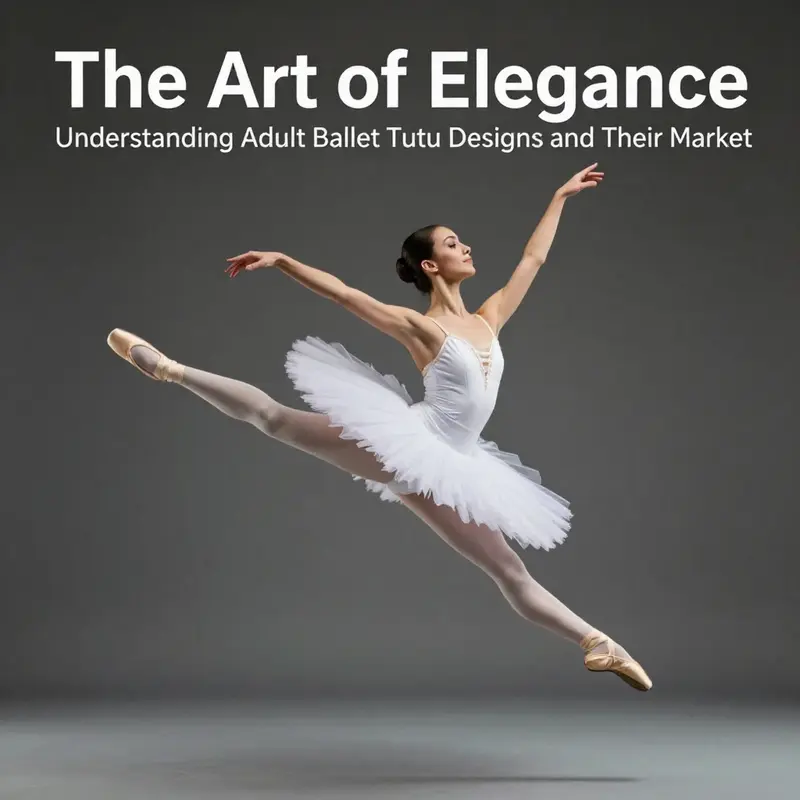
The adult ballet tutu sits at a crossroads where artistry meets engineering, where the soft gloss of stage light meets the gravity of long rehearsals. It is more than a costume; it is a carefully tuned instrument designed to support, not obstruct, the dancer’s lines, posture, and expressive intent. In the professional world, adult tutus must shoulder the same demands as the dancers who wear them: endurance through hours of rehearsal, precision in every port de bras, and the poise to translate gravity-defying leaps into the cadence of adagio. The product emerges from a refined balance of fit, fabric, construction, and aesthetic choices that work together to keep the dancer both comfortable and visually compelling under the pressure of a live performance. When a dancer steps onto the stage, the tutu is a partner in motion, and its design must anticipate the body’s needs before they arise in a given phrase of choreography.
Functional design for adults diverges in meaningful ways from children’s versions. Adult tutus privilege a tailored fit that aligns with mature anatomy, with a wider waistband and longer hip lines to ensure comfort and proper support during complex, multi-beat sequences. The silhouette is streamlined so the torso remains buoyant and the limb work remains unhindered. Designers often integrate adjustable waistbands or thoughtfully placed seam lines that accommodate a range of torso lengths, allowing a performer to customize the fit for rehearsals and performances alike. In practice, this means a bodice that holds its shape without pinching, and a skirt that maintains its vertical discipline even as the dancer executes sustained adagio passages or sudden, explosive grand jetés. A tutu with a satin bodice and lightweight tulle, for example, demonstrates how a structured upper half provides essential support while the lower layers remain agile enough to flutter through air without creating drag. Such balance is not incidental; it is the result of careful proportioning and a respect for how the body moves under stage lights.
The materials chosen for performance are not merely about color and texture. They are about moisture management, stretch, and resistance to the wear that comes from repetition and high-intensity movement. Modern adult tutus frequently employ blends that combine spandex, polyester, and nylon to deliver a triad of benefits: flexibility that follows every turn and landing, durability that survives repeated washes and long tours, and moisture-wicking properties that keep the dancer cooler and drier during taxing sessions. The aim is not to make the fabric disappear but to make its presence almost inconspicuous—just enough to support the dancer’s lines while remaining almost invisible to the eye. In practice, these fabrics translate to tangible performance advantages: faster drying times, greater retention of stretch, and a longer service life under demanding stage conditions. In tests that compare common performance fabrics, designs using these blends have shown drying times of about thirty percent faster and stretch retention improvements around forty percent, which translates to a more consistent silhouette through a sequence of leaps and landings. The construction itself reinforces these gains: double-stitched hems, reinforced tulle layers, and careful seam work ensure that the tutu holds its shape from first rehearsal until the final curtain call, even after long and grueling performances that test both fabric and performer.
Aesthetic functionality, meanwhile, remains inseparable from performance. The tutu’s visual impact must harmonize with movement, lighting, and the choreography’s emotional arc. Multi-layered pleated tulle, sometimes arranged in twelve distinct layers, creates a balanced, voluminous skirt that reads clearly on stage. Volume matters not as mere excess but as a vehicle for leg lines and body carriage to register distinctly to the audience and to the photographic eye. When the layers are cut with precision and the layers’ stiffness is calibrated to the performer’s pace, the skirt sways with grace rather than flares into a distracting splash of fabric. The tactile contrast between matte velvet finishes and shimmering tulle can amplify the dancer’s presence under stage lighting, making certain phrasing—be it a delicate port de bras across a slow adage or a bold, expansive grande battement—more legible to the audience. The palette choices, whether gradient colors or sparing embroidery with beads or sequins, are designed to catch light in a way that enhances the dancer’s silhouette without overpowering the choreography. In this sense, the tutu becomes a partner in storytelling, translating lyrical intent into a visible, almost sculptural form that can shift the perception of movement from the wings to the proscenium.
The industry’s supply chain and craftsmanship realities also shape the wearer’s experience. Markets for adult tutus are concentrated in specialized workshops where artisans balance rapid production with rigorous quality assurance. For many studios and professional dancers, factories offer depth in production capability, deep factory inspections, and reliable shipping timelines, often with flexible customization options such as color gradients or refined embroidery while maintaining consistent sizing and fit. The practical implications of this ecosystem are felt at every level: dependable delivery windows, the option to tailor fit and color to a production’s needs, and the reassurance that structural integrity will persist through the rigors of rehearsal blocks and touring schedules. The result is a lineage of garments that, while dress-like in appearance, behave like athletic gear in terms of resilience and adaptability. For the dancer, this translates to confidence in performance—the assurance that the tutu will move with them rather than against them, that the garment’s architecture will hold its shape from the opening curtain to the last envoi, and that the overall presentation will remain cohesive as footwork and musical phrasing evolve.
In this light, the adult tutu becomes less about a single dramatic moment and more about a sustained equilibrium between form and function. The fabric breathes with the body, the seams concede just enough with each plié and relevé, and the layered skirt reads under the lights as a natural extension of spine and leg lines. The dancer’s body knows when the garment will offer resistance or release, and the garment reciprocates with a quiet, intelligent support system. The architecture of the tutu—its waistline, its bodice, its tiered skirts, and its surface embellishments—works in concert with the dancer’s technique. When executed well, the result is a seamless translation of technique into artistry: a line that rings true to the music, a port de bras that feels inevitable, and a presence on stage that appears effortless, even as it is the product of meticulous design and disciplined craft.
For readers seeking a concrete sense of how this design philosophy translates into real-world options, consider a representative example that embodies the integration of structure, fabric, and silhouette. A tutu with a satin bodice and lightweight tulle illustrates the interplay of support and mobility at the core of functional design. The bodice provides centralized support, preserving a clean, upright torso while allowing the dancer to execute a full range of upper-body movement. The tulle layers, cut and layered to optimize both lift and sway, ensure the skirt maintains its proportion across complex sequences. The effect is not only technical but also aesthetic: a silhouette that communicates confidence and control, even in the most demanding passages of a performance. This is the kind of thoughtful integration that performers rely on when the stakes are high and the timing is exact. To explore a real-world example of such an integrated approach, readers can refer to an internal resource that presents a detailed, product-focused demonstration of a satin-titted, multi-layer tutu design such as the one described above: professional-ballet-tutu-paquita-gold-white-t0601.
Ultimately, the functional and performance aspects of adult ballet tutus are not merely about keeping shape or delivering stage-worthy volume. They are about enabling dancers to inhabit their craft with ease, to let the artistry bloom without the constraint of equipment, and to connect with audiences through a presentation that feels inevitable and truthful. The tutu is a partner in every sense: it shapes the dancer’s lines, supports the body through countless leaps and lunge sequences, and glints with just enough light to preserve the narrative of movement. The craft behind such garments—its careful proportioning, its choice of durable yet pliant fabrics, its reinforced seams, and its capacity for customization—transforms the stage garment into a reliable ally. In this light, the adult ballet tutu becomes an instrument of performance, a bridge between technique and emotion, and a testament to how form and function can converge on the same stage that demands beauty, discipline, and enduring grace.
External reference: for a broader perspective on the materials and performance standards that inform tutu construction, see the industry catalog at https://www.alibaba.com/product-detail/Professional-Adult-Sugar-Plum-Fairy-Ballet-Tutu_1600557935146.html?spm=a2700.galleryofferlist.normal.3.23a27f21BcU3iF&productId=1600557935146. This resource offers context on performance fabrics, durability testing, and manufacturing considerations that underlie the design choices described above.
The Tutu Beyond Performance: Cultural Significance, Identity, and Practice in Adult Ballet
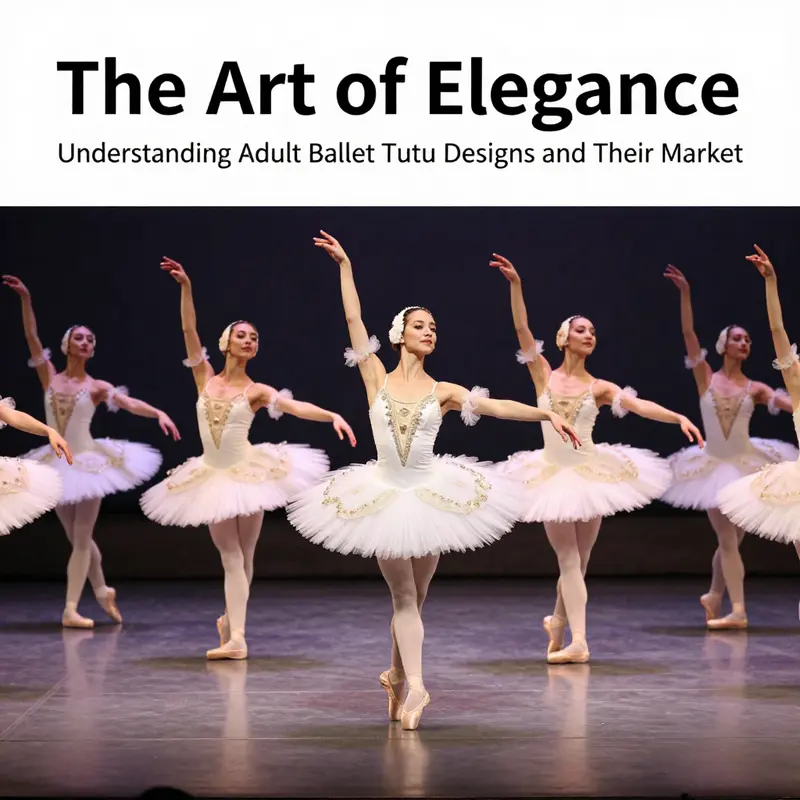
The tutu is more than a costume; it is a cultural artifact that carries the weight of centuries of dance history while continually adapting to the needs of adult dancers today. For many performers, hobbyists, and lifelong students, the tutu anchors a personal journey as much as a choreographic one. Its appeal lies not merely in the elegance of its silhouette, but in the way it frames motion, signals devotion, and invites a shared vocabulary of movement that spans generations. From the earliest European courts to contemporary studios, the tutu remains a visual and tactile reminder that ballet exists at the intersection of discipline, artistry, and personal transformation. When adults lace up and fasten the waist, they enact a rite that acknowledges both the tradition they learn from and the life they bring to the studio. The garment becomes a lens through which one reads the body’s history in motion—an index of practice, persistence, and a willingness to engage with beauty on one’s own terms. The cultural resonance of the tutu, then, is not a relic; it is a living language spoken anew in every rehearsal and on every stage.
Historically, the path of the tutu mirrors the broader evolution of ballet itself. It begins in the courtly garb of the 17th and 18th centuries, where elaborate waistlines and layered fabrics signaled status and refinement. Yet the real revolution arrived in the 19th century with the Romantic era. When Marie Taglioni stepped onto stage in 1832 in La Sylphide, the long, flowing Romantic tutu became a visible signature of ethereal presence and buoyant footwork. The silhouette was designed to elongate the leg and blur the dancer’s edges, so the audience could glimpse the otherworldly ease of the sylph. This era’s aesthetic celebrated the intangible—air, trace, and light—anchored by costume that could float with a dancer’s plié and leap. As ballet institutions matured, choreographers like Marius Petipa introduced a new discipline to shape the tutu into a shorter, stiffer Classical form. The result was a kinetic silhouette that highlighted line, extensions, and the precise articulation of the feet and ankles. The iconic odyssey of Odette and Odile in Swan Lake crystallized this duality—a white, pure form projecting light and vulnerability, contrasted with a darker, seductive counterpoint. The tutu, in its evolving stiffness and fullness, became not only a costume but a narrative instrument that can signal fidelity, danger, or transformation with a mere flutter of tulle.
In today’s world, the adult ballet tutu stands at a crossroads of reverence and practicality. For adults who train regularly, the garment must honor the art’s lineage while supporting the realities of late-stage learning and performance. Modern materials and construction prioritize comfort, durability, and range of motion without sacrificing the silhouette that has guided audiences for generations. Lightweight fabrics such as polyester and nylon blends, combined with flexible bodices and stretch panels, enable adults to execute grand jetés, deep extensions, and sustained lines with less resistance. The emphasis has shifted from sheer spectacle to a balanced integration of aesthetic tradition and functional design. This is especially important for adult dancers who may be balancing training with careers, families, or other commitments. In this context, the tutu becomes a dependable companion—an instrument of focus that helps dancers center themselves visually and physically before a performance, a reminder of the discipline they have chosen to pursue, and a tangible expression of their ongoing relationship with the art.
A close look at contemporary design reveals how designers respond to adult dancers’ needs while preserving the tutu’s storied elegance. The construction often features layered tulle for fullness, with an inner bodice crafted from satin or similarly structured fabric to provide support and a smooth transition from torso to skirt. For adults, there is particular attention to waistbands and fit—the area of most practical concern in enduring comfort during long rehearsals. Some lines incorporate stretch panels or Lycra elements to accommodate a dancer’s torso flexibility and to allow for a broader range of sizes and shapes. The interplay of transparency and opacity also matters. Multilayer structures create the tutu’s signature halo of volume, yet designers aim to avoid excessive weight that would impede quick direction changes or leaps. This balance—between airiness and control—reflects a broader design philosophy that respects the body as the instrument and the tutu as its frame. When stage lighting catches the layers, the skirt can shimmer with a subtle, dynamic glow, reinforcing the sense that movement itself is a form of drama. The result is a garment that communicates both heritage and modernity, making the adult dancer feel at once connected to the classics and fully in command of contemporary technique.
The tutu also carries a powerful social meaning in adult communities. Its usage communicates commitment—an outward signal of seriousness about one’s practice and a willingness to invest in one’s own growth. This symbolic dimension intersects with identity in meaningful ways. For many adult dancers, donning the tutu marks the transition from casual engagement to a more intentional, Art-motivated pursuit. It can serve as a personal milestone, a ritual that reaffirms a dancer’s agency at any age and stage. In scholarly conversations about girlhood, ballet, and the cultivation of self-worth, the tutu emerges as a conduit for empowerment—an artifact that can help individuals claim space in a world where age and ability are often policed. In adult contexts, the tutu’s function expands beyond performance. It becomes a tangible reminder that dance can be a lifelong practice, a source of joy, and a site for redefining one’s relationship with the body. This empowerment is not about chasing youth but about honoring the fullness of adult experience through movement that is precise, expressive, and personal.
The social and cultural power of the tutu extends into performance culture and education as well. In studios and on stages, it functions as a shared lexicon that communicates intent and artistry to audiences who may not know the intricacies of technique. A white tutu may evoke Odette’s purity and vulnerability, while a darker or more gilded version can signal a narrative arc of power or danger. Meanwhile, the spectrum of color and embellishment available to adult dancers—from gradient shades to subtle metallic threads—offers a means to articulate individuality while staying within the tradition’s grammar. This flexibility resonates with contemporary audiences who seek authenticity and narrative depth in performance. At the same time, the tutu’s reverence for technique remains intact; the garment does not replace skill, but it does frame it, enabling dancers to present their best, most confident selves under the lights.
For those curious about the lineage and the material realities that support this tradition, consider how stage costumes balance historical reference with practical needs. In a world where stage lighting and fabrics must withstand long rehearsals and dynamic choreography, the tutu’s design often harmonizes aesthetic fidelity with wearability. The result is a garment that invites both practice and performance, a reliable companion for adults who pursue ballet as a serious personal commitment and as a shared cultural practice. The tutu thus becomes a bridge between worlds: a link to the Romantic ethereal ideal and a modern tool for real-world training, a symbol of discipline that remains welcoming to adult learners who bring their own stories to the studio floor. The Odette and Odile motif travels beyond ballet history; it becomes a metaphor for duality and transformation that adults can explore through repeated practice, refined technique, and the language of movement that the tutu helps to frame. See the white-tutu reference on a curated stage-accessory page that visually echoes this Swan Lake lineage. high-quality-white-ballet-costume-tutu-swan-lake-t0596
In examining how adult dancers engage with the tutu in daily life, it is useful to recognize the broader supply and distribution context that underpins access to these garments. Regions known for dance costume manufacturing offer a spectrum of options—from deeply inspected producers that emphasize reliability and speed of shipping to custom-fit services that provide sizing and color flexibility. This ecosystem supports a growing adult ballet community by reducing barriers to entry and enabling more dancers to participate in performances, examinations, and studio showcases. The emphasis on safety and quality—through considerations such as fabric composition, stretch compatibility, and secure fastenings—speaks to a mature market that values longevity, comfort, and repeat use. For adults who seek personalization, many producers offer customizable features such as decorative trim, internal linings, or tailored measurements, enabling dancers to align their garments with personal aesthetic while maintaining the functional demands of practice and stage presence.
Ultimately, the cultural significance and contemporary usage of the adult ballet tutu reveal a living tradition that respects its historical roots while embracing the needs of today’s dancers. The tutu remains an emblem of discipline, artistic exploration, and personal growth—a garment that invites adults to claim space in a discipline that celebrates form, balance, and endurance. It serves as both homage and invitation: a reminder that the artistry of ballet can be a lifelong companion, offering a vehicle for expression, community, and resilience. As adult dancers continue to explore the art form, the tutu stands as a steadfast witness to their journeys, a gentle yet authoritative reminder that practice, patience, and grace can coalesce into performances that light up stages and hearts alike. For those seeking further reading on how to approach tutu selection for adults, a broader resource on balancing tradition with personal needs can provide practical guidance and inspiration for future chapters of this ongoing exploration.
Guardians of Grace: Safety Standards and Certifications Shaping Adult Ballet Tutus
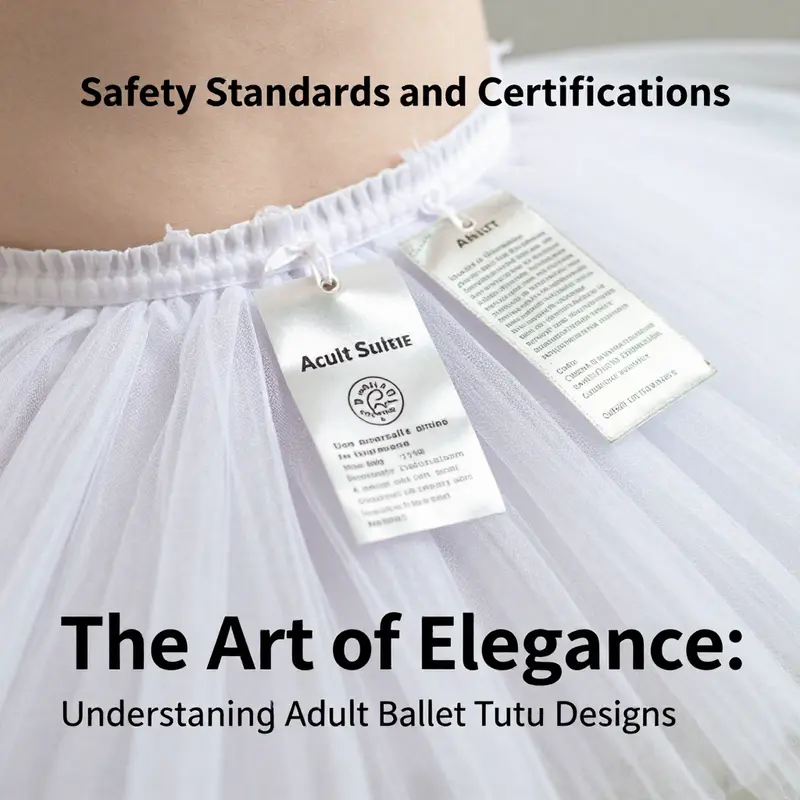
The tutu is more than a silhouette of classic poise on the stage. For adult dancers, it is a working garment that must endure rapid changes in direction, the friction of fabric against skin, and the demanding precision of high-level technique. When a piece of performance wear becomes a conduit for expression as well as a tool for movement, safety moves from an afterthought to an essential feature. In the context of adult ballet tutus, safety standards and certifications function like hidden choreographers. They guide how a costume is cut, what materials are used, how dyes behave under stage lights, and how a garment can be trusted to perform reliably through a long performance run, a photo call, or a demanding rehearsal schedule. The goal is not to dampen artistry with bureaucratic talk but to ensure that each fluttering layer of tulle supports ease of motion rather than hindering it, and that the dancer’s skin never becomes a site of irritation or a stage risk due to unsafe substances or build flaws.
Central to this safety framework is a web of certifications that operators across the supply chain commonly reference and verify. In practice, many suppliers who serve international audiences adopt the language of the CPSIA—though originally a U.S. statute governing children’s products—to signal that their products meet rigorous content standards. The Children’s Product Certificate, CPC, has become a familiar badge in adult performance wear listings on cross-border marketplaces, where sellers emphasize that their tutus comply with limits on lead content and phthalates. This may sound out of place at first, since adults wear these costumes, not children, but the point is practical: the materials and components of a tutu can come into prolonged skin contact and even close proximity to the face and eyes under bright stage lighting. For instructors and stage managers, CPC-like declarations offer a shorthand assurance that, at a minimum, the garment has undergone a level of testing aligned with consumer safety expectations across borders. It is a reminder that safety checks happen before a dancer steps into makeup and into the wings, not after.
Equally important is OEKO-TEX STANDARD 100, a globally recognized benchmark that speaks directly to the chemistry of textiles. This standard requires that fabrics, dyes, buttons, threads, and every other component in a garment be evaluated for hazardous substances at the point of manufacture. For a stage costume, this matters for several reasons. First, dancers spend long hours close to the skin, with costumes moving and shifting in ways that can cause unseen irritants to contact the body. Second, the dyes used to achieve the intended color—whether a pure matte black, a shimmering metallic, or a gradient that sweeps like a sunset—must not release harmful residuals when warmed by stage lights or swirled by the dancer’s movement. OEKO-TEX STANDARD 100 certifies that the garment’s chemistry has passed testing for substances known to pose health risks under typical conditions of use. An adult tutu that carries this certification provides a level of confidence to performers who often train for hours and perform under varying temperatures and lighting setups. It is a practical form of risk management, one that supports the dancer’s comfort and long-term skin health while maintaining the aesthetic clarity of the costume under lamps and lenses.
Beyond these two touchstones, the broader safety discourse includes other standards that occasionally surface in professional circles. European and American bodies have defined guidelines for textiles in ways that intersect with general wearability and stage safety. EN71 and ASTM are two such frameworks that, though rooted in toy safety and general product testing, sometimes inform costume makers’ thinking when a tutu is part of a larger production that includes prop elements or stage accessories. When a supplier notes EN71 or ASTM compliance, they are signaling a broader quality culture—one that prioritizes consistent material behavior, stable colorfastness, and dependable construction. For dancers and designers, this translates into dependable seams that won’t pop during a grand jeté, fabrics that retain their drape after repeated spins, and coatings or adornments that stay affixed through sweat and rapid movement. In practice, this means that a tutu’s layers—each tier of netting, the satin lining, the waistband’s elasticity, and any decorative elements such as sequins or embroidery—are all considered not only for look and fit but for durability and safety under stage conditions.
What does this mean for someone choosing an adult ballet tutu for performance, competition, or a critical showcase? It begins with due diligence and a sense of the costume as a system rather than a single fabric panel. A dancer evaluating options should not rely on appearance alone. The texture and color of the tulle may be luminous, but the real question is how the materials interact with skin, how the dyes hold under lights, and whether the construction can stand up to the rigors of intense movement. The safest path is to request official documentation that the supplier can provide third-party verification of the materials and processes used. This might include a CPC-like certificate indicating CPSIA compliance for lead and phthalates, a COA or test report showing compliance with OEKO-TEX STANDARD 100, and relevant notes about any additional certifications claimed by the product, whether EN71, ASTM, or other recognized standards. The presence of such documents reduces the risk of a costume that performs well in appearance but fails under rehearsal pressure or in a critical premiere.
The practical implications of these standards extend into design and manufacturing choices as well. For adult tutus, the multi-layer structure of netting is designed to be lightweight yet buoyant, allowing the leg lines to remain visible and the torso to stay grounded. The choice of fabrics, elastic waistbands, and interior linings must be made with an eye to non-toxicity, skin comfort, and long-term wearability. Materials with high stretch and recovery help maintain fit during a long program, while non-abrasive liners reduce the risk of rubbing or chafing along high-movement seams. A well-designed tutu will also account for stage lighting; certain fabrics may react to heat or dye modifications under UV or halogen lighting, so certifications that address chemical safety also help ensure colorfastness and reduced transfer when beads, glitter, or metallic threads catch the light. In short, safety standards shape a tutu’s internal logic: they influence how a costume moves, how it feels, and how it endures the interplay of space, air, and performance demands.
As a dancer or buyer navigates the market, a careful balance emerges between safety certification and aesthetic intention. The supply chain ecosystems that serve adult tutus often cluster around major manufacturing hubs where producers can scale production while maintaining quality controls. This is where the conversation about safety becomes practical, not merely theoretical. A supplier may emphasize that their tutus are produced under controlled facilities with deep quality checks and that they maintain documentation for certifications. In conversations about fit, color, and embellishment, it is equally important to verify the safety assurances. A tutu with gradient colors, metallic trims, or embroidered detail might look stunning on stage, but the underlying fabrics, dyes, and coatings must be tested to ensure they won’t irritate skin or degrade with vigorous movement. In this sense, safety standards become a bridge between artistry and performance reliability, allowing dancers to pursue craft without compromising well-being.
For readers who want a tangible reference to how design choices and safety compliance converge, consider examining examples that illustrate the fusion of craft and protection in performance wardrobes. One such example can be seen in a classically styled tutu that features gilded trims and a satin interior. The design demonstrates how aesthetic decisions can coexist with safety considerations; the gilding is decorative, but the underlying fabric and finish must still meet the standards described. This example is not singled out for endorsement but serves to illuminate the principle that beauty and safety are not mutually exclusive in adult ballet tutus. For a glimpse into how a safety-conscious approach translates into design variations, you can explore a related listing that showcases a pink tutu with golden trims and intricate detailing. The link below points to an internal page that highlights how a costume can be visually striking while still adhering to a safety-forward mindset: pink-costumes-golden-trims-nutcracker-cost-effect-t0469.
Beyond individual choices, buyers should remember the importance of verification and documentation. When a seller offers a certificate, request copies of the actual test reports or certificates, ensure the documents are current, and confirm that the issuing lab is accredited or recognized within the relevant regulatory frameworks. Keep an eye out for the scope of testing—whether it covers the entire garment or only specific components—as well as the specific substance limits cited, and whether the tests were performed on representative samples or on the products per se. This level of scrutiny protects not only dancers but also instructors who approve wardrobe for performances, event organizers who must ensure safety across a production, and studios that host recitals and showcases. In the end, the safety architecture around adult ballet tutus is a shared responsibility—an alignment of costume design, material science, and regulatory compliance that underwrites artistic risk with human safety.
As the market for adult tutus continues to expand, the role of safety certifications becomes a repository of trust for performers. The more transparent a supplier can be about the materials, the testing methods, and the documentation behind those certifications, the more confidently a dancer can proceed from rehearsal to opening night. The certifications are not merely bureaucratic hurdles; they are practical assurances that the tutu will behave predictably under the pressure of performance, supporting the line and stability a dancer seeks rather than threatening comfort or skin health. In this sense, safety standards become a quiet partner in the choreography, allowing the art to thrive in full, unencumbered expression. The tutu remains a vehicle for grace, but it is also a testament to the care that goes into making performance possible—from thread to dye to the final flourish of a satin bow. For performers and makers alike, that is the shared point of pride: beauty that moves with safety as its equal partner, enabling dancers to tell their story with confidence and clarity on every stage they grace.
External resource: For a comprehensive overview of OEKO-TEX STANDARD 100 and its testing criteria, see the official OEKO-TEX page. https://www.oeko-tex.com/en/standards-and-certificates/standard-100
Final thoughts
Understanding the complexity and significance of adult ballet tutus is essential for business owners within the dance apparel industry. The design and materials chosen not only impact performance but also reflect broader trends in consumer demand. Recognizing the functional aspects and cultural importance of tutus allows businesses to tap into new markets and create products that resonate with customers. Prioritizing safety standards further solidifies a brand’s commitment to quality, fostering trust among consumers. As ballet and dance continue to evolve, so too will the opportunities for business owners to thrive within this vibrant sector.