
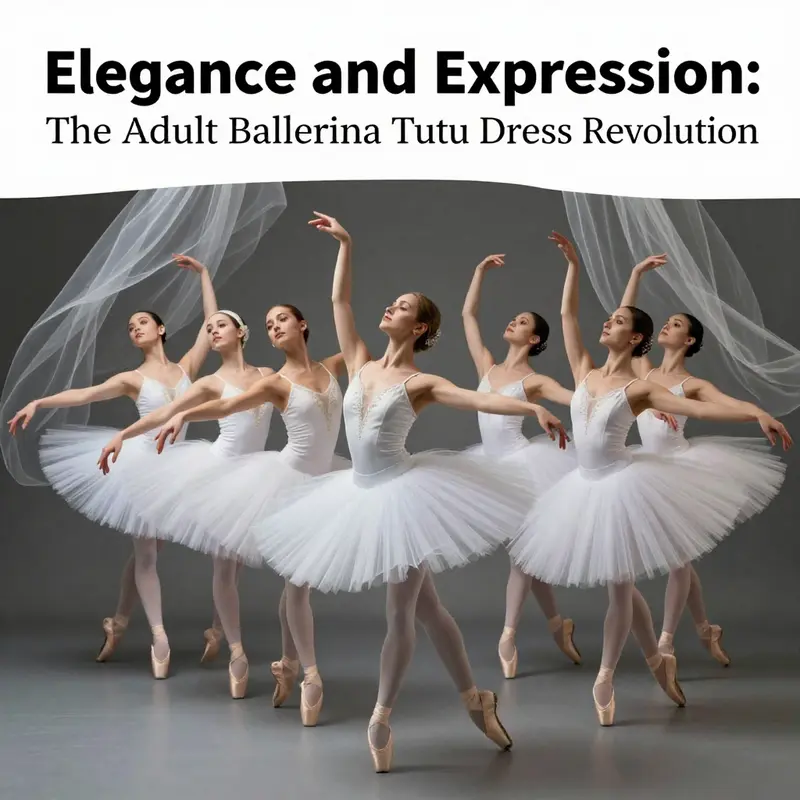
Ballerina tutu dresses for adults have emerged as more than just dance costumes; they symbolize creativity, elegance, and a connection to art. As businesses look to cater to this growing market, understanding the intricate details of performance and design, selecting the right dress, and recognizing the cultural importance of these garments becomes essential. This article delves into the performance and design aspects of ballerina tutu dresses, offers a comprehensive buyer’s guide, and examines their rising popularity and cultural significance, providing business owners with insights to better serve their clientele.
Movement in Silk and Structure: Performance-Driven Design of Adult Ballerina Tutus
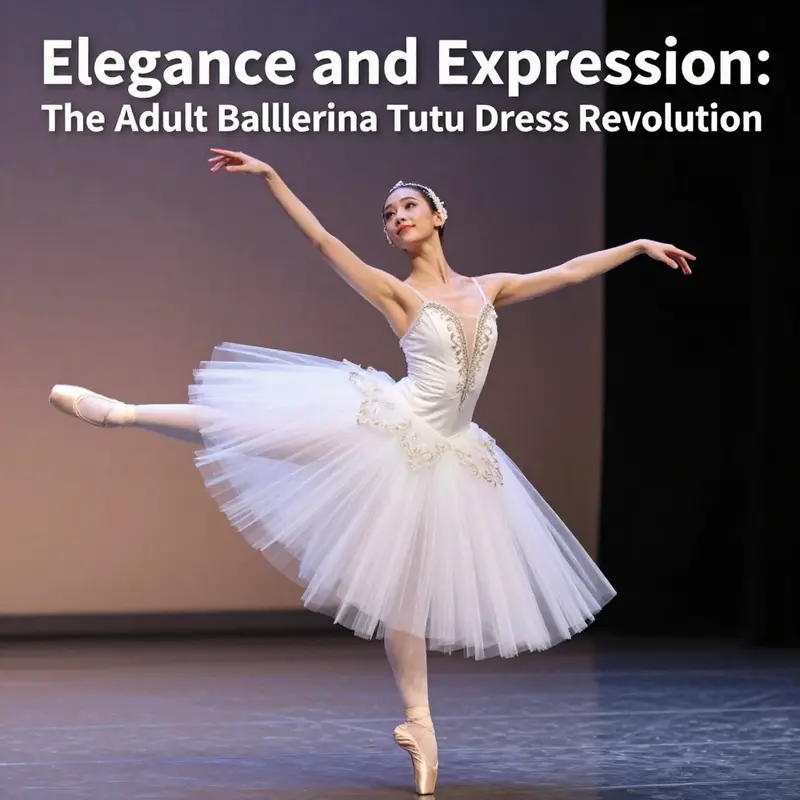
The tutu has always stood at the intersection of artistry and athleticism. For adult dancers, it is more than a costume; it is a piece of equipment that shapes what the body can do on stage and how that movement reads to an audience. The adult version carries the weight of tradition while absorbing contemporary demands for comfort, adaptability, and longevity through demanding schedules of rehearsal and performance. A well designed tutu supports the line of the leg, stabilizes the torso, and releases the energy stored in the limbs. It is a balance between rigidity and flexibility, between a silhouette that remains legible under bright stage lighting and one that does not hinder a long sequence of turns and leaps. Crafted with care, it becomes an extension of the dancer, an ally that preserves line while inviting air and momentum to travel through the fabric.
Performance oriented design sits at the core of how adult tutus are built. The muscular demands of professional practice require a tutu that can endure repeated full pirouettes, grand jetés, and sustained poses without collapsing into an unwieldy puff or shifting out of the correct place. This requires more than a thick stack of tulle. It demands a deliberate architecture of layers, attachments, and supports. The outer layers create volume and a dramatic cloud that reads from the footlights. However, the interior life of the skirt matters as well. A robust waistband anchors the garment to the core, while reinforced seams at the hips and around the waistband resist stress from rapid leg work and sudden directional changes. The layers themselves are not merely piled on; their distribution is calibrated so the tutu keeps its shape without creating drag on the body. In practice, this means that tulle is selected not only for its stiff aesthetic but for its resilience. Multiple layers, sometimes in different densities, are combined to build a silhouette that expands with each movement yet remains controlled and consistent.
At the heart of the performance tutu is a principle of shape retention. The dancer’s center is the engine of motion, and the skirt must not steal energy or obscure muscular definition. The layering strategy uses several tiers of stiffened tulle interwoven with softer underlayers that cushion contact with the skin and allow the legs to move freely. The stiffening is achieved through textile architectures that hold their form when stretched yet remain pliable enough to bend with the waist. Interfacing and light boning may be employed along the bodice to keep lines clean through leaps and swirls, while the waistline is engineered to distribute pull evenly across the core. This is not a matter of fashion over function, but a careful calibration of mechanical leverage. The dancer does not want to feel the skirt tugging in either direction during a grand jeté or a rotation; instead, the garment acts as a propulsive extension of effort, translating power into the ideal arc.
Aesthetic considerations are never far from performance realities. The tutu must be visually potent under stage lighting, yet its beauty cannot come at the expense of control. Designers manage light and texture by selecting tulle with subtle translucence and by carefully placing lace appliqués or iridescent threads in deliberate locations. The cascade of fabric creates a sense of motion even when the body is momentarily still. Light catching elements are used sparingly to avoid distracting the eye from the dancer’s technique; rather, they emphasize the dancer’s lines as they arise from the breath and the turn of the leg. In pursuit of a refined look, the tutu avoids excessive ornamentation that could snag or impede the leg during long rehearsals. The result is a silhouette that looks effortless even as it is engineered to withstand the demands of a rigorous schedule. The color palette of adult tutus has broadened beyond traditional white or pale tones, embracing deeper neutrals and saturated hues that read differently on a lit stage. A well chosen hue can intensify a dancer’s presence, complement her skin tone, and harmonize with the lighting design, creating a coordinated tableau rather than a mere costume.
The interplay between fabric, cut, and finish matters as much in practice as in theory. The use of a detachable bodice, common in modern performance wear, allows easy changes in fit for dancers with different torso lengths or shoulder widths. The skirt, anchored to this bodice, must align with the dancer’s rib cage to ensure the waist remains the strongest anchor. An overlocked seam along the inner circumference prevents fraying while allowing a smooth glide of the fabric against the body. The interior lining is often a soft, breathable layer that wicks moisture and provides comfort through hours of rehearsal and performance. The choice of sleeve length or neckline on the bodice can influence torso flexibility; in practice, many performers benefit from a bodice that accommodates a snug, secure fit without restricting breath or shoulder mobility. The emphasis on ease of movement leads to thoughtful construction techniques such as reinforced gussets at key joints and strategically placed seam allowances that expand as needed during leg extension.
Dancers of diverse body types reveal how inclusivity and tailored design have evolved in the tutu world. The industry has moved toward adjustable waists, longer shelf lives, and a willingness to adapt to different proportions without sacrificing silhouette integrity. This has become particularly important as adult dancers bring a wider range of torso lengths, hip widths, and leg separations to performances that require precise alignment of the leg with the tutu’s edge. The result is a more forgiving yet still precise look, one that respects the dancer’s anatomy. Sustainable design choices have joined the conversation as well. Reusable undergarments and recycled or responsibly sourced fabrics minimize waste and reflect growing awareness of environmental impact in the performing arts. The shift toward sustainability does not mean compromising on sparkle or resonance under stage lighting; rather, it challenges designers to explore new material combinations that retain stiffness and shape while being kinder to the planet. In practice, this means testing textiles that balance elasticity, density, and opacity, so that a tutu remains luminous yet comfortable for the body’s long hours on stage.
The conversation about performance and design is inseparably linked to the specific contexts in which the tutu appears. For formal stage performances that hinge on classical lines, the silhouette must hold a crisp, precise edge, with a tutu that reads as a deliberate extension of the dancer’s line from hip to toe. For contemporary pieces or themed events where a more playful or gilded effect is desired, designers experiment with color blocking, subtle shimmer, and textural contrasts that still respect the dancer’s mobility. In all cases, attention to the choreography and the dancer’s practice schedule informs the fabric choices. A dancer who rehearses a heavy repertoire of turns and leaps will benefit from a tutu that exerts a controlled gravity on the skirt, minimizing lift in an uncontrolled moment while maximizing the arc of the leg when the music peaks. The costume thus becomes not simply a garment but a partner—one that responds to the dancer’s exertion and helps sculpt the performance’s emotional arc.
For dancers, the relationship between the costume and the body is intimate. The garment must align with the body’s mechanical axis, supporting the spine, encouraging a lifted chest, and allowing a clean extension of the leg. A tutu that rides up or shifts during a turn can derail timing and line; thus, the fit often prioritizes a secure, low profile waist and a gentle edge to the hip that avoids pinching or heavy fabric pulling at the pelvis. The choreographic demands of a classical repertoire encourage a certain rigidity in the skirt to reveal the crisp outer line of the leg. Conversely, more fluid or character-driven pieces may benefit from a slightly softer silhouette that still preserves core shape. The adult dancer, balancing technique with artistry, recognizes that the tutu is a living artifact: it must hold its form without constraining the breath of a long phrase or the precision of a pirouette. The seamstress and designer who fashion this artifact are, in a sense, co-authors of the dancer’s storytelling, translating the music into structure, light, and movement.
A concrete example of the relationship between design and performance can be found in reference to white tutus used for classical repertoires. A white tutu designed for formal presentations embodies a clarity of line that many dancers associate with iconic works. See white ballet tutu suitable for Swan Lake presentations for a sense of how a restrained palette and careful construction can produce a look that reads with precision onstage. This kind of piece demonstrates how the design language guides audience perception—the crisp silhouette, the even distribution of weight in the skirt, and the gentle sheen of the fabrics all work together with the dancer’s lines to create a moment of visual poetry. It is not merely about coverage or coverage; it is about translating every turn of the hip and every extension of the foot into a readable, luminous shape that the audience can follow.
The design process in this arena is collaborative and iterative. Patternmakers draft baselines that anticipate the dancer’s center of gravity and the mechanical forces at play when the leg rises. The fabric faculties are tested through wear trials, with dancers in the studio providing feedback on comfort, mobility, and fatigue. The bodice is tuned to hold the upper body in a posture that allows a generous, unhindered breath and dynamic shoulder movement, while the skirt works in concert with the leg to reveal or conceal lines that matter to the choreography. The result is a performance garment that is both durable and expressive, a fusion of engineering and art. In newer works and in small company productions, designers may push the boundaries by integrating subtle color gradients or hints of metallic thread that catch the light as the dancer moves through a sequence. Yet even in these experiments, the core objective remains the same: to create a tutu that supports power, precision, and presence, rather than merely embellishing the body.
In contemplating the future of adult ballet tutus, we can expect a continued expansion of both comfort and capability. The adult dancer speaks with a broader voice about fit, mobility, and sustainability, and designers listen with more attention to anatomical variety and to long rehearsal cycles. There is a growing emphasis on materials that resist sagging, deforming, or fraying under repeated loads, and on construction methods that permit micro-adjustments without costly alterations. The tutu is increasingly seen as an investment piece—one that a dancer will reach for not just for a single performance but across a career that includes competitions, showcases, and collaborative works. The elegance of the silhouette remains a constant, but its ability to move with the performer expands as new textiles, new lamination techniques, and new sewing methods emerge. This evolution mirrors the dancer’s own progression, where artistry is inseparable from the science of movement, and where a single garment can symbolize a path from technical study to stage presence.
To end with a note that binds design to practice, consider that the performance tutu for adults is a dynamic artifact, one that adapts to the dancer who wears it. It supports, it frames, and it reads the energy of the body as it travels through space. The design is not a static shield; it is an explicitly kinetic partner that helps translate stamina into form. The best designs anticipate the rhythm of rehearsal, the tempo of a performance, and the intimate contact of fabric with skin. They acknowledge the dancer as a living instrument and design around that truth. For readers who seek further technical grounding, the literature on barbie tutu standards and material properties offers guidance on how such fabrics behave in practice, what thresholds of stiffness are required to hold shape without compromising comfort, and how to assess durability across repeated uses on stage. This resource provides a concrete framework for thinking about performance oriented construction and ultimately for making informed choices when selecting or fabricating a tutu that will support an adult dancer through hours of practice and moments of peak artistry.
External references and further reading can help illuminate the principles discussed here. For a deeper technical reference on standards, properties, and practical applications, see the Barbie tutu guide. External resource: A Technical Guide to Barbie Tutu: Standards, Properties, and Applications in Practice
Elegance in Motion: A Confident Guide to Adult Ballerina Tutu Dresses for Modern Life
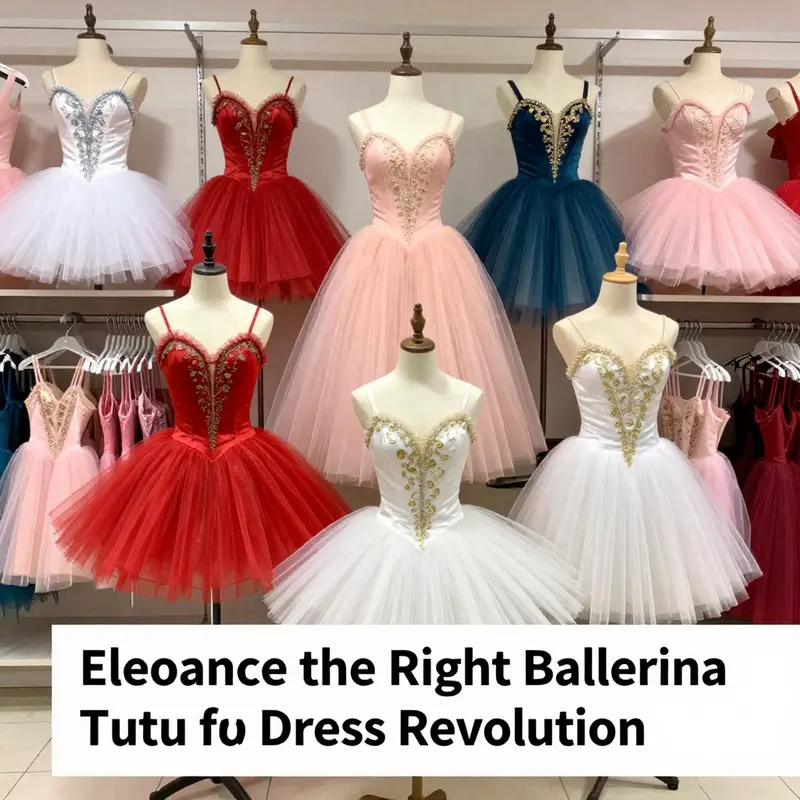
A ballerina tutu, in the hands of an adult wearer, becomes more than a costume. It is a statement of poise, an arena for movement, and a canvas for personal style that can suit stage, ceremony, party, or even a carefully styled photoshoot. The adult tutu has evolved from a purely theatrical prop into a versatile garment that blends performance heritage with contemporary taste. To navigate this world well, a buyer needs a sense of balance between aesthetics and practicality, between the lightness of air and the support required for comfortable movement. In practice, choosing the right tutu is less about chasing trends and more about aligning fabric, fit, length, and color with the wearer’s purpose and posture. A well chosen tutu can feel almost tailor-made, a rare blend of elegance and ease that lets the wearer move with confidence, whether on a dance floor, a ballroom stage, or a creative photo setting.
At the heart of any adult tutu is the silhouette. The iconic, voluminous skirt is built to create lift and floatation as the dancer moves, but for adults, the interpretation of that silhouette must respect proportion and elegance. Modern tutus often feature a short, stiffened skirt made of multiple layers of tulle. This construction preserves the classic halo of volume while allowing a more controlled drape when the wearer stands still or glides through a sequence of steps. The material choice matters almost as much as the design. High-quality tulle provides the necessary stiffness to hold shape, while chiffon can offer a softer, ethereal edge for more intimate, ceremonial settings. A satin or velvet bodice adds a touch of luxury and weight that anchors the look, ensuring that the tutu reads as refined rather than whimsical in more formal contexts.
The question of fabric is inseparable from the question of movement. A tutu that feels light and breezy can still offer surprising support if the base is well designed. In practice, the leotard portion must fit snugly, yet not constrict. An ideal adult tutu balances a secure fit with freedom of articulation in the shoulders, chest, and hips. Many contemporary designs include built-in support features, such as a shelf bra or adjustable straps, which can be a boon for comfort during longer wear or dynamic performances. When a costume integrates these details, it avoids relying solely on external undergarments or improvisation, and it allows the wearer to focus on expression rather than fit. The result is a garment that feels almost custom—though it is purchased off the rack—because the wearer can move with ease without the constant need to adjust.
Another axis of consideration is length and fullness. The tutu’s fullness should complement the wearer’s height and leg line, creating a balanced silhouette rather than an overbearing shape. A slightly longer, more structured tutu can project sophistication suitable for formal events or stage pieces with a mature mood. In contrast, a shorter or fluffier tutu might skew younger and more playful, which can be delightful for certain events but may not align with every setting. Audience perception follows line and rhythm; the eye reads a steady vertical axis, and the fabric’s stiffness helps hold form through spins, leaps, and poses. For adults who want a look that whispers elegance rather than shouting whimsy, opting for a refined fullness and a less frilly edge often achieves the most timeless result.
Color and tone also play a pivotal role. Neutral palettes—ivory, cream, champagne, black, or deep jewel tones—can anchor the tutu in sophistication. Glitter, sequins, or metallic embroidery are delightful accents, but in a formal or ceremonial frame they should be used sparingly. The goal is cohesion: the tutu should harmonize with the wearer’s accessories and footwear, so the overall ensemble communicates a curated artistic vision rather than a collection of disparate elements. When color is chosen with intent, the tutu becomes a versatile garment that adapts across events—from an intimate ceremony to a grand stage—without feeling costume-like or incongruent with the surroundings.
Fit matters, and fit is also a matter of size. Adult sizing for dancewear has advanced far beyond the child-sized options that sometimes show up in shops. The best brands design products specifically for adult proportions, recognizing that torsos, bust lines, and hip widths differ from younger wearers. Filtering by size and reading customer reviews can reveal how a particular cut runs true to size, whether it runs small or roomy, and how the fabric behaves after extended wear. When possible, checking for adjustable features—such as detachable shoulder straps, elastic back panels, or stretch satin waistbands—can dramatically improve comfort and tailor the garment to individual contours. A well-fitting tutu distributes weight evenly, reducing fatigue and enabling longer performances or events where movement is central to the experience.
The decision between a performance-oriented piece and a more decorative, fashion-forward tutu also matters. Performance-oriented designs emphasize durability and structure. They are built to endure repeated motions, cheers, and the rigors of lighting and stage management. They may include reinforced seams and durable fastenings that resist wear. Decorative versions, by contrast, celebrate aesthetics—raying crystals, subtle embroidery, or luxe fabric mixes that photograph beautifully and suit a wedding or gala. Both paths can be rewarding, but the wearer’s purpose should guide the choice. For someone who intends to dance regularly, durability and comfortable mobility should take precedence. For someone who wants an impressive statement piece for a photoshoot or a wedding, a more refined, elegant, and proportioned silhouette may be the priority.
To navigate this landscape with discernment, it helps to look at how the tutu is constructed from the inside out. The underskirt or petticoat, the stiffened layer, and the bodice all contribute to how the dress holds its shape and how it feels against the body. A built-in panty can add modesty and convenience, while detachable elements provide versatility for different events. The best options offer a combination of secure anchoring and flexible adaptability. In the absence of a customized fit, the wearer can still achieve a personalized line by selecting components that allow adjustments—such as straps that can be shortened or lengthened, and waistbands that accommodate minor shifts in measurement without buckling or slipping.
Sustainability and care are not afterthoughts. A tutu that lasts benefits from thoughtful materials and thoughtful maintenance. Gentle hand washing or delicate machine cycles, where allowed, help preserve the stiffness of the tulle and the integrity of any embellishments. Air drying maintains the shape of the skirt and prevents warping that heat could cause. When planning to wear a tutu beyond a single event, consider storage that minimizes creasing and keeps the fabric airy. A well-cared-for tutu can become a trusted companion for years, making it not just an outfit but an enduring craft object that carries the memory of performances, photographs, and shared moments.
For readers curious about how a mature, well-made tutu translates from retail rack to real-world wear, consider the practical example of a white, high-quality tutu with a Swan Lake-inspired aesthetic. This type of piece often balances a crisp, clean bodice with a softly dramatic skirt, offering a timeless sense of refinement that suits weddings, galas, and stage appearances alike. If you are exploring options and want a tangible reference point without the distraction of a specific brand, a product page that emphasizes adult sizing, structural integrity, and a neutral palette can provide a useful baseline for comparison. When you compare, look for clear measurements, detailed fabric descriptions, and an honest presentation of how the garment behaves in motion. These cues help translate online visuals into real-world confidence during fittings and fittings and rehearsals alike.
As you consider your purchasing decision, remember that the best tutu for an adult wearer is the one that feels right on the body and reads correctly on the page. A good size, a flattering silhouette, and a color that suits the event can transform a garment into a tool for expression. The wearer becomes less a spectator to fashion and more an active collaborator with it, shaping the garment with each step, twirl, and pose. In this light, the tutu is not just a costume. It is a living piece of wardrobe that carries the memory of dance, ceremony, and celebration.
For a closer look at how a mature tutu can be integrated into a formal or editorial setting, you can explore a product page that presents a well-constructed, adult-oriented design. This page demonstrates how features such as a secure bodice, detachable straps, and a clean, luminous white finish work together to create a refined aesthetic. It also provides practical details on sizing and fit that are essential for anyone weighing a purchase. The goal is not to imitate a child’s look but to reinterpret a ballet classic in a way that aligns with adult grace and contemporary styling. The result is a garment that invites movement, confidence, and a sense of timeless elegance, whether the wearer is stepping onto a showroom floor, a wedding aisle, or a studio stage.
To connect with a broader shopping context without naming exact product lines, consider this internal reference as you shop: the ballet tutu product page offers a tangible example of how the silhouette and construction translate into wearability for adults. It helps frame expectations for fit, versatility, and finish, guiding you toward choices that will feel comfortable while still delivering the dramatic impact you seek.
Internal resource for reference: ballet tutu product page.
In closing, the adult ballet tutu is a generous canvas for personal style. It invites mindful curation rather than impulse purchase. By prioritizing fabric integrity, confident fit, thoughtful length, and disciplined color choices, you can select a tutu that remains stylish across seasons and events. The right piece will move with you, not against you, preserving the artistry of ballet while adapting to contemporary life. Whether your goal is a show-stopping stage moment, a romantic wedding entrance, or a chic editorial look, the adult tutu offers a rare blend of tradition and modernity that can elevate any occasion into a ceremony of grace. When you approach the purchase with clear criteria, you can confidently secure a garment that feels both timeless and alive to the wearer’s personality. The tutu then becomes more than attire; it becomes a medium for movement, memory, and meaning.
External resource: https://www.amazon.co.uk/dp/B0CZQ4K5YV
From Stage to Street: The Quiet Revolution of Adult Ballerina Tutu Dresses
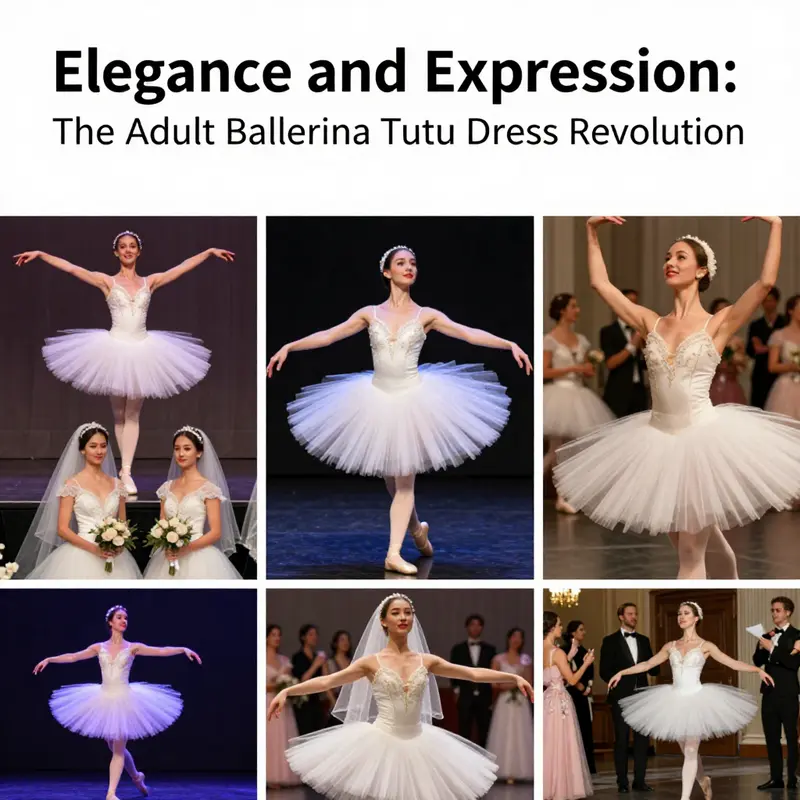
When the word ballet tutu is spoken, most minds picture a young dancer on a polished stage, limbs tracing arcs through the air in a halo of tulle. Yet the adult version of this iconic silhouette has begun to inhabit a broader worldview. It no longer signals only a rehearsal studio or a professional audition; it signals a willingness to wear artistry as everyday identity. The adult tutu has migrated from its traditional function as a costume into a conversation about self-expression, empowerment, and the ways in which clothing can reflect inner resolve as much as external beauty. To observe this shift is to see a culture moving toward inclusive visibility. The tutu, once a marker of youth and a certain ideal of form, now sits proudly in wardrobes that celebrate varied ages, sizes, and life stories. Its appeal is not limited to those who perform on a stage. It invites anyone who wants to honor movement, posture, and rhythm to explore a garment that embodies those ideas without demanding a particular role from the wearer. The result is a garment that blends reverence for classical form with a modern insistence on comfort, practicality, and personal meaning. The effect is subtle but powerful: the tutu becomes a living sculpture that can travel from a rehearsal studio to a city street, to a beach wedding, or to a themed party, all while maintaining its core aura of discipline, grace, and possibility. In this way, the adult tutu ceases to be a singular costume and becomes a versatile instrument of expression, one that asks the wearer to bring intention to how it moves and what it means. The shift does not erase the tutu’s lineage. Rather, it reframes it. The stiffened, multi-layered skirt remains the most recognizable feature, a design choice that creates volume and isolation between torso and legs. But the way this silhouette is approached has loosened. Fabrics have diversified beyond the classic organza and tulle to include satin, mesh, and eco-friendly textiles that align with contemporary values around sustainability and comfort. The result is a spectrum of looks that can still nod to the precision of ballet while embracing a broader sense of personal aesthetics. The adult tutu now comes in options that are supportive for different body types, with inclusive sizing that acknowledges curvy, tall, petite, and in-between forms. This inclusivity is not a soft trend but a cultural pivot. Brands and makers have realized that a garment can be both technically appropriate for movement and emotionally resonant for the wearer. When a person feels that a costume fits their body and their story, the performance—the day-to-day act of being seen—becomes a form of self-affirmation rather than a demonstration of athletic neatness alone. The practical impact of this shift is clear in studios and classrooms as well as in creative communities around cities. In many studios today, adult dancers train side by side with younger students, and the attire reflects this shared space. The tutu, once a symbol that only the young could inhabit with ease, now sits as a sign of mature artistry. It is possible to find adult versions that provide a full range of motion without sacrificing the silhouette that makes the tutu instantly recognizable. The modern adult tutu is not merely a costume; it is a garment tuned to the needs of real life. It must be comfortable enough for long hours of practice yet striking enough to hold its own in a performance or a photo shoot. It must flatter different shapes while preserving a heroic plumpness of the skirt that defines the look. In this sense, the adult tutu becomes a practical celebration of dance as a universal language. The cultural significance of this shift can be felt in the way audiences respond to dancers who wear these outfits outside traditional performance venues. The streets, galleries, and social events become stages for the tutu’s visual language. A person in a carefully chosen tutu can convey poise, resilience, and a willingness to engage with beauty on their own terms. The same rules that govern stage choreography—timing, balance, and presence—now inform street-ready styling. A minimalist version might emphasize clean lines, a fitted bodice, and a soft, translucent layer of tulle that catches light as the wearer moves. A more exuberant option might layer multiple textures and add sequins or metallic threads that gleam in evening light, turning a simple walk into a performance of mood and intention. The 2025 dancewear conversation captures this blend of elegance and practicality. The trend notes that dancers are redefining what constitutes appropriate attire in both studios and urban spaces. The tutu, with its long history and strategic silhouette, becomes a bridge between classical technique and contemporary self-expression. It is not merely a throwback to a traditional art form; it is a language that allows people to articulate confidence in a framework that respects discipline while inviting invention. Because the adult tutu sits at this crossroads, it has become a focal point for conversations about body positivity and inclusivity in fashion as well as dance. The garment invites wearers to claim space in rooms that have long prescribed a narrow standard of beauty. It invites broader participation, from those who seek to reconnect with movement after many years to those who are discovering dance as a form of artistry later in life. The data behind this cultural shift is as much about perception as about fabric. When people see adults wearing tutus in nontraditional contexts, the social script begins to loosen. The tutu stops signaling only a role; it signals a possibility: that art does not end with youth, and that maturity can carry the same grace and fastidious attention to detail that performance demands. The practical reality of this shift is visible in the availability of inclusive, customizable options. Platforms that connect dancers with makers and designers enable a broader range of sizes, shapes, and preferences. The design debates now include not only how a tutu looks, but how it feels to wear it for longer periods, how it breathes during movement, and how it can be made with ethically sourced materials that align with a dancer’s values. The cultural conversation around the adult tutu is enriched by stories of collaboration between choreographers, costume designers, and everyday wearers. These collaborations explore not only aesthetics but also the social meanings of adornment. When someone chooses a tutu for a wedding, a party, or a festival, they are choosing storytelling as much as fabric. The tutu becomes a stage for personal narrative, a canvas on which individuals compose images of strength, vulnerability, and joy. Within this evolving landscape, access to high-quality, customizable options is increasingly important. Dancers and non-dancers alike want garments that hold their shape over hours of wear, resist wear and tear, and offer a sense of security as they move. The conversation has moved beyond simply finding something pretty. It now includes considerations of fabric weight, seam construction, and the comfort of the waistband. The practicalities matter because they empower wearers to move with authenticity—whether executing a grand jeté in a studio, stepping into a reception, or walking through a crowded city street. The adult tutu’s cultural resonance also intersects with adult education and community programs. Dance studios that welcome adults often position the tutu as a symbol of lifelong learning. It becomes a visual cue that learning is ongoing, that technique can mature, and that beauty can evolve with time. In this sense, the tutu is a mentor garment. It reminds us that mastery is not a youth monopoly, but a lifelong pursuit marked by dedication, curiosity, and the courage to present one’s self with clarity. The ongoing dialogue about body positivity and fashion inclusivity further shapes the adult tutu’s trajectory. When more sizes are offered, when fabrics accommodate different climates, and when designs consider accessibility features, more people can explore the joy of dancing-inspired dress without compromising their comfort or self-image. The broader cultural uptake also invites a more nuanced conversation about performance and representation. The tutu, once a symbol of a tightly choreographed ideal, is now a site where individuality and collective memory meet. It is a garment that can honor the tradition of ballet while inviting new interpretations: a modern heirloom that carries the discipline of the past into the living rooms, studios, and streets of today. For readers who want to see how these ideas translate into actual wardrobe choices, a recent example in the field demonstrates how a traditionally white, formal silhouette can be reimagined with subtle color plays, sustainable fabrics, and comfortable tailoring. The result is a tutu that respects the lineage while inviting personal storytelling. In this way, the adult tutu is not just a costume; it is a cultural artifact that embodies resilience, creativity, and the evolving language of dancewear. It invites audiences to recognize that artistry does not fade with age; it matures, broadens, and continues to move through the lives of those who choose to wear it. The chapter would be incomplete without acknowledging the practical path that makes all this possible. Consumers increasingly look for reliable, inclusive options that balance performance needs with everyday wearability. In global markets, this demand has driven brands and makers to develop scalable, customizable solutions that can ship quickly to different parts of the world. The collaborative spirit behind these options—where designers listen to dancers, hobbyists, and fashion enthusiasts—reflects a new era in which dance-inspired clothing is both accessible and aspirational. The adult tutu, then, is a reflection of how communities reimagine tradition. It is a symbol of agency, a catalyst for creativity, and a reminder that style can be a form of empowerment. As more people explore what it means to wear a tutu as an expression of self, the garment will continue to evolve in ways that honor technique while embracing narrative freedom. The ultimate lesson is simple: the tutu can be a personal statement and a shared cultural symbol at the same time. By embracing inclusivity, sustainable materials, and comfortable design, the adult tutu speaks to a broad audience—one that wants beauty without neglecting function, and artistry without sacrificing identity. Internal link for further exploration: White Swan Lake ballet tutu. External resource: https://www.alibaba.com
Final thoughts
The evolution of adult ballerina tutu dresses signifies not only a shift in performance wear but also a cultural embrace of elegance and creativity. Understanding the design intricacies, making informed purchasing decisions, and recognizing the dresses’ wider societal role enables business owners to tap into a dynamic market. By celebrating both the artistic beauty and practical considerations of these dresses, businesses can better connect with consumers seeking to express themselves through fashion. Emphasizing quality, fit, and style will ensure success in this vibrant sector.