
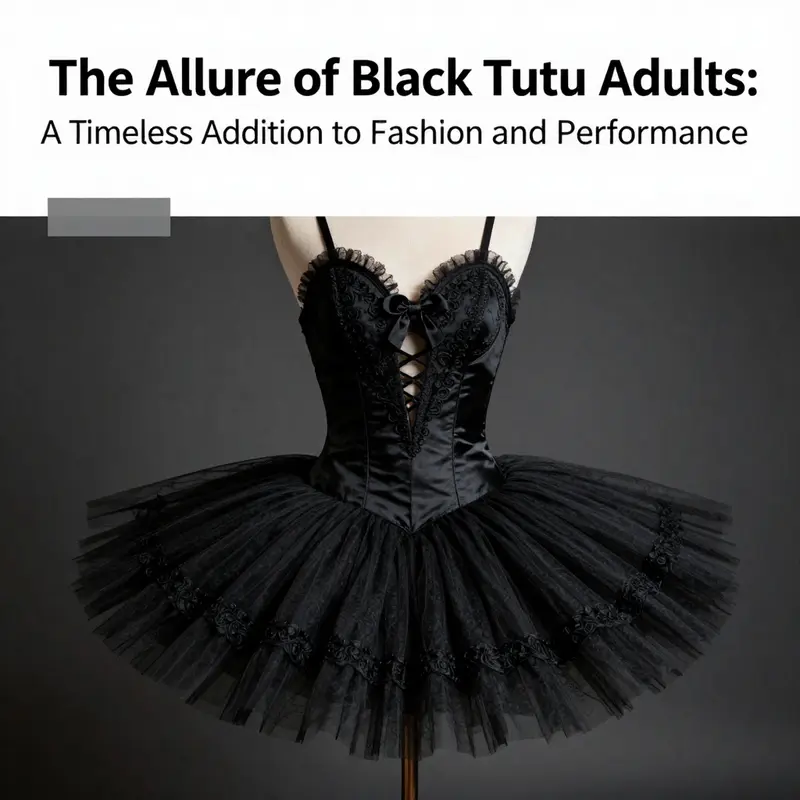
As a quintessential piece in both fashion and performance, the black tutu adult stands out for its versatility and elegance. With its classic layers of tulle, this garment enhances the wearer’s silhouette while offering a broad spectrum of styles suitable for various occasions. Understanding the types and variations of black tutu adults facilitates better inventory choices for business owners. In the chapters that follow, we will delve into the different styles available, the occasions when these tutus shine, the craftsmanship that ensures quality, the cultural significance behind the garment, and current market trends that influence their prominence. Each section will equip business owners with insights to augment their collections and appeal to a wide clientele.
Adult Black Tutus: Styles, Silhouettes, and Modern Versatility
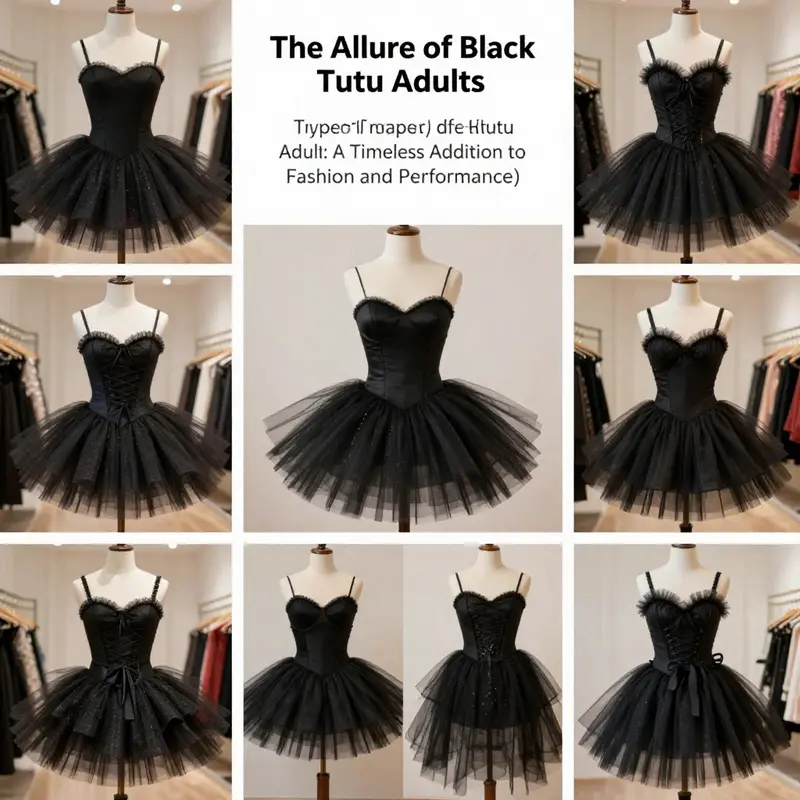
The adult black tutu is a versatile canvas for movement and mood. It functions as wearable sculpture that shapes how the body moves through space. From formal looks to playful stage pieces, bold volume in black can transform a moment into memory. The silhouette reads differently with each cut and layer, and the wearer’s posture can shift the line from delicate to dramatic. Over time the black tutu has evolved from a ballet staple into a statement piece that suits contemporary fashion and performance. The result is a spectrum of looks that can be quiet, theatrical, intimate, or cinematic, depending on the layering of tulle and the interplay between bodice and skirt.
The Classic Black Tutu Skirt remains foundational. Built from multiple tulle layers with an elastic waist, it flares from the hips into a bell like shape. Three to five layers create fullness that holds its form during movement while staying light enough for comfort. This makes it suitable for formal events, parties, or a striking evening silhouette when paired with a sleek top or corset. The elastic waist allows for comfortable wear, while the translucence of the fabric keeps the look airy. It is a living frame that responds to the body’s tempo, letting the dancer glide through space with a quiet magnetism. Its value lies in how it can be styled for different contexts, from understated elegance to stage drama.
A bold modern option is the Black Red Striped Tutu Dress. Stripes can be vertical to elongate the torso or horizontal to add emphasis, creating a visual rhythm that remains legible. Materials can include satin, mesh, or patterned tulle for texture and light reflection that enriches the silhouette in photos and on stage. This look suits contemporary events such as retro parties, cabaret nights, or dance performances where the aim is to tell a story at a glance. The interplay of color and movement invites the audience to follow a narrative arc as the wearer turns and poses.
The Off Shoulder Black Tutu Dress shifts attention to line and presence. A structured bodice defines the waist while the off shoulder neckline highlights collarbones and shoulders. The combination yields a synthesis of timeless grace and modern allure, suitable for gala evenings or fashion shoots where lighting can emphasize the bodice while the skirt delivers dramatic volume. The design relies on careful proportion so the bodice holds its shape without constriction and the skirt flares with substance to stand away from the legs.
A playful variant is the Tutu Bikini, a hybrid that blends swimwear aesthetics with ballet inspired tailoring. A high waisted layered tulle skirt pairs with a cropped top, creating a silhouette that works for beach parties and nightlife while preserving movement potential. The bikini inspired approach shows how adult tutus can translate beyond the stage into everyday fashion, inviting new expressions through movement and color under different lighting and social contexts.
The Black Cat Tutu Costume adds seasonal character into the mix. Integrated ears and tail attachments in textured tulle evoke feline fur while maintaining volume. Practicality enters the design through ease of wear and durability, ensuring comfort during active movement and reliability in crowded spaces. This variant invites performers to inhabit a character with minimal friction and maximal expression.
As styles circulate, fit becomes a language for identity. A tutu can emphasize the waist, elongate the torso, or balance proportions. The elastic waistband on a classic tutu paired with a corseted top defines the midsection while allowing freedom of movement. For taller wearers longer layers create drama; for shorter statures a knee length variation can create the illusion of leg length without sacrificing buoyant energy.
Behind the glamour lies technical evolution. By 2026 designers emphasize fabric quality and precise cutting to keep the black tutu comfortable and stable under heat, sweat, or camera flash. Layering techniques, seam strength, and tulle choice influence how the skirt behaves in different lighting and during movement. Boning and reinforced seams in the bodice or waistband help keep lines clean while enabling breath and weight shift. The best adult black tutus balance aesthetics with ergonomics, delivering weightless movement and broad appeal.
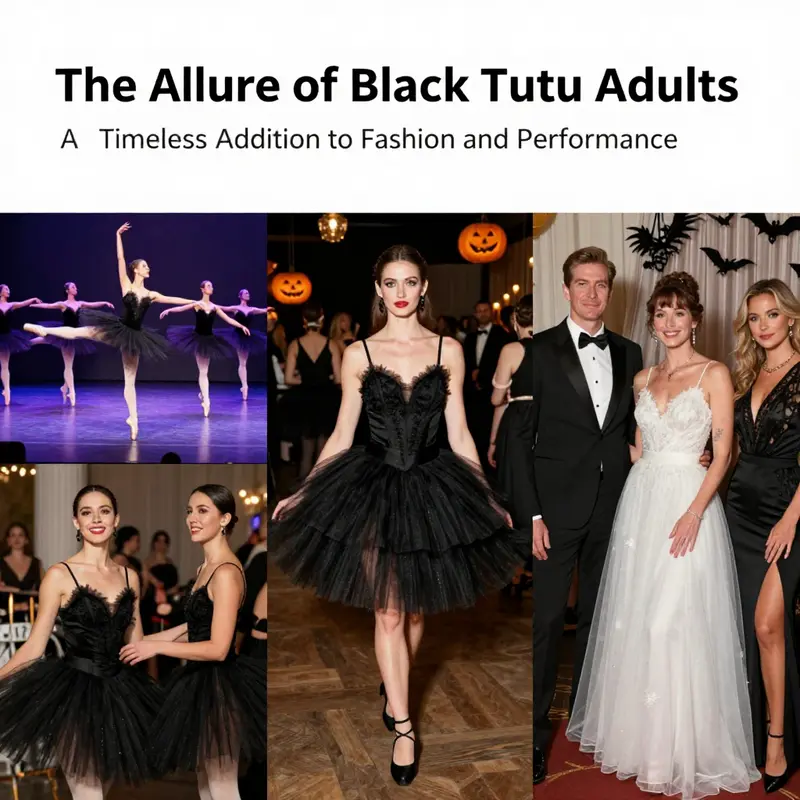
This versatility mirrors broader fashion trends. The black tutu moves from studio practice to weddings, photo shoots, masquerade events, and runway inspired shoots. It can bridge tradition and experimentation, such as a couple pairing a black tutu with a white bridal gown or a solo performer layering a top with a halo of tulle to frame a dramatic pose under stage lights. Photographers seek the tutu’s texture to catch light from multiple angles, encouraging dynamic posing that shifts from sculptural to kinetic. In this sense the tutu serves as both costume and language for space and audience.
null
null
Weaving Presence: Material Precision and Craftsmanship Behind Adult Black Tutus
Across the landscape of adult fashion, the black tutu remains a rare fusion of fairy-tale silhouette and modern restraint. In stage, studio, or photograph, the choice of material and the craftsmanship behind the skirt determine not just the look but how the garment behaves under movement. This chapter traces the quiet, essential work of turning a bundle of layers into something that feels light yet unyielding in shape. It is a reminder that the magic of a black tutu lies not only in color and volume but in the precision that keeps the silhouette steady as the wearer pivots, glides, and leaps. When designers and makers speak of quality, they ask two practical questions: what is the fabric made of, and how is it put together? The answers ripple into every decision, from the fit at the waist to the fall of the hem, from the way a fabric catches light to how it photographs. For adult wearers, the stakes are different than for children or casual costumes; adult tutus must withstand longer use, more demanding choreography, and more nuanced styling. The research here emphasizes that material and method matter as much as the outward appearance. They turn a decorative garment into a trusted ally on stage and in studio.
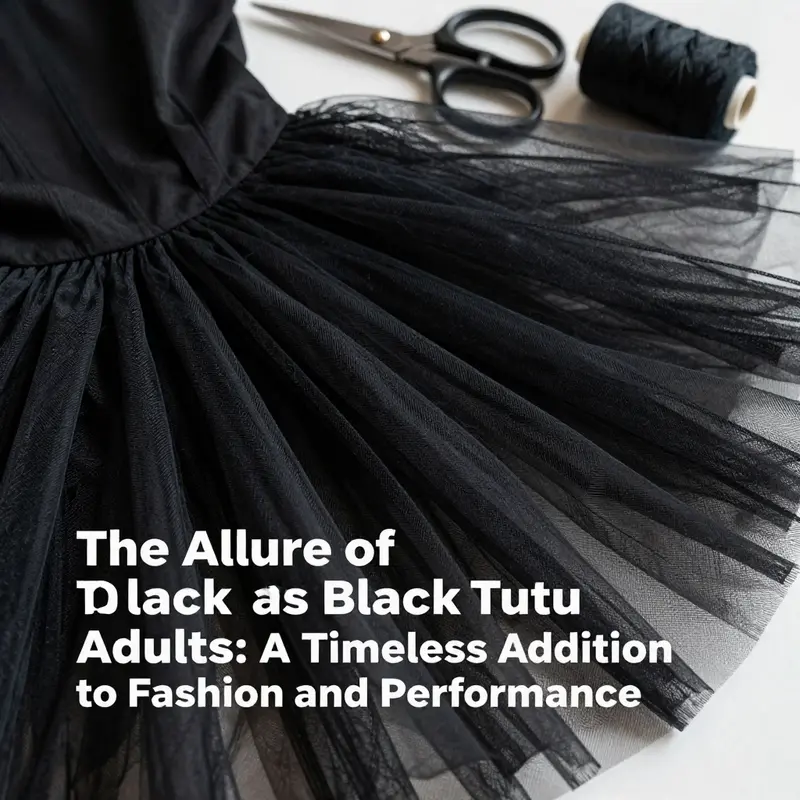
This is where the core truth emerges: layering and density matter as much as the surface sheen. The fullness of an adult black tutu typically relies on three to five layers of soft tulle, each chosen for both weight and resilience. The tulle is often a high-grade polyester blend, designed to hold color consistently and resist snagging after repeated wear. Layering is deliberate: evenly distributed across the waist and hips, with the top layers providing the visible buoyancy while the lower layers anchor volume and bounce. The layers sit atop a satin-lined waistband that anchors the skirt to the body and cushions contact against the torso during long rehearsals. The satin also aids longevity, helping the waistband resist stretching and maintaining the garment’s shape. The distribution of density across the skirt is not accidental; it is guided by tested patterns so that every rotation, reach, and chaîné looks balanced. When the layers are misaligned or uneven, the silhouette wobbles or catches lighting awkwardly, breaking the intended line. Precision in cutting, seam placement, and edge finishing ensures the halo of fabric sits smoothly around the legs, creating an even, luminous boundary that reads well under stage lighting.
Structural support is the second pillar. The waistline must be comfortable yet secure, so many designers employ a satin-lined elastic waistband that offers a forgiving fit without digging in. Reinforced stitching at the waist and hem resists wear at the most stressed points, a simple detail with outsized impact. In professional-grade designs, internal bones or a structured bodice help maintain the tutu’s upright shape as the dancer moves. The aim is not to stiffen the wearer but to sustain a clean, elongated line from the hips through the torso to the hem. When the upper structure is well supported, the skirt does not collapse under the momentum of a grand jeté or a rapid turn; it holds its form, catching the light in a uniform, flattering way. This is especially important in designs that pair a dark black base with contrasting elements, where misalignment would be more conspicuous. The balance between flexibility and support defines how well the garment adapts to different choreography while preserving the sculpted silhouette that defines the tutu’s identity.
Pattern and texture add depth to the craft. In black tutus that feature bold color contrasts or decorative elements, pattern alignment becomes a visible test of quality. A misaligned stripe or a seam that runs off axis can interrupt the eye’s flow and undermine the garment’s perceived precision. Designers combat this with careful fabric matching, precise cutting, and disciplined seam work. Some designs layer mesh or chiffon between opaque tulle to build texture without excessive weight, while others vary tulle thickness to catch light differently across the skirt. Each choice shifts how the tutu reads under glare and shadow, and each decision affects how the piece moves with the wearer. The inner-to-outer relationships—how the bodice, the waistline, and the layers interact—determine whether the silhouette remains stable through lifts, spins, and poses. In this context, a standout property is the alignment of pattern pieces; when stripes align from waist to hem, the eye travels smoothly along the line of the body, reinforcing the garment’s grace rather than exposing its construction.
Design variations mirror the needs and dreams of wearers. A classic five-layer black base offers a timeless look that pairs with many bodices and accessories. In contrast, a high-contrast setup that uses black and red stripes requires exacting measurements and careful fabric selection to keep the pattern crisp during movement. For more aspirational ensembles, some designs include a slightly off-shoulder or strapless upper piece with a structured inner frame. This approach reveals clavicles and neckline lines while preserving the tutu’s generous fall. The upper support may be hidden but is essential for stability, particularly during dynamic routines. A useful reference for understanding how a structured bodice integrates with layered tulle is the following example: professional-ballet-tutu-paquita-gold-white-t0601. The link points to a model that demonstrates how a carefully engineered bodice can harmonize with a voluminous skirt through reinforced seams and a reliable waistband. Though every design has its signature details, the core principles—sound fabric, precise cutting, disciplined layering, and resilient construction—remain the same.
Performance demands and care drive the practical life of the tutu. Even the most elegant design must survive rehearsal rooms, crossing mirror lines, and the occasional misstep. The fabrics should feel smooth and uniform to the touch, and the layers must rest evenly with minimal gaps. Inspect the edges for neat finishing and the hems for fortitude; a well-finished edge resists fraying after repeated bending and brushing. The waistband should stay secure and comfortable through long sessions, with no pinch points or loose threads. A tutu that incorporates internal support should still allow fluid movement of the torso; it should respond to lighting without disappearing into the body’s shadow. The right balance between density and drape keeps volume intact while enabling a dancer to execute sharp lines and clean spins. The result is a garment that reads as effortless in motion—an effect achieved not by spectacle alone but by careful control of material weight, weave, and seam integrity.
Quality assessment for an adult black tutu, especially if it will be worn frequently, begins with tactile inspection and careful observation of the silhouette. The fabric should feel smooth, even, and dense enough to create volume without appearing stiff. The tulle layers ought to lay evenly with minimal gaps, and the edges should be finished cleanly to prevent fraying at the hems through repeated bending and brushing. Check the waistband for comfort and security: a satin-lined elastic band with reinforced stitching at the waist ensures both fit and longevity. The seam lines should be flat against the body, with no puckering that could disrupt the drape. A good test is to perform a few basic moves—a gentle pique, a small leap, and a mid-height spin—to observe how the layers settle and how the volume responds to movement. The tutu should bounce back and retain fullness after modest flexion, showing the resilience of the tulle and the sturdiness of the stitching. Look for design notes that indicate the use of high-density tulle and precise cutting; such features translate into uniform density across the skirt rather than an inconsistent clump somewhere along the hem. The presence of internal bones or a structured bodice should not restrict movement but should stabilize the upper structure, ensuring that the top line remains clean as the skirt sways. Finally, consider maintenance: a piece built with durable materials and careful finishing will tolerate regular laundering or careful dry cleaning without losing shape.
For those seeking the best balance of elegance and durability, the spectacle of the adult black tutu becomes a matter of informed choice. The recommended path is to evaluate both material composition and construction with a unifying eye. If the goal is frequent stage use, invest in a tutu built with multiple layers of high-density tulle and a satin-lined waistband, and favor models that include reinforced stitching at stress points and flexible yet supportive bodices. The choice is not only about the skirt itself; it is about how it feels to wear it, move in it, and perform. The ideal piece supports the body without constraining it, distributes weight evenly, and carries a muted gloss that catches the light without glare. For those exploring historical or thematic styling, the higher-end variants—though each carries its own signature detailing—rely on the same core principles: sound fabric, precise cutting, careful alignment, and resilient construction. This integration of material quality and craft is what transforms a visually striking garment into a trusted partner for performance, photo shoots, and themed events. It is a reminder that behind every elegant silhouette lies a deliberate, measured set of choices about threads, layers, and seams.
To connect this chapter to the broader article, consider how the material and craftsmanship threads weave into the other chapters’ explorations of context and usage. The discussion of fabrics, layers, and supportive construction informs not only how a tutu looks on a stage but how it interacts with lighting, photography, and a dancer’s body over time. The adult version, especially in black, offers a canvas for both classic technique and contemporary styling. It stands as a reminder that the piece’s versatility affirms a broader trend in performance wear: the constant pursuit of elegance without sacrificing practicality. The best designs anticipate a spectrum of moments—from quiet portraits to high-energy routines—requiring a balance of structure, drape, and resilience. This interplay between form and function is, in many ways, the core of the article’s theme: that a black tutu for adults is more than a costume; it is an engineered garment, a tool for expression, and a durable companion on stage or in studio practice.
For readers who want a tactile example of layered tulle constructing volume, consider looking at real-world samples that demonstrate how multi-layered designs hold their shape and bounce with movement. These references help illustrate the practical outcome of the principles discussed here and provide a reference point for comparing different ranges of quality and price. The most effective way to assess a piece remains close inspection of the layers, the waistband, and the inner supports; only then can the practitioner determine if a tutu will endure repeated wear and flights of dance.
External resources offer practical context for the discussed material dynamics. A sample, multi-layered tulle design can be explored here: https://www.walmart.com/ip/Womens-Girls-Short-Tulle-Tutu-Ballet-Dance-Skirt-for-Adults-Assorted-Colors-for-Night-Clubs-Party-Cosplay-Halloween/1139574834
Cultural Significance of Black Tutu Adults: Fashion and Performance Art
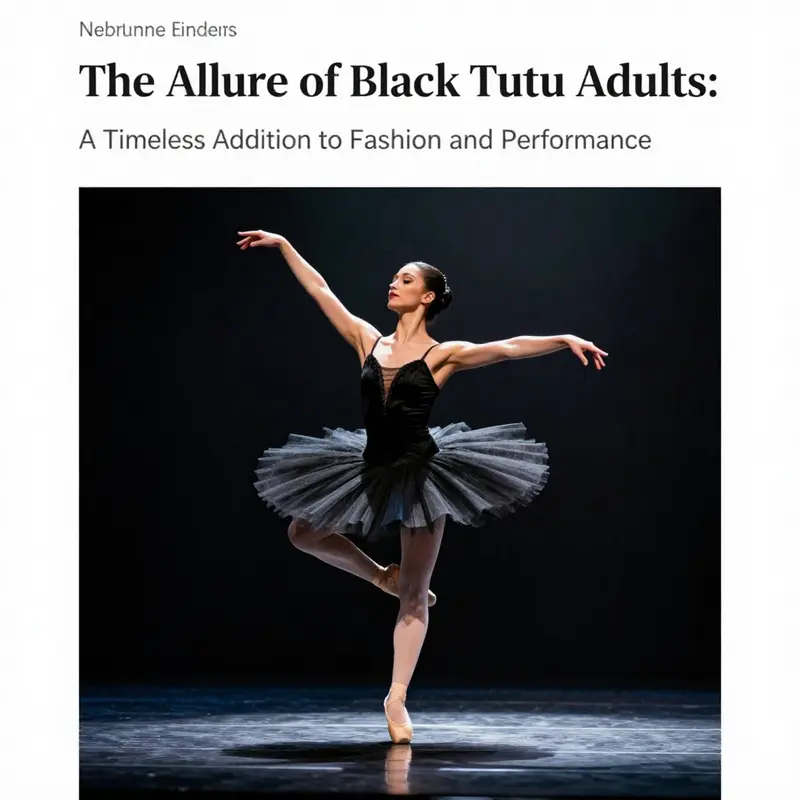
The black tutu for adults sits at a paradoxical crossroads where discipline and rebellion meet. It draws from the stern lineage of classical ballet, with its precise lines, disciplined turnout, and the ethereal allure of motion captured in light fabric. Yet when worn by adult performers in contemporary and avant-garde contexts, the same garment becomes a vessel for empowerment and personal storytelling. Its color, its silhouette, its very material—layers of tulle, a snug waist, a length that can skim the knee or hang just above it—no longer merely signify a costume. They become a language through which dancers, performers, and everyday wearers can speak about identity, vulnerability, resilience, and audacity all at once. In this sense, the black tutu for adults transcends fashion trends; it functions as a cultural artifact that foregrounds artistry, inclusivity, and social commentary in performance and image-making alike.
The roots of the tutu lie deep in classical ballet, where it functioned as both a practical support for heightened movement and a symbolic barrier that signaled a dancer’s allegiance to a long-standing tradition. The stiff bodice, the scaffold-like structure under the skirt, and the sheer restraint of a white or pale fabric carried a reverent gravity. Over time, however, designers and choreographers began to experiment with color, proportion, and silhouette. Black, with its associations of mystery, authority, and gothic elegance, invites a different conversation. It reframes the dancer’s body not as a pure embodiment of technique alone but as a site where intention and mood are visible in the negative space around the limbs. The adult wearer, especially in a world that increasingly values authenticity and boundary-pushing artistry, uses this canvas to articulate a subtler, sharper form of expression. The black tutu thus becomes not a denial of tradition but a reimagining of it—an ancestral garment reinterpreted for the age of diverse voices and hybrid genres.
In contemporary performance, the black tutu becomes a powerful symbol that challenges inherited norms. Its stark color and pared-down elegance can destabilize conventional beauty standards rooted in youth and fragility. It invites audiences to see strength and poise in a garment that many associate with youth or fantasy, reframing the wearer as a serious artist capable of nuanced storytelling. This shift mirrors broader cultural movements toward inclusivity and authenticity in the arts, where bodies of different sizes, identities, and backgrounds claim space on stage and in editorial spaces that shape public perception. The result is a dynamic dialogue between form and meaning: a minimalist silhouette that carries complex narratives about gender, power, and self-determination. The black tutu’s role in this dialogue is not simply to look dramatic; it acts as a prompt, encouraging performers to interrogate what the audience expects and what the performer seeks to communicate.
As a fashion object, the black tutu’s appeal extends well beyond the proscenium. It has become a versatile staple in themed events, Halloween parties, and high-fashion editorials because it can be dressed up or pared down to suit a wide range of aesthetics. Its association with gothic elegance and theatrical flair makes it a natural fit for witchy, vampire, or cyberpunk ensembles, while its quiet gravity can ground more minimal, art-focused looks. The garment blends with other textures—silk, satin, mesh, velvet—so that creators can stage a mood rather than simply present a costume. Designers and stylists treat the black tutu as a mutable instrument: it can be romantic, menacing, ethereal, or iconoclastic depending on how it is layered, lit, and moved. This adaptability speaks to a broader trend in fashion toward immersive storytelling, where clothing is not just worn but inhabited, interacted with, and felt by the wearer and the audience alike.
Material science and construction also amplify the cultural meaning of the adult black tutu. The durability of polyester tulle, the presence of bone-supported waists, and built-in briefs all contribute to a garment that supports serious movement while maintaining a crisp, elegant silhouette. These design features ensure that the garment performs as intended—allowing a dancer to leap, twist, and land with confidence—yet they also reveal a philosophy of craft: form follows function, but function exists in the service of expression. When a dancer wears a multilayered tulle skirt that shimmers under stage lights, the eye apprehends not just the motion but the artifact of technique itself—the careful engineering that makes movement legible and luminous. The 2026 technical analyses emphasize that fabric quality and precise cutting are essential, not for mere perfection, but to preserve the integrity of the wearer’s articulation across the arc of performance. In this light, the black tutu becomes both a tool and a symbol: a tool for movement, a symbol of perseverance, and a reminder that artistry demands attention to detail.
The discourse around inclusivity in dance finds a simple, striking ally in the adult black tutu. When well-made versions exist for a broad range of body types, the garment ceases to be a projection of a narrow ideal and becomes a platform for diverse performers to present their artistry. This democratization of dance attire aligns with larger movements in the arts that seek to flatten barriers to participation and to celebrate authentic self-expression. The adult black tutu, therefore, is not merely about recreating a classical silhouette; it is about making space for individuals to explore movement and narrative in ways that reflect their lived experiences. High-quality, well-fitted versions—whether simple five-layer constructs or more elaborate, structured pieces—support freedom of movement and confidence. They acknowledge that performance is as much about presence and intention as it is about technique, and they invite audiences to read the performer’s story through posture, gesture, and breath as much as through line and form.
In the wider cultural ecology, the black tutu for adults has a special resonance with the visual language of editorial and stage photography. The stark black fabric against pale skin, the contrast of light and shadow on a multilayered skirt, and the way movement activates the fabric’s volume all create a powerful metaphor for transformation. The garment becomes a staging ground for exploring dualities—softness versus rigidity, fragility versus strength, visibility versus concealment. Such themes often echo the personal journeys of adult performers who have learned to negotiate expectations about appearance, discipline, and self-expression. A photographer or choreographer can harness these tensions by choreographing sequences that exploit the tutu’s capacity to reveal and obfuscate at the same moment, thereby inviting a viewer to participate in meaning-making rather than passively observe.
The cultural significance of the black tutu for adults also extends to practical pedagogy and community building. Within studios and performance circles, the garment serves as a shared vocabulary for discussing movement quality, stagecraft, and rehearsal discipline. It is an emblem of professionalism that signals seriousness and commitment, even when worn in settings that celebrate experimentation and boundary-crossing. For many dancers, the black tutu marks a rite of passage—from student to performer who can inhabit a character, interpret a mood, and claim a personal stance within a collective artistic project. In such communities, the tutu functions as a social artifact: a tangible reminder that artistry is cultivated through time, space, and interpersonal exchange. The result is a more inclusive, more resilient culture of dance and performance—one that honors tradition while embracing the uncertainty and possibility of contemporary practice.
For readers who wish to explore this tapestry further, consider how the black tutu acts as a bridge between performance and fashion. It is not simply a stage costume or a fashion prop; it is a living instrument that carries history while enabling new forms of self-representation. The garment’s capacity to speak across contexts—ballet studio, darkened theater, photo shoot, or party—speaks to its enduring relevance. To deepen this understanding, a curated collection of examples and communities can be consulted, including resource centers dedicated to adult dancers and designers who prioritize inclusive sizing, robust construction, and expressive styling. The dialogue around the black tutu for adults continues to evolve as artists push against boundaries, reclaim narratives, and invite audiences to see movement as a shared human language that transcends age and stereotype. For those who want to situate their own practice within this broader current, the tutu remains a versatile companion—an emblem of discipline and possibility in equal measure.
For those seeking related visual references and product-oriented explorations, one representative example of the aesthetic and craft can be found at the following internal resource: high-quality-white-ballet-costume-tutu-swan-lake-t0596. While the chapter focuses on the cultural and artistic dimensions, this link provides a tangible instance of how a well-made black-inspired silhouette can be adapted and presented in a range of formal and editorial contexts. External resources reinforce this perspective, underscoring the broader conversation about how adult black tutus operate within performance art, fashion storytelling, and community-building practice. For additional context, see the Ballet Barn discussion of how black tutus function on stage today: https://www.balletbarn.com/black-tutu-for-adults.
Shimmering in the Spotlight: Navigating Market Trends and Availability for Adult Black Tutus
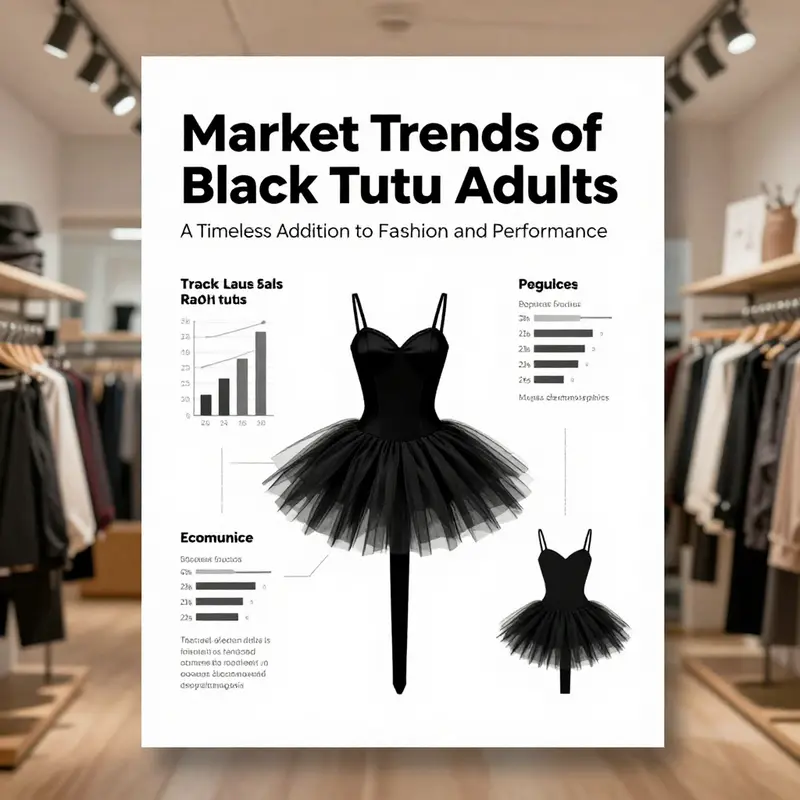
The market for adult black tutus sits at a lively intersection of performance aesthetics, personal expression, and practical wearability. It is not simply a costume category; it is a fluid wardrobe option that travels from stage works to nightlife, from masquerade to intimate photoshoots, and even into occasional formal events when paired with the right bodice and accessories. In this landscape, trends rise and recede with the calendar—seasonal demand for party-ready looks, the pull of themed celebrations, and a growing appetite for expressive fashion that can be worn beyond a single occasion. What emerges is a market that prizes versatility as much as it does drama, where a black tutu is valued not just for its silhouette but for how it plays with fabric, fit, and movement across different contexts.
The most noticeable trend shaping today’s offerings is the expansion beyond a single, static silhouette. Adults aren’t content with a one-note black tutu; they seek pieces that elevate the basic shape with clever design details. Light-up tutus have become particularly popular for Halloween, nightclub events, and cosplay—a fusion of playfulness and spectacle that keeps the tutu relevant in social scenes that reward instant visual impact. Yet even as illumination adds drama, many buyers look for more refined variations that can seamlessly transition to other settings. A well-cut black tutu with a tailored bodice, for example, can be styled for a formal evening or a more poised backstage moment, demonstrating how designers and retailers are prioritizing adaptability. The core lesson is simple: a modern adult black tutu is not merely a costume; it is a multiuse garment that must perform across environments while maintaining its fundamental charm.
At the heart of this shift is material quality. The market is increasingly discerning about fabrics, moving away from lower-cost polyesters toward premium options that offer better drape, durability, and comfort. The most talked-about fabrics are mill-made French tulle and Italian tulle, celebrated for their finer texture, reduced pilling, and longer-lasting finish. These materials do more than enhance aesthetics; they improve wearability. A tutu built with superior tulle tends to hold its shape through movement, resists shedding during repeated spins, and feels more supportive against the body when layered with multiple tulle layers. This emphasis on fabric quality is not a passing preference; it reflects a growing awareness that high-end materials can make an otherwise theatrical silhouette more wearable for long events, frequent use, and repeated performances.
Alongside fabric choice, comfort and fit have risen to equal importance. Designers and retailers are incorporating features that help the wearer move freely without sacrificing the tutu’s structure. Adjustable straps, elastic waistbands, and soft, breathable linings—ideally 100% cotton—are increasingly expected in mid-range and premium options. A comfortable lining is more than a skin-deep detail; it reduces irritation during long hours of dancing or social interaction and helps regulate temperature during events that require lighting and warmth. The result is a more confident wearer who can focus on performance or presence rather than adjusting a garment mid-session. In the broader market narrative, comfort and fit become a key differentiator between a costume that looks good in a still photo and one that performs well in motion.
Versatility remains a central pillar of demand. While loneliness in the market would leave tutus as niche pieces, today’s buyers want items that can cross boundaries—costumes that double as evening wear, or that can be toned down for school dances or photo shoots without losing their essential allure. A black tutu with a clean, tailored bodice, for instance, can serve as a dramatic base for a red-carpet-inspired look or a chic black-tie ensemble when paired with the right accessories. The practical upshot is clear: buyers are seeking value, not just quantity of layers or height of fluff. The best pieces balance a visually striking profile with structured lines that translate across settings, keeping the wearer visually engaged even as the context shifts.
Availability follows this demand with a broad, adaptable supply chain. Adults seeking black tutus can explore online marketplaces and specialized costume retailers that cater to both performance attire and fashion-forward costumes. The pricing spectrum reflects the market’s diversity, ranging from modest options at the lower end to more premium, couture-inspired pieces for serious stage work or statement events. This wide range ensures accessibility for different budgets while preserving opportunities to upgrade to higher-quality fabrics and constructions as needs evolve. For shoppers, the practical takeaway is to assess the full ecosystem: how a given tutu is built, how the fabric feels against the skin, and how well the design supports movement over hours of wear, not just how photogenic it appears in an image.
Within this ecosystem, certain benchmarks illustrate the quality and durability that informed buyers increasingly expect. A reference point in the market is the high-quality classical dance tutu with white-golden trims, which represents a standard for how a luxury silhouette should perform while retaining theatrical elegance. This example helps buyers gauge the balance between ornate detailing and wearable practicality. high-quality-classical-dance-tutu-for-ballet-white-golden-trims-t0465 This kind of benchmark underscores a broader principle: buyers are not chasing mere aesthetics; they want a garment that maintains its shape, feels comfortable during extended wear, and can stand up to the rigors of repeated use. The capacity for the tutu to maintain its form under stage lighting and vigorous dancing speaks to the level of craftsmanship behind its seams, its layers, and its overall construction.
Shopping for a black tutu that aligns with these expectations requires a discerning eye. Fabric grade is the first filter. Look beyond the label that says ‘polyester tulle’ and seek explicit references to higher-grade materials such as French or Italian tulle. Next, evaluate the lining. A 100% cotton or a high-performance equivalent can dramatically improve breathability and comfort, especially on longer events. Construction details are equally important: reinforced seams, sturdy attachments for any accessories like bows, headbands, or tails, and secure adhesion between the bodice and the skirt all contribute to a garment that remains reliable through movement and time. Fit and sizing deserve careful attention as well. Tailored silhouettes may flatter specific body types, while looser, more forgiving cuts with adjustable elements can accommodate a wider range of figures. In the end, the most practical advice is to prioritize fit and comfort before considering price or color accuracy.
Care instructions naturally follow from material choices. Sparkly fabrics and delicate trims often require more delicate care, with hand washing or gentle machine cycles and air drying recommended to preserve the finish. This is not merely about maintaining appearance; it is about extending the life of a piece that has to perform repeatedly, whether in rehearsal, performance, or social settings where it will be pulled on and off multiple times. Buyers should align care expectations with their lifestyle, choosing pieces that match how often they anticipate wearing them and how much effort they are willing to invest in upkeep. A well-made tutu that is cared for properly can outlast several lighter, cheaper versions, delivering better value over time.
For those navigating sizing and design choices, the realm of available options offers ample room to experiment. If a body type benefits from extra ease, a looser fit with adjustable components can provide comfort without sacrificing line. If the goal is a sharper silhouette for formal looks, a tutu with a more sculpted bodice and structured waist can deliver the desired effect while still allowing movement. The market rewards buyers who think about wearability in addition to appearance, recognizing that a garment intended for expressive performance must be lived in as much as it is admired in photographs. In practice, it pays to approach shopping with a simple framework: assess fabric quality, verify lining comfort, check construction integrity, compare size options with careful attention to the provided charts, and review care guidance before committing.
This approach aligns with a broader understanding of how adult black tutus fit into contemporary wardrobes. They are not relics of a stage-bound tradition but flexible pieces that can anchor a dramatic look or function as a bold fashion statement. The current market favors pieces that are visually striking yet engineered for real-world use—tutus that hold their form through movement, remain comfortable across hours of wear, and adapt to multiple contexts with minimal fuss. As designers push the envelope with new textures and subtle details, buyers increasingly expect garments that are both refined and practical. The result is a curated landscape where timeless black silhouettes are enhanced by thoughtful construction, performance-minded fabrics, and an emphasis on comfort and longevity. In short, the contemporary adult black tutu is a versatile asset in a modern wardrobe—one that can seamlessly bridge the gap between stagecraft and daily life while still delivering the drama and delight that make the tutu such a timeless icon.
External resource: https://luneballet.com/product/high-quality-white-ballet-costume-tutu-swan-lake-t0596/
Final thoughts
The black tutu adult is more than just a garment; it transcends mere fashion to embody artistry and self-expression. As we have explored, its various styles cater to a wide array of occasions, from stunning performances on stage to playful parties. The quality of craftsmanship assures longevity, making it a wise investment for business owners. Furthermore, the cultural significance it carries in dance and fashion enhances its appeal. Keeping an eye on market trends will ensure that your collection remains relevant and desirable. By understanding these facets, business owners can better cater their offerings to meet consumer demands and thrive in the competitive fashion landscape.