
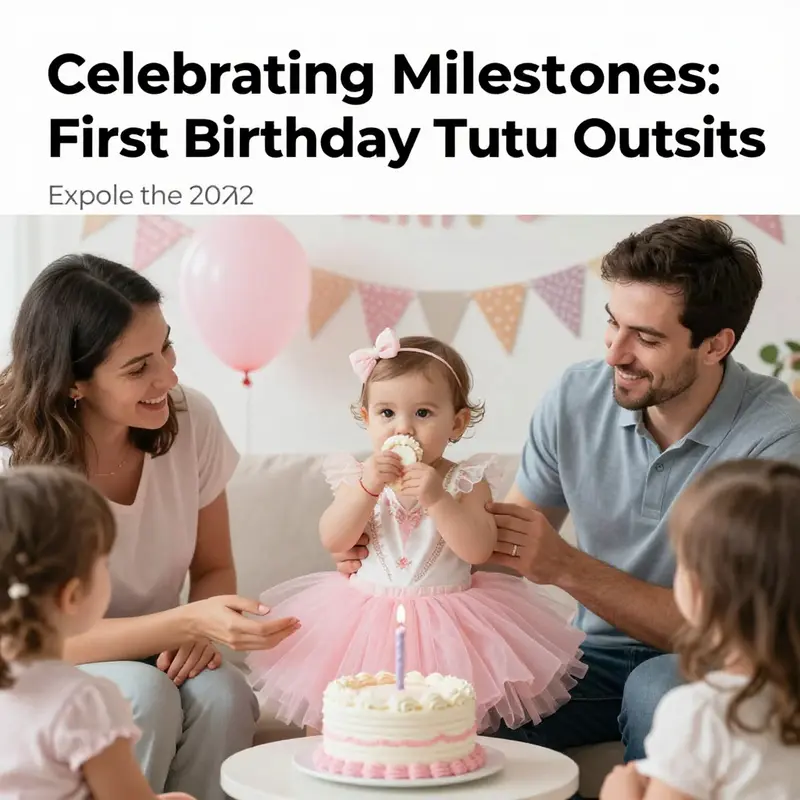
First birthdays are monumental occasions that deserve special celebration, and the first birthday tutu outfit serves as a delightful centerpiece for these festivities. Designed for baby girls, these outfits blend charm with comfort, making them a favorite among parents determined to commemorate a significant milestone. Throughout this article, we will delve into five pivotal areas that position these tutu outfits as essential pieces for first birthdays: their celebratory importance, standout design features, availability and pricing strategies, customization options that allow for personal touches, and adherence to safety standards. Each chapter builds upon the last, illustrating the holistic influence of these garments in annual celebrations and beyond.
Crown, Comfort, and Celebration: The First Birthday Tutu as Memory Marker
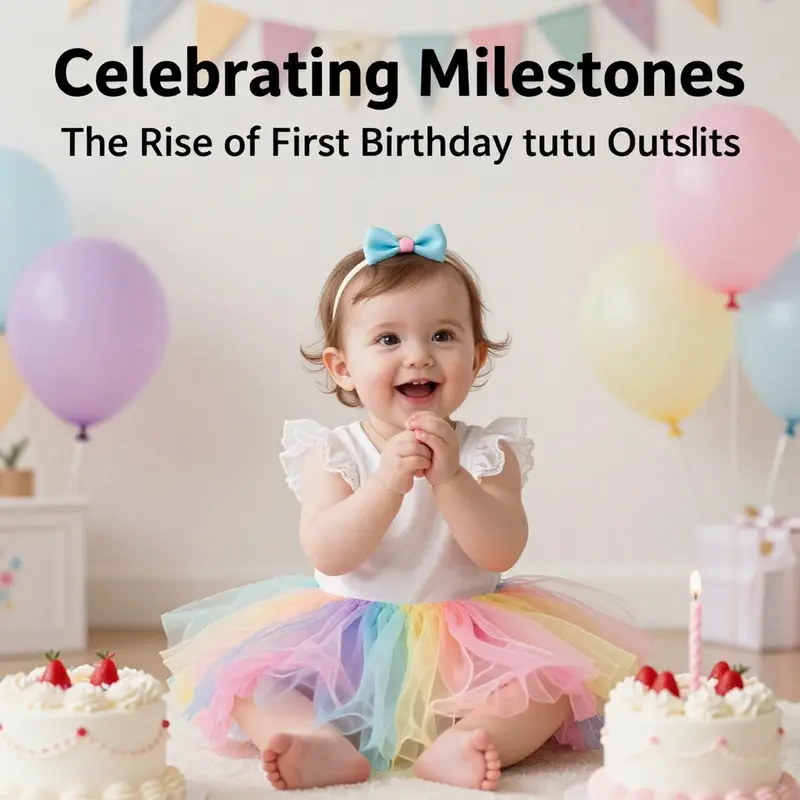
A first birthday is a milestone that blends anticipation with memory. Families often choose a tutu for its soft movement, gentle texture, and the way it photographs with a baby’s changing expressions. The tutu isn’t merely decorative; it is a practical choice that keeps comfort at the forefront while still inviting a moment of playful ceremony. When a child wears a tutu that is breathable and well-fitted, the day can unfold with ease—little hands reaching for cake, toes curling in delight, and smiles that seem to radiate the whole room.
The visual magic of a tutu lies in its lightness and rhythm. Layers of tulle catch and reflect the light as the baby crawls, sits, and wags a celebratory little fist. The effect is timeless: images that feel both dreamy and real, a memory caught in color, movement, and texture. Parents often lean toward soft pastels, but bolder hues can highlight a child’s personality. The outfit becomes a stage for a family’s moment, drawing eyes to the delighted center of the celebration—the child—and inviting relatives to pause, snap a photo, and cheer on the year ahead.
Beyond aesthetics, the first birthday tutu speaks to care and connection. Fabrics chosen with sensitivity to skin, seams that won’t pinch, and a waistband that accommodates a day full of activity are key. The result is an ensemble that stays with the child through photos, cake, and play, becoming a wearable memory rather than a fleeting fashion statement. Personal touches—embroidery with a name or initials, a tiny crown, or a shimmer of sequins—transform a simple outfit into a keepsake that a family might revisit for years to come.
Customization and storytelling go hand in hand. A coordinated set with a matching headband or bow can tie the look to the party theme, while personalization adds emotional resonance: a name, birth date, or a tiny message stitched along the edge. These details matter because they turn a moment into a narrative that families will retell in albums, slideshows, and conversations well after the cake is cleaned up.
In the broader landscape of milestone fashion, the first birthday tutu functions as a bridge between celebration and everyday life. It marks growth while remaining practical for a day that blends photographing, mingling, and cake-smearing merriment. The tutu’s soft silhouette and gentle construction reflect a philosophy of parenting that values comfort, simplicity, and memory-making, inviting families to look back with warmth as a new chapter begins.
Whimsy in Tulle: The Design, Details, and Delights of First Birthday Tutu Outfits
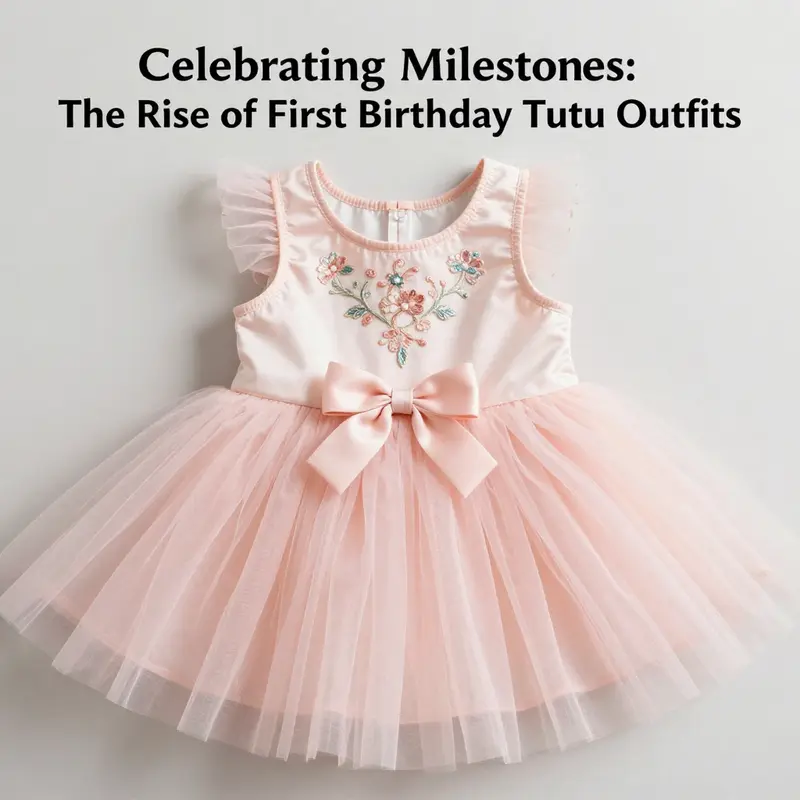
A first birthday tutu outfit is more than clothing; it is a little stage on which a family celebrates a year of firsts, a moment when tiny steps and brighter smiles feel like a small, bright homecoming. The design of these outfits leans into a delicate balance between charm and practicality, so babies can move, explore, and enjoy the day without feeling weighed down. At the heart of the look is a short, layered tutu skirt made from tulle that fluffs with every movement, catching light with a soft shimmer as tiny feet lace around a party or a cake. That tutu often sits atop a base garment that prioritizes comfort—a short-sleeved romper or a simple O-neck dress that fits snugly without pinching. The result is a silhouette that reads festive in photos while staying comfortable during long moments of celebration. Subtle details, like satin edging along each tutu tier, add a touch of luxury without sacrificing softness or durability. The interplay between the airy skirt and a snug base creates a look that feels both whimsical and wearable, a balance parents can trust for even the most active little ones.\n\nColor is not merely decorative in these outfits; it is a tool for storytelling. Pastel palettes—soft pinks, powder blues, mint greens—work wonderfully for a gentler, dreamlike aesthetic, while bolder hues—hot pinks, candy blues, or even rose-gold accents—can coordinate with a specific party theme or birthday decor. A rainbow tutu can echo a playful birthday mood, while a white base with metallic trim nods to a more refined celebration. Parents often seek color coordination with other party elements, and the tutu’s shade becomes a unifying thread that ties outfits to balloons, cake, and photo backdrops. This spectrum—pastel calm and vibrant celebration—encourages imaginative styling and personal expression, letting families craft a narrative through color, texture, and tiny accents.\n\nThe look extends beyond the skirt and its base. Coordinating accessories are where the outfit becomes a complete scene, a small ensemble that can elevate a party photo into a cherished memory. A soft headband with a bow, a delicate sash, or a tiny crown can pivot a simple romper-and-tutu into a princess moment. The best sets often include at least one of these pieces, enabling quick adjustments for different lighting or poses. When a headband aligns with the tutu’s colors or a bow tie echoes a ribbon on the cake, the effect feels intentional and cohesive rather than accidental. The ability to mix and match accessories also makes the outfit versatile enough for other occasions—family portraits, christenings, or seasonal celebrations—without losing the signature birthday sparkle.\n\nDesigners often pursue a boutique sensibility within first birthday tutu outfits. This does not require extravagance; rather, it means thoughtful touches that blend whimsy with a hint of sophistication. A pink-and-gold bow knot, a satin-trimmed edge, or tiny embroidered stars can transform a simple tutu into a keepsake that resonates in photos long after the cake is gone. These touches reflect an understanding that a first birthday is a milestone moment worth cherishing. The result is an outfit that feels curated but never stiff, combining the playful energy of childhood with the refined finish of a thoughtfully designed garment. In practice, this boutique-inspired look translates into clean stitching, durable trims, and fabrics selected for softness against delicate infant skin.\n\nFlexibility sits at the core of the first birthday tutu concept. While many outfits are intentionally designed for one-time photos, a remarkable portion of the market emphasizes multi-use functionality. The same tutu can be worn again for family gatherings, holidays, or other celebrations, especially when paired with a simple bodice or a neutral romper. The practical side extends to the construction: easy dressing through snaps or gentle closures, breathable materials that keep the wearer comfortable through long sessions, and fabrics that wash well and retain their shape after a playful cake smash. This approach recognizes that families value keepsakes—garments worth saving and revisiting in a baby album—so designers aim for pieces that endure as both fashion and memory.\n\nCustomization options have become a meaningful thread in the tapestry of first birthday tutu outfits. Some brands offer color customization so parents can tailor a look to the party theme or existing decor. Personalization might include names or birth details embroidered or printed subtly on a bodice or sash, making the outfit a unique memento of the child’s first year. The option to select fabrics with specific textures—soft cotton blends for the bodice and light, airy tulle for the tutu—lets families balance tactile comfort with visual delight. In a world where photos last a lifetime, the ability to customize offers a sense of ownership over the moment: a tiny outfit that feels truly theirs, designed to be cherished in a family’s album and perhaps passed down as an heirloom of memory.\n\nBeyond the aesthetic, comfort remains a non-negotiable feature. Babies at a first birthday are often engaged in a full day of activity—sitting for portraits, posing with family members, and possibly a cake-smeared celebration. The materials chosen for these outfits are typically lightweight and breathable, minimizing overheating and skin irritation. The tutu’s tulle is chosen not only for its voluminous look but also for its softness and flexibility. The base garment’s fabric is designed to be gentle against the skin, with smooth seams and flat-locked stitching that reduce rubbing. Practical design elements, such as snap closures or easy-access openings, mean caregivers can dress and undress without fuss, particularly important when time is tight during a bustling party. The overall effect is a garment that invites movement, from a curious crawl to a confident stand, without sacrificing the cherished, camera-ready silhouette that makes a first birthday a photographic milestone.\n\nCareful attention to fabric quality and construction also influences how these outfits perform in photos and on camera. Lighting can reveal subtle snags or loose threads, so the best tutu sets employ durable trims and reinforced stitching at stress points. The colorfastness of dyes matters too—brilliant pinks and radiant whites should hold their tone through a day of photos and a celebratory cake. While the visual impact is undeniable, the enduring value lies in a garment that remains comfortable and intact as the day unfolds, ready to be tucked away as a memory when the cake crumbs have cooled. In short, these outfits are designed not just for a single moment of joy but as tangible reminders of a child’s very first year, a keepsake that invites future stories and shared laughter.\n\nTo illuminate how these elements come together in practice, consider a reference that illustrates how a tutu can be paired with complementary pieces to create a cohesive, summer-ready look. For an example of how a tutu can be styled with matching accessories and color coordination, see this pink-tutu-ballet-costume-sleep-beauty-high-end-t0578. The page demonstrates how a single color family, when used consistently across the bodice, tutu, and headpiece, can create a polished stage-ready appearance that still feels playful and appropriate for a baby. This approach echoes the broader philosophy of first birthday tutu outfits: beauty and comfort need not be mutually exclusive. A well-chosen palette, thoughtful embellishments, and carefully planned accessories work together to craft a memory that is as memorable as the birthday itself.\n\nAs families navigate the wide landscape of options, they often weigh the balance between trend-driven details and timeless charm. A tutu with satin edging and a soft, breathable bodice offers a timeless appeal that photographs well across generations, while a dash of modern sparkle or pastel gradients can reflect contemporary tastes without sacrificing the outfit’s inherent sweetness. The beauty of these designs lies not in complexity but in restraint: just enough detail to enchant without overwhelming a baby’s day. This balance ensures that the first birthday moment remains about the child and the family’s joy, rather than about the garment’s megawatt sparkle. And when the day is over, the outfit can be carefully stored as a memory of the milestone, a tactile reminder of the child’s first steps into a world that seems both magical and real at once.\n\nFor readers who are curious about broader textile inspirations and how tutu fabrics translate into other performance-oriented costumes, the connective thread is clear: the tutu is a versatile canvas where comfort and whimsy converge. The same principles that guide baby outfits—soft fabrics, gentle seams, thoughtful closures—also inform practice in adult and child performance wear, where movement, breathability, and enduring elegance matter just as much. The first birthday tutu thus becomes more than clothing; it becomes a bridge between everyday play and the more formal moments of early childhood, a garment that honors growth while inviting unabashed delight.\n\nExternal reference: https://www.walmart.com/ip/IBTOM-Castle-Watermelon-1st-Birthday-Outfit-for-Baby-Girls-Romper-Rainbow-Tutu-Skirt-Headband-Summer-Clothes-Cake-Smash-Photo-Shoot-1-Year-White-Rose-Gold-Star/1538724969
Availability and Pricing of First Birthday Tutu Outfits: A Buyer’s Guide to Style, Availability, and Value
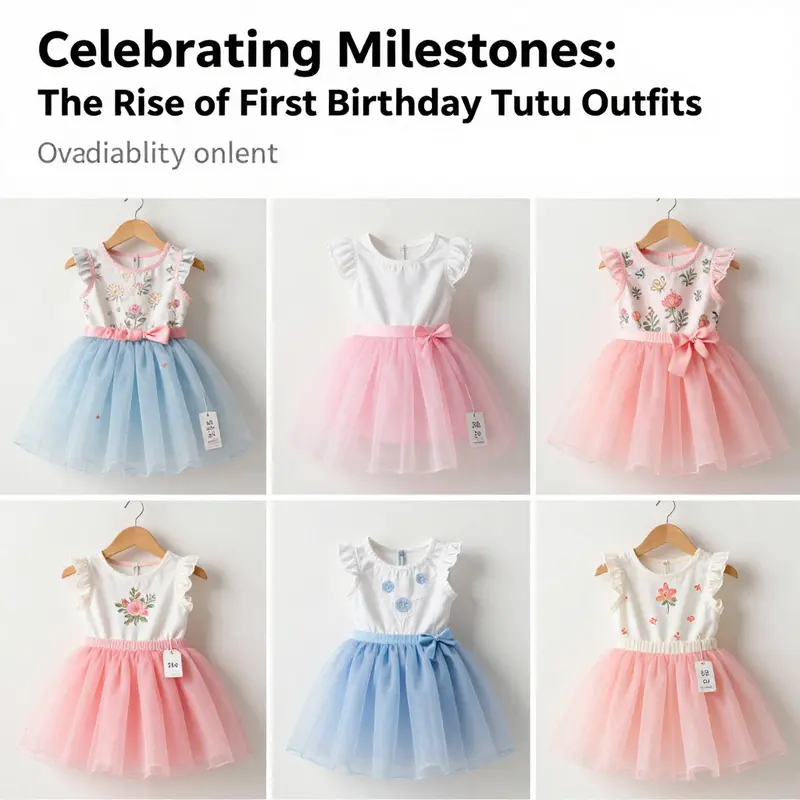
A first birthday tutu outfit has moved beyond a simple dress accessory and into a deliberate moment of celebration, a small crowd of color and soft fabric gathered to honor a year of steps, smiles, and tiny triumphs. As families prepare for cake, photos, and the gentle chaos of a first party, the market for these outfits mirrors the broader shift in baby fashion toward comfort paired with whimsy. Availability now spans a wide geographic map and a spectrum of shopping experiences. Online retailers make the outfits accessible from almost any city, while marketplaces often bundle pieces into coordinated sets that include a tutu skirt, a coordinating top, and convenient accessories such as headbands or tiny decorative accents. The range is not confined to one style or one price point; it spans standalone tutu skirts that can be paired with a favorite onesie, to complete outfits that cover the entire look from head to toe. The breadth of choice makes it possible for families to dream up a moment that fits their baby’s personality and their photo shoot goals, whether the setting is a sunny garden party, a studio session, or a casual family gathering at home. In practice, this means that availability is less about a single vendor and more about a network of shops, each offering a unique balance of color, fabric, and design aesthetics. The most common scenarios involve either a simple tutu skirt with a matching headband or a full ensemble that includes a romper or top, a tutu, and accessories. These combinations are designed to stay gentle on babies’ skin while making the moment look picture perfect for those milestone photographs and cake smashing memories. The practical implications of this availability are clear: parents can shop with a forward plan, combine pieces to limit trips to different stores, and often select rapid shipping options that align with a party date or a booked photography session. In many cases, global shipping is an option, with standard delivery times as well as expedited services like DHL or FedEx available to shorten the wait. Delivery times can vary by destination city and postal code, but the promise of a reasonable window—typically a few days after shipment for expedited routes—helps families coordinate outfits with event logistics. The ability to customize adds another layer to availability. Some vendors welcome color choices, fabric preferences, and even personalized details such as birth dates or tiny monograms. This capability transforms the tutu outfit from a ready made purchase into a keepsake that carries the family’s own story. Customization is often reflected in slightly longer lead times and a modest premium, but for many parents it is well worth the personal touch and the chance to create a moment that feels uniquely theirs. The availability landscape is further enriched by bulk and wholesale options for events, parties, or family groups who want a cohesive look across several little ones. These arrangements can include discounts when multiple items are purchased or when items are shipped together, a practical feature for family gatherings or community celebrations where several babies or toddlers participate in a photo project. It is important, though, to manage expectations about lead times and sizing when planning for groups. In short, the availability of first birthday tutu outfits is now broad and flexible. Consumers can select from a spectrum that ranges from simple, budget friendly pieces to comprehensive, couture inspired ensembles. The convenience of online shopping, coupled with the possibility of customization, makes it feasible to plan a cohesive look that suits the baby’s temperament, the family’s color palette, and the desired mood of the event. The ability to mix and match elements within a coordinated theme helps parents create a moment that feels cohesive in photos and comfortable in real life. For those who want a tactile sense of what they are purchasing, many sellers provide detailed fabric descriptions, care instructions, and sizing guidance designed to ease the process of choosing a piece that will not only look adorable but also endure the excitement of a first birthday celebration. The language of available designs often leans toward soft, breathable fabrics and a light, airy appearance that is gentle against sensitive skin. The most common color stories lean into pastel tones such as light pinks and pale blues, though brighter hues and themed designs are not rare. The final choice tends to reflect a balance between the baby’s comfort, the family’s aesthetic preferences, and the photographer’s vision for the session. To illustrate the practical side of availability, consider the typical market offerings: basic tutu skirts that can be paired with a top and a matching headband, complete outfits with a romper or blouse, a tutu, and accessories, and themed designs that lean on popular motifs like animals, fruits, or whimsical characters. Sheer options may be used for a soft, ethereal look, while more structured pieces with embroidered details or ribbon accents lend a touch of sophistication. The procurement experience is shaped by the same forces that shape infant fashion in general: stock levels, seasonal demand, and the creativity of makers who respond to consumer interest with new textures, trims, and colorways. In many cases, buyers will notice a tempo to availability that aligns with holidays, back to school periods, or special sale events. The interplay of supply and demand can create brief moments when certain themes or colors run low, prompting families to adapt their plans or seek similar alternatives. A practical approach is to identify a few favorite looks early and monitor availability as the event date approaches. If a perfect piece is out of stock, many retailers offer comparable substitutes within the same color family or fabric type, preserving the overall look while minimizing disruption to schedules. The online marketplace environment also makes it easy to compare costs across vendors, read reviews, and verify fabric safety and care guidelines. Careful attention to these details supports a smoother shopping experience and helps ensure that the outfit will perform well in photos and during the party itself. For readers who want a concrete reference point while exploring options, a related example available through a dedicated shop channel demonstrates the kind of matching sets that many families seek. You can explore a representative option that aligns with the softer, sleepwear friendly aesthetic favored by many parents and photographers. This example is accessible through a product page that highlights a pink tutu costume with a sleep beauty inspired style and high end finishing details. For a representative option, you can peek at this pink tutu piece pink-tutu-ballet-costume-sleep-beauty-high-end-t0578. The link serves as a touchstone for the level of finish, the balance of color and texture, and the way a complete set can be articulated with accessories to produce a coordinated, photo ready look. It is not essential to replicate this exact item, but it provides a tangible sense of how an outfit can be assembled, how the layers interact visually, and how a coordinated set can translate into a memorable birthday portrait or a charming cake smash moment.
Pricing for first birthday tutu outfits reflects a spectrum of design complexity, fabric quality, and the breadth of included pieces. Basic tutu skirts, stripped of extra embellishments, tend to be among the more affordable options, with prices starting at around 6.29. These simple pieces offer a versatile base that can be dressed up with a headband, a romper, or a small top, allowing families to craft a look that fits modest budgets while still capturing the whimsical feel of a first birthday. Complete outfits, which typically bundle a tutu with a coordinated top or romper and a matching headband, start from around 16.99. This tier represents a balance of completeness and value, delivering a ready-to-wear look that requires less time and additional purchasing decisions. Specialty designs, such as those with larger embroidery, unique trims, or themed motifs, carry higher price points. They reflect the extra materials, labor, and sometimes licensing or design creativity that goes into producing something distinctive for milestone photography. In many markets, it is common to see prices for these sets climbing beyond the baseline, especially when the design emphasizes premium fabrics or detailed decoration. When considering value, buyers often weigh the durability and washability of the fabrics along with the comfort fit. Baby garments must accommodate movement, growth, and repeated wear during events and photo sessions, so many parents prioritize soft, breathable materials that remain gentle on the skin and easy to care for. The practical value of these outfits is not solely in the price tag; it lies in how well the pieces perform in practice during a memorable day. A good fit, fabric that breathes, and a set that holds its shape after a few spins at a cake table can mean more wearable moments and fewer challenges during the day. In this sense, price is a function of both upfront cost and long term use. The traditional rule of thumb remains that higher quality fabrics and more elaborate designs justify higher prices, but many buyers discover excellent value within mid range options that deliver the right balance of aesthetics and comfort. It is also worth noting that many outfits are designed with size ranges that accommodate growth within a few months, which can minimize the frequency of replacements as the baby grows. Some sellers provide size guides and measurements to help ensure a correct fit, reducing the risk of returns that can complicate the shopping experience. Return policies and post purchase support vary by retailer, but in general families can expect reasonable terms, with exchanges or returns offered within a specified window if the item does not meet expectations in color, texture, or fit. This practical aspect matters, especially as baby outfits are often worn for a fleeting moment and then stored or handed down. In addition to the base price, buyers should consider potential shipping costs and delivery times. Global shoppers can expect a mix of standard shipping options and expedited methods that shorten the time to delivery after the item has left the warehouse. The availability and pricing narrative above speaks to a market that is increasingly accessible, flexible, and aware of the needs of families preparing for a milestone. The broad spectrum of styles, the ease of shopping online, and the potential for customization mean that every family can find a look that aligns with the baby’s temperament and the family’s budget. The final choice, as with many baby purchases, balances aesthetic desire with practical considerations such as comfort, safety, care, and future use. The overarching takeaway is that availability and pricing for first birthday tutu outfits are not obstacles but rather invitation to curate a personal celebration with clarity and confidence. As new designs emerge and shipping networks widen, families can anticipate an even richer set of options that honor the moment without compromising the baby’s comfort. External resource: https://www.aap.org
Personalize the Milestone: How Customization Shapes the First Birthday Tutu Outfit
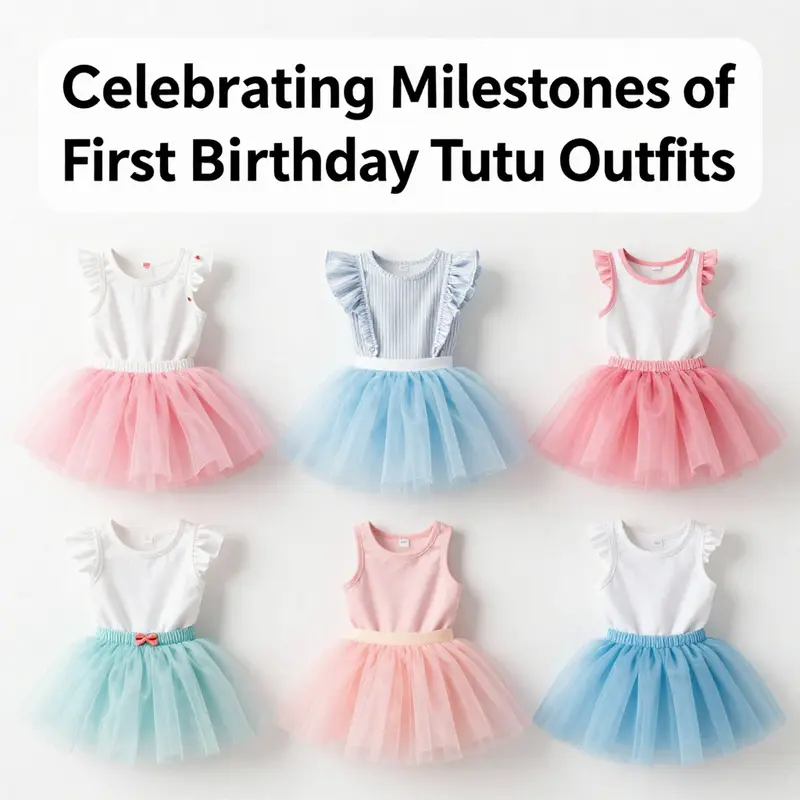
Choosing a first birthday tutu outfit is more than picking a cute dress. It is memory making, a moment captured in fabric, light, and laughter. Parents seek something that looks magical in photos, moves with ease as little feet explore, and feels gentle against delicate skin. Customization becomes the bridge between a fleeting moment and a lasting memory. It allows families to tell a story through color, texture, and personal details that reflect the childs earliest chapters and the familys most cherished values. In a market flooded with ready made sets, bespoke options invite a slower, more intentional process. You can select fabrics that are breathable and comfortable, not merely plush or showy. You can adjust the length and the number of tutu layers so the skirt sways without hindering curiosity. You can weave in a personal touch such as a name, a birth date, or a short message in a way that remains timeless rather than fleeting. The result is an outfit that honors the milestone while offering a narrative thread for family albums, wall displays, and precious photo albums to come.
The spectrum of customization begins with color and fit. Pastel palettes soft pinks, airy aquas, and gentle creams often feel quintessential for first milestones, yet the choice is broader than tradition. Some families lean into a specific theme or motif that resonates with their babys early days, choosing hues that echo a nursery room or a family treasure. The fabric can be as important as the color. For babies who may be present during extended celebrations, breathable cotton blends and smooth satin soft linings are sensible options that reduce fussiness and irritation. The tutu layers can be tuned for balance between whimsy and practicality: a lighter two- or three-layer arrangement for warmer weather, or a fuller, multi-layered silhouette for cooler days when little arms are outstretched toward the cake or a favorite milestone prop. The key is to align the visual drama with comfort, so the baby can be both adorable and at ease through photos, cake smashing, and family greetings. Each decision contributes to a look that is personal rather than generic, making every snapshot a story rather than a styling moment that fades quickly.
Personalization in particular often centers on two core dimensions: identity and memory. On the outfit itself, a name or initials can be stitched with careful, child-friendly thread colors that harmonize with the main palette. A birth date, or even a tiny line like one today or our tiny explorer can be placed along a hem or on a bodice panel in a subtle script. Some families choose to carry a theme through to the accessories—matching headbands, tiny shoes, or a delicate cape or shawl that can be worn for portraits and then carefully stored as a keepsake. The design decision becomes a collaboration with a designer or seamstress translating a familys story into fabric. In that process, the wearers safety and daily comfort remain paramount: soft fabrics that breathe, seams that lie flat, and adornments that stay securely attached and well out of reach of little fingers. The decorative elements open a wide field for expression while maintaining a sense of refinement. Sequins can catch the light during a cake smash, but they should be chosen with care for a babys sensitive skin and for durability against inevitable boisterous movement. Embroidery offers a timeless option, weaving tiny motifs like flowers, stars, or gentle scrolls into the bodice or hem without adding bulk. Appliques can introduce texture and dimension, but they should be firmly affixed and free of loose edges that could detach. The balance between sparkle and subtlety is a personal decision; some families favor a sprinkle of metallic threads that gleam in a studio or outdoor shoot, while others prefer a quieter matte finish that emphasizes fabric quality and silhouette over flash. Safety sits at the heart of these choices. The best customization plans insist on fabrics that are hypoallergenic, dyes that are tested for infant skin, and finishing touches that avoid small detachable parts.
Beyond the garment itself, customizable outfit sets frequently bundle matching accessories to complete the look. Headbands with soft elastic and gentle embellishments, tiny shoes that stay comfortable and secure, and a light removable prop for photos are common add ons. When coordinated thoughtfully these elements create a cohesive scene one where the babys natural charm remains the focal point rather than a distraction from the outfit. The accessories also provide practical benefits during long sessions: a headband that fits snugly enough to stay in place but not so tight as to leave marks, or a bodice that can be adjusted to accommodate a growing little one during a multi day celebration. Thoughtful design and careful pairing help families avoid over accessorizing while still achieving the polished, whimsical effect that makes first birthday photography feel magical.
For families seeking a more hands on pathway, customization often includes options to work directly with a designer. This collaborative approach can range from selecting color swatches and fabric samples to sketching a personalized motif and approving a digital mock up before any stitching begins. A designer led process can translate a familys theme whether its a nursery motif, a favorite family color, or a symbolic icon into a one of a kind silhouette. The timeline for such projects tends to be longer, reflecting the bespoke work and multiple stages from concept to fabrication. Yet the payoff is a garment that feels uniquely theirs, with the assurance that every stitch reflects a shared vision. If timing is a concern, many shops provide tiered options: a standard customized set that preserves most personalization features, and a premium route that includes a dedicated designer, multiple design iterations, and expedited production.
For those planning long in advance, the sizing and fit of a first birthday tutu matter almost as much as the aesthetic. Babies grow quickly, and a well fitted outfit benefits from precise measurements and flexible sizing. Some customization services accommodate a range of ages—from a snug fit for months old babies to a looser, more forgiving silhouette for a child approaching one year. The bodice can be tailored with a neckline that suits comfort and mobility, while the tutu’s waistline is adjustable to keep the silhouette balanced as the child grows into new poses. Designers often offer guidance on measuring, with tips to measure the waist, hip, and torso length, ensuring that the final piece fits snugly without stifling movement. The result is an outfit that photographs beautifully now and remains comfortable as the child grows into the next stages of their first year.
Lead times and shipping considerations inevitably influence customization choices. Customization generally requires more planning than off the rack pieces. Early inspiration, fabric sampling, and design approvals can lengthen timelines, but careful scheduling helps families align outfits with photo sessions, cake-smash moments, and family gatherings. Some services emphasize fast shipping and international reach, underscoring how a personal touch transcends borders. The planning conversation, therefore, benefits from clarity about event dates, preferred color palettes, and any personal touches that should appear in the final garment. Knowing these details upfront helps minimize delays and keeps the project moving smoothly toward a satisfying, tangible result that celebrates the milestone with elegance and warmth. For readers who want a closer glimpse into ideas that inspire the customization process, consider visiting a curated listing that showcases color options, family-friendly fabrics, and the possibility of full customization. This example demonstrates how color, fabric, and personalization converge into a single, cohesive look. In contexts where custom options are offered at scale, it becomes easier to understand the balance between creative expression and practical constraints. While the specifics of a given listing will vary, the underlying principle remains consistent: customization elevates a milestone with intent, ensuring that the first birthday tutu is not merely a decorative accessory but a meaningful keepsake designed to be treasured for years to come. If you are drawn to the aesthetic of a refined pink or a soft aqua, you can explore softer shades and coordinated detailing that bring the theme together without overwhelming the wearers comfort or mobility. As a practical note, many families find value in starting the conversation early. A thoughtful lead time allows for fabric swatches to be evaluated against lighting plans for the photo shoot and for any personalization to be carefully stitched or embroidered. A well planned approach also supports budgeting, as bespoke elements can be scaled up or down based on the number of pieces, the types of embellishments, and the complexity of the design. The end result is a first birthday outfit that is not only endearing in its appearance but also resonant with the childs early personality and family story. The aim is to create a look that remains legible and charming through tens of photos, a cake moment, and the many smiles that illuminate a family celebration. For readers ready to explore specific options, a real world example of how customization can manifest includes a coordinated three piece set that includes a tutu, a breathable bodysuit, and an optional accessory package with matched headband and tiny shoes. The customization scope allows you to pick the age display, color, and design elements while maintaining a focus on comfort and safety. This approach demonstrates how parents can transform a rite of passage into a personal artifact, one that captures the childs first birthday with grace and warmth. To see a representative style that blends softness with refined detailing, you can view the pink ballet inspired line that emphasizes Sleep Beauty inspired tones and gilded edging. For more context on the kinds of color palettes, fabrics, and customization options that families explore, you can browse related designs where the emphasis is on gentle textures, secure stitching, and a timeless silhouette.
Safeguarding Moments: Safety Standards That Shape First Birthday Tutu Outfits
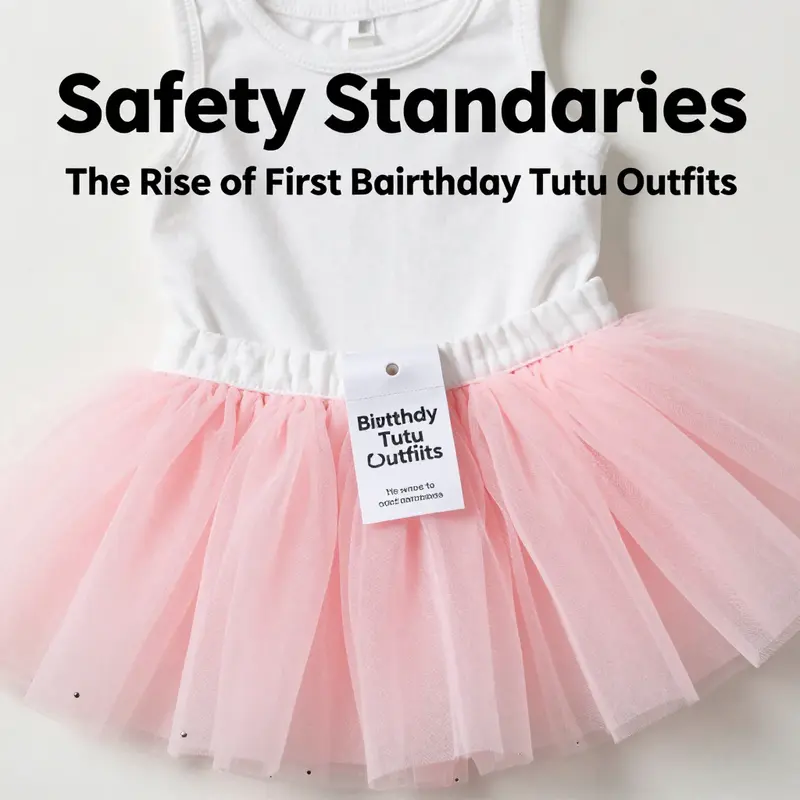
For families celebrating a first birthday, the tutu outfit is more than a cute costume or a photo prop. It marks a milestone, a moment when a baby’s tiny chubby fingers find their way into our memories, and the fabric used to dress them becomes part of those memories. Because this day is about comfort as much as charm, safety must sit at the center of every purchase and every design choice. A tutu is a garment that sits close to delicate skin for hours, often during cake-smash moments, family photos, and long afternoon gatherings. The blend of whimsy and practicality demands more than a pretty silhouette; it requires a careful consideration of materials, construction, and compliance with safety expectations. The best first birthday tutu outfits demonstrate how fashion and well-being can travel together, ensuring that the moment remains joyful rather than stressful for caregivers and comfortable for the child.
In the United States, the landscape of safety for children’s clothing is nuanced. There are no universal, blanket flammability regulations for most general children’s apparel like there are for sleepwear. The standard that many parents encounter most directly is related to sleepwear, codified under 16 CFR Part 1615, which governs the safety of fabrics and the construction of garments intended to sleep in. Outside of that specific niche, the broader imperative is to select garments made from safe, non-toxic materials and to scrutinize the details that can affect a baby’s day-to-day comfort. This is where certifications and independent testing become practical guides. Textiles labeled with certifications such as OEKO-TEX® Standard 100 provide a level of assurance that the materials used do not contain harmful levels of a broad spectrum of substances. When a baby will wear a tutu for hours on end, this kind of assurance matters more than ever because infants have more skin contact with fabrics and are more prone to mouthing and exploring their clothes as part of normal development.
Beyond the borders of the United States, the global market for baby apparel leans on standardized safety frameworks that ease international trade and protect children across diverse environments. European standards, particularly EN71, establish testing requirements for chemical content, mechanical hazards, and general physical properties of children’s clothing and accessories. EN71 helps ensure that outfits for first birthdays—ranging from the base tutu to small accessories like headbands or decorative elements—are free from hazardous dyes and small parts that could pose choking risks. For brands and retailers that serve a worldwide audience, adhering to EN71 offers a credible signal that a product has passed a robust safety regime, which is especially helpful for wholesale buyers who need to meet varied regulatory expectations.
The practical upshot for families is straightforward. When evaluating a tutu outfit, prioritize fabrics that are breathable and gentle on sensitive skin. Lightweight materials such as cotton blends or soft mesh can maintain air circulation and reduce the heat buildup toddlers experience when dressed for long sessions of photos or party activities. The design itself should minimize potential irritation: avoid glued embellishments that can peel and become loose, steer clear of metallic threads that can irritate or rub against delicate skin, and be attentive to tags that can scratch or chafe. A cotton-lined waistband, in particular, offers a gentle fit and helps prevent friction around the belly—an important detail for babies who are strapped into car seats or carried during family photographs. Careful attention to these elements often makes the difference between a day full of smiles and a day interrupted by discomfort.
When it comes to materials, the safety story extends beyond the main fabric to the components that accompany it. The zipper pull, if present, should be large enough to prevent accidental ingestion if a curious infant finds it, and it should lie flat against the fabric to avoid snagging delicate skin or catching in a diaper. Small decorative pieces—bows, sequins, or tiny buttons—should be securely attached and, if possible, non-removable or safety-stitched to reduce the risk of detachment. It is not only about avoiding choking hazards, though that is a critical concern; it is also about avoiding irritants such as scratchy labels, perfumes from fabric finishes, or dyes that could bleed onto skin or clothing. A well-made tutu respects both fashion and function, offering a gentle silhouette that does not constrain movement while still presenting the festive look families expect for a milestone event.
The guidance on fabric and design is complemented by a practical approach to sizing and fit. Infants can be sensitive to even small adjustments in how a garment sits on their torso or around the hips. A tutu that is too tight can cause discomfort, restrict a baby’s natural motion, and create pressure on the abdomen when the baby is held or strapped into a car seat. Conversely, a garment that is too loose can shift, ride up, or snag on jewelry and accessories. The best outfits offer a forgiving fit with elasticized waists and gentle seams, providing room for a diaper and for the baby’s growing movements. When selecting a tutu for the day, it’s wise to verify that the design accommodates diapers comfortably and that the waistband is wide and soft enough to stay in place without digging in. Even the length of the tutu matters: a hem that drags on the floor can become a tripping hazard, while a cut that finishes just at the knee or mid-calf helps maintain mobility and reduces snag potential as the child wriggles, crawls, or explores the party space.
Care labeling emerges as another practical safety layer. Clear washing instructions, fiber content, and safety certifications help caregivers plan ahead and protect the garment’s integrity throughout the event. Some dyes can transfer onto skin or become stiff when washed improperly, while others can fade or bleed with exposure to heat or sweat. The story of a safe first birthday outfit is not about a flawless, single decision but about a sequence of informed choices—fabric, construction, fit, care, and certification—that together create a safer, more enjoyable experience. In this sense, choosing a tutu becomes an act of proactive care rather than a quick impulsive purchase.
To illustrate how safety-minded design can manifest in a product line, consider the kind of features a conscientious supplier might emphasize. For example, a tutu that prioritizes safety may showcase a cotton-lined waistband, soft seams, and a design that minimizes loose embellishments while offering gentle, baby-friendly closures. For reference, some infant-friendly designs highlight a compatibility with breathable fabrics and a soft construction that respects heat and moisture. high-quality white ballet costume tutu swan lake serves as a representative link to how a tutu product page might present these elements in its description. While this specific item is part of a broader ballet tutu collection, it embodies the principle that safety-forward design can coexist with aesthetic appeal. It demonstrates how retailers can articulate fabric choices, waistband construction, and finish quality in a way that reassures caregivers about the garment’s suitability for a baby’s skin and a toddler’s daily activities.
Equally important is the role of reputable sourcing and transparency in the supply chain. For families who shop across borders or at bulk levels, ensuring that manufacturers adhere to recognized safety standards reduces the risk of receiving items that do not meet expectations. Many vendors in the baby apparel space emphasize safe, breathable fabrics and non-toxic dyes while offering bulk or wholesale options. The ability to verify material content, confirm safety certifications, and request documentation can transform a purchase from a simple transaction into a confidence-building experience for caregivers. The global nature of the market means that a dressier outfit chosen for the first birthday may pass through several hands before landing on a child’s shoulders, so clarity about safety features at each step of the process matters.
In practice, this approach to safety translates into a few concrete steps caregivers can take. First, scrutinize the product description for mentions of certifications or testing—OEKO-TEX Standard 100, EN71, or equivalent marks. Second, inspect the garment for tactile cues: a soft, smooth waistband; minimal protruding hardware; and a clear care label. Third, consider the fabric’s breathability and weight to ensure comfort across a party day that can include warm lighting, photographed sessions, and cake encounters. Finally, when possible, verify the seller’s willingness to share certification documentation or test reports. These steps represent a practical checklist rather than a tedious obstacle course, allowing families to enjoy the moment without worry.
Outside the classroom of regulations, the real-life narrative of first birthday tutu safety is a story of balance. It is about letting design spark joy while respecting the delicate realities of infant wear. It is about choosing fabrics that feel soft to the touch and fabrics that stand up to a busy day of play. It is about ensuring that every buckle, bow, or stitch serves a purpose: to keep a child comfortable, to reduce risk, and to preserve the memory of a milestone in a way that feels as gentle as a baby’s first smile. In that spirit, safety standards are not a bureaucratic footnote but a daily companion to the tasks of shopping, planning, and celebrating. They provide a framework that helps families source outfits that are both enchanting and dependable, so that every family photograph, every shared cupcake, and every giggle captured on camera becomes a lasting ode to a child’s first year.
For readers who want a practical reference point that connects the safety framework to tangible product lines, consider how the industry communicates safety features through product pages and supplier statements. The emphasis remains on ensuring the garment is breathable, comfortable, and free from hazards, with certification claims verified. As you explore options, you can translate policy language into everyday choices—picking a tutu that respects a baby’s skin, movements, and comfort while still delivering the celebratory look that makes the day unforgettable.
External resource for further reading: OEKO-TEX Standard 100 overview
Final thoughts
In summary, first birthday tutu outfits not only embody the essence of joy and celebration but also represent a thoughtful choice for parents who value both aesthetics and comfort. The chapters explored the significance of these outfits during milestone celebrations, detailed their design features that cater specially to infants, highlighted the diverse availability and pricing strategies that cater to various budgets, emphasized the importance of customizing options to make each outfit unique, and finally, underscored the critical safety standards that ensure the wellbeing of little ones. This holistic view facilitates a better understanding for business owners in leveraging the first birthday tutu outfit trend, catering to market desires while maintaining high-quality standards.