
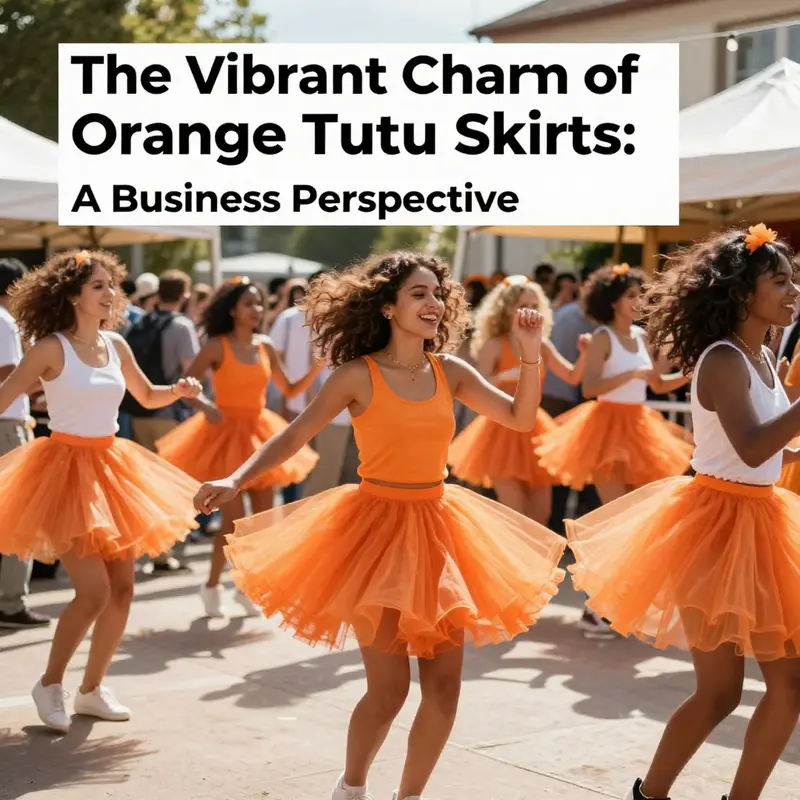
The orange tutu skirt is more than a mere fashion statement; it is a versatile piece that captivates attention and embodies a playful spirit. Business owners in the apparel sector must recognize the potential of this garment, which thrives in dance studios, costume shops, and everyday fashion. Throughout this article, we will explore the unique design characteristics that make orange tutu skirts distinctive and appealing, delve into various styling occasions that cater to diverse audiences, provide essential care and maintenance tips to ensure longevity, analyze current market trends and availability, and highlight the cultural significance that enhances its allure. Each chapter builds on understanding the vibrant charm and commercial opportunities of orange tutu skirts, equipping business owners with insights to maximize their potential.
Color, Structure, and Movement: The Design Language of the Orange Tutu Skirt
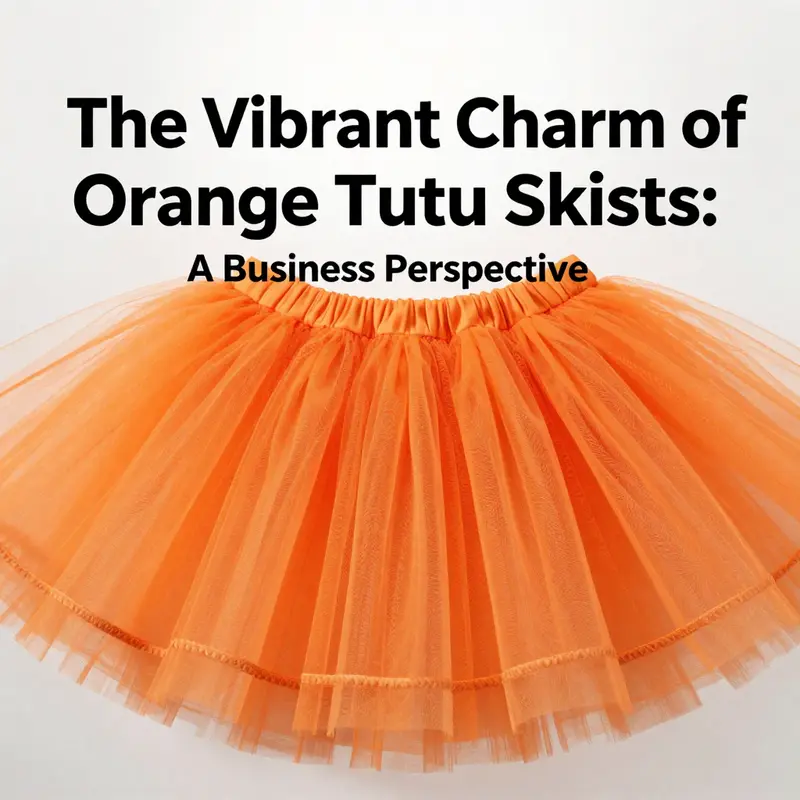
The orange tutu skirt exists at a lively intersection of color psychology, textile engineering, and performance culture. It is more than a bright splash in a costume bin; it is a carefully composed instrument of movement and mood. When light catches the multiple layers of tulle, the skirt seems to ripple with held laughter, a buoyant confidence that reads as both playful and purposeful. In many ways, the design characteristics—the choice of color, the layering of fabric, the elasticity of the waistband, and the sprinkle of decorative details—work together to translate energy into motion. For dancers and designers alike, this garment demonstrates how a single hue can set a tone while the silhouette provides a stage for physical expressiveness. The orange tutu is thus not merely an accessory but a functional piece that sustains shape, supports performance, and invites a wide range of stylistic interpretations.
The color itself functions as a primary design language. Orange sits at the crossroads of warmth and visibility. It carries associations with vitality, enthusiasm, and creativity, making it an ideal choice for routines that aim to captivate without overwhelming the performer. In practice, achieving a saturated orange often involves specific dyeing or finishing processes applied to the tulle. The resulting hue must remain vivid as it moves through the air, catching light from different angles and maintaining legibility on stage or in a crowded room. This need for color that stays true during dynamic activity helps explain why many orange tutus lean toward a dense, opaque appearance rather than a sheer one. The effect is a consistent, dare-to-dream silhouette that complements the rapid, fluttering motion of the skirts in flight.
The construction of the skirt is where color meets physics. A defining feature is the layered tulle, which creates a full, voluminous shape that can read as both extravagant and surprisingly light. The classic tutu silhouette hinges on layered fabric that traps air and holds the skirt outward, giving the wearer a buoyant range of motion. Layer count varies, with simple designs favoring fewer tiers for subtler impact, and more elaborate versions embracing four or five layers to maximize bounce and drama. This variability makes the orange tutu adaptable for different contexts—from intimate recital settings to bold photo shoots and theatrical performances. Yet even with more layers, careful shaping and an elastic waistband ensure the garment remains comfortable and functional. The waistband’s elasticity accommodates different body types and supports steady performance, a crucial factor when precision and posture are paramount. For adult wearers, especially those seeking a flattering yet joyful silhouette, the cut can be tailored to emphasize shape while preserving the skirt’s generous volume. The result is a garment that moves with the body rather than against it, turning every rotation and leap into a visible, joyful sequence.
Decorative elements play a subtle yet meaningful role in the orange tutu’s design language. Bows, satin ribbons, or delicate sequins can transform a basic silhouette into a statement piece without sacrificing comfort or motion. When these adornments are present, they function as visual accents that catch the eye during fast sequences or in still photographs, helping to create focal points that guide the audience’s gaze. In some variations, foil prints or reflective threads introduce a modern twist, adding texture and shimmer that catches stage lighting in new ways. These details can elevate a tutu from a costume into a craft object, inviting appreciation for the layering, stitching, and material choices that make the piece stable under movement while still feeling light and carefree for the wearer. The decorative approach thus harmonizes with the core function: to enrich the wearer’s presence on stage or in social spaces where the skirt is worn as self-expression.
Fabric composition underpins both comfort and durability. The orange tutu skirt typically relies on lightweight, breathable tulle with a blend that can include nylon or cotton to enhance durability and airflow. Polyester-based tulle remains a mainstay for its balance of stiffness and softness, providing the necessary body to hold shape while still allowing fluid motion. In designs intended for active use or sensory-friendly applications, specialists may adjust the weave or incorporate foiled prints to offer bursts of color and texture without overwhelming the wearer. This thoughtful mixing of materials ensures the garment remains practical for extended wear, dance practice, or outdoor play, while preserving its whimsical aesthetic. The fabric choice also influences care and maintenance. Because tulle can crush under weight or compression, proper storage—gentle folding or hanging rather than jamming into a crowded closet—helps preserve fullness and shape. When the skirt is worn repeatedly for performances, breathable fabrics plus careful stitching reduce the risk of irritation and enhance comfort throughout rehearsals and shows.
A unified design approach seems to guide both mass-produced and crafted versions of the orange tutu. On the one hand, mass-produced versions benefit from standardized waistbands, consistent layer counts, and repeatable finishes that make them reliable for festivals, school events, or party entertainments. On the other hand, handcrafted or semi-custom designs can play with proportion, layer density, and decorative motifs to express particular choreographic needs or stylistic preferences. The tension between mass practicality and bespoke flair is part of what gives the orange tutu its enduring appeal. In performance contexts, this balance translates into a garment that can stay visually compelling while remaining user-friendly—an essential combination for performers who must concentrate on timing, line, and expression rather than wrestling with their costume.
Beyond stagecraft, the orange tutu also serves as a versatile fashion proposition. For daily ensembles, a single-layer version can offer a pop of whimsy without overwhelming an outfit; for gallery shoots or themed parties, a multi-layer build can maximize texture and movement against light. The same garment thus straddles two worlds: practical wear that respects body comfort and imaginative styling that invites playful experimentation. Styling ideas may include pairing the skirt with simple tops or leotards to emphasize the silhouette, or layering with complementary accessories that echo the skirt’s hue without competing for attention. In this regard, the orange tutu becomes less a fixed object and more a flexible design tool—a catalyst for confidence and creative exploration.
The chapter would be incomplete without acknowledging the communities that fuel its evolving aesthetics. Inspiration flows from social platforms and shared projects where designers and hobbyists exchange ideas about layering, color saturation, and finish touches. For readers curious about a related expression of tutu design, consider exploring examples such as the pink version that demonstrates how different color families interact with similar silhouette dynamics. See pink-girls-women-performance-ballet-tutu for a concrete reference to how a pink variant handles proportion, texture, and movement. This linked example helps illustrate how color choices shape both the garment’s mood and the performer’s engagement with space and audience.
As you contemplate the orange tutu’s design language, it is also worth considering how production practices intersect with safety and practicality. For those crafting or procuring skirts in bulk, verified suppliers emphasize child-friendly materials, hypoallergenic components, and quick-dry technology. The broader market offers both standard options and more specialized solutions, highlighting a spectrum from everyday playwear to event-ready costumes. In this context, the orange tutu is a case study in how a simple garment can be engineered to perform reliably while still inviting imagination. It shows how thoughtful construction, color psychology, and decorative detail cohere into a piece that can be worn with comfort, confidence, and a sense of whimsy across a range of occasions.
External resources can provide broader manufacturing context for designers and buyers seeking a wider view of options, tolerances, and certifications. For those interested in wholesale or production specifics, a widely cited textile marketplace offers detailed product listings that cover material composition, safety certifications, and bulk order considerations. External resource: https://www.alibaba.com/product-detail/Wholesale-Fluffy-Pettiskirt-Tutu-Skirt-for-Girls_1601234567890.html
In Color, In Motion: Mastering Style and Occasions with an Orange Tutu Skirt
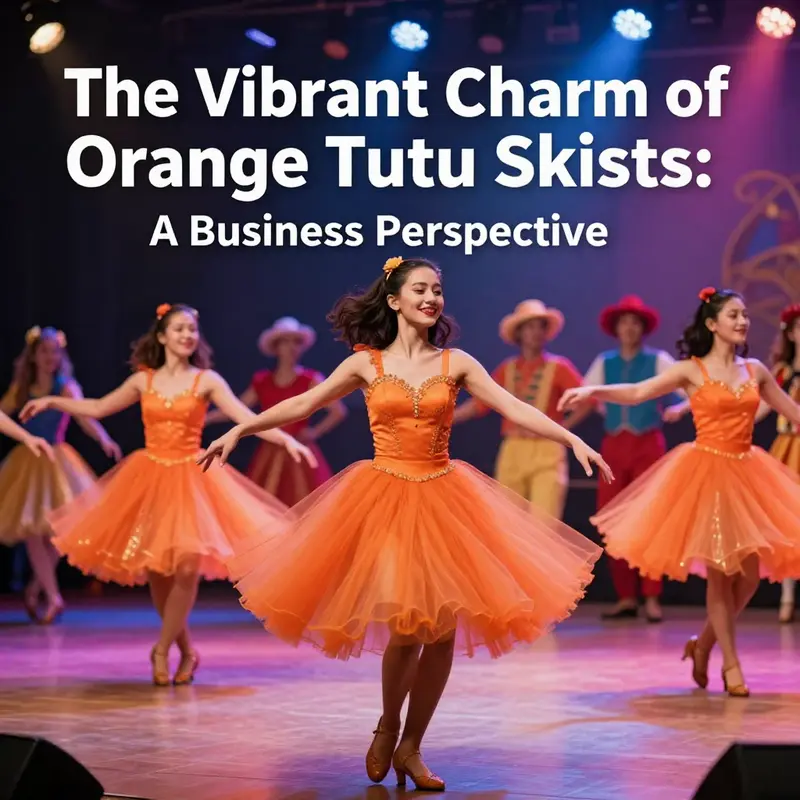
The orange tutu skirt is more than a garment; it is a statement stitched into movement. Its layered tulle catches light and air alike, turning every step into a small performance. The color itself—bright, warm, and inviting—reads as a spark of energy, a visual shorthand for enthusiasm and creativity. Worn well, an orange tutu skews the line between costume and contemporary fashion, offering a playful velocity that can shift the mood of a room or a sidewalk with a single twirl. The appeal rests not only in the hue but in the structure: a silhouette built from multiple stairs of stiffened, airy fabric that holds its puff even when the wearer shifts from a casual walk to a more deliberate, performance-ready pose. The effect is instantly cinematic, the skirt acting as a portable stage where color and motion combine to tell a story without a single spoken line.
The versatility of the orange tutu comes from a careful balance between color, texture, and the surrounding wardrobe. For daytime casual wear, the skirt reads as bold but approachable, almost approachable enough to tempt a shy street style moment into a photo. The key is restraint: pairing a soft or peach-toned orange with a simple top keeps the look from tipping toward costume. A white tee or a fitted graphic tee can anchor the brightness, while a loose denim shirt tied at the waist adds texture without stealing the scene. Footwear becomes the grounding element—white sneakers or flat ankle boots keep the tempo casual, while a crossbody bag and minimal jewelry preserve a sense of ease. The goal is a look that feels intentional rather than daring for the sake of daring, capable of surviving a brunch, a gallery stroll, or a weekend errand with equal charm. For a tangible sense of how a real wardrobe might approach this, consider a practical reference such as Cherry Costumes in Ballet for Adult Kids; the page offers a sense of how a bold hue can be integrated into performance-inspired pieces without losing everyday wearability.
In festive or party settings, the orange tutu can step more decisively into the spotlight. Here the color often requires a deeper, more saturated shade—think rust, terracotta, or a fiery coral—to command the room and harmonize with metallics or dark neutrals. A sleek black top can serve as a chic counterpoint, while a metallic blouse introduces a touch of drama that remains tasteful in social spaces. Outerwear, when needed, should add structure rather than volume—think a tailored jacket or a cropped cardigan that complements the skirt’s silhouette rather than competing with it. Footwear shifts toward polish: heels or embellished flats paired with a clutch in beige or gold can elevate the overall aesthetic while keeping the look cohesive. In these moments, the orange tutu is less a costume and more a celebration, a wearable centerpiece that signals confidence and a readiness to enjoy the moment. The concept of balancing brightness with restraint is not just stylistic—it’s practical, especially when time with friends or in a party atmosphere is precious and you want the outfit to photograph well under mixed lighting.
F or formal occasions or performances, the tutu’s physics change a little. The skirt’s multiple layers of stiff tulle are designed for volume, and this is where quality matters most. A high-quality orange tutu with ample layers will hold its shape longer, projecting fullness under stage lighting or in a formal setting. A color story moves toward a more dramatic rendering, where an orange skirt can be staged as part of a gradient or a coordinated palette. A tailored top or a lace bodysuit can anchor the look with elegance, ensuring the vivid color remains the focal point without becoming overpowering. Accessories can amplify drama if chosen thoughtfully: a matching orange headpiece or delicate floral accents can cue a visual thread that ties the outfit together from head to toe. The performance-ready instinct suggests keeping other elements streamlined—clutch, hair, and makeup should be polished but not competing with the skirt’s sparkle. In such settings, the orange tutu becomes a narrative device, signaling artistry, discipline, and a willingness to stand out in a crowd.
The conversation about orange is not only about color and silhouette; it also turns on context. The wearer’s skin tone plays a surprisingly revealing role in how the shade lands in real life. Lighter complexions often glow with peachy corals, while deeper skin tones can carry rich, saturated oranges with a natural, luminous depth. The practical rule of thumb is to test the color against your wrist in natural light. If the hue harmonizes with your undertones, the skirt will read as radiant rather than glaring. This simple check helps ensure the garment complements rather than competes with your natural features, a small but meaningful step toward a confident styling choice.
The practicalities of tulle demand a few mindful habits to preserve the garment’s presence. Because the skirt relies on multiple layers to achieve its signature bounce, care should be taken when storing and transporting it. Avoid crushing the layers, and give the tutu a light shake before wearing to re-fluff the tulle. When outdoors, the airy fabric can be susceptible to wind gusts, causing the silhouette to behave unpredictably. In such moments, the wearer can use movement to harness the skirt’s character—soft, controlled spins can reveal the fullness and encourage a balanced, graceful line rather than a wayward flutter. In tighter indoor spaces, the tutu’s breadth can feel expansive, so it is wise to map out the floor plan of a room in advance to avoid snagging or crowding. The look thrives on space to breathe; that space is part of what makes the orange tutu feel both whimsical and composed at the same time.
Beyond the wardrobe itself, the styling choices extend to accessories and the small details that finish a look. A common thread across occasions is the intent to avoid overpowering the skirt’s volume. Light jewelry, understated bags, and shoes that echo the neutral tones of the setting tend to keep the orange as the hero. Yet there is room for contrast: a metallic top or a black belt can offer a crisp counterpoint that sharpens the overall line. When the setting leans toward performance or formal events, a coordinated color story—orange with gold, or orange fading into amber tones—can be a powerful cue under stage or flash lighting. For those seeking a broader sphere of inspiration, the jackets and tops that speak to performance culture—structured, tailored, minimal in ornament—provide a reliable counterweight to the skirt’s exuberance, letting the color do the storytelling while the fabric speaks of craft.
The narrative of orange is not only about appearance but about the possibility of movement. A tutu is inherently kinetic; its form changes with the body, and the wearer’s intention shifts the perception of color from a decorative surface to a living spectrum. In this light, the orange tutu becomes a flexible tool for expression: casual joy on a weekend, a celebratory note at a party, or a formal gesture at a performance. The wearer may choose to approach it with a gentle whimsy, or opt for bold, high-energy stances that mirror the skirt’s buoyancy. Either way, harmony between garment and wearer requires a thoughtful calm—an awareness of how the bright hue interacts with light, fabric, and space. By honoring the material’s limits and embracing its strengths, one can craft looks that feel both fresh and timeless, capable of evolving with context.
For readers seeking more concrete styling ideas and real-life examples, this chapter offers a practical path forward. A well-curated source of inspiration demonstrates how the orange tutu can be adapted for different moments—from everyday style to stage-ready attire. See the example linked here: Cherry Costumes in Ballet for Adult Kids.
As a final note, when exploring the broader landscape of orange tutu styling, it helps to consult a trusted guide that covers color pairings, fabric behavior, and silhouette balancing across settings. An external resource with expert styling advice provides a comprehensive view of how to use an orange tutu for every occasion, including practical tips for lighting, photography, and wardrobe coordination. External resource: https://www.brides.com/style/ways-to-style-an-orange-tutu-for-every-occasion-16082375
Preserving the Flame: Care, Storage, and Longevity for Your Orange Tutu Skirt
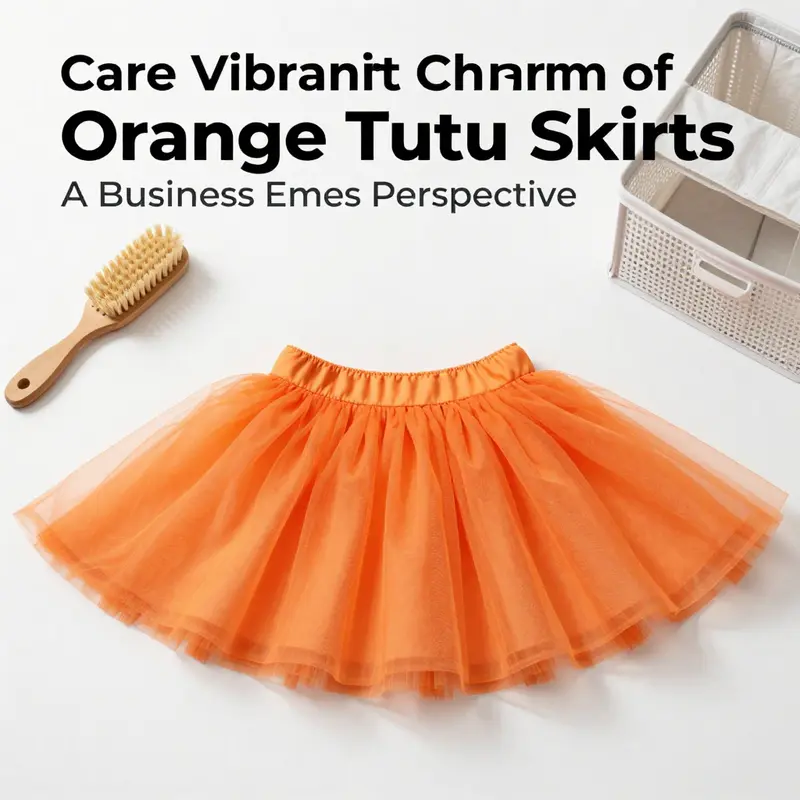
The orange tutu skirt is designed to catch the eye and spark movement. Its bold, warm hue glows with joy, and its layered tulle creates a light, buoyant silhouette that seems to float with every step. Yet the very qualities that make it so captivating also demand careful tending. A tutu’s charm rests not only in its color and volume but in the way it holds that volume after each performance, photo shoot, or party. Caring for this garment is less about routine maintenance and more about a mindful routine that respects the fabric’s delicate nature and the energy it carries. When you treat it with patience and precision, you extend its life, preserve its shape, and keep the color vibrant enough to dazzle again and again.
The foundation of good care begins with how you wash. Hand washing is the simplest, gentlest way to cleanse a tutu without compromising the tulle’s mesh and stiffness. Fill a basin with cold water, and add a small amount of mild detergent—think a product as gentle as baby shampoo. The goal is to clean without stripping away color or weakening the fibers. Gently swirl the skirt in the water; let it rest briefly if you notice any stubborn spots, then repeat with clean water to rinse. The water should remain cold throughout; hot or warm water invites distortion and shrinks the delicate weave. After rinsing, softly press out moisture rather than wringing. Tulle dislikes sudden changes in shape, so let gravity do the work rather than twisting the fabric dry. Lay the tutu flat on a clean towel, fold the towel over, and press lightly to remove extra water. When you remove it, keep the fabric spread and level so the layers don’t press into each other.
A key aspect of keeping color true is avoiding exposure to heat and prolonged sunlight during drying. Direct sun can fade the orange hue and weaken the fibers over time. A cool, shaded area is ideal. Place the skirt on a clean, dry surface and allow it to air dry completely before storage. While it dries, you can use a soft brush or a gentle delicately used fabric steamer at a distance to refresh the tulle if it appears flat or slightly creased from washing. If you decide to use a steamer, hold it several inches away and move in slow, even strokes. Direct contact with hot steam can melt or distort the mesh, so the goal is to invite minor de-wrinkling without melting any portion of the layer.
Color preservation remains a priority long after washing. Never use chlorine bleach or strong color-safe bleaches on orange, as these substances can alter the hue or degrade the fabric. If you ever notice color transfer to a lighter fabric during storage or transport, treat the incident promptly with a fresh rinse and air-dry. For stubborn spots, a tiny dab of mild detergent on an inconspicuous area, followed by a light rinse, can help without impacting the overall color integrity. The same cautious approach applies when cleaning the waistband or elastic—these parts endure the most handling and deserve the gentlest care.
Once dry, the maintenance shifts toward restoring and preserving volume. Tulle tends to settle after washing, and the silhouette can lose some of its signature bounce. To rejuvenate the fullness, you can gently fluff the layers by hand. Lift and separate the top layers, then coax the rest back into place with light, upward lifts. If you want a faster, more uniform restoration, a light pass with a garment steamer held at a respectful distance can lift fibers without flattening them. Avoid ironing, as heat can fuse tulle together at the wrong spots or melt the mesh entirely. The aim is a lively, full look that catches light and movement, not a flat sheet pressed into the shape of a skirt.
Storage and space are equally decisive. A tutu thrives when it can breathe between wears, so storage should respect its layered, airy construction. When not in use, store the orange tutu skirt folded or hung on a padded hanger in a cool, dry place. Folding helps some people keep it compact for travel, but avoid folding the skirt along the same lines every time. Repeated folds can create creases that take longer to release and may distort the silhouette over time. If you choose to hang it, use a padded hanger to prevent indentations in the elastic or waistband and place the tutu inside a breathable garment bag to shield it from dust and moisture while allowing air circulation. If space is tight, you can roll the skirt loosely with tissue paper between layers to maintain puff and prevent crushing. When possible, store the garment head-up to maintain the natural loop of the tulle and reduce pressure on the multiple layers.
For those who wear their tutu in performances, storage strategies extend to travel and staging environments. When packing for a photoshoot or show, consider placing tissue paper between layers to keep them separated and prevent the top layers from flattening the lower ones. A pillowcase or soft garment bag can carry the skirt without crushing the silhouette, and placing the bag within a suitcase that isn’t overpacked helps maintain its shape. If you’re organizing a quick-change routine, you might appreciate keeping a spare, neatly folded layer within reach for instant fluff without rummaging through a closet. Keeping the proper temperature and humidity in the storage space also matters. Very damp or extremely hot environments can affect the tulle’s texture and elasticity, so a stable, cool setting is best.
In the elasticity of planning, you may find yourself balancing care with occasional repair. Tulle is surprisingly forgiving, but rough handling can cause fraying at the edges or loosening of a few layers. If you notice minor snags, address them promptly by trimming loose threads with small scissors and securing any loose ends with a delicate stitch or fabric glue designed for light textiles. It’s a small intervention that can prevent a larger problem when the skirt is next worn for a performance or shoot. When the time comes to refresh the overall look after multiple wears, a careful inspection of the waistband, seams, and tie closures is wise. A little reinforcement here and there keeps the tutu reliable and ready for the next moment of motion.
To keep this maintenance mindset practical, it can help to view care as a ritual rather than a task. This way of thinking honors the energy the orange tutu carries—the enthusiasm, the creativity, the playful momentum of dance. It becomes part of your practice: wash, dry, fluff, store, and check for wear with the same attention you give to choreography. And while the skirt is designed for vibrant, kinetic expressions, the goal remains simple: preserve the garment’s shape, color, and bounce so that it remains a faithful partner in future performances and celebrations. If you want to explore a broader assortment of similar pieces while keeping care in mind, you can browse this product page: professional-dance-costumes-for-ballet-don-quixote-t0482.
External resource for deeper care guidance: https://www.britishfashioncouncil.com/care-for-tulle
Vibrant Currents: Navigating Market Trends, Availability, and the Allure of Orange Tutu Skirts
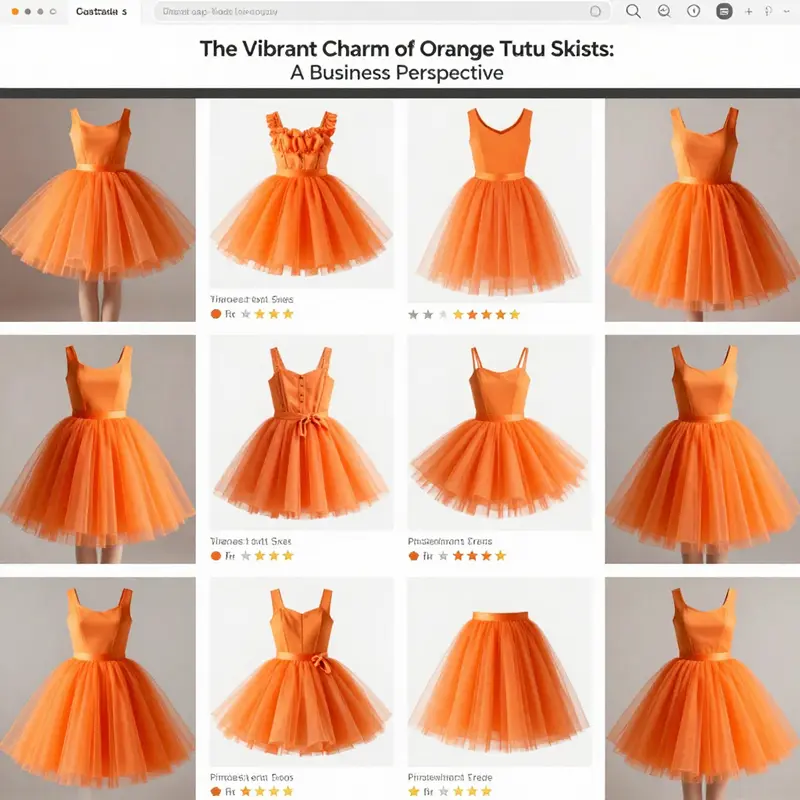
The orange tutu skirt is more than a bright costume piece; it is a barometer of contemporary taste, a garment that blends playful symbolism with practical fashion potential. When light catches the layers of tulle, the silhouette becomes a living sculpture, a kinetic expression of energy and optimism. In markets that prize versatility, the orange tutu skirt sits at an intersection where performance wear, party attire, and casual fashion converge. The color itself—bold, warm, and inherently festive—acts as a visual signal that this is something outside everyday neutrals: a piece designed to command space, whether on a stage, at a festival, or in a playful street look. The layered construction, typically built from multiple sheets of light, stiff fabric, gives the wearer a buoyant bounce and a drama of movement that is instantly read as celebratory.
Across the product spectrum, orange tutu skirts arrive in a range of lengths and styles. They can be found in mini silhouettes for street-style moments that lean into whimsy, mid-length versions for photo shoots and events, and full-length designs for stage performances or theatrical productions. This breadth allows buyers to tailor the garment to purpose: a single-layer variant for a subtler feel, or a multi-layered configuration—often four or five layers—that maximizes volume and creates the iconic, cloud-soft shape that makes a tutu instantly recognizable. The design language is simple at core yet deeply expressive: color, texture, and proportion do the talking, while the wearer adds intent through styling and movement.
Color psychology plays a quietly influential role in market reception. Orange evokes energy, enthusiasm, and creativity, and retailers have learned to lean into that mood with complementary accents. Gold or silver trim, for example, elevates the festive mood and positions the piece as suitable for celebrations, summer festivals, and themed parties. Such trim is not merely decorative; it signals a level of finish that makes the tutu feel ready for stage or camera work. The result is a garment that can cross from a children’s party moment to a high-energy dance routine with minimal fuss, which in turn broadens its appeal across age groups and occasions.
The availability of orange tutu skirts on major online and retail platforms reflects strong, sustained consumer interest. Listings appear with rapid frequency, signaling a market that is active and responsive to seasonal demand. Retailers highlight features that matter to buyers: adjustable waists for a comfortable fit, stretch girding to secure layers during movement, and a focus on easy care so that a costume can stand up to recurring wear in dance classes, performances, or parties. In practice, this means buyers can choose from a spectrum of pricing—entry-level options for casual wear and more elaborate designs for performances—without sacrificing the core appeal of the color and silhouette. A consistent presence across major online marketplaces indicates healthy competition and a robust inventory pipeline, which helps keep prices fair and availability reliable for customers who are planning performances, photo shoots, or themed events.
Beyond standalone pieces, orange tutu sets have become part of a broader ensemble trend. The market increasingly favors coordinated outfits that pair the tutu with complementary accessories, such as headbands, tiaras, and jewelry, especially for children’s birthday parties and staged photo sessions. This shift toward complete looks elevates the role of the tutu from a single garment to a component of a narrative or character concept. Retailers and designers respond by offering matching or thematically linked pieces, which makes it easier for customers to assemble cohesive outfits without hunting through disparate catalogs. In this way, the orange tutu skirt becomes a gateway to a larger styling opportunity, inviting buyers to experiment with color coordination, texture play, and thematic storytelling in dress-up or performance contexts.
The marketplace dynamics around orange tutu skirts also reveal how demand threads through both casual and formal wear spheres. While the tutu’s roots are in dance and performance, its adoption in streetwear and event-specific attire demonstrates a broader fashion sensitivity to whimsy and drama. Buyers who value expressive, eye-catching apparel find in the orange tutu skirt a versatile tool. It can anchor a performance look in a controlled studio setting or serve as a standout prop in a festive street ensemble. The adaptability of the garment—its capacity to pair with simple tops for understated looks or with sequined bodices and metallic accessories for stage-ready impact—contributes to its staying power in a crowded market.
Market accessibility is enriched by a multi-channel strategy. Online marketplaces and direct-to-consumer channels provide scale and speed, enabling frequent restocks and diverse sizing. The availability is often described in terms of length, waist style, and trim options rather than in rigid, one-size-fits-all terms, which helps address a broad consumer base—from dancers needing performance-grade tiers to hobbyists seeking a playful everyday garment. The presence of a wide catalog supports a consumer journey that begins with inquiry and ends in a complete purchase, sometimes followed by a curated set of matching accessories. In practice, shoppers are drawn to listings that acknowledge the tutu’s unique demands—careful storage, gentle handling, and timely laundering—while also foregrounding the garment’s capacity to transform a look with minimal effort.
As buyers navigate the options, they increasingly look for clarity in sizing and care. The practical realities of tulle and layered skirts are not hidden; buyers expect guidance on sizing to avoid the disappointment of an ill-fitting skirt that cannot be worn with confidence. They also want practical care tips to preserve the shape of the layers and the integrity of trims, since crushed or sagging tulle can erase the very volume that defines the style. These are not merely technical details; they influence buying decisions and repeat purchases, because a well-cared-for tutu that holds its bounce and silhouette becomes a dependable costume companion for dance classes, performances, and festive occasions.
The enduring appeal of orange in this category speaks to a larger shopping pattern: the desire for expressive, expressive fashion that remains wearable across multiple contexts. Buyers are increasingly drawn to pieces that can transition across environments—from the studio to the stage, from a summer party to a holiday performance—without appearing out of place. This trend strengthens the case for investments in higher-quality finishes, versatile length options, and color-consistent dyes that maintain the orange hue in varying lights and fabrics. It also nudges suppliers toward more inclusive size ranges and better manufacturing practices to support a truly global audience that expects both consistency and customization.
For readers seeking a practical sense of range and styling, consider how one might explore options that align with both cost and aesthetics. The catalogs for these skirts often emphasize essential details—waist adjustments, multi-layer construction, and trim choices—so buyers can imagine how the piece could fit into their wardrobe and repertoire. A curated example of related offerings shows how designers pair the tutu with coordinated elements, suggesting a workflow for assembling cohesive sets that feel deliberate rather than accidental. This approach invites buyers to envision their own stories in fabric and color, rather than simply purchasing a single garment in isolation.
To illustrate how the market supports this kind of creative exploration, one may look at catalog entries that feature coordinated pieces designed for dance and party settings. Pink Girls Women Performance Ballet Tutu offers a reference point for how a multi-piece ensemble can be built around a central orange-toned piece, even though the exact product names are subject to change with seasons. See Pink Girls Women Performance Ballet Tutu for a sense of how color storytelling can be scaffolded through complementary pieces that resonate with the tutu’s exuberant mood. Pink Girls Women Performance Ballet Tutu
Looking ahead, the market for orange tutu skirts is likely to continue its trajectory of growth, buoyed by ongoing interest in expressive, themed clothing that blends performance potential with everyday wear. The combination of dynamic silhouette, versatile length options, and festival-ready styling ensures that orange tutu skirts remain a staple within the sphere of creative costumes and party fashion. Buyers will increasingly expect not only a vivid hue but also a reliable delivery timeline, robust sizing, and care guidance that preserves the garment’s shape over time. As fashion and performance worlds become more interconnected, the tutu’s capacity to tell a story—one color, one movement, many occasions—will keep this item relevant and coveted within both existing markets and new audiences.
External reference: https://www.alibaba.com/product-detail/2026-New-Orange-Tulle-Tutu-Skirt-with_1600000000000.html?spm=a2700.140544.0.0.3f1b1a4eXJZgDw
Radiant Threads and Shared Stories: The Cultural Significance of Orange Tutu Skirts
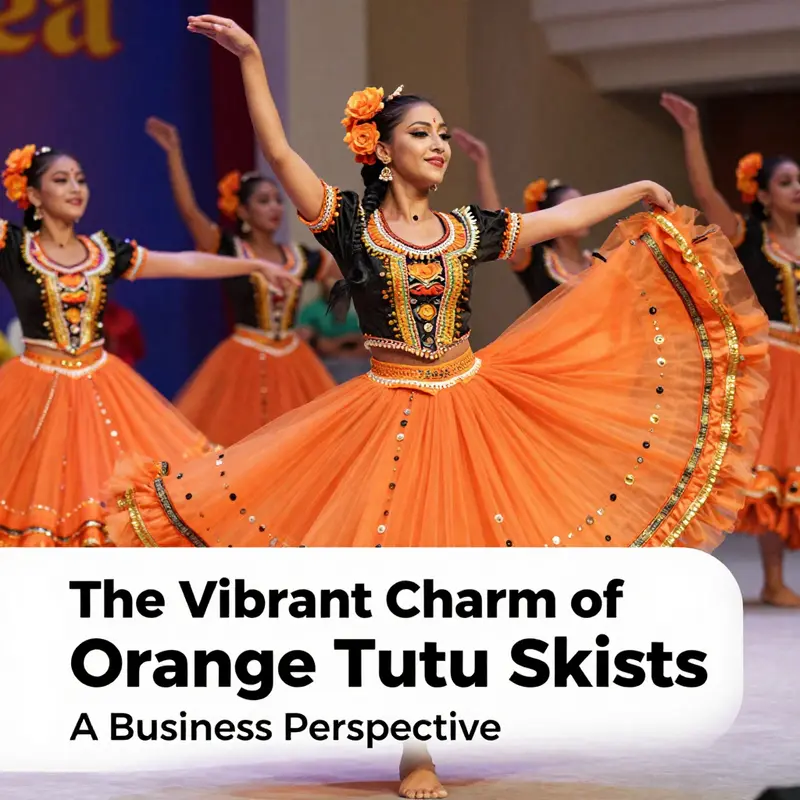
A bright orange tutu skirt is more than a costume or a fashion piece. It is a small, portable theater that travels through shared spaces of celebration, performance, and personal expression. Its silhouette—the iconic, wind-blooming layers of tulle—has long carried the memory of classical ballet, where a dancer shows form and intention through motion. Yet the orange hue adds a distinct contemporary voice. It is not simply a color chosen for visibility on a dark stage; it is a color that announces energy, warmth, and possibility. When the fabric sways, the wearer becomes a living emblem of vitality, a moving spark that can brighten a room, a festival, or a simple casual moment that wishes to feel special. The garment, therefore, sits at the intersection of tradition and modernity, where the elegance of a centuries-old dance language meets the playful urgency of now. It is as comfortable in a studio as it is on a sunlit street, in a birthday party setting, or in a staged production that asks for something unabashedly joyful and memorable.
To understand why orange tutu skirts carry cultural weight, it helps to trace the broader lineage of the tutu itself. The tutu arrived as a symbol of grace and precision, a wearable sign of disciplined performance. Over time, the modern evolution of the tutu has embraced a spectrum of hues, from pale and pastel to vivid, saturated tones. This shift toward color-rich interpretations mirrors a broader cultural shift toward inclusive self-expression. Across communities and generations, people use color not merely to correspond with a trend but to tell a story about who they are and what they want to celebrate. In this light, an orange tutu is less a fashion accessory and more a narrative device. It signals exuberance, it invites participation, and it frames the wearer as someone who values joy, risk, and visibility as legitimate components of experience.
The color orange holds a tapestry of meanings across cultures, and those meanings feed into how an orange tutu is understood and worn. In many Western settings, orange is linked to festivity, theater, and enthusiasm. It evokes the warmth of a late summer sun, the glow of a spring carnival, and the high-energy tempo of a dance piece that refuses to linger in the background. In other cultural contexts, orange carries spiritual resonance and ritual significance. For example, saffron-like tones are associated with sacred acts and spiritual renunciation in certain traditions. While the exact associations vary, the common thread is a sense of vitality and ceremony. A garment that uses orange as its core color inherits that sense of ceremony while inviting a modern audience to engage with it as a form of personal celebration. In a society that increasingly values expressive, individualized wardrobes, the orange tutu becomes a stage for stories—about belonging, about joy, and about the audacity to be seen.
The modern performance environment has also broadened how such a garment is deployed. A tutu skirt in this hue works beautifully for birthday parties, where the color mirrors the cheer of the moment. It suits dance recitals and community performances, where visibility and energy enhance the storytelling on stage. It can appear in photoshoots that aim for a high-contrast, dynamic look, or in theatrical pieces where costuming is a crucial partner to choreography. Even in everyday life, the garment can function as a striking statement piece—a reminder that ordinary moments can be punctuated by color, movement, and the sense that life itself can be a kind of performance worth savoring. The versatility is part of the garment’s cultural appeal: it is not confined to one ritual or one space but can slide between roles as easily as a dancer transitions between steps.
An orange tutu skirt also functions as a canvas for collaboration and community. In many circles, dancers, designers, students, and audience members participate in the process of styling and wearing such pieces. The color invites creative pairings and inventive layering, whether with simple tops for a subtler look or with more elaborate costumes for a full-on character embodiment. This collaborative potential is part of what makes the garment culturally resonant. It becomes a shared language that people use to connect—across ages, backgrounds, and occasions—about happiness, courage, and the pleasure of self-display. For younger wearers, the orange hue can symbolize playfulness and experimentation; for adults, it can signify a reclaiming of whimsy and a bold stance toward self-expression. In this sense, orange tutu skirts become microcosms of contemporary life: spaces where tradition and trend can coexist in a single fluttering moment.
Carefully navigating the balance between tradition and modernity is part of how audiences read these garments. The tutu’s layered construction—delicate, lightweight, and visually expansive—demands respect for its artful engineering. The several layers of tulle create a form that catches air and responds to movement, converting every step into a visual cadence. When the color is orange, that cadence gains chromatic force. The result is a garment that communicates even before it speaks, letting observers sense energy and intent in the first glance. This immediacy is part of the cultural appeal: the orange tutu is accessible and aspirational at once, inviting spectators to feel warmed by its presence while also nudging wearers toward bolder choices in performance, study, and personal style.
Within this cultural framework, the orange tutu skirt embodies more than a costume. It becomes a quiet assertion about the value of play and the legitimacy of performance as everyday life. It invites viewers and participants to consider what it means to dress for joy, to craft a moment that feels designed rather than incidental. The garment’s visual drama is not merely about attention; it is about invitation—the invitation to engage with color as a communicative tool, to allow movement to reveal intent, and to celebrate individuality without sacrificing craft. In a world where wardrobes can feel overwhelmed by silence, the orange tutu offers a bright counterpoint: a reminder that hue, texture, and form can come together to tell a coherent story about courage, community, and delight.
For readers curious about the broader language of tutu design and its social applications, the conversation extends beyond color. Color choice matters because it shapes perception, mood, and narrative arc. An orange tutu can be paired with neutrals to let the color sing, or mixed with other bright tones to create a playful mosaic that echoes a rainbow’s energy. In dance or stage contexts, the color can cue rhythms or emphasize particular movements, turning a simple sequence into a colored map of intention. In everyday wear, it becomes a wearable mood board, signaling that the wearer values color as a form of self-expression and values the joy of moving through life with a visible spark. The cultural significance thus grows from the union of technique, tradition, and contemporary charisma.
For those exploring styling ideas and cross-generational appeal, consider how tutu design translates across ages and settings. A related glimpse into how tutu design translates across ages can be found in this pink girls’ ballet tutu, which demonstrates how the same silhouette adapts to different bodies and life stages while preserving the essential language of movement and color. pink girls’ ballet tutu. The example underscores that even when color shifts, the underlying principles of form, balance, and performance remain recognizable. The orange variant, then, emerges as a natural extension of this design literacy, inviting observers to recognize the shared roots of movement and color while appreciating the unique voice that orange provides.
External resource for further reading on styling and interpretation of tutu skirts, especially in contemporary settings, can be found here: Chic And Versatile Ways To Style A Tutu Skirt For Women From Casual To Elegant. https://www.balletbloom.com/styling-tutu-skirts/
Final thoughts
The orange tutu skirt serves as a multi-faceted garment that appeals to various audiences, from dancers to casual wear enthusiasts. Its vibrant hue and playful design characteristics provide opportunities for business owners seeking to expand their offerings. By understanding the various styling occasions and implementing care tips, retailers can enhance customer satisfaction while ensuring longevity. Keeping abreast of market trends empowers businesses to position themselves strategically within a competitive landscape. Finally, recognizing the cultural significance of this garment allows for a deeper appreciation of its value. Embracing the charm of orange tutu skirts can lead to a profitable niche in the fashion industry, meeting the demands of a diverse customer base.