

The professional ballerina tutu embodies the artistry and technical skill of ballet performance. As a vital component of a dancer’s costume, it not only accentuates grace and style but also addresses the rigorous demands of movement on stage. This article delves into the innovations in materials that enhance comfort and durability, the customization options that ensure a perfect fit, and the design elements that merge performance with visual appeal. Understanding these aspects is critical for business owners in the dance apparel industry looking to provide high-quality products.
Stitching the Stage: Material Innovations That Redefine the Professional Ballerina’s Tutu
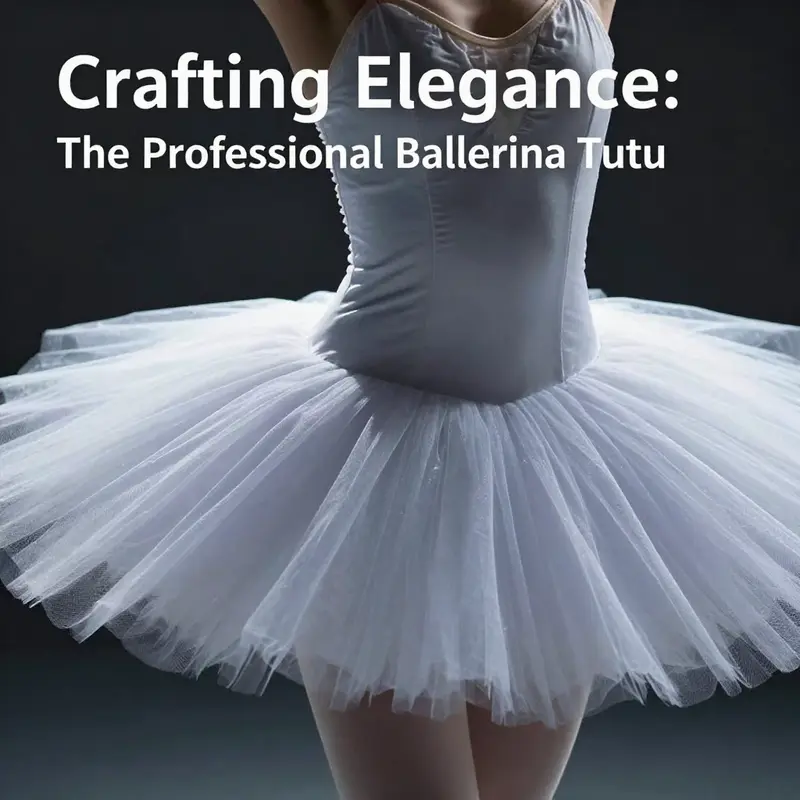
In the realm of classical ballet, the tutu is a hinge between technique and narrative, a costume that cannot simply adorn a dancer but must respond to the body’s demand for precision, speed, and expressive reach. Over time, the materials that compose this iconic garment have evolved from stiff, ceremonial fabrics into a carefully engineered system. Each layer, seam, and textile choice works in concert with muscular control, breath, and stage lighting to preserve a dancer’s line while amplifying the drama of movement. The modern tutu thus embodies a balance: it must be light enough to float through space, sturdy enough to hold its silhouette under the strain of hundreds of turns, and smart enough to regulate temperature and comfort during long performances. Material innovations have become the quiet backbone of this balance, turning what could be a distracting constraint into a trusted ally for artistry.
A primary driver of this shift is the bodice, where stretchable fabrics meet supportive construction. High-performance stretch fabrics, particularly a form of sleek, elasticized Lycra, provide a seamless scaffold for the torso. The goal is not merely to compress but to move with the dancer, offering steady support through grand jetés, multiple pirouette sequences, and the rapid transitions that characterize contemporary interpretations of classical repertoire. The stretch is engineered to align with spinal posture and shoulder mechanics, helping a dancer maintain fractional alignment when the core is challenged by rotation, elevation, or intricate arm work. With a well-designed Lycra bodice, the dancer experiences liberation in the upper body: less compensatory tension in the shoulders, fewer micro adjustments mid-routine, and more capacity to initiate turns from a stable center. This is not a matter of fashion but of functional biomechanics translated into textiles.
The skirt, too, has undergone a revolution in fabric science. Tulle—long a signature material of the tutu—has evolved into a lighter, more breathable medium that still carries volume and halo-like diffusion under stage lights. Contemporary tulle is layered in multiple, strategically graded thicknesses. A typical professional group tutu may employ seven layers or more, each layer contributing to the overall buoyancy while enabling air to circulate between them. Breathability is not a luxury; it is a performance necessity. In the heat of a long curtain call, body temperature can rise quickly, and without proper airflow, a dancer’s focus can fragment as perspiration affects grip, balance, and skin comfort. Modern tulle resists sagging as well as color fading, ensuring that the silhouette remains crisp and luminous from the overture to the final pose. The interplay of light with semi-transparent, layered fabric creates a shimmer that reads as silvery air on stage, a visual rhetoric that supports the narrative moment without overpowering the dancer’s line.
Beyond breathability and lightness, fabric technology addresses a subtler but equally important problem: maintaining silhouette when bodies sweat and temperatures fluctuate. Advanced treatments on tulle fabrics reduce drooping and fraying, helping the skirt hold its intended cone or bell shape through the most demanding sequences. This capability is essential for productions in which the choreography demands rapid elevation of the legs and a sustained sculpting of the tutu’s edge across time. A tutu that sags can obscure leg lines, flatten the dancer’s leg to the audience, and undermine the visual precision that critics and audiences expect in classical ballet. By preserving form even under exertion, the materials free the dancer to pursue the extremes of technique—reaching for that flawless first arabesque or that lingering extension—without distraction.
Material innovation does not stop at textiles alone. Premium fabrics for the bodice, including velvet and similarly rich textures, have entered the repertoire as strategic tools for storytelling. Velvet, with its tactile depth and light-catching surface, can enrich the dancer’s stage presence. The surface absorbs and reflects light with a warmth that polyester alone cannot reproduce, granting the fabric a nuanced, almost painterly complexion as a performer moves. This depth allows designers to respond to the drama of a role—whether the regality of a queen, the solemnity of a swan, or the menace of a villain—without relying on heavy embroidery alone. Velvet bodices can harmonize with metallic or tonal embellishments to create a cohesive, sophisticated narrative image while preserving the dancer’s freedom of movement. The result is a costume that feels as if it were grown from the dancer’s body, a seamless extension rather than an external layer.
Reinforced sewing and resilient construction have become standard in professional tutus. The demands of professional repertoire—repetitive jumps, fast direction changes, and sustained poses—require seams that resist tearing, sagging, and loss of structure. Modern tutus employ reinforced seams and stitching techniques designed to withstand repeated use in the most punishing performance schedules. The durability translates to a reliable silhouette from curtain rise to curtain fall, which in turn reduces the need for mid-run adjustments and interruptions that could interrupt flow and timing. Quality control expands beyond aesthetics to safety, ensuring that stitching and fabric choices conform to safety standards that govern touch, skin contact, and long-term wear.
Safety and sustainability have become integral to the designer’s toolkit. Reputable sources in the professional tutu market increasingly align with international standards that certify fabric safety and performance across extended export cycles. Certifications such as those focused on skin contact safety and chemical safety guarantee that dancers can perform without adverse reactions or irritations over time. The integration of safety standards into fabric selection reflects the ballet world’s broader commitment to the health and longevity of its artists. It is a reminder that the tutu is not merely a costume; it is a performance instrument whose reliability rests on careful, often invisible, engineering decisions.
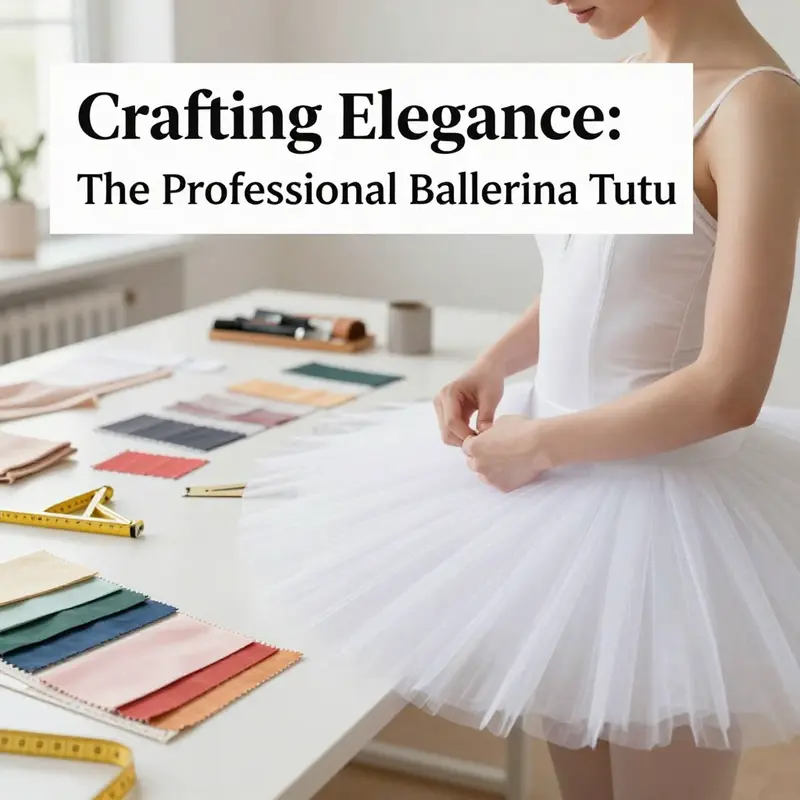
Customization and fit occupy a central place in modern tutu design. A one-size-fits-all approach does not meet the needs of a body with unique proportions, varying torso lengths, and different hip structures. Contemporary tutus frequently incorporate adjustable fittings—hidden elastics, interior straps, and precisely placed seams—that allow technicians to tailor the silhouette to an individual dancer. The outcome is a costume that aligns with the dancer’s physique, optimizes posture, and preserves a clean line on stage. Structural elements like a deep V-neckline or a sculpted bodice confer a modern elegance while maintaining the strict technical requirements of classical choreography. This customization is not only about aesthetics; it reinforces the dancer’s core stability, enabling more accurate placement of limbs and a stronger, more confident extension.
The choreography of a performance often determines the tutu’s engineered constraints and allowances. In Black Swan-style sequences, for instance, the costume must vanish into the visual complexity while still supporting the character’s psychological arc. In Swan Lake-inspired moments, the tutu might read softly against a pale, moonlit gradient, echoing the ethereal quality of a swan gliding on stage. These scenario-specific solutions demand a thoughtful conversation between designer and dancer, balancing narrative clarity with practical needs. The result is a garment that can be everything from a minimal, almost invisible frame to a richly embellished centerpiece, without compromising ease of movement.
Beyond beauty and drama, the tutu’s materials are chosen with care for long-term performance life. The ability to maintain shape and color after countless performances hinges on both the fabric’s intrinsic properties and the way it is cared for. Colorfastness matters because stage lighting can intensify hues in surprising ways, and trained designers want to prevent color bleed into the skin or neighboring fabrics. Fraying must be minimized to avoid the need for constant repairs. The upkeep becomes part of the dancer’s routine: gentle cleaning, careful storage, and periodic professional inspection to catch wear before it impacts performance.
The conversation about materials also intersects with the broader ecosystem of professional ballet. Designers work within supply chains that prioritize consistent quality across markets. The tutu must perform reliably in varied theatres, climates, and handling conditions from rehearsal studios to touring vans. In this context, the promise of standardization—through fabrics that resist heat, sweat, and fatigue—becomes a practical advantage for touring companies and permanent companies alike. When a dancer travels with a single, dependable garment, the company reduces waste and the risk of last-minute costume malfunctions that could disrupt a performance schedule. In short, material innovations support not only the dancer’s artistry but the logistical resilience of the entire production.
Care and maintenance are an essential part of extending a tutu’s life. While the surface beauty draws the eye, the hidden reinforcements, the way the fabric breathes, and how seams hold under repeated laundering determine how long a unit remains in use. Designers and manufacturers now emphasize materials that tolerate careful cleaning and repeated wear without significant degradation. This reduces the frequency with which costumes must be replaced and ensures that even demanding roles can be performed with confidence across seasons. The practical knowledge behind care rituals often circulates among studios and companies, becoming part of the shared language that keeps the art form advancing while respecting its traditions.
For dancers, the material innovations translate into tangible benefits on stage. The weight of the tutu, once a limiter to certain leaps, is now harmonized with the dancer’s own weight distribution. The silhouette remains stable as the legs lift, the body tilts, and the gaze travels through space. This harmony between fabric and movement allows the body to travel further into the choreography’s emotional and technical demands. In this way, the tutu ceases to be mere attire and becomes a co-creator of the dancer’s storytelling arc. The audience experiences not only precision and grace but also the sense that the garment itself performs with the dancer, catching light in ways that accentuate the arming, the extension, and the delicate angular lines that define the art form.
The importance of material innovation is not isolated to a single season or a single company. It reflects a persistent search for better ways to combine artistry with engineering. As choreographers push for new phrasing, as stage designers seek richer textures under dynamic lighting, and as dancers demand longer rehearsals with less fatigue, the tutu’s fabric science becomes a common thread linking practice, performance, and pedagogy. Students learn early that their tutu is a partner in practice, guiding posture and encouraging efficient energy use. Veteran dancers know that the right textile choices can nurture a clean, strong line after hundreds of performances. In other words, the evolution of the tutu’s materials is a quiet but powerful thread weaving through training, rehearsal, performance, and legacy.
This integrated perspective—from bodice to hem, from thread to silhouette, from safety certification to touring logistics—frames the tutu as a living system. It is a system in which every material choice has a purpose, every seam has a reason, and every layer participates in a performance that is at once technical and expressive. The modern professional tutu embodies a philosophy: performance excellence is inseparable from material excellence. Dancers move with greater ease, audiences experience purer lines, and productions achieve a refined fidelity to both tradition and innovation. As the art form continues to expand—embracing water-light fabrics, sustainable textiles, and even smarter manufacturing processes—the tutu will remain a central emblem of ballet’s enduring dialogue between craft and miracle.
Internal link: for readers curious about how a specific, couture-inspired professional tutu can be aligned with a dancer’s form and the role it plays in a classic repertoire, explore this example page that highlights Paquita-inspired design elements: Paquita gold-white professional ballet tutu page.
External reference: for a broader look at contemporary tutu materials and industry standards that inform these design choices, see the external resource on modern tutu materials. External resource on modern tutu materials.
null
null
Silk, Structure, and Spectacle: The Professional Ballerina Tutus
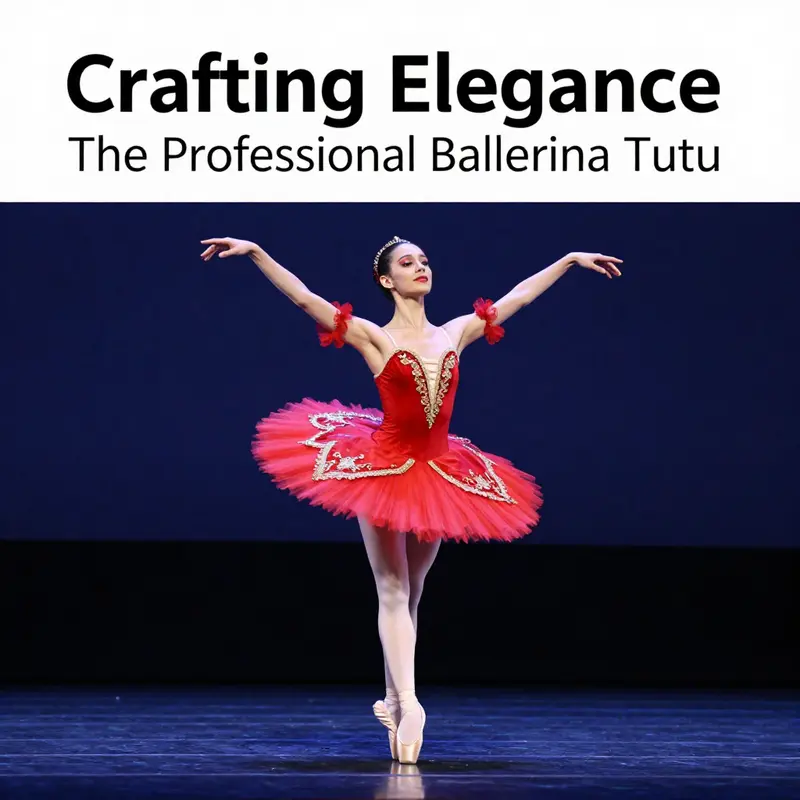
The tutu is more than a garment. In the theater, it becomes a living instrument, shaping the dancer’s line and the audience’s perception. When a dancer rises onto pointe, the world expects not only precision of technique but also the silhouette that announces a character and mood. The professional tutu is a careful fusion of art and engineering, balancing supple movement with a visual architecture strong enough to read under stage lights. Each seam, layer, and color is chosen to serve the dancer’s body and the story being told. The bodice provides posture and breath support; the layered tulle skirt creates the bell shape that reads from the pit to the back row. Material choices matter: lightweight fabrics, engineered seams, and colorfast dyes that endure long runs and tours. Custom sizing and adjustable fittings ensure a shared silhouette while honoring individual comfort. The tutu therefore acts as a performance tool and a stage image, guiding the audience’s eye and supporting the dancer’s technique.
Final thoughts
The professional ballerina tutu is a fusion of advanced design and artistry, requiring comprehensive understanding of materials, customization, and performance considerations. Business owners in the dance apparel sector should prioritize these aspects to meet the evolving demands of dancers while reflecting the beauty and tradition of ballet. By staying informed about innovations and preferences, they can enhance their offerings and maintain competitiveness in the market.