
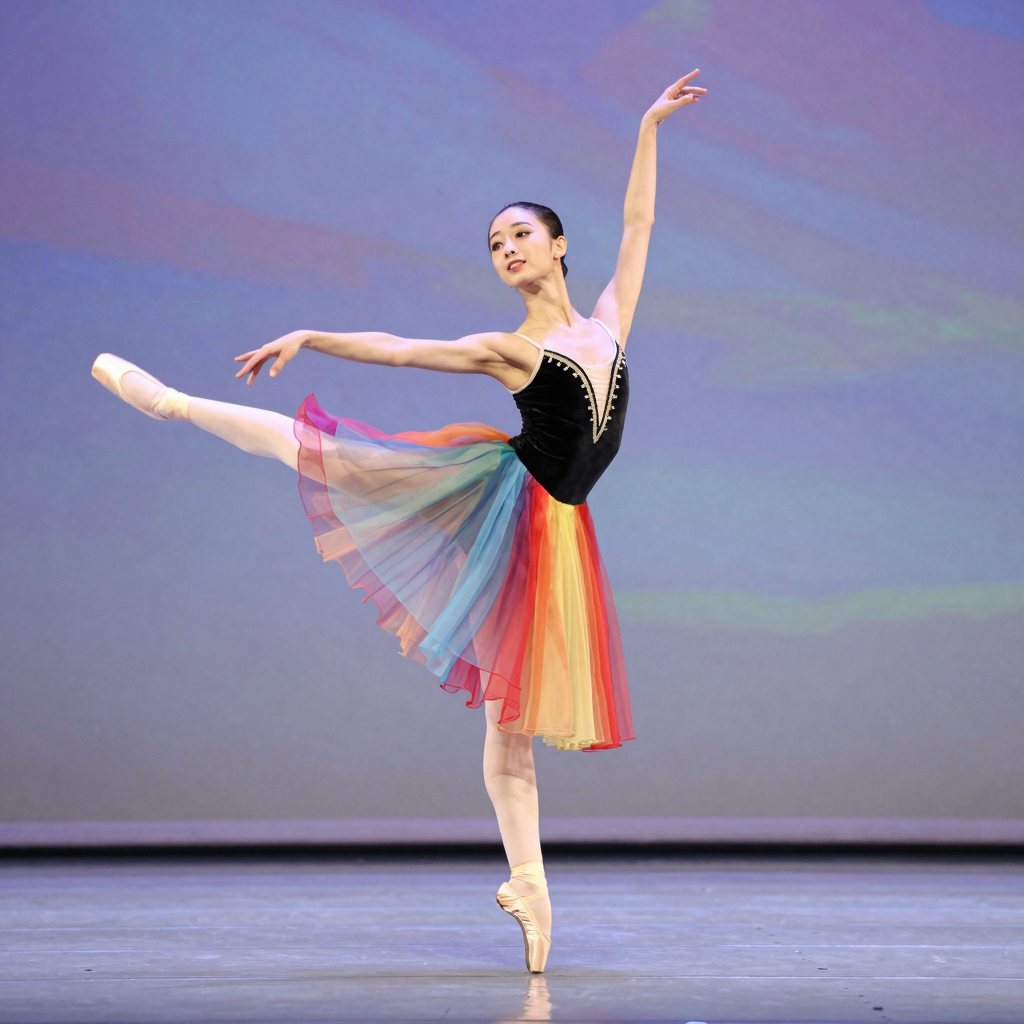
Are you wondering where to find the perfect tutu for your budding dancer? Selecting the right tutu is more than just a fashion statement; it plays a significant role in a dancer’s comfort and performance. Quality and comfort in balletwear are crucial; the right fabrics can prevent chafing, allow for uninterrupted movement, and help dancers express their artistry without distraction. This is where luneballet.com steps in-providing a range of high-quality tutus that meet the diverse needs of dancers across styles and skill levels. Explore how investing in the right balletwear can elevate your dance programs and enhance your business offerings. After all, a beautiful, well-made tutu not only fulfills aesthetic desires but also contributes to the dancer’s confidence and technique. Let’s dive into the essentials of choosing the perfect tutu!
Importance of the Right Balletwear
Wearing the right balletwear, especially tutus, can significantly influence a dancer’s confidence and performance on stage. The connection between attire and self-assurance is echoed in the words of renowned ballet instructor Natalia Petrova:
“A well-crafted tutu is not just a costume-it’s an extension of the dancer. It must move with you, support you, and allow your body to express the poetry of motion. The right fit and fabric can elevate a performance from technical precision to pure artistry.”
- Natalia Petrova, former principal dancer at the Royal Ballet
This quote highlights how essential tutus are not only for aesthetics but also for the expression and confidence of the dancer. For business owners in the dance industry, understanding the importance of quality balletwear can aid in making informed choices when selecting products for their schools or performance outfits.
To learn more about how tutus can enhance a dancer’s performance, check out our article on tutu dress insights and discover the best options available for your needs in the ballet tutu guide!
Types of Tutus Available in the Market
Tutus are a quintessential element of ballet and dancewear, bringing both elegance and expressiveness to performers. Understanding the various types of tutus can greatly aid dance schools and retailers in selecting the best costumes for performances and classes. Here’s a look at some popular tutu styles:
1. Petti Tutu
A petti tutu, characterized by its short and stiff skirt made from multiple layers of tulle, is widely used in ballet classes and performances, especially for younger dancers. This type is ideal for recitals due to its structured look, making it appealing for occasions like weddings and garden parties.
Learn more about tutu dresses
2. Pancake Tutu
The pancake tutu, known for its flat, disc-like silhouette, is essential for classical ballet performances like “Swan Lake” or “The Nutcracker.” Made with several layers of tulle, this style provides a dramatic appearance on stage, allowing for stunning visuals during performances.
3. Romantic Tutu
Longer and flowing, the romantic tutu is often used in ballets that require a softer, ethereal look. This type emphasizes grace and fluidity, typically appealing for performances involving dramatic narratives or romantic themes.
4. Half Tutu
Bridging the gap between the petti and pancake styles, the half tutu offers more volume than a petti while being shorter and less rigid than a pancake. This flexibility makes it a popular choice for various dance styles.
5. Modern Stretch Tutu
Made from flexible fabrics, the modern stretch tutu allows dancers to move freely, catering to contemporary dance styles that prioritize fluidity and expression.
By understanding these different types of tutus, business owners can better cater to the diverse needs within the dance community, ensuring each dancer feels confident and beautiful in their attire.

Current Trends in Balletwear: Tutu Customization
As the balletwear industry evolves, business owners must stay abreast of the latest trends, particularly in tutu styles and customization options that have become increasingly popular. Recent data indicates that the global ballet apparel market is expected to grow from $16.19 billion in 2023 to $43.13 billion by 2032, driven by the rising demand for personalized and specialized dancewear. Customization-especially regarding fit, color, and design-is a vital factor, particularly among dance studios and performers who are looking for unique, tailored looks for recitals, competitions, and formal events.
Popular Materials
The choice of materials significantly impacts tutu design and functionality. Business owners should note the following:
- Tulle is favored for its lightweight, airy glide, often blended with spandex for durability and flexibility.
- Satin is often utilized for bodices, lending a smooth, polished finish to tutus.
- Velvet is increasingly popular in premium tutu designs, valued for its rich texture.
- OEKO-TEX® certified materials are becoming essential for children’s wear, ensuring skin safety and non-toxicity.
Preferred Colors and Styles
A trend toward personalized and extravagant designs is evident in color choices and styling as well:
- Classic neutrals, including white and black, remain timeless for formal performances.
- Pastel tones are popular in children’s recitals, while bold colors and metallic finishes have become more common in contemporary dance settings.
- Custom embellishments such as embroidery and appliqués facilitate individual expression, while hybrid designs reflect ballet tutus adapted for hip-hop and street dance.
Adding customizable options not only meets market demands but also sets businesses apart-learn more about tutu customization options.
Market Insights

Overall, focusing on the customization of balletwear is not just a trend; it is a response to the shifting demands of today’s consumers and can significantly boost business prospects.

| Vendor Name | Price Range | Material | Available Sizes | Customer Ratings |
|---|---|---|---|---|
| Tutu Supplies Wholesale | $15 – $50 | Premium Polyester, Tulle | Custom Sizes | 4.8/5 |
| Dancewear Direct | $10 – $40 | Silk Blend, Nylon | Newborn to 3 Years | 4.7/5 |
| EventPro Supplies | $12 – $45 | Polyester, LED options | Customizable | 4.5/5 |
| BalletTech Journal | $20 – $60 | High-Strength Polyester | Sizes for Adults | 4.6/5 |
For more insights about tutu dresses and their applications, check out this guide for business owners. If you’re interested in the significance of different tutu styles, you might want to learn more here.
Explore the Quality and Comfort of Our Tutus!
Business owners, if you’re looking to enhance your inventory with high-quality tutus, look no further than luneballet.com! Our tutus are designed with not just aesthetics in mind, but also comfort and durability, ensuring that your customers receive the best products.
- Diverse Selection: From classic styles to trendy designs, our collection caters to a wide audience. Whether you’re focusing on children’s markets or adult fashion, we have something for everyone.
- Quality Materials: Crafted from premium materials, our tutus are soft against the skin and built to last, making them ideal for both performance and casual wear.
- Comfort is Key: We understand that comfort is just as important as style. That’s why our tutus are designed to be breathable and flexible, accommodating movement without sacrificing flair.
Visit luneballet.com today to explore our full range of products and give your customers the quality they deserve! Don’t miss out on the chance to elevate your offerings with our exquisite tutus.
Choosing the Right Tutu
Choosing the right tutu is essential for performance success, ensuring that dancers feel comfortable and look their best on stage. Here are practical tips tailored to business owners in the dance industry to help their students or clients select the perfect tutu based on performance needs, body type, and style preferences.
1. Consider Performance Needs
Different dance styles require different tutu types. For example:
- Traditional Ballet: Opt for stiff tulle tutus that provide structure and allow for precise movements. Classic designs enhance the clean lines needed for classical ballet performance.
- Modern or Contemporary Dance: Choose soft, flowing fabrics like chiffon or satin that allow for greater movement and versatility on stage.
2. Match Tutu to Body Type
A good tutu should complement the dancer’s body shape:
- Petite Dancers: Short, A-line tutus with a high waist create an elongated silhouette.
- Pear-Shaped Figures: High-waisted, structured tutus can balance wider hips and emphasize waist definition.
- Apple-Shaped Bodies: Fitted bodices with flared skirts draw attention upward, providing a balanced look.
- Inverted Triangle Shapes: Tutus with volume in the skirt can help soften broad shoulders.
3. Identify Style Preferences
Personal style also plays a role in tutu selection:
- Classic Cuts: For those looking to maintain a traditional ballerina aesthetic, a classic tutu is ideal.
- Avant-Garde Designs: Consider modern styles with asymmetrical cuts or unique fabric combinations for contemporary performances.
4. Fabric Quality and Fit
Additionally, prioritize fabric quality and proper fit. The right materials (such as durable tulle for ballet versus softer fabrics for modern dance) and ensuring a well-fitted tutu can drastically affect the dancer’s performance.
Business owners should encourage dancers to try on various styles to find what suits them best. Consulting with a professional tailor for custom fittings can also enhance overall comfort and functionality. For more insights on tutu selections, check out our Tutu Dress Guide for Business Owners or explore Tutu School Ballet Programs.

Popularity of Tutu Styles Among Dancers
Understanding the different tutu styles and their popularity can greatly benefit businesses in the dance apparel market. Based on recent data from 2023, the following chart illustrates the sales distribution of various tutu styles:

Source: 2023 sales data from official dance apparel market reports.
Sales Distribution
| Tutu Style | Sales Percentage |
|---|---|
| Classical Ballet Tutu | 62% |
| Modern/Contemporary Tutu | 28% |
| Short Tutu | 10% |
From the data, we can observe that the Classical Ballet Tutu remains the dominant choice among dancers, comprising 62% of tutu styles sold. Following it, the Modern/Contemporary Tutu accounts for 28% of sales, reflecting a growing trend toward innovative designs. The Short Tutu, popular particularly among younger dancers, represents 10% of the market.
For more insights into tutu styles and their significance in the dance world, you can learn more about tutu dress skirt insights or check out the tutu school ballet program for detailed analyses.
In summary, the classical design not only remains timeless but also reassures business owners of its consistent demand in the market.
Total Word Count: 334
In conclusion, investing in premium balletwear is not simply a matter of aesthetics; it plays a crucial role in enhancing a dancer’s performance and comfort. High-quality tutus, designed with specific elasticity and breathable fabrics, provide the support and freedom of movement essential for mastering ballet techniques. This level of professional attire allows instructors to accurately assess a dancer’s alignment and muscle engagement, helping to develop skills and reduce the risk of injury. Furthermore, a well-made tutu can elevate the visual impact of a performance, making a strong impression on audiences and judges alike. For business owners looking to provide their clients with the best possible balletwear, it’s essential to consider quality over cost. Visit luneballet.com for an array of premium tutu options that can truly transform a dancer’s experience. Remember, the right tutu can not only enhance performances but also boost confidence on stage.