

Embracing DIY Tutu-Making: A Creative Pathway for Dance Studio Owners
In the vibrant world of dance, every detail counts, and this is especially true for balletwear. For dance studio owners and teachers, the quality and style of the ballet attire worn by students can significantly impact their performance and confidence. One of the most enchanting pieces of balletwear is the tutu, which not only embodies grace but also serves as a symbolic garment that encourages creativity. Enter the realm of DIY tutu tulle – a burgeoning trend that empowers dance instructors and studio owners to craft bespoke tutus that match their artistic vision and the unique flair of their students. Creating your own tutus not only provides a personal touch but also ensures that the quality meets the exacting standards set by professional ballet environments.
At luneballet.com, you’ll discover an expansive collection of high-quality tulle and accessories that make the DIY process seamless and enjoyable. Whether you’re looking for materials to whip up classic tutus or more whimsical designs, customizing your studio’s balletwear can foster a deeper connection between instructors and dancers alike. Tailoring tutus from scratch allows for exploration of diverse styles and themes, making each performance an unforgettable visual experience. With DIY tutu-making, you are not just providing dancewear; you are cultivating an atmosphere of creativity and expression that resonates within your studio. Join the revolution of personalized balletwear and see how crafting your own tutus can enhance the overall dance experience!
Materials Needed for Creating a DIY Tutu
Creating a DIY tutu requires specific materials that not only contribute to the aesthetic appeal but also impact comfort and performance. Here’s a list of essential materials along with their descriptions:
-
Tulle
Tulle is a lightweight, fine netting fabric that is the primary material used in tutus. There are different types of tulle, each with its unique characteristics: -
Nylon: Known for its durability, nylon tulle holds its shape well and resists wrinkles, making it ideal for tutus that need to maintain their form during performances.
-
Polyester: This affordable option is strong and retains its color well, making it a popular choice for various costume designs.
-
Sparkle Tulle: Embedded with glitter or sequins, this type offers a visually striking appearance, perfect for festive occasions, though it may be more fragile than traditional tulle.
-
Silk: For a luxurious touch, silk tulle provides a soft and elegant drape but is generally more delicate and requires careful handling.
-
Cotton: While less formal, cotton tulle is breathable and offers a softer texture, which can be great for casual wear or children’s tutus.
-
Elastic Bands
Elastic bands are essential for creating the waistband of the tutu. A comfortable elastic will ensure a secure fit without causing irritation during movement. It’s important to choose an elastic band that is not too tight to allow freedom of motion, especially during dance performances. -
Scissors
A good pair of fabric scissors is crucial for cutting tulle without fraying the edges. Sharp, precise scissors enable clean cuts, which are vital for a professional-looking finish. -
Measuring Tape
Accurate measurements are key in creating a tutu that fits well. A measuring tape helps ensure that the length of the tulle and the waistband are cut correctly to avoid discomfort during wear.
Using the right materials not only enhances the visual effect of the tutu but also significantly impacts the comfort level of the wearer. For instance, softer tulle can provide ease of movement, while a well-fitted elastic band ensures the tutu stays in place.
For more insights into different tulle styles and their applications, check out our collection of professional tutus and romantic tutus.
Step-by-Step Guide to Making a DIY Tutu
Creating a DIY tutu can be a fun and accessible project for both aspiring dancers and business owners looking to create something special for their clients. With just a few simple materials, you can craft a beautiful tutu that can rival the quality found at luneballet.com. This guide will walk you through the process step-by-step, ensuring you produce a tutu that’s perfect for any occasion.
Materials Needed
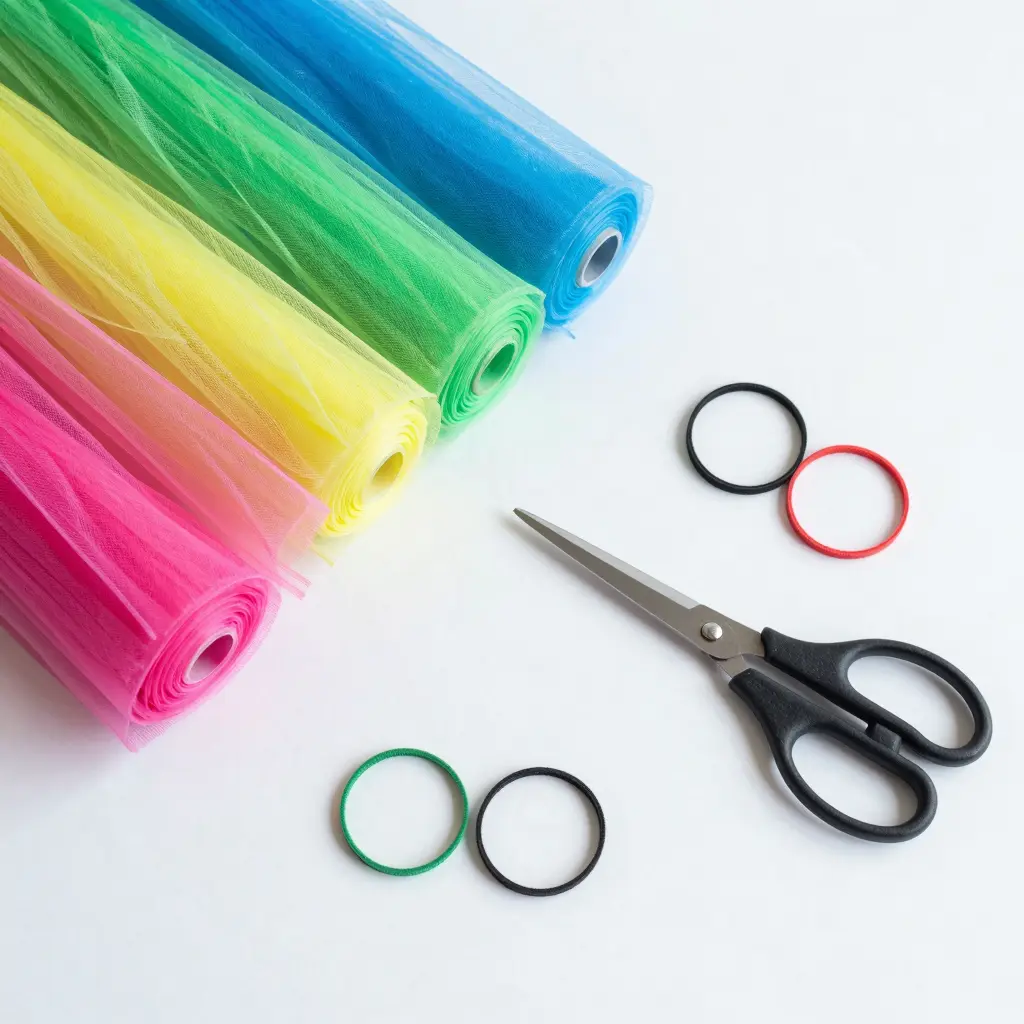
- Tulle Fabric: Lightweight and airy, tulle is the primary fabric for tutus. Aim for stiff nylon or polyester tulle, which is ideal for achieving that voluminous look typical of ballet tutus.
- Scissors
- Measuring Tape
- Ribbon or Elastic Band: To secure the waist of the tutu.
- Optional: Decorative elements like sequins or flowers to personalize your tutu.
Step 1: Measure and Cut the Tulle
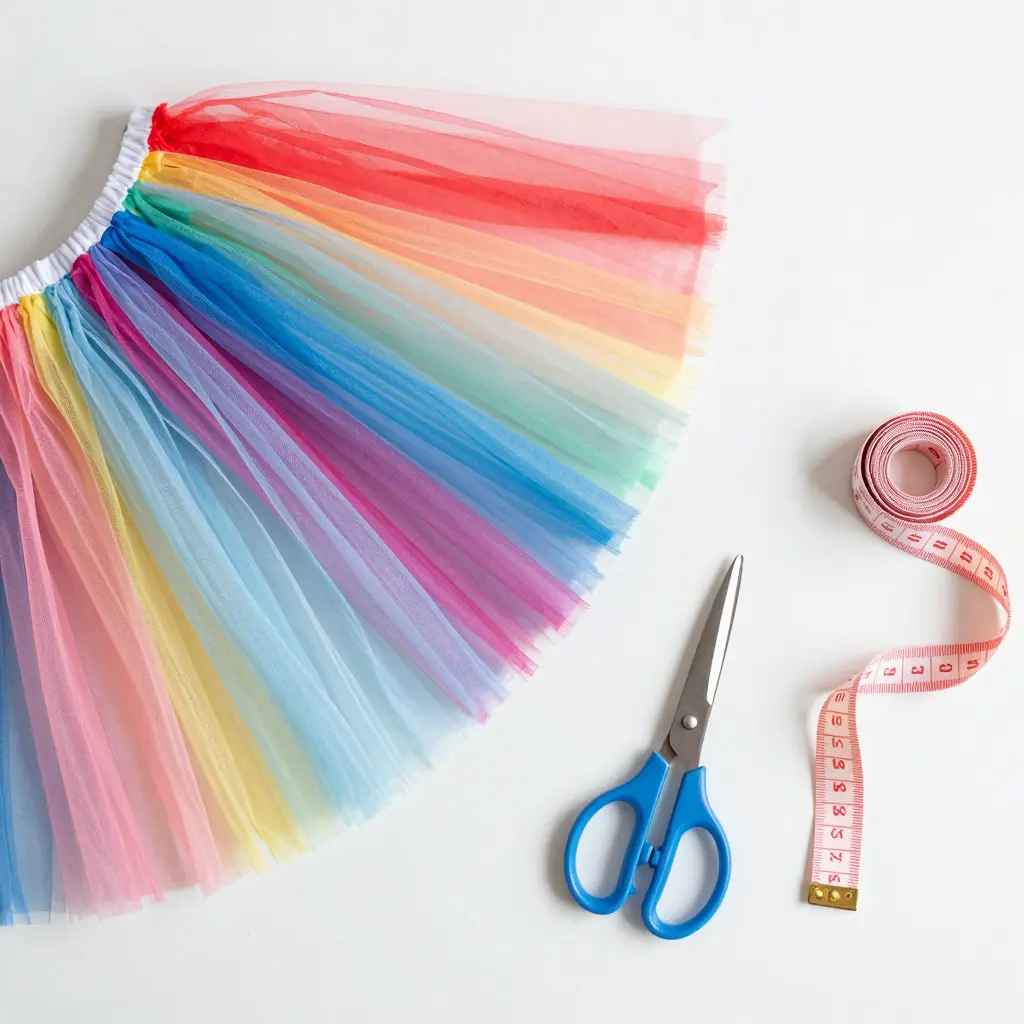
- Measure the Waist Size: Before cutting your fabric, measure the waist of the person who will wear the tutu. You can add a few extra inches if you’re using an elastic band to ensure it is comfortable.
- Determine the Length of the Tutu: Decide how long you want the tutu to be (usually around 10-15 inches).
- Cut the Tulle: To create layers, cut strips of tulle that are typically 2-3 inches wide and long enough to fold over (around 20-30 inches for a standard tutu). You can experiment with different lengths and widths based on your style preferences.
Step 2: Create the Tutu Base
- Use a Ribbon or Elastic Band: Secure your ribbon or elastic band around the waist. If you’re using an elastic band, make sure it stretches for comfort.
- Attach the Tulle Strips: Fold each tulle strip in half and loop it through the ribbon or elastic band, pulling the ends through the loop you created. Continue this process until the waist band is covered with tulle strips, ensuring a full and fluffy look.
Step 3: Adjust and Finalize
- After all tulle pieces are attached, adjust the lengths so that they are even, or style them in a way you prefer for a more whimsical look.
- If desired, add decorative elements such as sequins or flowers for a more personalized touch.
Quality Tulle for Your Dance Wear
When creating a tutu, the choice of fabric significantly affects the overall look and feel of the garment. Tulle’s lightweight nature allows for artistic designs while maintaining structure, making it a classic choice for tutus. If you’re a business owner looking to offer quality ballet wear, consider exploring different types of tulle fabrics. Learn more about high-quality tulle fabrics for tutus at Dadatutu.
Conclusion
Making a DIY tutu is not only a rewarding craft experience but can also serve as a cost-effective solution for dance costumes. As a business owner, this skill could allow you to provide unique options for your clients, showcasing your creativity and commitment to quality. With this guide, you can craft a tutu that not only looks beautiful but also aligns with the high standards found at quality balletwear retailers like Dadatutu.
Happy crafting!
Comparison of Different Types of Tulle for DIY Tutus
Creating a beautiful DIY tutu requires selecting the right kind of tulle. Here’s a comparison table that outlines the characteristics of various types of tulle used for making tutus, which can help you decide the best option for your desired style and durability.
| Tulle Type | Weight | Durability | Color Options |
|---|---|---|---|
| Nylon Tulle | Lightweight | High | Wide range of colors available |
| Polyester Tulle | Lightweight | Medium to High | Available in various colors |
| Italian Tulle | Medium | Very High | Luxurious colors, often limited |
| Silk Tulle | Lightweight | High | Soft colors, typically pastel shades |
| Cotton Tulle | Lightweight | Low | Limited, typically natural colors |
| Ombre Tulle | Lightweight | Medium | Gradient colors available |
Key Characteristics Explained
- Weight: Determines how the tulle will behave in your design. Lightweight options create a fluffier look, while medium weights provide structure.
- Durability: Essential for garments that will see frequent use. Nylon and silk tulles tend to be more durable than cotton.
- Color Options: This refers to the variety of hues available, allowing for creative designs. Nylon typically offers a broad spectrum.
These characteristics can greatly impact the outcome of your DIY tutu projects. For more insights on professional tutus, be sure to check out our professional tutu collection.

For additional styles, don’t forget to explore our basic tutu collection.
This overview should assist in making an informed decision on which tulle type aligns with your design ideas and needs.
The Benefits of Quality Balletwear
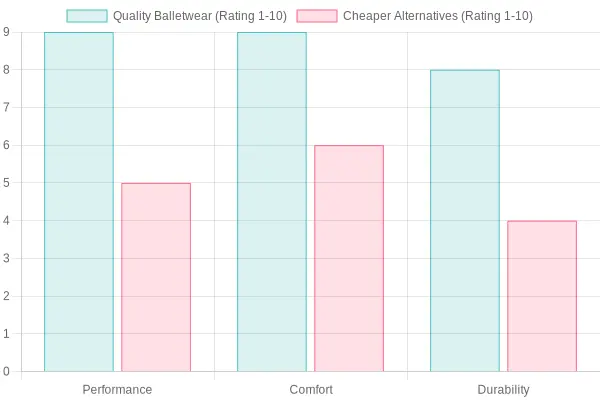
Investing in quality balletwear is essential for performance, comfort, and durability. Let’s explore how premium balletwear outperforms cheaper alternatives through a comparative chart detailing comfort and performance ratings.
| Attribute | Quality Balletwear (Rating 1-10) | Cheaper Alternatives (Rating 1-10) |
|---|---|---|
| Performance | 9 | 5 |
| Comfort | 9 | 6 |
| Durability | 8 | 4 |
Key Insights
- Performance: High-quality balletwear significantly enhances a dancer’s performance due to its superior design and materials, achieving a performance rating of 9 versus just 5 for cheaper options.
- Comfort: Comfort is crucial for dancers, and premium options provide a comfort rating of 9, compared to 6 for lower quality alternatives.
- Durability: Quality balletwear tends to last longer and withstand rigorous training. Its durability rating is 8, contrasting with a mere 4 for cheaper items.
Visual Representation
Below is a bar chart illustrating the differences in ratings:
For more information about high-quality balletwear, visit Dada Tutu. This investment can significantly impact a dancer’s career, ensuring they look and feel their best in every performance.
The Importance of Quality Dancewear in Ballet
In the world of ballet, the right attire goes beyond aesthetics; it plays a critical role in ensuring a dancer’s performance is at its peak. Quality dancewear not only enhances comfort but also influences flexibility, technique, and overall confidence. This sentiment is echoed by many ballet professionals. Here are a few impactful quotes from instructors and industry experts:
“Quality dancewear is essential for enhancing performance. Each detail, from the fabric to the construction, plays a vital role in providing support and allowing freedom of movement.”
- Dance Enthusiast, Dance Mogul
“Investing in high-quality dancewear significantly improves the dancer’s confidence, as well as their ability to execute movements effectively. The right attire allows dancers to focus on their performance rather than their discomfort.”
Industry Expert, Doppelganger Dance Collective
“When dancers feel good in their clothing, their performance reflects that confidence. High-quality materials that allow for movement are crucial for any dancer striving for excellence.”
Ballet Instructor, L’atelier Tutu
The significance of quality dancewear is further illustrated in data reflecting its impact on performance, summarized in the chart below:

| Aspect | Impact on Performance and Feedback | Source |
|---|---|---|
| Comfort | High-quality dancewear enhances comfort, allowing for better focus | Dance America |
| Flexibility | Better material flexibility improves movement and technique | Universal Fusion Site |
| Technique | Appropriate dancewear supports correct posture and alignment | AtoAllLinks |
| Support | Quality apparel provides necessary support to enhance performance | MarkWide Research |
| Confidence | Dancers perform better when they feel confident in their clothing | Dance America |
In conclusion, for business owners in the dancewear market, understanding the profound effect of quality on dancer performance can guide inventory choices and enhance offerings. By prioritizing high-quality materials and construction, you can cater to the essential needs of dancers, helping them to excel and thrive in their art.
Effective Marketing Strategies for Selling DIY Tutus
When it comes to marketing DIY tutus or tutu-making kits, understanding your audience and leveraging quality materials are key components to success. For business owners looking to effectively reach dance studios and individual customers, several strategies can enhance visibility and drive sales.
1. Target Market Identification
Focus your marketing efforts on dance studios, schools, and parents of young dancers. These groups often seek affordable and customizable tutu options. Consider offering discounts for bulk purchases, which can encourage studios to buy kits for their students.
2. Quality Over Quantity
Emphasize the quality of the tulle and other materials in your DIY kits. High-quality products not only satisfy customers but also lead to positive word-of-mouth referrals, which are essential in a niche market like tutu-making. Clearly state the benefits of your materials, such as durability and vibrant colors, in your product descriptions on your website. For example, you can check out our professional tutu collection for more insights.
3. Leverage Social Media Marketing
Social media can be a powerful tool for reaching potential customers. Here are some tips for effective social media marketing:
- Create Engaging Content: Post pictures and videos demonstrating the tutu-making process. Showcase completed projects and encourage customers to share their creations by using a specific hashtag.
- Collaborate with Influencers: Partner with dance influencers or local dance instructors to promote your tutus. Influencers can help you reach a broader audience and lend credibility to your brand.
- Utilize Pinterest and Instagram: These platforms are ideal for visually appealing content. Share tips, inspiration boards, and DIY tutorials to engage your audience. For promotional ideas, you can refer to this Pinterest page.
4. Email Marketing
Build a mailing list of interested customers, and keep them updated with new products, special offers, and DIY tutorials. Personalized emails can foster a sense of community and encourage repeat purchases.
Conclusion
In the competitive market of DIY tutus, focusing on your product quality and engaging your audience through effective marketing strategies will help you build a loyal customer base. As you continue to refine your approach, consider exploring various marketing channels and keeping an eye on customer feedback to further tailor your offerings.
Creative DIY Tutu Ideas for Every Style
Creating your own tutu can be a fun and rewarding project, perfect for dancers of all ages and styles. Here are some unique DIY tutu ideas that cater to various dance styles and personalities:
-
Classic Ballerina Tutu
A staple in ballet, classic tutus are typically made from layers of tulle. These can be short (for a traditional look) or long (for a romantic style). Select soft pastel colors for a delicate appearance or bright hues to stand out on stage. Explore professional tutus for inspiration. -
Whimsical Fairy Tutu
Dreamy and ethereal, fairy tutus often incorporate elements like glitter and floral embellishments. Use a mix of pastel colors and layer various lengths of tulle for a magical effect. -
Glamorous Stage Tutu
Perfect for performances, glamorous tutus can be embellished with sequins, rhinestones, and satin fabrics. Opt for bold colors and dramatic lengths to catch the audience’s attention. Check out themed costume tutus for fabulous ideas. -
Sporty Dance Tutu
Combine your tutu with activewear for a sporty look. Choose breathable fabrics for the tutu and pair it with a tank top or bodysuit. Add some fun patterns or bright colors to showcase your energetic personality! -
Vintage Inspired Tutu
Think 1920s flapper style! A vintage-inspired tutu can have layers of satin and lace. This style is great for performances or themed events, like a roaring twenties party. -
Seasonal Holiday Tutu
Tailor your tutu to fit the season! Create a spooky Halloween tutu using dark tulle and orange accents, or a festive Christmas tutu with red and green. Perfect for holiday-themed dances or celebrations. -
Character-Themed Tutu
Show off your personality by crafting a tutu that represents your favorite character! Whether it’s a princess, a fairy, or a classic ballet character like the Sugar Plum Fairy, these tutus allow for creativity and fun. Explore options like the Nutcracker tutu for ideas. -
Casual Everyday Tutu
Fashionable yet comfortable, everyday tutus can be worn for casual outings. Choose lightweight fabrics and softer colors. Pair them with a simple tee or a stylish crop top to create a chic look.
Creating a variety of stylish DIY tutus not only enhances your wardrobe but also allows you to express your creativity in the world of dance!
As we come to the end of our DIY tutu-making journey, it’s important to remember the joy and creativity that this endeavor brings into our lives. Crafting your own tutu is not just a fun activity; it’s an expression of individuality and artistic flair. There’s something undeniably rewarding about transforming layers of soft tulle into a beautiful piece of dancewear that reflects your personality and vision. Every tutu you create can be a unique masterpiece, allowing you to explore colors, styles, and designs that resonate with your artistic spirit.
At DaDa Tutu, we understand the importance of quality and style. That’s why we offer a wide selection of professional and romantic tutus, all designed with the utmost care and attention to detail. We invite you to explore our balletwear collection at luneballet.com, where you can find excellent options to complement your DIY creations or inspire your next project. A tutu made by your own hands, paired with our curated collection, will not only elevate your dance performance but also help you stand out with elegance and grace. So, unleash your creativity and bring your tutu dreams to life, and remember, we’re here to support your journey in every twirl and leap. Dive into the world of tutus today and discover the wonderful possibilities that await!