

Choosing the Right Fabric for Tutus: Importance in Dance Performance
Selecting the right fabric for tutu is essential for both performance and comfort in dance. The fabric used in tutus significantly affects not only how the garment looks but also how it performs on stage. Quality dancewear fabric can enhance a dancer’s movements, allowing them to execute intricate choreography with ease and confidence. Comfort is paramount; a well-fitted tutu made from breathable, flexible materials can make a huge difference in how a dancer feels during rehearsals and performances.
Moreover, specific balletwear materials are tailored to different styles and needs, whether it’s a professional skirt for a formal performance or a playful tutu for a creative ballet class. High-quality fabrics offer durability, ensuring that the tutu withstands the rigors of repeated use without losing its shape or flair.
At Dada Tutu, we recognize the paramount importance of selecting superior fabrics. Our range showcases not only traditional styles but also modern interpretations made from top-notch materials. Whether you’re looking for lightweight tulle for graceful movement or satin for a glossy finish, the right fabric will elevate your performance, making it a vital consideration for anyone involved in the realm of dance attire.
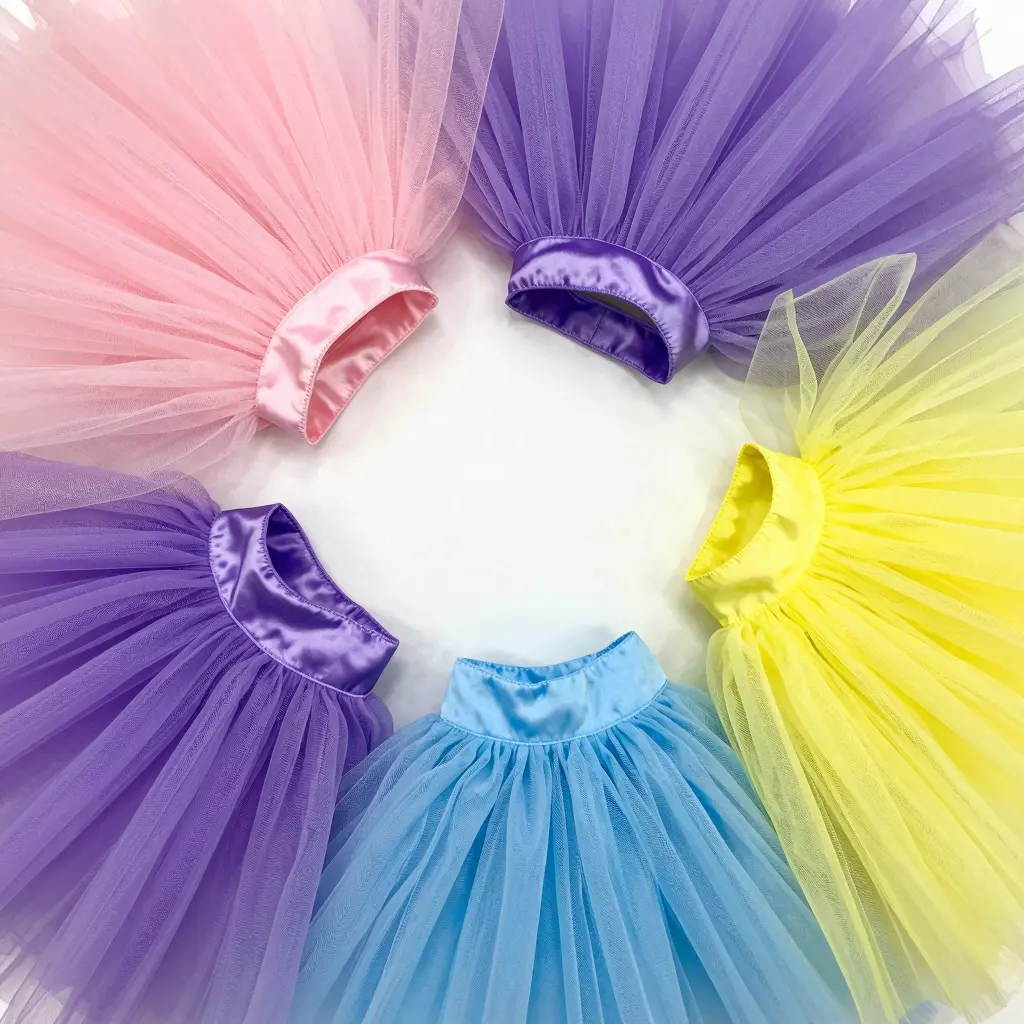
This image showcases an array of tutu fabrics, highlighting different textures and colors. It’s perfect for business owners who are exploring fabric options for their tutu designs. You can delve into our professional tutu collection for more insight into available materials and styles here.
When it comes to making elegant and eye-catching tutus, choosing the right fabric is essential. The fabric for tutu can significantly affect the garment’s structure, appearance, and durability. Here, we explore three of the most popular fabrics used for tutus: tulle, organza, and nylon. We discuss their properties, benefits, and the types of performances they are best suited for.
1. Tulle
Tulle is perhaps the most commonly associated fabric for tutus, known for its lightweight and airy texture. Here are some key points about tulle:
- Properties: Tulle is a fine, lightweight netting that is typically made from silk, nylon, or polyester. It has a crisp texture and can be layered to create volume.
- Benefits: Tulle is flexible and can be easily shaped into various designs. Its sheer quality allows for vibrant colors and patterns to shine through, making it perfect for colorful performances. Additionally, tulle is relatively cost-effective, which is appealing for tutu makers and ballet schools.
- Best Suited For: Tulle is ideal for classical ballet performances and competitions where the aesthetic of movement and grace is paramount. It is also popular in children’s costumes and DIY projects (learn more about professional tutus).
2. Organza
Organza is another fabric favored for crafting tutus, offering a slightly different texture and visual appeal.
- Properties: Organza is a thin, plain weave, sheer fabric made from silk or synthetic fibers. It is stiffer than tulle, which helps maintain its shape and creates a voluminous look without being heavy.
- Benefits: The crispness of organza allows for dramatic shapes and silhouettes, making it a great choice for theatrical performances. It can also be used in combination with other fabrics to create unique effects, adding depth and glamour to the tutu.
- Best Suited For: Organza is often used for more formal performances, such as those requiring a fairy tale or romantic theme, making it perfect for costumes in ballets like Coppelia or Swan Lake.
3. Nylon
Nylon is a synthetic fabric that has gained popularity in tutu making for its versatility and resilience.
- Properties: Known for its strength and elasticity, nylon is a durable option that can withstand the rigors of dance. It is also soft to the touch, providing comfort for the wearer.
- Benefits: Nylon’s resilience makes it resistant to abrasion, mildew, and higher temperatures. This means that costumes can endure repeated wear and washing without losing their form or integrity, making them excellent for everyday ballet classes and performances.
- Best Suited For: Nylon is suitable for various dance styles and is often used in tutus for contemporary dance, showcasing a blend of durability and aesthetic appeal (like those used in romantic tutus).
Conclusion
Selecting the right fabric for tutu is crucial for achieving the desired look and performance characteristics. Tulle, organza, and nylon each offer unique benefits and aesthetics. Whether designing for formal ballet, contemporary dance, or whimsical performances, understanding these fabrics will help business owners create stunning tutus that captivate audiences.
Comparison of Tutu Fabrics
As a business owner in the costume industry, understanding the characteristics of different fabrics used in tutus is essential. Here’s a detailed comparison of four popular fabrics: Tulle, Organza, Chiffon, and Nylon.
| Fabric | Durability | Softness | Breathability | Cost |
|---|---|---|---|---|
| Tulle | Moderate | Soft | High | $5 – $10/yard |
| Organza | High | Medium | Moderate | $7 – $15/yard |
| Chiffon | Low | Very Soft | High | $10 – $20/yard |
| Nylon | High | Soft | Moderate | $3 – $8/yard |
Characteristics Overview
- Tulle: Lightweight and translucent, commonly made from nylon or polyester. Great for decorations and layered tutus. Learn more about professional tutus.
- Organza: Known for its crisp texture and glossy finish. Suitable for more structured designs. It is often used in formal wear.
- Chiffon: Offers an elegant drape, perfect for flowing designs. It’s very soft but less durable, making it suitable for delicate garments.
- Nylon: Highly durable with good elasticity, making it suitable for performance costumes that require flexibility. Explore costume themes.
Selecting the right fabric depends on the desired characteristics for your tutu and its intended use.
The Importance of Quality Fabric Sourcing for Tutus
Sourcing high-quality fabric for tutus is a crucial aspect of building a successful dancewear business. Fabrics used in tutu production, such as tulle, satin, and organza, significantly affect the overall appearance, durability, and performance of the garments. By investing in superior fabrics, business owners can enhance their brand’s reputation; customers are more likely to appreciate the quality of the product, which leads to higher satisfaction and repeat purchases. Additionally, poor fabric choices can detrimentally impact the customer experience, resulting in negative reviews and diminished trust in the brand.
To find reliable fabric suppliers, business owners should consider the following tips:
- Research local and international suppliers: Wide-ranging options can lead to better pricing and quality. Websites like Fabriclore list potential partners who offer quality sourcing.
- Request samples: Always ask for fabric swatches before making bulk orders. This allows you to assess the material’s quality firsthand, ensuring that it meets your expectations.
- Check for reviews and testimonials: Leaning on the experiences of other business owners helps avoid unreliable suppliers. A good supplier should have positive feedback regarding consistency and quality.
- Attend fabric shows or trade fairs: These events are excellent for networking and discovering new suppliers while gaining insights into the latest industry trends.
By focusing on quality fabric sourcing, not only do businesses create stunning tutus, but they also build long-lasting relationships with their customers, enhancing brand loyalty and ensuring a thriving presence in the competitive dancewear market. For more insights on professional tutus, visit Dada Tutu’s professional tutu collection.
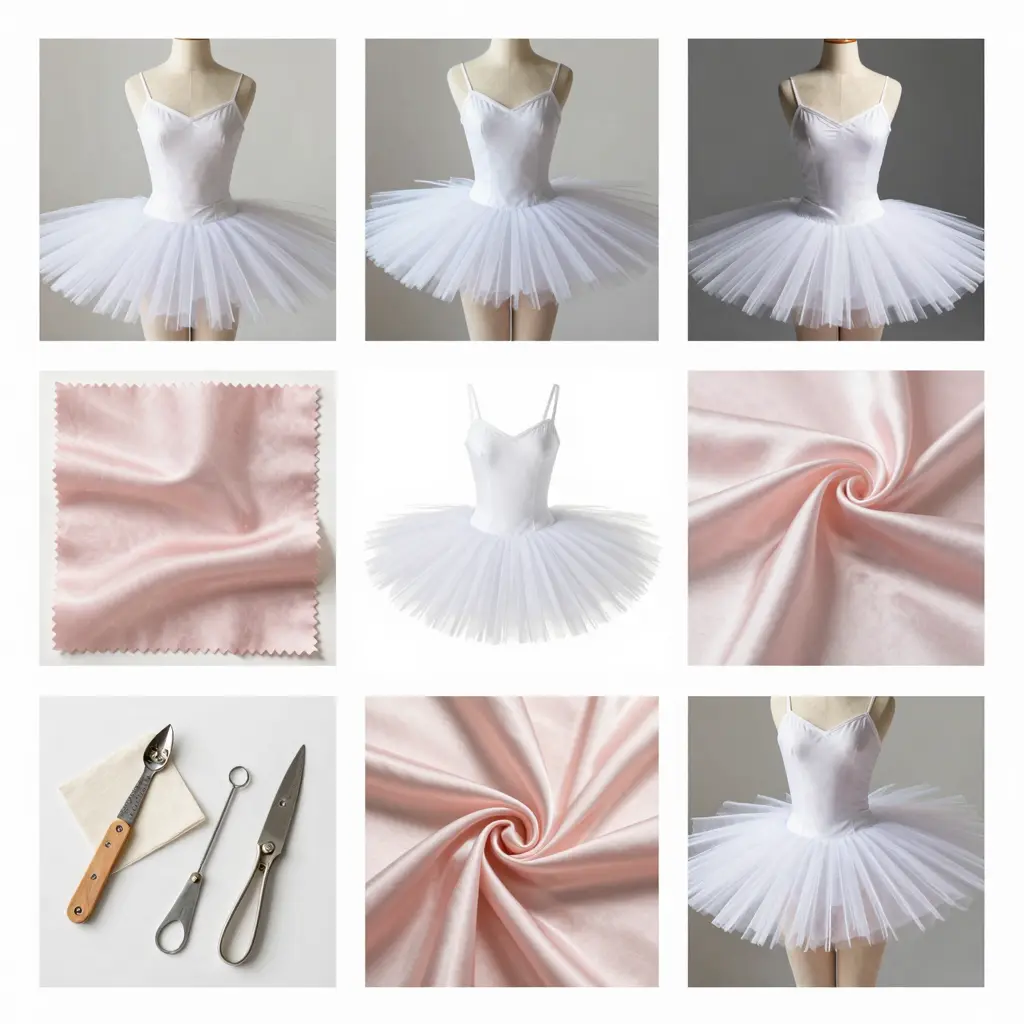
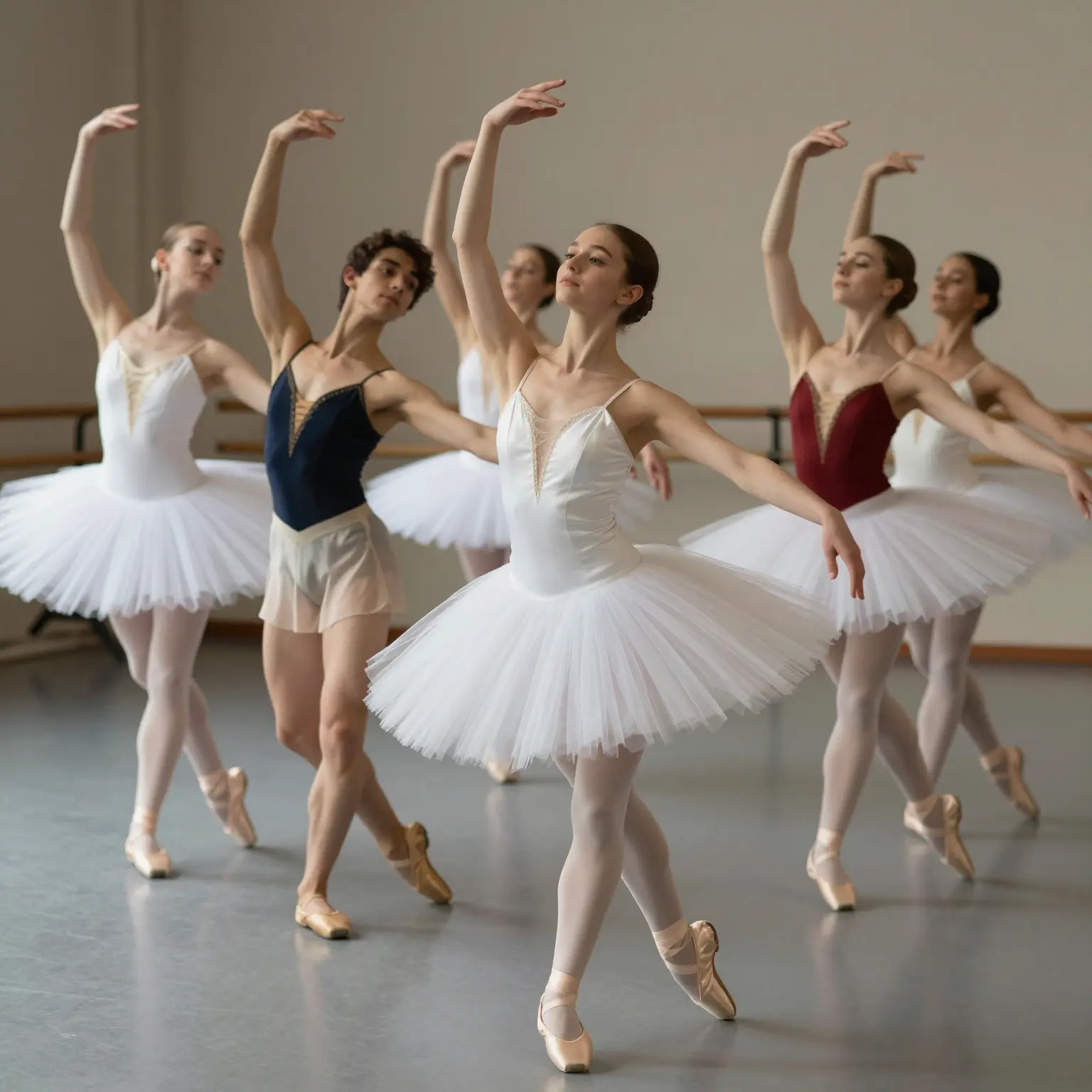
An elegant scene showcasing ballet dancers in different styles, each wearing tutus made from various fabrics such as tulle, silk, and satin. The dancers are captured in dynamic poses that convey movement and grace, highlighting how the fabric choice enhances their performance. This visual captures the essence of beauty and artistry in dance, making it a perfect complement to the informative content on fabric for tutus.
Explore our professional tutus and romantic tutus to see more options!
Trends in Tutu Fabric: What Every Business Owner Should Know
The world of dancewear is continually evolving, with current dancewear trends influencing the choice of fabric for tutus. In 2023, tutu fabric is embracing bold colors, exquisite textures, and dynamic patterns that appeal to dancers of all styles.
Popular Colors
Recent trends indicate a significant shift toward vibrant and eye-catching colors in tutu fabrics. According to various fashion insights, colors such as:
- Electric Blues
- Enchanting Greens
- Fiery Reds
- Lavender and Mint Green
These colors not only make a statement on stage but are also harmonious with more traditional looks. Business owners who stock tutus in these trending colors are likely to attract attention and enhance their sales offerings.
Textures and Patterns
Texture is a vital aspect of tutu design in 2023. Dancers are inclined towards:
- Tulle: Classic and airy, perfect for traditional ballets.
- Satin and Organza: Offering a glossy finish that appeals to modern tastes.
- Glitter and Shimmering Fabrics: Increasingly popular for performances, providing that magical sparkle under stage lights.
Patterns are becoming more adventurous too, with geometric shapes and ombre effects making their way into tutu designs. Dancers enjoy the ability to express their personalities through unique prints and textures, so incorporating a variety of options is essential for any business.
The Importance of Staying Trendy
For business owners in the dancewear industry, being aware of these trends is crucial for maintaining competitiveness. Adapting product lines to reflect popular styles can:
- Enhance customer satisfaction by providing the latest fashion choices.
- Position businesses as a go-to source for trendy dancewear.
- Encourage repeat purchases as dancers look to stay updated with styles.
By keeping an eye on fabric trends for tutus, business owners can tailor their offerings to fit dancers’ needs and preferences, ultimately driving sales and fostering customer loyalty. For an in-depth look at options, visit our professional tutus collection and discover the latest styles that could elevate your business offerings.
Visual Representation
The current color trends for tutu fabrics are summarized in the chart below:

The chart illustrates a diversity of colors from Pink to Gold, emphasizing the dynamic choices available for tutu fabrics this year.
In conclusion, the selection of the right fabric for tutus is paramount to achieving the ideal balance between performance, comfort, and aesthetic appeal. Throughout this article, we’ve explored how various fabrics like nylon netting and tulle contribute not only to the structure and durability of tutus but also enhance the dancer’s ability to perform gracefully. A well-chosen fabric allows for freedom of movement, essential for dancers aiming to express their artistry on stage while ensuring they remain comfortable during long performances.
Moreover, the aesthetic qualities of the fabric significantly influence how the tutu looks under stage lighting and during performances, further captivating audiences. As business owners, understanding these nuances will allow you to provide your clients with tutus that not only function flawlessly but also resonate with the beauty and elegance associated with dance. Notably, resources like Tutu.com and Fandafabrics can be your go-to destinations for sourcing the best materials for your tutu creations.
We invite you to visit luneballet.com to explore an extensive collection of tutus designed with the finest fabrics that bring both performance and style together. Discover how the right fabric choices can elevate your designs and meet your clients’ needs effectively!
“High-quality dancewear really lets your body sync with the music and helps deliver a sublime performance. The right fabric plays a crucial role in matching the dancer’s movements with the music, enhancing overall performance.”
- Kandi Kouture, Dance Expert
For more about professional tutus and dancewear, check out our professional tutu collection and romantic tutu options.
Fabric Usage in the Tutu-Making Industry
Understanding the breakdown of fabrics used in the tutu-making industry can help business owners make informed decisions about their material choices. Below is a chart representing the percentage distribution of various fabrics, which are vital for constructing high-quality tutus.
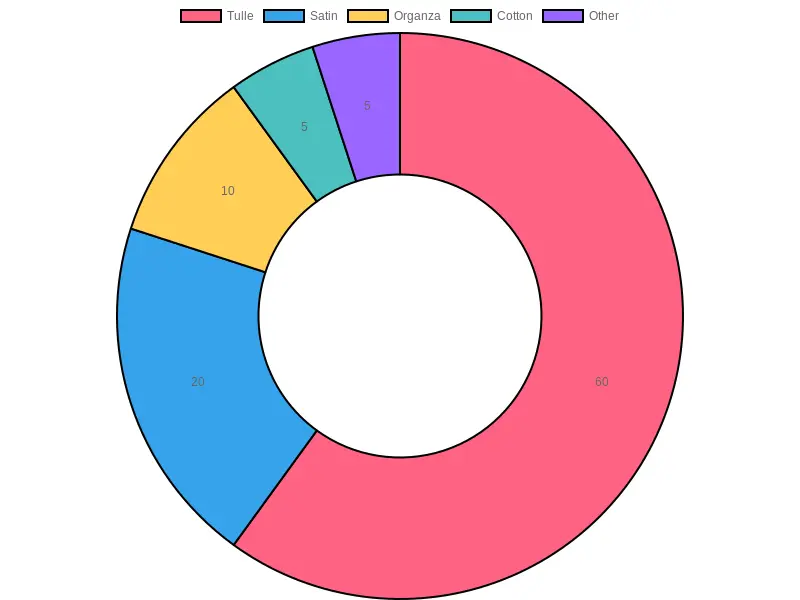
Chart displaying the percentage breakdown of fabric types used in tutu making.
Fabric Type Breakdown
| Fabric Type | Percentage |
|---|---|
| Tulle | 60% |
| Satin | 20% |
| Organza | 10% |
| Cotton | 5% |
| Other | 5% |
This data illustrates that tulle is the predominant fabric, accounting for 60% of usage in tutu construction. It’s followed by satin and organza, which are popular for their aesthetic appeal and structural support. Cotton and other materials make up the remaining percentages, serving specialized purposes within the industry.
For more insights on professional tutus and materials, or to explore different designs and themes, check out our costume themes.