

Fairy tutus have long held a significant place in the world of ballet and dance, embodying elegance and creativity while enhancing the performance of dancers. These enchanting garments are not merely whimsical; they play a crucial role in articulating the movements of a performer. The structural design of a fairy tutu-layered, fluffy, and often adorned with delicate embellishments-enables dancers to execute their routines with grace and poise. Moreover, the stunning aesthetics of a fairy tutu complement the artistic vision of ballet performances, transforming each dancer into a magical character that captivates the audience.
In addition to their stylish appeal, fairy tutus are specifically crafted from high-quality fabrics tailored for optimal flexibility and comfort, which are paramount in any dance performance. For business owners in the dancewear industry, investing in quality balletwear such as fairy tutus can significantly enhance the dancers’ experience, ultimately leading to better performance outcomes. This is especially true for specialized pieces like those found in our costume themes, showcasing the creativity and artistry that fairy tutus bring to the stage. By offering fairy tutus that combine both aesthetic beauty and functional design, businesses can attract aspiring dancers and seasoned professionals alike, elevating their performances and, in turn, the overall quality of dance.
The History of Fairy Tutus in Ballet
Fairy tutus, with their ethereal allure, trace their roots back to the Romantic era of ballet in the early 19th century. The iconic tutu style, often paired with magical narratives and whimsical characters, was profoundly influenced by the artistic movement that celebrated emotion and beauty over rigid forms.
Origins in Romantic Ballet
The inception of the fairy tutu is largely attributed to the legendary ballerina Marie Taglioni, who debuted in the ballet La Sylphide in 1832, wearing a delicate, short white dress made of tulle. The design symbolized the grace and otherworldly beauty of ethereal beings, perfectly encapsulating the Romantic ideals of escaping reality. This ballet marked a pivotal moment in ballet history; from that point on, the tutu became a staple for fairy characters, creating a lasting legacy that defined the aesthetic of many ballet performances.
Key Historical Milestones
Let’s take a look at some key milestones in the evolution of the fairy tutu:
| Year | Milestone | Description | Source |
|---|---|---|---|
| 1832 | Introduction of the Tutu by Marie Taglioni | Marie Taglioni made her debut in La Sylphide, introducing the romantic tutu style. | Byron’s Muse |
| Evolution of Romantic Ballet | The era emphasized ethereality and emotional expression, featuring light, airy tutus. | Art de Ballet | |
| Influence of La Sylphide | La Sylphide became a defining work of the Romantic ballet, showcasing the classic tutu. | The Cultural Me | |
| 19th Century | Transition to Classical Ballet | Various styles evolved, leading to more structured and diverse ballet performances. | Encyclopedia Britannica |
| Influential Ballerinas | Ballet developed through the works of various renowned ballerinas who popularized different styles. | CLI Studios |
Evolution through Eras
As ballet progressed into the Classical era, the fairy tutu evolved from the romantic short style to more structured, layered designs known as the Classical tutu, which featured longer skirts that allowed for a broader array of movements. Notable works like Swan Lake and The Nutcracker, embody the timelessness of fairy tutus, showcasing how they have transcended their original design to influence modern iterations in today’s ballet scenes. These tutus now balance tradition with innovation, adapting to the narrative and physical demands of contemporary performances.
The continued popularity of fairy tutus in ballet costume design exemplifies their integral role in ballet choreography and storytelling. For anyone looking to delve deeper into this enchanting world, Dada Tutu offers a range of professional tutus inspired by these rich traditions.
Conclusion
The fairy tutu remains a testament to the evolution of ballet and the art of dance itself, transcending time to embody the grace, beauty, and whimsy that continues to enrapture audiences around the world. Whether you are an aspiring dancer or a seasoned performer, understanding the history of fairy tutus in ballet not only enriches your appreciation of dance but also connects you to the vast legacy of artistic expression.

Chart depicting key milestones in the history of fairy tutus in ballet.
Learn more about our romantic tutus here.
Comparing Different Types of Tutus
Here’s a comparison table detailing various types of tutus and their specific features, uses, and ideal performances. Special emphasis is placed on the unique qualities of the fairy tutu, making it ideal for certain performances.
| Tutu Type | Features | Uses | Ideal Performances |
|---|---|---|---|
| Classic Tutu | – Short and stiff design | Ballet performances and competitions | “The Nutcracker”, “Swan Lake” |
| Romantic Tutu | – Longer design, softer and flowy | Storytelling ballets, classical roles | “Giselle”, “Sleeping Beauty” |
| Fairy Tutu | – Brightly colored, layered tulle, often with embellishments | Ideal for fantasy roles, children’s performances | “Cinderella”, “Sleeping Beauty”, themes with magical elements |
The fairy tutu stands out with its vibrant colors and intricate layering that evoke the whimsical nature of fairy-like characters. They are often adorned with sequins and floral accents, adding a touch of enchantment to performances.
For more information on professional tutus, visit our tutu collection or explore romantic tutus.
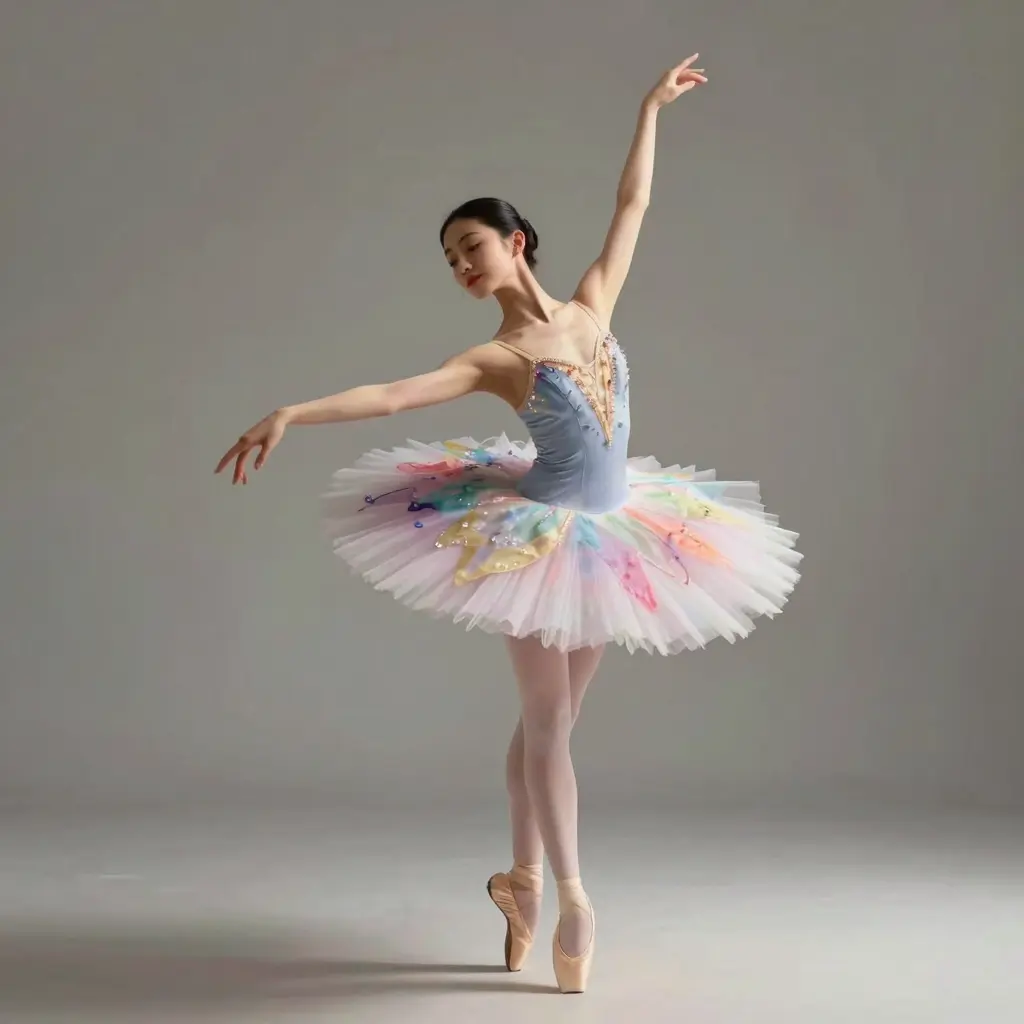
An elegant illustration image of a dancer performing gracefully in a fairy tutu. The dancer embodies the ethereal aesthetic associated with ballet, showcasing a blend of beauty and poise. The fairy tutu is colorful and enchanting, set against a soft, magical background that evokes emotions of grace and artistry.
Choosing the Right Fairy Tutu for Dance Styles and Performances
Selecting the right fairy tutu is essential for dancers to express their artistry and shine on stage. Here are some key insights and tips for business owners who are looking to provide the best options for their dance studios or costume shops.
1. Understand the Dance Style
Different dance styles require different tutu types. For instance:
- Classical Ballet: Typically, pancake tutus are favored due to their rigid structure, allowing for a classic silhouette. The stiff layers give dancers the ability to perform with ease and precision.
- Romantic Dance Forms: For performances like “Giselle”, a romantic tutu is ideal. This style features a flowing design that enhances the softness and fluidity of a dancer’s movements.
- Contemporary Dance: More playful and creative designs might be suited for contemporary interpretations, incorporating colorful fabrics and varied lengths.
For more options, explore our range of romantic tutus and professional tutus.
2. Consider Fabric Choices
The choice of fabric significantly influences not only the aesthetic but also the performance quality of the tutu:
- Tulle: This is the most common fabric used for tutus. It is light and airy, which is great for movement.
- Crinoline: For those tutus that need structure, crinoline provides the necessary stiffness without adding excessive weight.
- Satin or Silk: These materials can add a luxurious touch, making suitable options for grand performances but may require more careful handling.
3. Fit is Essential
A well-fitting tutu can enhance a dancer’s confidence. Here are some considerations:
- Multiple Fittings: Schedule fittings to ensure the tutu complements the dancer’s shape and size. Adjustments can be made for optimal comfort and mobility.
- Dance Movement: Consider how the tutu interacts with the dance moves. Dancers should feel unrestricted and free to express themselves through their movements.
4. Style and Design Elements
A tutu’s design contributes to the overall fairy aesthetic:
- Color: Soft pastels are often associated with fairy themes, but vibrant colors can make a bold statement.
- Embellishments: Adding sequins or floral accents can enhance the magical element of the performance, making it visually appealing.
- Layering: The number of layers can dictate the volume and flow of the tutu, impacting how it moves during dance sequences.
5. Test and Review
It is beneficial to have trial runs before performances. Dancers should practice in their tutus to ensure:
- They feel comfortable
- The tutu allows for complete movements
- There are no wardrobe malfunctions during performances
In summary, choosing the right fairy tutu involves a thoughtful consideration of the dance style, fabric, fit, and overall design. With careful selection, dancers can feel confident and captivating on stage, truly embodying the essence of a fairy.
Fairy tutus have become a whimsical choice for numerous occasions, from costume parties to ballet performances. Here’s a list of popular fairy tutu styles along with their features and recommended uses:
-
Classic Ballerina Tutu
-
Features: Constructed with layers of tulle, typically short, and features a fitted bodice.
-
Occasions: Ideal for ballet performances and dance recitals. Explore our professional tutus here.
-
Romantic Tutu
-
Features: Longer than the classic style with flowing layers, it generally has a soft, ethereal appearance.
-
Occasions: Perfect for themed events or performances where a dreamy aesthetic is desired, such as fairy tale parties. Check out romantic tutus.
-
No-Sew Fairy Tutu
-
Features: Easy to make, often with elastic waists, these can be made from colorful tulle without sewing.
-
Occasions: Great for DIY projects, dress-up parties, or as a fun birthday outfit for children. A popular method is outlined in this DIY no-sew tutorial.
-
Themed Character Tutus
-
Features: Custom designs matching characters or themes, such as fairies, princesses, or specific musicals.
-
Occasions: Perfect for Halloween, dress-up parties, and themed events. Consider styles like the purple fairy tutu for a standout look.
This assortment of fairy tutu styles offers business owners an array of options to cater to various customer needs, ensuring you have the right products for every magical occasion.
User Testimonials on Fairy Tutus: Comfort and Performance
Fairy tutus have become an irresistible choice for both budding ballerinas and dance enthusiasts alike. Numerous user testimonials highlight both comfort and performance as key benefits of these whimsical outfits. Here’s a summary of real user experiences:
Comfort
- Soft Fabric: Many customers emphasize the soft, skin-friendly materials used in fairy tutus, which ensure comfort during performances. For instance, a review from Amazon Canada praised a tutu for its spandex bodice and platter skirt, making it suitable for little dancers.
- Breathability: Reviewers have noted that lightweight fabrics enhance air circulation, making fairy tutus ideal for practice and performance. A TikTok user mentioned that their performance tutu was comfy enough for extended wear during rehearsals, indicating it is not only important for aesthetics but also for ensuring the dancer’s ease.
Performance
- Freedom of Movement: The design of fairy tutus allows dancers to move freely, an essential requirement for performances. According to Tutu Dancewear, many customers reported satisfaction with their tutus, emphasizing that they facilitated graceful movements during dance routines.
- Aesthetic Appeal: Users stressed the visual impact of fairy tutus. The stunning appearance of tutus like the Green Silver Pancake Tutu received rave reviews for its ability to elevate performance quality. Customers frequently mentioned that a fairy tutu not only enhances a dancer’s grace but also boosts their confidence on stage.
Real Experiences
Some notable testimonials include:
- Dancewear by Patricia: Customers commended the quality and design of their tutus, with one stating that the outstanding craftsmanship exceeded expectations, attributing the success of their performance to the tutu’s design.
- Dear Mummy Blog: A review highlighted that a tutu dress was not only beautiful but also extremely comfortable, making it a perfect choice for both performances and casual play.
- Tutu.com: Here, customers shared experiences of their tutus helping them achieve successful outcomes in dance, emphasizing the combination of comfort, quality, and effectiveness.
Conclusion
Fairy tutus are not merely whimsical outfits; they are designed with a focus on comfort and functionality, making them perfect for various occasions, especially performances. The authentic experiences shared by users consistently point to the advantages of wearing fairy tutus, blending the magical with practical.
For those looking to browse an impressive selection of professional and romantic tutus, consider visiting Dada Tutu’s professional tutu collection or check out their romantic tutus. These carefully crafted tutus promise to marry tradition with comfort, making them a staple in any dancer’s wardrobe.
The Benefits of Premium Balletwear
Investing in premium balletwear offers numerous advantages for dancers, contributing significantly to their comfort, performance, and overall confidence on stage. Let’s explore these benefits in detail.
Comfort and Fit
Premium balletwear is designed with the dancer’s comfort in mind. Made from high-quality materials, such as soft, moisture-wicking fabrics, this balletwear allows for a full range of motion without restriction. Comfortable clothing helps dancers focus on their movements and techniques rather than adjusting their outfits. For example, as highlighted by Dada Tutu, the use of lightweight, breathable fabrics plays a vital role in maintaining comfort during long rehearsal sessions.
Enhanced Performance
When dancers wear premium balletwear, they are not only assured of comfort but also of performance optimization. Quality balletwear is crafted to fit the dancer’s body perfectly, enhancing their ability to execute complex movements gracefully. This is crucial during performances, where the right attire can aid in showcasing every leap and turn effectively. Reports indicate that dancers prefer outfits that not only look great but function seamlessly as part of their performance learn more about professional tutus.
Boosting Confidence
The psychological effect of wearing quality balletwear cannot be underestimated. When dancers feel good in what they wear, their confidence soars. Confidence is critical in dance; it reflects in their performances. Wearing premium balletwear encourages dancers to express themselves fully, knowing they look good and feel supported. This is particularly important during performances, where a confident presence can captivate the audience. As noted by sources discussing the demand for high-quality balletwear, the marketplace has seen an increasing trend in preference for premium options that support both aesthetics and performance.
Conclusion
In summary, the investment in premium balletwear pays off in terms of comfort, improved performance, and increased confidence. Dancers who wear well-made, thoughtfully designed balletwear are more likely to excel in their craft, kicking off their performances with flair and poise. Whether investing in a stunning romantic tutu or a tailored leotard, choosing premium balletwear is a wise decision that can enhance any dancer’s experience.
Popularity of Fairy Tutus Over the Years
Fairy tutus have a rich history in dance that reflects the changing styles and trends over time. The chart below illustrates the popularity of fairy tutus from the early 1800s to the present, highlighting key dance movements that influenced their usage.
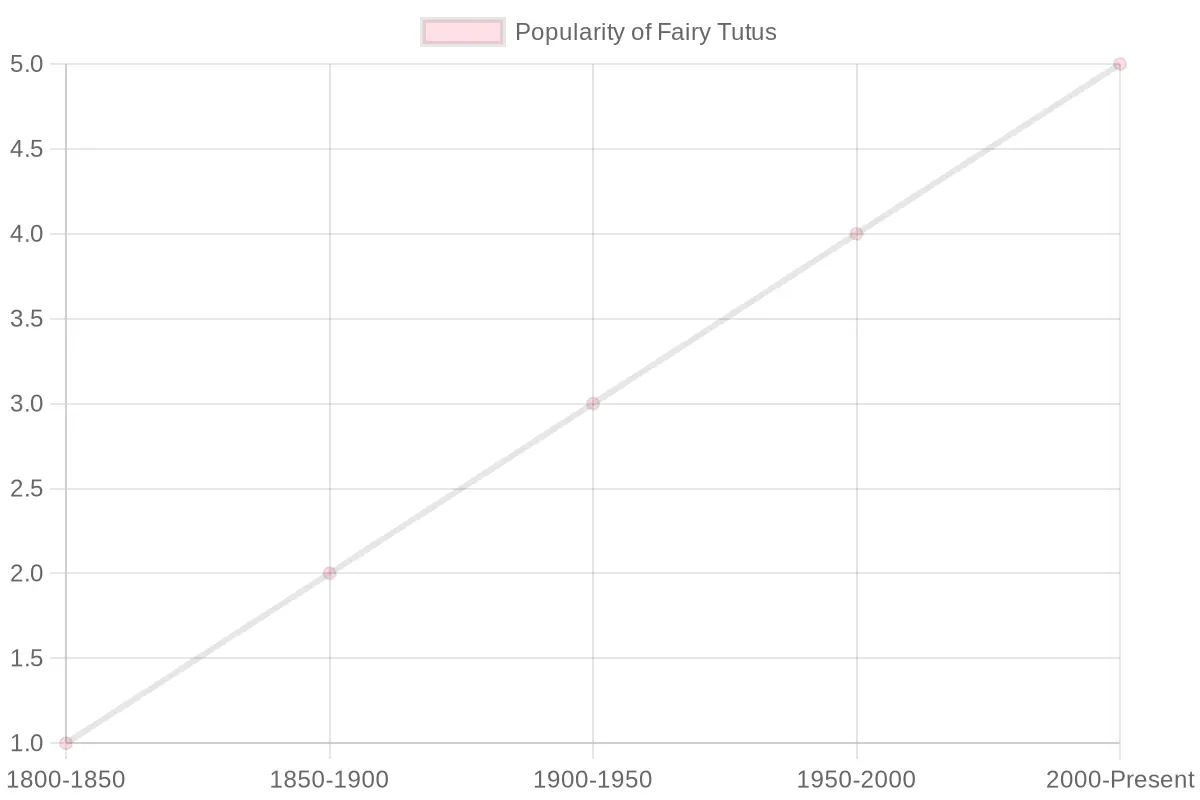
| Year | Key Dance Movements | Popularity of Fairy Tutus |
|---|---|---|
| 1800-1850 | Classical Ballet | Emergence of the romantic tutu style |
| 1850-1900 | Theatrical Ballet | Popularization in ballet performances |
| 1900-1950 | Ballet & Modern Dance | Increased usage in diverse dance forms |
| 1950-2000 | Contemporary Dance | Rise in fashion & children’s dance shows |
| 2000-Present | Revival of Ballet | Surge in popularity in performances and competitions |
As the chart depicts, the popularity of fairy tutus has been marked by significant periods where their design and purpose evolved alongside dance styles. Business owners looking to tap into this nostalgic yet modern market can explore various styles available on Dada Tutu’s professional tutu category and romantic tutus.
Understanding these trends not only enlightens product offerings but also enhances marketing strategies that align with customer interests in historical and contemporary dance fashions.
Conclusion and Call to Action
In conclusion, fairy tutus play an essential role in the dance world, providing not just a vibrant visual appeal but also a significant addition to the performance wardrobe. These tutus are not merely costumes; they embody a dancer’s character and spirit, helping to elevate the overall performance experience. The intricate design, quality fabric, and thoughtful craftsmanship behind each tutu ensure that dancers feel confident as they take the stage, enchanting audiences with their grace and artistry.
For business owners in the dance apparel industry, it’s vital to offer high-quality products that meet the standards of aspiring performers. By enhancing your ballet offerings with premium items, such as the professional and romantic tutus available at luneballet.com, you can attract more customers who are eager to invest in their dance dreams. Don’t miss out on the opportunity to elevate your brand by offering beautiful fairy tutus that not only fulfill a dancer’s need for style and comfort but also inspire creativity and passion.
Explore the exquisite collection of fairy tutus and other ballet-related costumes at luneballet.com. Embrace the magic of dance and help your customers shine on stage with the right gear. Shop now, and let’s celebrate the art of ballet together!