

Introduction to the Elegance of Ballet and the Spanish Tutu
Ballet is not merely a performance art; it is a profound expression of emotion, storytelling, and culture woven into each graceful movement. As the curtain rises, the spotlight shines on dancers who encapsulate centuries of tradition and artistry, captivating audiences worldwide. Among the distinctive elements that contribute to the magic of ballet is the attire, with the Spanish tutu standing out as a symbol of both beauty and authenticity. This traditional garment not only enhances the visual aesthetics of a performance but also significantly impacts a dancer’s ability to express themselves through movement. The right tutu allows for fluidity and grace while offering the freedom required for powerful leaps and delicate turns. For business owners in the dance apparel industry, understanding the integral role that attire plays in enhancing performance and expression is vital. Investing in high-quality, artisan-created pieces, such as those found in our professional tutu collection, can elevate not only the dancers’ skills but also their connection with the audience, creating an unforgettable experience.
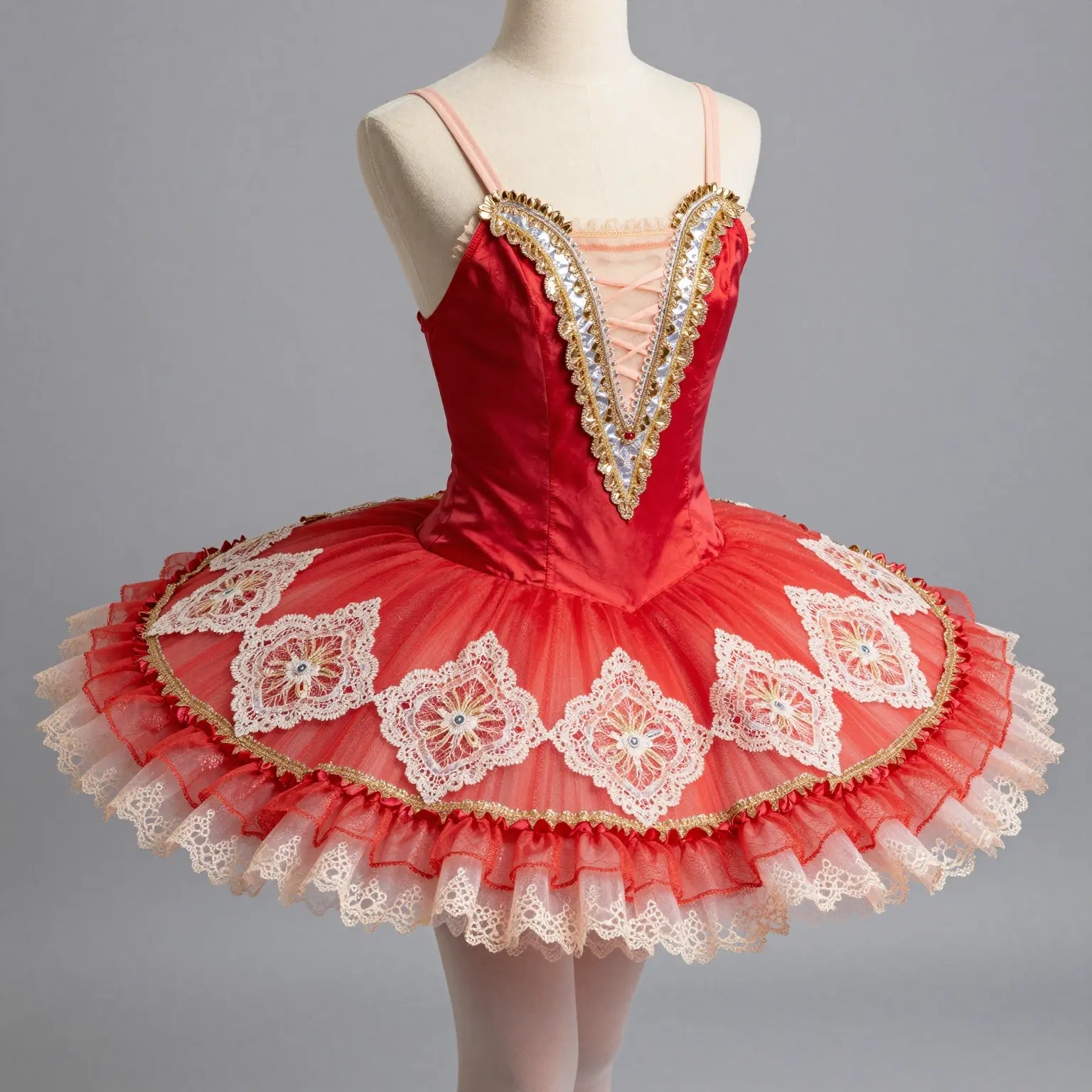
A vibrant Spanish tutu, showcasing bright colors and intricate lace, serves as an elegant visual representation of ballet costumes. For business owners in the dancewear industry, understanding the appeal and beauty of such tutus is crucial. To explore a variety of professional tutus, you can visit our professional tutu collection.
The History of the Spanish Tutu
The Spanish tutu stands as a vibrant symbol of cultural heritage within the ballet tradition, bridging elements of dance, fashion, and national identity. Its origins can be traced back to the 19th century, when the ballet landscape was rapidly evolving, and artists were beginning to explore expressions that reflected specific nationalities, particularly the rich Spanish culture.
Origins and Characteristics
Unlike the classic stiff, bell-shaped tutu often associated with classical ballet, the Spanish tutu is characterized by a shorter, more layered design that allows for freedom of movement, essential for Spanish dance styles like flamenco. The lively colors and intricate decorations embody the passionate spirit of Spanish culture, often incorporating elements like ruffles, lace, and vibrant floral motifs. This tutu style found prominence in the late 1800s, coinciding with the rise of ballets that featured Spanish themes, such as “Don Quixote” and “Esmeralda.”
Cultural Significance
The Spanish tutu has become a vibrant representation of not only ballet but Spanish culture as a whole. Its use in performances signifies the blending of traditional dance and classical ballet, displaying the athleticism and grace of dancers while ensuring cultural authenticity. Prominent performances such as “Don Quixote” highlight the tutu’s artistic role, showcasing scenes infused with Spanish flair, set against colorful backdrops.
As ballet continued to evolve, the Spanish tutu maintained its cultural impact, seen in modern reinterpretations of classic works and new productions that explore diverse narratives through dance. It symbolizes the fusion of tradition and modernity, captivating audiences with both its aesthetic appeal and cultural depth.
Mentioned Performances
Some of the most celebrated performances incorporating the Spanish tutu include:
- “Don Quixote” – A lively narrative ballet featuring the famous street dancer, Kitri, whose spirited performance is highlighted by her vibrant tutu.
- “Esmeralda” – Another classic piece where the character of Esmeralda wears a beautifully designed Spanish tutu, emphasizing her connection to the themes of love and tragedy.
- “Giselle” – A ballet that occasionally incorporates Spanish influences and dancers into its choreography, showcasing variations of the Spanish tutu.
The Spanish tutu remains an enduring icon in ballet, constantly evolving while staying true to its roots, reminding us of the beauty and passion of cultural expression. To explore various styles of tutus that celebrate different cultural backgrounds, visit our tutu collection.
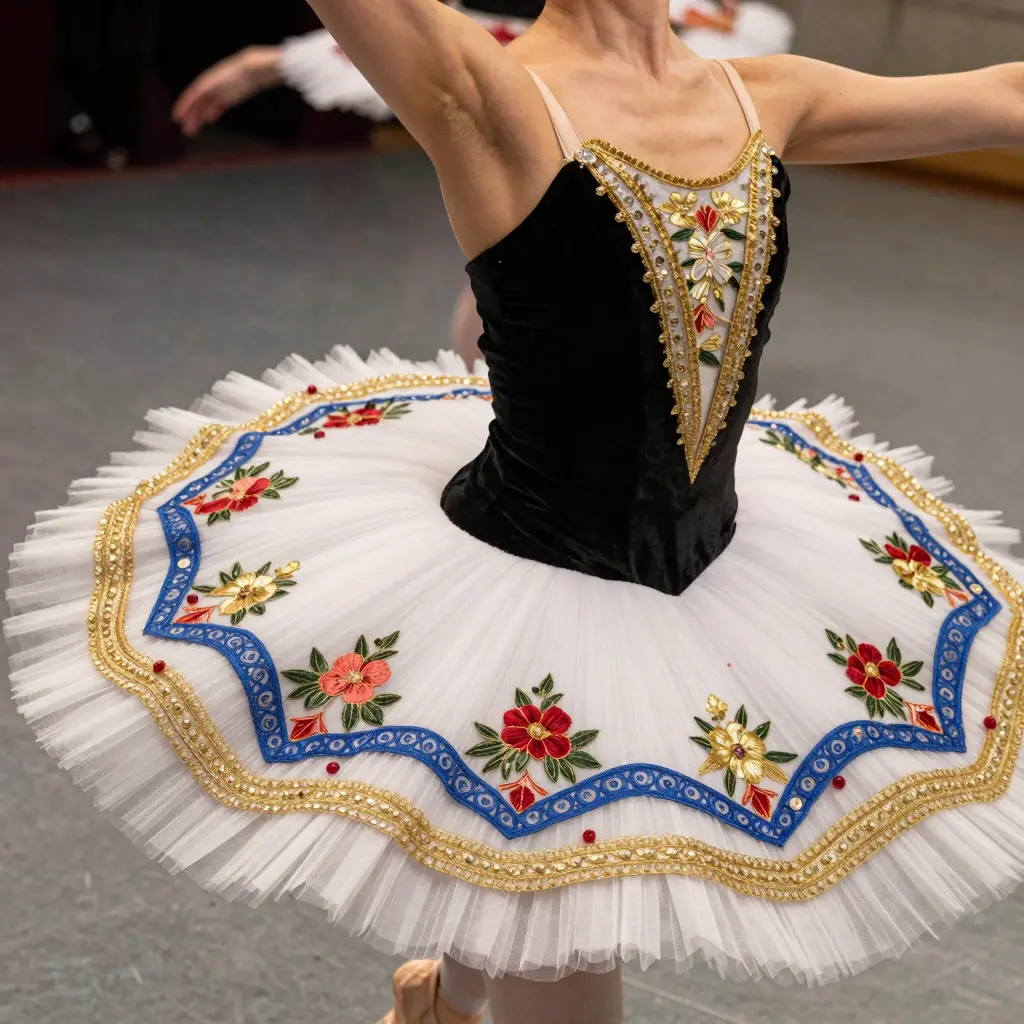
Comparing Types of Ballet Tutus
This table provides a comparison between Spanish tutus, Classical tutus, and Romantic tutus, focusing on their style, fabric, and suitability for performances.
| Type of Tutu | Style | Fabric | Suitability for Performances |
|---|---|---|---|
| Spanish | Elegant and layered | Typically uses satin, tulle, and sometimes lace | Suitable for Flamenco and Spanish themes |
| Classical | Short and stiff, bell-shaped | Stiff tulle for structure | Ideal for classical ballet performances, showcasing leg movements. |
| Romantic | Long and flowy | Soft tulle | Suited for romantic ballets, enhancing fluid movements of the dancer. |
For more information on selecting the right tutus, visit our professional tutu collection or explore our Romantic tutus.
The Importance of Quality in Dancewear: A Focus on Spanish Tutus
When it comes to the world of ballet, the quality of materials used in dancewear plays a critical role in a dancer’s performance. This is especially true for specific costumes like the Spanish tutu, which combines aesthetic appeal with functionality. Here’s why investing in high-quality materials is essential for balletwear and how they affect performance.
Enhanced Comfort and Flexibility
High-quality fabrics such as spandex, microfiber, and silk are pivotal in creating dancewear that offers both comfort and flexibility. These materials provide the necessary stretch while maintaining shape, allowing dancers to execute their moves without restriction. Proper fitting is essential for maintaining a polished appearance on stage during performances, preventing distractions caused by discomfort. As highlighted in articles from Dance America and The Dance Shoppe, the choice of high-quality materials directly correlates to the freedom of movement which improves overall dance performance.
Durability and Longevity
Quality reflects in the longevity of the garment, and this is particularly important for dancers who perform regularly. High-quality dancewear is designed to withstand the rigors of intense movement and will not wear out quickly, which is a common issue with lower-grade materials. For Spanish tutus, durability is essential not just for performance but also for the investment of dance studios and professional troupes.
Aesthetic Appeal and Stage Presence
The visual impact of a well-constructed tutu can be significant in ballet. High-quality fabrics not only enhance the aesthetic appeal but also complement the dancer’s movements on stage. This visual harmony can help captivate the audience, making the performance more engaging. Articles such as The Impact of Ballet Costume Design on Performance emphasize how performance attire can impact a dancer’s overall presentation.
Conclusion
Quality in dancewear is not merely a luxury but a necessity that enhances performance and artistic expression in ballet. As business owners in the dancewear industry consider their offerings, focusing on materials that support comfort, durability, and aesthetic qualities will ultimately lead to an enhanced performance experience for dancers. To explore more about professional quality tutus, visit our selection at Dada Tutu and discover how your investment in quality dancewear can make all the difference.
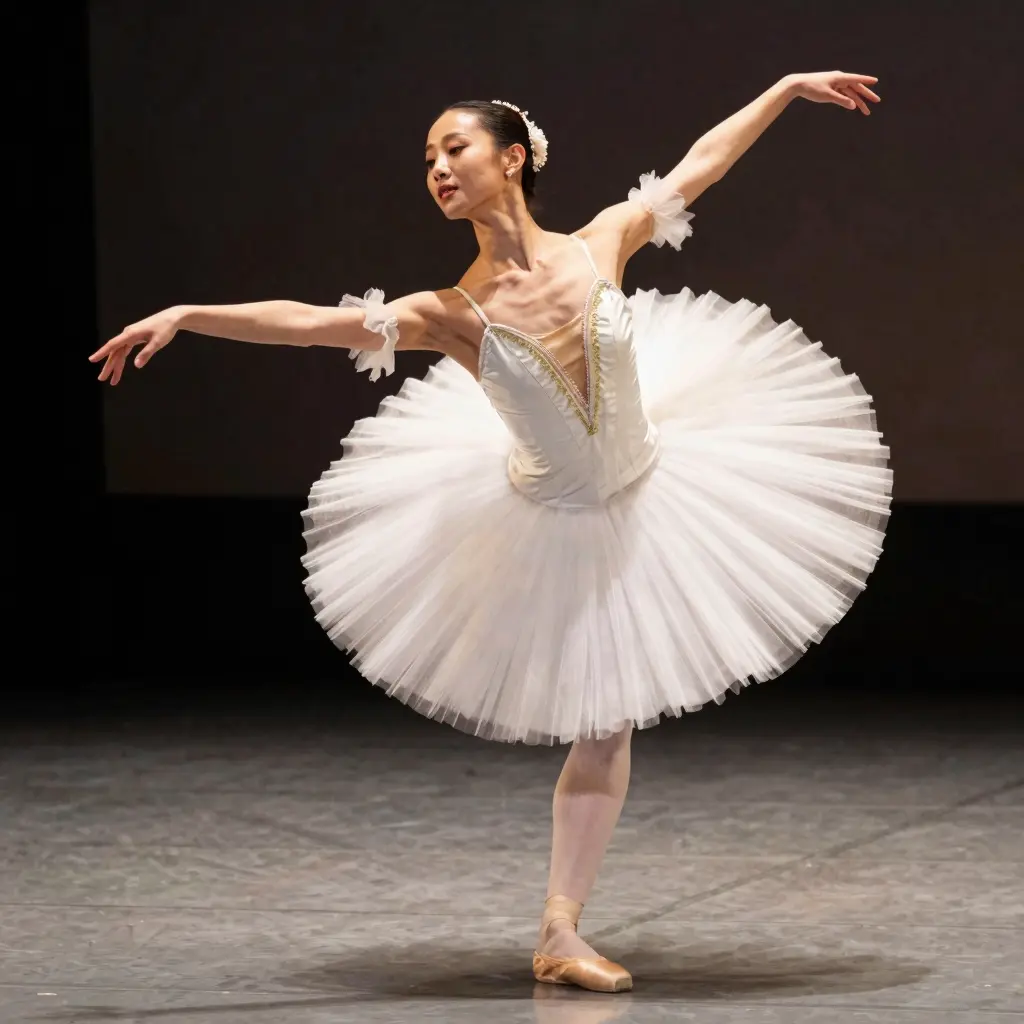
An elegantly dressed dancer in a high-quality Spanish tutu, showcasing the grace and fluidity that quality dancewear offers.
Customer Testimonials for Spanish Tutus
At luneballet.com, the feedback from customers who have purchased Spanish tutus highlights the exceptional quality, style, and performance of these beautiful garments. Here are some synthesized testimonials that reflect the sentiments of satisfied customers:
-
Quality Craftsmanship: Many customers rave about the superb craftsmanship of the tutus. One customer noted, “The moment I opened the package, I could tell this was a high-quality product. The stitching is impeccable, and the fabric feels luxurious.” This sentiment is echoed across reviews, emphasizing that the tutus are built to last, maintaining their shape and vibrancy after multiple wears.
-
Unique and Elegant Styles: Customers appreciate the variety of unique styles available. A happy dancer commented, “I loved how I could find a tutu that perfectly matched my performance theme! The Spanish tutus come in such rich colors and designs, making them stand out in any recital.” The range of options allows dancers to express their individuality while also adhering to traditional aesthetic standards.
-
Performance and Comfort: Performance is a key aspect when it comes to dance apparel, and customers have noted that the Spanish tutus from luneballet.com offer both support and comfort. A professional dancer shared, “The tutu moves with me beautifully, and I never feel restricted while performing. It’s lightweight yet structured, perfect for executing those pirouettes!” This affirmation of the tutus’ ability to facilitate movement is crucial for anyone looking to perform at their best.
Overall, testimonials reflect a strong endorsement of the Spanish tutus sold at luneballet.com, highlighting quality craftsmanship, elegant designs, and outstanding performance. These features make the tutus not just a purchase, but an investment in a dancer’s success.
For those interested in exploring the extensive selection of professional-grade tutus, take a look at this collection for an array of styles that cater to both young dancers and professionals alike.
Fitting and Sizing for Spanish Tutus
Choosing the right size and fit for a Spanish tutu is essential for both comfort and performance. A perfectly fitted tutu not only enhances the dancer’s movements but also ensures confidence on stage. Here are some practical tips to help you select the best size and fit:
1. Refer to Size Charts
Before purchasing a Spanish tutu, always refer to the manufacturer’s size chart. Different brands may have varying sizing, so it’s crucial to compare measurements. Size charts take into account various body dimensions rather than just height. Look for size options that provide a range of measurements, ensuring a spot-on fit. For instance, check out our collection of professional tutus that include detailed size information.
2. Take Accurate Measurements
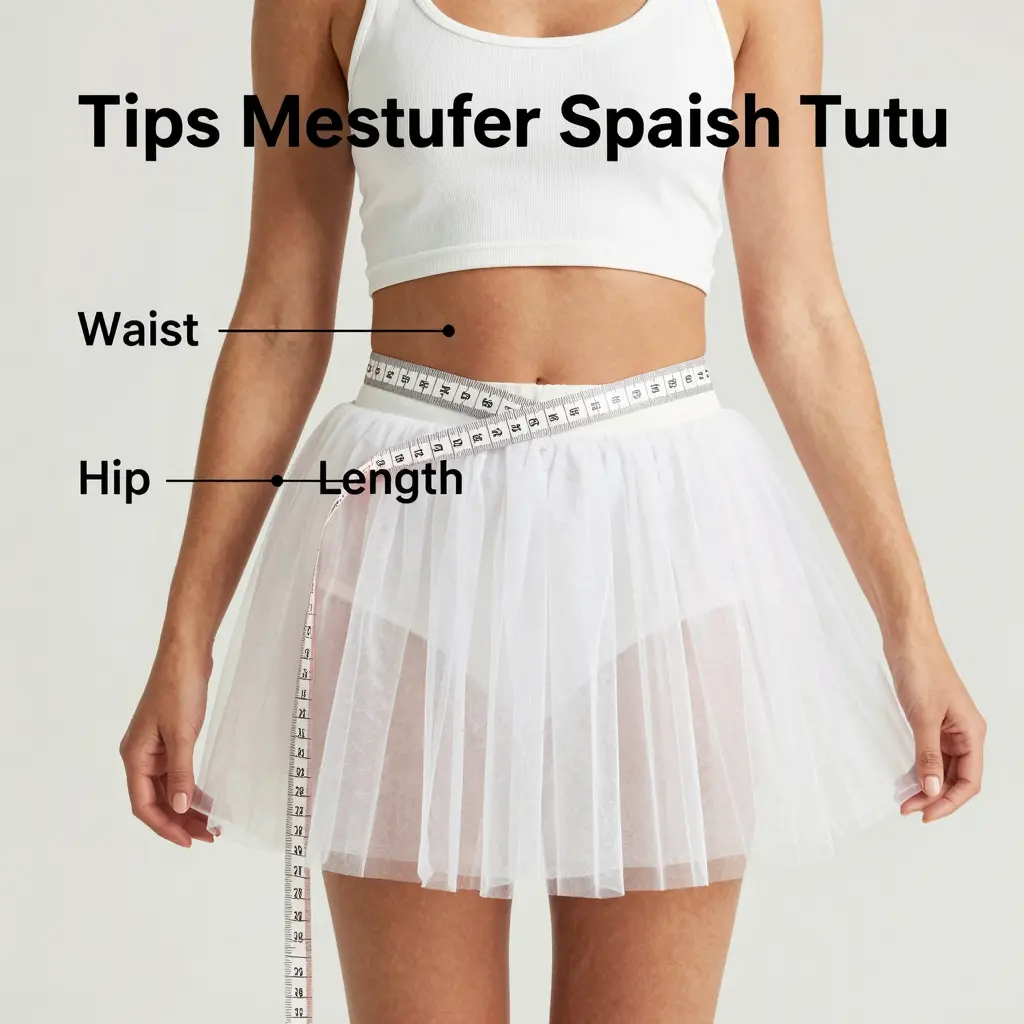
To ensure a great fit for your Spanish tutu:
- Waist: Measure around the narrowest part of the waist, usually just above the belly button.
- Hips: Measure the fullest part of the hips, ensuring that you stand with your feet together during this measurement.
- Length: Measure from the waist to the desired tutu length (usually mid-thigh for Spanish styles or as specified).
Using a soft measuring tape will provide the most accurate readings. For visual assistance, see the image below that illustrates these measurement areas.
3. Consider the Tutu’s Design
Spanish tutus are often designed with many layers and embellishments, which can affect the fit. A snug bodice is vital to prevent any slipping or discomfort while dancing. Look for tutus with adjustable straps or lace-up options that provide flexibility in fitting, particularly if you are in between sizes.
4. Allow for Movement
When selecting a size, consider the dancer’s movement. Tutus should not be so tight that they restrict motion. It’s a good idea to try the tutu on and practice some dance movements if possible. Adjustments can always be made later if the fit is not perfect at first.
For custom options, consider our romantic tutus which allow for personalized sizing according to individual measurements.
Conclusion
Fitting a Spanish tutu correctly can enhance a dancer’s performance and comfort. Always take the time to measure accurately and refer to size charts. By doing so, you ensure not only a beautiful appearance on stage but also full functionality in movement.
Using these tips, your choice in tutus can lead to a successful performance and an enjoyable dance experience.
Benefits of Premium Balletwear Over Cheaper Alternatives
When it comes to balletwear, investing in premium options can significantly impact performance and overall experience. Let’s explore the advantages:
-
Durability: Premium balletwear is crafted with high-quality materials, ensuring they withstand rigorous activities. Cheaper alternatives often compromise on material quality, leading to faster wear and tear.
-
Comfort: Premium products offer enhanced comfort due to better fit and fabric choice. Cheaper options may result in discomfort during performances, affecting a dancer’s overall performance.
-
Aesthetic Appeal: High-end balletwear frequently features stylish designs and colors that enhance the aesthetic appeal, contributing to a dancer’s stage presence. Cheaper alternatives often look basic or less appealing.
To provide a visual representation of these benefits, we have created a comparison chart below.

This bar chart clearly illustrates how premium balletwear excels over cheaper options in terms of durability, comfort, and aesthetic appeal. Premium balletwear is significantly better in each category, making it a worthwhile investment for serious dancers and performance professionals.
For those interested in exploring high-quality options, check out the selection on DADA Tutu’s professional tutus.
Choosing the right balletwear is crucial for dancers aiming to perform at their best and feel confident on stage.
The Importance of Quality Balletwear in Performance
Quality balletwear plays a crucial role in enhancing dancers’ performance and confidence on stage. As renowned ballerina Misty Copeland stated,
“Dressing well is a form of good manners.”
This quote reflects the importance of attire in the ballet world, where the right costume not only enhances a dancer’s grace but also boosts their self-esteem while performing.
When it comes to choosing the right balletwear, especially for classical styles like the Spanish tutu, business owners in the dance apparel industry should understand the significance of providing high-quality materials that allow dancers to express their artistry. Quality balletwear:
- Improves movement and flexibility
- Enhances comfort during performances
- Boosts confidence, allowing dancers to focus on their performance rather than their attire
By investing in quality products, brands can elevate the experience of dancers on stage, creating memorable performances that resonate with audiences.
For premium options, check out our professional tutus and romantic tutus which combine elegance with comfort.
Conclusion
In conclusion, selecting the right attire, particularly when it comes to Spanish tutus, is vital for enhancing the performance and artistry of dancers. A well-crafted tutu not only reflects the grace and elegance associated with Spanish dance styles but also plays a crucial role in enabling freedom of movement and expression. Furthermore, investing in quality tutus can make a significant difference in the overall stage presentation, providing visual appeal and attracting audience attention.
Dada Tutu offers an exquisite range of Spanish tutus that are perfect for various dance performances, from professional productions to themed events. Their collection includes items that cater to different tastes and styles, ensuring that every dancer can find something that resonates with their artistic vision.
So, whether you are a dance studio owner looking to stock your inventory or a professional dancer seeking the perfect tutu, take the next step to elevate your performances. Explore the impressive collection at Dada Tutu today and discover how the right attire can transform your dance experience!
Visit Dada Tutu’s collection to find the perfect pieces that will make your performances unforgettable!