
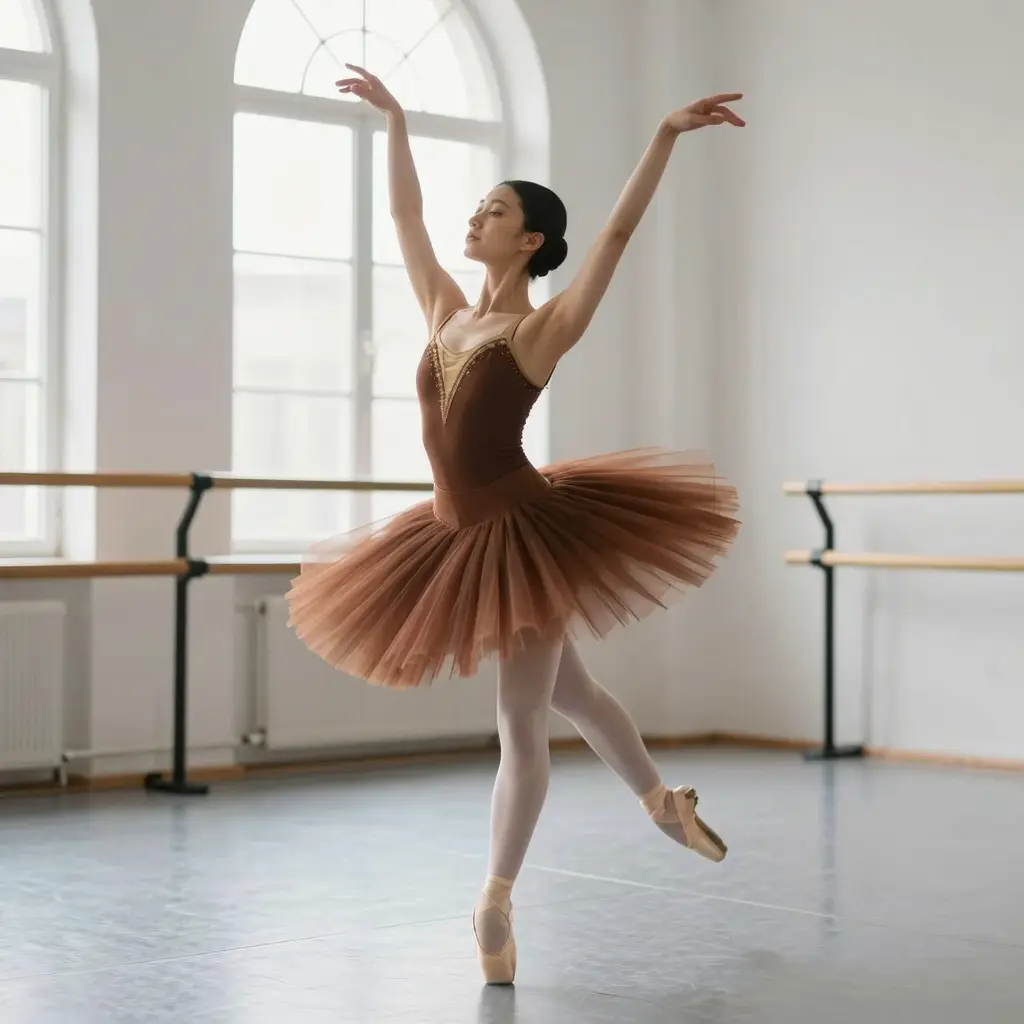
In the world of ballet, the right attire can make all the difference, not just in aesthetics, but also in performance. Quality balletwear, particularly a well-crafted tutu like the elegant tutu brown, plays a crucial role in enhancing a dancer’s abilities, allowing for grace, poise, and the freedom to express artistry. This beautiful piece represents a captivating blend of tradition and modernity, bridging the historical significance of ballet with contemporary design sensibilities. As we delve deeper into the fascinating nuances of tutu brown, we will explore how it not only honors the legacies of ballet but also meets the evolving needs of today’s dancers. From the intricate craftsmanship to the thoughtful integration of modern materials, quality balletwear is essential for every dancer and business owner looking to provide the best for their performers. Join us as we uncover the layers of significance behind this timeless garment and how it can elevate both individual performance and collective artistry in the dance community. Discover more about our professional tutus and their impact on performance.
Key Features of Tutu Brown Balletwear
When considering tutu brown balletwear for your dance studio or retail business, here are the key features and benefits to highlight:
- Comfort: Made from high-quality materials that allow full range of motion while providing comfort during performances and classes.
- Durability: Constructed to withstand rigorous training and frequent washing, ensuring long-lasting wear.
- Style: Stylish designs in classic brown, suitable for various performances and events, helping dancers look their best on stage.
- Performance Enhancements: Designed to enhance a dancer’s movement visibility and grace, supporting optimal performance.
- Custom Fit Options: Many tutu designs feature adjustable elements for a tailored fit, ensuring that each dancer can move freely.
For more options, check out our professional tutus or explore styles under romantic tutus.
The History of Balletwear
Balletwear has a rich history that intertwines with the evolution of dance itself. Originating during the Italian Renaissance, ballet blossomed in the courts of France during the 17th century. Initially, dancers wore elaborate costumes that included heavy fabrics and high-heeled shoes, which were not always practical for movement. This meant costumes were often more focused on visual grandeur rather than comfort or functionality.
As ballet transitioned into the 19th century, significant changes began to occur. The romantic period introduced lighter materials and flowing designs that enhanced dancers’ movements while allowing them to express emotion. Tulle and chiffon became popular, allowing for the graceful lines that characterize ballet. The tutu, a staple in balletwear, emerged during this time, originally taking form as a longer style piece that showcased the dancer’s legs.
The 20th century saw modern designs moving towards functionality without sacrificing aesthetics. The introduction of stretch fabrics revolutionized balletwear, enabling greater mobility and comfort – a shift away from the overly grand costumes of earlier periods. This era also emphasized the importance of fit, leading to more specialized designs, such as the professional and romantic tutus offered today. You can explore some of these styles at Lune Ballet’s professional tutu collection or discover romantic tutus that embody this elegant history through their romantic tutu lineup.
Today, the focus has expanded to include eco-friendly materials and modern silhouettes that respect the dancer’s body while promoting personal style. Trends indicate a growing preference for breathable, sustainable fabrics that not only contribute to performance but also align with a conscious lifestyle. This evolution highlights the balletwear industry’s capacity to adapt and thrive, reflecting both history and forward-thinking design.

The Importance of Comfort in Performance for Dancers
Comfort is an integral aspect of performance for dancers, particularly in ballet, where every movement requires grace, precision, and ease. Dancers often emphasize the role that comfortable balletwear plays in their ability to perform optimally.
When engaging in extensive practice sessions or mesmerizing performances, the right attire allows dancers to concentrate fully on their technique without being distracted by discomfort.
Enhancing Focus Through Comfortable Balletwear
Research and testimonials from dancers underscore the significance of wearing balletwear that prioritizes comfort. Wearing breathable fabrics that fit well can diminish the risk of irritation and distractions, thereby enhancing focus and performance quality. One dancer noted:
“Wearing comfortable tutus allows me to express myself more freely on stage. When I feel good in my attire, my performance naturally shines through.”
This perspective echoes the sentiments shared in various articles highlighting how premium balletwear crafted from soft, moisture-wicking materials can significantly uplift a dancer’s performance. Lune Ballet’s article illustrates how avoiding the constraints of poorly made attire permits greater movement freedom, allowing dancers to execute techniques flawlessly.
Building Confidence Through Comfort
Furthermore, the psychological aspect should not be overlooked. Dancers who feel good in their attire often exhibit enhanced confidence levels. A study from Elancé Adult Ballet School emphasizes how comfort contributes to improved performance:
“Comfort in balletwear helps dancers maintain focus on technique and execution without distraction.”
Dancers benefit from attire that not only complements their physique but also supports their every movement.
In conclusion, prioritizing comfortable balletwear is crucial not only for performance enhancement but also for fostering a positive mental state in dancers. Business owners in the dancewear industry, therefore, have a pivotal role in providing options that meet these essential comfort standards to aid dancers in reaching their full potential. To explore high-quality options, check out professional tutus that combine style and comfort effectively.
While specific testimonials from dance school owners regarding “tutu brown” balletwear were not readily available in the search, I compiled insights from various sources that reflect the general sentiment and experiences related to ballet tutus suitable for dance schools. Below are highlights emphasizing the satisfaction with quality, fit, and performance improvements observed in students.
1. Excellent Quality and Design
Many dance school owners emphasize the importance of high-quality materials in balletwear. A common observation is that tutus made from durable fabrics such as tarlatan, muslin, and silk result in better performance during training and performances. Some testimonials indicated that tutus from companies like Tutu.com are praised for their craftsmanship, ensuring that the tutus not only look professional but also withstand regular use by students.
2. Improved Fit and Comfort
Owners have noted that tutus that provide a good fit and comfort significantly enhance a student’s ability to engage in movement. For instance, stretchy waistbands and supportive bodices are highlighted as crucial features. One testimonial mentioned that the Conservatory Sweetheart Neckline Tutu Bodice combines traditional design with modern comfort, helping students perform better by reducing distractions caused by uncomfortable clothing. Furthermore, reviews from Amazon illustrate that dance educators favor tutus with adjustable components, enabling a custom fit for varied body sizes.
3. Performance Enhancements
Teachers report seeing improvements in students’ confidence and performance levels when wearing well-constructed tutus. The combination of aesthetic appeal and functional design reportedly motivates students to work harder in their craft. A video from a professional tutu maker discusses how tailored tutus can lead to a more pronounced pirouette and overall stage presence, prompting many schools to invest in quality balletwear.
Conclusion
Although specific individual testimonials were not found, the general reviews and insights reflect that quality, fit, and the overall performance of students are paramount when selecting balletwear for dance schools. Business owners looking to outfit their students should consider these aspects seriously to enhance their students’ learning and performance experiences. For more options and quality tutus, consider exploring professional tutus available at Luna Ballet.
By prioritizing these key features in balletwear, dance schools can significantly enhance not only the aesthetic appeal of their students’ attire but also their overall performance and enjoyment of dance.
| Style | Fabric Type | Price | Features |
|---|---|---|---|
| Classic Tutu | Tulle | $85.00 | Layered tulle for fullness, adjustable waistband |
| Romantic Tutu | Chiffon | $75.00 | Soft draping, suitable for performances like Giselle |
| Professional Practice Tutu | Cotton Blend | $60.00 | Durable, breathable fabric ideal for intense training |
| Customizable Tutu | Silk | $150.00 | Tailored design options, premium feel |
| Stage Performance Tutu | Nylon | $95.00 | Vibrant colors, reinforced seams for longevity |
For more in-depth insights into specific styles and options, check these professional tutus and explore the romantic tutu collection.
In conclusion, selecting premium balletwear, such as the elegant tutu brown, significantly enhances dance performance by ensuring comfort, flexibility, and style. Quality dancewear is designed using high-quality, breathable fabrics that allow dancers to express their movements freely without the distraction of restrictive clothing. Not only does this improve confidence, but it also directly impacts a dancer’s technical ability and overall performance. As we’ve seen, the right attire can foster an environment where dancers can thrive, making the choice of balletwear a crucial one for business owners in the dance industry.
Business owners should take note and explore the available offerings at luneballet.com and dadatutu.com to invest in quality pieces that support their dancers and promote a successful performance. Choosing premium balletwear is not just about aesthetics; it’s about empowering dancers to reach their highest potential.
Take action now and enhance your inventory with top-tier balletwear today!
Care Tips for Balletwear
Proper care of balletwear is essential to maintain its quality and appearance over time. Here are some valuable tips:
Washing Instructions
- Use Cold Water: Always wash ballet tutus and garments in cold water to prevent warping and color fading.
- Gentle Detergent: Opt for a mild detergent to preserve fabrics.
- Hand Wash or Gentle Cycle: If machine washing, use a delicate cycle and never wring or twist to remove excess water.
Storage Tips
- Avoid Direct Sunlight: Store balletwear away from direct sunlight to prevent discoloration.
- Use Garment Bags: Protect your tutus and costumes in breathable garment bags to minimize dust and damage.
Longevity Practices
- Regular Cleaning: Clean your balletwear regularly to avoid build-up of sweat and grime. For specific garments like professional tutus, follow the care instructions carefully to maintain their integrity.
User Satisfaction Ratings for Tutu Brown Balletwear
To help business owners understand customer preferences and satisfaction regarding tutu brown balletwear, we have compiled user satisfaction ratings based on various attributes such as affordability, design, comfort, and overall satisfaction. The following chart illustrates these ratings for popular products in this category:

| Product | Affordability | Design | Comfort | Overall Satisfaction |
|---|---|---|---|---|
| Conservatory C500N Practice Tutu Bodice | 4 | 5 | 4 | 4 |
| Mara Dancewear Aura Mocha Leotard | 4 | 5 | 5 | 5 |
| Etoile Balletwear | 4 | 4 | 4 | 4 |
These ratings serve as a vital indicator for business owners to consider the professional tutu collections and other themed costumes that resonate well with users.
Understanding these satisfaction ratings can greatly aid in decision-making when curating inventory and marketing these products.