
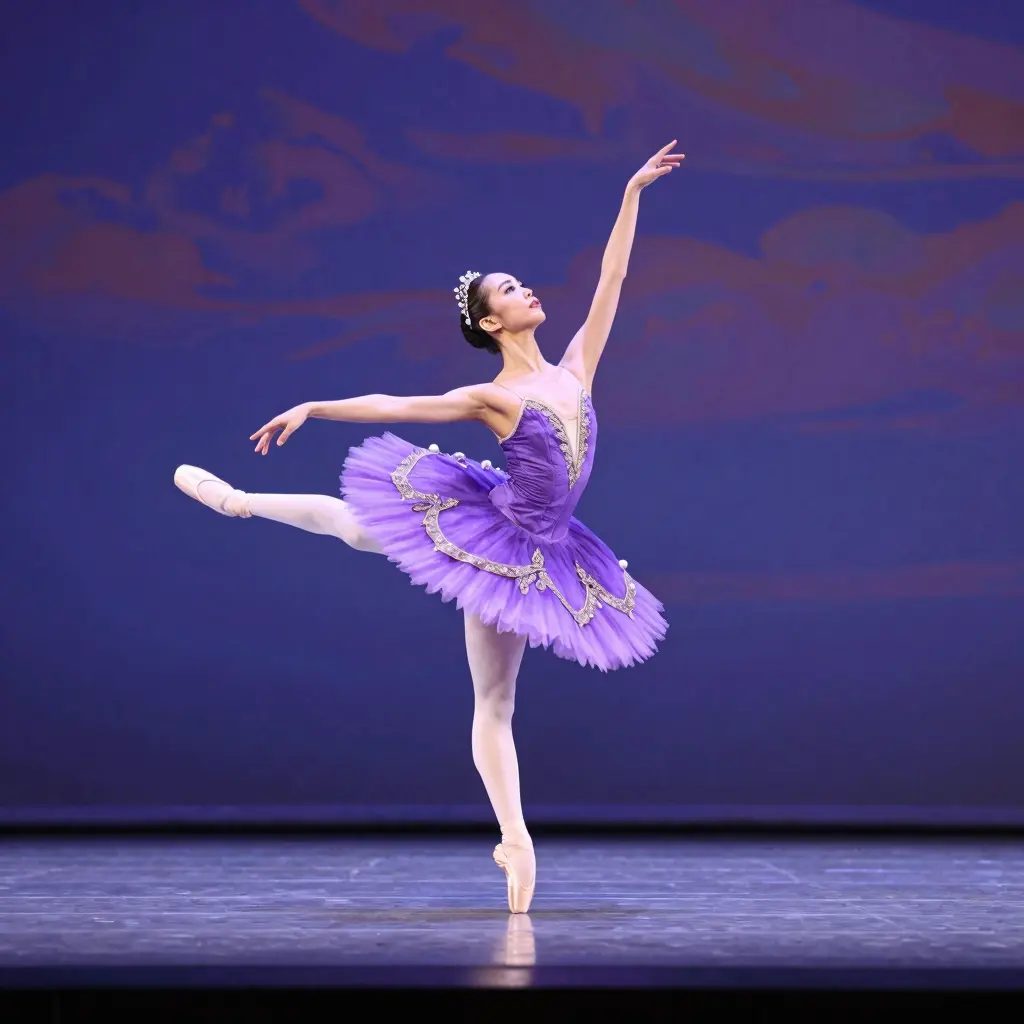
The Allure of Purple Tutu Dresses: A Business Owner’s Perspective
In the world of ballet, few garments symbolize grace and elegance like a tutu dress, and when it comes to color, purple reigns supreme. This enchanting shade, often associated with royalty, creativity, and passion, elevates the traditional tutu into a realm of ethereal beauty. For business owners in the balletwear industry, the allure of the purple tutu dress not only captivates the imagination of dancers but also presents an exciting opportunity to harness the emotional connection that this color evokes.
From the vibrant performances of a young student aspiring to become a prima ballerina to a majestic character in a grand production, there’s no doubt that purple tutus embody a fierce spirit and artistic ambition. Delving into this enchanting color can transform your inventory and appeal to ballet enthusiasts eager for unique offerings.
As you explore the nuances of purple balletwear, consider the diverse styles available, from classic professional tutus to whimsical romantic designs. A well-curated collection can showcase everything from professional tutus to romantic options, allowing you to cater to various tastes and performance needs. By effectively marketing and showcasing the charm of purple tutus, you can inspire a new generation of dancers, ensuring that your business flourishes in an ever-evolving market.
The History of Tutu Dresses: Evolution and Significance in Ballet
Tutu dresses have become iconic symbols in the world of ballet, showcasing the grace and skill of dancers across the globe. The history of the tutu dates back to the early 19th century, intertwining with the evolution of ballet itself.
Romantic Era (1830s)
The origin of the tutu can be traced to the Romantic era of ballet, particularly marked by the performance of Marie Taglioni in La Sylphide in 1832. Taglioni wore a long, bell-shaped skirt, which was originally designed to enhance the ethereal quality of ballet’s mythical characters. This style emphasized the dancer’s movements and created an enchanting silhouette, utterly captivating audiences. For more on this style, you can explore different types of professional tutus.
Classical Tutu Development (Late 19th Century)
As ballet grew in popularity, so did innovations in tutu design. In the late 19th century, the tutu evolved into a shorter version that highlighted the legs of dancers, transforming how ballet was perceived. This shift coincided with the rise of the classical ballet style, where technical prowess was paramount. The classical tutu, characterized by its stiff netting and short length, allowed for greater mobility, enabling dancers to execute more dynamic movements. The tutu became synonymous with major classical ballet productions, establishing its significance in performance attire.
Influence of Fashion on Tutu Design
Throughout the 20th century, tutu designs continued to evolve. Influences from various fashion trends resulted in diverse interpretations of the traditional tutu. This evolution was greatly impacted by cultural shifts and advancements in materials, allowing for more versatility in design. The tutu has transformed into multiple styles, from the romantic tutu with its flowing layers to the contemporary variations seen in modern ballets.
Modern Tutu and Business Trends
Today, the tutu is not just a staple of ballet but a part of wider fashion culture, influenced by trends such as balletcore, which has gained traction on platforms like TikTok. Balletcore aesthetics are merging with everyday fashion, affecting business trends in ballet wear significantly in 2023. As noted in sources like FashionUnited, the blending of dancewear into casual clothing reflects a growing consumer preference for comfort paired with elegance. This trend allows businesses to capitalize on both traditional ballet aesthetics and modern fashion sensibilities.
Conclusion
The history of tutu dresses in ballet illustrates a rich tapestry of artistic evolution, merging functionality with the elegance of performance art. For business owners in the balletwear industry, understanding this evolution can guide product development strategies and marketing approaches. By tapping into the nostalgic appeal of the tutu while embracing current fashion trends, there lies a significant opportunity to satisfy diverse consumer demands in today’s dancewear market.
If you’re looking for costume themes inspired by classics, check out our collection on ballet costumes for a perfect fit and style.
| Type of Dress | Material | Price Range | Ideal Usage |
|---|---|---|---|
| Classic Tulle Purple Tutu | Tulle, Cotton | $30 – $70 | Practice, Performance |
| Designer Purple Tutu Gown | Organza, Silk | $100 – $250 | Formal Occasions |
| Kids’ Birthday Purple Tutu | Layered Tulle | $25 – $60 | Birthday Parties |
| Customizable Purple Tutu Dress | Tulle, Cotton Blend | $40 – $90 | Special Events |
| Romantic Style Purple Tutu | Soft Tulle, Lace | $50 – $100 | Photoshoots, Performances |
| Toddler Purple Tutu Dress | Polyester, Tulle | $20 – $50 | Dress-up, Casual Wear |
| Burlesque Purple Tutu Dress | Satin, Tulle | $70 – $150 | Performances, Costumes |
Insights:
- Material Choices: The use of lightweight materials like tulle and organza makes these dresses comfortable for various activities, especially in performance settings.
- Pricing Variability: The price range varies significantly based on customization and design complexity, indicating room for businesses to cater to different budget segments.
- Diverse Uses: From casual dress-up to formal occasions, the versatility of tutu dresses provides ample opportunities for businesses to market them effectively.
The Importance of Color in Balletwear: A Focus on Purple
In the competitive world of balletwear, the choice of color can significantly influence consumer perception and purchasing behavior. Color not only plays an aesthetic role in ballet costumes but also has a profound psychological impact that can sway buyers’ decisions, making it a crucial aspect for business owners looking to market their products effectively.
Psychological Significance of Color
Color psychology reveals that different hues evoke distinct emotions and associations in people. Purple, a color historically linked with royalty and elegance, carries deep connotations of luxury, creativity, and ambition. When balletwear incorporates purple, it communicates a message of sophistication and artistic expression. This association is particularly potent in ballet, where performance is often viewed as an art form intertwined with emotional storytelling. By considering the psychological effects of purple, business owners can effectively position their tutu dresses or other ballet products as not just garments but as pieces that enhance the dancer’s experience and artistic flair.
According to a discussion on how color influences consumer behavior, brands that utilize color strategically often enjoy better brand recall and the ability to emotionally connect with their audience. This connection is vital for balletwear brands aiming to attract both dancers and parents purchasing for young performers.
Aesthetic Significance in Ballet Costumes
The aesthetic impact of color in balletwear is profound, as it contributes to the overall visual narrative of performances. Purple tutus and costumes not only stand out on stage but also enhance a dancer’s presence, allowing them to embody characters that convey depth and complexity. As highlighted in an analysis of color symbolism in ballet costumes, different colors serve as visual cues that enhance storytelling within performances. For instance, consider the contrasting use of colors in productions like “Swan Lake,” where specific colors symbolize different character traits. Purple can symbolize a character’s mystery or a transformative journey, appealing to both audience members and dancers alike.
As business owners, leveraging the unique associations of purple in marketing strategies can be pivotal. It’s essential to highlight how using this color in ballet attire can enhance a dancer’s emotional expression and stage presence. Incorporating purple into your product lines may attract customers looking for elegant yet bold choices, whether they are shopping for competitive gear or decorative costumes.
In summary, the thoughtful incorporation of color-particularly purple-into balletwear is essential for creating products that resonate emotionally and artistically with consumers. By understanding and utilizing these color associations, balletwear brands can strengthen their market appeal and enrich the overall narrative of their costumes. Captivating images and well-crafted product descriptions emphasizing the beauty and significance of this color can further enhance your brand’s story and attract a dedicated customer base.
For examples of beautifully designed purple ballet costumes, check out our collections like Purple Fairy costumes and professional tutus.
Purple Tutu Dress Styles
To enhance the visual appeal of your offerings, here are various styles of purple tutu dresses that can be featured:
Tutu Dress Styles Overview
| Dress Style | Description | Source Link |
|---|---|---|
| Lavender Tutu Dress | A soft lavender tutu dress perfect for dress-up occasions. | |
| Masquerade Purple Tutu Dress | Elegant dress featuring beautiful ruffles, designed for special occasions. | Tutu Du Monde |
| Princess Style Tutu | Cute and playful design, ideal for little princesses, with a fluffy skirt. | |
| Classicism Purple Tutu Dress | Timeless and graceful, inspired by classic aesthetics, featuring an embellished bodice. | Little Posh Kids |
| Yasmin Purple Tutu Dress | A pastel lilac dress with gorgeous detailing, perfect for parties or celebrations. | Tutu Du Monde |
| Orchid Radiance Tutu Dress | Stunning design with intricate fabric layering, ideal for fashion-forward young girls. | Tutu Du Monde |
| Flower Embellished Tutu Dress | A vibrant purple dress adorned with floral accents, great for birthdays and special events. | Etsy |
| Ballerina Tutu Dress | A classic ballet tutu dress with a fitted bodice and a layered fluffy skirt. | Amazon |
Usage and Application
Using these visuals in your marketing materials can draw attention to your offerings:
Chart – Popular Tutu Dress Styles
Dress Applications Appropriate for Occasions
| Dress Style | Description | Appropriate Occasions |
|---|---|---|
| Classic Purple Tutu | A knee-length tutu with multiple layers of tulle. | Birthday parties, dance recitals, and stage performances. |
| Elegant Long Tutu | Longer version with lace detailing. | Weddings, formal events, and proms. |
| Sparkling Sequin Tutu | Features sequins for glam and shine. | Parties, festive occasions, and fashion shows. |
| Casual Everyday Tutu | Made from cotton for comfort. | Playdates, casual outings, and family gatherings. |
| Themed Tutu | Designed with unique patterns or motifs. | Halloween, themed birthday parties, and cosplay events. |
Utilizing these styles can enhance the connection with your audience, bringing joy and creativity into their special moments.
Material Quality in Tutu Dresses
When it comes to tutu dresses, particularly for ballet, the choice of materials plays a crucial role not only in the aesthetics but also in the functionality and comfort of the garment. A tutu dress often comprises a variety of textiles, each with its own unique properties that cater to the needs of dancers. Below, we explore the most common materials used in tutu dresses and their significance concerning performance and comfort.
Common Materials Used in Tutu Dresses
-
Tulle
Tulle is perhaps the most iconic fabric associated with tutus. Known for its lightweight and airy qualities, tulle allows for free movement, which is vital for dancers performing intricate steps. Its versatility can also contribute to various design elements, from a structured skirt to soft, flowing layers. Innovations like stretch tulle have made it more comfortable while maintaining the classic silhouette that tutus are renowned for. Read more about tulle applications in dancewear. -
Satin
Satin is another popular fabric choice known for its smooth texture and shine. While it’s less common for the skirt itself, satin is often used for bodices and overlays. The luxurious feel of satin enhances the visual appeal of the tutu, making it a preferred choice for performances. However, it tends to be less breathable compared to tulle, thus requiring careful consideration in design to ensure comfort during movement. -
Organza
Similar to tulle, organza is a thin and sheer fabric that provides support and structure to the tutu. It is slightly crisper than tulle, which can give dances an added volume and dimension in their outfits. Its susceptibility to wrinkling is a trade-off for its elegant look, making careful maintenance necessary for performance-level garments. -
Cotton
While frequently used in children’s tutus or practice skirts, cotton is a durable and more breathable choice that emphasizes comfort over visual flair. It’s an excellent option for beginner dancers who require flexibility and ease of movement without the added weight of heavier fabrics.
Importance of Material Quality for Performance and Comfort
The quality of materials chosen for tutu dresses significantly impacts a dancer’s performance. High-quality fabrics not only enhance mobility but also reduce the likelihood of skin irritation or discomfort during performances. Additionally, superior materials can withstand the rigors of repeated use and washings, which is essential for costumes used in dance schools and professional settings.
For business owners in the dancewear market, understanding the importance of material quality can influence purchasing decisions significantly. Buyers tend to gravitate towards brands that prioritize fabric quality, leading to higher customer satisfaction and loyalty. Thus, stocking a range of high-quality tutu dresses that utilize superior materials can give any dancewear business a competitive edge. Explore our range of professional tutus and discover how material quality can enhance your offerings.
Market Trends in Tutu Dresses
Understanding market trends for tutu dresses is essential for business owners interested in this niche. Recent insights highlight a shift in color and fabric preferences that have evolved over the past few years. Here’s an overview of the trends:
Color Preferences
- 2021: Dominated by pastel tones, ideal for young children’s wear.
- 2022: Bright hues emerged, catering to festival and party trends.
- 2023: A mix of classic black and white along with vibrant colors became popular.
Fabric Preferences
- 2021: Lightweight fabrics like tulle were preferred for their flowing appearance.
- 2022: Tulle and netting saw increased popularity for their versatility in style.
- 2023: Traditional fabrics like tarlatan made a comeback, combined with trendy lightweight materials.
Visual Data Representation
To further illustrate these trends, here’s a chart depicting the color and fabric preferences over the past three years. This visual representation can help you determine market direction and make informed decisions.

Yearly Color and Fabric Preference Variety in Fashion Trends
Data Sources:
In conclusion, staying abreast of these trends can help you better serve your customers and stay competitive in the growing tutu dress market. You may explore more options available at Lune Ballet’s professional tutu collection to meet the evolving demands.
Conclusion
In conclusion, the significance of premium balletwear cannot be overstated, especially for business owners in the dance apparel market. Offering high-quality ballet costumes, such as those found at Lune Ballet enhances not only the dancers’ experience but also boosts customer satisfaction and loyalty.
As the ballet apparel market continues to expand, driven by increasing participation in dance activities among all age groups, it becomes crucial for retailers to prioritize the quality of their offerings. Premium balletwear, crafted from breathable materials that allow for comfort and freedom of movement, is essential. Fabrics like nylon tulle and elastane blends not only provide durability but also enhance the overall aesthetic of the performance. This combination of functionality and style helps dancers perform at their best while also making a statement on stage.
Moreover, current trends in ballet costumes reflect a beautiful blend of tradition and modernity, allowing dancers to express their individuality. Retailers should pay attention to these trends as they develop their inventories for future seasons. By offering innovative designs that capture the essence of contemporary ballet, business owners can attract a broader audience and drive sales.
As you look to enhance your offerings in the competitive world of dance apparel, consider investing in premium products from trusted suppliers. Start exploring the exquisite range of tutus and balletwear available at Dada Tutu to equip your store with the best in ballet fashion. Don’t miss out on the opportunity to provide your customers with the quality they deserve – visit Dada Tutu today!
Care Instructions for Tutu Dresses
Tutu dresses are not only visually stunning but also delicate garments that require special care to maintain their beauty and shape. Below are essential care instructions that every business owner should pass on to their customers to ensure the longevity of their tutu dresses:
- Hand Wash Only: Always opt for hand washing in cold water to prevent damage to the fabric and layers of the tutu. Avoid machine washing as it can lead to fraying and loss of shape.
- Use Gentle Detergents: Select mild detergents that are free of harsh chemicals. Avoid bleach as it can discolor and weaken the fabric.
- Air Dry: Hang the dress to air dry instead of using a dryer, which can shrink or distort the fabric. Ensure it’s in a shaded area to prevent fading from direct sunlight.
- Avoid Wrinkling: Tulle is prone to wrinkling. Steaming is the best approach to remove wrinkles without damaging the fabric. If using an iron, set it to a low heat and use a cloth between the iron and the dress.
- Store Properly: When not in use, store the tutu dress in a breathable garment bag to keep dust and dirt away. Avoid hanging it on a hanger that can stretch out the bodice. Instead, lay it flat if possible.
- Regularly Inspect for Damage: Check regularly for any signs of wear and tear, such as loose threads or small holes, and make necessary repairs promptly to prolong the life of the garment.
By providing these care instructions, business owners can help customers maintain the quality of their purchases, ensuring they enjoy their beautiful tutu dresses for years to come. For a variety of tutu styles, check out our collection. Additionally, our range of themed costumes can also add to your inventory here.
The Impact of Quality Tutu Dresses on Performance
Quality tutu dresses play a critical role in ballet performance, impacting not only the aesthetic appeal but also a dancer’s movement and overall presentation. As seen in various testimonials from experts in the ballet community, the right tutu can significantly enhance a dancer’s ability to express artistry on stage.
“The right tutu can transform a dancer’s ability to perform. It’s not just about how it looks, but how it feels during movement. A well-fitted tutu enhances the dancer’s presence and expression, making every leap and turn more impactful.”
- Ballet Expert, Art de Ballet
(Learn more)
In selecting a tutu, consider factors such as fit, fabric, and construction to ensure that it supports the dynamic movements inherent in ballet. For business owners looking to offer high-quality tutus, understanding these nuances can guide inventory choices and design parameters.
To explore various tutu styles, including professional options, check out our professional tutu collection and discover how the right design can elevate performance and artistic expression.