
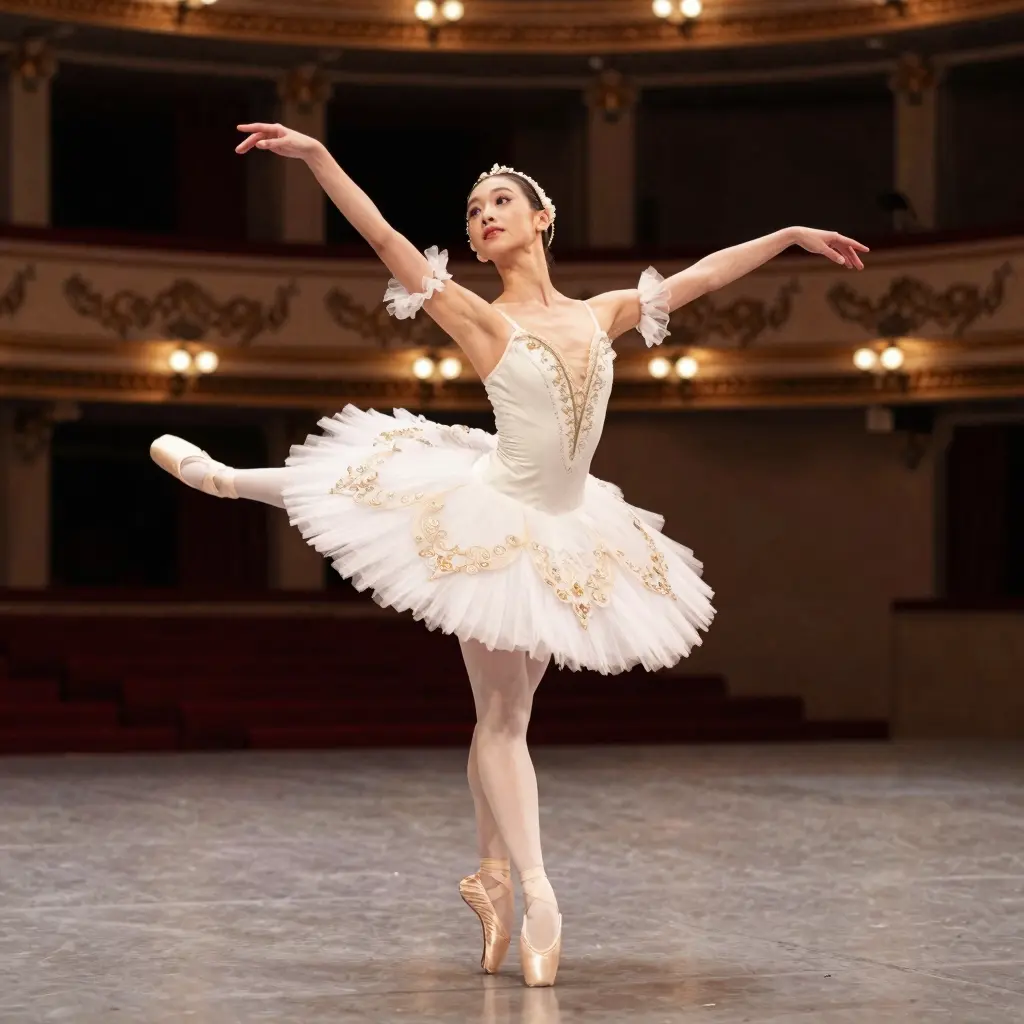
The Elegance and Importance of Tutus for Women in Dance
When it comes to the world of ballet and dance, few garments are as iconic as the tutu for women. This beautifully designed piece of dancewear not only showcases the grace and artistry of the dancer but also serves as an essential element of performance, representing years of tradition and meticulous craftsmanship. From the refined lines of a classical performance to the expressive movements in contemporary dance, the tutu aids dancers in their quest for elegance and precision. For business owners in the dancewear industry, understanding the significance of tutus means recognizing the demand for high-quality, well-crafted garments that support dancers in their artistic endeavors. Whether it’s a professional tutu or a romantic tutu, the right tutu can elevate a performance and captivate an audience. By diving deeper into the craftsmanship behind these essential garments, you can cater to the needs of dancers who seek both style and functionality in their attire. Explore how a tutu can not only enhance a dancer’s expression but also serve as a lucrative opportunity for your dancewear business.
The Evolution of Tutus in Ballet
The tutu, a quintessential piece of balletwear, has a rich history that reflects the evolution of dance itself. Originating in the early 19th century, the tutu’s design underwent significant changes, making it not just a garment but a symbol of grace and elegance in the world of ballet.
Origins in the Romantic Era
The tutu’s story begins with the Romantic ballet movement, highlighted by the stunning performance of ballerina Marie Taglioni in the opera La Sylphide in 1832. This era showcased long, flowing skirts that allowed for dramatic movements, projecting the ethereal nature of the ballerinas. As the spirit of ballet evolved, so did the tutu, transitioning from the romantic long style to the iconic short, stiffened skirt we recognize today. According to an insightful article from Pointe Magazine, the introduction of tulle fabric in the early 20th century allowed designers to create fluffier, shorter tutus, emphasizing the dancers’ technical footwork and leg movements.
Cultural Significance
The tutu is more than just a costume; it embodies the cultural significance of femininity, beauty, and artistry in dance. Ballerinas, dressed in their tutus, convey emotions and stories, drawing audiences into their world. This transformation of the tutu over the years mirrored societal changes, where dance became a means of expressing women’s experiences and aspirations. Anna Pavlova, a defining figure in ballet history, also contributed to this evolution. Her performance in Swan Lake showcased a tutu design that has influenced countless productions, showing how attire complements the dancer’s narrative on stage, as explained in the London Museum blog.
The Modern Tutu
In contemporary dancewear, the tutu has maintained its status as a staple. Designer innovations have reintroduced the classic garment in various forms, from playful designs for young dancers to sophisticated styles for professional performances. The balletwear landscape continues to change, with influences from current trends shaping the styles of tutus. According to the Ballet Arizona Blog, new constructions and designs aim to enhance visibility of the dancer’s movements, making tutus both functional and visually captivating.
Legging tutus, for example, have emerged, combining the traditional tutu with modern aesthetics and comfort. These designs allow dancers to express individuality while remaining practical for movement, reflecting how dancewear adapts to contemporary needs.
Conclusion
Today, the tutu remains an enduring symbol in ballet, signifying elegance, artistry, and the evolution of women’s roles within this beautiful art form. As business owners catering to dancers and ballet enthusiasts, recognizing the importance of this garment not only can influence your product offerings but also can inspire you to delve deeper into the narratives these costumes convey. To browse different styles of tutus, visit our collection of professional tutus and romantic tutus.
Popular Tutu Styles for Women
Tutus are a timeless element of dancewear and fashion, adored for their elegance and versatility. Here’s a rundown of some popular tutu styles available for women, perfect for both dancers and fashion enthusiasts alike:
-
Classical Tutu
The classical tutu is characterized by its short length, designed to allow the dancer to show off their leg movements. It features layers of tulle that create a stiff, bell-like shape. This style is commonly used in traditional ballet performances and is essential for any dancer’s wardrobe.
Learn more about professional tutus. -
Romantic Tutu
The romantic tutu is longer than the classical version, reaching below the knees. It provides a soft and flowing look, often seen in performances like “Giselle” and “La Sylphide.” This style enhances a dancer’s movements, giving an ethereal quality.
Explore our collection of romantic tutus. -
Contemporary Tutu
Modern interpretations of the tutu have led to contemporary styles that often blend various materials and lengths. These tutus can feature asymmetrical cuts and unique embellishments, perfect for innovative dance performances that aim to express more than just classical themes. -
Costume Tutu
These tutus are designed for specific performances or themes, often influenced by popular culture or fairy tales. They come in various shapes and colors, incorporating unique design elements to suit characters like fairies or princesses. Check out themed options like the Nutcracker for inspiration. -
Ballroom Tutu
Ballroom dancewear often includes tutus designed for smooth dancing styles. These tutus are typically made to be more flexible, allowing for free movement while still maintaining an elegant look. They may incorporate more structured elements than casual tutus. -
Layered Tutu
Featuring multiple layers of tulle or other fabrics, layered tutus provide volume and flair. They are often seen in performances where dramatic movement is essential. This style can be both playful and sophisticated, depending on the design.
In summary, tutus are not just confined to ballet; they encompass a variety of styles that cater to different preferences and occasions. Explore the diverse world of tutus, and consider how these enchanting dancewear styles can enhance your wardrobe or business offerings!
Comparing Tutu Materials
When it comes to selecting the best materials for tutus, understanding the pros, cons, suitability for different dance styles, and price points is crucial. Here’s a comparative overview of popular tutu materials: tulle, organza, and cotton.
| Material | Pros | Cons | Suitability for Dance Types | Price Point |
|---|---|---|---|---|
| Tulle | Lightweight, puffs up nicely | Can be stiff, may snag easily | Ballet, Contemporary | $5 – $15/yard |
| Organza | Sheer, crisp finish, holds shape | Can be scratchy, less breathable | Ballet, Jazz | $3 – $10/yard |
| Cotton | Soft, breathable, easy to clean | Can be heavy, lacks structure | Modern Dance, Yoga | $2 – $8/yard |
Key Considerations
- Tulle is favored for its volume and support, making it ideal for traditional ballet. Consider this option if you’re looking for a dramatic appearance in your balletwear.
- Organza brings a crisp, sheer quality that elevates the look of tutus for performances. However, it may not be the best option for all-day wear due to its scratchiness.
- Cotton offers comfort and ease of care, making it suitable for casual dance and practice settings, though it may not provide the support required for classical ballet.
For professional tutus, explore our selection of high-quality products.
Choosing the Right Tutu for Performances
When it comes to selecting the perfect tutu for dance performances, business owners must exercise careful consideration. The right tutu can elevate a performance, ensuring that dancers not only look stunning but also move with ease and grace. Here are the key factors to consider when choosing the right tutu:
1. Fit
A tutu should fit like a glove, offering precise sizing that enhances a dancer’s movements. A well-fitted tutu allows for freedom of movement while avoiding distractions during performances. To ensure the best fit:
- Measure dancers accurately, focusing on their waist and hip sizes.
- Consider adjustable waistbands or elastic materials for flexibility.
- Take into account the individual preferences of dancers as body types vary significantly.
2. Comfort
Beyond aesthetics, comfort is paramount. The right tutu should feel good against the skin, allowing dancers to focus on their performance rather than distractions caused by discomfort. Key comfort aspects include:
- Material Quality: Opt for high-quality fabrics like soft tulle or cotton blends that are gentle on the skin. Choosing materials that are not scratchy or abrasive will enhance comfort.
- Breathability: Dancers work up a sweat, especially during intensive performances. Ensure the tutu allows for air circulation.
3. Durability
Considering the rigors of dance performances, durability is an essential factor. The tutu must withstand frequent use and remain intact throughout the season. Look for:
- Reinforced Stitching: A well-stitched tutu can withstand stretching and movement, maintaining its shape.
- Quality of Materials: Durable fabrics such as theatrical tulle are recommended for their lasting power. An investment in high-quality tutus will ultimately save costs in replacements.
4. Appropriateness for Dance Style
Different dance styles call for different tutu designs. A classic ballet performance might require a traditional stiff tutu, while contemporary dance may favor softer, more fluid tutus. Thus, understanding these variances is crucial:
- For ballet, consider professional tutus that have a structured silhouette ideal for classical positions.
- For performances like Swan Lake, opting for romantic tutus can enhance the ethereal look desired in such pieces.
In conclusion, when selecting a tutu for dance performances, business owners should prioritize fit, comfort, durability, and appropriateness for the dance style. Investing time in choosing the right tutu will not only enhance the visual appeal of the performance but also boost the confidence of your dancers, ensuring they steal the spotlight! For more options, explore our wide range of professional tutus available at Lune Ballet.
“I was genuinely impressed by the quality, comfort, and style of the tutu I purchased from dadatutu.com. It offered excellent durability during performances without sacrificing elegance. Wearing it, I felt confident and graceful on stage. Their attention to detail and customer service made the entire experience delightful. Highly recommended for anyone looking for superior tutus!”
- A satisfied customer
This glowing testimonial from a happy customer highlights the key attributes that make Dadatutu tutus a trusted choice for performance wear. The blend of quality craftsmanship, comfort for extended wear, and stylish design offers strong credibility to business owners considering stocking or recommending these tutus.
For professional ballet and costume needs, explore Lune Ballet’s professional tutu collection to see items that align with this high standard of tutu excellence.
Care and Maintenance of Tutus
To ensure the longevity and maintain the appearance of tutus, proper care and maintenance is essential for business owners dealing in dance attire. Here’s a step-by-step guide to help you preserve these delicate and beautiful garments:
Step-by-Step Care Instructions
- Washing:
- Always hand wash tutus in cold water. Machine washing can damage the layers and overall structure.
- Use a mild detergent or fabric softener specifically designed for delicates to help maintain the fabric’s integrity.
- Avoid wringing or scrubbing, as this can distort the shape of the tutu.
- Drying:
- After washing, gently press out excess water using hands (without twisting), and then air dry the tutu by laying it flat in a shaded area.
- Avoid hanging it directly on the line, as this can stretch the fabric or cause it to lose its shape.
- Do not use a dryer or exposure to heat sources that might damage the delicate fabrics.
- Storage:
- Store tutus appropriately to maintain their shape. Hanging them on padded hangers or laying them flat in a cool, dry place prevents them from becoming crushed.
- Use breathable garment bags to protect them from dust while ensuring airflow, preventing moisture buildup and potential mold.
- Dealing with Wrinkles:
- If a tutu gets wrinkled, avoid vigorous ironing; instead, hang the tutu near a hot shower (not directly in steam) to gently relax the fibers.
- Some fabrics allow for a low heat steam setting if absolutely necessary, so test it on a small section first.
- Regular Maintenance:
- Keep tutus looking fluffy and fresh by occasionally using a fabric softener for delicate fabrics during hand washing.
- Avoid exposure to direct sunlight while storing, as this can cause fading.
Additional Tips
- Inspect Regularly: Check for quaisquer damage or loose threads. Repairing small damages promptly can prevent larger, irreversible damage.
- Educate Customers: For business owners, educating customers about proper care through tags or care instructions can help maintain their satisfaction and prolong the life of the tutus they purchase.
For more specialized tutus, check out our collections like Professional Tutus or explore the unique designs in our Romantic Tutus.
Incorporating these care practices into your offerings not only enhances customer satisfaction but also promotes loyalty and repeat business as they appreciate quality products that last.
Chart of Maintenance Tips Sources
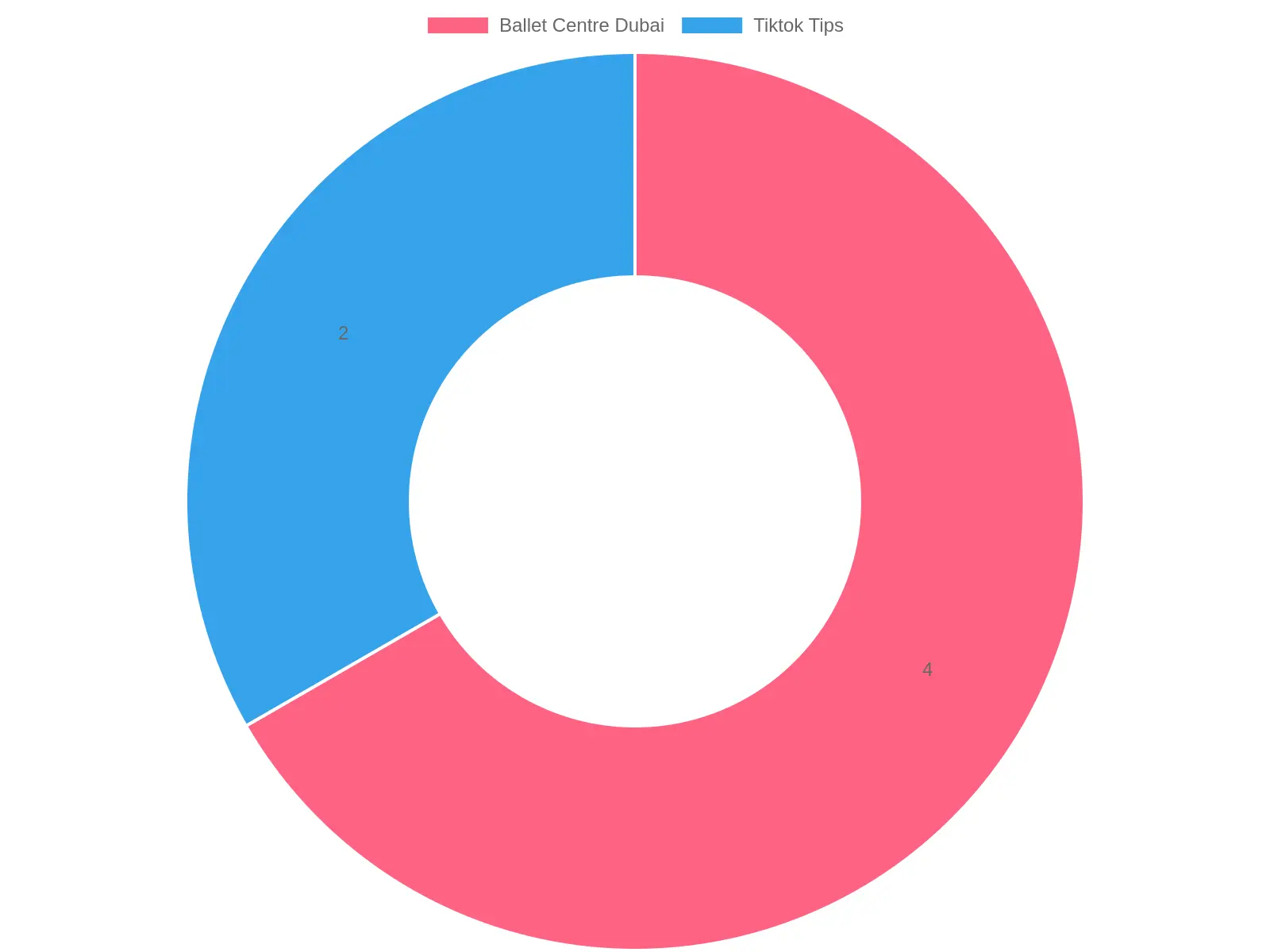
Below is a chart summarizing maintenance tips sourced from various expert guidelines:
| Category | Data | Source |
|---|---|---|
| Average Lifespan of Tutu | Varies based on usage, typically lasts for years with proper care. | Ballet Centre Dubai |
| Maintenance Tip | Hand wash gently in cold water and avoid wringing. | Ballet Centre Dubai |
| Maintenance Tip | Air dry to maintain shape and avoid heat exposure. | Ballet Centre Dubai |
| Maintenance Tip | Store flat or hanging to avoid crushing layers. | Ballet Centre Dubai |
| Maintenance Tip | Use a fabric softener for added fluffiness. | Tiktok Tips |
| Maintenance Tip | Avoid exposure to direct sunlight to prevent fading. | Tiktok Tips |
Understanding these care techniques can greatly help in maintaining the beauty and functionality of tutus, ensuring they remain stunning for performances well into the future.
Current Trends in Women’s Tutu and Dancewear Market
The market for women’s ballet clothing, especially tutus, is experiencing significant growth. Understanding user demographics and trends related to ballet and dancewear can provide business owners with insight into evolving consumer preferences, allowing for better inventory and marketing strategies.
Market Overview
According to recent research, the dancewear market is projected to reach approximately USD 2.6 billion by 2033, expanding at a compound annual growth rate (CAGR) of 4.9%. This growth is primarily driven by increasing demand for dancewear, including tutus, as more individuals engage in ballet for both recreational and performance purposes. View detailed market analysis here.
Demographics and Consumer Trends
Here are some key findings regarding the demographics and trends in the dancewear market:
- The women’s segment currently occupies the largest share of the dancewear market, emphasizing the popularity of ballet apparel among female dancers.
- A growing interest in activewear among both adults and children is reshaping purchasing behaviors, with a notable increase in demand for specialized dance attire, including tutus. This trend suggests that business owners should focus on products catering to these demographics. Learn more about consumer preferences in dancewear.
- Trends reveal a bifurcation in the tutu market with professional performance wear and fashion elements emerging. High-end professional tutus are in demand for performances, while fashion-focused tutus are being influenced by trends like ‘balletcore.’ Such insights can refine inventory decisions, balancing classic styles with trending fashion pieces. Read about tutu fashion trends here.
Implications for Business Owners
Understanding these trends is essential for business owners, especially in tailoring marketing strategies and inventory management:
- Inventory Strategy: Stocking a diverse range of tutus that cater to both performance needs and fashion trends will attract a wider audience. Consider the various styles available on our site, like the Professional Tutu Collection and more casual designs suitable for leisure and fashion use.
- Marketing Focus: Leverage social media to highlight not only the performance aspects of tutus but also their versatility as fashion items. Engaging customers through visual storytelling and collaborations with influencers in the dance and fashion niches can enhance brand visibility.
In conclusion, the growing market for women’s tutus and dancewear reflects diverse consumer preferences. By recognizing these trends, business owners can make informed decisions on inventory and marketing strategies, positioning themselves effectively in the evolving landscape of dancewear.
Conclusion: Why Choose Dada Tutu for Your Tutu Needs
In today’s evolving fashion market, the tutu has established itself not just as a staple for dancers but also as a versatile piece for various occasions. As discussed, tutus blend elegance and practicality, making them suitable for both casual wear and formal events. The growing appreciation for unique styles, such as those found at Lune Ballet, showcases the expanding interest in quality tutus among consumers.
As a business owner, tapping into this trend can yield significant returns. By collaborating with a reliable supplier like Dada Tutu, you gain access to premium offerings that appeal to diverse customer bases-from professional dancers to fashion-forward individuals. Dada Tutu provides a variety of unique designs and high-quality materials that can elevate your inventory and cater to your clientele’s demands.
To enhance your online store, consider employing strategies that optimize the shopping experience. Streamlining your checkout process, integrating popular payment options, and maintaining transparency about prices are essential steps to guide potential customers towards making a purchase. The psychological insights of urgency and social proof, as mentioned in various guides, can further drive engagement and increase sales.
In conclusion, take action today by exploring the exquisite collections available at Dada Tutu. Embrace the opportunity to enrich your offerings and meet your customers’ growing demand for fashionable tutus. Don’t miss the chance to elevate your business with products that can generate excitement and drive sales in the competitive fashion landscape!
Explore Dada Tutu’s offerings and discover how these premium products can enhance your inventory and attract customers who are eager for trendy, high-quality tutus.