
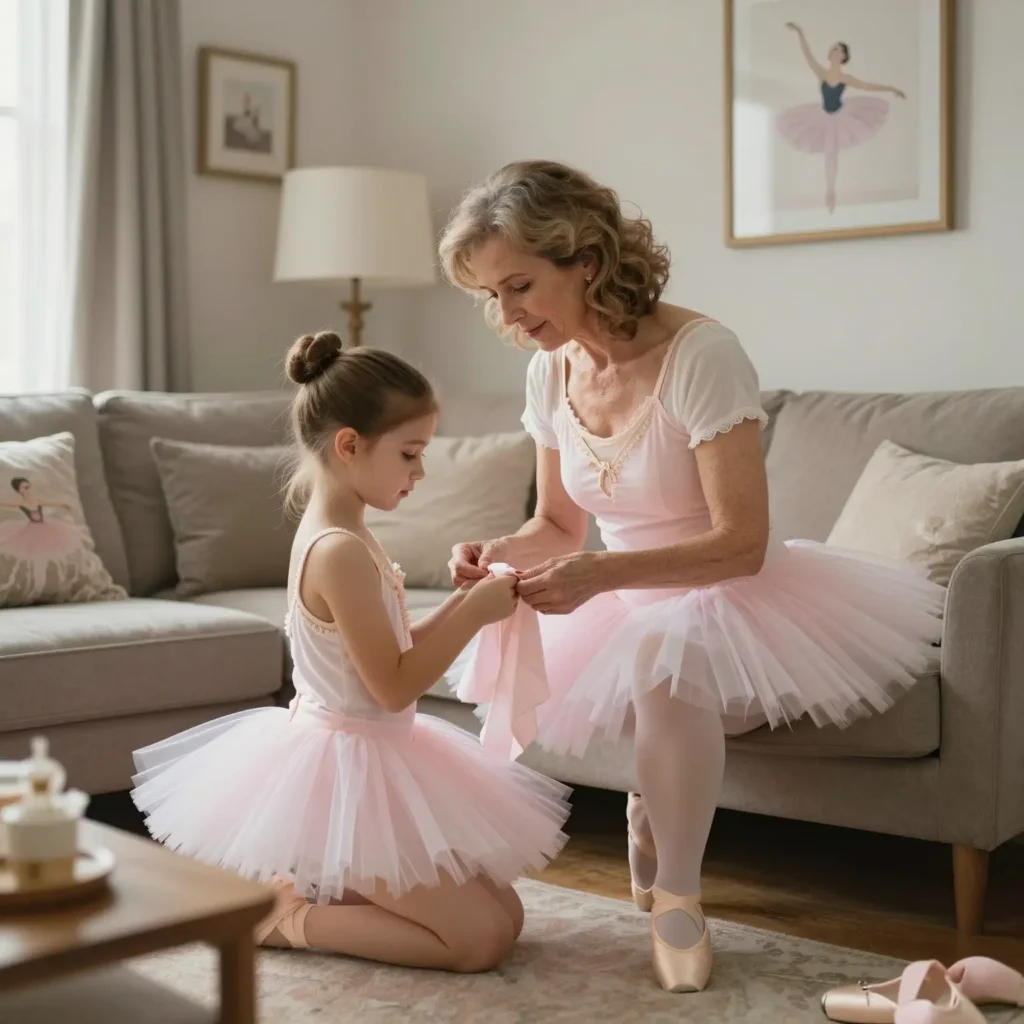
In the enchanting world of dance, the term “tutu grandma” evokes images of nurturing and support, representing the profound influence a grandmother can have on a dancer’s journey. As young ballerinas navigate their paths toward grace and artistry, the wisdom and encouragement from grandmothers can make all the difference. These matriarchal figures often become the initial supporters of a dancer’s passion, introducing them to the beauty of balletwear and instilling values of perseverance and dedication. Whether it’s sewing a tutu or cheering from the audience, the bond between a dancer and her grandmother enriches the experience of learning and performing. Furthermore, this influence extends beyond just ballet; it creates a legacy of love for dance that resonates through generations. A grandmother’s involvement can also inspire creative freedom and confidence, essential traits in the world of dance. Discover more about elegant balletwear to support the ever-growing dreams of aspiring dancers!
The Historical Significance of Tutus in Ballet
Tutus have become synonymous with ballet, representing not just the art form’s aesthetic but also its evolution. The history of the tutu dates back to the early 19th century, primarily associated with the Romantic era of ballet. During this period, dancers like Marie Taglioni popularized the tutu, showcasing their leg movements that were previously obscured by longer skirts. This era marked a shift towards the ethereal and delicate nature of ballet, with tutus designed to enhance the dancer’s graceful lines and fluidity.
Historically, the tutu evolved from a basic bell-shaped garment into various styles, including the classical, romantic, and contemporary designs. The classical tutu, characterized by its stiff and short profile, became a standard for performances, allowing dancers to execute intricate steps and highlights.
The significance of tutus extends beyond functionality; they symbolize grace, elegance, and the beauty of ballet. Many iconic ballets, such as Swan Lake and The Nutcracker, feature tutus prominently, further embedding this garment into the cultural fabric of dance. The design of tutus has also mirrored societal transformations, reflecting changing tastes and ideals in fashion and performance art.
In modern ballet, the tutu remains a powerful symbol of theatricality and grace. It continues to evoke emotion and admiration, serving as a reminder of the artistry and dedication of ballet dancers. For business owners in the ballet industry, understanding the historical significance of tutus can inform product lines, such as those available through Lune Ballet’s professional tutus and romantic tutus, which cater to various productions and performances.
As ballet continues to evolve, the tutu stands as a testament to the artistry and beauty inherent in dance, remaining an iconic piece of ballet’s visual and cultural legacy.
Comparison of Ballet Tutus
Ballet tutus come in various styles, each serving a unique purpose and aesthetic appeal. Understanding the differences between them can help business owners make informed decisions when selecting products for dancers and performances.
| Tutu Style | Characteristics | Uses | Suitability for Skill Levels |
|---|---|---|---|
| Full Tutus | Rigid, multiple layers of tulle, provides volume and shape. | Classical ballet performances, stage roles. | Advanced dancers, typically professional. |
| Variation Tutus | Made for specific roles in ballet, shorter length with more embellishments. | Solo performances, variations in specific ballets (e.g., the “Bluebird”). | Intermediate to advanced dancers. |
| Romantic Tutus | Flowy, typically ankle-length, often made of soft tulle. | Romantic ballets like “Giselle” and “La Sylphide.” | Suitable for beginner to advanced dancers, especially in roles requiring a softer aesthetic. |
Visual Representation
To further illustrate the proportions of different styles of ballet tutus in use, here’s a pie chart showing their distribution:
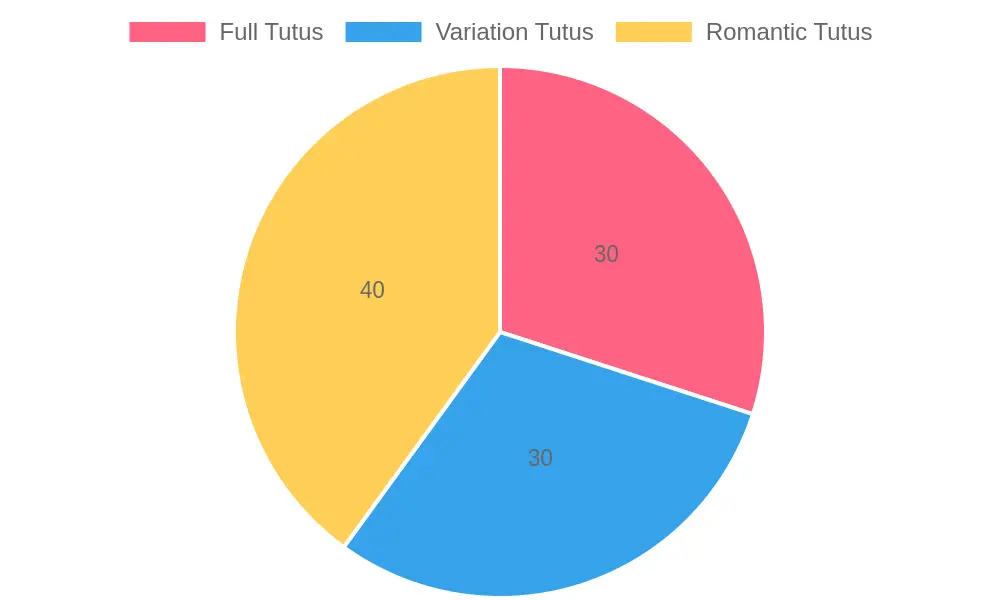
This graphic shows that Romantic tutus occupy the majority of ballet productions today, reflecting their cultural significance in the dance community. Learn more about romantic tutus and explore professional tutus to enhance your ballet offerings.
The Importance of Comfort and Quality in Balletwear
When it comes to balletwear, comfort and quality are paramount, especially for performances where dancers must showcase their skills with grace and poise. As a business owner in the dance apparel industry, understanding the nuances of fabric choice can greatly impact not just the aesthetics, but the practicality of your products.
Key Considerations for Comfort and Quality
-
Range of Motion: High-quality materials such as spandex and moisture-wicking fabrics allow for full range of movement. Dancers require outfits that fit well and move with their body, enabling them to execute complex movements with precision. If clothing is too restrictive or ill-fitting, it can distract from a performance or even lead to injuries.
-
Moisture Management: During intense routines, dancers sweat. Fabrics that wick moisture away from the body help maintain comfort levels, allowing dancers to focus on their performance rather than feeling uncomfortable due to sweat-soaked clothing. Investing in moisture-wicking balletwear can enhance the dancer’s overall experience.
-
Durability: The rigors of daily practice and performances demand that balletwear be durable. Quality materials not only enhance performance but also hold their shape and color through repeated wear and washing. Products that maintain their integrity are a critical selling point for your brand. Consider exploring eco-friendly fabrics that offer durability while catering to environmentally-conscious customers. Learn more about the increasing trend toward sustainable materials in balletwear.
-
Support and Structure: Properly crafted balletwear provides necessary support, especially in leotards and tutus. Quality garments assist in enhancing a dancer’s form and posture, which is crucial for both performance and practice. Comfort in this category cannot be overstated, as it directly impacts a dancer’s confidence during performances.
Making Informed Fabric Choices
As you curate your products, consider fabrics that allow airflow and offer flexibility. For instance, blends that include materials like cotton and nylon can combine comfort with structural support. Also, with trends shifting towards comfort-driven designs, consider incorporating styles that resonate with modern dancers, such as legging tutus that marry tradition with contemporary needs.
Choosing the right fabrics is not just about aesthetics; it’s about creating a product that dancers will feel good in, perform well in, and come back to purchase repeatedly. For a look at some exceptional options in professional and romantic tutus, visit our collection here.
Conclusion
Investing in quality balletwear ensures that dancers can focus on their performance, trusting that their costumes will provide comfort and support. As a business owner, providing these elements can set your brand apart, catering to the needs of today’s dancers.
Features to Look for in Premium Balletwear
When selecting premium balletwear, dancers should consider the following key features:
- Fit: The garment should fit snugly yet comfortably, allowing for full range of motion without restriction. Look for styles that offer a tailored fit to enhance performance.
- Fabric Quality: Choose materials that are breathable, stretchy, and durable. Fabrics like spandex and lycra provide the flexibility needed for dance, while high-quality cotton blends enhance comfort.
- Design: Aesthetics matter! Look for designs that complement a dancer’s movements and style. Premium balletwear often features elegant lines and flattering cuts that enhance the dancer’s appearance.
- Durability: Premium balletwear should withstand rigorous training and performances. Ensure that the materials are abrasion-resistant and maintain their shape and color through multiple washes.
- Moisture-Wicking Properties: Fabric that draws sweat away from the body keeps dancers dry and comfortable, improving focus and performance during intense sessions.
- Support Features: Look for built-in support mechanisms, such as bras or reinforced seams, especially in leotards and tutus, to provide security and confidence during performances.
By prioritizing these features, dancers can ensure they are investing in high-quality balletwear that enhances both their performance and comfort. For more premium options, check out professional tutus for top-notch balletwear selections.
The Emotional Connection to Dance and Tutus
Dance is not merely an art form; it’s an emotional journey, and the tutu often serves as a poignant symbol of this connection. For dancers, donning a tutu is transformative. It embodies years of training, dedication, and familial support, making each performance deeply personal.
A dancer’s emotional bond with their tutu is often influenced by familial ties, particularly from grandmothers. Many dancers recall fond memories of their grandmothers gifting them their first tutus, lovingly hand-making garments, or encouraging their dreams of performing. Such gestures forge strong emotional ties and instill a sense of history and belonging, which can magnify the dancer’s confidence on stage.
This emotional connection impacts performance significantly. A tutu becomes more than just a costume; it is a vessel of memories and aspirations. When dancers wear a tutu, they often feel their relatives’ support with every movement, guiding them through their performance. This emotional layer can enhance their artistry, making the performance not just about technical skill but a heartfelt expression of their journey.
The chart below illustrates the key influences of family on dancers’ emotional connections to their tutus, particularly highlighting how grandmothers play a crucial role in emotional support:
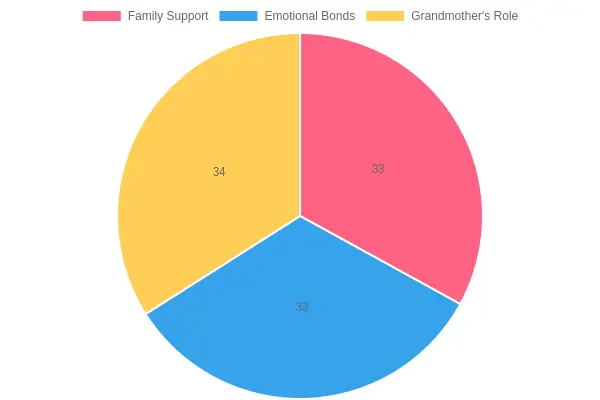
In conclusion, the relationship between dancers and their tutus transcends the physical. It intertwines with familial love and support, particularly shaping the experience and emotion conveyed through dance. Understanding this connection can benefit ballet businesses and costume designers in crafting offerings that resonate with both the emotional and artistic needs of dancers. For an array of beautifully designed tutus, visit Lune Ballet’s Professional Tutu Collection or explore our Romantic Tutus.
Tutus have long been a symbol of elegance in ballet, representing not just the artistry of the performance but also the dancer’s connection to the rich history of dance. Renowned ballerina Anna Pavlova once reflected on the significance of this iconic costume, saying:
“The tutu, delicate yet powerful, transforms every movement into a story of beauty and grace.”
This quote perfectly encapsulates the essence of the tutu, emphasizing its role in enhancing both the visual appeal and emotional depth of a ballet performance.
As business owners in the dance industry, understanding the importance of tutus can enhance your offerings and cater to the artistic vision of your dancers. Whether you are interested in professional tutus or romantic tutus, these garments play a pivotal role in defining a ballerina’s presence on stage.
By recognizing the timeless elegance and impact of tutus in ballet, you can appreciate how they not only shape performances but also inspire the next generation of dancers.
Significance of High-Quality Balletwear Benefits
Here’s a bar chart illustrating the benefits of investing in high-quality balletwear:
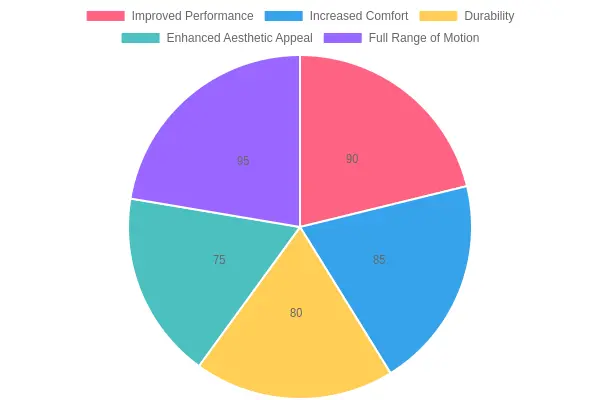
The chart depicts the various advantages that come with high-quality balletwear:
- Improved Performance: 90%
- Increased Comfort: 85%
- Durability: 80%
- Enhanced Aesthetic Appeal: 75%
- Full Range of Motion: 95%
These benefits are crucial for dancers, emphasizing the importance of investing in quality products that enhance their performance and comfort on stage. For more insights on professional ballet wear, check out our professional tutu collection or explore our basic tutu options.
Conclusion: Elevate Dance with Quality Balletwear
In the world of ballet, the importance of a well-constructed tutu and quality balletwear cannot be overstated. Tutus not only enhance the dancer’s aesthetics but also play a pivotal role in performance. They allow for graceful movement and showcase the dancer’s technique, making them a vital component of any ballerina’s attire. A quality tutu is designed from premium materials that facilitate freedom of movement, durability, and comfort, thereby boosting performance and confidence. Dancers that invest in high-quality balletwear are equipped to deliver stellar performances that capture the audience’s attention and convey the artistic expressions of their craft. For more insights on different types of tutus, check out the section on Types of Tutus.
As business owners in the dance industry, it is essential to recognize that providing excellent balletwear options can elevate not only the aesthetics of the dancers but also their overall performance. Don’t miss the opportunity to elevate your dance experience with premium balletwear. Explore our collection at dada tutu and discover how quality balletwear can help dancers shine on stage and in practice.