
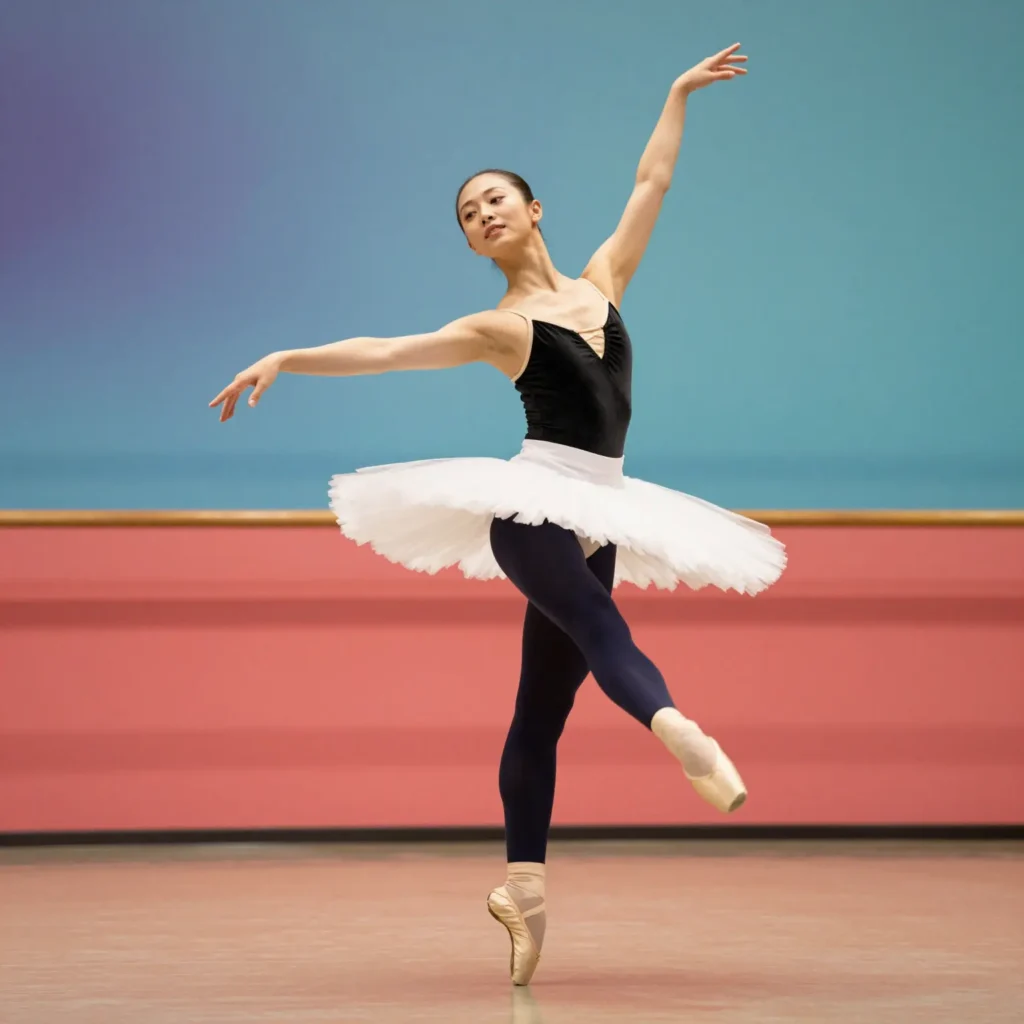
In the dynamic world of dance, attire plays a crucial role in both performance and practice, with leggings and tutus standing out as two essential staples in dancewear. These garments not only enhance a dancer’s grace and movements but also reflect current trends that are pivotal for business owners in the balletwear market. Leggings, known for their comfort and versatility, allow dancers to express their individual styles while providing practical benefits during warm-ups and rehearsals. Meanwhile, tutus embody the spirit of ballet, captivating audiences with their elegance and craftsmanship. As business owners aim to cater to a diverse clientele, understanding and investing in these foundational pieces can lead to increased brand loyalty and sales. By curating collections that include both luxurious professional tutus and romantic variations, explore our professional tutu selection and discover romantic tutus, businesses can not only meet the demands of dancers but also foster a deeper connection with the art form itself.
The History of Leggings in Dancewear
Leggings have come a long way from being mere fashion items to becoming a staple in the world of dancewear. Their evolution reflects changes in both aesthetic preferences and the practical needs of dancers, solidifying their place as a vital component of dance attire.
Early Beginnings and 1960s Popularization
In the 1960s, leggings made their first notable appearance in women’s fashion, primarily influenced by the rise of the fitness culture. Dancers began to adopt them for their flexibility and comfort. At this time, leggings were mainly constructed from cotton or synthetic materials and were typically worn under tunics and dance skirts. This trend was further popularized through media representations, connecting them to the burgeoning world of aerobics and dance.
1970s to 1980s: Emergence in Different Dance Styles
By the 1970s, leggings had transitioned into various dance styles, notably contemporary and jazz. Dancers like Yvonne de Carlo showcased leggings as functional attire, ensuring movements were unrestricted. The 1980s brought about the hip hop dance scene, which embraced leggings in bright colors, often seen paired with oversized tops as a fashion statement in dance studios and performances alike.
1990s to Early 2000s: Evolution in Design and Cultural Integration
The 1990s marked a shift towards more edgy designs, aligning leggings with the rave culture where they became popularized in club scenes. The playful use of patterns reflected the eclectic tastes of young dancers. By the 2000s, leggings transcended beyond dancewear and entered the realm of everyday fashion, categorized under athleisure, emphasizing comfort and style.
2010s to Present: Leggings as a Dancewear Staple
Today, leggings are celebrated for their versatility and functionality across multiple dance genres like ballet, contemporary, and hip hop. Their fit and stretchability allow for ease of movement, making them ideal for rehearsals and performances. Many dance studios now offer leggings tailored specifically for dance, designed to cater to the unique demands of each style. As a result, leggings have firmly established their status as a reputable and essential part of dance wardrobes.
Conclusion
The evolution of leggings has been a reflection of changing fashion tides and practical necessities within the dance community. From their humble beginnings as a fitness fad to being a cherished part of every dancer’s wardrobe, leggings showcase the intersection of style and performance. For those interested in combining comfortable functionality with classic elegance, professional tutus paired with leggings can create dynamic outfits that enhance performance while celebrating individuality.
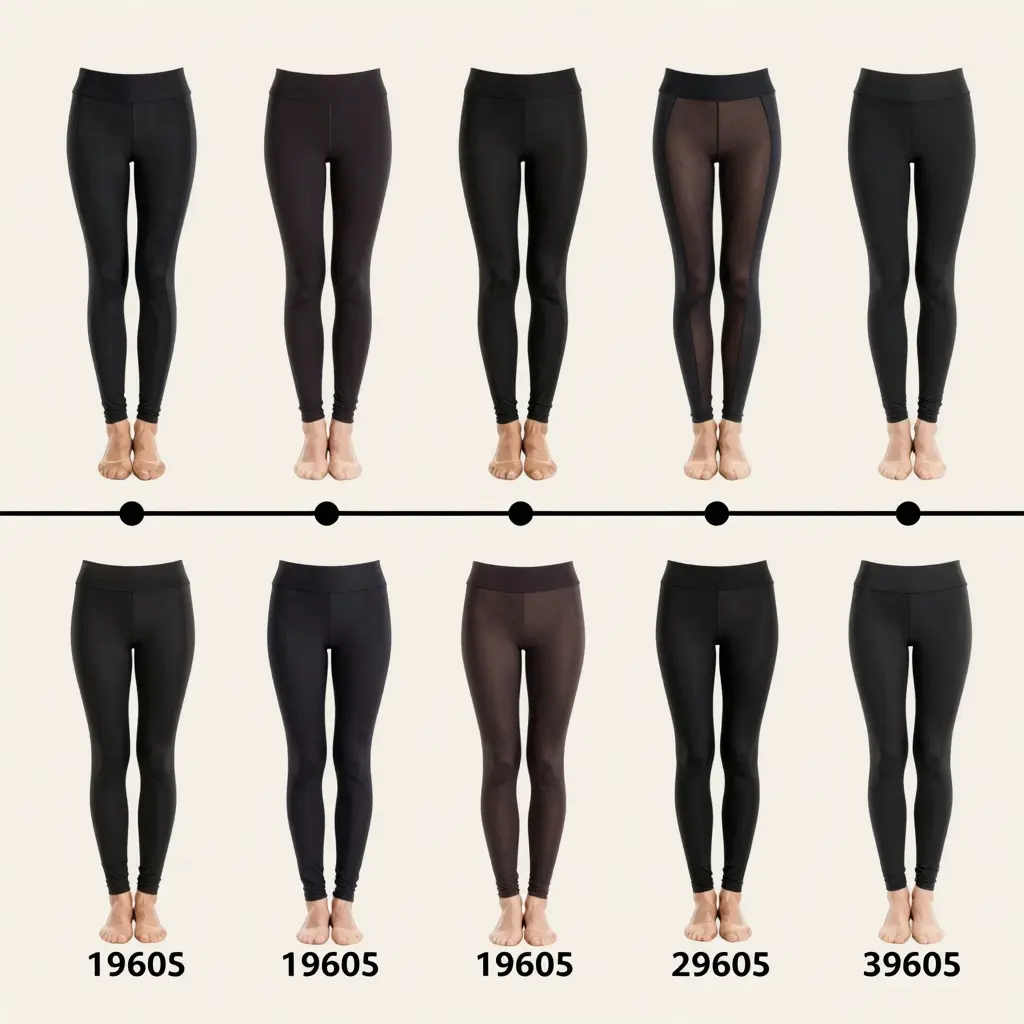
Visual Timeline of Leggings Evolution
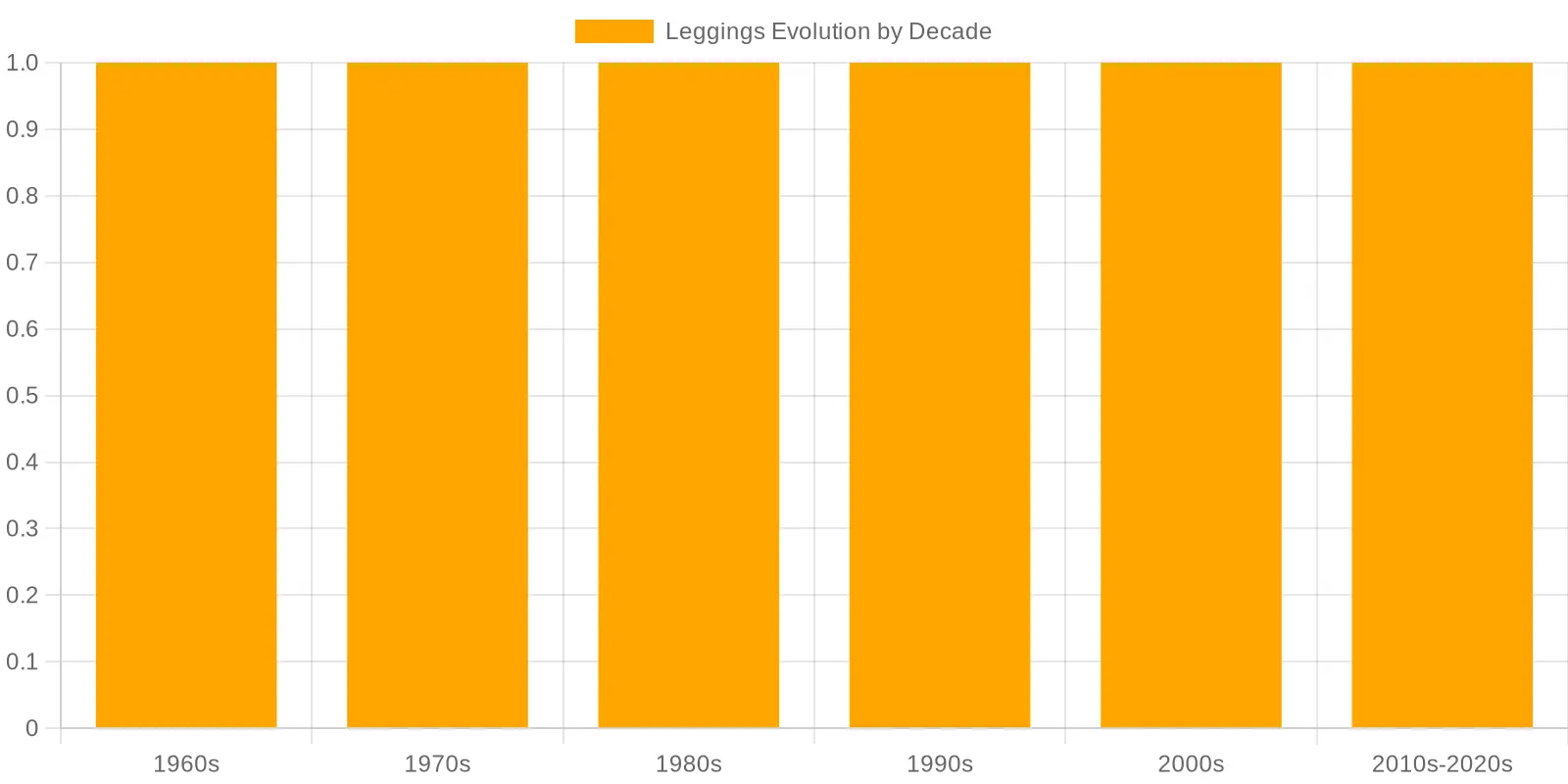
| Year/Decade | Style | Description |
|---|---|---|
| 1960s | Jazz | Introduction of leggings in women’s fashion; popularized by dancers. |
| 1970s | Contemporary | Dancers wear leggings for practicality and comfort. |
| 1980s | Hip Hop | Leggings gain popularity with vibrant colors and patterns in dance. |
| 1990s | Rave | Edgy designs reflect club culture and youth fashion. |
| 2000s | Athleisure | Transition to everyday wear, seen in yoga and fitness. |
| 2010s-2020s | Mainstream | Leggings become a staple in dancewear celebrated for their versatility. |
The History of Tutus in Dancewear
Tutus are one of the most iconic elements of ballet and have a rich history that reflects the evolution of dancewear throughout the centuries. The origin of the tutu can be traced back to the early 19th century during the Romantic Era of ballet, specifically around the 1830s. The first tutu was popularized by ballerina Marie Taglioni in her landmark performance in ‘La Sylphide’. This performance is often considered a turning point, showcasing how the tutu transformed from a voluminous dress to a shorter, more structured skirt that allowed for greater movement and expression.
Evolution of the Tutu
Originally, tutus were long and bell-shaped, designed to mimic the gowns of fashionable women of the time. As ballet evolved, so did the tutu. It transitioned from being a floor-length garment to a knee-length one, providing dancers with the freedom to showcase their footwork and techniques.
By the late 19th century, the tutu had evolved into two main styles: the romantic tutu, characterized by its long layers of tulle that fell to the ankle, and the classical tutu, which is short and stiff, giving it a more structured appearance. The classical tutu is particularly notable as it highlights the legs and movements of the dancer, making it essential in modern ballet performances, especially in pieces like Swan Lake and The Nutcracker.
Significance in Ballet and Stage Performances
The significance of the tutu in ballet cannot be overstated. It serves not only as a costume but also as a symbol of grace and elegance. The way a tutu falls and flows can enhance the dancer’s movements, allowing for a captivating visual experience. Moreover, tutus play an essential role in character portrayal in ballets, such as those found in productions like Coppélia and Giselle.
Today’s tutus are crafted from various materials, including tarlatan, silk, and nylon. Professionally-made tutus designed for performances often involve intricate layering and embellishments that reflect the narrative and emotion of the piece.
As business owners consider the importance of quality dancewear, understanding tutus’ historical context can guide them to appreciate their artistic and practical functionalities. Emphasizing quality craftsmanship in tutu production not only honors tradition but also enhances the performance quality of dancers in every ballet.
In conclusion, the tutu is more than just a piece of clothing; it is a vital part of ballet’s rich heritage, connecting the art form’s past with its present and future.
For more insights into the different styles and significance of tutus, check out this article on ballet tutus.
Whether for stage performances or practice, choosing the right tutu is crucial to any dancer’s wardrobe.
Benefits of Using Leggings for Dancers
Leggings have become a popular choice for dancers due to their numerous advantages. Here are some compelling benefits:
- Comfort: Leggings are made from soft, stretchy materials that fit snugly against the skin, allowing for unrestricted movement. This comfort is essential during long hours of practice and performance.
- Flexibility: The elasticity of leggings allows dancers to perform a wide range of movements without feeling constricted. This is particularly beneficial in dance forms that require agility and flexibility, such as ballet and contemporary dance.
- Versatility: Leggings can be styled in various ways, making them suitable for different dance styles and events. Whether paired with a tutu or worn solo, they adapt seamlessly to various looks. Explore our professional tutus for added flair in performances.
- Moisture-Wicking: Many leggings are designed with moisture-wicking technology, helping to keep dancers dry and comfortable during intense workouts. This feature is particularly beneficial in warm studio environments.
- Support: Well-fitted leggings often provide gentle compression, which can support muscles and reduce fatigue. This support is crucial for dancers who are constantly on the move.
- Variety of Styles: Available in many designs, colors, and patterns, leggings allow dancers to express their personal style while maintaining functionality. For instance, pairing colorful leggings with a thematic tutu can enhance performance visuals while keeping comfort intact. Check out themed tutus to find the perfect pair with your leggings.
Overall, leggings are an integral part of a dancer’s wardrobe, offering myriad benefits that enhance both performance and style.
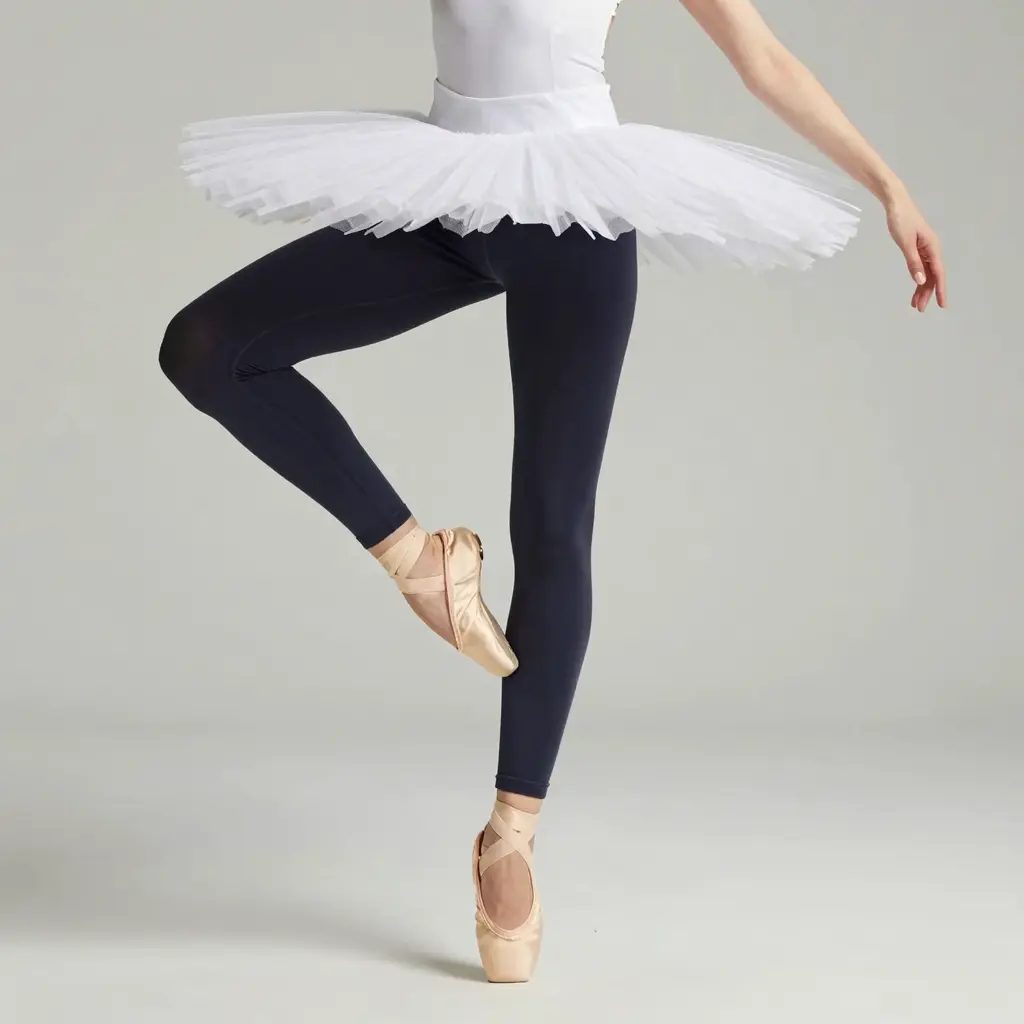
Exploring Fabric Types for Leggings and Tutus
When it comes to crafting the perfect leggings and tutus, the choice of fabric plays a pivotal role in achieving an ideal balance of performance, comfort, and style. As business owners in the fashion industry, understanding the various fabric types can enhance your products’ appeal and functionality.
Fabric Types for Leggings
Leggings are designed for versatility and durability, and the choice of fabric significantly influences how they perform during physical activities.
- Nylon: Known for its excellent stretchability and lightweight nature, nylon leggings are perfect for high-performance workouts. They also exhibit good moisture-wicking properties, helping to keep the wearer dry.
- Polyester: This durable fabric offers breathability and moisture-wicking features which are essential for athletic wear. Polyester is perfect for leggings that withstand high-intensity activities.
- Spandex: Often blended with other fabrics, spandex provides exceptional stretch and a form-fitting fit, making it a staple in the legging manufacturing sector.
- Cotton: While cotton leggings provide softness and breathability, their lack of stretch can limit performance in vigorous settings. They are, however, favorites for casual wear.
- Bamboo: An eco-friendly option, bamboo fabric is breathable and moisture-wicking, making it a comfortable choice for lounge and everyday leggings.
- Modal: This fabric is valued for its softness and breathability, suitable for lighter, less strenuous activities.
For an in-depth view of the performance attributes of different fabrics for leggings, refer to the The Best Fabric for Leggings Guide.
Fabric Types for Tutus
When creating tutus, especially for ballet or performance purposes, the chosen fabric must balance aesthetic appeal with functionality.
- Tulle: A staple in tutu construction, tulle is lightweight and has a structured shape, which is essential for achieving the classic fluffy tutu look. However, it doesn’t provide much stretch or moisture-wicking abilities.
- Nylon: Lightweight and slightly stretchy, nylon can provide a more modern look while still being comfortable.
- Organza: Another sheer fabric option for tutus, organza is crisp and adds volume without extra weight.
- Cotton Blends: For a softer and more breathable tutu, cotton blends can provide comfort for the dancer, though they may not hold shape as effectively as tulle.
- Spandex: Often blended to create form-fitting bodices in tutus, spandex enhances comfort and mobility without sacrificing the structure.
Choosing the right fabric is crucial in ensuring that the tutu not only looks beautiful but also allows for ease of movement during performances. For professional quality tutus, explore our Professional Tutu Collection.
Fabric Performance Comparison
To further assist in your fabric selection, here’s a comparison chart that captures how well each fabric type performs in both leggings and tutus:
| Fabric Type | Leggings Performance Attributes | Tutu Performance Attributes |
|---|---|---|
| Nylon | Highly stretchable, lightweight, good moisture-wicking | Limited stretch, lightweight, less moisture-wicking |
| Polyester | Durable, good moisture-wicking, breathable | Moderate durability, lightweight, limited moisture-wicking |
| Spandex | Excellent stretchability, great for fit | Moderate stretch, typically blended with other fabrics |
| Cotton | Breathable, soft, comfortable, less stretchy | Limited stretch, breathable but may retain moisture |
| Bamboo | Breathable, moisture-wicking, soft | Rarely used, may have breathability but limited durability |
| Modal | Soft, breathable, good stretchability | Rarely used, limited performance attributes |
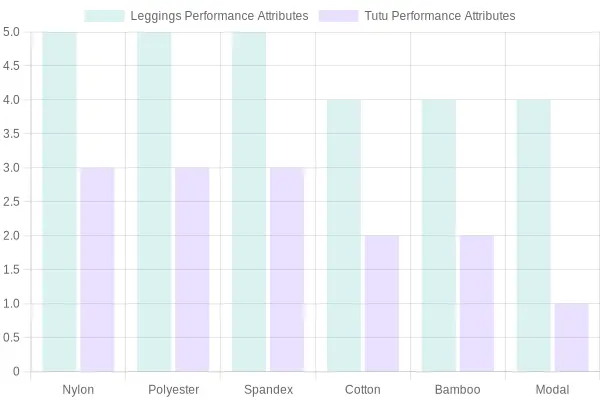
In conclusion, selecting the right fabric for leggings and tutus is a blend of understanding the intended use, performance needs, and the aesthetic goals. As you develop your product line, considering these different fabric types will help create offerings that are not only stylish but also functional. By investing in quality materials, you can enhance your brand’s reputation and attract more customers.
Comparison Table of Leggings and Tutus Brands
| Brand | Product Type | Material | Price Range | Key Features |
|---|---|---|---|---|
| Amazon | Tutu Leggings | Cotton Blend | $10 – $30 | Vibrant colors and designs |
| Walmart | Kids Tutu Leggings | Cotton, Satin, Tulle | $8 – $20 | Soft and comfortable fabrics |
| Hair Bow Company | Tutus | Polyester | $15 – $25 | Versatile for various occasions |
| DHgate | Tutu Leggings | Cotton Blends | Bulk pricing | Available in various styles for girls |
| Verywell Fit | Leggings | Spandex, Nylon | $20 – $110 | High quality, sizing options |
| Alibaba | Tutu Leggings | Various materials | $10 – $15 | Comfortable and stylish for active girls |
This table provides a clear overview of different options available in the market. You can explore more about specific products, like professional tutus or romantic tutus, on our website for detailed insights.
For your business needs, understanding the varying materials and pricing can help you make informed decisions on inventory and customer preferences.
Tips for Business Owners on Selecting Quality Materials for Leggings and Tutus
Choosing the right materials for leggings and tutus is crucial for ensuring comfort, performance, and customer satisfaction. As a business owner, understanding the various fabric options available can help you deliver high-quality products that meet your customers’ expectations. Here are some essential tips to consider when selecting materials:
1. Understand Fabric Composition
Different fabrics provide distinct benefits for leggings and tutus. Common materials include:
- Nylon: Known for its stretch and durability; it resists wear and tear, making it ideal for active wear.
- Spandex: Offers exceptional elasticity, allowing for comfortable movement during activities.
- Cotton: Breathable and soft, this natural fiber is comfortable against the skin but may lack stretch compared to synthetic materials.
- Polyester: Known for its strength and moisture-wicking properties, polyester is great for leggings that need to withstand vigorous activities.
2. Choose for Purpose
Consider the intended use of your leggings and tutus:
- For dance, opt for stretchy, breathable fabrics that allow for free movement.
- For athletic wear, look for moisture-wicking and breathable options that keep the wearer dry and comfortable, such as nylon or polyester blends. Explore professional tutus for high-quality options.
3. Prioritize Comfort
Comfort is key for both leggings and tutus:
- Ensure that the fabric has sufficient stretch without losing its shape.
- Avoid fabrics that may be abrasive or irritating to the skin. Testing samples on different skin types can provide valuable insight.
4. Evaluate Durability
Select materials that can withstand repeated washing and wear:
- Fabrics like nylon and polyester tend to retain their shape and color after multiple washes.
- Quality craftsmanship in sewing techniques also enhances the durability of your products.
5. Focus on Aesthetics
Both leggings and tutus are often bought for their style:
- Choose colors, patterns, and textures that resonate with your target audience. Utilize finishing techniques such as printing and dyeing for added visual appeal.
- For ballet-themed designs, consider incorporating layers with soft overlays to enhance the tutu’s appearance, giving it a distinct and elegant look.
6. Conduct Market Research
Understanding your competitors and the latest trends will help you select materials that align with current market demands:
- Research what successful brands in your niche are using, and leverage that knowledge to make informed choices.
7. Test the Fabric
Before committing to any materials, order samples to test:
- Examine how the fabric feels, stretches, and performs under stress. This trial process can save time and resources in the long run.
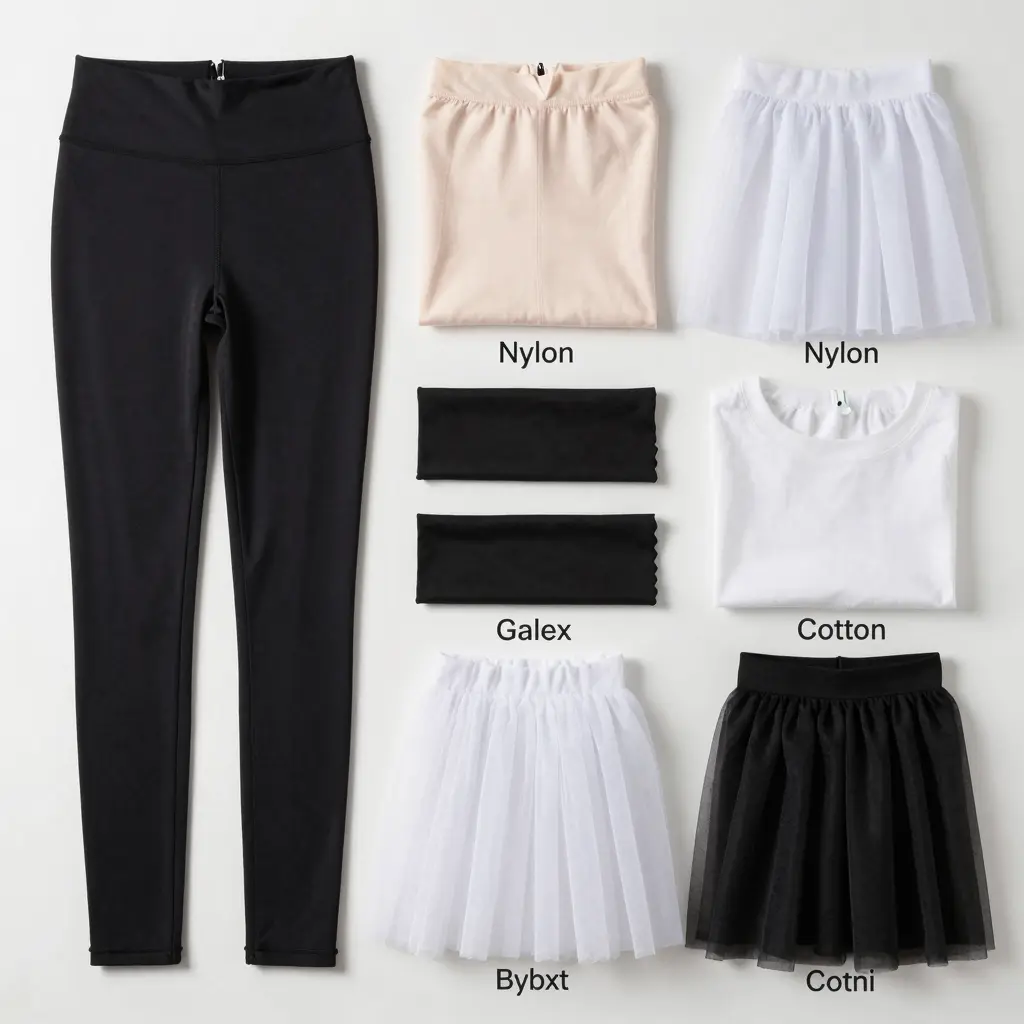
By following these tips, business owners can select high-quality materials that enhance the performance and appearance of leggings and tutus, ultimately leading to greater customer satisfaction and brand loyalty. For more inspiration on product offerings, check out the romantic tutus that blend style and performance beautifully.
The Importance of Proper Dancewear
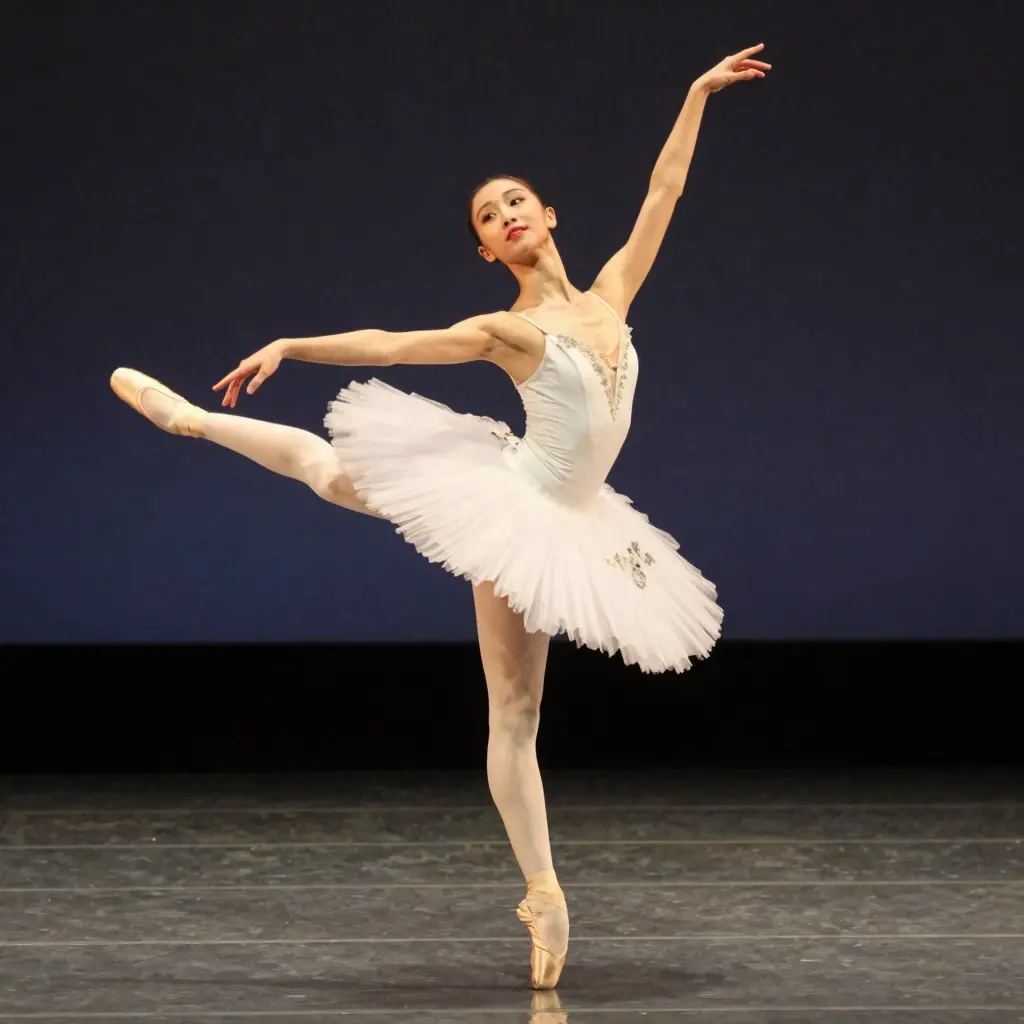
When it comes to dance, the attire can significantly influence performance. Many experts underscore the importance of wearing the right clothing. According to a blog by Dance America, “Proper dancewear enhances comfort, flexibility, support, and confidence, significantly contributing to improved performance on the dance floor.” This statement emphasizes how appropriate attire aids dancers in executing techniques and expressing themselves effectively.
- Comfort: Allows the dancer to focus on movements without distraction.
- Flexibility: Essential for achieving various poses and techniques.
- Support: Helps prevent injuries by ensuring the dancer is secure in their movements.
- Confidence: The right outfit can boost a performer’s self-esteem, affecting their overall stage presence.
For business owners in the dancewear industry, understanding these facets of dance clothing can help in selecting the best offerings for customers. Explore our collection of professional tutus to find high-quality options that resonate with dancers and their performance needs: Professional Tutu Collection.
Conclusion: The Significance of Quality and Comfort in Leggings and Tutus
In the world of fashion, particularly when it comes to functional clothing like leggings and tutus, the importance of quality and comfort cannot be overstated. Quality materials not only enhance durability but also ensure an optimal fit, which is crucial for active individuals and performers alike. High-quality leggings, for instance, provide essential support and comfort, making them perfect for activities ranging from yoga to casual outings. They allow freedom of movement without compromising on style, creating a reliable foundation for any wardrobe.
Equally, tutus serve a dual purpose as both an essential piece for dancers and a fashionable item for various events. The right tutu not only boosts confidence but also enhances performance, as it’s designed to allow for a wide range of motion. Investing in well-made tutus can transform the dancing experience, inspiring creativity and grace.
For business owners, recognizing the need for these qualities in your product offerings is vital. It not only improves customer satisfaction but also drives brand loyalty. At luneballet.com, we pride ourselves on providing products that merge comfort with aesthetic appeal, ensuring both dancers and casual wearers can enjoy the best of both worlds. Explore our selection of professional and romantic tutus, perfect for both performance and style in any setting.