
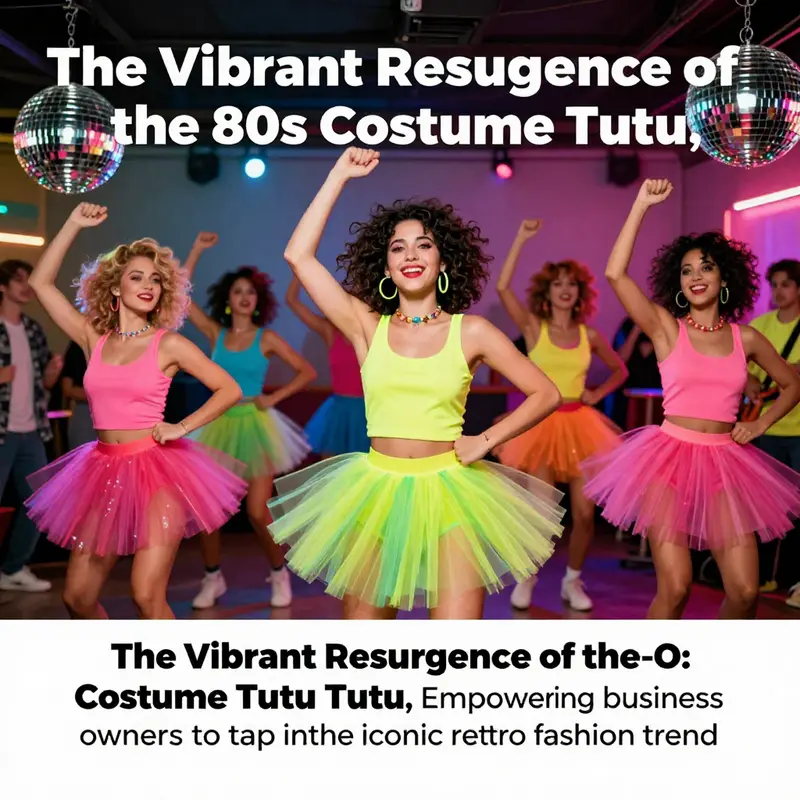
The 80s costume tutu has surged in popularity, becoming a staple for retro-themed parties and events. This fascinating piece encapsulates the spirit of a vibrant decade marked by exuberance and visual excitement. Business owners have a unique opportunity to leverage this trend, appealing to customers looking for memorable outfits for various occasions. In the following chapters, we’ll explore the iconic status of 80s costume tutus, delve into their material and design nuances, and offer styling tips that ensure consumers can complete their retro looks effectively.
Neon Clouds in Tulle: Reclaiming the 80s Costume Tutu as a Bold, Modern Statement
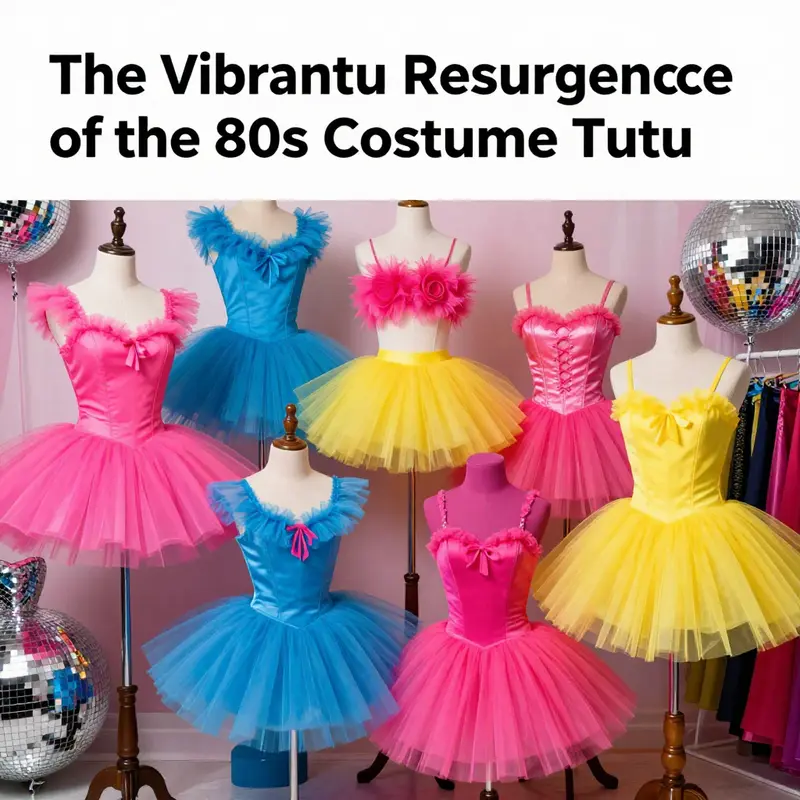
The 80s costume tutu occupies a singular niche in fashion history. It is not merely a dress or a party garment; it is a sculpture in motion, a wearable exclamation that invites light, movement, and a certain fearless joy. In the era’s crowded streets and neon-lit clubs, the tutu rose from the dance floor into the cultural imagination as a symbol of exuberance. Its silhouette—voluminous, multi-layered, and designed to catch air and camera flashes alike—captured the decade’s appetite for spectacle. The color stories that defined the time—electric pinks, blazing blues, and daring yellows—were not simply hues but signals. They announced a mood: a willingness to be seen, to stage a persona, to mix what might have been considered high fashion with the street-ready energy of disco and pop culture. The 80s tutu, with its cloudlike layers of tulle, became a centerpiece for a broader aesthetic of celebration, even when worn outside a formal setting. This chapter traces how that iconic piece remains relevant today, not as a relic but as a living, adaptable element of retro-inspired style that can be both nostalgic and forward-looking.
At its core, the 80s style women’s puffy tutu skirt is about structure and air. The construction relies on lightweight tulle, arranged in multiple delicate layers that create a three-dimensional hemline, a featherweight sculpture that moves with the wearer rather than weighing them down. The fabric choice matters as much as the shape; tulle provides that breathy, cloudlike volume that reads as playful from a distance and chic up close. In the hands of designers and enthusiasts, these skirts are not mass replicas but canvases. The layers can be tuned for fullness, the hem can be altered for length, and the color story can be intensified or softened to suit different events. This flexibility is essential in translating a retro icon into contemporary wardrobes. In practice, the tutu becomes a versatile focal point that can anchor a look across a spectrum of contexts—from a themed party to a performance, to a bold street-style moment.
The visual punch of the tutu is inseparable from its color language. The neon palette that defined the era’s fashion is not a simple embellishment; it is an attitude. Fluorescent pinks, electric blues, and bright yellows do more than catch the eye—they energize the silhouette, turning movement into a display of vitality. When a skirt is layered in these tones, it automatically becomes a conversation piece, inviting pairing with tops that range from metallic crop tops to sequined hoodies, from simple black tees to glam chunky knits. The high-contrast combinations flirt with the era’s love of gadget-like accessories and amplify the wearer’s personality. The effect is not merely nostalgic; it is a revival that invites contemporary audiences to remix the look with new textures and comfort-focused design tweaks. The result is a tutu that can feel both retro and fresh in the same moment, a duality that helps explain its enduring appeal.
In practice, styling a modern 80s tutu leans on balance as much as bravura. The silhouette begs for a careful mix of volume and restraint. A compact top, whether it is a cropped tee, a mesh layer, or a satin shell, allows the tutu to become the star without swallowing the whole outfit. On the bottom, high-waisted pants or slim silhouettes can ground the look, creating a juxtaposition between the cloudlike skirt and a streamlined base. Accessories become the punctuation marks: a broad belt that cinches the waist, a set of oversized bracelets, or a bold pair of earrings that catch the light as you move. The era’s signature legwear—fishnet patterns, opaque tights, or even shiny leggings—can further reinforce the theme without tipping into costume-y overtness. Importantly, the tutu’s versatility invites experimentation. A fluorescent or metallic short tank top can instantly energize the ensemble, while pairing the skirt with sequined wide-leg pants or retro denim can create a bold, eclectic mix that feels modern and intentional rather than simply retro.
From a construction standpoint, modern reinterpretations of the 80s tutu emphasize comfort without sacrificing silhouette. Advances in fabric technology—breathable blends, stretchable elastics, and lighter weaves—allow the multi-layered look to sit comfortably on diverse body types for extended wear. Adjustable waists, often found in contemporary tutu designs, make the piece flattering for a wider range of figures, supporting the kind of hourglass or figure-eight silhouette that many wearers seek. This inclusivity is not an afterthought but a core element of present-day design philosophy. The ability to accommodate different torsos and hip lines means the tutu can become an everyday vintage statement rather than a onetime event garment. The result is a piece that invites repeated wear, allowing individuals to explore a spectrum of expressions from celebratory party looks to more subdued, refined versions that still carry a wink of the 80s flair.
The revival of the 80s tutu has found a fertile home in online marketplaces and set-piece wardrobes. Platforms that curate retro-inspired sets now frequently feature modular tutu components that can be combined with detachable skirts, adjustable waistbands, and coordinated accessories. The modular approach makes the look more approachable for newcomers while maintaining a sense of authenticity for seasoned enthusiasts. Buyers appreciate the flexibility to tailor the piece to different occasions— Halloween disguises, dance performances, or themed weddings—without sacrificing comfort or fit. The evolving marketplace also reflects a broader shift toward inclusive sizing and adaptive materials. The modern tutu, in its many forms, is designed to be flattering across diverse body types, a welcome departure from earlier versions that could feel more rigid or costume-like. Customer feedback highlights the value of fit and comfort; reviewers note that despite the dramatic volume, the skirt can feel light and wearable all evening. The modern tutu becomes less about donning a rigid costume and more about inhabiting a playful, confident persona.
In this moment of retro revival, the tutu also demonstrates how fashion exits the closet to become an experiential element. It appears in home decor and digital art, where neon hues and sequined silhouettes echo the era’s energy. Neon signs, colorful LED panels, and disco-inspired lighting often incorporate the tutu’s visual motifs, creating environments that feel like stepping into a memory theater of the 80s. This cross-pollination between clothing and setting broadens the tutu’s reach beyond wardrobes. It positions the piece as part of a broader lifestyle aesthetic—one that celebrates color, light, and kinetic joy. In design-driven spaces, a stylized tutu motif can anchor a room’s color story or serve as the centerpiece of a retro photo setup. The effect is not only nostalgic; it also enables a fresh sense of immersion, allowing fans to curate spaces that reflect their favorite era while wearing garments that honor its spirit.
As the look circulates through social platforms and fashion feeds, it remains important to consider accessibility and inclusivity. The modern 80s tutu benefits from sizing that spans from small to extra-large and beyond, with waist adjustments and flexible fabrics that adapt to many figures. The objective is not to force a single hourglass ideal but to enable all personalities to inhabit the silhouette with confidence. This openness resonates with current fashion wisdom: style is a personal language, and retro pieces like the tutu offer a language with many dialects. When a wearer can choose the length, the fullness, and the color intensity, the piece becomes a language one can speak in their own unique way. The tutu thus supports a spectrum of expressions—from a quick, party-ready look to a performative, stage-ready ensemble that relies on the same silhouette whose appeal first took hold decades ago.
For modern shoppers seeking a ready-made solution without losing the couture feel, many 80s tutu sets arrive as a thoughtfully coordinated package. A complete set may include the tutu skirt, a mesh top, leg warmers, and a curated set of accessories. The idea is to offer versatility while preserving the core nostalgia of the era. The practical benefits are clear: detachable components can simplify travel and storage, adjustable features accommodate shifting body shapes, and diverse color options allow the wearer to mix and match with existing wardrobe pieces. In a time when many want to recreate an authentic party mood without committing to a full-scale recreate, these modular sets provide a practical pathway to a polished look that still feels intentionally retro. The emphasis is on livability: a piece that carries the aura of the 80s but remains comfortable for modern schedules, enabling wearers to perform, pose, and party with ease.
Beyond the garment itself, the 80s tutu has become a reminder that fashion can be an inclusive, celebratory form of self-expression. The decade asked people to push boundaries, to blend glamour with grit, to improvise with color and texture. The tutu embodies this spirit in a single garment: it can be delicate and bold at once, theatrical and wearable, a performance piece and a personal accessory. Today’s reinterpretations honor that legacy by leveraging technology, inclusive sizing, and design thinking that centers comfort as an equal partner to style. The result is a piece that feels less like a costume and more like a bold choice—a daily invitation to celebrate individuality through color, volume, and movement. And while the look is unmistakably nostalgic, its modern iterations prove that retro fashion can be both a tribute and a forward-looking statement, a bridge between past bravado and contemporary practicality.
For readers exploring how to incorporate this emblem of the era into their own wardrobes, a practical path lies in starting with a strong color base and a controllable silhouette. A vivid tutu can anchor a look, while a neutrally toned top allows the color to become the message. The idea is to let the tutu be the focal point, with accessories chosen to complement rather than compete. A single bright hue can offer dramatic impact, while complementary metallics—think silver or gold—can add a touch of stage-ready glamour without watering down the neon energy. The goal is not to imitate the past but to inhabit it with intention, to borrow its bravery and adapt it to fit today’s fabrics, fits, and social settings. In that sense, the 80s tutu is not a relic to be stored away; it is a living, evolving piece that invites experimentation, performance, and personal storytelling.
To illustrate how a modern interpretation can be both affordable and flattering, consider the contemporary market’s emphasis on high-elasticity waistbands and multi-layered tulle in accessible colorways. The five-layer construction, for example, remains a hallmark of the style’s fullness, while a stretch waistband ensures comfort and security during movement. The color options—ranging from hot pink to electric blue—allow wearers to create contrasts or harmonies with tops, shoes, and accessories they already own. The practical elements—inner elastic bands, secure fits, and durable stitching—make the tutu not just a costume piece but a reliable garment for performances, events, or themed gatherings. In short, today’s tutu blends the best of both worlds: the exuberant silhouette and color psychology of the 80s with the performance-ready, cross-season practicality demanded by contemporary wardrobes.
For those drawn to the culture surrounding the era, the tutu also carries a storytelling authority. It speaks of club nights where the glow of neon signs bounced off sequins, of dance floors where energy melted into motion, and of music videos that celebrated bold, aspirational identity. This cultural density helps explain why the tutu has endured as a symbol of playful rebellion and confident self-presentation. It is not merely an item of clothing but a small, portable stage on which people can project personality, mood, and narrative. The modern tutu is thus both an homage and an invention—a garment that acknowledges its origins while inviting new audiences to participate in the same moment of delight and audacity.
In terms of sourcing and consumer culture, the contemporary tutu scene reflects a broader principle: fashion thrives when it offers flexibility and storytelling. The tutu’s capacity to be detached from any single occasion—be it a Halloween gala, a dance recital, a wedding guest look, or a vintage-inspired street style moment—demonstrates its adaptability. It remains economical yet aspirational; accessible enough for a casual party while still capable of producing a striking, performance-ready silhouette. The result is a garment that invites experimentation without demanding conformity. Those who want an eye-catching piece that can travel through multiple contexts will find a modern tutu particularly compelling, because it anchors a wide range of outfits while preserving the aura of the 80s that so many still find irresistible.
For readers seeking a practical starting point, consider exploring a curated option that emphasizes quality, color, and fit. A modern set might offer a detachable tutu component paired with a breathable top, designed for comfortable wear across hours of activity. The emphasis on adjustable waists ensures a plush, secure fit that remains flattering for different body shapes. The combination of full-volume tulle, vibrant color choices, and careful construction makes it possible to achieve a convincing 80s look without the heavy, restrictive feel of some vintage outfits. The result is a fashion memory that can be worn with confidence, turning a retro fascination into a personal style statement that travels beyond the party and into everyday expression.
For those who want a concrete example of how these elements come together in today’s market, a contemporary shopping experience often presents a spectrum of options. The tutu skirts commonly appear with a spectrum of coordinating tops and accessories, enabling a complete look with minimal effort. The waistband’s elasticity, the layering of tulle, and the choice of color all contribute to an ensemble that reads as authentic yet refreshingly current. It is this balance—between homage and invention—that keeps the 80s tutu a dynamic piece. It is both a capsule of a time and a tool for crafting new identities. As designers continue to refine fabrics, sizing, and wearability, the tutu’s appeal will likely persist, inviting ever more people to stage their own neon-drenched moments with confidence and comfort.
To connect this discussion to practical options for those who want to explore the look further, a modern example of an 80s-inspired set demonstrates how the era’s signature silhouette can be kept playful while staying wearable. The design principle remains simple: maximize volume through layered tulle, ensure a secure, adjustable waist, and offer a color palette that can be layered with contemporary tops and accessories. The resulting outfit can feel both retro and immediate, offering a tactile reminder of an era celebrated for its audacity and color. The tutu thus becomes more than a costume; it becomes a catalyst for personal expression, one that invites wearers to inhabit a mood and a memory with equal parts enthusiasm and practicality.
For those seeking direct links to current content that echoes this chapter’s themes, consider exploring a modern interpretation that foregrounds adjustable waistbands and modular components. This approach aligns with the broader trend toward customizable partywear that remains comfortable through long hours of activity. The combination of flexibility, color, and fullness makes the tutu a versatile anchor for a range of retro-inspired looks, from the spirited club night to the more formal theater setting. In sum, the 80s costume tutu endures because it offers a scalable, adaptable silhouette that can be embraced by a broad spectrum of wearers while still signaling a distinct, exuberant epoch. It remains a popular choice for those who want to honor the past without surrendering to the constraints of vintage formality, and it continues to enchant those who value performance, playfulness, and personal storytelling in fashion.
External reference: https://www.alibaba.com/product-detail/80s-Costume-Women-Sets-with-Tutu-Skirt_1600547839572.html?src=google&spm=a2700.gallery-1000001.0.0
Neon Clouds on the Dance Floor: The Material, Silhouette, and Visual Pulse of the 80s Costume Tutu
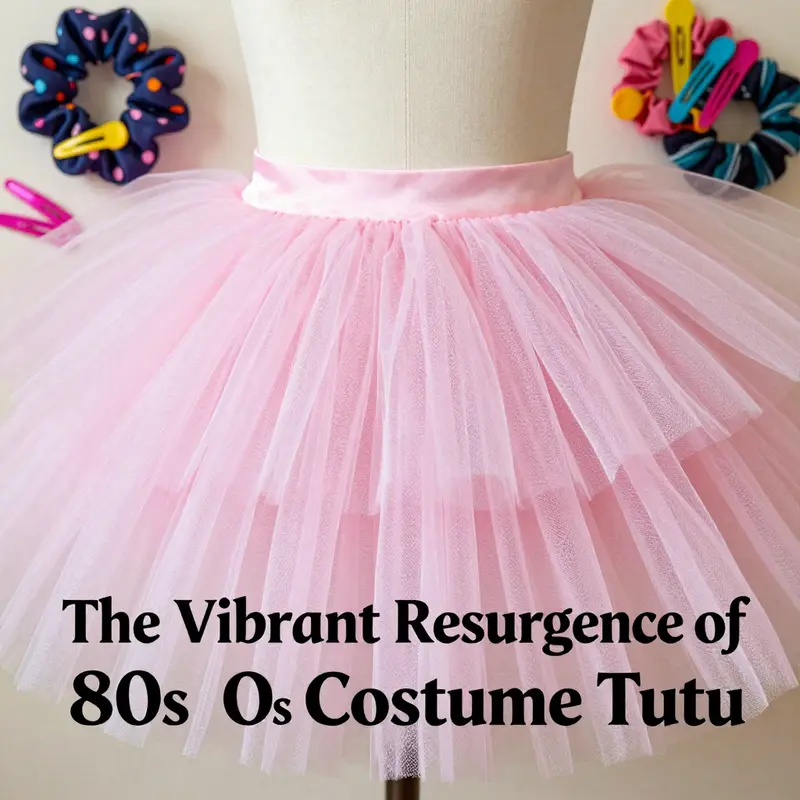
The 80s costume tutu sits at once as a garment and as a cultural artifact, a tangible reflection of a decade that celebrated excess, energy, and spectacle. Its most distinctive feature—a full, buoyant silhouette created by layers of delicate fabric—reads as a visual shout from a era when fashion was less about restraint and more about making a statement. When you think of the 80s tutu, you imagine a cloud that moves, catches light, and responds to the beat, turning a room into a stage and a party into a performance. The garment’s charm lies not merely in its shape but in the way its construction invites both bold display and a surprising degree of practicality. Modern versions honor that paradox by pairing theatrical flutter with approaches that honor comfort, mobility, and wearability across a spectrum of occasions. In this lineage, the tutu becomes less a costume component and more a portal to a living, breathing retro moment, capable of morphing from nightclub shimmer to wedding guest elegance without losing the electric zing that defines the decade.
At its core, the 80s tutu is about volume achieved through careful fabrication. The layers of tulle or similar lightweight fabrics are cut in varying degrees of stiffness and length to produce a silhouette that fans outward in a generous halo. This structure creates an immediate, almost cinematic impression; from a distance, the garment radiates light and energy, and up close, the fabric reveals its factory-made precision—stitching that keeps layers aligned, hems that maintain a circular, even edge, and waistbands designed to stay in place during movement. The tactile appeal of the material matters just as much as the shape. Tulle’s airy texture catches air with every step, every spin, amplifying the sense of buoyancy that defines the look. In practice, that buoyancy is why the tutu behaves so differently in a club setting versus a ballroom or stage performance. On a dance floor, the layers respond to centrifugal force, lifting and settling with the tempo of the music; in a theatrical or Halloween context, they exaggerate every gesture, making even small motions appear choreographed by an unseen cast of light and sound.
Fabric technology has grown alongside style, and modern interpretations of the 80s tutu benefit from advances that improve fit without sacrificing the iconic silhouette. A straightforward satin-bound tulle can be transformed by incorporating stretchable blends, such as spandex-polyester or lycra-infused weaves, which introduce elasticity and breathability. The aim is not to erase the tutu’s signature stiffness entirely but to temper it with mobility. The result is a garment that feels holdable and vibrant, yet comfortable enough to wear for extended periods, whether that means dancing through a party, performing on stage, or simply posing for a retro photo in a crowded venue. The waist, in particular, receives careful attention. An adjustable or elastic waistband helps accommodate diverse body types and fluctuating movements, ensuring the tutu remains centered and stable even during rapid turns or energetic posing. The comfort of the waistband translates into confidence, and confidence, in turn, intensifies the visual impact of the entire look.
Design-wise, the 80s tutu is a study in color, contrast, and ornament. Neon palettes dominate, with hot pinks, electric blues, lime greens, and electric purples creating a high-voltage chorus that mirrors the era’s obsession with visibility and immediacy. These colors are not mere decoration; they act as signals. They communicate mood, tone, and the nature of the event—party, performance, or festive gathering—without a single word. Layering also invites opportunity for embellishment. Sequins, glitter, lace overlays, and even LED accents have found their way into contemporary designs, amplifying the tutu’s stage presence under lights or in dimly lit rooms. The LED option, while not ubiquitous, speaks to a modern fusion of nostalgia and technology: a tutu that literally glows with the tempo of the night. Such features are rarely necessary for everyday wear, but they propel the tutu into the realm of performance art, where motion is the primary partner of color and light.
The silhouette remains the quiet hero of the design. A multi-layered, circular hem creates the recognizable “cloud” effect that defines the 80s look. Each layer is pinned and gathered to a midline, often with subtle variations in length to generate depth and dimension. The layers do not simply add mass; they modulate light and shadow across the fabric, casting soft gradients that shimmer with movement. This dynamic is essential for both the camera and the eye. On stage, the tutu catches the brightest spotlights, turning even brisk stomps into sequences of luminous swirls. In a party environment, the same layers offer movement that photographs beautifully, producing images of kinetic glamour rather than a flat color swath. The result is a garment that does more than cover—it animates, it reveals, and it interacts with the space around it.
Aesthetics aside, the 80s tutu embodies a philosophy of wearability that resonates today. Pop performances and disco traditions of the era demonstrated how a striking silhouette could be paired with adaptable tops and accessories to produce a complete, bold persona. Contemporary styling guidelines continue this heritage by encouraging juxtaposition: a neon tutu paired with a metallic or fluorescent top can instantly re-create the iconic mood, while more subdued tops allow the tutu to be the sole engine of color and energy. The styling language remains playful but strategic: a large scrunchie to echo the era’s hair trends, bead necklaces that shimmer against the skirt’s glow, fingerless gloves, and headbands that echo the bright, almost carnival-like spirit of the time. In practice, the tutu becomes a canvas on which the wearer can paint a character—confident, flamboyant, and ready to engage with the audience as if the year 1985 had leapt into the present.
From a manufacturing perspective, the tutu’s construction embodies a balance between artistic ambition and practical realities. The layers must be evenly distributed to avoid a lop-sided look, yet they must also be forgiving enough to accommodate different arm, hip, and torso dimensions. The waistband plays a pivotal role in that balance. It anchors the silhouette while absorbing movement, which prevents the garment from slipping or riding up during spins. Durability is also part of the design equation. While the tutu is inherently delicate, careful seam construction and reinforced hems prolong wear. For performers and party-goers alike, care instructions matter as much as style. Gentle washing, line drying away from direct heat, and avoiding harsh agitators help preserve the fabric’s softness and the crispness of the gathered layers. When cared for with attention, a tutu can endure more than one season of performances and party seasons, evolving from a single night’s centerpiece to a lasting retro keepsake.
The cultural resonance of the 80s tutu extends beyond its fabric and form. It is a symbol of an era that celebrated pop culture icons, dance floor rituals, and television moments that defined the public imagination. The silhouette’s drama mirrors the maximalist attitude of the decade, while the color stories reflect a shared nostalgia for a time when media unleashed bright, almost tactile, experiences. The tutu’s adaptability ensures it remains relevant as a part of both group cosplay and individual expressions of retro style. It can anchor a group costume that nods to music videos and nightclub aesthetics or stand alone as a throwback piece that pairs with contemporary outfits for a fashion-forward party look. In either case, the tutu communicates a story about color, movement, and performance—the core elements that defined the decade’s visual culture and that continue to inspire designers, performers, and vintage enthusiasts today.
It’s worth noting that the practical versatility of the 80s tutu invites its use in contexts that extend beyond strictly retro events. Halloween, where accuracy may give way to spectacle, is a natural fit for the more flamboyant versions. Dance performances, especially those that lean into choreography with a wink toward the era’s disco and pop influences, benefit from the garment’s emphasis on motion and rhythm. For other occasions—like wedding guest attire or themed theater productions—the tutu can anchor a look that balances novelty with crowd-pleasing charm. The key to successful styling is harmony: the tutu should sing, not shout, and the rest of the outfit should provide a complementary orbit of color and shape so the wearer remains both seen and comfortable.
The fashion dialogue surrounding the 80s tutu also invites reflections on sustainability and care in a modern context. The garment’s airy, multi-layered construction invites questions about fabric sourcing, disposal, and longevity. Designers are increasingly attentive to the lifecycle of the materials used. Recyclability, responsible dye processes, and durability all influence contemporary choices. For wearers, choosing a tutu with a longer lifespan—whether through sturdy internal constructions, breathable fabric blends, or waistbands designed for repeated use—can transform a nostalgic impulse into a responsible and satisfying purchase. This is particularly relevant for those who view the tutu not merely as a costume but as a collectible piece of style history. The idea of collecting retro fashion becomes more nuanced when the wearer contemplates wearability, care, and the garment’s capacity to travel across events and seasons without losing its essential vitality.
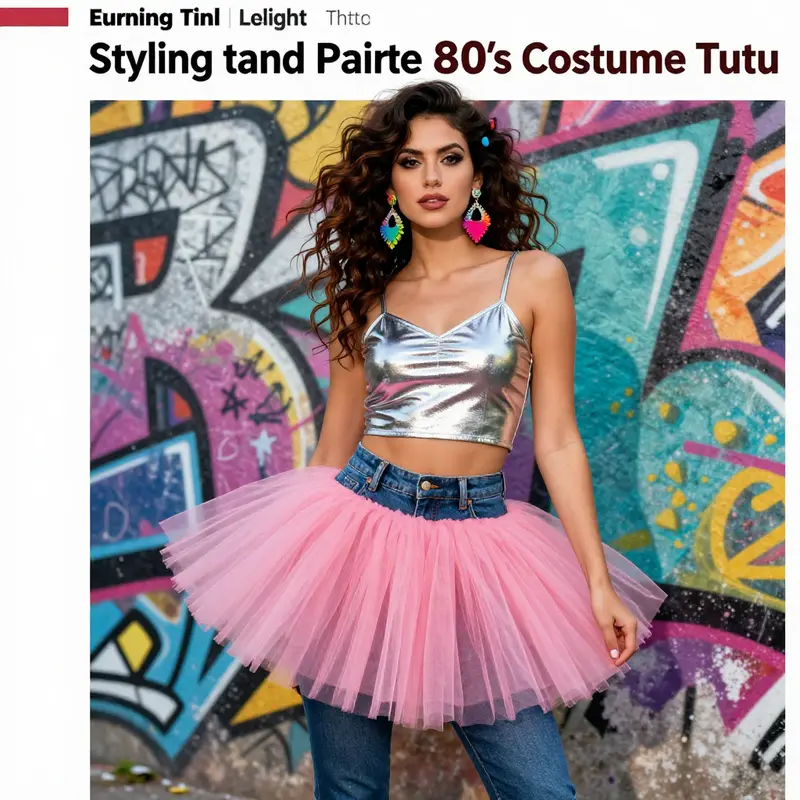
Styling advice for the modern wearer often centers on balance. The tutu’s exuberant volume can be tempered with sleek, compact tops that emphasize the waist and torso, or with structured jackets that provide contrast to the soft, airy layers. Metallic fabrics or glossy finishes on the top can echo the tutu’s own brightness, while darker jeans or streamlined leggings offer a contemporary counterpoint that makes the outfit more versatile for everyday wear. Accessories, while abundant in the era’s style vocabulary, should be chosen with care. A single bold accessory can be enough to anchor the look, while multiple elements might overwhelm the silhouette. The goal is to maintain a sense of proportion: let the tutu be the stage, and let the rest of the ensemble frame that stage without crowding it.
Within the broader arc of retro-inspired fashion, the 80s tutu functions as a reminder that exaggeration can be a form of clarity. The silhouette makes a statement with minimal intervention; it requires no clarification beyond the innate language of color and form. This clarity is part of the charm—the tutu speaks in a universal fashion grammar that crosses age, body type, and occasion. It invites an audience to read a moment of history as a present tense, to feel the energy of neon-lit nights and MTV-inspired bravado, and to reinterpret that energy in a wearable, joyful way. Even as contemporary design teams push toward sleeker, more subtle silhouettes for everyday life, the tutu’s legacy remains intact. It continues to illuminate the dance floor, the stage, and the party with a sense of wonder—a reminder that fashion can be both a wink to the past and a leap into the now.
For readers who want to explore the tactile side of the design, consider the way a five-layer construction behaves on movement. Each layer adds not only volume but also a rhythm to the fabric’s flight. The sheer surface of the tulle catches light differently as the wearer moves, producing a shimmering, imperfect halo that no single layer could achieve on its own. The layering technique is a careful art, balancing mass and air so that the tutu remains buoyant yet manageable. In practice, this means the wearer experiences a fabric that feels light, almost weightless, even while its presence is unmistakable. The effect is not merely visual; it is kinetic—the garment becomes a partner in motion, translating the tempo of music into a visible, tangible form that audiences can experience as much as see.
As the chapter closes its current loop, the 80s tutu appears less as a fixed relic and more as a living design organism. It thrives on reinterpretation, on the dialogue between neon ambition and the realities of modern wearability. It invites curation rather than imitation, encouraging people to weave their own nostalgic narrative through color choices, fabric blends, and accessory selections. The result is a garment that preserves the spirit of the era while inviting new audiences to engage with it in fresh, personal ways. In this sense, the 80s costume tutu is not a museum piece but a flexible, enduring instrument of style—one that can be tuned to the wearer’s mood, the event’s context, and the ever-changing tempo of contemporary life.
To anchor this discussion in a practical vein, consider how one real-world example of a tutu can illuminate the design logic described here. A neon pink multi-layered skirt with a high-elasticity waistband demonstrates the core principles: dramatic volume through layered tulle, a secure yet comfortable fit, and color that instantly signals the intended mood. This kind of garment makes clear how the decade’s aesthetics translate into something wearable today. For readers curious to see how such a design translates into a specific product page, the linked example pink girls women performance ballet tutu showcases a contemporary interpretation that echoes the same design DNA without claiming to reproduce the exact past. It serves as a practical reference point for understanding how the era’s silhouette and color theory persist in today’s market, while remaining mindful of the need to adapt for comfort and modern styling sensibilities.
This chapter’s exploration thus threads together the materiality of fabric, the drama of silhouette, and the cultural resonance of the 80s tutu. It foregrounds how the garment’s layered construction creates a powerful presence, how vivid color palettes translate mood, and how contemporary innovations sustain wearability without erasing the charm of the original look. In doing so, it situates the tutu as a hinge between celebration and performance—a piece that both honors a past and invites new expressions of personal style. The result is not nostalgia alone but a dynamic, evolving form that continues to invite experimentation, movement, and playful reinvention on stages, parties, and everyday wardrobes alike.
External reference for further context on contemporary neon-tinted tutu styling and its reception in modern crowds can be found here: https://www.funshack.com/80s-tutu-costume-for-women-pink-1980s.html.
null
null
Final thoughts
As the nostalgia for 80s fashion continues to influence current trends, the 80s costume tutu serves as a lucrative niche for business owners. By understanding its iconic status and design specifications, as well as effective styling strategies, entrepreneurs can successfully cater to consumers eager to embrace vibrant retro aesthetics. Capitalizing on this trend provides an avenue for creativity and growth in any fashion retail business.