
Introduction
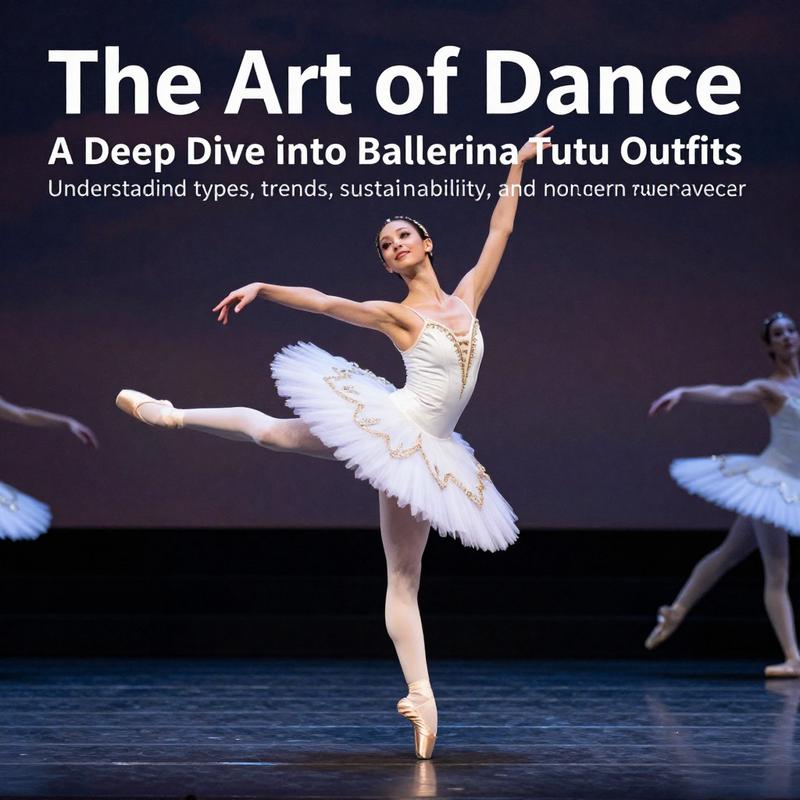
Ballerina tutu outfits are more than just dance wear; they are a blend of artistry, fabric technology, and evolving fashion trends. This article explores the diverse types of tutus available today, examining their unique structures and purposes. It also delves into the popular balletcore trend, which merges functionality with high fashion, showcases how sustainable practices are influencing tutu design, and highlights the cultural importance of tutus in contemporary style. Each chapter will illuminate a different aspect of this iconic attire, providing insights for business owners looking to navigate this dynamic market.
Tables of Contents
Chapter 1: Elegant Transformations: The Artistry of Ballerina Tutus
- The Enchantment of the Romantic Tutu: A Deep Dive into Structure and Significance
- The Bell Tutu: A Harmonious Blend of Elegance and Freedom in Dance Attire
- The Art of Grace: Exploring Pancake and Platter Tutus in Classical Ballerina Wear
Chapter 2: The Impact of Balletcore on Ballerina Tutu Outfits: Fashion Meets Function
- The Fusion of Fashion and Function: How Modern Materials are Redefining Ballerina Tutu Outfits
- Balletcore’s Economic Influence: Redefining Market Trends in Ballerina Tutu Outfits
- The Cultural Shift in Fashion: Balletcore’s Influence on Ballerina Tutu Outfits
Chapter 3: Embarking on an Eco-Friendly Journey: Sustainable Practices in Ballerina Tutu Design
- Embracing Eco-Conscious Fabrics: A New Era for Ballerina Tutu Outfits
- Crafting Elegance Sustainably: Advanced Techniques in Ballerina Tutu Production
- Cultivating a Circular Fashion Culture Through Ballerina Tutu Sustainability Practices
Chapter 4: Cultural Significance and Contemporary Adaptations of Ballerina Tutu Outfits
- Transforming the Ballerina Tutu: A Journey from Dancewear to Fashion Must-Have
- The Emotional and Aesthetic Depth of Ballerina Tutu Outfits in Modern Style
- Balletcore Revolution: Transforming Ballerina Tutus for Modern Wardrobes
Chapter 1: Elegant Transformations: The Artistry of Ballerina Tutus

1. The Enchantment of the Romantic Tutu: A Deep Dive into Structure and Significance
The Romantic tutu stands as a mesmerizing symbol of ballet’s evolution, highlighting the art of movement and the expressive potential of dance attire. Originating during the 19th century, this tutu marked a significant shift away from the weighty, multi-layered garments that previously constrained performers, giving way instead to a lighter, ethereal fabric that emphasized grace and the illusion of flight. Characterized by its long, flowing silhouette that extends just below the knee or mid-calf, the Romantic tutu embraces materials such as muslin, tulle, and organza, which exude a delicate charm.
Unlike the more structured classical tutu, which is designed with stiff layers to create dramatic volume and rigid shapes, the Romantic tutu is a celebration of fluidity. Its design often features a layered assembly of soft fabrics gathered at the waist, enabling a free fall and a gentle bobbing movement that captivates the audience’s eye. This graceful effect is not merely a stylistic choice; it reflects the ideals of the Romantic era, evoking images of fantasy, ethereality, and the supernatural.
The significance of the Romantic tutu was solidified during historic performances that showcased its enchanting qualities. Marie Taglioni, one of ballet’s most influential figures, famously introduced this style to audiences in her performance of La Sylphide in 1832. Adorned in a long, white tutu that revealed her ankles, Taglioni personified the spirit of the Romantic ballet, elevating the expectations of what ballet could convey. This paradigm shift embraced both the focus on pointe work and the illusion of weightlessness, elements that would become hallmarks of the performance tradition. Taglioni’s adaptation signified an era where emotional expression and individual artistry were at the forefront, offering a newfound freedom of movement while maintaining an aura of mystery and elegance.
Structurally, the Romantic tutu depends on a design that prioritizes motion and visual lightness over the rigidity of later styles. The layered tulle serves not only to create a soft, undulating effect but also allows for dynamic choreography, making it essential for dancers to master their craft with precision and intentional grace. This playful yet sophisticated design embodies the essence of what Romanticism celebrated: an emotional depth, an imaginative escape, and an exploration of themes that transcend mere physicality.
However, the delicate nature of the Romantic tutu presented its challenges. With minimal internal support, dancers had to navigate the fine line of maintaining dignity while managing the skirt’s inherent transparency and volume. The design necessitated careful choreography; it was crucial to maintain poise and control to avoid unintended exposure. This intricate balance of form and function fueled dialogue about performance attire, leading eventually to the more structured classical tutus that emerged in its wake.
Despite its diminishing prevalence in contemporary performances, the Romantic tutu continues to resurface in modern interpretations of classic ballets. Directors and choreographers recognize its historical value, using the tutu to evoke a sense of nostalgia while introducing fresh interpretations. Its enduring beauty not only captivates the audience but also serves as a powerful reminder of ballet’s artistic roots.
The Romantic tutu thus occupies a special place within the tapestry of ballet history. It inspires a sense of enchantment that resonates with both dancers and viewers alike. For those looking to explore the tangible legacy of this exquisite costume further, the elegance and structural details of the Romantic tutu can be appreciated through offerings available at various ballet outfit suppliers. For example, one can discover a captivating array of professional costumes at your preferred dance outfit outlet, ensuring that the enchantment of ballet performance lives on through both tradition and innovation.
2. The Bell Tutu: A Harmonious Blend of Elegance and Freedom in Dance Attire
The bell tutu stands out as a captivating variant within the diverse universe of ballerina tutu outfits. Its unique silhouette—characterized by a flared, bell-like shape—creates a dramatic visual effect that is both eye-catching and poetic. Unlike the rigid classical tutu, which sits high at the hips and consists of a stiffened, compact skirt, the bell tutu offers a softer, flowing design that gently expands from the waist downward. This nuanced construction allows for a striking interplay between elegance and freedom of movement, making it an exceptional choice for performances that prioritize fluidity and grace.
At the heart of the bell tutu’s allure is its delicate layering. Typically crafted from soft tulle or lightweight fabrics, these tutus consist of multiple layers that are gathered at the waist, cascading down in graceful curves reminiscent of a bell’s shape. This design is particularly well-suited for modern choreographies, where the movements are often lyrical and expansive. Dancers favor the bell tutu for its ability to enhance their lines, creating an ethereal presence on stage without compromising their range of motion. This characteristic is essential in contemporary ballets such as Giselle or Swan Lake, where the narrative often centers around themes of lightness and transcendence.
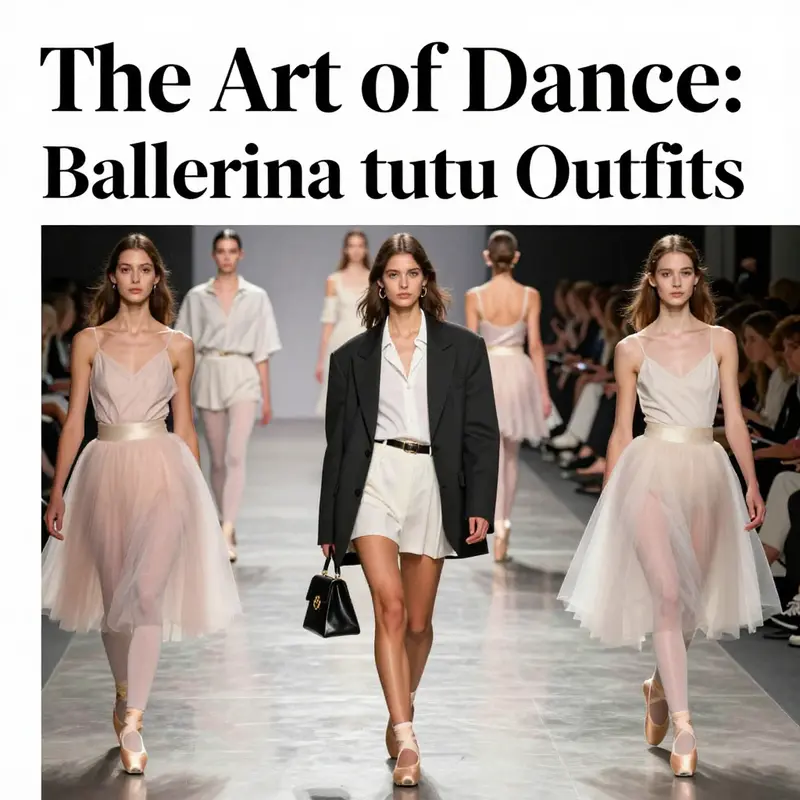
The versatility of the bell tutu does not end at the stage; it has also begun to carve out a space in the fashion world. Influenced by the balletcore aesthetic that has surged in popularity on social media, designers are drawing inspiration from the bell tutu’s refined shape, often incorporating its elements into everyday fashion. This trend reflects a broader cultural shift towards blending dance-inspired elements with everyday attire. For instance, an oversized blazer paired with a sleek, flowing bell tutu can transform a casual outfit into a statement of artistic expression. Such creative pairings celebrate the inherent femininity and movement that the tutu encapsulates.
A testament to its aesthetic appeal can be seen on platforms like Pinterest, where the “Bell Tutus” board by Tutu Classique showcases a variety of interpretations. Each entry illustrates the versatile artistry that can be achieved with this style, highlighting innovative concepts in color and fabric combinations. The bell tutu provides a canvas for designers to explore their creative impulses, allowing them to experiment with embellishments and patterns that bring a modern twist to this traditional garment. This adaptability to contemporary tastes ensures that the bell tutu remains not only relevant within dance circles but also presents a compelling option for those navigating the fashion landscape.
In the world of performance, the bell tutu balances beauty with practicality, making it a staple in today’s repertoire. The soft voluminous look it offers can enhance choreography, allowing dancers to enact sweeping movements that evoke emotions and narrative depth. Dancers who prefer a more active style of expression often find the bell tutu preferable, as it can turn dynamic physicality into an aesthetic marvel without hindering performance. This functional beauty gives dancers the freedom to showcase their artistry while maintaining the integrity of their craft.
As the line between traditional ballet attire and modern fashion continues to blur, the bell tutu exemplifies this intersection. Through its flowing form, it reflects both the weightlessness of ballet and the artistic intentions of contemporary creators. Whether featured on the stage or as part of an ensemble, the bell tutu remains a poignant symbol of grace and artistry. The ability of this style to resonate across various mediums emphasizes its significance in the broader narrative of ballerina tutu outfits.
In light of the ongoing emphasis on style and sustainability, the bell tutu could further evolve with eco-friendly materials, following the current fashion trends that prioritize responsible production methods. Dancers and fashionistas alike are increasingly mindful of the environmental implications of their choices, prompting a movement toward garments that offer both beauty and consciousness.
Thus, as we evaluate the tapestry of ballerina tutu outfits, the bell tutu’s charm lies not only in its visual aesthetics but also in its rich potential for expression, allowing dancers and wearers to embrace their identities with elegance and creativity.
3. The Art of Grace: Exploring Pancake and Platter Tutus in Classical Ballerina Wear
Within the realm of classical ballet, the tutu stands as a symbol of training, artistry, and dedication. Among the numerous styles, the pancake tutu and the platter tutu emerge as two distinct yet closely related types, each designed to highlight the dancer’s form and enhance on-stage presence. Both tutus share a hallmark of horizontal flair that accentuates the dancer’s movements, yet they diverge in design, functionality, and visual effect.
Pancake Tutu
The pancake tutu, aptly named for its flat, round appearance reminiscent of a pancake, has been an integral part of classical ballet since the late 19th and early 20th centuries. Its structure comprises multiple layers of soft tulle supported by metal or plastic hoops. These hoops create a rigid shape that extends horizontally from the dancer’s hips, forming a characteristic disc-like silhouette. Typically, the pancake tutu comprises layers that are delicately ruffled and pleated, adding depth and visual interest while maintaining an overall flat perspective.
This design allows for a remarkable level of freedom in movement. As dancers perform pirouettes or grand jetés, the tutu’s stiffened edges define their form and create a crisp outline that captures the audience’s attention. Often associated with timeless productions such as Swan Lake and The Nutcracker, the pancake tutu is a testament to the enduring elegance of Russian ballet styles. This classic design not only symbolizes the tradition of ballet but also embodies the technical precision required to make each performance truly memorable.
Platter Tutu
Much like the pancake tutu, the platter tutu employs multiple layers of tulle; however, it differs significantly in depth and aesthetic flair. The platter tutu adopts a flatter, more modern silhouette with a higher rise, resulting in a more pronounced visual effect akin to a sculptural plate. This design employs 10 to 12 layers—or even more—to create a wide and vivid profile that enhances the dancer’s dramatic presence on stage, making it ideal for solo performances and high-profile events.
The platter tutu is particularly well-favoured in modern ballet productions due to its capacity for grandeur and spectacle. This style often features intricate embellishments, such as sequins and embroidery, allowing for an even greater expression of artistry. Dancers wearing platter tutus often take center stage in productions such as the Royal Ballet’s Sleeping Beauty, where the outfit’s decorative richness amplifies the character’s role. The aesthetic appeal of the platter tutu invites admiration while retaining the core functionalities essential for graceful movement.
Differences in Functionality and Aesthetics
While both the pancake and platter tutus serve the purpose of enhancing a dancer’s silhouette, their application varies widely. The pancake tutu prioritizes function, serving a practical role in traditional ballet that emphasizes structure, enabling dancers to perform without hindrance. Conversely, the platter tutu leans toward a more dramatic representation, reflecting contemporary ballet’s evolution and the desire for visual extravagance.
Selecting between these tutus often boils down to the nature of the performance, the dancer’s personal style, and the desired impact onstage. A performer aiming for traditional roles may find the pancake tutu to evoke nostalgia, while modern interpretations and roles might necessitate the lavish storytelling inherent in the platter tutu.
As ballet continues to evolve, the affinity for both styles endures. Dancers still consider the pancake tutu a staple for classical pieces, while the platter tutu represents an evolution that balances tradition with contemporary demands for visual storytelling. In both instances, artistry remains prevalent, ensuring that every performance captivates and resonates with audiences. For those interested in exploring these designs further, platforms like Dada Tutu offer an extensive selection of high-quality tutus tailored to meet various artistic aspirations and performance needs.
Chapter 2: The Impact of Balletcore on Ballerina Tutu Outfits: Fashion Meets Function
1. The Fusion of Fashion and Function: How Modern Materials are Redefining Ballerina Tutu Outfits
As balletcore influences the fashion landscape, the conversation inevitably turns towards the technological aspects that enhance the timeless ballerina tutu outfits. This dialogue isn’t primarily about groundbreaking innovations like smart fabrics or complex robotics, but rather about subtle advancements in materials and construction techniques that make contemporary tutus more functional and appealing without sacrificing their artistic essence.
Modern tutu designs are crafted using lightweight and structured tulle blends that resolve two major challenges faced by traditional ballet costumes—fragility and movement restriction. Historically, tutus, with their delicate layers, could be quite cumbersome and susceptible to wear and tear. Today, the use of improved fabric technologies allows for voluminous structures that hold their shape beautifully while remaining both practical and comfortable. Such materials offer dancers the ability to perform with agility while also maintaining the signature silhouette that defines a tutu. The new-age fabric not only retains structure well but also contributes to a dancer’s overall performance by enhancing movement and expression on stage.
In addition to fabric innovation, functional design elements are increasingly prominent in the creation of ballet-inspired merchandise. For instance, the integration of stretchable ribbed knits in leotards provides unmatched flexibility for the dancer’s body, allowing them to achieve those dramatic arcs and leaps with ease. Moreover, moisture-wicking fabrics are now a staple feature in dance tops and skirts, ensuring that performers stay comfortable and dry throughout their rigorous routines. Such advancements are pivotal, linking the functionality of dance attire with the awe-inspiring visual performance. Reinforced seams in high-waisted skirts, for example, not only add durability but also reflect a strategic effort to improve the overall lifespan and usability of these cherished garments.
This melding of aesthetic appeal with everyday functionality is particularly vital for the success of the balletcore phenomenon. As ballet-inspired attire gains traction beyond the realm of dance studios and theatres, the wardrobe options expand to include items suitable for casual wear. A tutu skirt paired with an oversized blazer exemplifies how balletcore is weaving its way into urban fashion, bridging performances with everyday style. In this context, the combination of beautiful design elements with practical, wearable features represents a new narrative where fashion is not merely about visual impact but is also anchored in comfort and practicality.
As we explore how balletcore breaks traditional boundaries, it’s clear that this isn’t solely a movement of nostalgia, but rather an evolution that speaks to a broader cultural yearning for grace, elegance, and adaptability in our clothing choices. The dance-inspired aesthetic encourages wearers—especially those who may not dance—to celebrate femininity and motion without feeling constrained by costume-like attire. This has profound implications for both identity and self-expression in contemporary environments.
Moreover, customization in tutu outfits has also evolved, driven in part by consumer expectations for garments that resonate with personal taste. Many modern brands offer versatile options that cater to specific themes or preferences while maintaining eco-friendliness. For instance, eco-conscious brands are embracing sustainable practices by incorporating lightweight tulle made from recycled materials, alongside vibrant digital prints that reflect cultural motifs. This approach not only quenches the demand for unique designs but also aligns with a global push towards sustainability, ensuring that the artistry and craftsmanship inherent to ballet tutus remain relevant for generations to come.
While the technological influences in balletcore outfits might not be overtly radical, they signify a key transition toward a wardrobe that is both expressive and practical. As we look forward, the harmonious blend of fashion and function will continue to redefine ballerina tutu outfits, making them accessible for both the performance stage and the leisurely stroll down the avenue. As balletCore permeates mainstream fashion, the versatility of these designs shines through, confirming that elevating grace and beauty is not limited to the dance floor—it exists in the very fabric of our lives. For those looking to explore a range of exquisite ballet-style outfits, platforms such as DadaTutu illustrate the diverse choices available today.
2. Balletcore’s Economic Influence: Redefining Market Trends in Ballerina Tutu Outfits
The balletcore aesthetic has not only redefined the fashion landscape but has also had significant economic implications for the ballerina tutu market. As the balletcore trend seamlessly merges dance-inspired elegance with street style sensibilities, it has altered consumer demands, reshaped marketing strategies, and invigorated sales within both luxury and mass-market segments. This dynamic, albeit delicate, intersection of fashion and function illustrates how cultural movements can drive substantial economic shifts in garment production and consumption.
The evolution of balletcore from a niche aesthetic into a mainstream fashion phenomenon highlights this dual-market effect vividly. Luxury brands such as Miu Miu and Simone Rocha have taken the traditional ballerina silhouette and elevated it, utilizing premium materials like silk and structured tulle that redefine the boundaries of everyday wear and haute couture. These reinterpretations command considerably higher price points, often ranging from $500 to upwards of $2,000, positioning them as statement pieces emblematic of ‘quiet luxury.’ This segmentation successfully captures an affluent demographic that values craftsmanship and emotional resonance in their fashion choices. These high-priced pieces allow for considerable profit margins, thereby amplifying the allure of investing in artistry and exclusivity.
Conversely, this increase in high-end balletcore offerings has prompted mass-market retailers to adapt quickly, aiming to democratize the aesthetic for a broader audience. Fast-fashion giants such as H&M, Zara, and ASOS have released their versions of ballet-inspired garments, often crafted from synthetic tulle and cotton-blend fabrics that retain affordability for the Gen Z and millennial markets. This strategy not only addresses a growing consumer demand for accessible but trendy looks but also highlights a critical shift in buying behavior, as more fashion-forward individuals prioritize style over brand prestige. With lower price points, these collections are appealing to trend-driven consumers who wish to experiment without overspending.
The economic implications extend beyond mere pricing strategies; they also resonate within the broader dancewear market. Recent reports suggest that dance-related apparel accounts for approximately 30% of total athletic and performance apparel sales, showcasing the rise in interest not just from professional dancers but also from casual and recreational audiences. As balletcore reinforces the desirability of tutu-inspired outfits, brands like Bloch and Capezio have reported a surge in demand across their ranges, expanding their target demographic to include adult recreational dancers, theater enthusiasts, and even fashion aficionados intent on lifestyle blending. This renewed interest has triggered an innovative response from manufacturers, pushing them toward advancements in fabric technology, such as moisture-wicking tulle and breathable seams, enhancing both comfort and durability enough to justify a potential rise in retail prices.
The balletcore movement has witnessed a meteoric rise, propelled further by the virality of social media platforms, notably TikTok, where dance videos featuring balletcore aesthetics have collectively garnered billions of views. As #balletcore trends proliferate, brands are motivated to tap into influencer collaborations to capitalize on this momentum. The rapid-fire nature of social media quickly accelerates product life cycles, necessitating shorter timelines from design to retail that can capture fleeting trends. While this strategy may lead to increased short-term consumer engagement and revenue, it simultaneously raises critical concerns regarding sustainability, as more environmentally conscious consumers call for better practices amid growing awareness of global textile waste.
In summary, the balletcore trend has fundamentally transformed the economic landscape for ballerina-inspired attire. It has enabled luxury brands to not only justify their premium pricing through exclusive storytelling and artisanal craftsmanship but has also birthed a vibrant mid-tier market focused on affordability and trend adaptability. The result is a rich, complex ecosystem where function and fashion coexist harmoniously, challenging conventional definitions of value, utility, and beauty in contemporary fashion. In this evolving environment, where elegance meets practicality, balletcore becomes more than a fleeting trend. It symbolizes an enduring enigma in which cultural expression and commercial viability intertwine fruitfully, ensuring that ballerina tutu outfits are not just garments but powerful economic statements in the ever-dynamic realm of fashion.
3. The Cultural Shift in Fashion: Balletcore’s Influence on Ballerina Tutu Outfits
Balletcore, a burgeoning fashion aesthetic inspired by the world of ballet, has transcended traditional boundaries, effectively transforming ballerina tutu outfits into everyday wardrobe essentials. This movement, an amalgamation of elegance and functionality, signals a significant societal shift towards finding beauty in grace and structure while demanding versatility and comfort in our clothing choices.
At the forefront of this evolution is the interplay between social media and celebrity culture, which has catalyzed the rise of ballet-inspired fashion icons on platforms like Instagram and TikTok. The visual nature of these platforms has allowed balletcore to flourish, cultivating a community of influencers showcasing how to integrate dance-inspired elements into daily outfits. One standout example is Jennie from BLACKPINK, whose definition of ‘chic’ combines both haute couture and the whimsical charm of ballet attire, inspiring countless fans to embrace their own interpretations of this style.
The incorporation of ballet aesthetics into high fashion has further solidified its legitimacy within the luxury sector. Esteemed designers like Miu Miu and Chanel have incorporated ballet motifs—such as soft tulle skirts and body-hugging leotards—into their collections, bridging the gap between traditional dance attire and modern fashion. This fusion blurs the distinctions between performance wear meant for the stage and streetwear, allowing garments like pleated mini-skirts, tiered tulle skirts, and wrap styles to be worn effortlessly across various settings.
This cultural significance transcends mere appearance; it embodies a collective yearning for grace in a chaotic world, particularly resonant among younger generations navigating the complexities of post-pandemic life. The balletcore trend encapsulates a pursuit of ‘quiet luxury’—a sophistication defined by soft fabrics, intricate details such as ruffles and lace, and intentional styling that resonates with the ideals of nostalgia and femininity. This reflects a desire for elegance that is practical, allowing wearers to feel both comfortable and empowered.
As balletcore continues to permeate mainstream fashion, the market has responded eagerly. Retail data corroborates this demand; various ballet-inspired items have ranked among top-selling fashion pieces. For instance, Miu Miu’s ballet flats achieved notable sales success in 2022, showcasing how these designs have captured the public’s imagination. The proliferation of brands dedicated to creating adult-oriented, studio-to-street pieces has mirrored this trend. Companies like Wear Moi, Bloch, and Capezio have risen to the challenge, producing versatile clothes that do not compromise on style or comfort.
Balletcore’s versatile nature has democratized access to the charm of ballet attire. No longer confined to those in dance studios, these styles have been embraced by a broader audience. This phenomenon allows individuals, regardless of their dance experience, to adopt the romantic silhouettes of ballet fashion without feeling out of place. The tutu, once perceived solely as a costume for the stage, has now made its mark on city streets, becoming a staple in the wardrobes of fashion enthusiasts and everyday wearers alike.
In practical terms, this expansion has also seen a shift in production and design principles. As sustainability becomes a pressing societal concern, the industry is witnessing a focus on eco-friendly materials that align with the growing demand for responsible fashion. This includes tutu dresses featuring lightweight, sustainable fabrics and innovative designs that prioritize longevity and comfort for the modern wearer. As we move forward, balletcore represents more than just a trend; it is a reflection of evolving fashion sensibilities that value both beauty and practicality, encouraging individuals to express their identities through clothing.
Ultimately, balletcore has redefined the utility of ballerina tutu outfits, merging the elements of fashion with a sense of functional artistry. As this trend continues to evolve, so too will the interpretations of what it means to wear ballet-inspired attire. The blend of nostalgia, modernity, and practicality within this aesthetic ensures that tutu outfits will remain a cherished and celebrated choice for years to come, appealing to both dancers and fashion lovers alike.
Chapter 3: Embarking on an Eco-Friendly Journey: Sustainable Practices in Ballerina Tutu Design

1. Embracing Eco-Conscious Fabrics: A New Era for Ballerina Tutu Outfits
The evolution of ballerina tutu outfits has reached a critical juncture, one that interweaves artistry with responsibility. As ballet serves as both a discipline and an expressive art form, the commitment to sustainable fashion becomes increasingly vital. Today’s tutu designs are not only measured by their aesthetic appeal and performance but also by their environmental impact. Dancers and consumers alike are beginning to demand greener alternatives in their attire, leading designers to re-evaluate material choices and production methods.
At the heart of this sustainable push is the identification and adoption of eco-friendly fabrics, transforming the way tutus are conceptualized and created. Traditionally, tutus have been crafted from synthetic tulle derived from petroleum-based plastics, known for their lightweight qualities and structural integrity. However, this convenience comes at a significant cost—contributing to microplastic pollution and environmental degradation. In light of growing awareness about ecological issues, many manufacturers are shifting towards sustainable materials that maintain the grace and elegance characteristic of ballet while greatly reducing their carbon footprint.
One of the most promising developments in tutu design is the incorporation of recycled polyester tulle, which is produced from post-consumer plastic bottles. This innovation not only diverts waste from landfills but also provides a comparable performance to traditional tulle, delivering the necessary volume and structure without the ecological implications of new, virgin materials. Furthermore, organic cotton is gaining traction in ballet outfits, offering breathability and comfort—essential for dancers without compromising on style. The use of biodegradable fabrics, such as TENCEL™ or lyocell made from sustainably sourced wood pulp, is also emerging, adding an avenue for environmentally responsible tutu designs that decompose naturally at the end of their lifecycle.
The advancements do not stop with the choice of fabric; innovations are also revolutionizing the dyeing processes. Eco-conscious brands are now utilizing waterless dye technology and low-impact dyes to drastically minimize harmful runoff and reduce water usage during production. This approach not only aligns with traditional ballet values of meticulous artistry but also translates them into an updated, responsible ethos. With these innovations, tutors embody the same iconic fullness and elegance as their predecessors while ensuring a reduced impact on the environment.
For dancers, and particularly those involved in organizing performances, making informed choices surrounding these sustainable options is crucial. Selecting outfits made from certified sustainable materials ensures that performers radiate elegance and artistry without compromising global health and future dance practices. Certificates like the Global Organic Textile Standard (GOTS) and Cradle to Cradle serve as benchmarks for these environmentally responsible practices, providing assurance regarding the ecological integrity of materials used in dance costumes.
As consumer demand for transparency rises, brands are more inclined to showcase their supply chain practices, offering insight into their ethical standards and labor practices. This volition fosters a culture of inclusion and body positivity, where the dancer’s essence is complemented by a costume that ideals sustainable practices alongside their aesthetic evolution.
Encouragingly, this push towards greener designs does not forsake creativity. In fact, many designers have successfully merged classically inspired silhouettes with modern sustainable fabrics to create stunning pieces that celebrate both the past and future of ballet. Moving forward into a realm where the costumes reflect the ideals of the performers they adorn, it is clear that the evolution of ballerina tutus is not merely about retaining tradition; it emphasizes a deep responsibility towards the world and recognition of the impact of the fashion industry on our planet.
By embracing sustainable practices, the next generation of ballerina outfits is not only a celebration of movement but also a testament to conscientious living. One can explore how sustainable tulle is being embraced in ballet costumes further through the conversation on becoming responsible consumers and advocates for ecological integrity in dance attire. For more intricate beauties of these eco-friendly designs, check out Dada Tutu’s vast range of ballerina outfits. This journey signifies a blend of timeless aesthetic with modern ecological values, steering the ballet world into a future replete with grace and sustainability.
2. Crafting Elegance Sustainably: Advanced Techniques in Ballerina Tutu Production
The evolution of ballerina tutu designs goes beyond aesthetics; it embraces a vital commitment to sustainability. As the demand for eco-conscious fashion surges, designers are pioneering innovative construction techniques that not only preserve the ballet’s storied elegance but also align with a more sustainable future. This convergence of artistry and environmental responsibility is shaping the way ballerina tutus are crafted, bringing new life to the iconic costume with eco-friendly materials and smart design philosophies.
One of the most transformative advancements in tutu production is 3D knitting technology. This method allows for seamless, form-fitting garments crafted with precision. By creating tutus directly from digital patterns, designers drastically reduce fabric waste, which has traditionally plagued the textile industry. The emerging fabrics—crafted from recycled nylon and bio-based spandex—provide the necessary volume and structure typical of classical tutus, all while embodying principles of sustainability. This technology enables designers to produce tiers that not only echo the graceful layering associated with tutus but also cater to the growing demand for environmentally friendly dancewear.
Also noteworthy is the introduction of modular design in tutu construction. This innovative concept allows different layers of the tutu to be detached or replaced independently, making it easier for dancers and costume designers to maintain the garment over time. For instance, when a layer begins to show wear, it can be swapped out without the need to completely replace the entire tutu. This approach not only extends the life of performances outfits but also fosters a deeper connection between the wearer and their costume—each piece can take on a narrative of its own, evolving with the dancer’s journey.
Furthermore, the trend of utilizing upcycled fabrics signifies a concerted effort to rethink material sourcing in the fashion world. Designers are increasingly turning to vintage tulle or remnants from prior collections to create unique tutus. Each tutu becomes a canvas, blending history with contemporary fashion, while contributing to waste reduction. This creative reuse not only saves valuable resources but also results in a rich tapestry of fabrics, each imbued with character and story. Such garments become personal and performative items, emphasizing the individuality of the dancer and the narrative they portray.
In tandem with these construction advancements, material innovations are also transforming ballet costume design. The Blue Romantic Adult Tutu Dress harnesses the characteristics of eco-friendly nylon spandex, exemplifying the shift towards sustainable materials that do not compromise performance or comfort. Moreover, ongoing research into alternative materials such as algae-based biopolymers and mycelium (mushroom leather) could shape the future of haute couture ballet costumes, paving the way for new pathways that maintain the elegance of classical tutus while embracing ecological responsibility.
Central to these transformative changes is a shift in conceptual approaches to costume production. As outlined by industry experts, the craftsmanship that defines a good tutu—its construction quality, fit, and movement—now incorporates a commitment to ecological responsibility at every stage. Designers today are tasked not only with maintaining the artistry of ballet but also with rethinking how these garments impact the world around us. By embedding sustainability into each aspect, from pattern-making to finishing, designers create a symbiotic relationship between performance arts and environmental stewardship.
As creativity flourishes in eco-friendly design, ballerina tutus have become more than simple attire; they reflect a broader cultural movement that values sustainability paired with femininity and grace. These tutus do not merely serve a functional purpose on stage—they stand as symbols of innovation and responsibility, taking their place alongside discussions of environmental ethics in fashion.
For visual inspiration and innovative construction ideas, platforms like Pinterest offer a wealth of resources that showcase a spectrum of designs, ensuring that eco-friendly options remain accessible for fashion-forward dancers and designers alike. As we continue to witness this transformation within the ballet community, the harmony between traditional elegance and modern sustainability will lead to a brighter future—on stage and beyond.
3. Cultivating a Circular Fashion Culture Through Ballerina Tutu Sustainability Practices
Promoting responsible consumption through sustainable practices in ballerina tutu outfits is becoming increasingly essential as the fashion industry faces growing scrutiny regarding its environmental impact. This is especially true for children’s dancewear, including tutus, where the lifecycle of garments can be extended and their ecological footprint minimized. The pathway to sustainability involves a combination of ethical production processes, thoughtful consumer behavior, and a burgeoning awareness of environmental stewardship among dancers and their families.
At the core of fostering sustainability in tutu production is sustainable sourcing, which plays a significant role in minimizing the negative effects of garment manufacturing. Manufacturers are now opting for eco-friendly materials such as recycled polyester, which is crafted from post-consumer waste, effectively reducing reliance on virgin plastics. This method not only conserves natural resources but also lowers emissions associated with production. Additionally, the use of organic cotton grown without harmful pesticides fosters healthier ecosystems, showcasing the potential benefits of environmentally responsible materials in children’s dancewear.
In conjunction with sustainable sourcing, initiatives like ISO 20400 take center stage, offering valuable guidance for organizations striving to implement better environmental management systems in their operations. By embracing these robust frameworks, manufacturers can significantly reduce their environmental impact while improving resource efficiency. Implementing best practices in sustainable procurement can ensure that the materials used in ballerina tutus are not just high-quality but also sourced responsibly.
Yet, the effort to encourage sustainable clothing does not rest solely on manufacturers. Consumer awareness and behavior are pivotal in advancing responsible consumption. As part of this education, it is essential for families and dancers to understand the importance of selecting high-quality, durable tutu outfits. By investing in garments designed for longevity, dancers can reuse their tutus for multiple performances and possibly share them within dance communities, ultimately reducing waste. Companies that provide customizable options can also promote versatility, allowing a single outfit to be adapted for various themes or performances. This reduction in demand for fast fashion garments reinforces the value of durability and reduces the frequency of purchases.
To facilitate informed decision-making among consumers, education campaigns play a crucial role. By highlighting the environmental and social consequences of garment production, these campaigns can foster a culture of responsibility and mindfulness surrounding fashion choices. Pioneering organizations can leverage platforms such as Pinterest and Instagram, where they can showcase not only breathtaking images of tutus but also highlight ethical brands and eco-friendly alternatives. By inspiring creativity in fashion and dance, they can encourage consumers to consider sustainable practices not just in dancewear but in their overall garment purchasing habits.
Moreover, the balletcore aesthetic trend—melding fashion with dance—has opened significant dialogue around sustainability. As ballet elements permeate everyday fashion, the incorporation of tutus into mainstream wardrobes invites opportunities for creative reuse and upcycling of these outfits. Wearing a tutu with casual attire, such as oversized blazers or jeans, promotes the very essence of ballet while nurturing an environmentally forward mindset among wearers.
Ultimately, cultivating a circular fashion culture in the realm of ballerina tutu outfits requires cooperative efforts from manufacturers, consumers, and the fashion community at large. By prioritizing sustainability, placing value on enduring craftsmanship, and championing eco-friendly practices, the industry can mitigate the environmental impact of these beautiful garments. Through engagement and commitment to conscious design, the ballerina tutu can evolve from a symbol of grace in the dance studio to an embodiment of forward-thinking fashion—one that respects the earth while captivating the heart of every dancer.
For those interested in expanding their collection with an eye on sustainability, platforms like Alibaba.com offer a myriad of choices that cater to those seeking quality, personalization, and eco-friendliness, thus supporting a more responsible fashion ecosystem. Explore beautiful tutu options that align with sustainable practices and contribute to a greater cause: the future of fashion.
For a sustainable and elegant addition to your dance wardrobe, consider browsing available tutu designs at Dada Tutu.
Chapter 4: Cultural Significance and Contemporary Adaptations of Ballerina Tutu Outfits
1. Transforming the Ballerina Tutu: A Journey from Dancewear to Fashion Must-Have
The ballerina tutu has undergone a remarkable transformation since its inception in the 19th century, evolving from a strict element of classical ballet attire to a versatile symbol of contemporary fashion. This journey highlights not just the changing aesthetics but also a broader cultural narrative that intertwines art, identity, and self-expression in the modern world.
Originally, the tutu emerged as a revolutionary piece developed to enhance a dancer’s performance. Its design shifted dramatically from the long, voluminous skirts of the 18th century to the short, layered silhouette widely recognized today. Marie Taglioni’s introduction of the romantic tutu in 1832 marked a pivotal moment in this evolution, establishing a style that emphasized ethereal grace, with skirts that delicately hovered just above the ankle. This period, known as the Romantic Era of ballet, laid the groundwork for the iconic, stiff structured tutus umbrageous of performances like Swan Lake and Giselle, which delve deeply into both technical prowess and emotional expression.
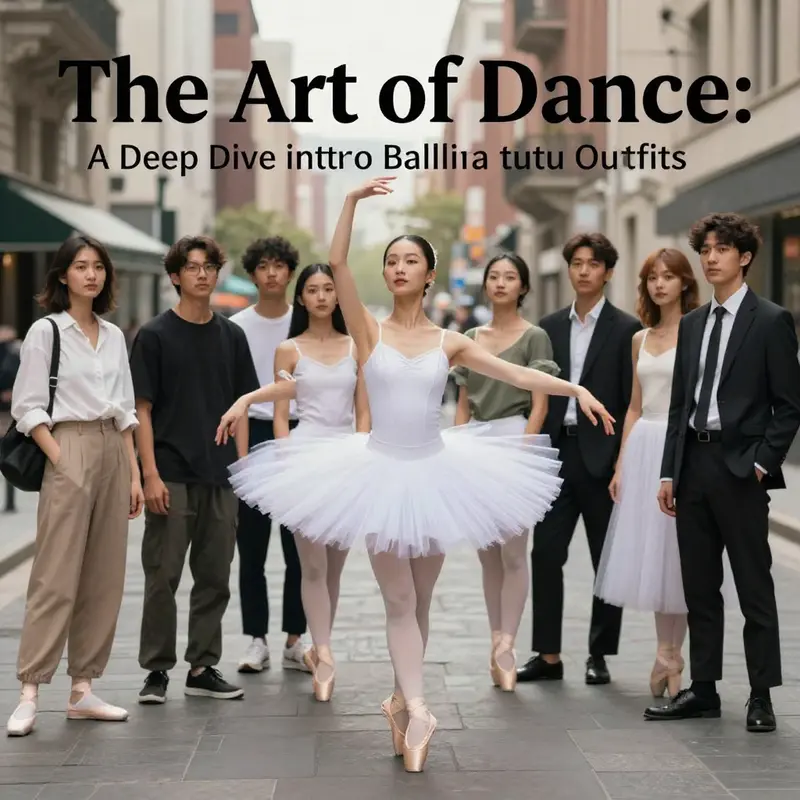
As ballet’s influence stretched beyond the theater, the ballerina tutu began to permeate popular culture, reflecting shifts in fashion ideologies and societal norms. In recent years, the balletcore aesthetic has swept through the fashion industry, redefining how the tutu is perceived. Designers are now incorporating tutu-inspired pieces into casual wear, encouraging a playful take on femininity that merges elegance with practicality. Lighter fabrics, innovative silhouettes, and convertible designs have made these outfits accessible to a broader audience. Everyday wardrobes now feature tulle skirts paired with oversized blazers, layered dresses with ballet-inspired cuts, and even casual outerwear that captures the traditional essence of the tutu while ensuring comfort and style without pretension.
Trend data underscores the significance of this shift. For instance, the surge in interest surrounding balletcore aesthetics has seen a remarkable 40% increase in online searches, particularly on platforms like Pinterest. People are drawn to these soft, flowing designs that invoke a sense of nostalgia while embracing an entirely new purpose. This newfound popularity illustrates a broader change in fashion, as consumers seek clothing that celebrates movement and gentility—qualities revered in ballet.
Moreover, the reimagined tutu embodies the current movement toward inclusivity and versatility in fashion. Contemporary brands are broadening their offerings by catering to diverse body types, ensuring that the grace associated with ballerina outfits becomes a universal experience. As companies such as Wear Moi and Capezio innovate using premium materials and ergonomic designs, they offer options ranging from minimalist neutrals to vibrant hues. This accessible range reflects a cultural shift towards outfits that serve not just as garments for performance but as affirmations of personal style and identity.
The tutu’s elevation into fashionable realms also intersects with the themes of sustainability — a growing concern among the modern consumer. The introduction of eco-friendly materials like sustainable tulle and conscientiously crafted designs has allowed for a responsible approach to fashion. This is exemplified in various companies’ commitment to adopting greener practices, ensuring that beauty does not come at the expense of the planet.
As the lines blur between performance and streetwear, the ballerina tutu stands as a powerful symbol of modern femininity, embodying resilience, creativity, and timeless beauty. It serves as a reminder of the grace inherent in movement, while also reflecting a collective desire to redefine personal expression through fashion. This transition from strict theatrical attire to a staple in everyday wardrobes underscores the cultural relevance of the ballerina tutu, inviting everyone to embrace a little whimsy and elegance in their daily lives.
For those interested in exploring high-quality tutu options that mesh with contemporary aesthetics, platforms like Alibaba.com offer an extensive range of products that prioritize both style and functionality, ensuring that the tutu remains a cherished part of both dance and fashion domains.
2. The Emotional and Aesthetic Depth of Ballerina Tutu Outfits in Modern Style
The ballerina tutu, with its enchanting silhouette and storied history, has evolved from a mere component of ballet attire into a profound symbol within modern fashion. This evolution encapsulates not just the aesthetic value of the tutu, but also the emotional depth it carries, making it a staple in both dance circles and high-fashion realms.
Emotional Resonance
At its core, the tutu evokes feelings of grace, innocence, and ethereal beauty. For many, this iconic garment brings forth memories of childhood aspirations—dance recitals filled with frills and soft tulle, imaginative games where dreams take flight, and the unmistakable joy of unrestrained self-expression. In a world increasingly saturated with minimalism, the tutu stands as a vibrant counterpoint, embodying a rich tapestry of human expression and ambition. Designers of contemporary fashion effortlessly tap into this emotional reservoir, using the tutu not merely as a costume but as an emblem of aspiration, freedom, and the delicate strength that resides within all dancers.
When a dancer dons a tutu, it is not simply an outfit; it transforms into a narrative—a story rich with personal meaning and collective memories. The voluminous fabric, fluttering with every step, accentuates movement and lightness, qualities that resonate deeply with modern interpretations of elegance and fluidity. Thus, in the hands of designers, the tutu has become an artifact of artistic expression, intertwining the realms of fashion and performance art. In this way, the tutu also symbolizes a playful rebellion against the understated trends that dominate contemporary wardrobes, asserting a celebration of individuality, whimsy, and exuberance.
Aesthetic Exploration
Aesthetically, the tutu offers endless opportunities for innovation and experimentation. Its distinctive structure allows designers to play with volume, texture, and color in ways that few garments can. Today’s fashion houses leverage the tutu’s iconic shape to create pieces that push boundaries—think bold statements characterized by contrasting hues, asymmetric cuts, and daring new materials such as metallic tulle or eco-conscious fabrics. The infusion of fresh, lively colors into classic tutu designs breathes new life into this traditional attire, appealing particularly to younger, design-conscious audiences who cherish both nostalgia and modernity.
Through this lens, the tutu transcends its origins; it transforms into a canvas of artistic expression. The rainbow motifs that adorn many festive ballerina costumes not only evoke a sense of whimsy but also offer a vibrant contrast to the muted tones often found in contemporary fashion. Here lies the juxtaposition of tradition and innovation—where the tutu’s historical roots converge with a youthful, exuberant energy, creating an aesthetic that is both timeless and distinctly modern.
Within this evolving narrative, the tutu’s versatility finds its true strength. It is no longer confined to the studios or performance spaces but has seamlessly integrated itself into everyday attire. Enthusiasts can now pair an elegant tutu with casual staples, draping it over oversized blazers or casual denim, solidifying its place as a crucial element of the balletcore aesthetic. This trend champions creative dressing that merges elegance with ease, reflecting an individuals’ journey toward self-identity through fashion. The tutu encourages wearers to embrace their femininity, to engage in motion, and to convey their unique stories with every twirl and plunge.
Not only does the tutu allow for personal expression, but it also highlights a growing consciousness concerning sustainability in fashion. Many modern tutus are crafted from eco-friendly materials, ensuring that beauty does not come at the cost of environmental integrity. Such initiatives signal a broader shift in the industry—where style harmonizes with responsibility, ensuring that the legacy of the tutu carries forward amidst changing values.
Through the lens of both emotional and aesthetic richness, ballerina tutu outfits embody much more than mere clothing; they are a testament to resilience, creativity, and the enduring allure of dance. Whether on stage, in fashion shows, or everyday streets, the tutu remains a symbol of joy, grace, and infinite possibilities.
3. Balletcore Revolution: Transforming Ballerina Tutus for Modern Wardrobes
Balletcore is not just a passing trend but a cultural phenomenon that has seamlessly integrated the graceful elements of ballet into the fabric of everyday fashion. This movement celebrates an aesthetic that combines the delicate silhouettes of the iconic ballerina tutu with contemporary styles, inviting people to express their inner ballerina through various fashion choices. The essence of balletcore lies in its embodiment of grace, softness, and artistic expression—qualities traditionally associated with ballet attire—translated into wearable pieces that resonate with modern sensibilities.
Originating from a deep-rooted historical appreciation for dance and performance, Balletcore draws inspiration from the rich visual language of ballet. From the elegant lines of a tutu to the fitted silhouette of a leotard, the movement evokes imagery steeped in romance and luxury. Notable fashion designers have tapped into this wellspring of creativity, echoing the artistry of ballet in their collections. For instance, Miu Miu’s recent showcases feature ballet-inspired silhouettes, such as tulle skirts and soft-colored bodysuits, that have sparked a resurgence in balletcore attire among fashionistas globally.
The recent embrace of Balletcore coincides with a cultural shift towards comfort, escapism, and self-expression. In the wake of the pandemic, where many sought solace in softer, more comforting styles, balletcore emerged as a fashion-forward answer that allows individuals to embody an ideal of effortless elegance and joyful artistry. Celebrities and influencers have played a pivotal role in this resurgence, with stars like Jennie (from BLACKPINK) and Bella Hadid donning layers of tulle and other ballet-inspired pieces in performances and public appearances. Their interpretations add a modern twist to classic ballet elements, showcasing how easily one can incorporate these stylistic choices into personal looks without the necessity of a formal dance background.
One of the most compelling features of balletcore is its accessibility. Unlike traditional ballet costumes intended for the stage, the pieces inspired by this fashion movement are designed for everyday wear. Tulle skirts paired with tailored jackets or a soft leotard layered under oversized cardigans offer an inviting way to embrace ballet aesthetics without the need for a dance lesson. With a simple addition of items like satin ballet flats or a whimsical hair ribbon, anyone can capture the spirit of ballet, making it attainable for all.
The role of social media cannot be overstated in the rise of balletcore. Platforms like Instagram and TikTok have facilitated a dialogue among fans and fashion enthusiasts passionate about this merging of art and fashion. DIY styling tips, transformation videos, and outfit ideas abound, allowing individuals to explore how to make balletcore their own. This community-driven element fosters creativity and encourages experimentation, ensuring that the movement is continually evolving while remaining rooted in the ballet tradition.
Balletcore invites wearers to embrace their femininity and embody a narrative of elegance that is not constrained by the stage. It emphasizes personal interpretation, as parameters around ballet-inspired outfits remain flexible and innovative—ranging from muted pastel hues to bold statement pieces infused with the grace of ballet. The beauty of this trend lies in its ability to transcend the confines of classical dance, breathing life into both contemporary and traditional wardrobes, where tutus find new purpose alongside modern outfits.
In this fashion revolution, the ballerina tutu signifies more than just a costume; it has transformed into a symbol of empowerment, individuality, and artistic expression. This blending of practicality with artistic flair ensures that balletcore holds its place not only on catwalks but also in the hearts of those who choose to wear it. As this dynamic trend continues to flourish, it reinforces the idea that style can evoke a sense of magic in our everyday lives—a reminder that, like the art of ballet itself, fashion has the power to inspire and elevate the human spirit. For those interested in curating their own balletcore wardrobe, there are myriad options available that combine quality, comfort, and creativity. Discover platforms like Dada Tutu that cater to fashion-forward individuals seeking styles infused with ballet’s elegance, ensuring that the spirit of dance remains vibrant in our modern attire.
Final thoughts
Ballerina tutu outfits are a tapestry woven from the threads of performance, fashion, and sustainability. As the styles evolve, so too does the opportunity for businesses to tap into emerging trends like balletcore and sustainable practices. Understanding the structural differences across tutu types and their cultural relevance can offer businesses a competitive edge in the dancewear market. Those eager to make a mark in this industry must embrace these dynamics while keeping artistry and functionality at their core.
Elevate your dance with premium, comfortable balletwear from luneballet.com! Designed for grace and performance, our pieces blend quality fabrics and timeless style. Whether you’re a beginner or a pro, shop now to find your perfect fit—step into confidence, express your art, and shine on stage. Explore our collection today!
About us
At luneballet.com, we’re passionate about crafting exceptional balletwear for dancers of all levels. With a focus on quality, comfort, and elegant design, we produce pieces that support movement and inspire confidence. Our mission is to provide reliable, stylish dancewear that helps you embrace your passion and perform at your best.