
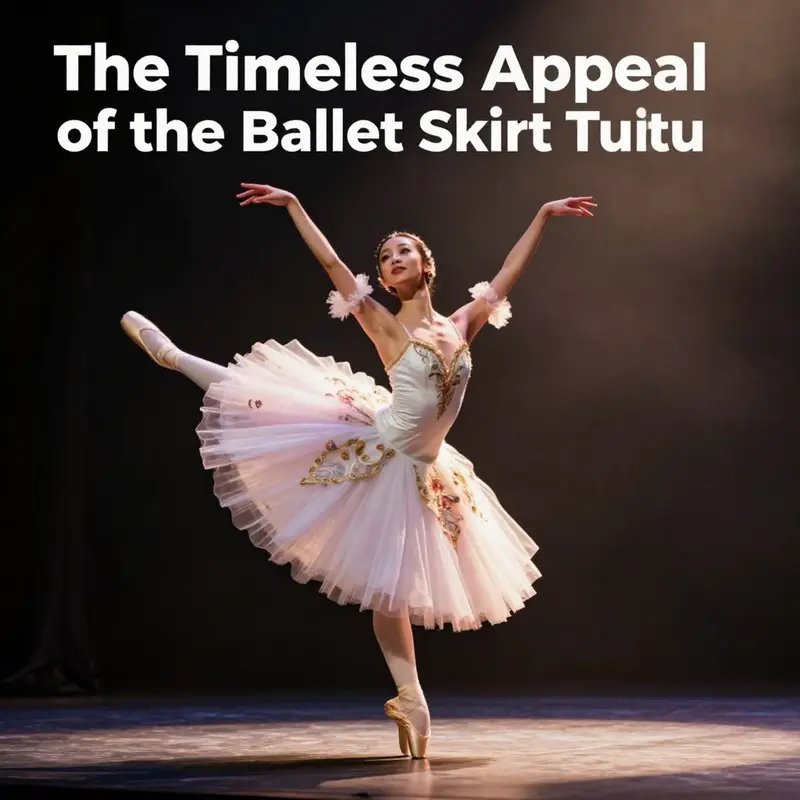
The ballet skirt tutu stands as an emblem of grace and artistry within the dance world, encapsulating both aesthetic beauty and technical prowess. From the iconic classic tutu to the ethereal romantic tutu, the evolution of this garment reflects not only advancements in dance techniques but also shifts in cultural perceptions of femininity and expression. This article delves into the specific designs of the classic and romantic tutus, and explores their lasting cultural impact and contemporary applications. Each chapter offers a detailed view into how these tutus have shaped the performance art landscape and continue to influence modern interpretations of ballet.
null
null
From Ether to Edge: The Romantic and Classical Tutus as Ballet Language
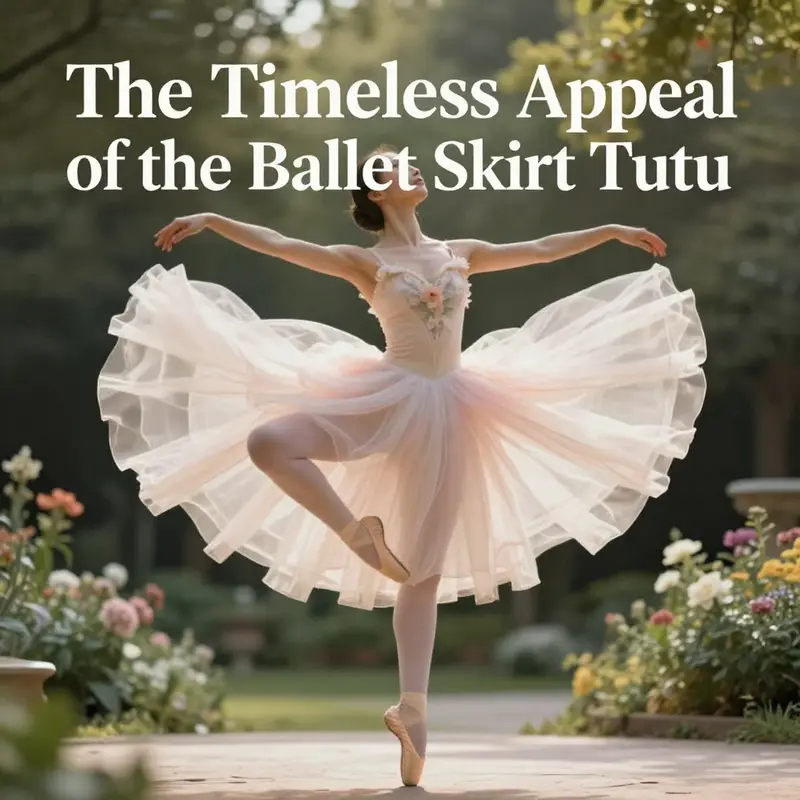
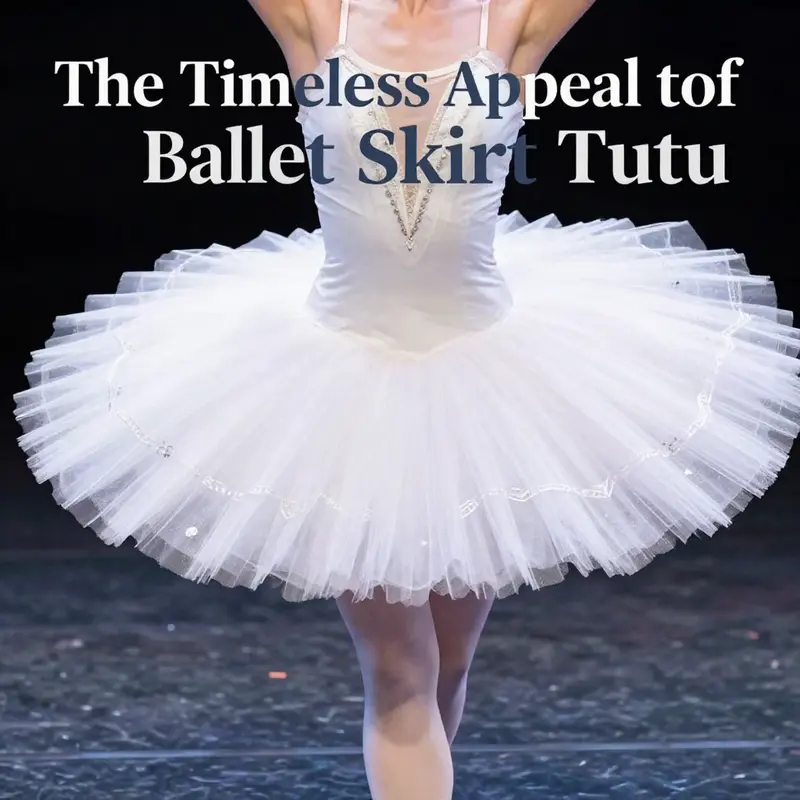
The Romantic tutu introduced a narrative softness to ballet, wrapping the dancer in a cloudlike silhouette that could suggest otherworldly grace. Its buoyant diaphanous layers allowed the leg to rise and glow while the movement remained primarily lyrical. As choreography grew in technical demand, the Classical tutu arrived, its stiffened, horizontal form revealing precise lines and clear footwork. Together, the two silhouettes defined ballet’s language: the Romantic’s breathlike emotion and the Classical’s architectural precision coexisting across roles and productions. In contemporary practice, designers honor both legacies, using modern fabrics to keep the gesture legible while preserving the tutu’s ability to frame action and mood.
null
null
Final thoughts
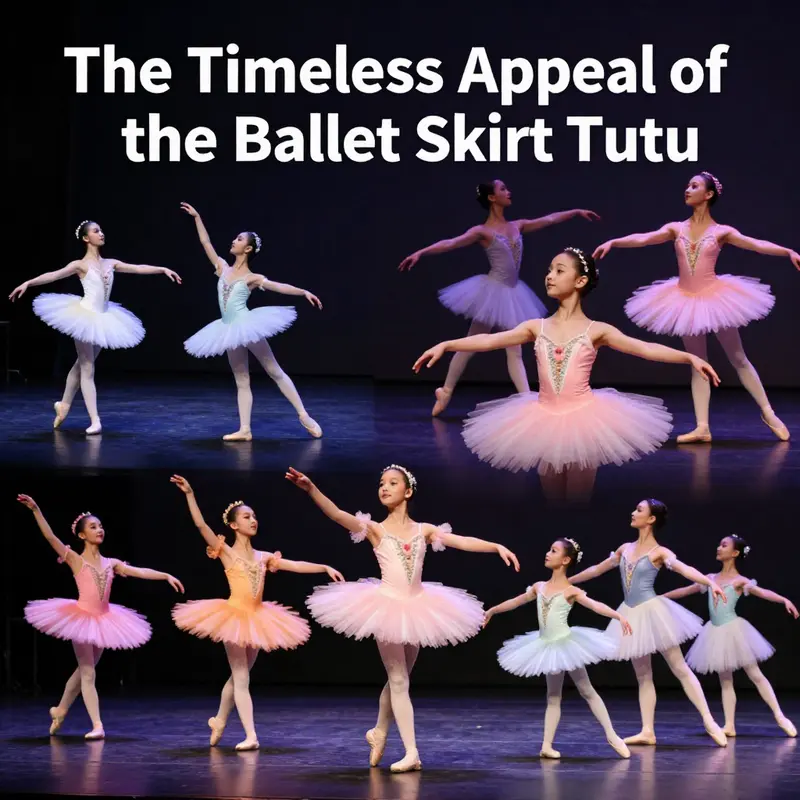
The ballet skirt tutu not only represents a critical element of ballet but also serves as a canvas through which artistic expression transcends cultures and eras. From the rigid structure of the classic tutu emphasizing technique to the flowing design of the romantic tutu that evokes emotion, each variation carries significance in both historical and modern contexts. As contemporary designers incorporate these styles into broader cultural expressions, the ballet skirt tutu continues to captivate audiences and performers alike. Understanding its evolution and impact allows business owners and fashion designers to appreciate the depth of this iconic garment and its potential within the modern dancewear market.