
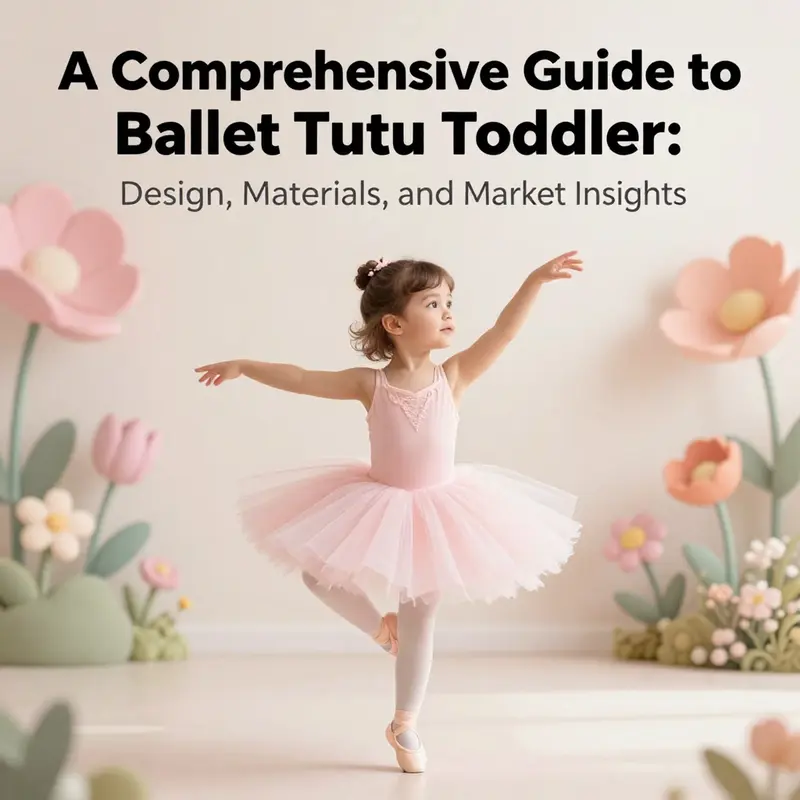
As the demand for ballet tutus for toddlers grows, understanding their design, material quality, and preferred brands has become essential for business owners in the fashion and children’s apparel market. This guide serves to illuminate the intricacies of toddler ballet tutus, detailing the components that contribute to their appeal and functionality. From aesthetically pleasing designs tailored for young dancers to the material considerations that ensure comfort and performance, each chapter will equip you with insights to cater to your customers effectively, guiding your business decisions in this vibrant niche market.
From A-Line Wonder to Everyday Wonder: Designing Ballet Tutus for Toddlers
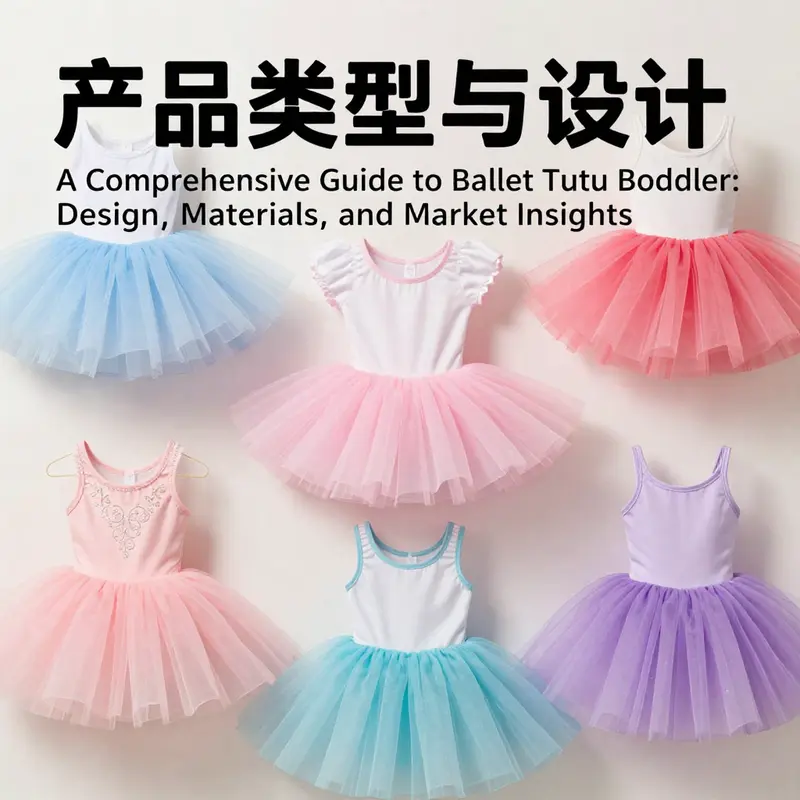
Designing a ballet tutu for toddlers sits at a gentle crossroads where fantasy meets function, where a child’s spontaneous play and a dancer’s deliberate technique share the same fabric. This chapter steps into that crossroads with a steady gait, tracing how the typical toddler ballet tutu is conceived, how it supports movement, and how it becomes a meaningful companion in practice, performance, and playful exploration. The most recognizable silhouette in this realm is the A-line tutu, a cut that starts at the waist and expands outward in a soft, forgiving flare. For a toddler, this shape is not only visually graceful but pragmatically wise: it allows legs to swing through large, uninhibited arcs, keeps the fabric away from knees and shins during turns, and reduces the chance of fabric catching on furniture or friends during impromptu floor explorations. The design philosophy behind these garments treats the tutu as an instrument of movement as much as a costume for display. A child who wears such a pieces experiences a sense of lightness that invites every leap, hop, and flutter of arms to feel effortless rather than encumbered. In practice rooms and living rooms alike, the tutu becomes a canvas for narratives—princess adventures, forest journeys, or starry night escapades—where the fabric’s sway narrates the story more vividly than words ever could.
What makes a toddler ballet tutu particularly distinct from adult versions or costumes aimed at older performers is the careful balancing of structure and softness. The outer layers are usually lightweight and voluminous, crafted from tulle, netting, or chiffon. These fabrics provide the ethereal bounce that dancers crave, yet they are chosen with a child’s energy in mind: forgiving, resilient, and easy to re-fluff after a tumble, a giggle, or a long day of practice. Layering plays a crucial role. Multiple tiers create the signature poof without overwhelming a small frame. Each layer is selected for its drape and breathability, allowing the skirt to float with each small step rather than cling or restrict. Inside, the garment is anchored by a comfortable lining—often a soft cotton blend or a breathable synthetic—that shields delicate skin from rough edges and potential snag points. The inner layer is more than a safeguard; it works in harmony with the skin to maintain a pleasant temperature during repeated movements, a consideration parents and instructors value as toddlers sometimes forget to listen to their own cues of fatigue.
Even with the emphasis on whimsy, the garment remains a piece of activewear. A child’s daily routine, even in a studio, includes sudden stops, flips, and bursts of speed that test seams, hems, and waistbands. Consequently, the sewing and finishing on toddler tutus must stand up to the realities of youthful energy. Edges are finished with careful binding to prevent chafing and to reduce the risk of fabric catching on tiny fingers. Seams are reinforced, not merely for durability but for predictable stretch and return as a child’s body shifts posture from a seated pose to a full plié and extend. The design is thus an integration of aesthetics and durability, with a nod to safety that modern standards insist upon. A tutu is not just a pretty cover for a leotard; it is a performance accessory whose behavior under movement tells a child when to bend, sway, or reach, and it gives a seasoned observer—teacher, parent, or peer—a visual cue for the character or mood being presented.
Beyond the classic, fashion and function diverge along the lines of occasion and personality. For stage recitals, the tutu is often more structured: stacked layers, a crisper silhouette, and embellishments that catch stage light without weighing the garment down. A dancer may be drawn toward satin linings and metallic threads for a regal effect, or toward a matte finish with subtle glitters that catch the eye in a gentle, not overpowering, way. For home practice or casual dress-up, the emphasis shifts toward adjustability, color variety, and ease of care. Toddlers may prefer bright, bold hues—pinks, blues, golds, and purples—that spark imagination and mirror favorite storybook moments. In such contexts, designers and makers balance the desire for a dramatic visual impact with the practical needs of everyday wear: the garment must be easy to put on, quick to adjust, and simple to wash without special handling.
The materials themselves carry stories of safety and comfort. The outer layers, whether tulle, chiffon, or light mesh, provide the decisive sense of flutter and volume. These fabrics are chosen for their lightness and their response to movement: they catch the light and ripple as a child’s arms arc through the air. The inner lining, often a cotton blend or a soft polyester, is the garment’s direct interface with skin. Its role is to minimize friction, wick moisture, and maintain a comfortable feel as a child moves from a seated stretch to a standing leap. The question of safety standards often arises in conversations about children’s clothing, and rightly so. Modern tutu construction frequently aligns with global textile safety norms, ensuring that the fabric is non-toxic and free from harmful substances, and that the garment’s components have no sharp edges or choking hazards. These assurances translate into years of quiet confidence for parents who want a product that can endure the rough play and the occasional enthusiastic spill of a toddler.
The choice between layers and textures is also a reflection of a child’s growth and a family’s expectations. Some toddlers are drawn to the magical shimmer of sequins and star motifs, as if a constellated night sky has landed on their wardrobe. Others favor the quiet radiance of solid, velvety color without too many adornments. The design language accommodates both impulses by offering options that emphasize either a refined minimalism or a more theatrical splendor. Yet even in the most elaborate designs, there is a quiet respect for the body’s line. The waistline sits comfortably at the natural waist, or just below, rather than constricting the torso, so that a toddler can breathe, smile, and pivot freely. Sizing, too, follows a height-based approach rather than relying solely on age, acknowledging that children grow at different paces and that a garment should adapt to their current stature without becoming immediately outgrown.
In addition to these structural and material considerations, color and motif contribute to the tutu’s narrative potential. Choices range from classic white and soft pinks to vibrant hot pinks, gold accents, or even darker hues that suit storytelling themes like fairy tales or seasonal performances. Motifs such as stars, moon, or floral accents often appear as appliques, embroidery, or subtle prints, inviting a child to enact a role with a clear visual cue. The interplay between color, texture, and shine helps a little dancer read the stage or floor as a space full of possibility, where every step can feel like a page torn from a picture book and every twirl becomes a line in a spontaneous song.
From a practical standpoint, production and purchase channels for toddler tutus emphasize accessibility without compromising quality. Online marketplaces and dedicated children’s costume retailers provide a broad spectrum of options. The shopping experience often centers on a few dependable factors: accurate size charts aligned to height, clear fabric descriptions that reveal outer and lining materials, and detailed care instructions designed to maintain the garment’s integrity over multiple wears. Buyers are guided to consider not just the moment of purchase but the garment’s lifecycle, including how well it launders and how easily it regains its shape after play. Some families prefer to limit embellishments to reduce maintenance, while others lean into the sparkle and texture that a more ornate design offers. In either case, the tutu becomes a long-term addition to a child’s creative wardrobe rather than a one-off costume.
The story of the toddler tutu also interacts with the broader ecosystem of dance education. For a rehearsal space or a classroom, a tutu embodies a standard of appearance that signals readiness, seriousness, and respect for the art form. It helps set a mindset that aligns with discipline and focus while still honoring the lighthearted spirit of early childhood. A well-chosen tutu supports a toddler’s posture, encouraging shoulders to relax, spine to lengthen, and core engagement to stabilize the torso during plies and tendus. Because toddlers often learn through imitation, a garment that moves with their body rather than against it becomes a facilitator of technique rather than a hindrance. The effect is cumulative: consistent comfort across many practice sessions, a durable garment that withstands the unique challenges of early dance training, and a sense of pride when a child sees their reflection and recognizes a growing dancer looking back at them.
When families consider the marketplace, they encounter a spectrum of options that reflects different budgets, values, and intentions. Some parents treat the tutu as a daily wear item for practice, photos, or playful afternoons, seeking a balance between cost and longevity. Others plan purchases around formal performances, where the garment’s structure and shine must hold up under bright stage lights and repeated wear. Across these scenarios, the core guidance remains consistent: prioritize height-based sizing, favor breathable linings to prevent overheating or irritation, and select outer fabrics that offer both drape and resilience. A thoughtful approach to care—gentle washing, air drying, and avoiding high heat—extends the garment’s life and preserves its luster. And as families navigate shopping channels, they often discover that the market rewards thoughtful choices: a garment that feels comfortable on a small body, a silhouette that supports movement, and a design that invites imaginative play while honoring the seriousness of dance practice.
In this landscape of design and possibility, a few universal truths emerge. First, the tutu’s charm depends on a balance between volume and ease of wear. Too many layers risk dragging a child down, while too few layers may fail to convey the magical fullness that defines the look. Second, comfort depends on more than soft fabrics; it rests on the coordination of waist, lining, and sleeve or bodice structure. A snug but not restrictive waist and well-finished arm openings reduce distraction during activity. Third, the garment should stay in conversation with the child’s own creativity. When a toddler can imagine a new character, the tutu becomes a partner in that creativity rather than a constraint, guiding movement with a whisper of pose and cadence rather than a predetermined script. Finally, the journey from practice to performance benefits from reliable, recognizable cues: durable construction, safe fastenings, and clear care instructions that empower families to maintain the garment across seasons and growth spurts. These principles, while simple, shape the everyday reality of wearing a ballet tutu for toddlers and help ensure that the garment remains a source of delight and development well beyond its first gust of glitter.
For readers who want a real-world sense of how these considerations translate into product choices without getting mired in brand names, it helps to imagine a few common components one might encounter in a typical selection. A tulle skirt with several soft layers can deliver the classic silhouette while remaining gentle to touch. A satin ribbon waist or an elasticized band offers a secure, adjustable fit that can adapt as a child grows or as the garment is worn for longer sessions. A light, breathable inner lining reduces friction on sensitive skin, and a simple seam finish—rounded with careful binding—keeps edges from catching on fingers or fabrics in neighboring outfits. Such a configuration keeps the tutu accessible and functional for daily practice, a recital rehearsal at the end of a long week, or a playful afternoon with family and friends. In short, the toddler tutu is not simply a costume but a well-considered instrument in a child’s early dance journey, shaped by the interplay of design, material science, safety considerations, and a touch of storytelling magic.
If readers wish to explore more concrete examples of how these design choices appear in actual products, a practical approach is to look for options that communicate a clear balance between aesthetic charm and wearability. Rather than focusing on a single brand or collection, seek out descriptions that spell out the fabric composition, the number of layers, the presence of a lining, and the type of fastenings. A garment that announces a soft cotton blend for the interior and a lightweight, airy mesh for the outer layers often yields the most versatile and enduring option for toddlers. In addition, pay attention to the finish quality—edges that are neatly bound or overlocked, seams that are reinforced, and any embellishments that are securely attached rather than loosely stitched. These details collectively signal a garment designed to endure the twists and turns of toddler life while still delivering the visual dream that tutu culture promises.
For those who want to connect this design conversation to concrete shopping experiences without losing sight of the broader principles, one can consider how the product pages describe sizing, material, and care. A well-constructed page will align sizing with height charts and provide clear washing instructions, ideally suggesting gentle hand wash or machine wash within a delicate cycle and air drying. It will also offer color and motif choices that empower a child to express a personality through color while remaining faithful to the garment’s structural integrity. In the end, the decision is less about chasing the perfect fashion item and more about choosing an enabling garment that invites movement, supports safety, and keeps a spark of wonder alive in a child’s practice and play. To see how these ideas translate into a real-world option that embodies the balance of design and practicality, you can explore a representative collection that emphasizes professional-grade yet child-friendly performance wear. The following internal link points to a page that presents a perspective on how a dance costume designed for young dancers can be visually striking while still prioritizing comfort and fit: professional-dance-costumes-for-ballet-pink-orange-competition-level-yagp-t0471.
As this discussion circles back to the heart of the topic, the toddler ballet tutu emerges as more than a garment. It is a small, wearable invitation to explore movement with confidence, a tool that helps a child find balance between fantasy and form, and a reminder that the studio floor is also a stage for everyday discovery. The results—unfolding in both body and imagination—are inseparable from the choices a family makes about fabric weight, layering, and care. The tutu then becomes a companion in the child’s early dance journey, evolving with their growing limbs and expanding stories, a soft, shimmering ally that nudges them toward new steps, new games, and new ways to be seen in the world of movement.
External resource: https://www.amazon.co.uk/dp/B0CQXJY6ZP
Soft Thresholds: Crafting Comfort and Movement in the Ballet Tutu for Toddlers
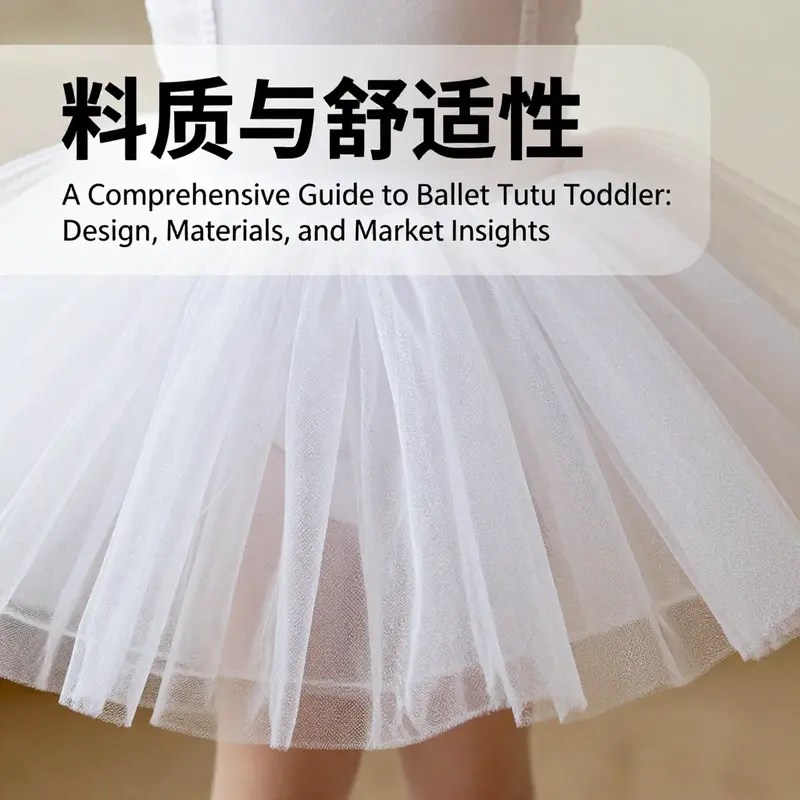
The choreography of a toddler’s day differs from that of a stage star, yet the same questions about comfort, freedom of movement, and safety apply with equal seriousness. The ballet tutu for toddlers is not merely a costume; it is a small stage on which a child learns to bend, stretch, jump, and twirl with confidence. The material choices, the way a seam lies against delicate skin, and the fit of the waistband all intervene in how freely a child can explore and express herself during a session of practice, a party, or a family photo moment. When we zoom in on the fabric and construction of these garments, what emerges is a delicate balance. On one side there is the desire for the lightness that makes a tutu float and the skirt to catch air with every turn. On the other, there is a need for durability, softness against the skin, and a design that respects growing bodies and budding curiosity. The result, in the best cases, is a garment that feels almost invisible in use—present and beautiful, yet quietly supportive of a child’s natural movement. This is the essence of material and comfort in toddler ballet attire: a practical elegance that allows the imagination to take flight without being hampered by the garment itself.
A foundational consideration is the material itself. Toddlers are active explorers who mix eager leaps with sudden pauses and rest periods in rapid succession. The outer layer of a tutu needs to convey shape and drama while remaining forgiving under the roughness of daily play. A common approach in the market blends nylon with elastane or spandex. The nylon gives strength, resilience, and a degree of smoothness against the skin. Elastane introduces the essential stretch that keeps the waist and hips moving with the child rather than pressing against them. This combination can provide a high level of elasticity and resilience, which translates into reduced wrinkling, fewer snags, and a skirt that rebounds quickly after a quick jete or a clumsy landing from a plié. It is not unusual to see fabrics described in studies and consumer guides as containing a majority of nylon with a smaller percentage of elastane or spandex, a ratio that supports both movement and longevity. In more premium constructions, designers may introduce blends that include a touch of acrylic alongside polyester to bolster the fabric’s structure. Acrylic can offer a soft, matte hand while still contributing to a multi-layered skirt that keeps its silhouette as the child moves from first plié to casual twirl.
Yet softness is not synonymous with fragility. A key to comfort lies in the underlayer, the inner lining that meets the child’s skin for long hours of wear. Here, cotton or cotton blends become crucial. A cotton lining provides breathable absorption, helping to wick away moisture and reduce the clamminess that can accompany energetic play or warm studio rooms. The synergy between an inner cotton lining and a smooth synthetic exterior can produce a garment that feels gentle yet sturdy, offering warmth in cooler spaces and a dry, comfortable sensation as activity levels rise. The lining does more than comfort; it is a strategic barrier that reduces friction, which matters when little legs slide and spin or when a child’s waistline shifts slightly during a leap. In practice, designers emphasize edges that are softly finished—rolled bands, careful overlocking, and bound hems—to minimize roughness and skin irritation. The result is an outfit that makes movement feel almost effortless, as if the child were dancing with less resistance than the garment would seem to imply.
A further dimension of comfort is the construction of the tutu’s layers. The visual heft of a tutu is created by multiple layers of lightweight fabric, often tulle, chiffon-like material, or netting. The layering strategy is more than an aesthetic choice; it shapes how air flows around the skirt, how the fabric maintains its fluff over time, and how the garment responds when the child spins. When layers are too stiff or too heavy, the skirt can chafe or restrict, reducing the sense of buoyancy that is so celebrated in ballet-inspired play. The design challenge is to achieve fullness without adding weight. This often means selecting delicate materials that hold their form through gentle compression and repeated motion, while keeping the layers thin and airy. The layering can also be engineered to resist clumping when the garment becomes damp from sweat or humidity, ensuring the skirt remains evenly distributed and the child’s line remains clean and uninterrupted during a rhythm of steps and turns. The modern tutu trades heavy, single-layer drama for an arrangement that reads as cloud-light from a distance while performing reliably up close.
In parallel with the textile choices, the garment’s fit carries equal weight in shaping comfort. An elasticized waist provides flexibility across a range of growth spurts, while a soft edge prevents the elastic from leaving impressions on tender skin after a long day. Some designs feature additional adjustments, such as lightweight ties or a gently adjustable back panel, to accommodate seasonal clothing layers and fluctuating body temperatures. The ideal is a waist that holds the tutu in a stable, secure position without pinching or digging in; a seat or hip area that allows a full, unrestricted range of motion; and careful seam placement so that no stitching sits directly over sensitive nerves or soft tissue. These considerations are not mere technicalities; they are the quiet architecture of freedom—every little movement is supported by means that the child cannot feel working behind the curtain of fabric.
Beyond the fabric and fit, safety standards anchor this discussion in the realities of everyday wear. Consumers increasingly expect textiles for children to comply with safety norms that guard against toxins and irritants. The international standard OEKO-TEX Standard 100, or its modern equivalents, sets a baseline for non-toxicity. A tutu meeting these standards gives caregivers confidence that what touches the child’s skin is free from harmful substances and unlikely to provoke irritation. This transparency matters, particularly for toddlers who explore garments with their mouths or who have more sensitive skin. A garment built with safety in mind becomes a quiet partner in a caregiver’s plan for active, happy play sessions. It is a reassurance that comfort and safety do not have to be traded for style or affordability.
The question of value then becomes how these fabrics, layers, and secure designs translate into real-world wearing experiences. A well-made toddler tutu is a garment that resists the wear-and-tear of daily use: it does not unravel at the seam after a dozen spins; it dries quickly after a quick wash; it maintains its fluff without needing constant reshaping. Parents and guardians notice when a piece of clothing holds its shape after a tumble in the gym or a windy outdoor shoot. They notice when a skirt that seems heavy in the store remains light in the child’s hands and flows with a natural ease during movement. Each design choice—whether it is the selection of the outer fabric, the presence of a breathable inner lining, or the careful finishing of edges—contributes to a sense of calm for the child and a sense of ease for the caregiver. In ballet, as in life, comfort becomes a facilitator of performance. A child who feels secure and unencumbered is more likely to engage with the practice wholeheartedly, to attempt a higher snap of the foot, or to attempt a first forward spirito with a smile rather than with fear of discomfort.
While the science of fabric mixes and seam choices is foundational, the aesthetics of a toddler’s tutu still matter. In the world of early dance education, color, texture, and sparkle play a crucial role in motivation and mood. A tutu that catches the light in a soft, even shimmer can invite a child to imitate a princess, a role model, or a character they adore. The decorative elements—colorful trims, subtle embroidery, or delicate star patterns—add a layer of storytelling that makes the garment more than fabric. Yet these adornments should never compromise the garment’s comfort or safety. They must be securely attached, flush against the inner lining, and chosen with kid-friendly materials that resist pilling or shedding. The most successful designs balance enchantment with practicality: they invite play and imagination but do not demand delicate handling that could hinder a child mid movement. In this equilibrium, the tutu becomes less about a dramatic runway moment and more about a daily rite of self-expression that grows from the child’s own curiosity about how her body can move and how her clothing can encourage that motion.
As a reader considers how to select such a garment, it is useful to think about the life the tutu will lead. For occasional performances or formal events, a tutu with a more structured silhouette and clearly defined layers can help the child learn how weight and balance affect a turn or a leap. For continuous practice, a softer, more forgiving construction offers ongoing comfort during a longer session. The decision may hinge on the child’s age within the 2–9 year range, the expected usage pattern, and the environment—air-conditioned studios, sunlit parks, or festive indoor parties—where the garment will shine. The sizing philosophy often follows the child’s actual height rather than age, as growth is organical and uneven in little bodies. When possible, choosing a model that provides room for a small growth margin minimizes the stress of purchasing multiple pieces within a single season and supports a longer life for the garment as the child learns new steps and expands her repertoire of moves.
Care and maintenance contribute to longevity and continued comfort. Materials that are easy to clean and quick to dry become valuable in households where machine washing may be used only sparingly. A secluded corner of the laundry routine—gentle cycles or hand washing in cold water with a soft detergent—helps preserve both the color and the delicate outer layers. Avoiding high heat is essential: tumble drying can distort the shape and impact the airiness of the skirt, while hot water can tighten threads and encourage pilling. Storage matters, too. A tutu should be kept in a breathable space away from dampness, where its layers can remain evenly distributed and the waistline’s stretch does not become distorted by prolonged compression. A simple practice—folding with a gentle tuck to maintain the skirt’s roundness or hanging the garment from a padded hanger with a wide shoulder—helps maintain the garment’s form for the next practice or performance.
The chapter would be incomplete without acknowledging the broader ecosystem that supports these garments: the education practitioners, the costume designers who translate a dancer’s ambitions into a wearable silhouette, and the families who balance budget with aspiration. An effective tutu for toddlers is one that aligns with the values of safety, comfort, and durability while also honoring a child’s sense of play. This alignment is not a luxury; it is a practical necessity for the earliest stages of ballet learning when the body is still discovering the limits of its capabilities and the mind is absorbing the rhythm of the music. In this light, the material choices become a shared responsibility: manufacturers design with soft edges and non-irritant finishes; educators frame the garment not as a costume to be worn once, but as a daily companion in the journey of movement; families recognize the importance of selecting pieces that can sustain repeated use and still feel special.
For caregivers seeking a concrete example of how balance between structure and comfort can look in practice, consider a high-quality white tutu with a classic Swan Lake-inspired silhouette. It demonstrates how a garment can hold its shape through progressive layers while maintaining a soft interior that caresses the skin. The balance manifests in a skirt that breathes, seams that glide past the body, and a waistband that supports rather than constrains. The effect is not simply visual; it is experiential. A child wearing such a garment can focus more on the steps, the music, and the joy of moving, rather than on adjusting a wardrobe that feels at odds with her energy. This is the heart of material and comfort in toddler ballet attire: a quiet, reliable partner that invites imagination to take the lead and encourages the body to respond with grace and curiosity.
Internal note: for a practical reference that exemplifies how this balance can translate into a finished product, you can explore a related example here: high-quality-white-ballet-costume-tutu-swan-lake.
Finally, the journey to an optimal tutu for a toddler does not exist in isolation from the wider world of materials science and textile safety. The ongoing conversation about comfort for sensitive skin and durable construction continues to inform the way designers approach edge finishes, seam allowances, and the overall geometry of the garment. The child’s experience—whether she is practicing in a studio, posing for a family portrait, or simply spinning around in the living room—becomes a test of whether the garment truly supports her exploration. With thoughtful fabric choices, careful construction, and a respect for safety and maintenance, the ballet tutu for toddlers can become more than a costume. It can become a small but meaningful tool that nurtures movement, confidence, and joy, helping a child to choreograph her own sense of possibility one graceful turn at a time.
External resource: https://www.aliexpress.com/item/1005003476979529.html
Gleaming Threads and Trusted Aisles: Navigating Brands and Channels for the Ballet Tutu Toddler
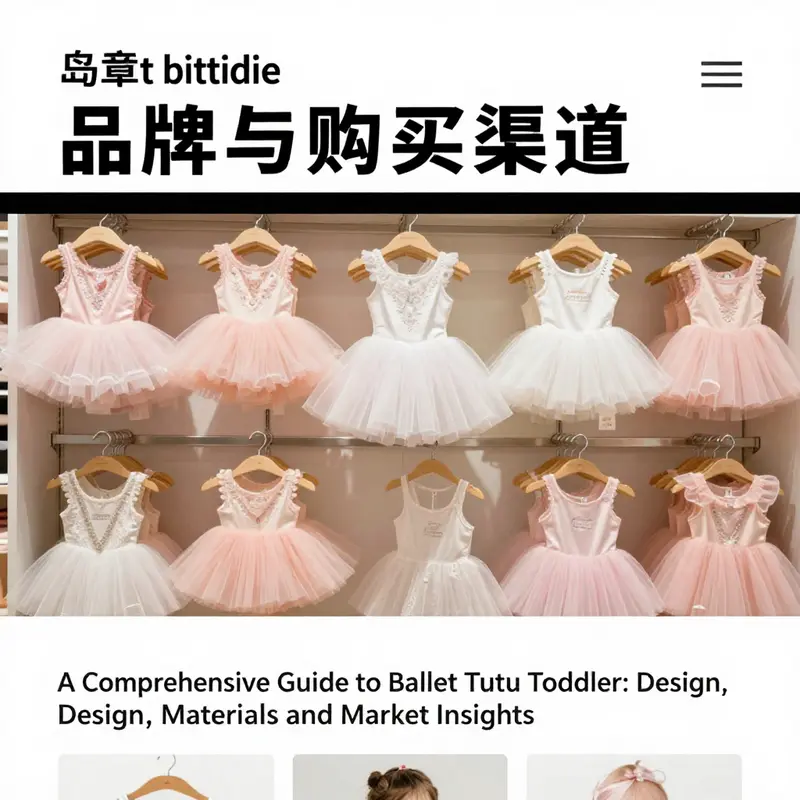
The tiny tutu is more than princess-wear; it is a first instrument for balance, rhythm, and self-expression. For toddlers stepping into a studio, choices about brand and where to shop shape comfort, safety, and daily wear. A two-piece setup—a snug leotard paired with a softly layered tutu skirt—dominates options for ages roughly two to nine, because it supports easy dressing, unrestricted arm movement, and a look that photographs well on stage. Design leans toward a practical balance: leotards with gentle stretch, skirts built in puffed, multi-layer silhouettes that catch light, and subtle embellishments kept small enough to avoid itch or snag. Quality matters most when movement is constant and rehearsals long; stitching, seam finishes, and closure methods should stay sturdy after many spins. The fabrics themselves tell a story: the outer layer is typically polyester, chiffon, or mesh for stable drape and buoyant volume, while the inner lining is a breathable cotton or polyester blend that sits close to skin to minimize friction. Non-negotiables include non-toxic finishes and safety certifications; reputable lines align with standards such as OEKO-TEX Standard 100, screen for colorfastness, and keep irritants out of reach of sensitive skin. Sizing should be guided by height and torso length, not age alone. Most brands offer 2–9 years with clear charts; a garment that is too tight across the chest or too long around the waist can impede movement, while excess fabric can ride up during spins. The choicest outfits mix a gentle stretch leotard with tutu layers that retain shape after repeated washing, wearing, and tumbling. Care recommendations typically call for hand-washing or a gentle cycle in a protective wash bag, followed by air drying away from direct heat to preserve volume and fabric integrity. Channel selection matters as much as fabric. A major global retailer often provides breadth, robust size charts, real-world photos, detailed material breakdowns, and a generous return policy, which helps families manage a child’s growth and changing tastes. A second option rewards price-conscious shoppers with promotions, efficient local shipping, and a portfolio of established and emerging lines that balance safety with affordability. A third pathway—marketplaces—brings variety from small studios and independent designers, but can introduce longer shipping and variable quality control, making careful reading of seller terms and diligent review checks essential. When shopping across channels, the most important thread is clear product pages: size charts that translate height into a tutu’s approximate fit, material breakdowns that explain fabric behavior in motion, care instructions that protect delicate layers, and authentic customer photos that reveal how a garment looks in real life. A practical approach is to mix sources: one channel for a trusted leotard, another for a preferred tutu skirt, combining comfort with a sparkly silhouette while staying within budget. In this landscape, a catalog page that foregrounds color ranges and fabric feel—such as pink-ballet-costumes-for-sale-sleep-beauty-gilded-edge-t0377—offers a useful mental model of how design decisions translate into movement-friendly wear. The brands and channels are partners in a child’s early dance journey, offering options that respect growth, celebrate movement, and meet families where they are on safety, fit, and value. The guiding principles remain simple: transparent material descriptions, clear safety certifications, accurate sizing guidance, and fair, workable return policies. A well-fitting tutu starts with measuring height and torso length, acknowledging growth, and prioritizing the leotard as the foundation of comfort and mobility, while the tutu provides the silhouette that anchors a recital moment. For parents, the questions on a product page are practical and direct: Will the fabric feel soft against skin during an hour of activity? Will the skirt hold its volume after spins and washes? Is the size chart aligned with current height, and is there room to grow within the same purchase? The answers lie in the clarity of fabric behavior, construction, and seller information. In the long arc of a child’s dance journey, thoughtful shopping decisions support joyful practice and confident performance—without compromising safety or budget. External resource: https://www.amazon.co.uk/dp/B0CZQXJYVH
Final thoughts
As the market for toddler ballet tutus continues to expand, understanding the interplay between design, material quality, and brand availability is vital for business owners. By focusing on these key factors, businesses can better cater to the needs of families seeking both functionality and style for their little dancers. Keeping abreast of trends and preferences will position your brand favorably in this dynamic sector, ultimately enhancing customer satisfaction and driving sales.