
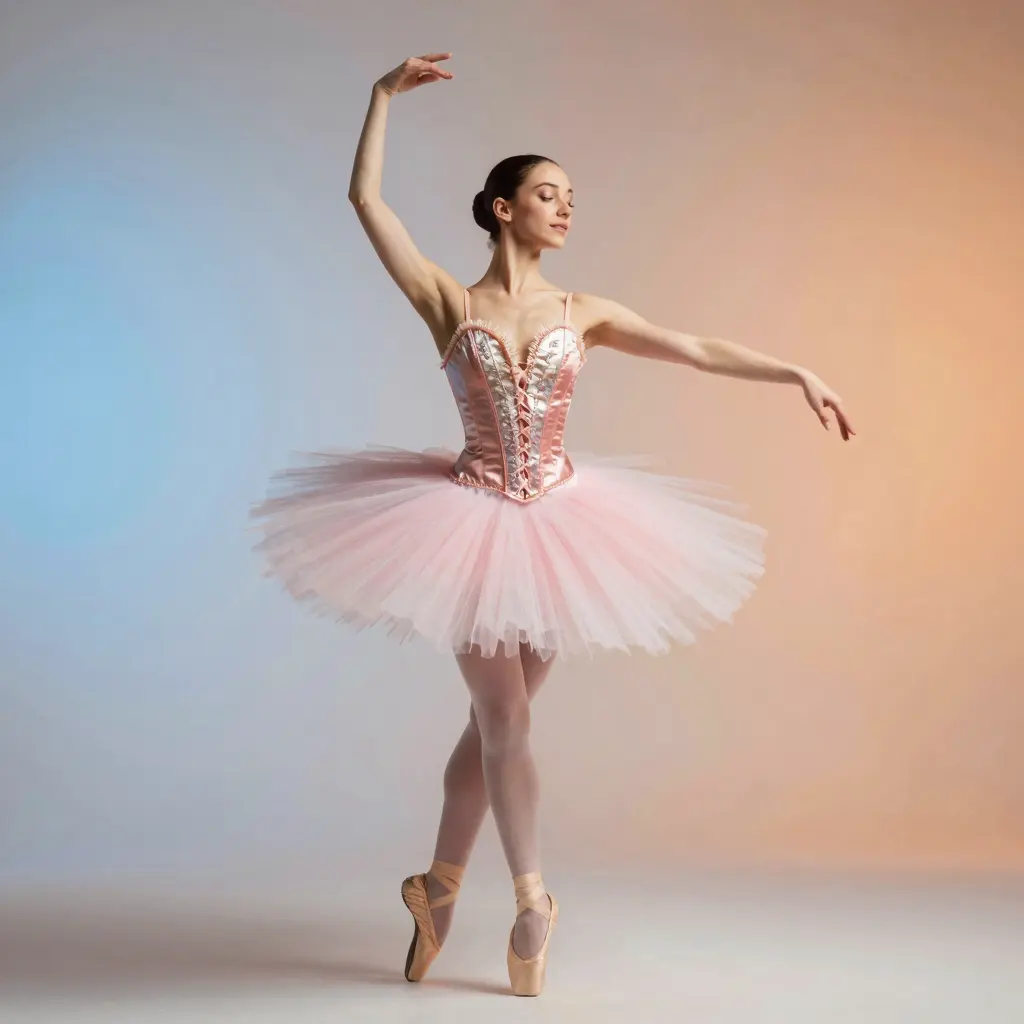
In the enchanting world of dance, few garments encapsulate grace and elegance quite like corsets and tutu dresses. These iconic pieces not only enhance a dancer’s silhouette but also provide the necessary support for intricate movements, allowing performers to showcase their talent with unparalleled flair. For business owners in the dance fashion industry, understanding the importance of high-quality corsets and tutus is crucial. They serve as the backbone of performances, transforming the art of dance into a visual spectacle that captivates audiences. As you explore options for your dance apparel line, consider investing in designs like professional tutus or themed costumes to appeal to both dancers’ desires and performance needs. The right mix of style and functionality can elevate your brand, ensuring your creations are not just attire but essential tools for artistic expression. Explore our collection of professional tutus and themed costumes to inspire your next product line.
The Evolution of Corsets in Dance Wear
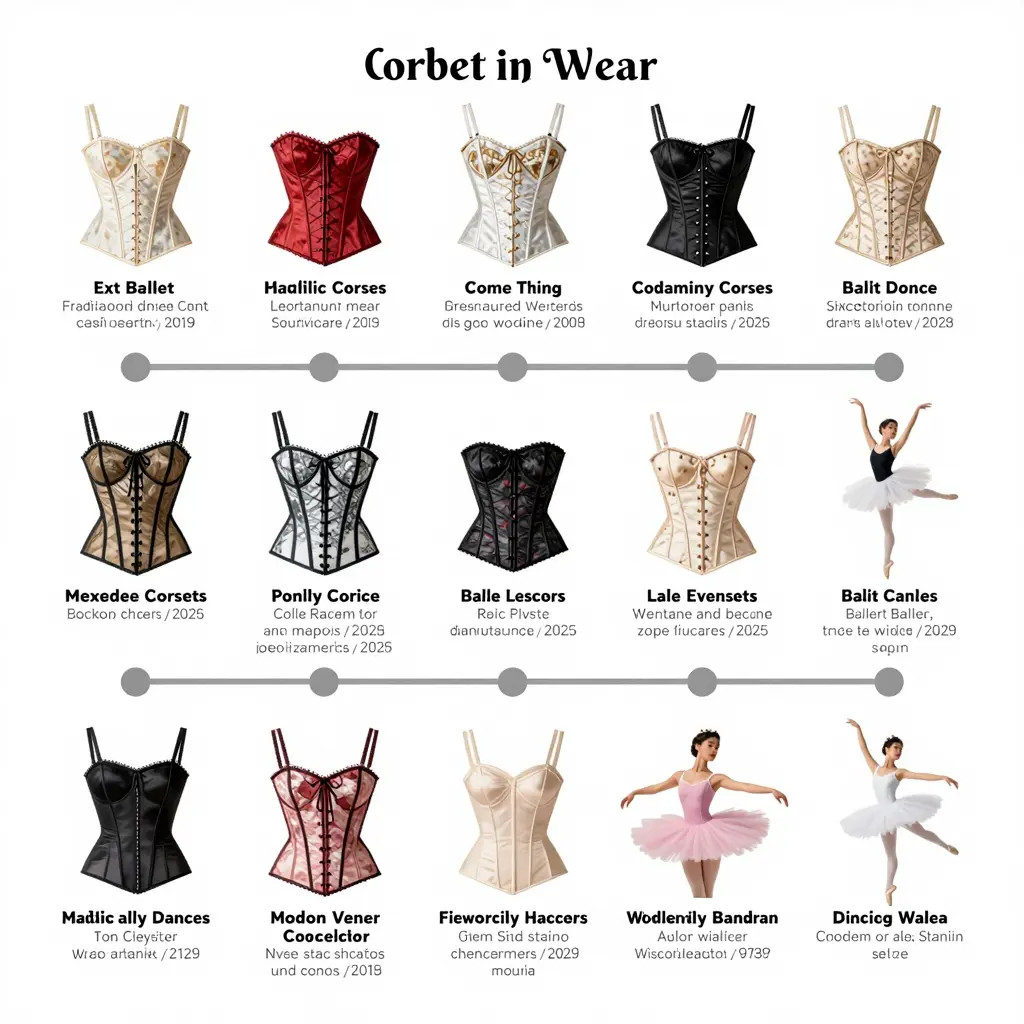
Corsets have long been a significant aspect of women’s fashion, traditionally designed to shape the torso and create an hourglass figure. Their integration into dance wear reflects both historical fashion trends and the functional requirements of performance art. Understanding the history of corsets in dance wear is crucial for industry professionals, especially when it comes to costume design and marketing.
Historical Context
The history of corsets dates back to the early 17th century, initially emerging as a fashionable garment in European courts. By the 18th century, they became synonymous with female beauty ideals, emphasizing a narrow waist and fuller hips. In ballet, where visual aesthetic plays a critical role, corsets were incorporated into dance attire to achieve the desired silhouette. Early ballet costumes often featured tight-fitting bodices supported by corsets, enabling dancers to maintain posture and poise while performing intricate movements.
By the 19th century, the design of corsets had evolved significantly. Romantic era ballet, with its ethereal aesthetics, saw the introduction of softer, more flexible corsetry that allowed greater freedom of movement. This allowed dancers to perform more emotive and dynamic choreography, reflecting the changing trends in ballet itself.
Today, modern ballet wear has largely moved away from traditional corsets towards garments made from elastic fabrics that emphasize comfort without sacrificing support. However, the influence of historical corsets is still evident in contemporary dance costuming, particularly in themed performances where period accuracy enhances the visual storytelling.
Modern Relevance to Business Owners
For business owners in the dance apparel sector, understanding this evolution can guide product development and marketing strategies. As trends cycle back into fashion, reintroducing elements like corsetry with a modern twist can appeal to niche markets. For example:
- Fashionable corsets in dance-themed costumes: Celebrating traditional forms with stylish updates can attract dancers that seek both functionality and aesthetic appeal. Explore our costumes for themed performances to see innovative designs that honor this history.
- Custom-made corsets for specific performances: Designing bespoke pieces can elevate a dance studio’s costume offerings, allowing for personalization that meets performers’ artistic needs.
Conclusion
Corsets have a rich history in the realm of dance wear, adapting from rigid structures to flexible designs that accommodate the demands of modern choreography. By acknowledging their historical significance and integrating this knowledge into their marketing strategies, business owners can connect with the evolving aesthetics and needs of dance performers. To explore options for professional dance costumes, consider visiting our selection of romantic tutus.

This historical perspective not only enriches product offerings but also enhances the overall experience of those involved in the world of dance.
The Significance of Tutu Dresses in Ballet
Tutu dresses hold a monumental place in the ballet world, not just as costumes but as integral components that embody the artistry and tradition of dance. Their design elements are specifically crafted to enhance a dancer’s performance and contribute to the overall visual spectacle of ballet performances. Here’s a deeper dive into why tutu dresses are significant, particularly for business owners in the dance industry.
Design Elements of Tutu Dresses
- Material and Structure: Traditional tutus are usually made from layers of tulle or netting, which create a unique silhouette that aids in visual presentation. The stiff fabric allows the tutu to hold its shape, enabling dancers to execute movements gracefully.
- Types of Tutus: There are several styles, including classical, romantic, and modern tutus, each serving different narratives and enhancing various aspects of dance. For instance, classical tutus, with their flat, short design, accentuate the legs and footwork of dancers, while romantic tutus are longer and softer, providing a different aesthetic appeal.
Impact on Performance
- Freedom of Movement: The design and fit of tutu dresses allow dancers to perform intricate movements without restriction, which is crucial for techniques that demand agility and grace, making performance not only cleaner but also more expressive.
- Aesthetic Appeal: The beauty of a tutu can captivate the audience, creating a visual treat that enhances the overall experience. This aspect can be pivotal for dance studios and businesses focusing on performance quality and audience engagement.
Considerations for Dance Industry Business Owners
For business owners in the dance industry, understanding the significance of tutu dresses can guide product offerings and marketing strategies. Key takeaways include:
- Quality and Variety: Investing in a range of tutu styles, from classic to character-themed, can cater to diverse performance needs. This can be showcased through offerings like professional tutus or romantic tutus.
- Education and Promotion: Educating consumers about the importance of tutu design and its impact on performance can create more informed customers who value quality when purchasing costumes. Videos demonstrating the tutus during practice or performance would further highlight their role.
Ultimately, tutu dresses are more than just costumes; they are a fusion of art, functionality, and tradition. By recognizing and promoting this importance, business owners can enhance their brand’s appeal within the competitive dance industry.
Comparing Corsets and Tutu Dresses
As business owners look to stock a variety of clothing, understanding the differences between various styles of corsets and tutu dresses can provide valuable insight for product selection. Below is a comparison table showcasing different types of corsets and tutu dresses, highlighting their fabric, design, price range, and target audience.
| Type | Fabric | Design | Price Range | Target Audience |
|---|---|---|---|---|
| Corset | Satin, Lace | Hourglass shape, boned structure | $30 – $300 | Fashion enthusiasts |
| Bustier | Cotton, Silk | Shorter, fitted style | $20 – $150 | Casual wearers |
| Underbust Corset | Steel, Tulle | Open-bust design | $40 – $200 | Intermediate users |
| Classic Tutu | Tulle, Taffeta | Layered, short, ballet style | $25 – $100 | Ballet dancers |
| Romantic Tutu | Tulle, Organza | Flowing layers, longer length | $30 – $150 | Performers and children |
| Costume Tutu | Glitter, Sequins | Themed designs for performances | $40 – $200 | Costume users |
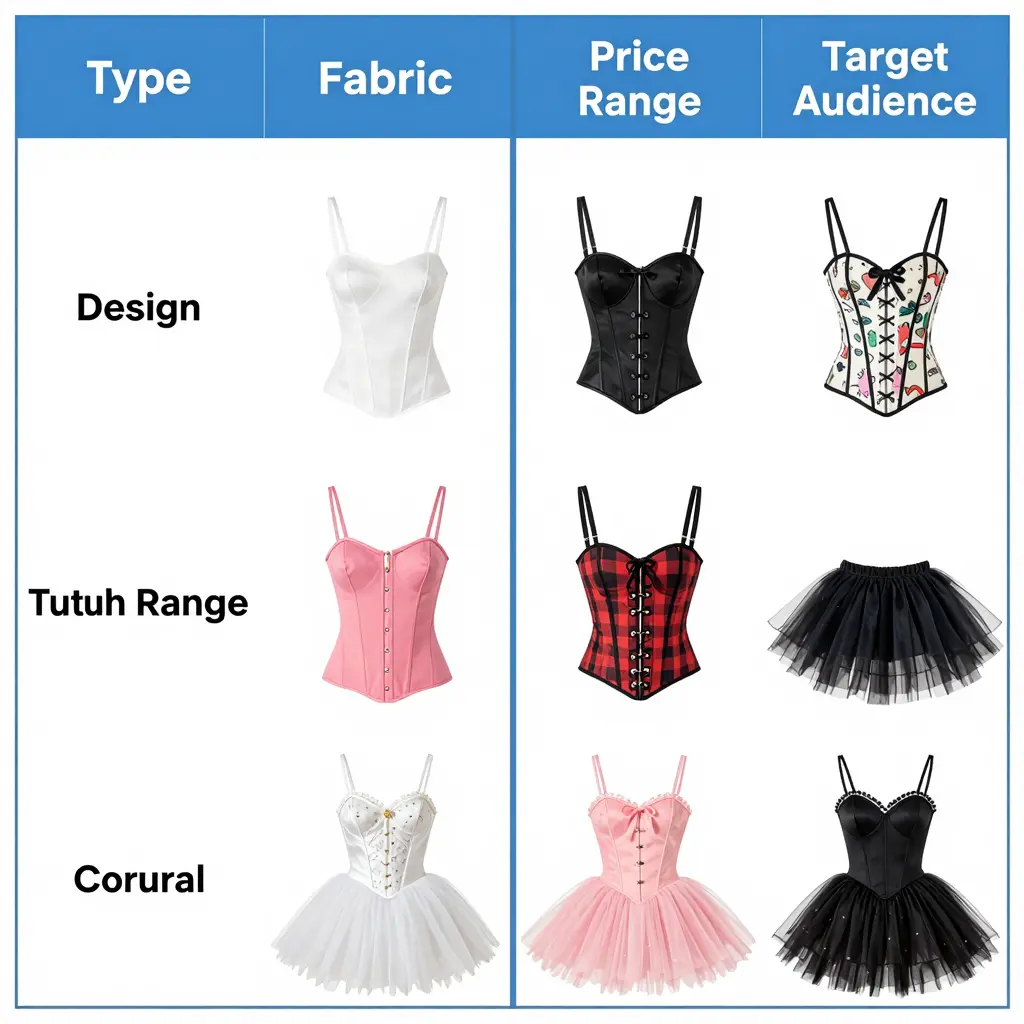
This table serves as a quick reference for understanding the nuances between corsets and tutu dresses, allowing business owners to make informed choices in their inventory. For those interested in professional variations of tutus, explore our professional tutu collection.
Additionally, for more whimsical options, consider our romantic tutu dresses that appeal to a wide array of customers.
User Reviews of Popular Balletwear Brands: Insights for Business Owners
In the competitive world of balletwear, understanding customer preferences is crucial for business owners. This summary synthesizes the insights gathered from various user reviews, with particular emphasis on corsets and tutu dresses, the staple garments of balletwear.
Key Findings on Corsets and Tutu Dresses
- Quality and Design
- Dada Tutu has received favorable reviews for its comfortable and aesthetically pleasing tutu dresses. Customers appreciate the fluffy appearance and affordability of their products, which appeals to both amateur dancers and professionals. As noted by Francis Fadel, a dance studio director, the quality and reliability of Dada Tutu’s balletwear are commendable, especially for bulk ordering. This reliability enhances customer trust and encourages repeated purchases.
- Many brands focus on blending style with function, particularly in the corset designs. The combination of a structured bodice with well-crafted skirts allows dancers to maintain both elegance and comfort during performances.
- The Balletcore Trend
- The emergence of the balletcore aesthetic, characterized by corset tops and voluminous tutus, has made a significant impact in fashion circles. Users on platforms like TikTok highlight the versatility of these garments, which can transcend traditional ballet attire and integrate into everyday fashion. The aesthetic appeals to younger audiences who seek to embody grace and sophistication while remaining stylish.
- Affordability vs. Luxury
- When considering balletwear, customers often find themselves at a crossroads between affordability and luxury. Many reviews underline that while budget-friendly options, such as those from Dada Tutu, are immensely popular, there is also a segment that values premium brands that promise unique designs and enhanced performance, like Ode on Tutu, which offers innovative designs that merge corsets with ballet elements.
- Practicality and Comfort
- Comfort is a recurring theme in user feedback. Many dancers emphasize the importance of their balletwear being lightweight and allowing for a full range of motion. Tutu dresses that allow for easy adjustments and corsets that secure without restricting movement are particularly favored. User feedback suggests that brands focusing on these practical aspects gain more loyal customers.
- Styling Options
- Customers enjoy the wide array of styling options available with tutu dresses and corsets. Many reviews indicate that the layering of skirts or the incorporation of embellishments are popular attributes that enhance the visual appeal of balletwear. This versatility makes these garments suitable for a variety of occasions, from casual wear to formal performances.
Conclusion
For business owners in the balletwear sector, paying attention to the aforementioned trends and user preferences can greatly enhance customer satisfaction and loyalty. By focusing on quality, comfort, affordability, and the aesthetic appeal of products-particularly in the realm of tutu dresses and corsets-brands can better position themselves in the market. Additionally, integrating customer feedback into product development and marketing strategies can foster a deeper connection with the target audience.
To explore various styles and options, consider visiting Dada Tutu’s Professional Tutu Collection as well as their Romantic Tutu Collection.
How to Choose the Right Corset and Tutu Dress for Performance
Selecting the perfect corset and tutu dress for performance is essential for business owners looking to stock their stores. The right choices can significantly impact a dancer’s performance and presentation. Here are some crucial guidelines to consider:
1. Fit and Comfort
- Measurement Accuracy: It’s vital that corsets fit snugly without causing discomfort. Ensure you stock different sizes and types of corsets to cater to various body types. Consider styles that offer adjustable features to enhance the fit.
- Material Flexibility: Look for breathable fabrics that allow for movement and reduce perspiration. Corsets that include lycra or spandex offer a level of comfort that can enhance performance.
- Test Wear: If possible, try the pieces on dancers before purchasing your stock. This will give you insights into how they perform under movement.
- Performance Length: Think about the length of performances. Dresses need to be comfortable enough to wear for extended durations, with materials that will not wear out easily under prolonged use (source).
2. Style Variety
- Design Selection: Corsets and tutus come in a variety of styles. Ensure to offer a mix of traditional and modern designs to appeal to diverse performance themes (source).
- Color Coordination: Select dresses that can work with various themes, from romantic ballets to character performances. Bright colors can be captivating on stage, while more muted tones may appeal to classical performances.
- Seasonal Trends: Keep track of seasonal styles and trends. For instance, pastel colors may be trendy during spring, and darker shades often become popular in fall and winter. Offering the latest designs can attract more customers.
3. Practicality for Performance
- Ease of Movement: Dancers require freedom of movement, so the structure of corsets must allow for this. Avoid overly rigid materials that can restrict movement during performance.
- Accessories: Consider availability of coordinating accessories such as tights and shoes to create a complete outfit for your customers.
- Care Instructions: Make sure that the dresses are easy to clean and maintain. Dancers often need to wash their costumes regularly, so durable fabrics can save time and costs.
Conclusion
By carefully selecting corset and tutu dresses that prioritize fit, comfort, style, and practicality, business owners can successfully cater to the needs of performers. This approach will not only enhance customer satisfaction but also potentially increase sales. For more styles, you can check out our collection of professional tutus and themed costumes ranging from classic to contemporary.
Top Trends in Balletwear Fashion: Corsets and Tutu Dresses
The balletwear fashion industry is witnessing a revival of styles that blend classic elegance with modern aesthetics. Specifically, corsets and tutu dresses are making a significant impact, presenting great opportunities for business owners in this niche. Here are some of the key trends:
1. Victorian Reimagining of Corsets
Corsets have emerged as a staple in the wardrobes of not just dancers but fashion enthusiasts. Collaborations between designers have led to corsets that echo Victorian styles, allowing for a blend of vintage charm and contemporary functionality, making them both wearable and practical.
For more on professional tutu styles, check out DadaTutu’s collection.
2. Modern Tutu Dresses
Recent collections like ‘Nina’s tutu 2023 ballet series’ from yeye by b.Fleurs showcase how traditional tutu dresses are being modernized. These pieces incorporate vibrant colors and innovative designs that appeal to a broader audience, maintaining the elegance of dance while integrating modern fashion elements.
3. Cultural Convergence
Events like the recent Tutu Chic fundraiser in Dallas illustrate how balletwear is merging with performance art to create stunning visual presentations that transcend traditional boundaries. Tutu dresses are increasingly styled with an artistic flair, highlighting their versatility in a modern setting.
4. Playful Silhouettes
As noted in recent fashion trend analyses, the playful silhouettes created by tutu dresses are becoming increasingly popular. Business owners should consider incorporating various styles to capture this playful essence, which appeals particularly to young audiences seeking both fun and fashion in dancewear.
5. Sustainability and Ethical Fashion
There’s a rising demand for sustainable and ethically made balletwear. The modern consumer often looks for clothing that reflects their values, making eco-friendly materials and production practices a vital trend to consider in your business offerings.
By staying ahead of these trends in balletwear, especially within corsets and tutu dresses, business owners can grasp the evolving market and cater to the demands of contemporary dance enthusiasts.
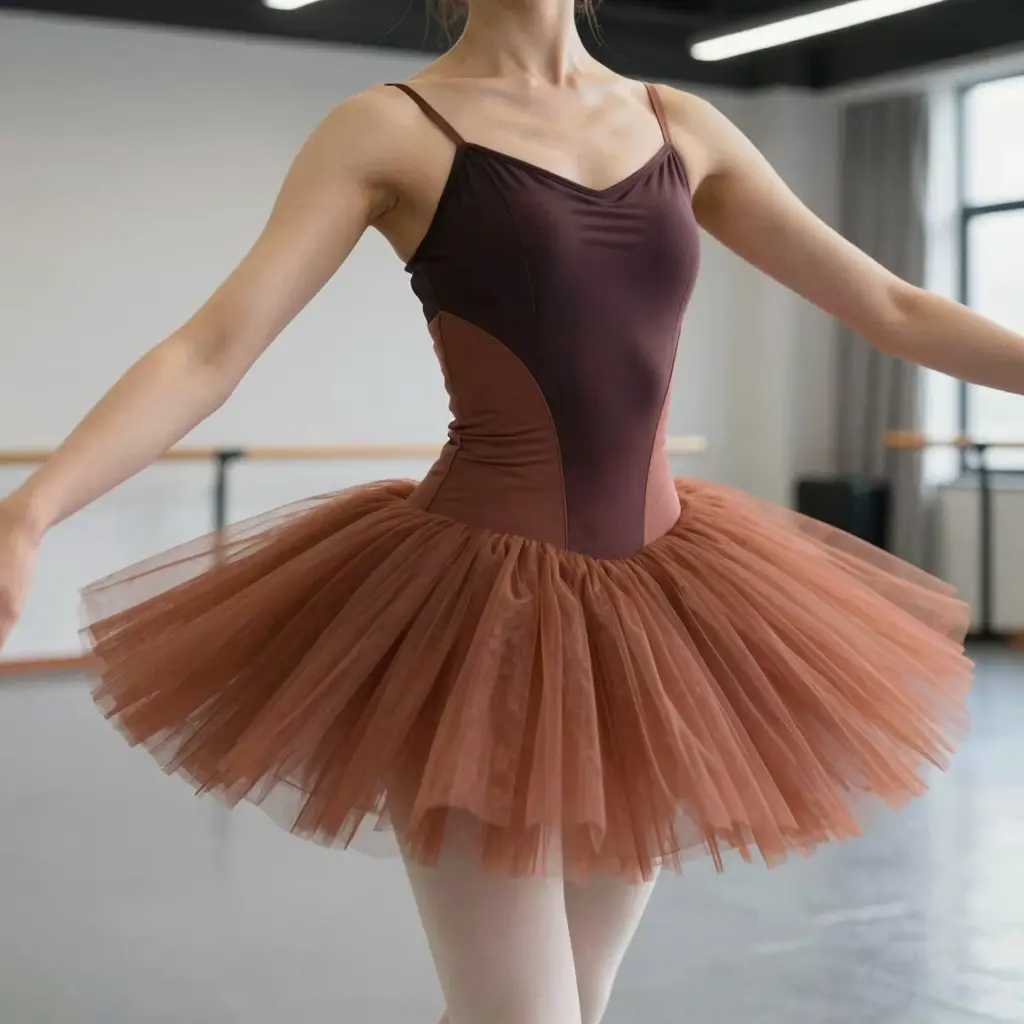
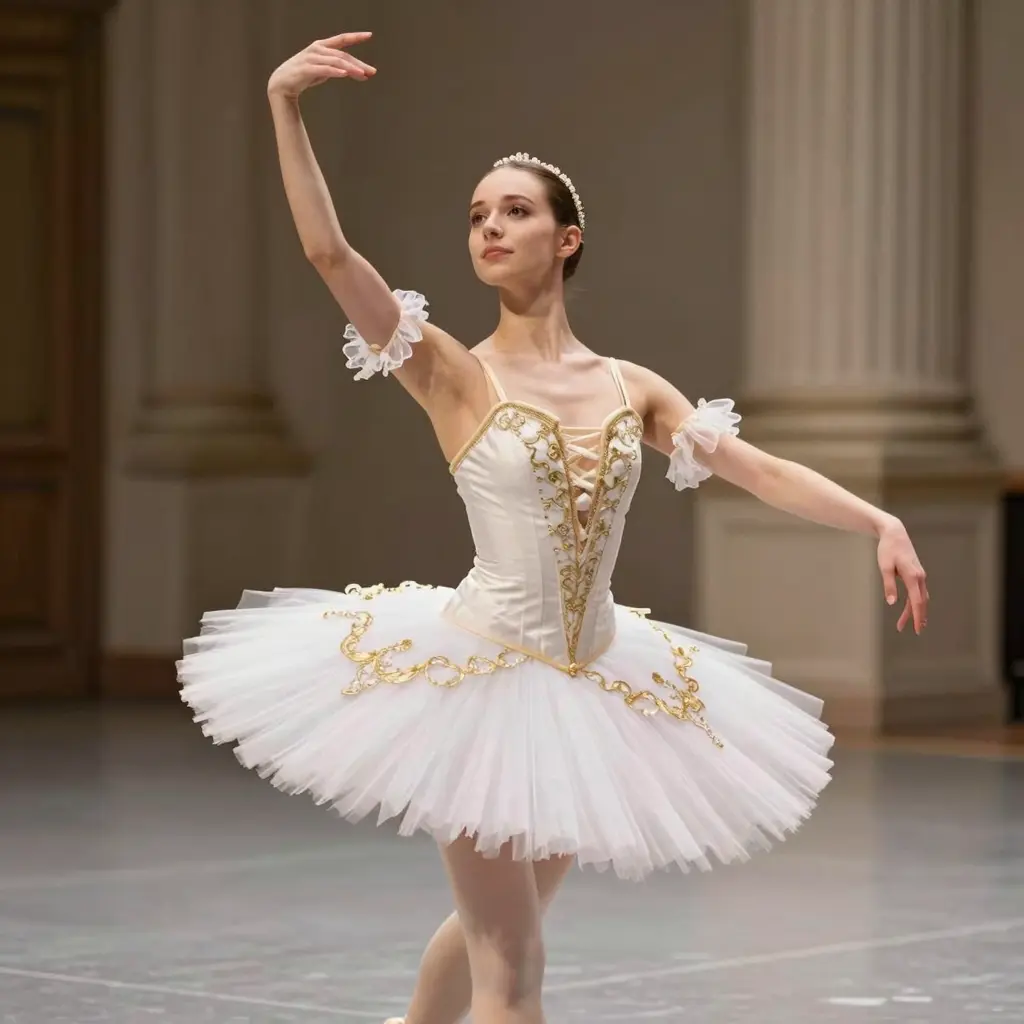
Fashionable dancer in modern balletwear – a blend of corset and tutu style.
For more inspiration on costume themes, explore the extensive options available at DadaTutu’s costume collection.
The Significance of Corsets and Tutu Dresses in Ballet
Ballet, often referred to as the highest form of artistic dance, relies heavily on its iconic costumes to convey emotion, character, and the overall aesthetic of performance. Corsets and tutu dresses are particularly significant in this art form, enabling dancers to not only look stunning but also achieve the technical demands of ballet.
“The elegance and structure provided by the corset allow for enhanced posture and line, essential elements in ballet performance, while the tutu highlights the dancer’s movements and adds a layer of visual beauty.” – Ballet Expert
Why Corsets Matter
- Support and Shape: Corsets provide the necessary support to maintain proper posture during performances, acritical aspect in ballet where alignment plays a vital role.
- Visual Impact: They also create an aesthetically pleasing silhouette, helping to emphasize the lines of the dancer’s body, crucial for showcasing their training and technique.
The Role of Tutu Dresses
- Movement and Artistry: Tutu dresses are designed to enhance a dancer’s movements. The layers of the tutu allow for fluid visual effects during spins and jumps.
- Tradition and Style: The tutu is a symbol of ballet that conveys tradition and historical significance. Its various designs can evoke different narratives in performances, from the romantic to the dramatic.
For professional tutus, you can explore our selection of professional tutus that emphasize elegance and quality. Moreover, romantic tutus add an enchanting flair, allowing for expressive performances. Check out our romantic tutu collection.
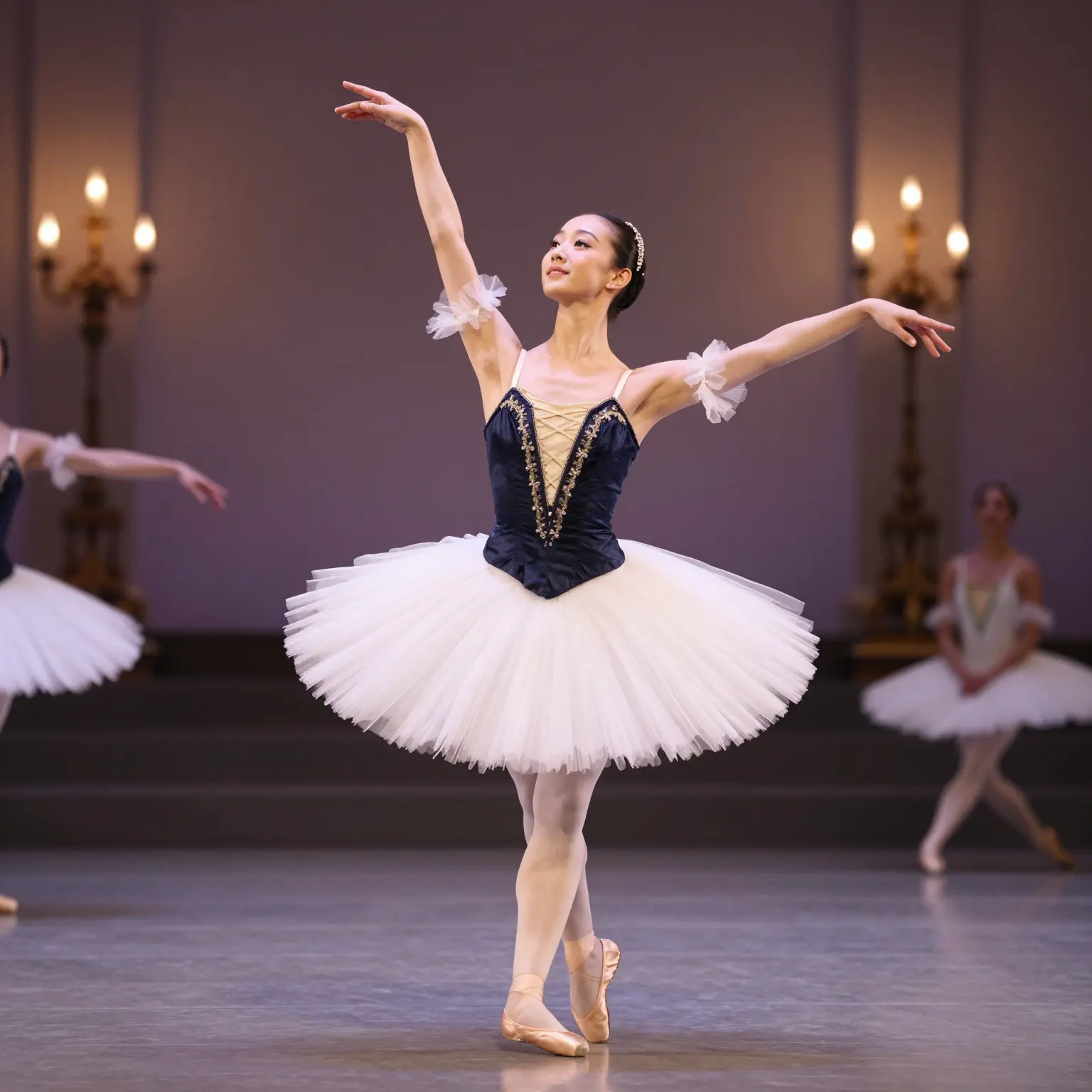
An elegant ballet performance scene showcasing traditional attire.
Corsets and tutus are not only essential elements of ballet costumes but also integral in enhancing a dancer’s capabilities and performance. Their historical significance and impact on the visual aesthetic make them vital components in the world of ballet, ensuring that the tradition continues to thrive in contemporary performances.
Conclusion
Choosing the right dancewear is paramount for any serious dancer, whether you operate a dance studio, run performances, or teach ballet. The right attire not only enhances performance but also boosts confidence and ensures comfort, allowing dancers to express their artistry fully. Corset and tutu dresses offer an impeccable blend of style, elegance, and functionality, making them key pieces of dancewear for various performances.
At Dadatutu, we understand the nuances that come with selecting high-quality dance attire. Our collection, featuring professional tutus and romantic tutus, is thoughtfully designed to cater to the diverse needs of dancers at different levels. We encourage you to explore our premium offerings and invest in dancewear that not only meets the performance standards but also adds a touch of grace to each performance. Don’t miss the chance to elevate your dance ensemble-shop at luneballet.com today!