
The Significance of Tutu Dresses in Ballet
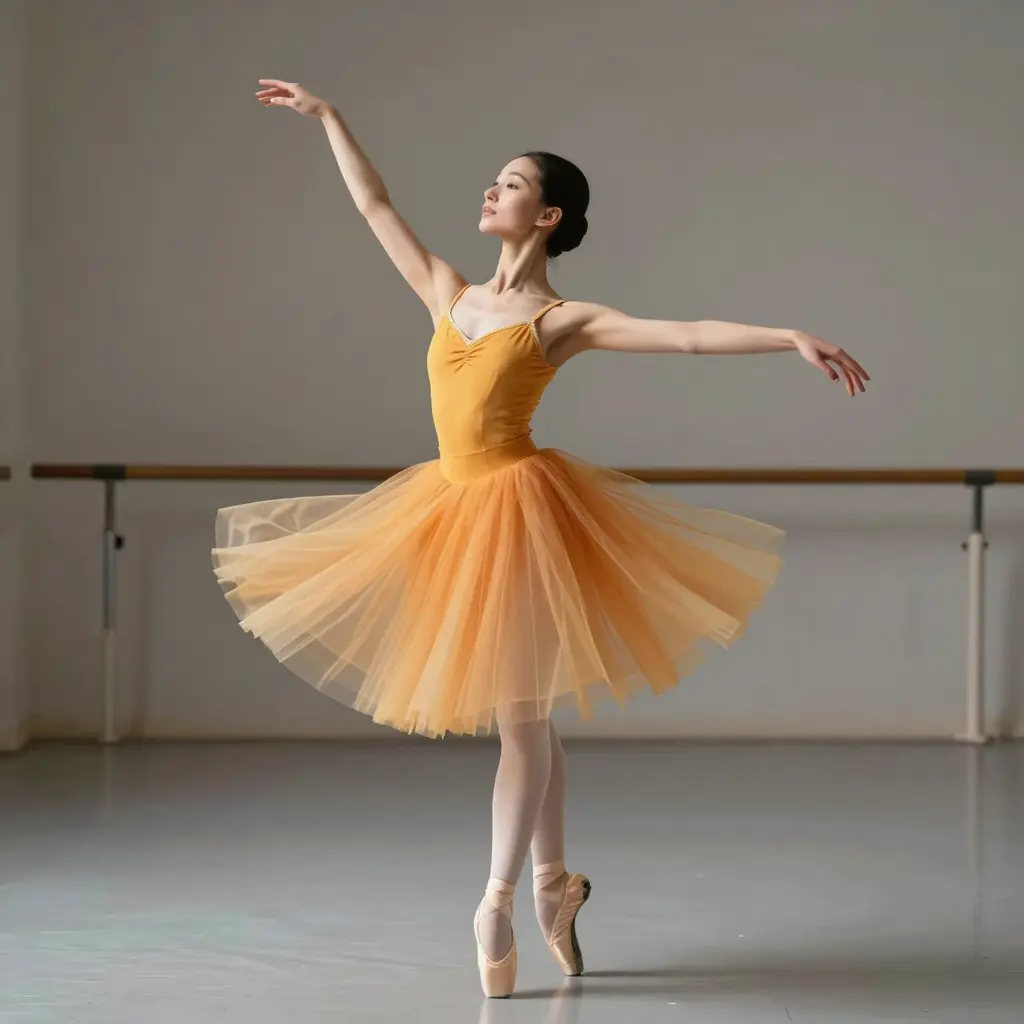
Tutu dresses are more than just beautiful garments worn by ballet dancers; they play a crucial role in enhancing performance and ensuring comfort on stage. When dancers wear a well-designed tutu, they not only elevate their artistic expression but also benefit from the practicality these costumes offer. Made from high-quality materials, such as breathable cotton, a good tutu dress allows for ease of movement, enabling dancers to execute complex choreography with grace and poise. The structure of the tutu also contributes to the visual appeal, framing the ballerina’s movements and accentuating their lines. This is essential in classical ballet, where precision and aesthetic beauty are paramount.
Moreover, tutu dresses come in various styles, such as the classic professional tutu or the romantic tutu, each serving different artistic purposes. Business owners in the dance industry can capitalize on the significance of these costumes by offering high-quality options that cater to the needs of both performers and choreographers. To learn more about different styles, you can explore selections such as professional tutus and romantic tutus available at our website. By investing in quality tutu dresses, you can enhance the dance experience for performers and attract a wider audience to your offerings, thereby improving the overall success of your business.
The History of Tutu Dresses in Ballet
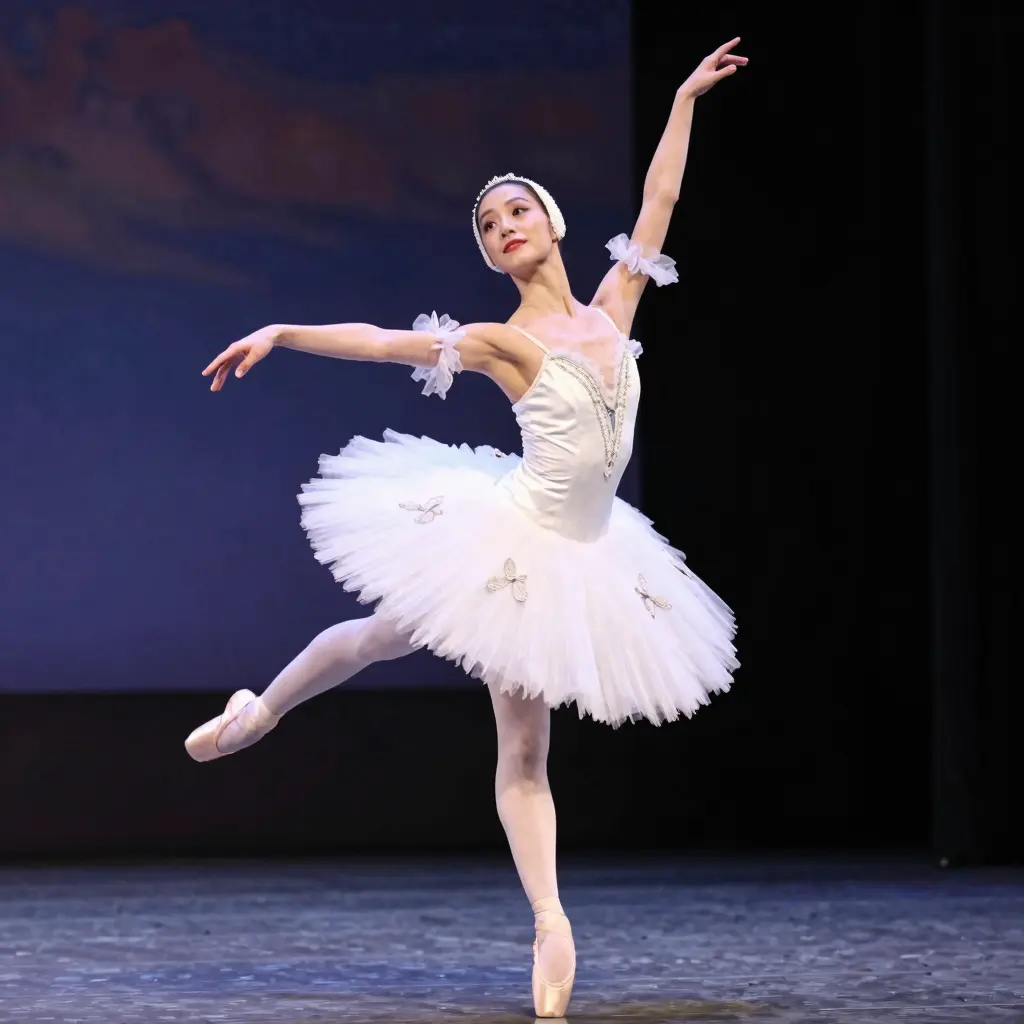
Tutu dresses have long been an iconic element in the world of ballet, representing both artistry and the evolution of dance attire. The history of tutu dresses can be traced back to the Renaissance period when ballet began to emerge as a formal art form. The first recognizable tutus appeared in the early 1800s, during the Romantic era of dance, which laid the groundwork for what would become a staple in ballet costumes.
Early Development
Initially, ballet costumes were heavy and elaborate, often obscuring the dancer’s movements. This changed dramatically with the introduction of lighter fabrics such as tarlatan and muslin, allowing for greater fluidity and expression. The iconic tutu style, characterized by its short, layered skirt that extends out from the hips, was popularized by ballerinas like Marie Taglioni, who wore it during her performance in “La Sylphide” in 1832. This marked a significant turning point in the design of ballet costumes, where the focus shifted to enhancing the visual aspects of the dancer’s movements while allowing for unfettered grace and poise.
Evolution of Design
The design of the tutu continued to evolve throughout the years. In the late 19th century and early 20th century, the tutus became more structured, with the introduction of crinoline or nylon materials that added volume and shape. These innovations reflected the changing aesthetics of ballet, emphasizing the beauty of the body in motion. This period also saw the rise of grand ballets, where elaborate costumes were integral to the storytelling aspects of productions.
Modern Tutus and Their Significance
By the mid-20th century, variations of the tutu emerged, including the romantic tutu, which is longer and more flowing, and the classical tutu, which is stiff and short. Each style serves a different purpose and fits various ballet traditions and performances, from classical masterpieces like “Swan Lake” and “The Nutcracker” to contemporary interpretations in modern ballet. The tutu now stands not just as a costume but as a symbol of ballet itself, representing the elegance and technical prowess required in this art form.
Key Milestones in Tutu Design and Functionality
- Early 1800s: Introduction of the short, bell-shaped tutu, allowing enhanced visibility of legwork.
- 1832: Marie Taglioni popularizes the tutu in “La Sylphide,” marking a shift in dance attire.
- Late 19th Century: Structural changes incorporating crinoline, enhancing the visual drama of performances.
- Mid-20th Century: The emergence of different tutu styles, adapting to diverse ballet genres.
The tutu continues to play a vital role in dance culture, not just for its aesthetic appeal but also as a functional garment that allows for intricate choreography. Aspiring business owners in the dance apparel industry can explore a variety of tutu designs, such as those found in professional tutus or romantic tutus, to meet the needs of dancers at all levels. Overall, the tutu encapsulates the advancement of ballet, marrying tradition with modernity, making it an enduring symbol of grace and beauty on stage.
Key Features of High-Quality Tutu Dresses
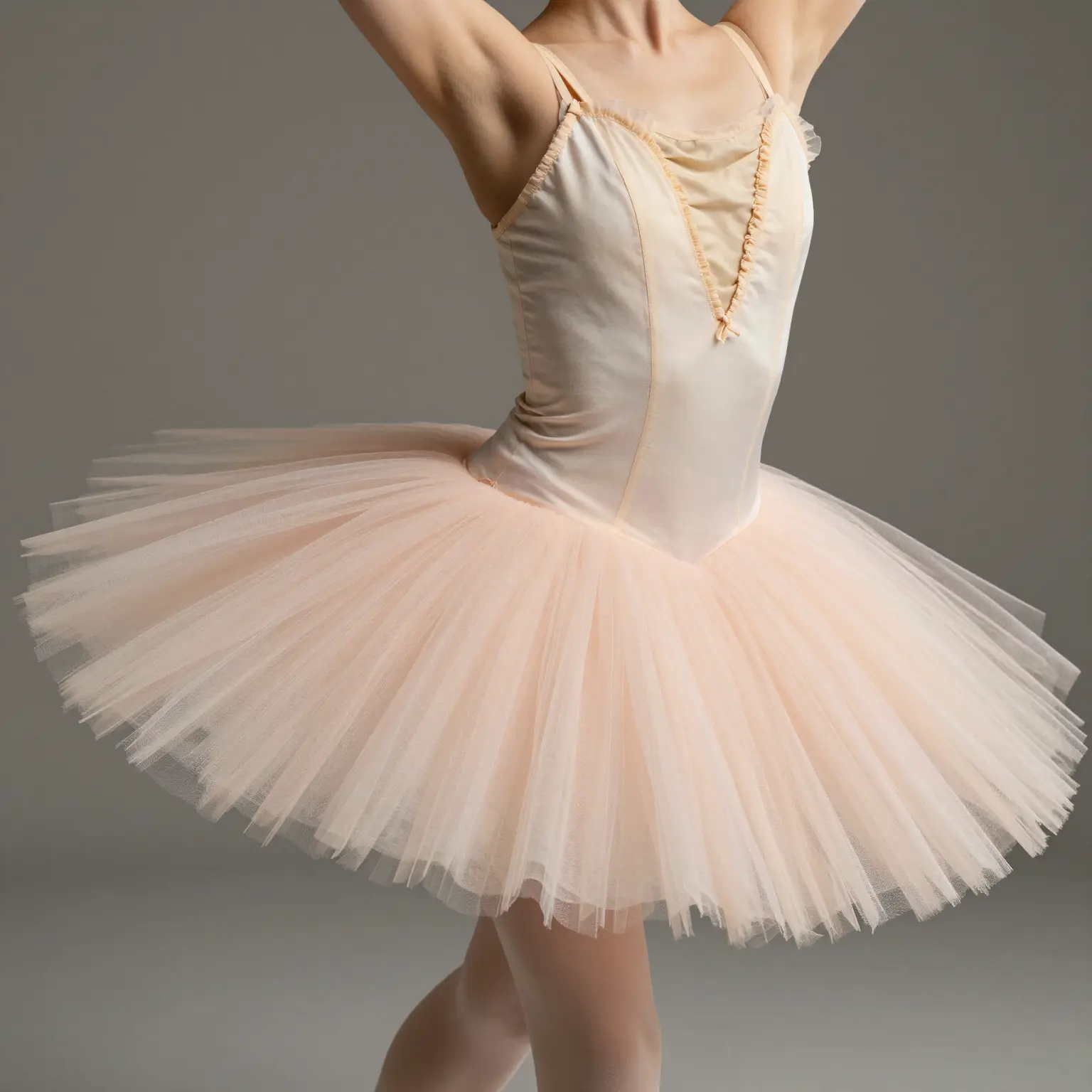
When considering high-quality tutu dresses for inventory, business owners should pay attention to the following essential features:
-
Fabric Types:
-
Soft Tulle: Opt for soft, durable, and breathable tulle, which ensures comfort during wear.
-
Cotton Linings: Cotton is renowned for its breathability and softness, minimizing skin irritation for young wearers.
-
Polyester Tulle: This material retains the tutu’s shape and colors even after multiple washes, providing longevity and ease of maintenance.
-
Design Elements:
-
Layering: High-quality tutus typically feature multiple layers, giving them volume and a more dramatic appearance suitable for ballet and events.
-
Versatility: Look for designs that allow for modification, enabling adjustments for different performances or occasions.
-
Finishing Touches: Elements such as lace accents or embellishments can add to the dress’s elegance and appeal.
-
Comfort Factors:
-
Adjustable Waistbands: Ensure comfort and a perfect fit with adjustable waistbands and stretchy materials.
-
Breathable Cuts: Dresses designed with breathability in mind will keep the wearer comfortable, especially during extensive use in performances or parties.
Business owners can explore various options for sourcing these dresses through professional tutus or romantic tutus available at Dadatutu.
By focusing on these key features, businesses can ensure they stock high-quality tutu dresses that meet the needs of customers looking for both beauty and practicality.
Selecting the Right Tutu Dress for Different Skill Levels
Choosing the perfect tutu dress for dancers is essential for encouraging their performance and development in dance. As a business owner, recommending the right tutu dress based on skill levels-from beginners to professionals-can make a notable difference in a dancer’s experience. Here are some key considerations:
1. Fit
Choosing the right fit is crucial for both comfort and performance:
- Beginners: Tutu dresses for beginners should prioritize comfort and ease of movement. Look for options with adjustable straps and a stretchy bodice that accommodates growth.
- Intermediates: As dancers become more serious about their practice, it’s essential that their tutu dresses offer both comfort and a snug fit to allow for greater mobility during more complex routines.
- Professionals: Professional dancers often require tailored tutus that ensure a flattering, performance-ready fit. These tutus should consider various body types and should be made from materials that facilitate full range of motion without restrictions.
2. Material
The choice of material can impact not only the appearance but also the function of the tutu:
- Tulle: Popular among all skill levels, tulle is soft and creates an iconic ballet look. It’s often advisable for beginners due to its lightweight nature.
- Organza: This fabric is often used for intermediate dancers wanting layered effects. It’s light but can be fragile, which is a consideration for active dancers.
- Nylon and Cotton: Nylon is durable and usually a popular choice for both intermediate and professional dancers. It withstands frequent washing and wear. Cotton offers comfort and is excellent for casual wear, though it may not perform as well under stage lights.
- Satin: A favorite for professional costumes due to its glossy finish, satin reflects light beautifully during performances, enhancing visual appeal.
3. Style
The style of the tutu can vary significantly, and each can serve a different purpose:
- Basic Tutus: Suitable for beginners, basic tutus provide the essential look without complex designs. These are also more economical, making them a good choice for first-time dancers. Check out the basic collection here.
- Professional Tutus: More intricate designs with layers and embellishments can be found in the professional section. These tutus are made from finer materials and designed for stage presence. Explore the professional collection for ideas.
- Romantic Styles: Perfect for performing classical pieces, romantic tutus should be considered for dancers focusing on this style. They offer a lovely aesthetic and flowing design.
Conclusion
By tailoring your recommendations based on the dancer’s skill level, you can enhance their dance experience significantly. Encourage customers to think critically about the fit, material, and style of tutu dresses, providing options that will not only suit their performance needs but also make them feel confident and beautiful on stage.
Additionally, consider reviewing the variety of costume themes available to match their specific performances and style preferences.
For visual representation, see the chart below illustrating the materials and their suitability by skill level.

Comparing Tutu Dress Materials
When it comes to selecting the right material for tutu dresses, understanding the pros and cons of each option can greatly assist business owners in making informed purchasing decisions. Here’s a comparison of the most common tutu dress materials: Tulle, Silk, and Cotton.
| Material | Advantages | Disadvantages |
|---|---|---|
| Tulle | – Lightweight and airy, providing volume to the dress. |
- Breathable, making it comfortable for active wear.
- Versatile for layering and creating dramatic looks. | – Can be scratchy against the skin if not lined properly.
- May snag easily and requires careful handling. |
| Silk | – Extremely soft and delicate, offering a luxurious feel. - Drapes beautifully, enhancing the overall appearance of the dress.
- Ideal for elegant and formal tutu designs. | – More expensive than other materials.
- Requires special care when washing and maintaining. |
| Cotton | – Soft and breathable, suitable for casual wear. - Easy to wash and maintain, making it practical for everyday use.
- Generally more affordable than silk. | – Lacks the volume and structure that tulle provides.
- May crease easily and not retain shape as well as synthetic fabrics. |
Choosing the right material can significantly impact the comfort, appearance, and price of the tutu dresses you offer. Make sure to consider these factors while selecting fabrics for your products. For more options, check out our professional tutus and romantic tutus.
Conclusion
In summary, each material has its unique advantages and disadvantages. Tulle is perfect for dramatic styles, silk offers luxury, and cotton is great for comfort and practicality. Tailor your choices based on your target audience’s needs and preferences.
Testimonials from Dancers on Tutu Dresses
Embracing Comfort and Style
Dancers from various backgrounds have shared insights into their experiences with tutu dresses, particularly those made of cotton. These garments have become essential in dancewear, blending comfort, style, and performance effortlessly.
-
Anna, Professional Ballet Dancer
“I’ve worn many tutus in my career, but the cotton ones are my favorite. Not only do they look stunning on stage, but they also allow for ease of movement during rehearsals. The soft fabric is a pleasure against the skin, and I often feel like I can dance longer without discomfort. I especially love the range of professional tutus available; they give me the freedom to express myself fully.” -
Jessica, Dance Theater Performer
“As someone who moves constantly on stage, it’s crucial that my outfit doesn’t restrict me. The tutu dresses from luneballet.com fit perfectly, allowing me to execute my movements gracefully. The lightweight tulle captures the stage lights beautifully while keeping me cool during intense performances. I truly appreciate how stylish they are, making every scene memorable.” -
Mia, Aspiring Competitive Dancer
“Comfort is key for us competitive dancers, and I am so glad I chose a cotton tutu dress for my last performance. It felt great to know that I could focus entirely on my routine without worrying about how I looked or if I was uncomfortable. I realized that the design of these dresses also plays a role in performance-more stylish outfits give me confidence while performing.”
Standing Out with Performance
-
Lily, Nutcracker Performer
“During my performance in ‘The Nutcracker,’ I wore a delightful cotton tutu. Its vibrant color and fluffiness added to the enchanting atmosphere of the show. I received several compliments on stage, and the comfort factor was unbelievable, especially during long practices. Having a dress that enhances my performance while looking fantastic is a must!” -
Sophie, Ballet Class Student
“I adore my cotton tutu! It is soft and doesn’t scratch me like some of the other materials. It also makes me feel like a real ballerina. I often tell my friends how important it is to have comfy clothes that still look pretty. It makes dancing so much more fun!”
Conclusion
With testimonials reflecting a consistent theme of comfort, beauty, and performance, it’s clear that cotton tutu dresses are more than just a fashion statement in the dance world. They play an integral role in how dancers express themselves and perform. For business owners in the dancewear industry, it’s vital to understand these customer insights to cater effectively to the needs and desires of dancers. For those looking for a variety of styles, consider exploring the collection of romantic tutus, which offer both beauty and functionality for dancers at any level.
By prioritizing comfort and style in your tutu designs, you can create pieces that not only meet dancers’ needs but also help them shine on stage.
Maintenance and Care for Tutu Dresses
Tutu dresses are beautiful, delicate garments that require special care to maintain their shape and quality. Here’s a comprehensive guide on how to properly care for and maintain tutu dresses to extend their lifespan:
Washing Instructions
- Hand Wash Preferred: For best care, always hand wash your tutu dresses in cold water using a mild detergent. This helps to retain the integrity of the fabric and prevent damage.
- Using a Washing Machine: If hand washing isn’t an option, place the tutu in a laundry bag (preferably mesh) to protect it during a machine wash. Use the gentle cycle with cold water.
- Avoiding Heat: Never use bleach or fabric softeners, as these can compromise the fabric. After washing, avoid wringing the tutu out; instead, gently press out excess water.
Drying Techniques
- Air Dry: Always hang the tutu to air dry. Avoid using a dryer, as the heat can lead to shrinkage and damage to the tulle layers.
- Proper Hanging: Use a specialized tutu hanger or a soft hanger for drying. This prevents distortion of the tutu’s shape.
- Avoid Direct Sunlight: Hang in a shaded area to avoid fading the colors or damaging the fabric with direct sunlight.
Storage Guidelines
- Flat Storage: Store tutus flat in a breathable fabric bag to avoid pollution and mold. If you must fold, make sure to do so carefully to prevent creasing.
- Airflow: If storing in a bag, leave it unzipped to promote airflow and prevent mustiness.
- Avoid Heavy Objects: Never place heavy objects on top of your tutu dresses, as this can distort their shape or cause damage.
Handling Suggestions
- Gentle Handling: Always handle tutu dresses gently to prevent snagging or tearing the layers. Encourage girls to treat their tutus with care, especially when putting them on or taking them off.
- Prompt Attention to Stains: If stains occur, treat them immediately. Use a delicate stain remover or a gentle combination of water and mild soap, and dab (don’t rub) the stain away.
By following these maintenance and care tips, business owners can ensure that their tutu dresses remain vibrant and beautiful for years to come. For more styles and options, check out our professional tutus and romantic tutus to find the perfect pieces for your collection!
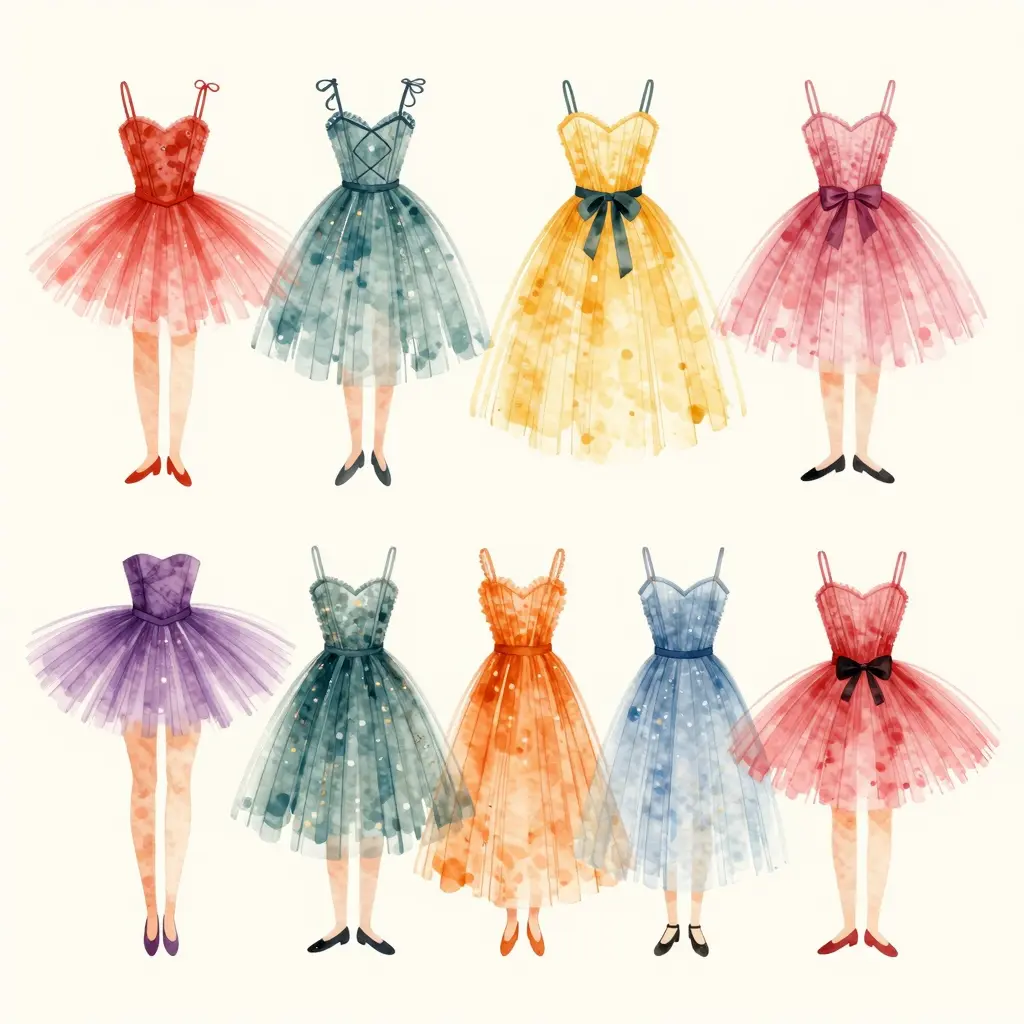
The image showcases various styles of tutu dresses, emphasizing their beauty and variety.
Sales Trends of Tutu Dresses
The market for tutu dresses has seen significant changes over the past few years, reflecting a growing demand in various consumer segments. Business owners looking to stock tutu dresses should consider the following sales trends:
Sales Growth Over the Years
| Year | Sales Growth (%) | Popular Styles | Notable Spikes |
|---|---|---|---|
| 2019 | 10 | Classic tutu, Rainbow tutu | Halloween season caused a 20% increase in sales |
| 2020 | 15 | Petal tutu, Glitter tutu | Spike during summer events and Halloween |
| 2021 | 12 | Vintage style, Floral print tutu | Higher demand leading to 30% increase for Halloween |
| 2022 | 20 | Customized tutus, Themed character tutus | Festival seasons saw a 25% increase in sales |
| 2023 | 18 | Eco-friendly materials, Multi-layer tutus | Significant spikes around Halloween and Christmas |
Visual Representation
The following chart illustrates the sales growth trend of tutu dresses over the past five years:

This data indicates that tutu dresses not only maintain their popularity but also have notable spikes in sales during specific seasons, particularly around Halloween and Christmas. For more insights on professional tutu selections, check out our professional tutu collection or explore themed costumes here.
Conclusion: The Timeless Elegance of Tutu Dresses in Ballet
The tutu dress is undeniably one of the most iconic elements in the world of ballet. As we have explored, these exquisite garments not only enhance the aesthetic quality of performances but also play a critical role in defining a dancer’s movements with grace and elegance. Historically, the tutu has evolved from a practical garment to a symbol of beauty, precision, and art in ballet, exemplifying the transformation of ballet costumes over the years. tutu dresses serve as an essential part of every ballerina’s wardrobe, contributing to the overall visual and emotional impact of a performance, particularly in classic productions like The Nutcracker and Swan Lake.
Moreover, with trends shifting in balletwear towards more personalized and stylish outfits, tutu dresses remain at the forefront of this evolution, accommodating various artistic expressions. Whether you run a dance studio or are simply passionate about ballet, investing in high-quality tutu dresses is crucial for both the performance and the aesthetic experience of the art.
If you’re seeking premium balletwear to enhance your dance performances or to outfit your students, look no further than Dada Tutu. Explore our stunning collection of professional tutu dresses and find the perfect fit for your practice or performance. Embrace the elegance and tradition of ballet today!