
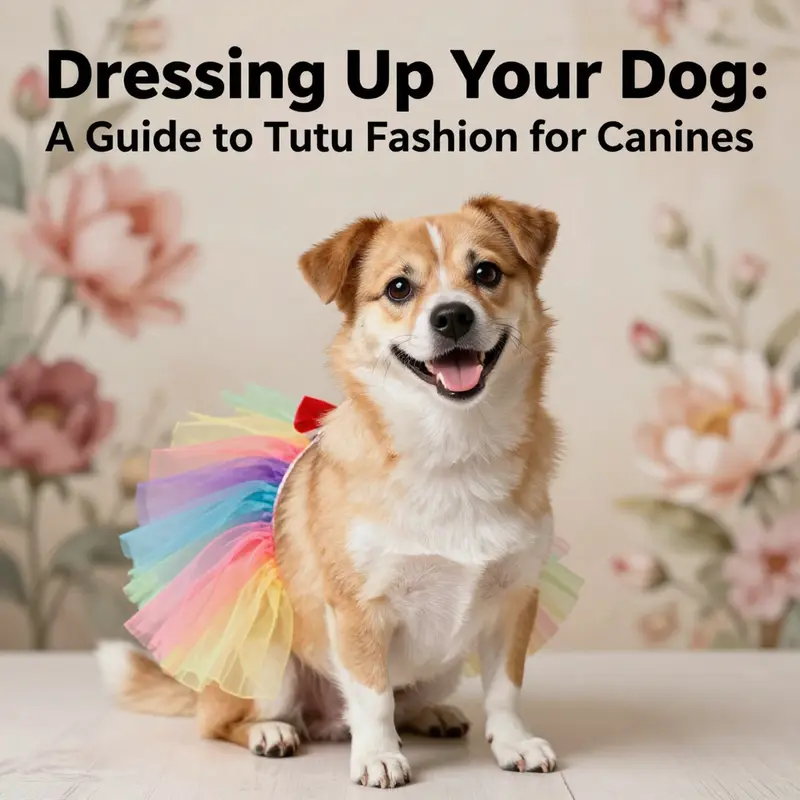
In a world filled with pet fashion trends, the tutu stands out as a charming and whimsical option for cheerful pups. However, beyond the joy of dressing a dog in a fashionable tutu lies the responsibility of ensuring their comfort and well-being during the experience. This guide delves into the crucial components of enabling dogs to wear tutus without stress. Readers will find valuable insights in each chapter: learning to build trust through positive interactions, recognizing the importance of body language to gauge comfort, selecting the right fitting and functional tutu, and accessorizing creatively to complete the stylish look. Together, these elements cultivate a positive bonding experience and enhance the joy of canine fashion.
null

null
null

null
Measured Grace: Fitting a Safe, Comfortable Tutu That Lets Your Dog Play Freely

Every dog owner who has ever dressed a pup in a tutu understands that fashion can be a playful, personality-affirming moment—yet true style only shines when comfort leads and movement remains unimpeded. A tutu that looks charming but feels limiting becomes a source of stress, wobble, or restraint during a favorite game. The heart of dressing a dog in a tutu is not about forcing a look; it is about inviting a cooperative moment where safety, mobility, and joy harmonize. When done thoughtfully, a well-fitted tutu becomes a small stage for shared delight, a tangible reminder that fashion can honor a dog’s natural body and pace rather than overpower them. The best outfits emerge from quiet, patient work, a steady rhythm of gentle introductions, and a foundation of fit that respects the unique shape of every dog. In this light, fitting and functional considerations are not afterthoughts; they are the core of what makes a tutu both wearable and worth the sparkle it brings to the daily lives of dogs and their people.
At the core of any successful tutu is fit, and fit begins with precise measurements that translate into a garment that moves as your dog moves. The chest girth sits at the base of the ribcage behind the front legs and often serves as the most critical dimension. A tutu that is too tight around this area can cause rubbing, chafing, and even reluctance to move, while one that is too loose risks snagging on furniture, doors, or play equipment. Getting this measurement right requires a calm, confident approach. The dog should be at ease, perhaps standing or lightly paced while you measure, with a soft treat in hand to reinforce calm cooperation. The waistband should sit comfortably just behind the last rib, not high on the back nor low where the skirt could crumple into the hind legs. For many dogs, especially those with round chests or a sturdy torso, the designer’s choice of waistband elasticity matters just as much as the circumference. A stretchy band can accommodate minor fluctuations in breathing and posture, reducing the sense of constraint during movement and allowing for quick adjustments as the dog shifts from a sit to a sprint or a playful pounce.
Designing for different body types also means paying attention to fabric, layer count, and the overall silhouette. Small breeds benefit from soft, breathable fabrics and adjustable fittings that accommodate quicker changes in posture and energy. Lightweight tulle layers, cotton blends, or mesh fabrics with a gentle stretch create air pockets that keep core temperature comfortable during warmer days or longer photoshoots. Larger dogs, meanwhile, demand sturdier yet still lightweight materials. The tutu should appear generous enough to prevent crowding around the groin or hindquarters, but not so voluminous that it adds bulk or disrupts the dog’s stride. The waistband and bodice—if a tutu features a bodice to anchor the skirt—should be robust but not rigid, with seams that glide along the body rather than press into it. In all cases, the skirt length matters. It should be long enough to prevent the hem from stepping on the front paws or catching on furniture, yet not so long that the back legs feel restricted or the tail becomes tangled. In practical terms, this means a design that allows full extension of the hind limbs and tail while preserving the visual flow of the garment.
The choice of materials also determines how the dog experiences the outfit. Breathability is not a luxury; it is a necessity for any garment that sits on the torso and upper hindquarters during movement. Thick layers or heavy decorations can trap heat and intensify fatigue, especially in dogs with dense coats or those who are more sensitive to temperature changes. A well-made tutu will prioritize a fabric balance: a breathable base with a light outer layer that sways with motion without catching on fur or fabric. This consideration pairs with practical design features such as a secure yet comfortable attachment system. Velcro fasteners, soft elastic inserts, and discreet snap tabs often work better than rigid corsets or tight stitching around sensitive areas. The goal is a garment that stays in place during running, jumping, turning, and even a quick roll on the grass, but never at the expense of comfort or natural posture.
To help this balance come to life, some households begin with a low-pressure introduction. The process mirrors a gentle dance: the dog is invited to sniff and paw at the skirt laid flat on the floor, with the scent of treats and praise nudging the interaction into positive territory. The initial step is brief—only 10 to 15 seconds of coverage across the back—with careful withdrawal and immediate rewards. Over subsequent days, the duration lengthens in small increments—30 seconds, then a minute, then a few minutes—always stopping at a moment when the dog seems relaxed and curious rather than tense. This measured desensitization, a concept widely used in training to reduce stress around new experiences, builds familiarity without pushing the dog beyond what they can accept. It is essential to watch for signs of strain: panting, trembling, scratching, an attempt to escape, or a tucked tail. These cues signal that the garment is not yet a fit they can embrace, and the process should pause or regress. As veterinary behaviorist Dr. Lena Matthews cautions, clothing should not interfere with a dog’s natural posture, locomotion, or thermoregulation. If the dog stops wagging their tail or begins excessive scratching, it is time to reassess whether the clothing aligns with their comfort and safety needs.
Aesthetics, of course, matter to many pet guardians, but the look should never overshadow the dog’s wellbeing. When the fit is right, the tutu becomes more than a decorative element; it is an extension of a dog’s personality. A great tutu respects the animal’s body and gait while enabling the owner to complement the dog’s natural charisma with tasteful accessories. Pairing the tutu with a matching decorative collar or a bow tie can enhance the overall silhouette without overpowering the dog’s expression. For male dogs or those who prefer minimalist styles, a simple bow or a sleek collar accent in a color that harmonizes with the skirt can strike a balanced chord between sophistication and playfulness. The goal is a cohesive look that feels intentional, not performative, and that supports the dog’s movement rather than drawing attention away from it.
Understanding the fundamental differences between dog clothing and other pets is part of the care equation. Dog tutus typically accommodate broader shoulders, longer bodies, and higher necklines, tailored to canine anatomy and movement. Cat clothing, by contrast, emphasizes freedom of the front limbs and shoulders, with shorter, narrower designs that preserve agility. Misplacing a design—placing a cat-cut skirt on a dog or vice versa—can result in an ill-fitting look and an uncomfortable experience. The right fit, then, hinges on recognizing and respecting these anatomical distinctions and choosing sizes and cuts that honor the dog’s true proportions. This attention to anatomy is not mere pedantry; it anchors safety, mobility, and the enjoyment of the moment.
All these considerations—fit, fabric, and functional design—converge in a philosophy of dressing that centers the dog’s experience. Desiring a cute, Instagram-worthy moment should never trump the imperative of a calm, stress-free interaction. When owners approach tutu-wearing as a shared activity built on gradual progression, positive reinforcement, and a commitment to comfort, they invite their dogs into a space where style is an expression of trust and respect. The tutu is not a barrier to play but a prop that can amplify a dog’s joy in motion. In this frame, the decision to move forward with a tutu becomes a conversation with the dog, a conversation that begins with small steps and grows with confidence and mutual delight. If a dog approaches the skirt with curiosity and a wagging tail rather than a tense posture, that is a signal the fit is heading in the right direction. It is a reminder that fashion, when grounded in care, can celebrate a dog’s personality while keeping them safe, comfortable, and able to explore the world with their usual energy.
For readers who are curious about measuring and selecting a tutu with precision, practical guidance continues to unfold in available resources and shops that emphasize comfort-first design. If you’re exploring options, the basic tutu category can be a helpful starting point for softer, adjustable fits that accommodate a range of body shapes and movement needs. You can explore that collection here: basic tutu collection. Additionally, for a broader understanding of measuring and fitting a tutu to your specific dog’s dimensions, a trusted external resource offers detailed guidance on how to measure and select the right fit. For deeper guidance on measuring your dog for a tutu, see this external reference: https://www.dogtutu.com/guide-to-measuring-your-dog-for-a-tutu. The journey to a flawless fit is a collaborative one between guardian and dog, anchored in patience, attentiveness, and the shared joy of seeing a pup stride with poise and playfulness in a garment built for both charm and comfort.
Finishing Flourishes: Accessory Couture for the Dog in a Tutu

A tutu can begin as a playful statement, but accessories are the quiet musicians that make the whole ensemble sing. In canine fashion, the right adornments do more than catch the eye; they weave comfort, movement, and personality into a single, harmonious look. When done thoughtfully, accessories elevate the tutu from a cute costume to a confident expression of a dog’s everyday joy. The goal is not to overwhelm but to complement, to boost a sense of occasion without compromising the dog’s ease of motion or thermoregulation. This is where deliberate styling meets the science of canine comfort, and where owners can learn to read a dog’s signals as carefully as they curate color and texture.
Accessories come in many forms, but their power lies in cohesion. A sparkly headband or a tiny tiara signals whimsy and celebration, yet the fit and weight matter as much as the sparkle. Lightweight materials and secure, non-pinching design keep the headpiece from slipping into the eyes or ears, while avoiding pressure points on the skull. The dog’s comfort should always trump the desire for a dramatic visual effect. The most successful headpieces sit gently on the brow or crown, allowing the ears to move freely and the dog to blink and sniff without constraint. If a headpiece is too tight, or the dog tilts its head in discomfort, reevaluate the choice or remove it altogether for that session.
For beginners, try a subtle accent rather than a loud focal point. A tiny bow or a delicate band in a color echoing the tutu’s ribbon can create a visual cadence. When the accessory aligns with the tutu’s color story, the overall look reads as intentional and cohesive. If you’re exploring options, view the basic tutu collection as your first closet step into coordinated dressing. The collection offers gentle silhouettes and forgiving fits that help your dog acclimate to accessories without feeling overwhelmed.
Hair clips provide an elegant, understated route to polish. Bow clips that match the ribbon color of the tutu bind the outfit into a single narrative, avoiding a clash of motives. Choose clips that are smooth, with rounded edges and secure but gentle grips. Dogs move in many ways, and the clips must stay in place without tugging on fur or irritating the skin. The best clips blend with the overall aesthetic while still drawing attention to a well-timed finish. Pair a bow clip with a coordinating ribbon shade to create a visual echo that readers can imagine walking down the street with a composed, cheerful stride.
Collars and harnesses deserve careful consideration, because the body language of a dog in motion is linked to what the wearer around the neck and chest allows or restricts. A simple collar or light harness can carry a small bow or charm that complements the tutu’s design, but it should never constrain the neck, shoulders, or ribcage. The objective remains the same: preserve freedom of movement and balance while adding a touch of coordinated charm. In some cases, a harness designed for comfort, with soft edges and breathable fabric, can be the ideal base for a tutu that sits securely yet unobtrusively on the body.
Functional accessories play a practical role, too. A light scarf can layer warmth with style, making the outfit appropriate for breezy days without adding weight. Matching leash charms offer a subtle chance to personalize walks or photoshoots. These elements can be small, but they matter. They create a sense of intentional design without turning the dog into a walking advertisement. The approach is similar to a tailored outfit for a human: every piece should have a purpose that enhances comfort or mobility while supporting the overall color and texture story.
Layering has a dual function: it protects against mild weather while ensuring the tutu remains the centerpiece. The base layer—a moisture-wicking dog shirt or rash guard—protects the skin from chafing while offering warmth when needed and helps prevent static. It should be snug but not restrictive, with flat seams. An outer layer such as a cropped sweater or fitted vest can add coziness and balance without covering the tutu’s skirt. The outer layer must avoid interference with hind legs or tail, and should allow for natural motion. The result is a layered look that feels intentional and comfortable, like a well-dressed dancer ready for a recital.
The veterinary emphasis on comfort, posture, and movement remains a constant guide: if the dog’s gait is impeded or there is any hint of discomfort, simplify. Periodically check fit and remove accessories if the dog seems stressed. When balanced thoughtfully, accessories become a language of care and affection. The tutu is the sentence, the accessories are the adjectives, and the dog remains the beloved subject of a living, breathing work of art.
For further inspiration, explore resources that model compassionate styling and safe practice. Comfort first guides all decisions, and a dog’s joy in wearing a tutu translates into relaxed body language and confident movement. With care, accessories do not merely decorate a dog in a tutu; they bridge style and happiness, honoring the animal at the heart of it.
Final thoughts
Summing up, dressing dogs in tutus is not just a playful venture but an opportunity to strengthen the bond between pets and their owners. The focus on trust-building, observing body language, selecting suitable garments, and embellishing with accessories ensures that the experience is enjoyable for both parties. By ensuring comfort first, dog owners can foster a positive environment that emphasizes joy, fashion, and mutual respect.