
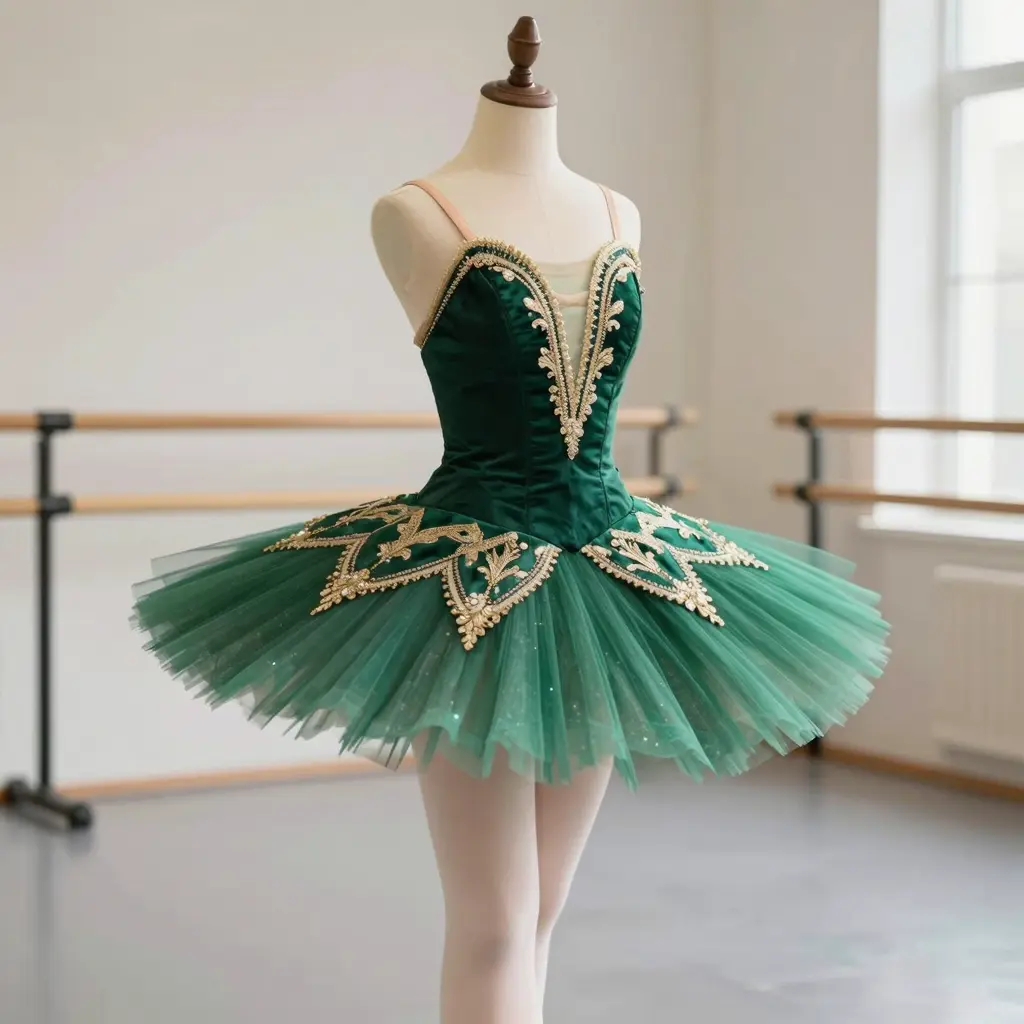
In the world of ballet, the emerald tutu stands out not only for its striking hue but for its profound symbolism within the dance community. These tutus, often gracing the stages of performances from classic to contemporary, blend the elements of style and functionality, making them a requisite piece of balletwear. For business owners in the dance industry, understanding the significance of an emerald tutu can open new avenues in design and performance aesthetics. These tutus embody grace while providing the essential support and mobility dancers require, highlighting the intricate balance of choreographed artistry and practical function. As the demand for unique and beautifully crafted balletwear rises, entrepreneurs can leverage this trend by exploring the diverse range of professional tutus and costumes available in the market, such as those found in this collection of professional tutus or the enchanting themes under costume collections. Navigating this blend of elegance and utility is vital for success in a competitive landscape, where both style and substance are key to captivating audiences and dancers alike.
The Evolution of the Tutu: A Brief History
The tutu is one of the most recognizable costumes in ballet, symbolizing grace and elegance on stage. Its history can be traced back to the early 19th century, where it was first developed during the Romantic ballet period. Originally, tutus were long and flowing, often made from layers of soft tulle that billowed around the dancer, emphasizing their ethereal movements. These early tutus were integral to performances, allowing for dramatic shifts in light and shadow, which enhanced the storytelling aspect of ballet.
As ballet continued to evolve, so did the tutu. The transition into the Classical ballet era brought about significant changes in costume design. Dancers began to wear shorter tutus, which allowed for greater freedom of movement, showcasing the intricate footwork and technical skills of ballet dancers. By the late 19th century, the iconic bell-shaped tutu emerged, characterized by its stiff construction that held its shape, making complex choreography more visible to audiences. This style became emblematic of classical ballet, with famous ballets such as Swan Lake and The Nutcracker featuring dancers adorned in these exquisite tutus.
With the 20th century came further innovation, as tutus were adapted to reflect the changing styles and themes within the ballet community. Notably, Russian ballet influenced tutu designs, creating an array of styles that ranged from lavish to minimalist. Dancers like Anna Pavlova and George Balanchine played crucial roles in redefining the tutu’s appearance and functionality. Modern tutus now come in various shapes, from the traditional bell shape to softer, romantic designs that harken back to the original forms.
In today’s dancewear market, business owners have a unique opportunity to tap into both the classic and contemporary interpretations of the tutu. The global dancewear market is projected to reach $1.4 billion by 2028, with a growth rate of 5.0% CAGR (Source). With an increased interest in dance participation, there is a demand for both professional and custom options that reflect modern aesthetics. Investing in a range that includes classic tutus alongside innovative designs that appeal to contemporary dancers can be advantageous.
Additionally, with the rise of personalized dancewear, incorporating unique elements-such as color choices, fabric options, and design modifications-can set a business apart. More than just a costume, the tutu has evolved into a symbol of self-expression within the dance community, making it essential for business owners in the dancewear market to remain attuned to trends and consumer preferences. For instance, exploring options in professional tutus or romantic styles can cater to a diverse clientele looking to enhance their performance gear.
In conclusion, understanding the historical evolution of the tutu not only enriches appreciation for this iconic garment but also highlights the potential for innovation in the dancewear market. By combining tradition with modern interpretations, business owners can capture the heart of this ever-evolving industry.

Choosing the Right Emerald Tutu for Different Dance Styles
Selecting the right emerald tutu is crucial for enhancing performances across various dance styles. Business owners in the dancewear industry can guide their customers by considering the following tips tailored for different types of dance performances:
Ballet
- Style: Traditional ballet often requires a classic tutu, such as the romantic tutu, made from stiff tulle to create volume and shape. The emerald color can symbolize elegance and grace.
- Purpose: For principal roles in ballets like Giselle or Swan Lake, the right emerald tutu can elevate a dancer’s overall presentation. Ensure the tutu maintains its shape for pirouettes and leaps. Check out our professional tutus for high-quality options.
Contemporary Dance
- Style: Unlike classical ballet, contemporary dance allows for more fluid, less structured tutus. An emerald tutu here might incorporate softer fabrics that flow with movements.
- Functionality: Recommend designs that enable freedom of movement. This style often features asymmetrical hems or layered tulle.
Theatrical and Character Roles
- Style: Tutu designs can vary widely for theatrical performances. Emerald tutus can be vivid and theatrical, suitable for characters in productions such as Esmeralda from The Hunchback of Notre Dame or even in Don Quixote theater pieces.
- Versatility: Highlight tutus that can be accessorized. Adding embellishments can enhance costumes for performances that require more flair. Our costume themes offer creative inspiration and options.
Tips for Business Owners
- Know Your Customers: Understand the specific needs of your clientele; young dancers might prioritize comfort while professionals may seek functionality combined with elegance.
- Educate on Fabric Choices: Provide information about materials used in tutus. Some fabrics offer more structure, while others provide flow and softness, critical for achieving desired dance expressions.
- Encourage Customization: Highlight the possibility of customizing elements like length or additional embellishments to meet the performers’ requirements.
- Demonstrate and Test: If possible, provide opportunities for dance students or performers to try on various styles. This hands-on approach allows them to feel the fit and appearance firsthand.
By focusing on these elements, business owners can effectively advise their customers on selecting the perfect emerald tutu tailored for their specific dance styles and performances.
Comparative Table of Tutu Types
| Type of Tutu | Fabric Types | Comfort Level | Design Features | Price Range |
|---|---|---|---|---|
| Classic Tutu | Polyester, Nylon | Medium | A-line, Basic | $20 – $50 |
| Professional Tutu | Silk, Tulle | High | Layered, Many styles | $100 – $300 |
| Romantic Tutu | Tulle, Satin | High | Flowing, Soft layers | $80 – $200 |
| Costume Tutu | Cotton, Tulle | Medium | Themed designs, Bright colors | $30 – $100 |
| Children’s Tutu | Tulle, Nylon | High | Fun designs, Petals, Ruffles | $20 – $60 |
For more specific tutu categories, check out our range of professional tutus or explore our variety of romantic tutus.
Maintenance and Care for Tutus
Tutus, especially those made from delicate fabrics such as tulle, organza, and nylon, require proper care to ensure their longevity and beauty. As business owners, it’s essential to convey the importance of tutu maintenance to your clients, helping them preserve these enchanting garments for numerous performances. Here are some guidelines on fabric types and effective cleaning methods.
Fabric Types
- Tulle: A lightweight, sheer fabric often used in layers for a fuller look.
- Organza: A crisp, thin fabric that offers a slight shine and is also used for layering.
- Nylon: A synthetic material that’s durable and holds its shape well.
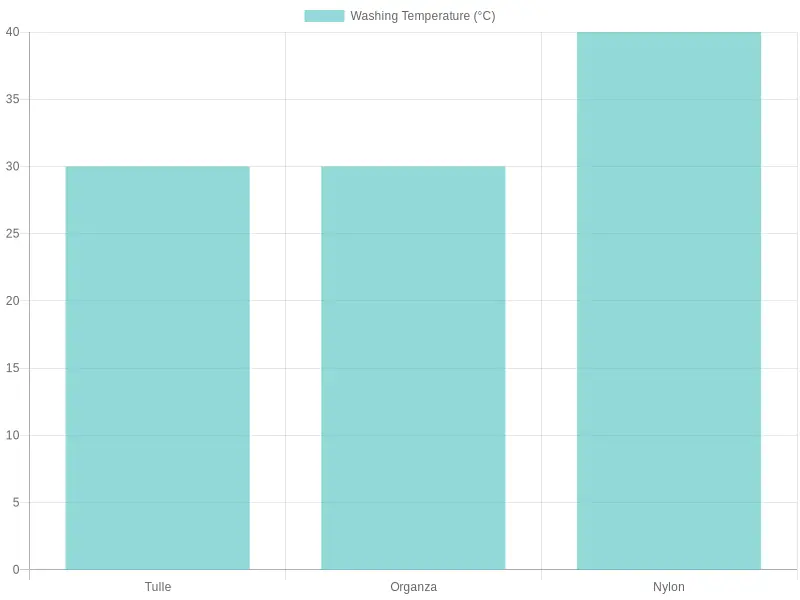
To better understand the cleaning needs of these fabrics, refer to the following chart:
Cleaning Methods
- Tulle: Hand wash or machine wash on a gentle cycle with cold water (30°C). It’s advisable to air dry to maintain its shape. Avoid wringing or twisting the fabric as it could distort its structure.
- Organza: Similar to tulle, organza should be hand washed or washed on the delicate cycle using cold water. Additionally, it can be air-dried, but keep it out of direct sunlight to prevent discoloration or degradation.
- Nylon: This fabric can withstand slightly warmer temperatures, so machine wash on a gentle cycle with warm water (40°C). Tumble dry on a low heat setting, and consider using dryer sheets to minimize static buildup.
General Tips for Tutu Maintenance
- Storing: Hang tutus to prevent creasing, ensuring they maintain their puff and volume. If space permits, use garment bags to shield them from dust and direct light.
- Spot Cleaning: For stains, immediate action is crucial. Blot (do not rub) the affected area with a damp cloth and mild detergent.
- Professional Cleaning: For heavy stains or intricate designs, consider professional cleaning services specialized in delicate fabrics.
Business owners should take these tips to heart and pass them along to clients, ensuring that every tutu, particularly those like the exquisite emerald tutu available here: Emerald Tutu Collection, remains as breathtaking and vibrant as when first worn. Regular maintenance not only enhances the life of a tutu but also preserves its beauty for many performances to come.

“Quality dancewear is not just about style-it’s essential for optimal performance. It allows me to express myself and move freely without constraints. The right attire boosts my confidence on stage and enhances my overall execution. A dancer’s gear acts as an extension of their body, enabling us to give our best on stage.”
– Source: Dance America
When considering dance attire, particularly a stunning emerald tutu, it’s crucial to recognize the impact quality materials and construction have on a dancer’s performance. Not only do they enhance comfort and flexibility, but they also serve to project confidence and professionalism. Investing in high-quality dancewear, like those available on Dada Tutu, can be a game-changer for performers.
In summary, quality dancewear is fundamental for both the aesthetic and functional needs of dancers, making it an essential aspect of professional choreography and performances.
As a business owner, you understand the importance of quality and style in your offerings. At Dada Tutu, we specialize in crafting exquisite emerald tutus that not only enhance the visual appeal of performances but also evoke deep emotional connections for performers and audiences alike. Our tutus are designed to reflect the passion and dedication that dancers put into their art, making each performance an unforgettable experience. By investing in our high-quality dancewear, you can elevate your brand’s reputation and provide your clients with products that truly make a statement. Explore our full range of professional tutus today and see the difference they can make! Don’t miss the opportunity to offer your customers the elegance and charm they crave in every performance.
Emerging Trends in Balletwear: The Shift Towards Sustainability
The balletwear industry is witnessing transformative trends influenced heavily by sustainability and innovative materials. As business owners in the dancewear sector, understanding these trends is essential for strategic decision-making and market positioning.
Rise of Eco-Conscious Materials
Recent insights indicate a significant uptick in the use of eco-friendly materials within balletwear. The percentage of eco-friendly materials used in balletwear has grown remarkably from just 10% in 2020 to an ambitious 50% in 2023. This shift not only caters to the increasing demand from consumers but also aligns with global sustainability goals. Here’s a quick look at this growth:
| Year | Percentage of Eco-Friendly Materials |
|---|---|
| 2020 | 10% |
| 2021 | 20% |
| 2022 | 35% |
| 2023 | 50% |

As shown in the chart, the embrace of sustainable materials is not merely a trend but a significant shift in the production approach of balletwear brands. Materials such as organic cotton, recycled polyester, and biodegradable fabrics are now more common, reflecting a broader commitment to environmental responsibility.
Influences of Social Media and Inclusivity
The popularization of the “balletcore” aesthetic on platforms like TikTok has also impacted balletwear designs. Increased visibility has made balletwear more accessible and inclusive, prompting brands to consider diverse body types and aesthetic preferences in their product lines. This trend boosts customer engagement but also requires dancewear companies to adapt their offerings to maintain relevance.
The Business Implications
For business owners, recognizing these trends is crucial for staying competitive. Adopting sustainable practices not only helps reduce the ecological footprint but also attracts environmentally-conscious consumers. Furthermore, aligning product offerings with social trends can enhance brand loyalty and market share. Companies investing in sustainability are likely to benefit from increased consumer trust and a strong competitive edge.
As you navigate the evolving landscape of balletwear, consider integrating sustainable practices and innovative materials into your business model. This approach is not just about compliance with trends but is fundamentally about creating a more sustainable future for the dancewear industry.
For professional designs catering to current trends, check out our professional tutus or explore our themed costumes like the Esmeralda tutu.