
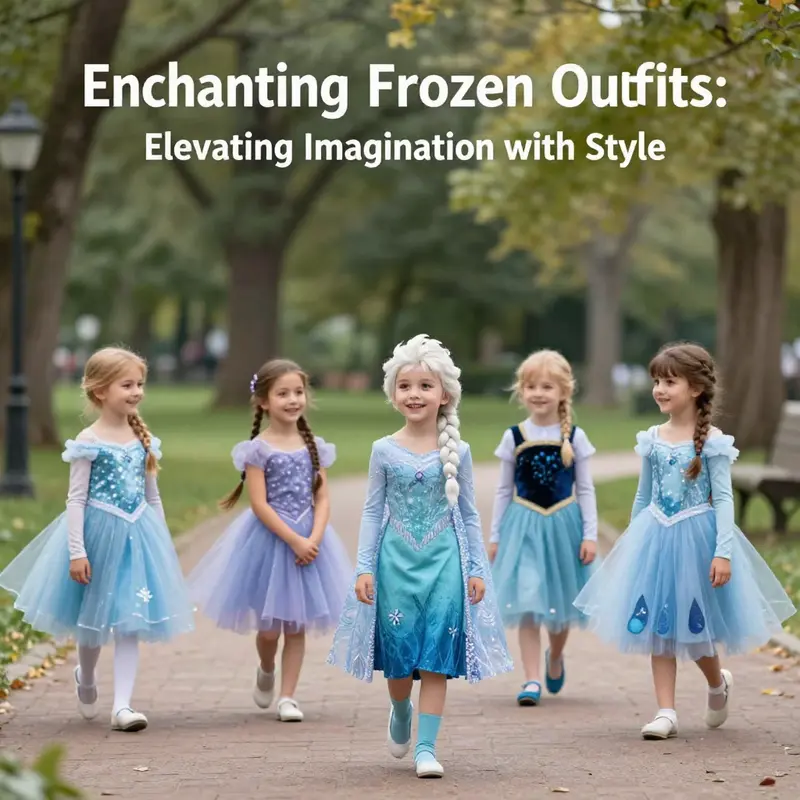
With the enduring popularity of Frozen-themed parties and costumes, frozen tutu outfits have become a staple choice for children. These magical ensembles captivate not only young fans but also present businesses with opportunities to cater to this enchanting demand. This guide will delve into the essential aspects of creating and styling Frozen tutu outfits, focusing on the selection of appropriate fabrics, crafting custom pieces at home, versatile styling tips, layering techniques for comfort, and a market overview of popular outfits. In its entirety, this article aims to equip business owners with insights that support both their product offerings and enhance their understanding of this whimsical wardrobe staple.
Icy Comfort, Sparkling Form: Selecting Fabrics for a Frozen Tutu
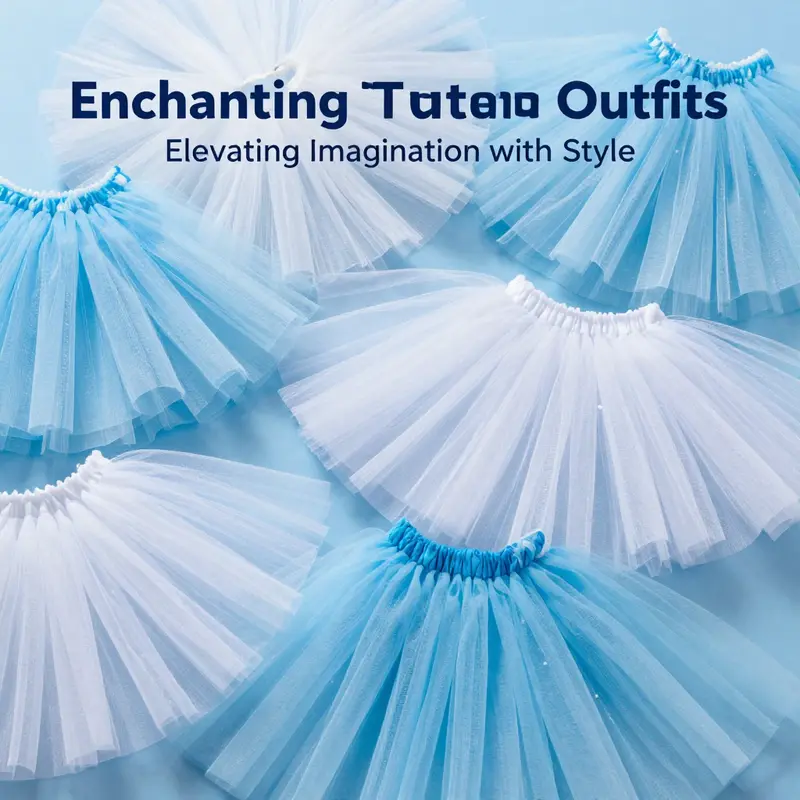
The Frozen tutu outfit blends magic with practical comfort. Safe, breathable fabrics and sturdy construction let a child move freely through games and photos. Start with a soft base layer in cotton or a cotton blend to wick moisture and reduce overheating. Avoid stiff polyesters near the skin. The outer layers should be light and airy, with tulle and chiffon caught by delicate, securely sewn embellishments that stay in place during twirls.\n\nChoose flame-resistant fabrics and non-toxic materials certified for children’s products to keep skin safe during a party with candles or decorative flames. Look for dyes and finishes that are non-toxic and skin-friendly, with minimal chemical smells.\n\nLayering matters for both warmth and drama: a comfortable lining, a mid-layer of voluminous tulle, and a final top layer or cape. Secure hems and reinforced waistbands withstand active play and quick wardrobe changes. Embellishments should be small, well attached, and not easily pulled by a child.\n\nVersatility is a virtue. Mix Elsa-inspired pieces with neutral basics so the outfit can glow during a party and remain part of everyday play. For personalization, invite the child to choose color-blocking, trims, or sparkle placement in icy blues and silvers, which keeps the look magical without becoming a costume solely for one event.
Stitching Snow Dreams: Cozy Frozen Tutu At-Home for Comfort and Confidence
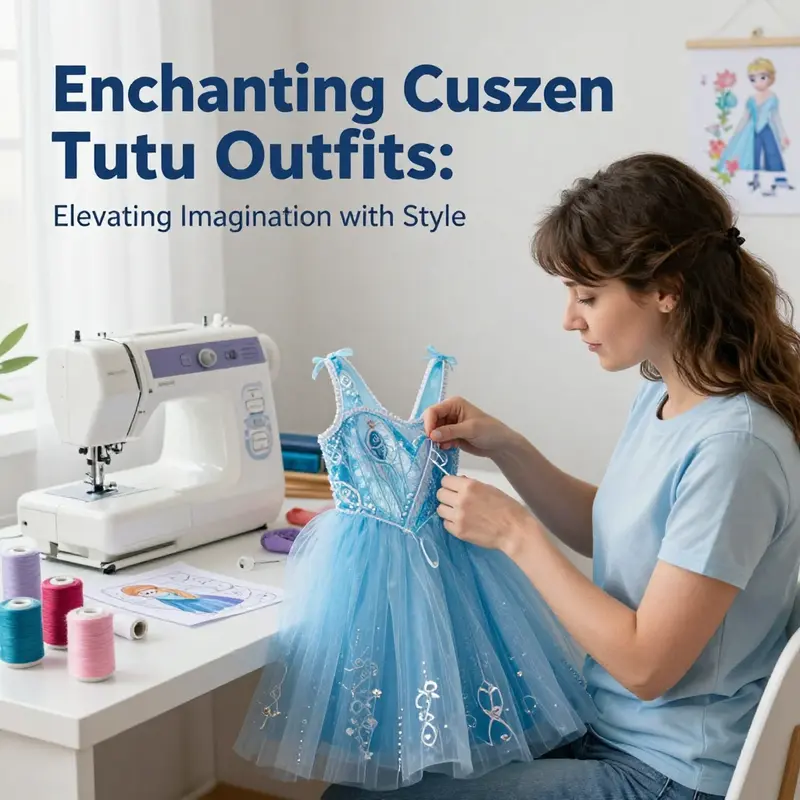
A Frozen-inspired tutu at home blends comfort, imagination, and practical crafting. Start with a soft, breathable base such as cotton jersey or a stretch lining to prevent rubbing. Layer airy tulle in pale blues and whites to evoke ice and snow while keeping movement unrestricted. When choosing fabrics, prioritize gentle textures and avoid scratchy sequins directly against sensitive skin. A secure, elastic waistband with clean finishes helps the tutu grow with a child and stay comfy through twirls. For a no-sew approach, wrap tulle around a simple form and tie with ribbon; for a sewn option, sew strips onto the waistband for a fuller look. Add gentle sparkle with lightweight ribbons, snowflake appliques, or subtle silver trim – test any metallic accents on a hidden area to ensure comfort. Finish with a soft capelet or cardigan for warmth during outdoor photos. The goal is a versatile garment that invites creativity, supports movement, and captures the spirit of winter magic without sacrificing wearability.
Glacial Grace, Cozy Comfort: A Versatile Guide to Frozen Tutu Styling
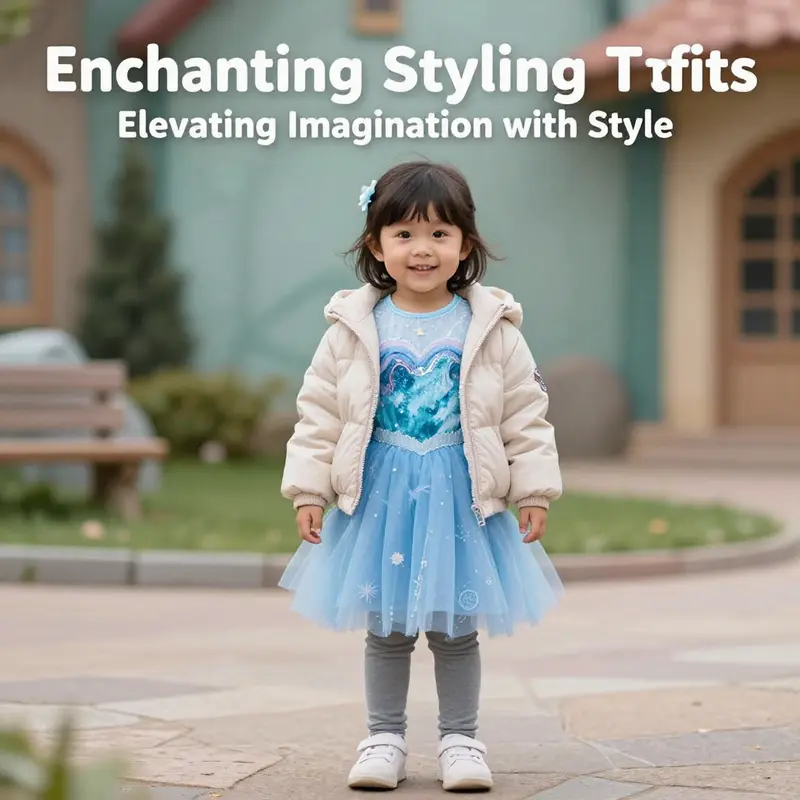
The Frozen tutu outfit has a way of turning every moment into a glide through a snow-dusted dream, but its magic is strongest when the look remains wearable for the child who will wear it. The goal is a seamless blend of enchantment and practicality, where the sparkle of ice blue tulle sits comfortably against the skin, and the silhouette stays buoyant during play rather than stiff and overheated after a few minutes of movement. This chapter threads together the elements that make a Frozen tutu feel timeless instead of one-time theater. It invites you to think about warmth, fabric, personalization, and layering as a single, evolving story rather than a string of separate choices. The result is a versatile look that can shine at a party, blend into everyday moments, and adapt to the chill of winter evenings without demanding constant costume fixes.
Comfort sits at the core of any successful Frozen tutu ensemble. The texture of the fabric matters just as much as its color. Many off-the-shelf costumes lean on stiff tulle and dense synthetics that can irritate sensitive skin and trap heat, especially when little bodies are active or when the event happens outdoors in cooler air. The foundation of comfort is choosing breathable fibers for base layers. A soft, 100% cotton top or a bamboo-knit layer provides a gentle buffer and helps wick moisture away from the skin, reducing friction as little legs kick and twirl. An organic jersey or a lightweight thermal layer beneath the tutu can preserve heat without bulk, so the child can move with ease from twirl to run. Checking garment labels for 100% cotton or hypoallergenic certifications becomes more than a checkbox; it becomes a safeguard for children with eczema or allergies. In practical terms, a good base layer becomes part of the winter ritual of dressing—layer, test for warmth, and adjust as needed for comfort and temperature. In a world where a tutu can be worn across different venues, that base layer acts like a calm anchor, letting the magic of the outer layer take center stage without compromising safety or comfort.
When it comes to personalization, there is real developmental value in letting a child see themselves reflected in the outfit. Dr. Lena Peterson, a child development specialist, notes that personalization turns a generic costume into something meaningful. When kids see their preferences reflected in their outfits, confidence soars. The Frozen look invites participation in the design process, whether through choosing icy hues, adding a lace trim, or deciding how much sparkle feels right. For many families, this translates into a DIY or semi-DIY approach: start with a simple base dress or a base tutu, and add elements that echo the character’s world—soft ruffles, a pale-blue sash, or a silver belt to create contrast against the pale airiness of the fabric. Non-sewers can still participate by transforming thrift-store finds with fabric paint, iron-on patches, or translucent overlays. The idea is not to overwhelm but to tailor the story to the child’s imagination. The Frozen universe invites that gentle level of customization where the outfit becomes a personal emblem rather than a borrowed costume.
A practical route for those who want a ready-made path without sacrificing flexibility is to treat the Elsa-inspired pieces as versatile building blocks. A sequin top in icy tones can pair with light blue jeans for a casual day out, or with a white denim skirt for a more polished party appearance. Subtle additions, such as a sheer capelet or a delicate snowflake hair clip, can elevate the ensemble without overshadowing the child’s natural movement. Accessibility and ease of wear come from choosing items that can mix with neutral basics, extending the life of the outfit beyond a single event. It is easier to keep a tube of fabric-safe glitter at hand for a controlled sparkle than to layer on heavy accessories that might pinch or itch during a longer night of dancing. The aim is a look that feels magical but remains anchored in everyday practicality, so the child can inhabit the fantasy with confidence rather than fidgeting through discomfort.
Layering emerges as a central strategy for adapting Frozen tutu styling across seasons and occasions. In colder weather, a thermal base layer beneath the tutu preserves warmth while maintaining the tutu’s silhouette. Think of a long-sleeve layer with a touch of stretch, followed by the tutu and a light overlayer that keeps flutter without adding bulk. A soft, oversized cardigan or a chunky knit sweater can create a relaxed, cozy mood while preserving the sense of whimsy. Colors matter here: icy blues, whites, and silvers create a cohesive color story that echoes the Elsa aesthetic and avoids visual clunkiness when layered. Layering is also a practical way to extend the outfit from party to everyday wear—an oversized cardigan can soften the look for school days or casual gatherings while still nodding to the winter fantasy.
For a bolder statement, a coordinated jacket becomes a stylish counterpart to the tutu rather than a separate note. A faux fur coat offers a luxe touch that also delivers warmth and texture, perfect for outdoor photos or chilly evenings. A denim jacket or a tailored blazer can introduce a sophisticated edge that suits family photos or more stylish gatherings while keeping the Frozen theme intact. The jacket color palette should harmonize with the dress’s cooler tones; imagine pale blue denim with a frosted white blouse peeking out beneath, or a silver-tinged blazer that catches the light as the wearer moves. These choices allow the outfit to transition from a playful party look to a more refined ensemble suitable for a variety of celebrations, making the Frozen tutu feel less like a costume and more like a timeless wardrobe option.
Accessories carry the final notes of the composition. A sparkly headband, a light snowflake hair clip, or a small Elsa- or Anna-inspired backpack can be the right amount of whimsical without overpowering the outfit. The key is balance: keep the accessories proportional to the child’s size and avoid pieces that could snag, trip, or irritate the skin. The right accessory set can thread the entire look together, tying the sparkle of the tutu to the sparkle of the eyes in a moment of shared magic. Footwear follows a similar logic. Warm, comfortable shoes are essential for winter events. Insulated boots or cozy ankle boots with tights keep toes warm, while a pair of soft slippers can be a playful alternative indoors. Heels are not practical for children or cold weather; the aim is ease of movement and safety, with a touch of sparkle that doesn’t compromise comfort.
The practical elegance of this approach is not merely about aesthetics; it is about enabling a child to inhabit the character in a natural, confident way. A Frozen tutu outfit that focuses on breathable fabrics, thoughtful layering, and personalized details reduces the risk of discomfort that can derail an evening or a day of party activities. It invites participation, supports self-expression, and offers enough versatility to adapt to different moments. In short, it becomes a look that can travel—from a sunlit birthday garden to a winter-themed indoor party—without losing its charm or function. When the silhouette is allowed to breathe, and the color story remains cohesive, the magic of the tutu breathes with the wearer instead of fighting against it.
To illustrate a tangible, approachable anchor within this philosophy, consider the possibility of a durable, adaptable base piece that anchors the ensemble while leaving room for seasonal accents. This can be a white ballet costume tutu with a clean silhouette that pairs well with a variety of tops, cardigans, and accessories. The simplicity of a white base provides a canvas for icy blues and silvers to become the star accents, preventing the look from becoming overly busy. When the time comes to blend classic ballet references with Frozen whimsy, that white base can become a timeless core, allowing the child to reimagine the outfit with each wearing. For a durable, ballet-inspired anchor piece that echoes this approach, you can explore a high-quality white ballet costume tutu that complements the overall color story and silhouette of the outfit. high-quality-white-ballet-costume-tutu-swan-lake-t0596
In the grand reach of fantasy and function, a Frozen tutu should be a doorway to creativity rather than a barrier to movement. The most enduring outfits are those that invite play, allow for self-expression, and respond to the practical demands of a winter party or a chilly backyard sketch. By prioritizing breathable fabrics, embracing personalization, and thoughtfully layering with complementary textures and colors, you can craft a look that feels both enchanted and achievable. The child’s experience—how comfortable she feels, how freely she can move, and how confidently she can embody the character—becomes the yardstick by which style is measured. And as families test different combinations, a single icy-blue tutu can evolve from a whimsy-for-one-event piece into a cherished wardrobe staple, ready to accompany future celebrations with a story all its own. For updates and inspiration on costume foundations that honor both elegance and practicality, consider exploring broader lessons in the domain of ballet-inspired attire and how it translates to magical, kid-friendly styling. An external reference that echoes the balance between fantasy and retail possibilities can be found here: https://www.alibaba.com/product-detail/Frozen-Elsa-Princess-Dress-for-Girls-Ice_1600729862625.html?spm=a2700.1.wiss1.2.7c4d6a65UHkLjO&productId=1600729862625&scm=1007.13208.248862.0
Snow-Soft Layers: Balancing Warmth, Movement, and Magic in Frozen Tutu Outfits
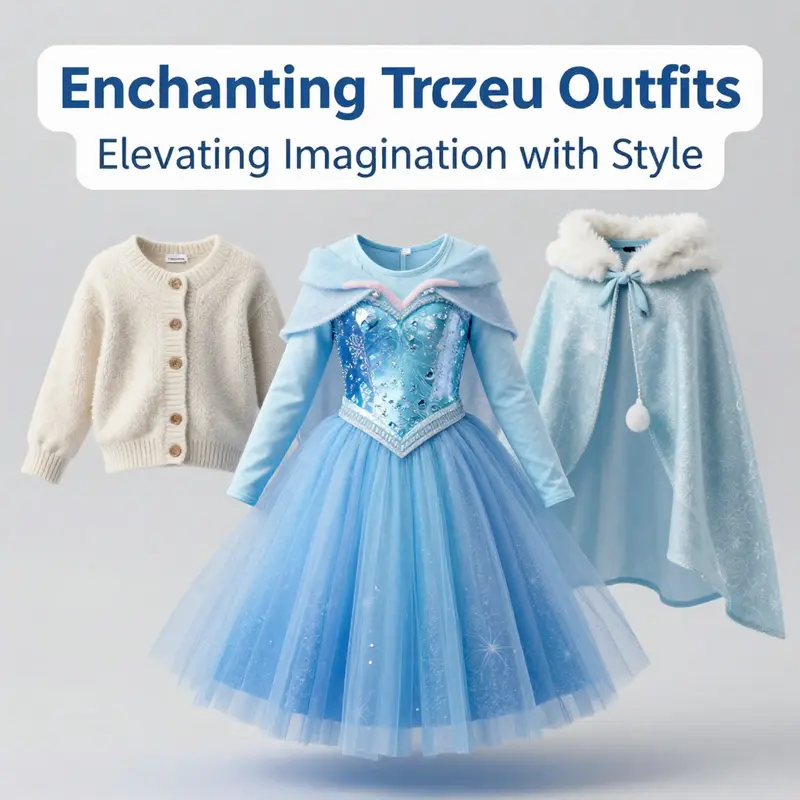
A Frozen tutu outfit invites a smile before a single step is taken, but turning whimsy into wearable warmth requires a quiet science. The tutu remains, by design, a delicate skirt that floats with every motion. Layer it correctly, and the look becomes a practical winter companion rather than a brittle prop. The guiding principle is simple yet powerful: treat the tutu as the decorative layer that sits atop a thoughtfully engineered three-layer system. This approach preserves the visual magic of an Elsa-inspired look while safeguarding little bodies from cold, damp, and fatigue. In this context, layering is not a chore; it is the craft of turning enchantment into everyday comfort, a balance that respects both movement and warmth so the child can dance, twirl, and imagine without distraction. The three-layer concept is a dependable framework, but it must be tailored to the child’s activity level, the venue, and the day’s temperature. It works best when each layer has a purpose: the inner layer manages moisture and skin comfort, the middle layer traps warmth without crowding, and the outer layer blocks wind and moisture while remaining breathable enough to prevent overheating during play. This is not about piling on fabric for the sake of bulk. It is about sculpting a practical silhouette in which the tutu can float freely, the shoes can grip the floor, and the child’s cheeks retain their natural color rather than turning pale from chill. When done well, the result is a look that feels as effortless as a snowflake’s descent and as enduring as a winter chorus of twinkles and whispers. The language of comfort is quiet but clear: breathable fabrics at the skin, lightweight insulation at the core, and a protective shell that keeps the cold at bay without muffling movement or expression. In formal terms, the inner layer is an anti-itch, moisture-wicking foundation; the middle layer is a shield of warmth with just enough air to insulate; and the outer layer is a windproof, water-resistant envelope that maintains breathability. This triad mirrors the well-documented three-layer dressing method used in colder climates, adapted to the Frozen aesthetic. Inside, the child’s skin should meet a soft, dry surface that can move and breathe. Natural fibers and technical blends alike play well here when chosen with an eye toward itchiness and heat. A high-thread-count cotton, a breathable bamboo fabric, or a Merino-based layer can wick sweat away from the skin and reduce friction that can lead to discomfort after a lively round of spins and leaps. The aim is not to keep every degree of cold at bay, but to regulate temperature so that the child remains neither chilled nor overheated as the party or photo session unfolds. This inner layer becomes almost a second skin, one that supports the tutu’s floaty silhouette rather than competing with it. The middle layer then steps in like a ceil of warmth. Think light, compressible warmth that creates a friendly buffer between skin and outer fabric. A slim fleece vest, a knit mid-layer, or a soft insulating top can hold in body heat without creating rigid bulk. Leg coverage deserves careful attention too; if the season’s chill is intense, a pair of thermal leggings or brushed-lined tights beneath a tutu can prevent cold drafts from climbing up the legs, all while keeping the lines clean and the movement unimpeded. The outer layer is where practicality and style converge. A windproof jacket, a lightweight shell with a breathable membrane, or a longline wool coat can guard against gusts and precipitations while allowing steam to escape. The best choices are those that resist wind yet remain flexible enough to permit the child to reach, bend, and pirouette without feeling tethered. In colder months, layering becomes more than a function; it becomes a design element that complements the Frozen theme. A sheer netted capelet or a delicate shawl can drape over the tutu for occasions that require a little extra drama, while a sparkly headband or a snowflake pendant can carry the magic to the face and hands without introducing stiffness where it belongs least. Practical style, not parade-ready rigidity, should guide decisions about silhouette and fit. Avoid bulky garments that press against the tutu’s fabric or restrict the dancer’s line. Instead, select pieces with trim seams, soft edges, and forgiving cuts that allow free movement. In this light, even ready-made ensembles can be calibrated with simple, reversible adjustments—thin beneath layers, a lighter outer shell on indoors days, or a snug hat that can be removed if the room grows warm. A thoughtful note from Dr. Lena Peterson, a child development specialist, reinforces the value of personalization: “Personalization turns a generic costume into something meaningful. When kids see their preferences reflected in their outfits, confidence soars.” Personalization is not vanity; it is a functional boost to comfort and identity. When you invite a child to choose color accents, embroidery, or a few sequins, you invite ownership of the whole look. Ownership translates into willingness to move, to experiment with poses, and to engage in the social ritual of dressing up without self-consciousness. The layering method can be as simple as layering a soft, neutral base with a color pop in the mid-layer and then topping it with a weather-ready outer shell. For a Frozen vibe, icy hues—light blues, silvers, and white—work beautifully, but the color choice should serve the function as well as the form. If the indoor venue is toasty, a lighter outer layer will suffice, allowing the tutu to shine without overpowering it. If the venue is outdoors or the evening grows chilly, an outer shell with a bit more heft becomes essential. In practice, many families blend ready-made pieces with home-made touches to achieve the balance between comfort and enchantment. A simple long-sleeve leotard or performance top under the tutu can provide a solid base for the inner layer, while a small, insulated vest tucked over the torso can add warmth without distorting the tutu’s silhouette. For those who enjoy a DIY bend, a kid-friendly apron pattern or a basic dress pattern can be adapted to become a translucent capelet or a delicate waist sash, with color-blocking in icy blues and silvers to echo the Frozen palette. The result is a costume that feels custom-made, a small sartorial triumph that mirrors the child’s courage to try new steps on a winter stage. A practical illustration of the layering principle can be found in a widely seen pink ballet tutu product page with gilded edge that demonstrates how a structured tutu can be paired with cozy layers for a complete look. This reference serves not as a shopping directive but as a reminder that the aesthetic and the comfort can coexist, provided you respect the physics of warmth and movement. For those who want a tangible example of a balanced ensemble, consider the concept of a base layer, a lightweight insulating mid-layer, and a protective outer layer, all coordinated to the Frozen theme. The aim is to maintain the tutu’s graceful drift while ensuring that every step, every flip, and every pose is comfortable and expressive. When planning, remember to check the fit across the torso, arms, and legs; ensure there is no pinching at the waist, no binding at the knees, and no fabric catching the tutu’s edges. The outer layer should be easy to remove indoors, yet robust enough to repel whistling wind if a late afternoon parade begins to stir. Safety remains the first concern: do not push a three-layer system to extreme limits, and avoid exposing a child to cold winds for prolonged periods without appropriate protection. The three-layer logic is a practical philosophy for winter styling, not a rule that trumps a child’s comfort. In the end, layering Frozen tutu outfits is about storytelling with fabric—an art that blends the sparkle of the look with the science of warmth. It honors the wearer’s experience, supports their energy on the dance floor, and keeps the magic intact as tiny fans of winter’s fantasy spin, leap, and laugh. External resources on layering can offer broader guidance, but the core approach remains simple and child-centered: start with skin-kind inner fabrics, add a warmth-retaining middle layer, and crown the outfit with a protective outer layer that breathes. For readers seeking broader principles beyond the specific look, an accessible external guide on layering clothes is available here: https://www.wikihow.com/Layer-Clothes
Popular Frozen Tutu Outfits: A Market Overview
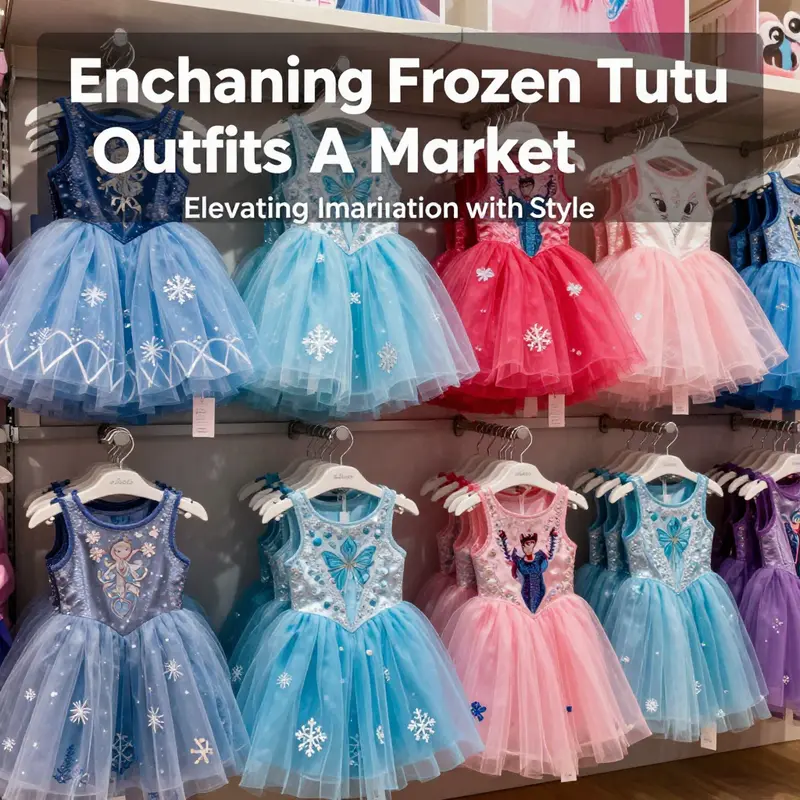
Across the children’s fashion landscape, Frozen tutu outfits have become a steady beacon of whimsy and practicality. The market’s heartbeat is driven by Elsa’s iconic silhouette, yet the best designs translate stage magic into everyday wear. These outfits feature icy blues, silvery accents, and tiered skirts that echo the princess’s frosted grandeur while remaining approachable for active play. In practice, the most successful Frozen tutu looks balance fantasy with function, so a child can twirl with delight without overheating or discomfort. The core appeal lies not just in the shimmer but in how the ensemble supports movement, warmth, and a sense of personal storytelling.
A crucial starting point is the fabric choice. Many mass-market costumes lean on stiff tulle or dense synthetics that can irritate sensitive skin and trap heat during a lively party or dance session. In contrast, designers and careful caregivers gravitate toward breathable, skin-friendly materials for base layers and linings. Natural fibers like 100% cotton, soft bamboo blends, or organic knits help wick moisture, reduce friction, and allow air to circulate. The goal is to keep the outfit airy enough for movement while ensuring a gentle touch against tiny shoulders and arms. Garment labels that indicate cotton content or hypoallergenic certifications are practical signals, especially for children with eczema or allergies. This emphasis on comfort aligns with the broader understanding that clothing for kids should invite expression without forcing restraint during play.
For families who want a personalized Frozen touch, the market rewards customization. A home-made or semi-custom tutu can be born from a straightforward dress pattern, then layered with character-specific details such as ruffles, lace trims, or a color scheme that echoes icy blues and silvers. Even without sewing expertise, thrift-store finds can be transformed with fabric paint, iron-on patches, or simple tulle overlays. The emphasis on personalization is more than aesthetics; it fosters a sense of ownership and confidence. When kids see their preferences reflected in their outfits, they often respond with heightened enthusiasm and a greater willingness to engage in imaginative play. The educational value of this personalization is recognized by child development perspectives that highlight empowerment and self-expression as key outcomes of dressing for performance and pretend play.
From a retail perspective, the Frozen tutu market is notable for its versatility. Ready-made sets can feel like a concentrated spectacle, yet many families opt for mix-and-match pieces that can be worn beyond a single party or recital. A sparkly Elsa-inspired top paired with lighter blue jeans, a white denim skirt, or even silver leggings offers a different aesthetic while preserving the magical reference. Subtle accessories—like a sheer netted capelet or a delicate snowflake headband—can elevate the look without tipping into costume-town. Layering remains a practical strategy for fluctuating temperatures. In colder seasons, wearing a sequin top over a long-sleeve thermal under a cardigan reduces direct contact with sequins, easing itchiness while preserving warmth and sparkle. This layering approach makes the Frozen motif adaptable across occasions, from casual family photos to seasonal performances, and even to adult-inspired interpretations for parents who want to join in.
Market signals reinforce this practicality-and-pastel-glow equation. Real-time sales data from major platforms show persistent demand for the Frozen tutu aesthetic, with products like a long sleeve leotard featuring snowflake detailing performing strongly in recent cycles. Such data points are not just about a momentary fad; they reflect a durable cultural footprint of the Frozen narrative and its emblems of transformation and independence. While the design is rooted in a cinematic fantasy, buyers see it as convertible real-world wear: costumes that can be integrated into everyday outfits, boosting their value and usability. This cross-utility is a core reason why these outfits endure across seasons and occasions. The emotional resonance—children embodying their favorite character and feeling capable in the process—further stabilizes demand, sustaining vitality in a market that could easily be buffeted by fashion cycles.
In this market, one can observe a spectrum that ranges from fully theatrical ensembles to more understated, everyday interpretations. A standout example in the broader ecosystem is a white ballet tutu with Swan Lake-inspired trims, which demonstrates how a piece can honor classical stagecraft while remaining suitable for daily wear. This fusion—elegant sparkle balanced with practical comfort—embodies the best of Frozen-inspired design. For readers curious about this style, a high-quality white ballet tutu with Swan Lake-inspired accents exemplifies how the aesthetic can be refined without losing its child-friendly appeal. high-quality-white-ballet-costume-tutu-swan-lake-t0596
The market’s breadth also invites thoughtful layering and styling for both kids and adults who want to participate in the magic. For adults, the palette often shifts to more subdued yet glittering pieces—high-waisted navy trousers with a flowing white cardigan and silver sneakers, complemented by a snowflake pendant. The goal is to translate the Frozen enchantment into an outfit that reads as elegant rather than overtly costume-like. The underlying strategy remains consistent: use the Frozen motif to spark imagination while ensuring wearability and comfort for real-life settings such as parties, recitals, or festive photoshoots. A well-rounded Frozen-inspired look thus blends a few signature motifs— icy blues, silver accents, and delicate snowflake elements—across a practical wardrobe as a whole.
From an instructional standpoint, the chapter on market dynamics benefits from considering both commercial viability and developmental value. The aura of empowerment associated with Elsa’s character is not incidental; it supports a broader narrative about children’s fashion as a form of self-expression and agency. In studies of children’s media consumption and material culture, this narrative is understood as transforming clothing into a medium through which kids explore identity and mastery. When a tutu and its components are crafted with care—soft fabrics, mindful layering, and opportunities for personalization—the garment becomes more than fabric and thread. It becomes a tactile symbol of imagination taking flight, a wearable story that can be reinterpreted with every outing and every new level of confidence.
In practical terms, families often seek outfits that can traverse multiple contexts. A Frozen tutu that pairs with a simple top can function as a party costume one week and a performance-ready outfit another. The flexibility is rewarded by broader use across events and seasons, reducing the need for a separate, specialized costume for every occasion. The market hence rewards pieces that are not only visually striking but also adaptable to everyday life. It is this blend of spectacle and practicality that sustains demand, while the enduring popularity of the Frozen franchise keeps the overall narrative fresh and relevant. The excitement of transformation—of becoming the character for a moment—continues to fuel both purchase and play, making Frozen tutu outfits a durable pillar of the children’s fashion landscape.
Finally, the ecosystem surrounding these outfits includes opportunities for DIY enthusiasts and thrift-minded shoppers. The initial research points to a thriving culture of customization: using a base dress pattern, layering with tulle, painting details, or combining a tutu with neutral basics to achieve a timeless, wearable look. Non-sewers can still personalize or repurpose thrifted pieces through simple techniques like fabric glue, iron-on patches, or fabric paint, which broadens access and invites creativity. This democratization of design aligns with a broader movement toward individualized fashion in children’s wear, where personal expression enhances both enjoyment and confidence. The overall message is clear: the Frozen tutu market thrives not just on its visual appeal, but on how it invites children to perform, dream, and define their own style within a beloved cinematic universe.
In sum, the market for popular Frozen tutu outfits rests on a foundation of comfort, adaptability, and narrative power. Visual cues of ice and snow, the sparkle that signals magic, and the tiered silhouette all work together to capture imagination. Yet it is the practical design choices—the breathable fabrics, the ability to layer, and the option to customize—that ensure these outfits stay wearable beyond a single event. The intersection of fantasy and everyday life turns a costume moment into a lasting fashion experience, one that supports movement, self-expression, and joy across occasions. For readers seeking a concrete example of the aesthetic balance discussed here, a high-quality white ballet tutu with Swan Lake-inspired trims serves as a touchstone for how elegance and practicality can coexist in a single piece. See the example here: high-quality-white-ballet-costume-tutu-swan-lake-t0596.
As the market continues to evolve, the Frozen tutu story remains a powerful reminder that clothing for children can be both magical and meaningful. The best designs carry a sense of wonder while supporting comfort, movement, and personal expression, turning wearable fantasy into a daily delight for kids and their families. The next chapter will explore how these outfits translate to performance contexts, with a closer look at the choreography of fabric, fabric weights, and how stage-ready components influence stage presence and confidence for young dancers.
External resource: Snowflake Leotard Resource
Final thoughts
Frozen tutu outfits represent a beautiful intersection of creativity and functionality, allowing children to express their favorite characters in comfortable and stylish ways. Business owners can enhance their offerings by understanding fabric selection, craftsmanship possibilities, and adaptive styling approaches. By leveraging current trends and committing to quality, they can meet the growing demand for whimsical attire that resonates with young audiences. With the right strategies, you can confidently engage your customers and inspire magic in their dress-up experiences.