
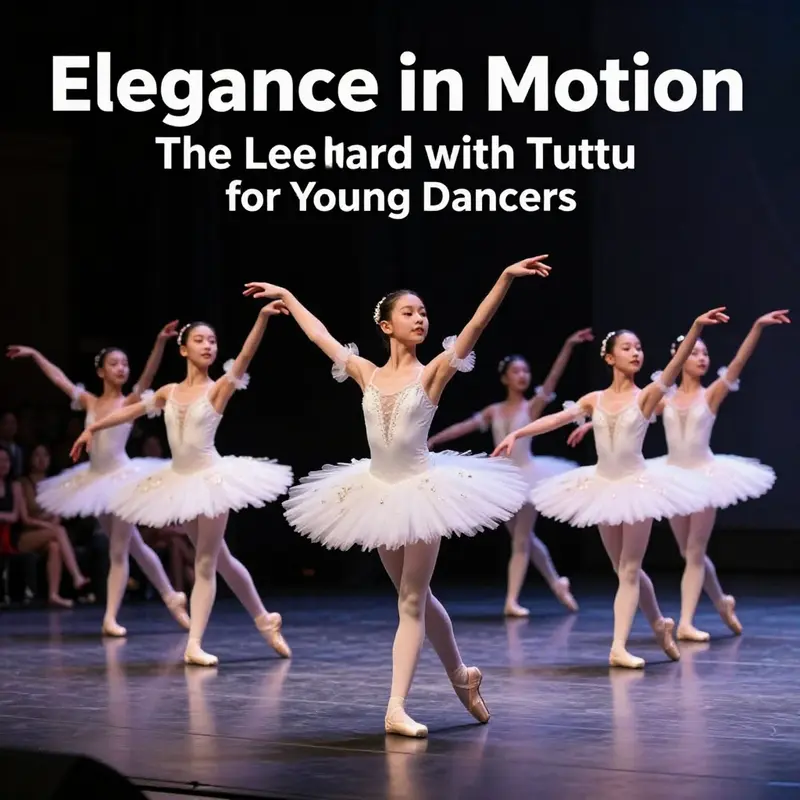
The leotard with tutu represents a quintessential ensemble in the world of dance, especially for young performers. Infused with tradition and elegance, this outfit not only enhances the dancer’s grace but offers functional support during movement. Business owners in the dance apparel industry must understand the variety of styles available, the materials involved in manufacturing, and the significant cultural implications. This article provides a comprehensive exploration of these aspects, enabling businesses to align their offerings with the evolving needs of dance education and performance.
The Evolving Aesthetic and Functionality of Leotards with Tutu: Exploring Diverse Styles for Young Dancers
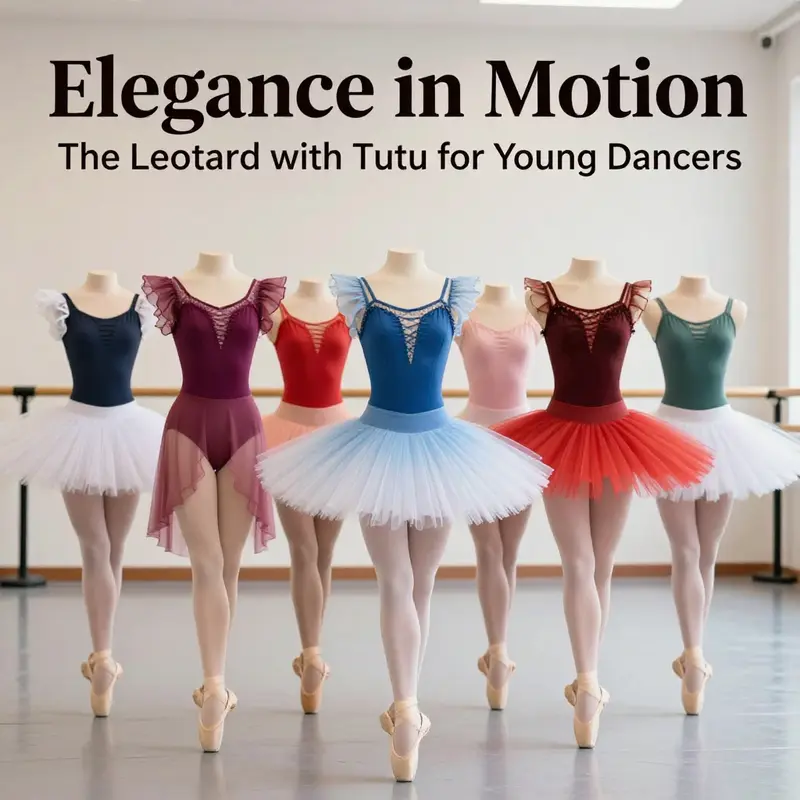
The leotard with tutu stands as a timeless ensemble in the realm of dance, merging the elegant silhouette of the ballet tutu with the functional design of a sleek leotard. This combination not only delivers visual splendor but also enhances a dancer’s capacity for movement—an intrinsic component of ballet and various forms of dance. As budding dancers twirl and leap, the outfit they wear often symbolizes their journey into the world of performance, expressing both grace and artistic intent. Here, we delve into the remarkable diversity in styles of leotards with tutus, examining how these garments have adapted to various dance forms, individual preferences, and fashion trends, all while maintaining their core functionality.
In essence, the classic leotard serves as a second skin, constructed from stretchable and breathable fabrics such as lycra or spandex that facilitate ease of movement. When this bodysuit is paired with a tutu, it results in a captivating pairing that accentuates line and form. Children participating in dance often find themselves encompassed in a world where tutus and leotards evoke images of famous productions like Swan Lake, immediately cultivating an understanding of dance traditions and aesthetics. However, the evolution of these garments reflects the ongoing dialogue between tradition and modernity in the dance community.
Classical and Romantic Tutus: Traditional Definitions Revisited
The classical tutu, synonymous with professional ballet, is the epitome of this dancewear lineage. Characterized by its short, stiff layers of tulle that flare dramatically from the waist, this tutu style enhances a dancer’s posture, enabling the precision required for movements such as pirouettes and grand jetés. The design, rooted in centuries of ballet history, remains influential, especially in performances that require a striking visual impact balanced with technical proficiency.
On the flip side, the romantic tutu, a softer and more fluid version, offers a distinct aesthetic. Often falling to mid-calf, it allows for a softer portrayal of movement suited to performances that emphasize emotional expressiveness, as seen in productions like Giselle. This fusion between functionality and artistry allows dancers to embody character gracefully, emphasizing the variance between classical and romantic forms of expression within ballet.
Contemporary Interpretations: Innovative Designs Take Flight
As the dance world evolves, so too does the leotard and tutu ensemble. Contemporary dance has breathed new life into the design, introducing asymmetrical or high-low hem tutus that offer a fresh twist on tradition. These styles provide dancers with increased freedom of movement and creative expression—often featuring unique cutouts, layered fabrics, and stunning color gradients. Designs like the CHICTRY Kids Girls Gymnastics Leotard with an irregular hollow back showcase how modern tutus can reflect individual style while maintaining functionality.
The ease of movement afforded by these innovative designs does not compromise the aesthetic appeal; rather, it allows for greater creativity in choreography. These silhouettes inspire dancers to explore the boundaries of movement, enabling interpretations that resonate with contemporary audiences. By blending traditional tutus with contemporary cuts and colors, these designs have made the early stages of a dancer’s career much more exciting and increasingly relevant to broader fashion trends.
Performance-Ready Leotards with Attached Tutus
Moving beyond the classic bifurcation of leotard and tutu outfits, performance-oriented leotards with attached tutus have emerged, particularly for young dancers who transition from studio training to stage performance. These designs have been engineered for durability and comfort, utilizing fabrics that maintain their shape even after several washes—essential for a dancer who manages regular classes and performances. Consequently, this combination caters to practicality without sacrificing the grace expected on stage.
Features such as adjustable straps and integrated headwear have made these performance-focused ensembles highly sought after. By allowing young dancers to remain comfortable during dynamic movements, it encourages their exploration of dance while easing the concerns parents may have regarding fit and performance wear longevity.
Customization: Upping the Ante in Dancewear
One of the most exciting aspects of modern leotard and tutu offerings is the ability for customization. With the rise of brands that offer OEM and ODM services, dance studios and schools can personalize outfits with specific colors, logos, or fabric blends that are reflective of a team or performance theme. This expansion into customizable options has differentiated the market significantly, allowing for more personal connections to the outfits worn by dancers. No longer confined to standardized sizes and styles, young performers can proudly represent their dance school or team on stage.
With platforms like Alibaba.com facilitating these custom orders, the manufacturing process has become more accessible, encouraging studios to invest in tailored outfits. This is particularly beneficial for large groups participating in recitals or competitions, where a unified appearance enhances performances and builds camaraderie among young dancers.
The Expanding Range of Leotards with Tutus in Dance and Fashion
In recent years, the allure of the leotard with tutu ensemble has extended its reach beyond professional and competitive dancers to embrace children’s dance programs and even influence fashion-forward trends in streetwear. Brands like TiaoBug have focused on vibrant, dynamic designs tailored for young performers, blending functionality with an exciting aesthetic that appeals to both children and parents alike. As these garments find their way into more casual settings, they encourage a vibrant appreciation for dance that extends beyond the studio.
The enduring legacy of the leotard with tutu serves as a reminder of the importance of aesthetics in the performing arts. Each style variation—not matter if it’s a classical tutu or an avant-garde design—represents a different facet of a dancer’s expression. Whether it’s a child performing in a school recital or a seasoned ballerina executing a flawless pirouette in a grand ballet, the outfit must not only reflect individuality but also enhance the overall performance.
The multi-faceted nature of the leotard with tutu continues to evolve, reflecting changing styles, societal influences, and the artistic interpretations of the next generation of dancers. Its rich history intertwined with modern circumstances ensures its relevance in the performing arts for many years to come.
For those looking to explore a variety of customizable leotard and tutu options, including bulk pricing and unique designs, various resources are available to guide you further into the world of dancewear. You can find more information about custom kids’ leotards at Alibaba.com – Custom Kids Leotards.
The Elegant Fusion: Crafting a Leotard with Tutu Using Innovative Materials
The leotard with tutu represents a profound synergy between artistry and performance, playing a crucial role in the wardrobes of young dancers and performers alike. This timeless outfit not only highlights the gracefulness of ballet but also lends itself to the dynamic demands of modern dance forms. By combining the snug, supportive fit of a leotard with the airy elegance of a tutu, this garment creates the perfect platform for showcasing both movement and creativity.
Focusing first on the materials that constitute these costumes, one finds that the base leotard is predominantly made of high-performance fabrics, specifically blends of nylon, spandex (often referred to as elastane), or polyester. These fabrics are meticulously chosen for their durability, stretch, and moisture-wicking abilities, which are essential in supporting an extensive range of movements typical of dancers. This choice of material ensures that the leotard maintains its shape and integrity even after numerous performances and washes, a necessity that echoes in the busy schedules of dance schools and studios.
The foundational fabric stretches snugly over the dancer’s body, providing the support needed for jumps, turns, and stretches. This is critical in settings where performers often engage in intensive training and competing. Thanks to the flexibility of these materials, dancers can move freely without constraints, ensuring comfort during rehearsals as well as presentations. Certain brands have begun introducing thermal regulation fabrics that actively manage body temperature, incorporating antimicrobial properties to inhibit odors during prolonged use. This development is particularly advantageous for young dancers, who may not always recognize signs of discomfort during rigorous practice sessions.
In contrast to the practicality underpinning the leotard, the tutu adds a visual vibrancy and aesthetic appeal that remains a staple in dance fashions. Constructed primarily from layers of tulle, a lightweight and stiff netting fabric, tutus provide the iconic shape that dancers aspire to achieve. Tulle, primarily made from polyester due to its resilience, offers longevity and low maintenance while exuding the elegance that ballet is known for. When layered correctly, it can create a voluminous silhouette that enhances the visual spectacle of any performance. The texture and flow of tulle allow it to catch the light beautifully, adding flair during spins and leaps, further enriching the overall dance experience.
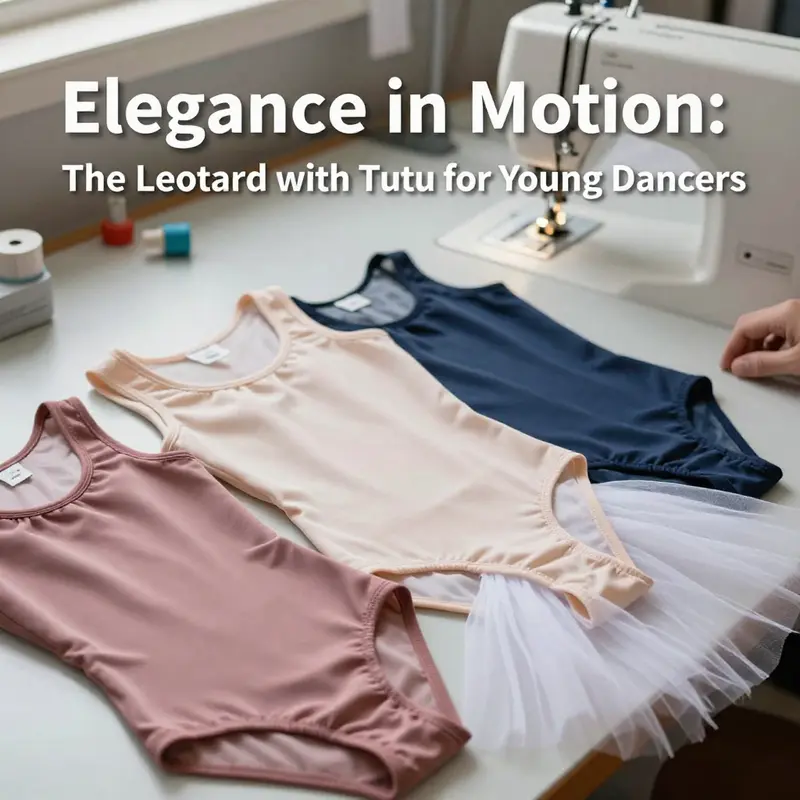
Manufacturing these beautiful garments involves intricate processes that ensure both style and functionality are at their best. Seamless knitting technology is utilized in creating the leotard, ensuring that the pieces are smooth against the skin with minimal seams, reducing any potential for chafing. The production primarily involves precision cutting and sewing techniques that are crucial to maintaining the integrity of the overall design. For instance, the tutu is assembled by meticulously gathering several layers of tulle onto a sturdy waistband which is then carefully attached to the leotard’s waistline. This critical juncture requires robust stitching, as it must endure the rigors of dance performance, where movements can be both explosive and controlled.
One notable trend in the manufacturing of leotards with tutus is the integration of advanced machinery in production lines. Automated cutting and stitching systems enhance both consistency and efficiency, particularly in larger scale manufacturing. This modernization not only supports mass production demands but also reduces lead time which is essential for dance schools preparing for recitals or performances. The melding of tradition and innovation sets the stage for exciting developments in dancewear fashion.
In recent years, the call for sustainability has echoed throughout the fashion industry, and dance attire is no exception. Manufacturers are increasingly utilizing recycled materials in their creations, particularly recycled polyester sourced from plastic bottles. This transition not only fosters an eco-conscious production cycle but also attracts a clientele that reflects socially responsible values. With rising awareness surrounding environmental issues, companies that actively pursue sustainable practices in sourcing materials and production methods will likely resonate more with consumers looking to support ethical brands.
Moreover, aesthetic customization has gained momentum in recent times thanks to technological advancements in digital printing. This innovation has allowed designers to explore unique color palettes and intricate patterns that can be adhered to both the leotard and the tulle. This removes the restrictions of traditional dyeing processes, enabling dance schools and studios to represent their identity visually while maintaining functional performance wear.
The concept of hybrid designs is also influencing the market for leotards with tutus. Designers are exploring performance-enhancing elements through reinforced seams at high-stress points such as shoulders and crotches. This addition aims to equip young dancers not only for performances but also for rigorous training sessions, ultimately marrying function with form in a seamless manner. Furthermore, built-in support panels can elevate comfort levels, addressing common concerns among parents and guardians regarding their children’s training attire.
The variety of styles available showcases the versatility of this dancewear staple. Styles can vary from traditional balletic designs to modern interpretations that can cater to contemporary dance or even rhythmic gymnastics routines, reflecting a broader range of performance art. Some of the popular colors that appeal to young performers include classic pinks, rich navy blues, and vivacious purples, turning every attire into a canvas for self-expression. Sizes catering from toddlers up to older girls ensure that no aspiring dancer is left without suitable options, creating inclusive platforms within the dance community.
In addition to the style and comfort, the practical aspect of sourcing these garments must also be considered. Many manufacturers leverage platforms such as Alibaba.com, which connect them with verified suppliers that offer OEM/ODM services for customized orders. This flexibility enables dance schools and studios to place bulk orders featuring specific colors, logos, and designs, resulting in tailored uniforms that foster a strong sense of team spirit and unity among young dancers. Strong production capacities and factory-direct pricing create advantages in sourcing professional-quality attire that can withstand the trials of daily practices and performance settings.
Ultimately, leotards with tutus encapsulate the essence of a dancer’s journey—their stories, struggles, and victories reflected in the elegance of their attire. With continued advancements in materials, aesthetic possibilities, and manufacturing processes, the future of this beloved garment appears bright. Whether worn in a competition, recital, or a weekday training session, a well-designed leotard with a tutu carries with it a narrative rich in tradition, innovation, and an unwavering celebration of the art of dance.
For more detailed insights into materials and manufacturing standards related to leotards and tutus, refer to this resource.
Embodying Tradition and Innovation: The Leotard with Tutu in Dance Culture
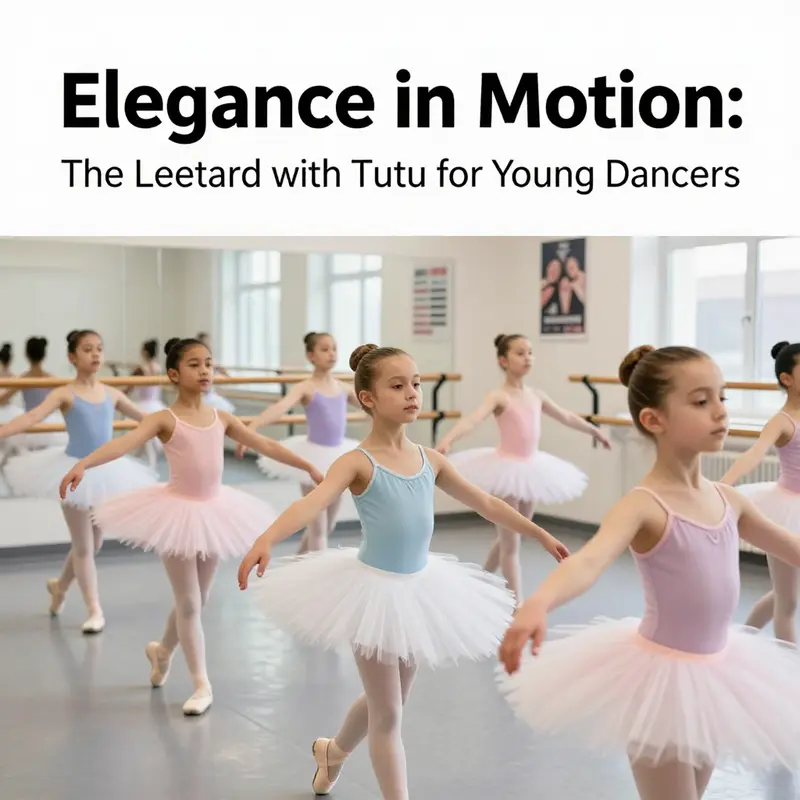
The leotard with tutu holds a profound cultural significance in the realm of dance education and performance, serving not merely as attire but as a vital symbol of identity, discipline, and creativity within the dance community. This iconic ensemble, comprising a form-fitting bodysuit paired with a layered, ruffled skirt, is emblematic of classical ballet and has transcended its traditional roots to become a staple in various dance disciplines, marking a dancer’s journey from a novice to a performer.
A Tool for Learning and Development
In the world of dance education, the leotard with tutu goes beyond its aesthetic appeal; it functions as a crucial tool for developing essential skills that underpin a dancer’s training. The snug fit of the leotard allows instructors to observe a student’s posture and movement technique with clarity, ensuring that errors in alignment or form are swiftly corrected. The tutu complements this educational role by accentuating the dancer’s lines and movements, making it easier to assess the beauty and precision of turns, leaps, and extensions.
For young dancers, particularly during early classes, donning a leotard with tutu instills a sense of belonging and purpose. This outfit marks a transformation, symbolizing their entry into the formal and disciplined world of dance. The connection to tradition, coupled with the individuality offered by various styles, colors, and designs, motivates students to engage more deeply with their practice. Through this attire, they embody the aspirations inherent in dance—the pursuit of elegance, strength, and artistic expression.
Cultural and Historical Reflections
The leotard and tutu ensemble has its roots in the evolution of ballet costumes that began in the 19th century. This era witnessed significant changes aimed at elevating the silhouette of dancers and emphasizing the grace of their movements, leading to the introduction of the tutu. The design was polished by choreographers like Marius Petipa, whose influential works such as Giselle and Swan Lake have played a pivotal role in establishing the tutu as a hallmark of the ballerina’s image—delicate, ethereal, and enchanting.
As dance evolved, so did the leotard-tutu combination. Today, it remains central to performances in major productions, where its visual impact enhances storytelling and deepens emotional resonance on stage. The spirit of the classic tutu has survived while being recontextualized by contemporary choreographers and dancers, who breathe fresh life into it through innovations in design and fabric technology. It no longer strictly adheres to traditional interpretations but embraces various styles that encourage personal and artistic expression. This adaptability reflects the fluid nature of dance itself, continually reshaping and redefining its aesthetic parameters.
The Language of Performance and Design
For competitions and recitals, the leotard with tutu offers a canvas for artistic interpretation. Variations in color, fabric choices, and design elements allow each dancer to express their unique personality while aligning with the broader aesthetics of their performance. Bright colors may convey joy and energy, while muted pastels might evoke a sense of nostalgia or grace. As a result, the outfit becomes a vessel through which young dancers articulate their artistic voice, blurring the lines between tradition and innovation.
Manufacturers have responded to this demand for individuality and expression by offering customizable options. Schools, studios, and event organizers can now tailor leotards with specific colors and designs to represent their unique identity or theme. Platforms like Alibaba.com facilitate this process by providing a broad spectrum of fabric choices and design features, catering to both functional needs and the fashion-conscious preferences of modern dancers. In this way, the classic leotard with tutu continues to evolve, producing garments that are both technically sound and visually captivating.
A Symbol of Resilience and Dedication
Beyond its educational and cultural dimensions, the leotard with tutu embodies a powerful symbol of resilience and dedication. Mastering the art of dance demands years of commitment, as dancers face rigorous physical challenges in wearing these garments. They undergo extensive training to develop the strength, balance, and control required to perform gracefully. Each pirouette, leap, and plié is a manifestation of hard-earned skill, and the leotard-tutu combination serves as both shield and stage, providing support while allowing dancers to shine.
The integration of advanced materials like spandex and breathable tulle enhances both comfort and aesthetic appeal. This blend of tradition and modern engineering ensures that the outfit continually supports dancers in their rigorous practices and breathtaking performances. Dancewear technology has thus evolved, marrying functional requirements to artistic aspirations seamlessly. It allows for the freedom of movement essential in ballet and other dance forms without compromising on the classic visual appeal that the tutu provides.
Ultimately, the leotard with tutu is more than a costume; it encapsulates the essence of dance itself—discipline, artistry, and the relentless pursuit of perfection. For many young dancers, stepping into this iconic ensemble symbolizes not just the beginning of their dance journey but the embodiment of dreams and aspirations that transcend the studio and stage. As they twirl, leap, and perform, they carry with them the weight of history, the rigor of training, and the lightness of creativity.
Final thoughts
In summary, the leotard with tutu is more than just an outfit—it’s a symbol of elegance, discipline, and cultural heritage in dance education. By understanding the various styles and materials, as well as the deeper significance these garments hold, business owners can cater effectively to their target markets, ensuring they offer products that not only meet the needs of dancers but also celebrate the art of dance itself. As the industry evolves, staying attuned to these aspects is crucial for success and sustainability in the dancewear market.
Elevate your dance with premium, comfortable balletwear from luneballet.com! Designed for grace and performance, our pieces blend quality fabrics and timeless style. Whether you’re a beginner or a pro, shop now to find your perfect fit—step into confidence, express your art, and shine on stage. Explore our collection today!
About us
At luneballet.com, we’re passionate about crafting exceptional balletwear for dancers of all levels. With a focus on quality, comfort, and elegant design, we produce pieces that support movement and inspire confidence. Our mission is to provide reliable, stylish dancewear that helps you embrace your passion and perform at your best.