
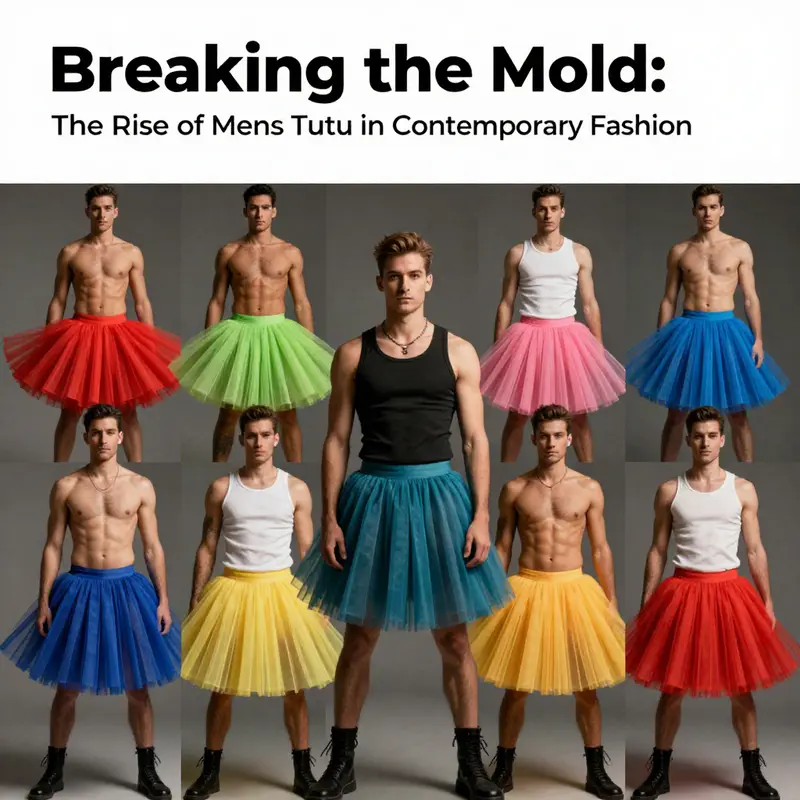
The mens tutu, once a niche concept within fashion, has emerged as an intriguing trend that challenges traditional masculinity while embracing creativity and self-expression. This article delves into the multifaceted world of mens tutus, beginning with their historical emergence and cultural significance. We will explore their impact within the performing arts, innovations in craftsmanship and design, current market trends, and society’s evolving acceptance of this distinctive fashion choice. Each chapter will enhance your understanding of how mens tutus fit into the broader landscape of contemporary fashion, and the business opportunities they present for budding entrepreneurs.
Flourish Beyond Tradition: The Men’s Tutu and the Reimagining of Masculine Style
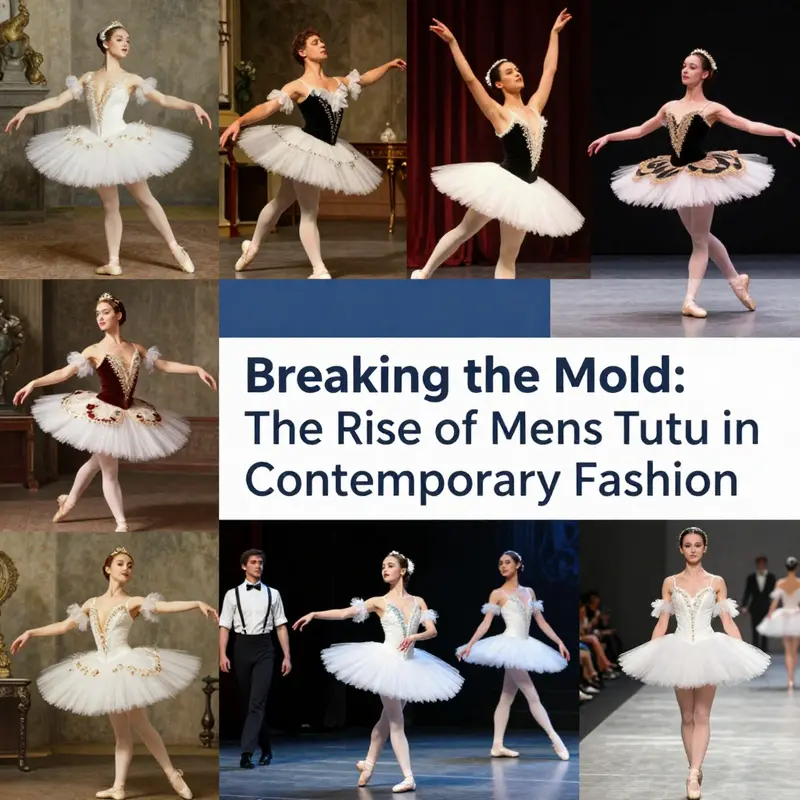
Across fashion history, some garments have traveled from the shadows of theater into the bloodstream of everyday wear. The men’s tutu, a term that feels almost rebellious in polite wardrobes, sits at the edge of this movement. It is not merely a novelty or a stunt; it is a provocative dialogue about what clothes can do for identity. When a person puts on a tutu, they are not simply choosing a silhouette. They are choosing a voice. The tutu, in its most powerful form, becomes a flexible instrument for self-definition, a way to test boundaries that have long been etched into masculine norms. In this sense, the men’s tutu is less about ballet lineage or couture trivia and more about the capacity of fashion to narrate fearlessness, curiosity, and a willingness to imagine a broader spectrum of self-expression.
To understand this emergence, it helps to think of the tutu as a cultural sign rather than a fixed category. The ballet tutu—its stiff support, its delicate layers, its outward spectacle—belongs to a tradition that has long treated femininity as the default frame for such volume and display. When men adopt a tutu, they reframe that vocabulary. They invite the audience to hear a story not of gender binaries but of performance, of mood, and of intention. The garment becomes a stage for audacity, a portable stage set that can be worn rather than merely walked on. In many ways, the men’s tutu is a continuation of a broader artistic impulse: to challenge the audience to reassess what they think is possible on the human body when fashion is allowed to speak freely.
Cultural moments help illuminate how this idea travels from theater to street and back again. A striking image from a social gathering, casually shared and endlessly reinterpreted, shows men in tutus participating in a playful, defiant celebration of individuality. It is not a sermon but a celebration—an assertion that dress codes are not moral laws but agreed-upon norms that can be contested. This sentiment resonates in spaces beyond galleries and runways. In forums where fashion meets performance art, the tutu’s ruffled silhouette becomes a canvas for exploring questions of masculinity, vulnerability, and consent to color and movement. The effect is not merely visual; it is philosophical. The tutu invites spectators to recalibrate their expectations about who can occupy which silhouettes and under what circumstances they can do so with confidence.
Within contemporary menswear, the tutu sits alongside a broader appetite for gender-fluid silhouettes and unconventional garments. Designers who push against rigid codes tend to favor versatility, comfort, and a storytelling quality in fabric choices. A tutu’s layers can add volume without weight, creating a sense of drama that can be tempered by modern tailoring elsewhere in the outfit. The philosophy here is not about overturning tradition for tradition’s sake. It is about expanding the tools available to the wearer. By embracing a piece that historically signals theatricality, contemporary wardrobes acknowledge that fashion can be a laboratory for personal truth. In this light, the tutu becomes not a costume but a catalyst—an artifact that prompts a wearer to negotiate posture, voice, and presence in any arena, from a backstage corridor to a city street.
In practice, the men’s tutu appears in a spectrum of forms. Some iterations lean into bold color and conspicuous texture, turning the garment into a statement about visibility and courage. Others opt for subtler palettes, letting the silhouette do the talking while the rest of the ensemble remains pared down. The material choices—tulle, organza, or lighter layers fused with contemporary fabrics—offer a balance between tradition and experimentation. The result is a mood rather than a uniform. A man may pair a tutu with a streamlined blazer, or with a casual knit and sneakers, creating a tension between refinement and play. The effect is not to erase masculine cues but to enrich them, to show that masculinity can be a vehicle for fluidity rather than a fixed endpoint.
The political charge of the tutu, especially in a male presentation, is often subtle rather than shouted. It lies in the aggregation of countless small acts: the choice to wear something that signals nonconformity, the courage to tolerate gaze and judgment, and the generosity to let others study the garment without feeling threatened. This is not to overlook the discomfort that can accompany nonconformity. Fashion has long been a field where the personal and the political intersect with real consequences. Yet the tutus’ persistence in both art and fashion signals a shift: a growing willingness to tolerate ambiguity, to celebrate nonconformity as a form of creativity rather than a challenge to be suppressed. In this climate, the men’s tutu becomes a practical tool for rehearsing resilience. It teaches that clothing can be both a shield and a loudspeaker, a private choice and a public statement.
Another layer of meaning emerges when we connect the tutu to broader trends in dress that emphasize identity as a personal signature rather than a social script. The rise of gender-fluid silhouettes, the embrace of unstructured tailoring, and the fascination with movement as a design language all contribute to the tutu’s relevance. The skirted volume suggests a new grammar for how men can inhabit space. It invites a dialogue about how much of the body should be framed by fabric and how much by architecture—the bones and lines of the wearer, or the soft, floating planes of the tutu itself. In this conversation, color becomes a narrative device. Pink, once coded as a feminine cue, can be reimagined as a bold assertion of presence. When worn with intention, a bright hue becomes a statement about joy, risk, and the refusal to be boxed into a single color story.
Fashion education and cultural commentary increasingly recognize the tutu as a living archive of experimentation. It embodies the idea that design is a tool for empathy, a means to invite others into the wearer’s experience. The tutu’s physical presence—its weight, its movement, its texture—offers perceptual data about the wearer’s confidence and comfort with ambiguity. In turn, this prompts conversations about how fashion can nurture curiosity rather than policing norms. The sartorial experiment extends beyond the garments themselves; it animates runway pedagogy, street style discourse, and wearable performance. The tutu thus functions as a bridge between performance history and everyday life, a reminder that the boundary between art and attire is porous and purposeful.
Within the ecosystem of niche fashion communities, the tutu finds a home where curiosity thrives. It becomes a shared language among performers, designers, dancers, and collectors who see clothing as an expressive instrument. In such circles, a tutu is less an exotic accessory and more a toolkit for storytelling—an invitation to inhabit discomfort, to rewrite scripts, and to celebrate the resilience of the human form when it refuses to be censored by rigid norms. This is the heart of the tutu’s appeal: it offers a disciplined playfulness, a disciplined risk-taking that yields clearer self-understanding and richer social dialogue. As more people explore this path, small but meaningful shifts accumulate. They reshape how audiences perceive masculine presentation and widen the spectrum of what is considered appropriate for public display.
For readers who wish to trace the practical and historical threads further, a closer look at specific tutu collections can illuminate how designers reconcile tradition with experimentation. In reflecting on how to structure a wardrobe that embraces this kind of versatility, one finds that the uncategorized tutu category on a fan-driven archive can be surprisingly instructive. It demonstrates how a single form can be adapted to different moods, contexts, and audiences without losing its core identity. uncategorized tutu collection.
Even as the conversation about the men’s tutu grows more nuanced, it remains anchored in a simple truth: fashion is most powerful when it challenges fear and invites curiosity. The tutu’s journey—from a theater prop to a potential streetwear feature, from a radical gesture to a cultural sign—is a reminder that style is not a fixed prescription but a living practice. It rewards those who approach garments with intention and openness. In that spirit, the men’s tutu is not a conclusion but a doorway—an invitation to keep asking what clothing can do, whom it empowers, and how it can expand the grammar of masculine style for a generation that poises itself between tradition and possibility.
External reference for further visual context and extended discussion can be found here: https://www.flickr.com/photos/zendegy/36849715823/
Redefining Grace: The Men’s Tutu as a Catalyst for Gender Dialogue in Contemporary Performance
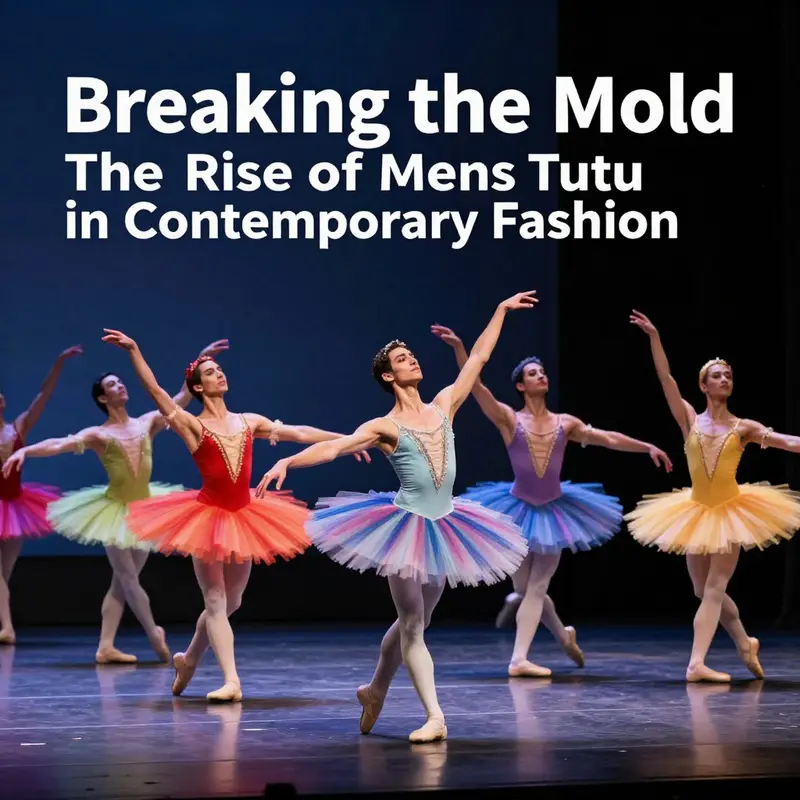
Under the glow of stage lights, a garment that seems at once delicate and defiant becomes a hinge between history and possibility. The men’s tutu, when it appears in contemporary performances, does more than clothe a dancer; it reframes the conversation about who can inhabit certain emotional registers on stage. The tutu’s lineage is long and tangled. In classical ballet, the tutu is a symbol historically tied to female virtuosity and the ethereal poise of clusters of silks and feathers rather than to male bravura. Yet the mere presence of a male body in a tutu on a darkened stage unsettles a settled grammar of movement and gaze. It invites us to listen to what the body can say when costume challenges the familiar map of gendered signaling. In this sense, the men’s tutu functions not as a mere costume decision but as a cultural artifact that tests the boundaries of form, audience expectation, and the politics of performance itself.
The shift is not a desire to overturn tradition through shock alone. Rather, it is a careful negotiation between movement, silhouette, and the history of ballet’s most recognizable iconography. Contemporary choreographers have treated the tutu as a pliable instrument, not a fixed sign. They have pushed against the rigid binaries that once defined who could perform what with whom, when, and to what emotional end. The practice aligns with a broader current in modern dance and experimental performance that treats costume as an active partner in storytelling. When a performer dons a tutu, the fabric’s many layers catch light and air in ways that can magnify vulnerability, intimacy, or explosive release. The same fabric that might have signaled fragile femininity in a centuries-old tradition now helps a male performer articulate interior states with unusual clarity. This is not simply stylistic play; it is a recalibration of the dancer’s body in space, a reimagining of how weight, gravity, and breath meet the audience’s attention.
In discussing this shift, it is useful to draw on the voices of artists who have deliberately blurred the lines. Choreographers such as William Forsythe and Akram Khan have explored costuming that is not bound to gendered expectation. They experiment with flowing, layered fabrics on male bodies to evoke emotional depth and aesthetic beauty that historically drew less attention in mainstream male repertory. The tutu, when reinterpreted through such lenses, becomes a vehicle for exploring courage and tenderness in equal measure. The choreography guides the eye to follow lines that might otherwise be suppressed by a stricter masculine ideal. In this sense, the men’s tutu becomes a phenomenological device: it makes visible the tension between strength and sensitivity that many audiences instinctively associate with performance, yet often deny to male performers in traditional contexts.
The garment’s materiality matters almost as much as its symbolic significance. Light tulle, stiff petticoats, and the rhythmic rustle of fabric can alter the cadence of a turn, the precision of a port de bras, and the contour of a dancer’s spine. A tutu that catches slightly on a knee or flares with a gust of air can turn a poised line into a moment of risk and revelation. Conversely, a more controlled, sculpted silhouette can emphasize architectural grace and control, inviting the audience to admire the muscle memory and architectural discipline behind every glide. Designers and performers collaborate to choose fabrics and constructions that support the emotional arc of the work. The tutu becomes a living instrument, shaping what is possible on stage and how an audience experiences a performer’s story.
The cultural significance of this practice extends beyond aesthetics. It engages with questions of gender representation, inclusivity, and the long arc of artistic emancipation. When a male dancer performs in a tutu, it invites audiences to reconsider assumptions about masculinity and vulnerability. It asks viewers to perceive a dance narrative through a lens that privileges emotional range over gendered propriety. This moment of questioning is not an advocacy of any single political posture; it is an invitation to witness how art forms can hold complexity without reducing it to simple categories. The result can be enriching for audiences who have felt alienated by rigid codes of dance, while also challenging those deeply versed in traditional repertoires to expand their definitions of value, beauty, and expression.
Inside rehearsal rooms, the act of choosing a tutu becomes a deliberate act of communication. Choreographers talk with designers about the tension between historical reference and contemporary sensitivity. They test how a given silhouette will read from the wings, how the flutter of fabric may align with a dancer’s breath, and how the body’s silhouette will shift as the music unfolds. In this collaborative space, the tutu is less a costume and more a dialogue partner. It asks questions about the dancer’s agency, about whether physical vulnerability can be fused with technical prowess, and about how the audience’s empathy is invited rather than coerced. The result is a performance that feels radically present, even as it borrows a remarkably old image to tell a new story.
This evolution also reflects a wider trend toward gender-fluid costuming across the performing arts. The tutu’s recontextualization parallels other choices that prioritize expressive authenticity over fixed identities. Costumes become opportunities to stage a spectrum of experiences—grief, joy, defiance, tenderness—without insisting that a performer must be legible through a single conventional sign. The audience, in turn, learns to read risk and resolve in the performer’s face and body rather than rely on familiar costume cues to anchor meaning. It is a literacy that grows with each new production, as viewers encounter dancers who move with equal precision whether clad in soft layers or stark, sculptural lines. The men’s tutu thus emerges as part of a larger vocabulary that values individuality, listening to the body as it converses with space, rhythm, and time.
For practitioners, this language offers practical and ethical benefits. It creates pathways for experimentation that can widen the repertoire available to male dancers and broaden the emotional toolkit accessible to audiences. It also opens doors to collaborations with designers who are drawn to the challenge of balancing tradition with innovation. The practicalities of performance—ease of movement, quick changes, and stage safety—remain essential considerations. Yet, when these practicalities are aligned with a thoughtful political and aesthetic stance, the result can be a more inclusive, more intimate form of storytelling. The men’s tutu stops being a novelty and becomes a trusted ally in the choreographer’s quest to render human experience in motion with clarity and courage.
In this light, the garment also invites a broader cultural reflection. What does it mean for a society to allow a man to embody what has historically been coded as feminine in a performance context? How do costumes contribute to a shared sense of beauty that transcends gendered expectations? The answers are not uniform; they shift with the work, the performer, and the audience. Yet the recurring pattern is clear: when male dancers wear tutus, they do not simply wear a piece of fabric. They open a channel for emotional literacy that many viewers crave but seldom see expressed with such raw clarity on stage. In a landscape where audiences increasingly seek performances that acknowledge complexity, the men’s tutu stands as a potent, if provocative, invitation to reimagine what ballet and dance at large can convey about being alive, feeling deeply, and moving with unguarded truth.
For readers who wish to explore a practical dimension of this vocabulary, the design and availability of tutus tailored for professional stage work offer a useful entry point. The professional tutu collection provides a sense of how designers translate concept into construct, how weight and proportion are balanced to support complex choreography, and how the fabric’s behavior under light becomes part of the narrative arc. This link serves not as a product endorsement but as a glimpse into the studio conversations that shape what finally appears on stage. In the end, the men’s tutu is not a fixed category but a continually evolving instrument for storytelling—an outward sign of inward possibility, a reminder that performance remains a living art in which form and feeling continually co-create meaning.
External resource for further perspective: https://www.ballet.co.uk/insights/why-are-men-in-ballet-wearing-tutus-now
Mens Tutu: Crafting Movement, Redefining Masculinity on the Modern Stage
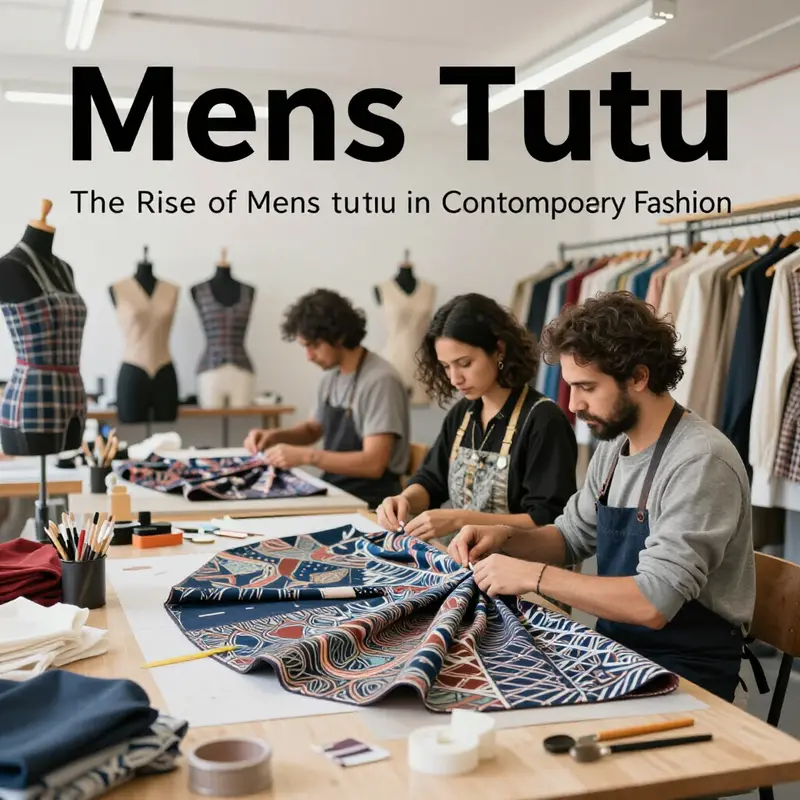
From the wings of classical ballet to the bright glare of contemporary stages, the term men’s tutu signals more than a garment. It signals a dialogue between tradition and experimentation, a willingness to decode and redefine the grammar of stage dress. In many theatres and studios today, male performers don tutus not as ornament but as tool—a sculpted extension of athletic line and kinetic storytelling. The scene is less about shock value and more about a deliberate merging of form and freedom, where the tutu becomes a living envelope that translates intention into motion. The cultural conversation around masculine attire in performance has grown noisier and more nuanced, and the men’s tutu sits at the intersection of craft, choreography, and identity. It invites audiences to see fabric and silhouette not as fixed categories but as flexible levers that reveal place, time, and mood on stage. This is not merely a fashion statement; it is a rehearsal of possibility, a design philosophy that privileges articulation, balance, and permission for the body to occupy space in new, unfamiliar ways.
Craftsmanship sits at the center of this shift. Designers treat the tutu not as a loose costume piece but as a propulsion system for the body. Materials are chosen for both resilience and pliability: premium spandex provides muscle-hugging stretch without binds; stiffened tulle constructs the characteristic bouffant sweep while allowing air to pass and line to stay crisp under heavy lighting. The construction is a blend of traditional tailoring and modern engineering. Layers are carefully choreographed, sometimes with hand stitching that locks in tension while a performer articulates a leg, a turn, or a leap. In some ateliers, 3D shaping techniques are used to sculpt the waist and hips so that the garment augments the leg line and yet recedes when the dancer pushes through the ground. The result is a garment that seems to spring from the body rather than cling to it, a paradoxical blend of softness and rigidity that makes movement legible to an audience as much as it serves a dancer’s muscle memory. It is not incidental that many designers measure vertical rhythm in swathes of fabric that catch light and shadow as the body moves; the tutu becomes a partner, not a cage. Behind the scenes, fittings resemble architectural rehearsals: the garment must compress and release with every plié, every sissonne, every breath, while maintaining a silhouette that reads cleanly from the first row to the gods of the catwalk. The garment, in other words, acts like a second skin—one that can be tuned for speed, gravity, and the particular demands of a choreography.
Design elements emerge as a choreography of their own. Asymmetrical hems float behind a passing leg, catching air and refracting stage lighting. Architectural draping exaggerates the torso, turning the waist into a sculptural plane where negative space becomes as important as fabric. Bold color palettes—neon chroma, matte midnight, or pale pastels—are chosen not to scream but to frame motion, to cue an audience’s eye to a sequence, a turn, or a breath. Some makers blend modular components into a single silhouette: a core tutu built to slide between lengths, with detachable panels that choreographers can reconfigure between scenes. The effect is a garment that invites improvisation within a tight choreography, offering the dancer permission to alter fullness, balance, and line on the fly. Such design choices push the performer toward a kind of kinetic artistry, where the garment does not merely cover skin but visually interprets shifts in tempo, mood, and narrative arc. The result is a wardrobe that communicates as clearly as the dancer’s facial expressions, enabling a story to unfold through light, air, and fiber as much as through footwork. The interplay between structure and fluidity becomes a language of its own, one that can carry a narrative across a stage with or without words. In this space, color and cut are not accessories but dialogue partners, exchanging lines with the dancer to shape the emotional arc of a piece.
Innovation in fabric extends beyond a single cut. Lighter, breathable fabrics with moisture-wicking properties reduce fatigue over long performances, a small but meaningful comfort gain that translates into cleaner lines and steadier control. Some studios experiment with perforated textiles that keep bulk low without sacrificing buoyancy. Others incorporate modular components—snap-on panels or zip detachments—so a tutu can be lengthened for a grand finale or lightened for a rapid sequence. Even the seams are treated to flex with the body’s cycles, using stretched stitching that resists fatigue and maintains a crisp silhouette after repeated pirouettes. The textile story here is less about spectacle and more about endurance—how a garment can hold its shape, absorb sweat, and recover its form as the dancer lands, recoils, and rises again. The convergence of engineering-grade fabrics with couture sensibilities yields pieces that feel both like athletic wear and ceremonial costume, a duality that suits the trance-like focus of a demanding program. Fabric innovation also invites designers to rethink how a tutu interacts with lighting design, stage geometry, and the architectural demands of a theatre space. When a wearer moves, the fabric doesn’t merely follow; it anticipates—pulling toward the next beat, hesitating to reveal a moment of vulnerability, or expanding to dramatize a climactic crescendo. This dynamic relationship between cloth and choreography reframes the tutu as a living set piece rather than a passive mirror of motion.
Beyond technique, men’s tutus carry a cultural charge. They mark a moment when stagewear transcends binary expectations and becomes a platform for identity, artistry, and political gesture. In contemporary performance, a tutu designed for a man can contour his profile in ways that emphasize strength or vulnerability, depending on lighting and movement. It invites audiences to reconsider what a traditional silhouette can communicate when reimagined through a masculine lens. The garment operates as a narrative shorthand—the ruffle evokes history, the straight line asserts control, the softened edge suggests openness. In many festivals and experimental productions, performers use the tutu as a medium to explore evolving ideas about masculinity, queerness, and vulnerability, making the audience an accomplice in a dialogue about form, beauty, and courage. Such conversations have become part of broader discussions about costume design, performance ethics, and the politics of visibility in the arts. When the curtain rises on a stage clad in a tailored tutu, the audience is reminded that fashion and choreography share a common ambition: to translate inner intent into outer gesture, to map emotion onto motion with clarity and grace. The reception to these performances often travels beyond the theatre, influencing streetwear, concert visuals, and fashion collections that toy with and expand gendered norms. The tutu thus serves as a bridge between worlds—between the disciplined heritage of ballet and the free experimentation of modern performance—while inviting new audiences to recognize the artistry embedded in costume as a vital component of storytelling.
For designers and performers seeking concrete resources to study, a curated professional tutu collection offers practical reference points. It is a reminder that the craft thrives when theory meets hands-on practice, when the dancer’s breath meets the seamstress’s needle. The small tactile decisions—the angle of a seam, the density of a layer, the stiffness of a boning element—accumulate into a performance that glides through space with precision. Readers curious about how such garments are assembled can explore a resource that showcases professional tutu forms and their adaptability within different stage contexts, from classical gesture to modern abstraction. The dialogue between fabric, form, and motion is ongoing, and the best designs persist because they respond to the demands of real bodies in real time. To broaden the horizon further, researchers and designers often turn to external conversations about design innovation in this field, which highlight the evolving techniques and collaborative processes that push boundaries beyond traditional assumptions.
Internal resource for study and reference: a curated professional tutu collection can serve as a practical anchor for this exploration, offering tangible examples of how different silhouettes, densities, and finishes translate to stage performance. The integration of such resources helps connect the theory of design with the tactile experience of wearing and moving in a tutu, reinforcing the idea that garment construction and choreography are inseparable partners. For readers seeking a broader critical perspective on how designers push the boundaries of wearable art in this arena, see the external discussion in Dance Magazine that tracks the latest innovations and the evolving dialogue around men’s tutu design innovation: https://www.dancemagazine.com/mens-tutu-design-innovation-2025/.
Rethinking the Men’s Tutu: Market Realities, Cultural Framing, and the Edge of Fashion
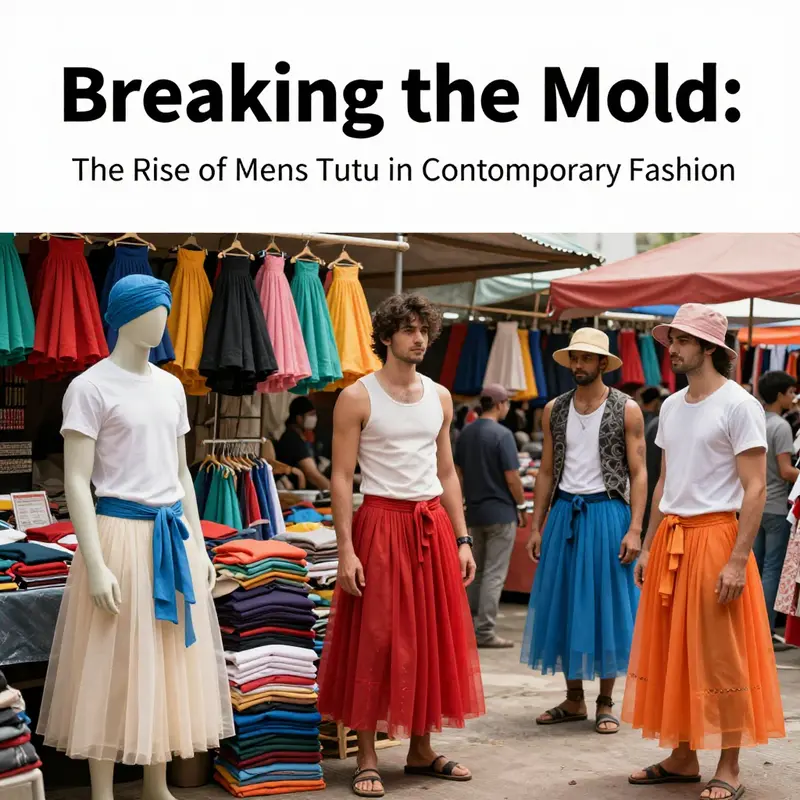
The phrase men’s tutu sits at a curious crossroads in contemporary fashion discourse. It conjures images of ballet skirts, stage costumes, and identity play, yet it also invites practical questions about what mainstream menswear is willing to embrace. In a landscape obsessed with fit, function, and forward-looking details, the idea of a tutu worn by men could either be dismissed as a niche oddity or recognized as a potential signpost for how design can stretch beyond traditional gendered categories. The available evidence, however, suggests we are not witnessing a broad consumer shift toward a standard, mass-market demand for men’s tutus. What we see instead is a cultural and commercial terrain where gender-fluid experiments exist on the periphery, while the core of men’s fashion remains anchored in tailoring, performance fabrics, and customizable expression that serves everyday life, work, and urban living. Reading this terrain requires distinguishing the rhetoric of novelty from the reality of consumer needs, and it invites a careful accounting of where a tutu might fit—and where it will likely remain a bounded option, rather than a mainstream staple.
Historically, tutus are emblematic of ballet’s feminine imagery, a tradition built on fluff, volume, and the visual language of leg lines and movement. When men appear in tutus on stage, the effect is often theatrical or symbolic, drawing attention to choreography and character rather than daily wear. In streetwear and high fashion, designers sometimes blur gender lines by borrowing silhouettes, textures, or color palettes that were once coded as feminine. Yet even in these avant-garde corners, the tutu as a daily item for men does not constitute a mass-market category. The data available to researchers and industry trackers indicate that the broader men’s clothing market still prizes items that blend sophistication with practicality: tailored suits, performance-oriented jackets, breathable textiles, and silhouettes that accommodate longer wear without sacrificing comfort. The emphasis on innovation in fabrics—moisture-wicking, lightweight stretch, sustainable blends—speaks to a consumer who wants to look polished while feeling unencumbered during long days, commutes, or workouts. In that context, a tutu card is not simply about style; it is a design proposition that must prove its value in movement, comfort, and function.
Cultural framing plays a substantial role in whether a garment gains traction. Fashion thrives on dialogue between aesthetics and the social meanings attached to them. A tutu, especially in men’s sizing, challenges conventional cues about masculinity and formality. Some observers welcome such challenges as evidence of evolving norms; others worry about mixed signals in branding, marketing, and retail. The nuanced reality is that when fashion houses or niche labels experiment with gendered expressions, it tends to appear in limited runs, capsule collections, or collaboration-driven projects rather than as a standard product line. The limited edition dynamic creates a sense of exclusivity and artistic statement, which appeals to a subset of consumers seeking personal or subcultural significance. For everyday buyers, the practical question remains: how does a tutu translate to materials, fit, and wearability in daily life? Does it align with the expectations for breathability in a long workday, or with the needs of a city commute that demands stain resistance and ease of care? These are the kinds of considerations that determine whether a provocative silhouette becomes a persistent option or a fleeting curiosity.
From a consumer perspective, the priority is less about embracing a radical visual departure and more about the metrics of comfort, durability, and adaptability. The current market—especially in men’s fashion—leans toward high-end customization and a blend of fitness aesthetics with urban sensibilities. Consumers seek garments that tell a personal story while delivering reliable performance. They want fabrics that breathe, that move with the body, that dry quickly after exertion, and that hold up to routine washing without losing shape. The rise of athleisure, omnipresent in both everyday wardrobes and premium streetwear, demonstrates a preference for versatility over pure style statements. In this context, a tutu would need to translate into a design language that speaks to these priorities: a silhouette that allows freedom of leg movement, a waist that stays secure through activity, layers or linings that provide coverage without bulk, and fabrics that maintain color and volume without sacrificing practicality.
Design considerations reveal the central challenge for any attempt to mainstream a tutu-inspired item for men. The tutu’s silhouette—full, lightweight, and voluminous—must be reconciled with the norms of men’s trousers, suits, and outerwear. The waist construction would likely require careful attention to comfort and stability, perhaps favoring an adjustable waistband, interior suspension, or a compact underskirt to manage volume. Fabric choice becomes critical: a material with the proper drape that holds shape but remains breathable and easy to care for. Designers would need to balance aesthetic impact with wearability, avoiding excessive bulk that could hinder movement in daily routines or professional settings. Colorways would matter too. While soft pinks and pastel hues have long associations with femininity, contemporary fashion has demonstrated a willingness to embrace unconventional color storytelling in men’s wardrobes. The decision to position a tutu-inspired piece as a statement item or as a functional garment would hinge on whether it is marketed as avant-garde art, theatrical costume, or a versatile everyday piece. Each path carries different expectations for quality, price, and aftercare.
The potential market for such a garment would likely remain niche, at least in the near term. Performance contexts—on stage, in dance troupes, or in experimental fashion shows—provide the most natural fit for tutu-inspired designs. In these settings, the garment’s accent on movement becomes a feature rather than a flaw. For mainstream consumers, the idea of wearing a tutu on a daily basis poses questions about weather, practicality, and the social signals that clothing communicates in professional environments. Even as fashion cycles bring back revivalist silhouettes or gender-blurring cues, the core consumer segments are oriented toward products that serve practical needs—access to breathable fabrics during a commute, easy maintenance, and a clear path to wardrobe cohesion with existing suits and coats. In that sense, men’s tutu-like garments would likely appear as limited-edition statements, stagewear for performances, or novelty pieces within art-focused or festival contexts. The risk of broad misinterpretation or fashion fatigue is real, encouraging brands to temper experimentation with demonstrable value.
What does this mean for readers who follow the broader arc of men’s fashion? It suggests a cautious optimism about the direction of style, where experimentation remains permissible so long as it respects the demands of real life. The industry’s push toward inclusivity and gender-fluid expressions sits alongside a market hunger for practical innovations. A tutu-inspired design could emerge as a bridge piece—one that integrates the volume and theatricality of the tutu with the refined tailoring and comfort-driven silhouettes of modern menswear. If such a bridge is to endure, it must be anchored in material science, ergonomic fit, and an aesthetic that resonates with contemporary sensibilities rather than a historical reverence for ballet iconography alone. In sum, the evidence points to a landscape where men’s tutus are not a mainstream commodity but a nuanced possibility. They exist at the edge of fashion’s experimental frontier, where couture meet performance and personal storytelling, and where limited runs, collaborations, or performative moments give designers the license to explore without forcing the market to adopt a royal flush of novelty.
For readers who crave a sense of how tutu-inspired concepts are cataloged and discussed in broader fashion discourse, consider exploring basic tutu categories that often frame these conversations. They provide a useful map of how designers, costume makers, and performers negotiate silhouette, fabric, and function without implying mass adoption. To see a concrete example of how such pieces are organized online, you can visit the basic tutu category and view how items are grouped, described, and styled in relation to other tutu-based forms: basic tutu category. This kind of cataloging underscores the broader point: even when a design appears provocative, its practical deployment depends on how well it integrates with the habits, expectations, and routines of modern wearers.
The broader market signals remain clear. The most authoritative voices in contemporary men’s fashion highlight trends centered on performance, sustainability, and personalization rather than on radical silhouette shifts that challenge the core uses of clothing in daily life. The fashion ecosystem is receptive to experimentation, but it channels risk through limited editions, artistic collaborations, and niche platforms where audience gravitation toward novelty is strongest. If a men’s tutu were to become more than a delightful theatrical moment, it would likely require a shift in consumer expectations, a redefinition of men’s wardrobe standards, and a supply chain that can deliver reliability alongside novelty. Until then, what we observe is a fashion field that treats such garments as compelling provocations rather than standard offerings, valuable for story, inspiration, and artistic exploration rather than for everyday wear.
For those seeking an external perspective on how mainstream trends are evolving in men’s fashion, a comprehensive overview can be found in the literature on Men’s Fitness Fashion Trends 2025. This resource captures the ongoing convergence of performance technology with urban wear, underscoring the industry’s preference for fabrics that perform as well as they look. It provides a useful counterpoint to the tutu conversation, reminding us that the strongest signals of market demand favor garments designed to support daily life while still offering avenues for personal expression. Readers curious about this broader context can consult the external reference to better contextualize how a niche design idea sits within the larger trajectory of men’s fashion. The tension between avant-garde experimentation and practical, scalable products remains central to understanding why certain silhouettes persist in imagination but are slow to translate into everyday wardrobes. In that sense, the tutu conversation becomes less about replacing staples and more about exploring the full spectrum of what fashion can be when culture, craft, and consumer needs intersect at the boundary of possibility.
Whitespace as Strategy: The Rise of Minimalism in Digital Design
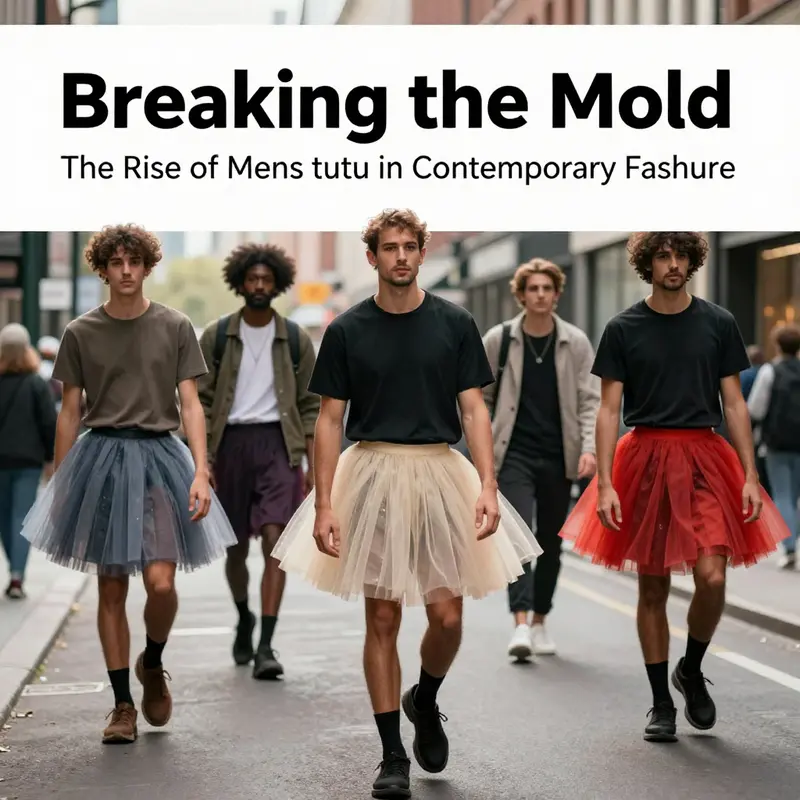
Minimalism in digital design has moved from a reaction to an aesthetic to a deliberate strategy for attention, clarity, and trust. Designers embrace whitespace, restrained color, and a disciplined typography system to guide users through interfaces with ease.
Historically, interface design stuffed screens with noise to convey richness, but a slower pace returns to the essentials: content, function, and legibility. The shift to minimalism mirrors broader cultural attention to focus in a crowded media landscape.
In practice, whitespace is not empty. It creates rhythm, signals priority, and reduces cognitive load. Grid systems, typographic scales, and modular components help teams maintain consistency as products scale.
Accessibility is central to minimalism when applied well. Sufficient color contrast, legible typography, and predictable layouts improve usability for diverse readers.
Case examples: a messaging app that uses generous margins and subtle separators; a dashboard that uses a limited color palette and generous whitespace to reduce noise.
Pros and pitfalls: less can be more, but overdoing whitespace can feel empty or slow; the right balance depends on context, content length, and user expectations.
Practical steps for teams: establish a design system with a typography scale, spacing tokens, color tokens; review screens for dense information, test with real users; iterate.
In the future, AI assisted design may optimize whitespace distribution in real time, but human judgment remains essential to ensure that minimalism serves meaning and not simply fashion.
Final thoughts
The mens tutu is not just a passing trend; it represents a shift in how gender and fashion intersect. Its emergence and acceptance in both the performing arts and everyday life reflect a broader movement towards inclusivity and self-expression in fashion. As society continues to embrace diverse forms of expression, the mens tutu stands as a symbol of creativity and empowerment for individuals. For business owners and fashion enthusiasts, this evolution offers a unique opportunity to tap into a market that values innovation and a break from the norm.