
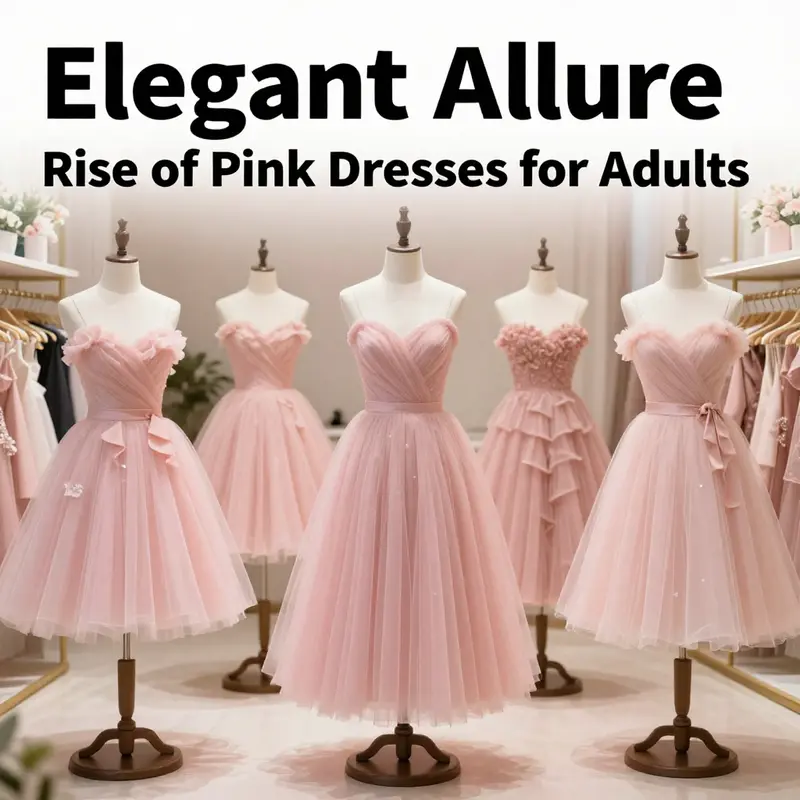
The pink tutu dress has transcended its classical origins, appealing to a modern adult audience. This charming attire merges playfulness with sophistication, becoming a favorite in various social settings. As a business owner in the fashion industry, understanding the appeal of pink tutu dresses is essential for catering to the needs of today’s consumers. This exploration delves into the design features that make these dresses unique, offering styling tips that enhance their versatility. Furthermore, we will discuss appropriate occasions for wearing pink tutu dresses, shedding light on their suitability for events ranging from casual gatherings to formal functions. Lastly, a look at current market trends will provide insight into consumer behavior and preferences, guiding your business decisions in this flourishing fashion niche.
Pink Tulle with Purpose: Crafting Elegance, Structure, and Movement in Adult Tutu Dresses
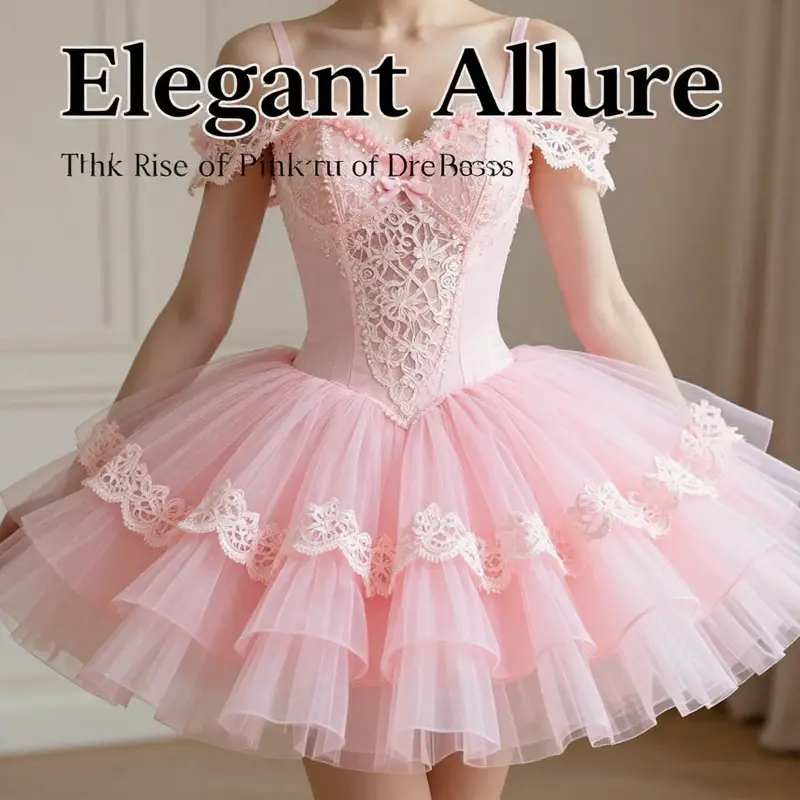
Pink tulle dresses designed for adults embody a careful convergence of whimsy and refinement, a storytelling fabric that speaks of performance floors, luxury events, and social celebrations all at once. The design language behind these garments leans on a nuanced balance: the silhouette must feel chic and grown-up while retaining the buoyant spirit that makes a tutu instantly recognizable. Designers approach this balance through a set of core choices that shape not only how the dress looks but how it moves, wears, and reads in real life. The result is a garment that can be worn to a gala, a themed party, or a staged performance without surrendering its adult sensibility to childhood nostalgia. In examining these choices, it becomes clear that pink tutu dresses for grown-ups are less about sheer playfulness and more about deliberate craft—about constructing a look that reads elegant from a distance and remains secure, flexible, and comfortable in the wearer’s body as she or he navigates space, lighting, and attention.
At the heart of the design is structure. The so-called pancake or flat-layered skirt construction has emerged as a practical yet aesthetically pleasing solution for adult tutu dresses. In this approach, multiple rigid or semi-rigid tulle tiers are sewn horizontally around a fitted bodice. The effect is a voluminous, sculpted silhouette that refuses to collapse or droop as the wearer moves. For dancers and performers, the stability of this silhouette is essential; for social occasions, it translates into a dress that holds its shape for photographs, reactions on the dance floor, and long conversations alike. The stability is not merely about thickness; it is about strategic stiffness where it matters: the upper layers create lift and airiness, while the lower layers anchor the shape so that movement does not flatten the profile. The result is a garment that communicates confidence at a glance, a kind of visual assurance that the wearer has chosen a deliberate, curated look rather than something improvised.
The silhouette itself often leans toward refined ballet-inspired lines. A corset tutu style, with a structured corset forward and boning providing controlled support, presents a silhouette that is both theatrical and mature. The neckline and bodice shaping are designed to frame the face and neck without appearing juvenile. Materials such as chiffon, lace, silk, and satin are frequently employed to introduce a level of luxury that softens the playful exterior of the tutu. The juxtaposition of a crisp corseted bodice with a voluminous skirt creates a visual tension that can be read as sophisticated stagecraft or high-fashion tailoring, depending on the setting. The fabric choices extend beyond the surface to affect how the dress feels against the skin. A satin or silk bodice offers a glide against the body, while a mesh or lace overlay can add texture without sacrificing breathability.
Color, too, is treated with a mature sensibility. Pink shades range from blush to rose to candy tones, but designers often pursue depth through subtle gradients, selective opacity, and careful underlayers. An ombre effect—softly fading from a white or pale pink at the top down into a deeper pink at the hem—bridges traditional ballet aesthetics with contemporary aesthetics. The ombre approach can be digitally printed on the tulle or achieved through layered fabrics that catch light differently. In some designs, the gradient is paired with delicate embroidery or beadwork that follows the lines of the skirt, reinforcing the sense that the tutu is not merely a volume of fabric but a carefully mapped surface that interacts with the wearer’s movements and the surrounding light. The use of color in adult-focused pink tutu dresses is thus less about whimsy alone and more about rhythm and balance, a way to keep attention directed toward the wearer rather than the fabric’s novelty.
Beyond silhouette and color, the embellishment vocabulary of adult pink tutu dresses is deliberately curated. Delicate embroidery, beadwork, and floral appliqués can elevate the piece from costume to couture, transforming the garment into a wearable art object suitable for upscale events. The placement of these details matters as much as their existence. Strategically placed embroidery along the bodice and waistline can draw the eye to the upper body, while sparing the fullness of the skirt from heavy ornamentation that might overpower the leg line or disrupt the movement of the lower layers. In other outfits designed for adult audiences, such details can be used to echo a theme without competing with the wearer’s own accessories or jewelry. The balance is subtle yet decisive: too much ornament risks a gaudy appearance; too little can make the dress feel under designed for an event in which guests expect a certain level of polish.
The play between structure and fabric also hinges on practical considerations of fit and mobility. An adult tutu needs to accommodate longer wear times, social interaction, and, in some cases, performance routines. To this end, designers frequently blend stretchable materials into the bodice, such as spandex mixed with nylon. That combination preserves a snug, secure fit while granting enough elasticity to accommodate a range of motions. The bodice’s stretch component helps the dress to move with the wearer rather than against them, which is essential for evening events where guests will be dancing, mingling, and posing for photos. A well-constructed bodice includes micro-elastic panels or gussets that give a comfortable range of motion at the shoulders and arms, so the off-shoulder or sweetheart necklines frequently seen in refined pink tutu designs do not creep or ride up as sleeves or capes are engaged.
The question of comfort is inseparable from the question of mobility. A tutu that looks magnificent but restricts breathing or causes overheating quickly becomes a liability, especially in long-form events. Breathability is addressed through fabric choices and ventilation features in the bodice and skirt lining. Lightweight, moisture-wicking layers beneath the outer tulle help manage heat and sweat during extended periods of wear. This is not merely a technical trick; it is a conscious design decision that echoes the garment’s dual life as both wardrobe and performance tool. The wearer’s experience matters as much as the garment’s visual impact. Thoughtful construction includes carefully placed seams that avoid rubbing on sensitive areas and soft linings where the tutu meets the skin. The result is a dress that feels as good as it looks, with the wearer able to focus on attire details such as posing, conversation, or dance rather than adjusting and re-adjusting throughout the evening.
The design toolkit also embraces versatility through optional accessories and styling versatility. Some pink tutu designs offer complementary trims such as delicate belts, tiaras, or light embellishments that can be added or removed to suit the occasion. A slim jeweled belt may shift the emphasis from the skirt to the waist, creating a more formal silhouette that pairs well with a longer beaded necklace or a simple clutch. On the other hand, removing extra adornments can yield a cleaner line, ideal for cocktail gatherings where a dress is expected to translate into a statement without competing with other party attire. This modular approach aligns with contemporary wardrobe strategies, where a single garment can serve multiple roles across different events, reducing the need to own a separate outfit for every occasion.
One practical theme that emerges in the design discourse is customization and fit. While off-the-rack pink tutu dresses can satisfy many wearers, the most durable value comes from tailoring that respects the wearer’s proportions. The market for adult tutu garments acknowledges that bodies are diverse, and a good fit can transform a look from merely attractive to genuinely comfortable. When size guides and measurement instructions are clear, shoppers can achieve a more precise fit, and the garment can perform as intended—staying proportionate to the torso, not riding up at the waist, and maintaining a balanced hemline that reads as a mature style rather than a suspended carnival piece. In a world where fashion is increasingly about personal expression rather than one-size-fits-all, the ability to tailor a pink tutu dress for adults becomes not a luxury but a necessary component of design integrity.
From a stylistic standpoint, the pink tutu as a versatile garment is not limited to a single mode of wear. For formal events, the corset tutu design paired with refined fabrics and restrained ornamentation can carry the air of a couture piece without feeling out of place beside other luxury gowns. For festive occasions and themed evenings, the same silhouette benefits from brighter lighting and more pronounced color dynamics, where the tulle’s texture and the gradient’s glow can be captured by cameras and stage lights. For performances, the pancake skirt’s volume helps convey presence in larger rooms and on bigger stages, creating an aesthetic that is both dramatic and controlled. The emphasis on movement is crucial here; a well-made tutu maintains its silhouette as the wearer pivots, leans, or spins, offering a sense of permanence that enhances the performance rather than distracting from it. The craft thus serves performance purposes while still meeting fashion expectations in non-stage settings.
In sum, the design features of pink tutu dresses for adults reflect a mature synthesis of structure, fabric, embellishment, fit, and versatility. The wardrobe value lies not in novelty but in the careful orchestration of elements that enable the wearer to present a polished, confident image while feeling comfortable enough to participate fully in an event. The pancake skirt creates the signature mass and form; the corset-inspired bodice provides architectural support without sacrificing femininity; color treatments and embroidery elevate the piece to sophisticated glamour; and stretch fabrics guarantee that movement remains unhindered. Accessories and customization options further extend the garment’s reach, allowing it to transition from festival or stage to formal reception with ease. The result is a pink tutu dress for adults that reads as intentional design rather than whimsical throwback, an item that respects the wearer’s adult life, while still granting the sense of joy that the tutu inherently offers.
For readers seeking a production-oriented perspective on adult tutu offerings, exploring the professional tutu category can be a helpful step to understand how the same design language translates into more technical, performance-ready options. Professional tutu collection offers insights into how fit, reinforcement, and materials converge to support long wear, high movement, and stage lighting while preserving the elegant aesthetic central to pink tutu design. This link provides context for designers and consumers who want to see how the same principles appear across different market segments, without implying endorsement of any single product line. The discussion above also aligns with broader industry trends in color storytelling and texture play, where pink hues are used to evoke warmth, femininity, and a sense of celebration in adult fashion contexts.
External reference: https://www.alibaba.com/product-detail/New-Arrival-Girls-Ombre-Pink-Ballet_1600834719937.html
Playful Silhouette, Polished Presence: Styling a Pink Tutu Dress for Adults
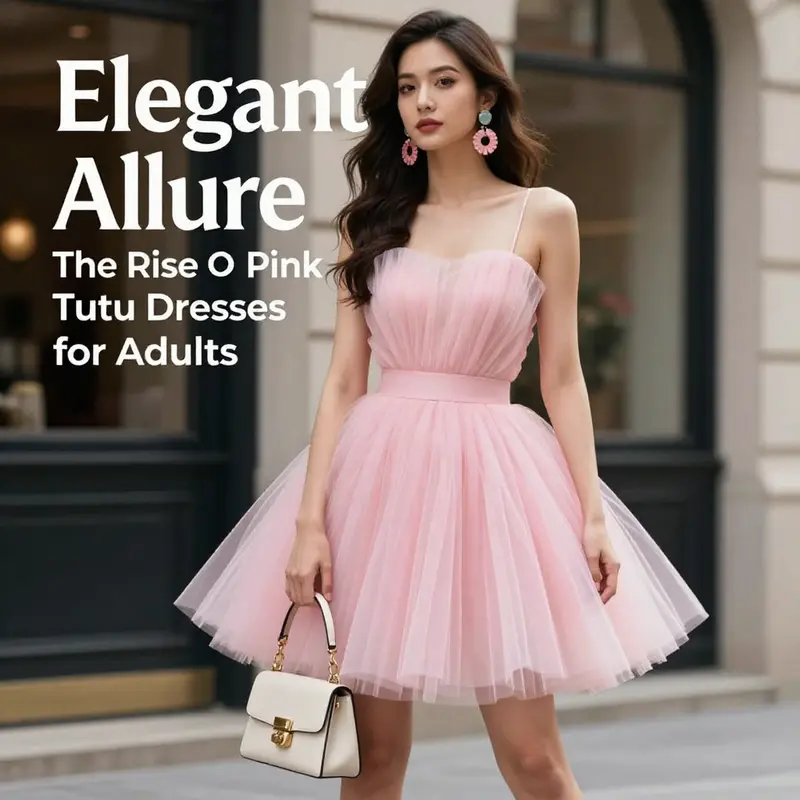
A pink tutu dress isn’t just a splash of color in a crowded wardrobe; it is a statement that blends whimsy with poise. For adults who want to wear something that feels light and celebratory without tipping into costume, the challenge is not to shrink the dress’s energy but to curate a look that translates that energy into grown-up confidence. The goal is to honor the dress’s playful silhouette while grounding it in design choices that read as deliberate and sophisticated. In practice, that balance comes from understanding proportion, fabric behavior, and the rhythm between soft volume and tailored structure. When you start with a tutu’s buoyant shape, you anchor the whole outfit with a few well-chosen elements that carry gravity—an elevated jacket, a sleek shoe, or a defined waist. The result is a look that feels intentional, not depersonalized catharsis, and yet remains unmistakably joyful.
Proportion is the first compass in this styling journey. A tutu’s flare can overwhelm a petite frame or drown a taller one if not managed with care. Designers frequently explore variations in bodice fit, neckline, and waist treatment to maintain harmony with the skirt’s volume. In contemporary takes, the bodice may be fitted and contoured, sometimes off-the-shoulder to reveal skin in a controlled, tasteful manner, or sleeveless with a high-quality lining that flatters without clinging. The waistline acts as a pivot point. A well-fitted waistband creates a clean break between the bodice and the volume of the skirt, which helps the eye travel smoothly from top to bottom. If the wearer prefers more drama, a higher waist with a structured belt can elongate the leg line, lending a poised, editorial feel to the overall silhouette. When the dress features layered ruffles at the hem, as many modern versions do, the key is to keep the upper portion streamlined enough to prevent competing textures from shouting at each other. The contrast between a sleek bodice and a frothy hem can be striking if the rest of the styling remains quiet and purposeful.
Texture and color work hand in hand with proportion. A pink tutu set in a satin or crepe foundation can hold a richer, more sophisticated aura than a dress made purely of tulle. The lure of pink, in particular, lies in its capacity to float between sweetness and confidence, depending on the accompanying tones and finishes. Laces or subtle beading at the bodice can elevate the look into evening territory, while a matte fabric keeps it approachable for daytime occasions. Neutral undertones—ivory, champagne, taupe—do a remarkable job of anchoring pink without muting its brightness. Metallic accents, such as a belt or a clutch with a soft gold or rose-gold gleam, can passport the outfit from festive to refined. The texture of accessories matters as much as their color. A structured leather jacket or a tailored blazer paired with a soft, voluminous skirt creates a deliberate juxtaposition: the soft boundary of the tutu against the crisp line of the outer layer. This interplay of materials helps the outfit project both playfulness and polish.
Footwear is perhaps the most visible hinge on which the look swings between whimsy and gravitas. Footwear choices can anchor the pink tutu in a grown-up wardrobe or push it toward party novelty. Elegant yet playful options include metallic sandals that catch the light without shouting, or sleek ankle boots that lend an edge to colder-weather events. Classic pumps in ivory, champagne, or black remain reliable anchors, especially when the dress has a strong color payoff. The choice of heel height is personal and situational: for a daytime garden party, a modest heel or even a refined flat can keep movement comfortable and conversation natural; for an evening event, a stiletto or a subtle block heel can elevate posture and presence. If the occasion invites a more fashion-forward moment, a shoe with a glossy or mirror-like finish can peek from beneath the tutu and punctuate the outfit with a controlled flash. The important thread is that footwear should complement the dress’s mood without competing with its focal point—the pink hue and the tutu’s voluminous silhouette.
Accessories deserve a careful, almost quiet, curation. The best additions are intentional rather than extra. A minimalist necklace or a pair of delicate earrings can frame the face without competing with the neckline or the dress’s volume. A chic clutch in a complementary color—think pale gold, soft pink, or ivory—serves both function and form, pulling the look together without stealing attention. A statement belt can act as a waist-cinching hero, especially when the waistline needs more definition to balance the skirt’s fullness. The trick is to keep metallics and shine focused and restrained. When the dress already has embellishment at the bodice or a lustrous fabric, opt for matte finishes in the accessories to preserve a modern, refined vibe. Conversely, if the bodice is simple, a belt with a subtle gleam can inject interest and shape the silhouette with renewed energy.
Occasion matters in how you coordinate color temperature and embellishment. The same tutu can look festive at a birthday gathering and sophisticated at a cocktail affair, provided you tune the details. For themed events, coordinate color nuances with the theme rather than dressing the entire outfit in a single literal reference. Gold accents can evoke glamour and day-to-night versatility, while tropical motifs or botanical prints in scarves or shawls can echo a festive spirit without turning the look into a costume. If the event is more formal, a monochromatic approach can preserve elegance: a pink tutu with a soft pink or nude top, minimal jewelry, and a restrained dose of shimmer. In more casual settings, you might lean into brighter makeup, a fun clutch, or a leather or denim jacket to give the outfit an edge. The essential idea is that the tutu remains the star, with every other element acting as a well-tailored supporting cast.
Comfort and fit deserve serious attention, especially because the tutu’s volume can influence movement and posture across hours of wear. A well-fitted waistband is essential; it should hold the dress in place without constricting breathing or causing tugging at the hips. The construction quality matters as well: look for dresses with a smoothly finished interior seam and a lining that sits cleanly against the body. A dress with slight stretch in the waistband can accommodate minor fluctuations in comfort, but avoid pieces with overly rigid bands that pinch after a long walk or several dances. Fabric choice also affects comfort—soft tulle or layered chiffon tends to glide on the skin and resist itching, while stiff tulles may feel heavier but hold a dramatic shape better with fewer adjustments. Movement should feel fluid, not mechanical; you want to glide into a room with a sense of ease, as if the tutu is a natural extension of your posture rather than a costume that needs constant mood management.
Makeup and hair complete the transformation, and the approach shifts with the time of day and the event’s demands. For daytime wear, a clean, lifted complexion with soft pinks or peaches on the cheeks can echo the dress without overpowering it. A light mascara and a touch of balm on the lips preserve a natural, approachable vibe. As night falls or the event moves into a more formal realm, you can amplify the look with bolder lips or a kiss of shimmer along the inner corners of the eyes. The hair can follow suit: a sleek ponytail or a low chignon gives a chic backbone to the silhouette, while looser waves with a satin headband can mirror the tutu’s playful spirit without dissolving sophistication. If you choose to wear your hair down, ensure it remains well-groomed and controlled to avoid a distracted frame that fights with the volume at the dress’s base. The capstone of this styling is confidence. The tutu is a joyful piece, and confidence is the accessory that binds all the other components together. When you wear it with certainty, any combination of layers, colors, and accessories comes across as deliberate artistry rather than a spontaneous costume.
The social context of wearing a pink tutu dress also invites a reminder about individuality. An adult’s approach to whimsy can be an act of self-expression, a way to celebrate personal milestones, or simply a preference for a mood-lifting wardrobe staple. Embracing this perspective shifts the focus from “how to hit the right trend” to “how to tell your own story through color, texture, and movement.” It invites a slow, mindful process: test one element at a time, observe how the entire ensemble reads in different lighting, and adjust as you go. The result is a look that reflects your inner tone—bright when you want to be seen, soft when you wish to be felt rather than shouted at, and always aligned with the moment you’re stepping into. This is not about conforming to a single ideal; it is about charting a personal approach to a playful garment that thrives on authenticity and presence.
For readers who want to explore more foundational options in tutu styling, a practical way to begin is to peruse the basic tutu category and see how different pieces can be mixed with pieces you already own. The basic tutu category on a fashion blog offers a spectrum of silhouettes, lengths, and fabrics that can help you visualize how a pink tutu can coexist within an adult wardrobe beyond party environments. This approach allows you to build a versatile capsule, whereby a single tutu dress can anchor multiple looks across seasons and occasions. You can view the basics here: basic tutu category.
As you experiment, document how each styling choice changes the dress’s presence. A structured blazer over the bodice may read as serious and cosmopolitan, while a cropped leather jacket can add an edge that shifts the dress into contemporary fashion territory. A delicate belt can sculpt the waist with a hint of shine, or a simple clutch can maintain the discipline of the line without drawing attention away from the dress’s core. The key is to let the tutu’s energy breathe, to give it room to perform, and to arrive at an arrangement that feels both fresh and comfortable. The pink hue, with its connotations of playfulness and warmth, can be a generous canvas; with thoughtful pairing, it becomes a timeless note in a larger wardrobe score, capable of harmonizing with a spectrum of textures, tones, and silhouettes. The wearer’s posture, attitude, and choice of accessories fill out the rest, transforming the look from a seasonal trend into a personal signature that endures beyond a single event.
Finally, a note on external references can anchor your practical experimentation. For a broader sense of how professionals style pink-tinted party dresses in real-world settings, you can consult external sources that showcase a range of outfits and finishes. Visual references can illuminate how fabric weight, color depth, and lighting interact to create a cohesive appearance. For an additional perspective, access an external resource at this listing: https://www.amazon.com/dp/B0CJ9XZ6VW. This URL offers a window into how variations in fabric and construction influence the overall effect when paired with different accessories and footwear. Consider it a supplementary guide rather than a prescription, useful for understanding the spectrum of possibilities while you craft your own, uniquely styled pink tutu dress for adults.
From Gala to Garden: Navigating the World of Pink Tutu Dresses for Adults
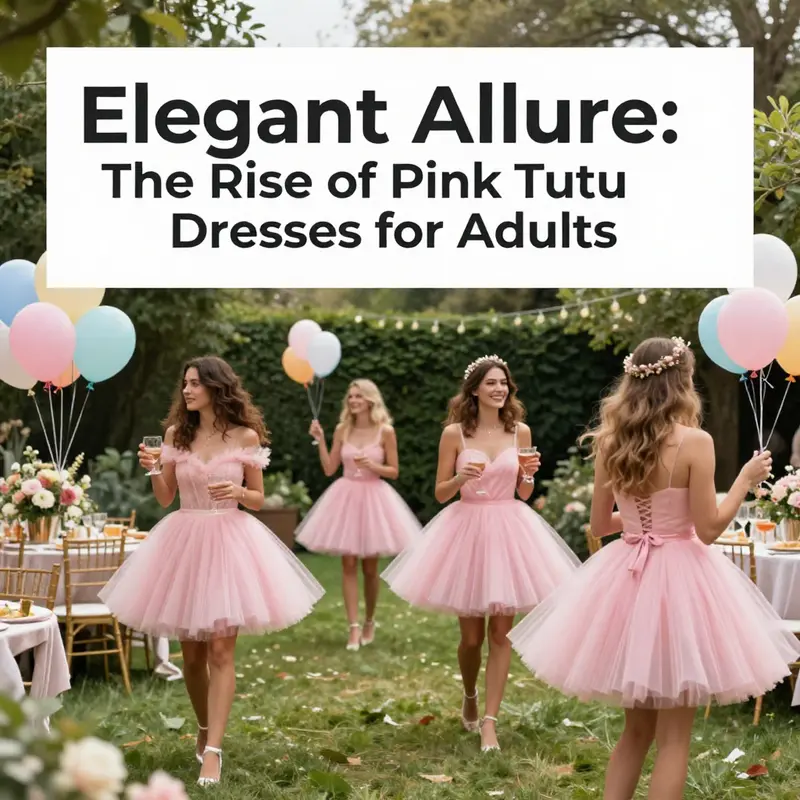
A pink tutu dress for adults is more than a whimsical garment; it is a statement about how fashion can fuse playfulness with poise. When a wearer steps into a pink tutu—whether it flares out in soft layers of tulle or sits on the hip with a sleek silhouette—the dress becomes a canvas for mood, intention, and movement. The palette, the texture of the fabric, and the way the garment catches light all contribute to a sense of possibilities that ordinary dresses rarely offer. In this space, the pink tutu is not confined to a single event or a single tone of pink. It evolves with design details, from the way the layers are cut to how lace trims, off-shoulder lines, or minimal embellishments shape the overall mood. The result is a versatile category of dress that can be styled toread as bold and dramatic or soft and romantic, depending on the occasion and the wearer’s confidence.
The heart of the pink tutu’s appeal lies in the interplay between volume and silhouette. A tutu skirt typically comprises layers of tulle or airy fabric that create a buoyant, almost weightless effect as the wearer moves. When paired with a tailored bodice, an off-shoulder neckline, or a sleeveless top, the look balances playfulness with structure. The contrast between the fullness of the skirt and the clean line of the upper half is where the modern adult tutu finds its sophistication. It allows the wearer to celebrate whimsy without slipping into diminutive or costume-like aesthetics. For adults, the ability to modulate this balance is crucial. A dress with a more restrained skirt length or a subtler volume can read as chic evening wear, while a grander, floor-skimming silhouette can read as a red-carpet moment or a stage-ready outfit. The color pink itself offers a spectrum—from blush and champagne pinks that feel romantic and delicate to brighter fuchsias that energize a room. It is this range that makes the pink tutu a chameleon piece, adaptable to different settings, lighting, and company.
In formal settings, a pink tutu dress can deliver a dramatic, memorable impression without sacrificing elegance. Picture a gown whose skirt begins at the waist with precise layering, its color a refined soft pink that catches the glow of chandeliers. The effect is not simply to attract attention but to invite conversation about style choices and personal taste. The key here is balance: choose a cut that preserves a clean, tailored silhouette across the bodice and waist while allowing the skirt to utter its voluminous note. Subtle details—like a lace overlay along the bodice, a delicate sash, or a hint of beading at the seams—can elevate the ensemble from playful to refined. In many adult tuxedo or gala contexts, the challenge is to ensure the tutu reads as deliberate design rather than novelty. Because the dress already communicates personality through its color and form, accessories should stay purposefully understated, allowing the pink to do the talking.
Themed and costume events offer a different kind of opportunity. Here the pink tutu can tap into fantasy, nostalgia, or pop culture with less risk of looking incongruent. A sparkle-infused or sequined tutu adds theatre, while a softly tinted, pearl-trimmed version leans toward fairy-tale romance. For those attending masquerade balls, a tutu dress in pale pink with gentle iridescent accents can carry a sense of whimsy without becoming overpowering under dim lighting. The aim at these gatherings is to create a moment–one where the wearer feels transformative, as if the costume itself is a passport to a fictional identity. In many cases, the success of such outfits depends on the balance between fabric weight, movement, and the wearer’s ability to own the look with confidence. A well-constructed tutu dress adapts to quick changes in tempo on a dance floor and remains flattering as the wearer navigates crowded rooms or open-air spaces.
Weddings and bridal events present a nuanced context for pink tutu dresses. While not traditional bridal wear, pink tutu silhouettes often appear as bridesmaid options, flower girl ensembles, or even playful bridal-party accessories for celebrations that tilt toward modern, non-traditional aesthetics. The romance of pink—soft, powdery, or deeply rosy—can complement wedding palettes without overshadowing the bride. In these settings, the tutu’s form tends to be gentler, with lighter layers and finer fabrics that move gracefully in photographs and during ceremonies. Lace detailing becomes particularly effective here, helping to soften the brightness of the pink while amplifying textural richness. When chosen for bridesmaids or flower girl roles, a tutu dress can harmonize with floral arrangements and venue decor, creating cohesive visuals for wedding albums and memories. The takeaway is that pink tutu dresses offer a fresh, adaptable alternative to more formal gowns, provided the cut, color saturation, and accompanying accessories are thoughtfully coordinated with the overall wedding theme. A close look at design cues—such as a modest hem, a tasteful neckline, and carefully chosen lace or embroidery—helps ensure the look remains elegant in both candid moments and posed portraits.
Stage performances and dance recitals are perhaps where the tutu’s heritage truly shines. The adult tutu is a practical aesthetic that supports movement while sustaining an arresting visual on stage. Performance-level fabrics—durable tulle, reinforced seams, and robust linings—are essential, especially for repeated use under bright stage lights and during vigorous routines. In this arena, the prosaic concerns of everyday wear give way to considerations of mobility, weight, and texture. A tutu dress designed for a recital must promise freedom of motion, with a skirt that swirls and settles with the cadence of a dancer’s step. It should also maintain its silhouette from curtain rise to final bow, catching light in a way that enhances the choreography rather than distracting from it. The aesthetic here values clarity of line, crisp layering, and a gloss that photographs well. The dress becomes part of the choreography, a visual instrument that heightens the storytelling through color, texture, and shape.
Music festivals, carnival parades, and holiday celebrations offer occasions where pink tutu dresses radiate festive energy. The outdoor environment often demands fabrics that hold color and structure despite wind and movement. Here, brighter tones and layered tulle can catch sunlight and stage lighting alike, producing a luminous, almost magical effect. For festival wear, style tends toward playful confidence—think a mini version that moves with the wearer’s steps, paired with sneakers or bold boots and minimal, high-energy accessories. The goal is not to blur into the crowd but to stand out in ways that feel spontaneous rather than contrived. For those attending cultural celebrations or community parades, pink tutu dresses become symbols of joy and inclusivity. The design communicate warmth and openness, inviting participation and celebration without requiring heavy formality.
Even casual outings and lifestyle photoshoots benefit from the pink tutu’s versatility. Modern interpretations embrace lighter, breathable fabrics like chiffon or softer tulles, allowing the dress to feel comfortable in warm weather while still offering a flattering shape. A-line or mini versions adapt readily to daily wear when paired with sneakers, sandals, or flat boots, and they can be styled with a denim jacket for an urban edge or with a delicate shawl for a romantic touch. In this context, the tutu dress straddles the line between costume and everyday fashion in a way that acknowledges personal expression as a form of style. The wearer can curate looks that feel spontaneous and authentic, rather than staged, creating visual narratives for social media or personal albums alike. The texture of the fabric, the way light plays across the tulle, and the movement of the skirt all contribute to photographs that capture a mood rather than a mere outfit.
For milestone events and special occasions, pink tutu dresses serve as bright, celebratory milestones in a person’s style evolution. A dress that can be both a party piece and an accessory to a meaningful moment invites personal storytelling. Perhaps a 30th, 40th, or 50th birthday is marked not with a strictly formal gown but with a dress that celebrates vitality, joy, and self-determination. In these moments, the pink tutu becomes a mirror for how someone wants to present themselves: bold, whimsical, or quietly radiant. The design language—soft color, airy layers, subtle embellishments—supports a narrative of confidence, without demanding conformity to one rigid category of dress. The outcome is a garment that remains relevant across years, able to accompany evolving personal styles as preferences shift from trend-driven to timeless.
Beyond the fabric and silhouette, the practical realities of shopping for pink tutu dresses for adults deserve attention. Shopping in this category often involves weighing color saturation against skin undertones, evaluating the weight and drape of fabric for comfort across seasons, and considering how a given design will photograph and move in real life. Reviews and size guides provide essential guidance when shopping online, helping to gauge fit, fabric quality, and real-world performance. The ability to test or confirm these elements through customer feedback can resolve questions about how a dress will wear over time. Shipping information, return policies, and the availability of alterations also play a crucial role in decision making. The modern shopper seeks both beauty and practicality—garments that look dazzling in a catalog or on a hanger and that withstand standing, dancing, and posing when worn. In this way, pink tutu dresses for adults become more than a single purchase; they become tools for self-expression, enabling wearers to rehearse confidence, charm, and character in every setting they encounter.
For those who want a curated sense of the pink tutu world without wading through countless options, a dedicated category on fashion platforms offers a cohesive exploration of romantic and themed designs. The romantic tutu category, for instance, gathers styles that emphasize softness, delicate trims, and complementary lace details. It serves as a gateway for anyone seeking a specific mood—romantic, dreamy, or fairy-tale-inspired—while avoiding excess flamboyance. Engaging with such a category allows shoppers to understand the vocabulary of pink tutu design: the balance between fullness and restraint, the way lace or embroidery softens color, and how different skirt lengths shift the overall tone. This approach helps buyers identify what aligns with their personal aesthetics and the event at hand. If you want to explore this segment further, you can browse the romantic tutu category to see a spectrum of silhouettes and finishes that embody the concept of pink tutu elegance while staying anchored in mature style. romantic tutu
As a final note, the essay of pink tutu dresses for adults is also a reflection on how fashion communities negotiate boundaries between whimsy and refinement. The modern wearer can bend traditional expectations by choosing a dress that speaks in a language of joy while maintaining an artful balance with tailored details, refined fabrics, and thoughtful accessories. The garment becomes a lived experience: a chance to rehearse confidence, to celebrate a milestone with a party-ready piece, or to infuse a shoot with a sense of magical realism. It is not merely about looking striking; it is about feeling poised and alive in a moment that matters. The pink tutu dress thus stands as a flexible, expressive option—one that adapts to formality when the cut is restrained and to theatricality when the layers are abundant. In all cases, the wearer remains the central focus: the story you tell through color, texture, and movement, rather than the garment dictating your mood.
For readers seeking broader context on global options and marketplaces, external resources can provide additional perspectives on availability, pricing, and trends across regions. One such resource offers a wide view of fashion-market dynamics and product variety, helping shoppers compare choices and understand how pink tutu dresses fit into larger wardrobe ecosystems. This broader lens can be especially helpful for readers who are new to this style and want to navigate beyond a single retailer or platform. External resource: https://www.alibaba.com
null
null
Final thoughts
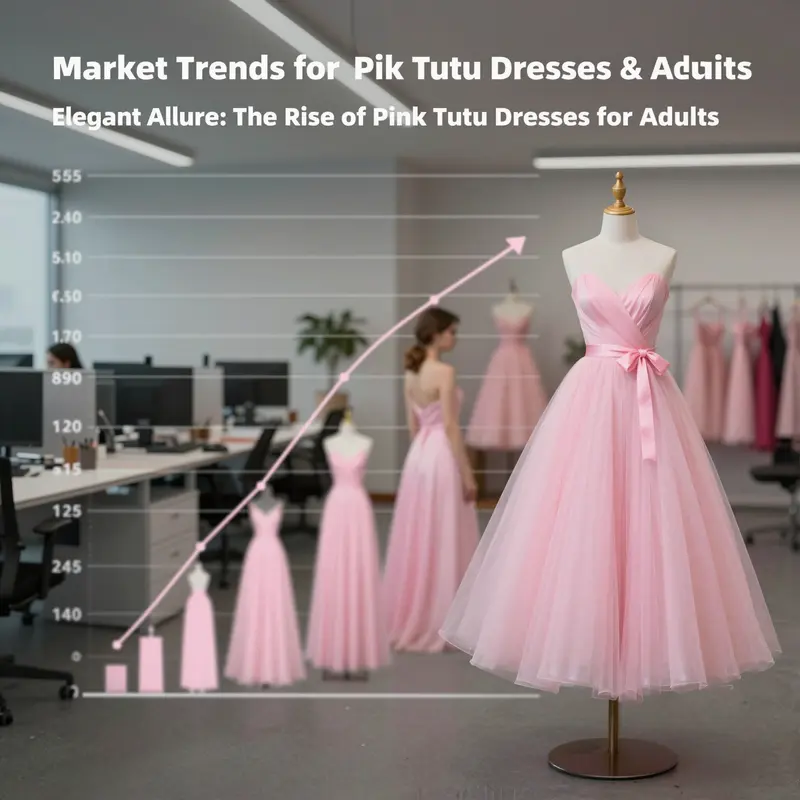
In conclusion, the popularity of pink tutu dresses for adults reflects a broader trend towards playful yet sophisticated fashion choices. Understanding their design features helps businesses tailor their offerings to meet consumer desires. By integrating styling tips and considering suitable occasions for wear, you can effectively market these dresses to highlight their versatility. Finally, staying informed about market trends will empower you to make strategic business decisions that align with customer preferences, ensuring you remain competitive in this blossoming sector. As the demand for such unique attire continues to grow, embracing this trend could offer significant opportunities for your business.