
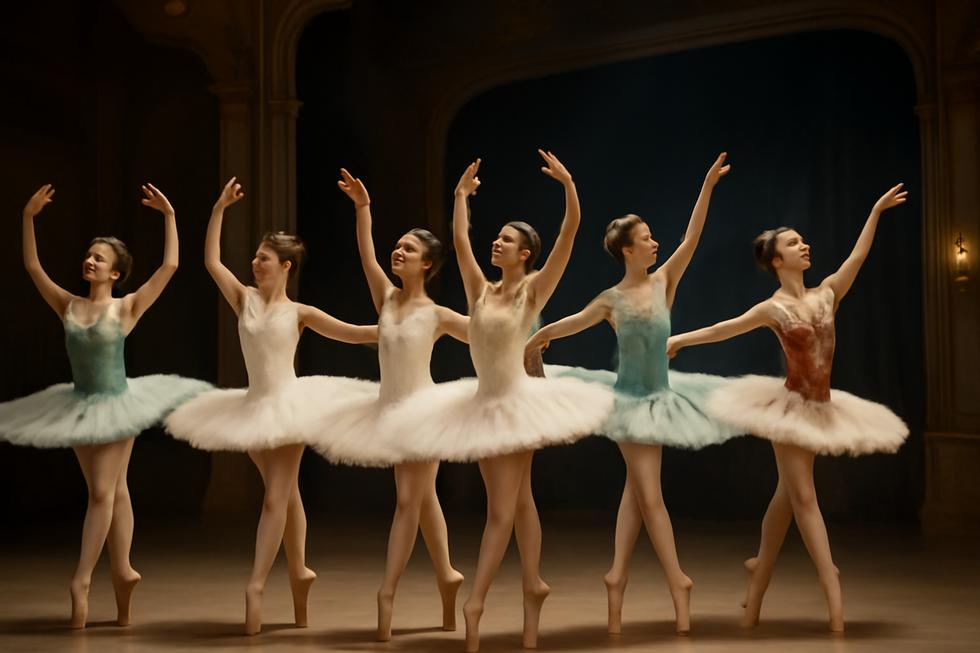
Introduction
The platter tutu, with its distinctive pancake-like shape, is not just a staple in the world of ballet but a lucrative opportunity for business owners in the dancewear industry. Understanding the structural design and material choices of platter tutus, their role in professional performances, various costume variants, and the current market trends is essential for effectively reaching your target audience. Each chapter of this guide delves deep into an aspect of the platter tutu, providing you with valuable insights that will aid in your business strategy and product offerings.
Tables of Contents
Chapter 1: The Intricacies of Platter Tutu Design: Building the Perfect Performance Piece
- Foundational Elements: Crafting the Unique Architecture of Platter Tutu
- The Interplay of Design Choices in Shaping Platter Tutu Performance and Aesthetics
- Crafting the Perfect Platter Tutu: Practical Insights into Structure and Wearability
Chapter 1: The Intricacies of Platter Tutu Design: Building the Perfect Performance Piece
1. Foundational Elements: Crafting the Unique Architecture of Platter Tutu
The platter tutu is a masterpiece of design that hinges on its intricate structure and carefully chosen components. At its core, the bodice serves as the vehicle for rigged support, often featuring a snug, multi-panel construction that secures the skirt while enhancing the dancer’s form. This is complemented by a sturdy waistband, expertly reinforced to maintain the distinctive horizontal silhouette characteristic of the platter style.
Central to this effect is the tutu assembly; crafted from multiple layers of tulle, often varying in stiffness, these layers are skillfully arranged to create the wide, flat skirt. Additionally, internal stiffeners such as spiral steel hoops fortify the design, ensuring that it retains its shape during dynamic movement. The choice of tulle, whether it is Russian net or English net, influences not only appearance but performance, allowing for the dramatic flair associated with classical ballet. An underskirt provides comfort and protects the dancer against inner seams, an essential consideration for lengthy performances. Each element, from the fastening mechanisms to decorative finishes, requires meticulous layering and attention to detail to achieve the artistry expected in a stage-ready tutu, resulting in a captivating presentation that blends function with elegance. For professional options, explore various designs tailored to performance needs at Dada Tutu’s collection.
2. The Interplay of Design Choices in Shaping Platter Tutu Performance and Aesthetics
The construction of a platter tutu exemplifies a delicate balance between aesthetic beauty and practical performance, with design choices playing a pivotal role. The fabric type and stiffness determine not only the outward appearance but also encompass the dancer’s comfort and mobility. Stiffer materials, like crinoline, bolster the tutu’s defined silhouette, while softer fabrics allow for fluid movements but may sacrifice some structural integrity. Layer count and spacing are equally crucial, impacting light reflection and overall appearance on stage. A well-crafted tutu features carefully considered internal supports—such as hoops and wire—ensuring the structure remains intact during dynamic performances. Additionally, the way the bodice integrates with the skirt affects dancer stability, enhancing performance capability. Ultimately, these variables coalesce to create performance wear that resonates aesthetically while facilitating the dancer’s expressive movements. For further insights into ballet design and construction, explore options like the Performance Ballet Costumes.
3. Crafting the Perfect Platter Tutu: Practical Insights into Structure and Wearability
Constructing a platter tutu involves meticulous attention to practicalities that enhance both its appearance and functionality. The process begins with custom measurements that ensure an ideal fit, taking the dancer’s height, weight, and body dimensions into account. A bodice crafted from spandex or lycra offers vital support while allowing for dynamic movement, designed with multiple panels for a tailored silhouette. The skirt’s design encompasses layers of carefully arranged tulle, balancing lightness with the essential support needed for vibrant performances. Maintenance is equally crucial; proper storage in a garment bag prevents damage, while spot cleaning preserves the tutu’s integrity. Ultimately, these factors contribute to a tutu that not only captivates on stage but also withstands the rigors of professional ballet performance. For further insights on tutu construction and related costumes, explore a comprehensive range of options available at Dada Tutu.
Final thoughts
The platter tutu is not just a costume; it is a significant element of ballet that carries artistic and practical implications. By understanding its structure, materials, and role in performances, as well as keeping pace with market trends, business owners can better connect with their audience and refine their product offerings. Staying ahead in the dancewear market involves appreciating the nuances of items like the platter tutu, thereby ensuring relevant products that meet dancer’s needs.
Elevate your dance with premium, comfortable balletwear from luneballet.com! Designed for grace and performance, our pieces blend quality fabrics and timeless style. Whether you’re a beginner or a pro, shop now to find your perfect fit—step into confidence, express your art, and shine on stage. Explore our collection today!
About us
At luneballet.com, we’re passionate about crafting exceptional balletwear for dancers of all levels. With a focus on quality, comfort, and elegant design, we produce pieces that support movement and inspire confidence. Our mission is to provide reliable, stylish dancewear that helps you embrace your passion and perform at your best.