
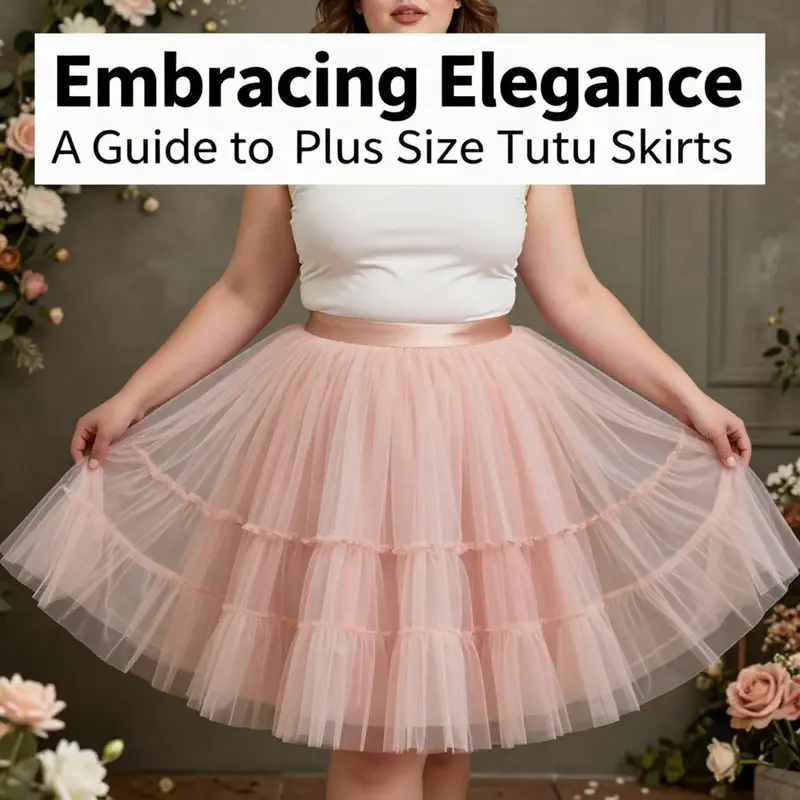
Plus size tutu skirts have emerged as a celebrated trend in fashion, offering a beautiful blend of comfort and style for diverse body types. This article provides a comprehensive exploration into styles suited for various figures, along with insights into design considerations, the influence on fashion trends, versatile styling tips for different occasions, and a market overview of leading brands. Each chapter will deepen your understanding of how plus size tutu skirts not only enhance personal style but also contribute to the growing inclusivity within the fashion industry.
Contours of Confidence: Designing Plus-Size Tutu Skirts for Every Figure
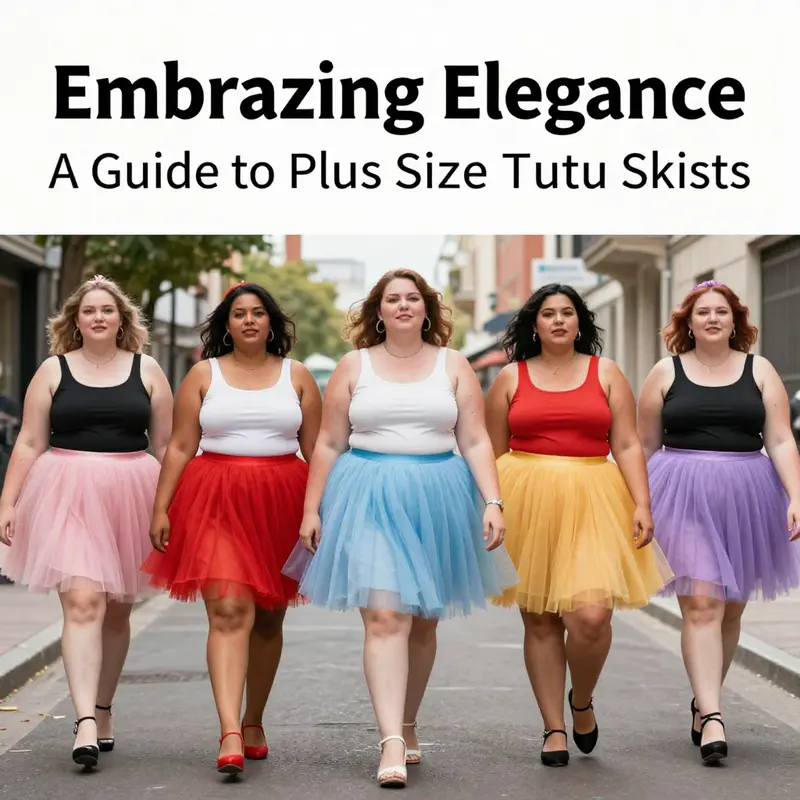
A plus-size tutu skirt is more than a garment; it is a canvas for personal narrative, a rhythm of movement, and a deliberate statement about how fashion can honor every curve. In recent discussions about inclusive wardrobes, the tutu has evolved from a costume accent into a versatile and wearable silhouette. The challenge and opportunity lie in selecting styles that honor the body you have while offering the comfort and confidence you deserve. The conversation around fit, fabric, and proportion trends toward high-waisted designs, elasticized waists, and layered tulle that create volume without sacrificing ease. This approach mirrors a broader shift in fashion toward silhouettes that celebrate shape rather than conceal it, inviting every figure to experiment with texture, color, and line. When you explore plus-size tutu skirts with this mindset, you begin to see that the right cut can elevate everyday outfits just as surely as it does formal ensembles. The goal is not to squeeze into a single mold but to explore how different constructions respond to your body’s unique geometry, so the garment feels like a natural extension of you rather than a costume you must endure. With that spirit in mind, the following reflections invite you to feel stitched into your own story as you move, pause, and sway through a day or an event.
Among the core ideas guiding fit and confidence is the importance of proportion. A tutu skirt is a study in volume, where layers of tulle respond to the shape underneath and how your body anchors the silhouette. For many, the anchor is a high waist that holds in the midsection and defines the natural indentation between the ribs and hip bones. This placement shifts the eye upward, balancing fuller hips or a generous bust and creating a cadence that feels harmonious rather than dramatic. An elastic waistband, softly gathered, can be a quiet ally in this zone. It offers forgiveness for fluctuating measurements and daily comfort without sacrificing the sleek line you might crave for a night out or a performance. When the waist is supportive and the layers begin below that anchor, you gain assurance that the volume will drape rather than cling. The layering strategy also matters: graduated tiers or varied base lengths work together to distribute mass in a way that reads as intentional rather than accidental. A tutu skirt with shorter tiers on top and longer underlayers can achieve a flattering architectural effect, especially for those who want a touch of whimsy without overwhelming their frame. The result is a garment that feels both buoyant and grounded, like a crown made of soft illusion rather than a costume piece.
For hourglass figures, the dialogue between fit and flare becomes especially meaningful. The combination of a fitted, cinched waist and a full, structured skirt is a classic balance that accentuates the waist while allowing the hips and bust to breathe. The construction matters as much as the silhouette: a corset-style top, when chosen thoughtfully, can reinforce the waistline and extend the torso in a way that reads as poised and elegant. Layering remains central, with a preference for graduated tiers that engage the eye in vertical rather than horizontal motion. Shorter top layers—roughly 12 to 14 inches—sitting above longer base layers, which can reach 20 to 24 inches, help create depth and volume without weight on the upper body. The eye travels from the cinched waist to the leg line and back to the shoulders, creating a balanced frame that is both dramatic and accessible for everyday wear. In practice, this means choosing fabrics with a light hand and good drape—tulle that holds shape, not stiffness—that allows the skirt to breathe and move with you during photos, dances, or a casual stroll.
In pear-shaped physiques, the aim shifts toward upward emphasis and a balanced silhouette that doesn’t press against the hips. A high-waisted, A-line tutu with a slightly flared shape can draw attention to the waist and midsection while skimming the hip line. The top’s fit becomes crucial here; a cropped or fitted top paired with the A-line tutu creates a visual pivot that pulls the eye upward, elongating the torso. The flare at the hem helps avoid a bottom-heavy impression and introduces a sense of lift, which can be particularly flattering when the wearer wants to appear taller or more defined at the waist. Color and texture play a subtler but powerful role in this scenario. Solid tones with a touch of satin sheen can smooth transitions, whereas a hint of shimmer along the hem can create movement that flatters the legs as you walk. The overall effect is one of confidence, a silhouette that holds its shape and radiates a sense of poised control.
For apple-shaped figures, elongation becomes the central tactic. A longer, flowy tutu with a higher waistline works to create length in the torso and reduce visual emphasis on the midsection. In this context, fabric choices matter: smooth, luxurious textures in deep jewel tones—such as black, burgundy, or rich purple—offer a slimming illusion and a sumptuous feel against the skin. The goal is to invite a soft line from shoulder through hip to knee, allowing the skirt to sweep away attention from the stomach while still presenting a confident, clean silhouette. Corset-inspired pieces can be supportive for optimal fit when crafted with careful structure and reinforced seams, ensuring comfort during extended wear. When considering length, the choice between a midi-tall cut and the longer, floor-skimming variation can influence how poised you appear. A longer line with clean edges can visually stretch the frame, particularly when paired with a restrained top and minimal accessories that don’t fight for attention.
Rectangular body types, lacking in pronounced curves, gain their shape through volume and strategic layering. The aim here is to create the illusion of contours by adding fullness at the hips and around the thigh line. Layered tulle skirts provide the necessary textural density to simulate curve while keeping movement lively. A structured tutu helps anchor the look, while pairing it with a statement top or even a denim jacket introduces a sense of contrast that creates visual interest. The layering strategy for rectangles relies on playing with length and texture rather than color alone. A mix of sheer and opaque layers can introduce depth, while subtle color blocking can define the waist and hip areas. The result is a soft, buoyant silhouette that still communicates presence, whether you’re attending a casual gathering or performing on a stage.
Across body types, general styling principles harmonize with the specifics of shape. Comfort and ease of movement should anchor any decision. An elastic waistband that’s firm but forgiving helps you wear the tutu as you intend—softly snug at the waist and flowing below. The choice of length matters, too: a mid-thigh or knee-length tutu can read as playful and approachable in daytime settings, while a longer, floor-grazing version may suit a formal occasion or a more dramatic moment. Color is a personal language. Darker tones often offer a slimming effect and a sense of sophistication, while brighter hues can reflect personality and mood with joyful energy. The interplay of color, fabric, and layering can transform the same basic silhouette into entirely different looks—one day serene and refined, the next day exuberant and whimsical. Accessories, too, deserve careful curation. A crossbody bag keeps the silhouette clean, while minimal jewelry avoids competing with the skirt’s volume. Footwear becomes the final stroke, offering foundations that anchor the movement, from sleek flats to elegant heels, each choice shaping the leg line and the overall posture.
For readers seeking a starting point that aligns with these design principles, the Basic tutu collection offers simple, versatile silhouettes that invite experimentation with layering and proportion. This reference point can help you visualize how a straightforward foundation can evolve into multiple looks through thoughtful pairing, even as you explore more complex shapes and longer lengths. To explore a foundational option, you can visit the basic tutu section here: Basic tutu collection.
In all, the beauty of plus-size tutu skirts lies in their capacity to be both practical and expressive. They respond to the body’s realities with thoughtful construction while inviting personal storytelling through color, texture, and movement. The most successful styles are those that adapt to the wearer, rather than forcing the wearer to adapt to the garment. The result is a garment that feels earned, a piece that can travel from a casual daytime event to a formal evening moment without losing its sense of self. The message is clear: fashion is not a single silhouette’s domain but a landscape where every body can find a path that feels authentic and comfortable. This is the promise of plus-size tutu skirts in contemporary wardrobes—a promise that fashion can honor diversity while offering the polish, play, and poise that make clothing feel like a partner in daily life.
External resource for further guidance on selecting a tutu skirt for comfort and fit can be found here: How To Choose The Best Tutu Skirt Plus Size For Comfort.
Weaving Volume with Comfort: Fabric Principles and Functional Design in Plus-Size Tutu Skirts
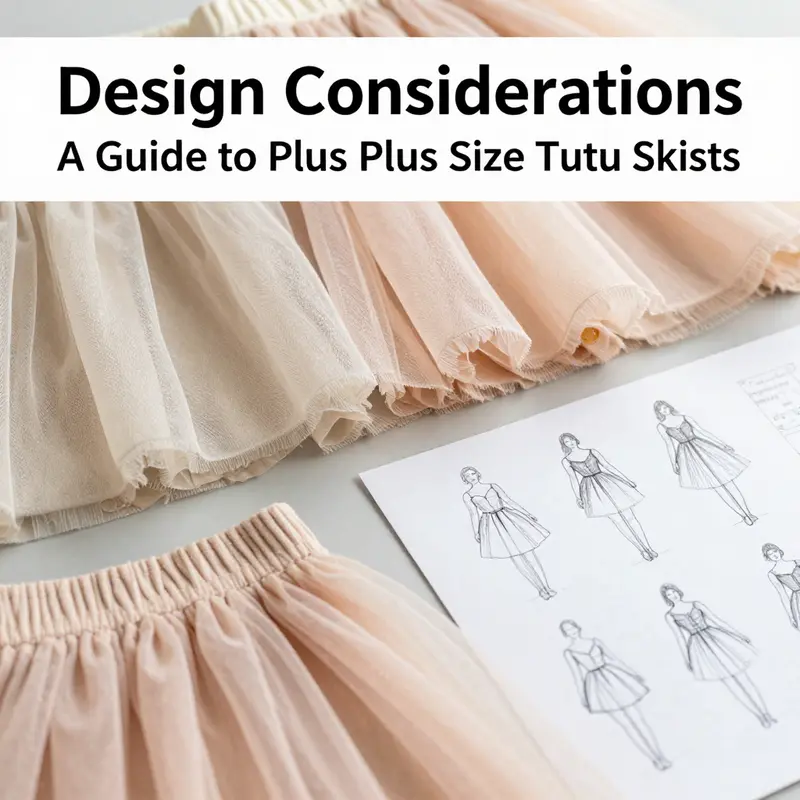
In the realm of plus-size fashion, the tutu skirt stands as a quiet revolution of form and freedom. It is not enough to chase volume or to chase novelty; the garment must invite movement, flatter diverse bodies, and sit gently on the skin. The most successful designs begin with fabric choices that respect the body’s natural lines while unlocking the airy drama that makes a tutu iconic. That balance—volume without bulk, float without fuss—emerges when designers think through fabric from the inside out. The story of plus-size tutus is, at its core, a story about collaboration between material science and body confidence, a collaboration that begins with the fabric itself and the way it is put together for real people who move through daily life as well as on stages or in social moments.
The fabric at the heart of many plus-size tutu skirts is 100% tulle, chosen for its lightness, its capacity to hold volume, and its delicate, ethereal surface. Tulle alone can be generous in fullness, creating that cloudlike silhouette that defines the tutu’s charm. Yet tulle is not inherently forgiving. Its weave does not stretch, which means that any fullness must be achieved through layering and careful patterning rather than by simply pulling fabric wider across the wearer. This tension—volume without resistance—drives the learning curve for inclusive design. Designers often resolve it with a layered approach: multiple tiers of tulle arranged to lift and separate while preserving a soft, airy halo around the legs. The result can be stunning, but it is only as good as the foundation that supports those layers. A soft inner lining becomes more than comfort; it is the bridge between body and volume, a quiet layer that glides against skin, reduces friction, and helps the outer tulle sit in a way that reads as buoyant rather than brittle.
This foundational layer is complemented by a waist system built for all-day wear and for performance beyond static posing. Elasticized waistbands are a straightforward, effective choice. They accommodate a range of body shapes and fluctuate with movement, preventing shifting that can ruin the silhouette during walking, dancing, or even sitting at a table. In plus-size design, the waist is rarely a single measurement but a zone of proportion. Elastic, when thoughtfully implemented, yields a more forgiving fit, but it must be paired with considerations of length, placement, and the transition from waist to hips. The casing or binding that holds the elastic should lie flat against the skin; otherwise, it intrudes on comfort and can interrupt the fabric’s drape. Sometimes designers add a broader, non-slip band or a hidden panel at the back that secures the waist without creating compression points. The aim is a waistband that disappears as an obstacle and reappears as a confident anchor, a cue that the garment will hold its shape while the wearer moves with ease.
Volume, however, cannot rely on the waist alone. The pattern must honor inclusive fit by addressing the midsection and hip fullness that many bodies carry. Standard straight-size patterns often assume a high waist-to-hip ratio and relatively small abdominal curves. For plus-size wearers, that assumption can lead to fabric pooling where it should drape and tension where it should release. Inclusive design responds with a few well-chosen techniques. One is the strategic insertion of panels or godets—triangular fabric inserts that flare toward the hem. These additions create controlled expansion where it matters most, preserving the sought-after buoyancy at the bottom while keeping the upper body clean and smooth. Godets and paneling can be distributed to avoid sag lines or vertical wrinkles, so the tutu maintains a coherent silhouette through a wide range of movement. The effect is not merely aesthetic; it is functional. It allows the wearer to bend, sit, and twist with less risk of fabric snagging or misalignment, a practical benefit for daily wear as well as performances.
Rise is another critical factor that informs how a plus-size tutu interacts with the body’s natural proportions. The choice between a knee-high rise and a higher rise is not simply a matter of taste; it alters how the garment reads in motion and how confidently a wearer can move. A knee-high rise can emphasize the length between the waist and the knee, producing a certain playful, retro air. But for many plus-size wearers, a higher rise can offer a smoother silhouette and more modesty. A higher rise helps to anchor the waist more securely, reducing the risk of the skirt riding up as the legs bend or the torso pivots. It also helps to distribute volume more evenly from the waist to the hem, creating a continuous line that viewers perceive as elongated and elegant. The higher rise thus acts as a design instrument that shapes proportion without constraining movement, aligning the tutu’s dramatic presence with practical comfort.
Beyond the sheer structure of fabric and the engineering of the waist and panels, a tutu’s success hinges on how the layers behave together in motion. The outer tiers must read as a cohesive cloud rather than a chorus of independent fabrics. Achieving this cohesion depends on meticulous finishing: even hems, secure seam allowances, and careful edge work that prevents snagging as the layers shift against one another. The inner lining—though not visible—plays a crucial role in this choreography. It governs the friction between skin and fabric, the way the skirt folds when a leg lifts, and how air circulates in the space between layers. A well-considered lining can soften the skirt’s silhouette, ensuring that the tulle’s natural stiffness holds a graceful shape instead of collapsing into a limp, lifeless sheet. In short, fabric performance is a conversation between surface, weight, and texture, a dialogue that yields a tutu that feels effortless yet looks intentional.
The conversation extends to care and longevity as well. Because tulle is delicate, developers and garment makers must provide guidance on washing, drying, and storage that preserves lift and prevents creasing that would hinder the garment’s natural buoyancy. The most successful plus-size tutus are engineered for real life: they hold up to a busy schedule, withstand the abrasion of daily wear, and still return to their intended shape after a gentle care cycle. This durability matters not only to the wearer but to the reputation of the category as a whole. When a garment can perform beautifully across contexts—from a casual day out to a formal event—it earns trust and invites broader participation. The goal is not a one-off statement but a lasting piece that supports personal expression over time.
A reader exploring the basics can take a direct path into foundational options that are naturally adaptable. The basic tutu category serves as a starting point, offering clean lines and straightforward silhouettes that can be enhanced with size-conscious adjustments. basic tutu category. This connection to foundational options helps illuminate why layering, lining, and waist design are so central to the plus-size tutu’s success. It shows that the garment’s magic does not rest on novelty alone but on a careful blend of fabric physics and body-positive patterning. When viewed through this lens, the tutu becomes more than a fashion item; it is a tool for mobility, confidence, and expression.
The Vogue discussion around inclusivity complements these technical insights. It frames the modern tutu not as a ceremonial relic but as an accessible option that embraces diverse bodies. The message is clear: fashion is at its strongest when it respects range and variation, not when it narrows to a single ideal. That ethos translates into practical design choices—more generous sizing, more adaptive waistlines, and more intelligent shaping—that empower wearers to choose a look that feels true to them. The fabric choice is part of this story, but it is the integration of fabric, pattern, and wearer experience that truly defines the piece. A tutu built with inclusive thinking can be light enough for everyday wear yet structured enough to hold its shape on the most important occasions. It can be a garment of ease, not a test of endurance; a small but meaningful act of self-expression that makes room for all bodies to participate in the shared romance of tulle.
In summation, fabric and functionality in plus-size tutu skirts converge where material science, pattern ingenuity, and body awareness meet. The all-tulle core, softened by a comfortable inner lining and anchored by an elasticized or adaptive waistband, creates a foundation that respects movement and line. Layering and paneling ensure fullness without bulk in the wrong places, while a considered rise helps to sculpt the silhouette and reinforce confidence. The design process requires listening—to fabric behavior, to body variation, and to the rhythm of activity that the wearer intends for the garment. When these elements align, the tutu offers more than visual drama. It becomes a partner in self-expression, capable of transforming a moment into a memory without asking the wearer to compromise comfort for style. For designers and wearers alike, that harmony marks the true design achievement in plus-size tutu skirts.
External resource: For further technical and stylistic considerations, see the external guide How To Choose The Best Plus Size Tutu Dress. External guide: How to Choose the Best Plus Size Tutu Dress
Whirling Toward Inclusion: The Rise of Plus-Size Tutu Skirts and the Redefinition of Fashion Trends
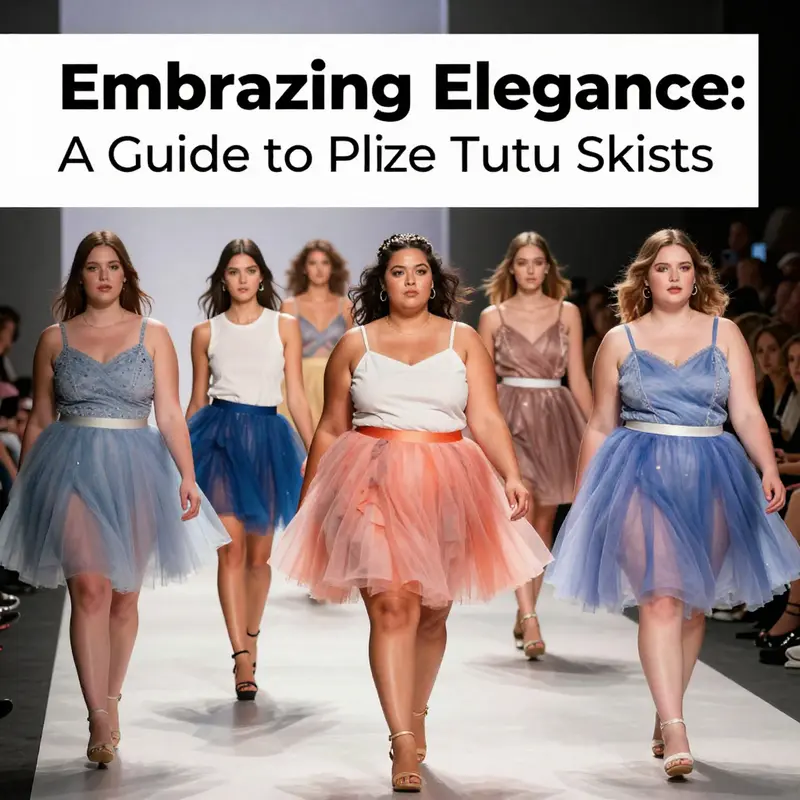
The ascent of the plus-size tutu skirt marks a meaningful pivot in how fashion negotiates whimsy, proportion, and possibility. Once relegated to novelty or seasonal costume notes, this silhouette has earned a more enduring place in everyday wardrobes and in a broader vocabulary of style that values movement, comfort, and self-expression. At its heart, the tutu skirt redefines the relationship between volume and silhouette. When the layers of tulle gather around the waist, they do more than create a dramatic shell; they crown the waist and stretch the eye along the line of the leg, producing a visual elongation that flatters many body shapes. This occurs not by disguising form but by celebrating it, turning the torso into a confident anchor from which the skirt’s buoyant geometry can unfurl. The result is a garment that feels playful without sacrificing polish, capable of shifting from casual street wear to an occasion that feels ceremonious without demanding ceremonial constraints.
The design logic behind this shift is pragmatic as well as aesthetic. The high-waisted approach to tutu skirts is especially influential because it defines and smooths a curvier midsection while enabling the skirt to skim over the hips with a controlled fullness. An elasticized or softly gathered waistband further reinforces a sense of security and ease, ensuring that comfort accompanies the dramatic silhouette rather than competing with it. Layering remains central to the tutu’s signature look, but the emphasis has moved from merely stacking fabric to constructing a composition that balances volume with mobility. Light, finely woven tulle can be layered to create breathy volume that moves with the body, yet it is the careful choice of underlayers, linings, and seam work that prevents the fabric from feeling heavy or restrictive. The result is a garment that can feel light as air while still providing structure for a reliable shape—an important consideration when one values both aesthetics and everyday practicality.
This maturation of the tutu skirt aligns with a larger cultural shift toward inclusivity and body-affirming style. The fashion conversation that once centered on standard sizes has broadened into a marketplace where diverse bodies are not merely included but celebrated as legitimate canvases for creative design. This is more than a trend; it is a signal of how manufacturers, designers, and retailers are rethinking fit, fabric, and finish to honor a wider range of proportions. If the waist becomes a focal point of the silhouette, it is because designers have learned that a well-fitted waist can anchor a dramatic skirt while allowing generous movement through the hips and legs. In tandem, the use of stretchy, breathable fabrics and discreet lining systems has turned a potentially delicate garment into a reliable option for everyday wear as well as special occasions. The tutu, in this sense, becomes a versatile tool for personal expression rather than a costume cue.
Moreover, the fashion community’s embrace of inclusivity has accelerated the tutu’s mainstream accessibility. The data traces a clear arc: in 2025, global interest in plus-size bubble-inspired silhouettes surged in a way that signals momentum beyond novelty. This wave of interest is not confined to a single region or market; it reflects a broad appetite for pieces that combine structure with softness, presence with practicality. Retailers have responded by offering designs that prioritize stretch, comfort, and mobility, balancing the dramatic volume of the skirt with fabrics and cuts that allow for all-day wear. The goal is style that does not demand sacrifice, a principle that resonates with consumers who are seeking clothing that fits their lives as readily as their forms. In this context, the tutu skirt becomes less a seasonal wow and more a reliable staple that can anchor outfits for work, weekends, and evenings alike.
The democratization of access surrounding plus-size tutu skirts is also underscored by economic signals. Affordable, high-quality options have proliferated across markets, enabling a broader cross-section of shoppers to experiment with this silhouette without compromising on fit or finish. Online marketplaces and peer-driven platforms have amplified demand for cohesive ensembles—paired tops and skirts that read as a unified outfit rather than mismatched pieces. For instance, there is growing interest in coordinated top-and-skirt sets that respect the tutu’s volume while offering stretch and comfort for daily wear. This trend speaks to a desire for completeness in a look—an approach that makes dressing feel thoughtful and intentional rather than piecemeal. Importantly, the expansion of size-inclusive options is not simply about more choices; it is about better choices—better cuts, better fabrics, and better fit that align with real-world bodies and activities.
Another dimension of this shift is the impact on consumer psychology and brand perception. Inclusive advertising campaigns, featuring a broader spectrum of bodies in motion and in real-life settings, have been shown to positively influence how consumers perceive brands and their values. The effect is not merely aspirational; it translates into loyalty and purchase intent when the product experience aligns with the promises of representation and comfort. In the case of the plus-size tutu, the wearer’s confidence becomes part of the product’s value proposition. When a garment flatters the waist, supports movement, and maintains a refined edge through elegant layering, it contributes to a sense of capability and pride. The tutu’s playful element does not cancel its sophistication; instead, it heightens the perception that fashion can be expressive, inclusive, and emotionally resonant at once.
And yet, the path to truly inclusive design is not without its challenges. A 2023 study published in the Journal of Fashion Psychology highlighted a notable discomfort among many plus-size wearers in layered skirts caused by fit and material constraints. The finding underscores the importance of thoughtful construction: sturdy but soft inner linings, durable yet pliable tulle, reinforced seams, and waistbands that accommodate a range of shapes without pinching or binding. Designers have responded by experimenting with elasticized panels, adjustable closures, and breathable linings that minimize heat and friction. These improvements matter not only for comfort but for confidence. When fabric behaves as intended—flowing, settling, and catching the light in a flattering way—the wearer can focus on the moment rather than the garment, whether stepping into a meeting or entering a ballroom.
Styling the plus-size tutu for varied contexts also reflects practical creativity. The silhouette invites a spectrum of tops, footwear, and accessories that can transition a look from casual to formal with ease. A tucked-in knit or structured blouse can ground the volume while ribbons, belts, or minimalist jewelry provide a counterpoint to the skirt’s buoyancy. Footwear choices—from clean sneakers to sleek heeled sandals—offer further degrees of practicality, enabling mobility and comfort across activities. The ability to adapt the tutu to daily life—while still preserving its special occasion aura—speaks to its broader appeal. It is not merely a garment for festive moments; it is a wardrobe architecture that can organize a whole day’s activities around one expressive shape.
For readers seeking to explore the basics and build a foundation, the basic tutu category offers a versatile starting point that can evolve with taste and occasion. You can explore practical options and iterate on silhouettes by visiting the basic tutu category, which serves as a dependable entry point for those curious about tutu-inspired ensembles. basic tutu category.
As this trend continues to unfold, the plus-size tutu skirt stands as a compelling symbol of fashion’s larger mission: to make elegance and whimsy accessible to every body. It is not merely about wearing a skirt with volume; it is about embracing a design language that respects proportion, prioritizes comfort, and celebrates individuality. In a world where fashion can still feel exclusive, the tutu’s buoyant lift offers a tangible reminder that style can be both inclusive and aspirational. It invites people to move freely, to experiment with color and texture, and to claim presence in spaces where confidence matters. The era of the plus-size tutu skirt is thus less a moment of novelty and more a declaration of possibility—one that invites everyone to spin into a future where fashion welcomes all shapes, sizes, and stories.
For broader market insight into the evolving demand for inclusive, bubble-inspired silhouettes, external industry observations point to rising interest and accessible options across global markets. This resource underscores how the market is responding with structured, stretch-friendly designs that balance volume with comfort and mobility, making these skirts practical for everyday wear—from casual outings to office settings and evening events. The trend toward affordable, high-quality options continues to democratize access, signaling that plus-size tutu skirts are here to stay as a staple of modern, inclusive fashion.
External reference: https://www.alibaba.com/product-detail/Plus-Size-Bubble-Skirt-Stylish-2025-Fashion-essential_1600749825581.html
Curtain Call at Every Curve: An All-Occasion Guide to Plus-Size Tutu Skirts
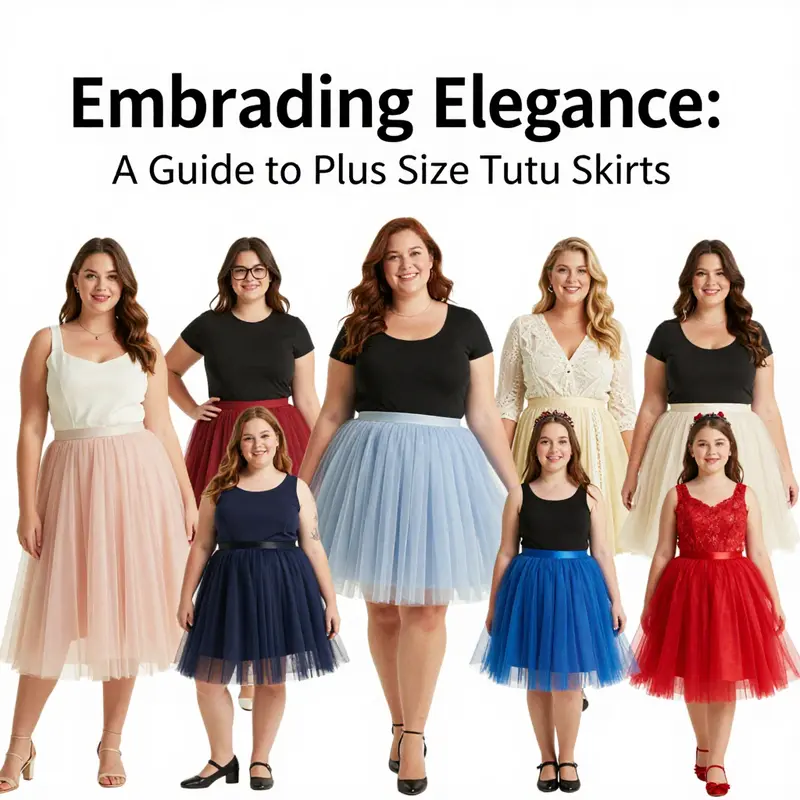
A tutu can seem like a playful paradox for grown‑up wardrobes: voluminous yet refined, festive yet wearable every day. For many who wear plus sizes, the key to unlocking its versatility lies in a thoughtful balance between silhouette, texture, and proportion. A tutu skirt, when chosen with care, can become a reliable canvas for expression rather than a costume. The contemporary approach centers on designs engineered for comfort and ease of movement, with elastic waistbands that flex with your day and high‑rise waists that sculpt and celebrate your curves. Layering remains essential, not just for drama, but for structure. A well-titted base, a touch of volume, and the right fabrics can elevate a casual outing into something that feels personal and polished. This chapter threads that wisdom into a single, cohesive narrative about styling plus‑size tutu skirts for casual days, semi-formal gatherings, and formal occasions, without ever losing sight of how the wearer’s confidence is the real centerpiece of the look. It invites you to experiment with color, texture, and proportion in a way that respects your body and honors the tutu’s historic gift: to make movement look effortless while making you feel seen and celebrated.
In casual settings, the tutu’s playful air can blend with everyday fabrics to create an approachable, modern aesthetic. The secret here is restraint—let the skirt do the talking. A soft tulle in a pastel or a solid, deeper hue keeps the mood light without feeling costume-like. Pair it with a simple, clean top, such as a graphic tee that brings a wink of humor or a crisp, tucked‑in knit for a more refined edge. Footwear becomes the anchor for comfort, and sneakers are often the best anchor for a casual day out. They ground the silhouette and emphasize a sense of ease, which is essential when the goal is to look effortless rather than dressed up to the nines. The high waist keeps the midsection smooth, while the gentle flare of the tutu creates a flattering line through the hips and thighs. To maintain balance, choose a length that sits somewhere between knee and mid‑calf; this avoids overwhelming the frame while still offering that signature floaty movement. The trick is to allow a little skin at the top and keep the top half simple, letting the skirt’s shape create the visual interest. For those who love to layer, a lightweight denim jacket or an oversized cardigan can be added as a finishing touch, reinforcing a relaxed vibe without dulling the skirt’s whimsy. To explore more foundational options that align with this approach, browse the basic tutu silhouettes at the linked category, which serves as a practical starting point for building a versatile, everyday tutu repertoire.
Moving toward semi‑formal occasions requires a shift in intention while preserving the tutu’s essential charm. Here, the silhouette and color deepen in sophistication. A structured, high‑waisted tutu skirt in a rich, resonant hue—think deep burgundy, navy, or charcoal—offers the kind of grounding that makes a statement feel crafted rather than accidental. The top becomes more fitted or tailored, such as a crisp, clean blouse or a lace top that adds texture without competing with the skirt’s volume. The goal is a balanced silhouette: a relatively fitted upper half to anchor the fullness of the skirt, and a waistline that remains comfortable yet visually defining. Footwear naturally follows suit; heels or elegant flats with a refined finish can elevate the look just enough for a party or a wedding guest appearance. Accessories should be carefully selected to complement rather than compete with the skirt. A slim belt can reinforce the waistline, while a delicate necklace or a pair of stud earrings can provide sparkle without overpowering the entire ensemble. Layering continues to play a role, albeit in a subtler way. A tailored blazer in a complementary shade or a sleek jackets’ silhouette can create a polished, grown‑up finish that respects the tutu’s buoyant energy. The overarching principle in semi‑formal styling is to maintain a clear focal point around the waist, aligning the tutu with a top and footwear that together tell a cohesive story of elegance and ease. By choosing fabrics and colors that echo one another, the wearer can glide into any semi‑formal event with confidence, knowing the look remains flattering, not fussy.
For formal events or performances, the tutu’s drama rises to its most theatrical moment, yet even here the design intent remains practical. A tutu skirt with subtle embellishments—the kind that catch the light without shouting—transforms ordinary movement into a scene from a private performance. A touch of metallic sheen or a hint of shimmer can be enough to elevate a look to gala‑worthy status, especially when paired with a more restrained top. Layering becomes a strategic tool here: a lightweight petticoat or a more visible underlayer can add necessary volume for those who want a fuller, more sculpted silhouette on stage or at a formal function. The outerwear choice matters as well; a tailored blazer, a structured bolero, or a chic cropped jacket can balance the flounce of the skirt while adding a sense of poise and poise—such outerwear keeps the overall look anchored and refined, even as the skirt does its light, dancing work. When selecting footwear for formal occasions, higher heels or sleek, pointed flats can elongate the leg and complement the tutu’s vertical lines. The palette for these moments is often more restrained but still rich—think jewel tones or classic monochromes that let the skirt’s texture and movement tell the story of the outfit. In all cases, a confident posture and comfortable fit are the nonnegotiables; a tutu that pinches or shifts during a performance will distract from the artistry of the moment. Comfort, therefore, becomes not only practical but essential to lucidity of expression on formal stages or nights out.
Across these contexts, there are a few constant rules that help translate the tutu’s exuberance into flattering, repeatable outfits. Confidence remains the most important accessory. If a wearer feels good, the look reads as deliberate, not tentative. Proportions matter: if the tutu is especially voluminous, pair it with a more structured or fitted top to maintain balance. If the silhouette skews slim on top, you can experiment with a slightly A‑line top or a soft cardigan to create a more continuous line from shoulders to hem. Proportions are not about hiding or concealing; they are about directing the eye to the most flattering parts of the body while preserving the sense of movement that a tutu embodies. The right underwear or shapewear can also be a practical ally by smoothing lines under the skirt and boosting confidence in how the fabric sits. Layering remains a subtle art rather than a formula: add a lightweight slip for extra lift, or choose a petticoat that swells with the wearer’s turns without becoming bulky. In terms of color, the tutu presents a generous canvas. Pastels can read softly playful, while deeper tones tend toward elegant seriousness. A metallic or softly sheen fabric introduces a sense of occasion, but it should be used sparingly so that the skirt’s volume continues to be the breath of the outfit, not its thunder. Texture also plays a decisive role. A tutu that uses multiple layers of tulle or varying densities of fabric can create depth and interest without clutter. It’s not necessary to maximize texture in every look; instead, you can curate a small set of fabrics that harmonize when combined—an approach that makes it easier to assemble outfits quickly for any occasion.
Beyond silhouettes and color, the social dimension of styling matters. The tutu invites play, but it also asks for intention. When you approach an event with a plan that respects your body’s comfort and your personal style, you demonstrate a quiet confidence that is far more compelling than any trend. Accessorizing becomes a finishing touch rather than a centerpiece. A thoughtfully chosen bag, understated jewelry, and a neatly styled hairdo can anchor the outfit without stealing the attention from the skirt’s crescendo. A well-chosen belt, a bracelet with a delicate gleam, or a pair of glasses with a refined frame can complete the picture, tying together the upper body and the skirt’s expansive energy. And while the tutu is celebratory by nature, it can also be utilitarian: it can be layered for warmth in cooler weather or styled with a breathable top for long days of activity. The aim is to create looks that are not just for a single event but are adaptable across a spectrum of moments, so that a plus‑size wearer can reach into a single garment and assemble a wardrobe that is as expressive as it is reliable.
As you move through different occasions, let the process of styling be a conversation with your own body. Listen to how the fabric falls when you stand, walk, or turn. Notice which waistlines feel most secure and which tops allow the skirt to breathe. In time, the choices become intuitive, and the tutu stops feeling like a novelty and starts feeling like a personal signature. For those who want to begin with the most foundational pieces, exploring the basic tutu silhouettes offers a practical entry point that can grow with you as you refine your eye for proportion and mood. The goal is to cultivate a wardrobe where the tutu is not a single, isolated garment but a reliable instrument for storytelling—one that accompanies you from casual days to moments of formal celebration with equal ease.
Internal navigation tip: start with the basic tutu silhouettes to understand how different shapes interact with your frame and personal style. The journey toward a versatile tutu wardrobe isn’t about forcing a rigid rule set; it’s about discovering the versions of you that a tutu helps reveal. For those who want to extend their exploration beyond the core fits, a broader category can serve as a playground for experimentation, whether you’re attending a casual brunch, a semi‑formal gathering, or a formal event. By combining comfort with intentional styling choices, you can embrace the tutu’s history of drama and buoyancy while making it your own everyday statement. To learn more and see how these ideas translate into real‑world outfits, you can explore related pieces in the catalog.
External resource: https://www.torrid.com/women/plus-size-tutu-skirts
Layered Confidence: Navigating the Plus-Size Tutu Skirt Landscape with Comfort and Style
A tutu skirt is more than a playful silhouette; it is a statement of mobility, versatility, and self-assurance that fits a wider range of bodies than ever before. In the evolving world of fashion, the plus-size tutu has moved from novelty to a wardrobe staple for many, offering a decisive way to blend whimsy with everyday practicality. The garment carries a paradox at its core: something that began as a symbol of performance and fantasy has become a thoughtful everyday option for people who want texture, movement, and a touch of drama without sacrificing comfort or confidence. The shift is visible not only in the way the skirts are cut, but in the conversations around fit, fabric, and accessibility. The tutu’s enduring appeal lies in its capacity to elevate small moments into expressive ones, whether worn at a casual gathering, a celebratory event, or a personal, private moment of dress-up. When designed with inclusivity in mind, a plus-size tutu becomes a wearable invitation to experiment with proportion, color, and silhouette, rather than a rigid trend that excludes the very bodies it could celebrate.
At the core of a flattering plus-size tutu is a thoughtful approach to proportion. High-waisted designs, a recurring theme in modern iterations, do more than just hold the garment in place. They visually elongate the torso and create a steadier anchor for the voluminous layers above. This not only flatters curves but also offers a secure base for movement, which matters whether one is navigating a crowded event space, dancing in a living room, or transitioning from day to night. The waistline acts as a pivot point, guiding how much drama the skirt can offer through its volume. For many wearers, the right high waist paired with a well-constructed elastic band translates into a fit that stays put without pinching, digging, or riding up—an alignment of comfort and confidence that turns a potentially delicate piece into reliable everyday wear.
Layering remains essential to the tutu’s signature aesthetic. Multiple tiers of tulle create volume that is visually striking yet soft to the touch, avoiding a stiff, costume-like impression. The trick is in the balance: enough layers to achieve body, depth, and movement without creating bulk that overwhelms the natural silhouette. When the layers are crafted from a breathable blend and finished with careful edge work, the result is a skirt that drapes with ease and returns to shape after each stride or spin. This emphasis on layering also translates into color possibilities. Subtle pastels, rich jewel tones, and even deeper neutrals can be explored without feeling cliché, because the skirt’s structural motion carries its character from the moment it comes into view. For everyday wear, a modest length and a slightly underlined lining can provide coverage and comfort, while for more dramatic occasions, longer lengths and sheer overlays can be introduced to augment movement without compromising ease.
From a manufacturing and market perspective, the plus-size tutu market has expanded as part of a broader commitment to inclusive fashion. A dedicated plus-size e-commerce brand launched in the last decade has helped decouple the discourse around “finding a fit” from the inconvenience of limited options. This has been complemented by brands that are known for trend-forward and accessible designs for larger sizes, expanding consumer expectations beyond basic silhouettes. Meanwhile, major retailers have grown their curated selections, recognizing that comfort and flair should not be mutually exclusive for any shopper. Across these different players, the common thread is waisted elasticity—designs that strategically combine a forgiving waistband with a silhouette that flatters a variety of figures. This combination is not merely about accommodating shape; it’s about enabling a wearer to feel at ease, unselfconscious, and ready to interpret the piece through personal styling choices.
For those who crave a touch of customization, there exists a broader ecosystem of options. Some producers operating in the realm of professional ballet costumes offer OEM services that can accommodate custom sizing and color preferences, particularly when stock items fall short of a client’s needs. In practice, this can mean tailored measurements that respect a dancer’s range of motion or a special colorway chosen for a milestone event. The trade-off here is practical: these options are often oriented toward performance or specialized wear rather than everyday use, but they demonstrate the range of possibilities that exist when comfort, fit, and creativity intersect. The takeaway is that the market is not limited to off-the-rack solutions; it invites thoughtful dialogue between wearer and maker about what constitutes a truly wearable tutu in daily life.
As designers and retailers navigate this landscape, the focus increasingly shifts toward the integrative potential of the tutu. It is not merely a novelty for themed parties or dance studios; it can anchor a modern capsule wardrobe. A pair of tailored flats or low-heeled shoes, a structured cardigan or simple fitted top, and a single piece of jewelry can transform a tutu from festive to polished. Conversely, pairing the skirt with a cropped top, a belt, or a low-key denim layer can reframe it as a statement that anchors an evening outfit or a casual daytime look. The balancing act—between volumetric drama and practical wearability—becomes a narrative of personal choice rather than a single dictates of fashion. And in this narrative, inclusivity isn’t a marketing word; it’s a lived experience for people who finally see themselves reflected in a silhouette that embraces movement and color with equal affection.
If readers want to explore practical options in a lived-in, real-world context, they can consider consulting a category that documents more professional or specialized silhouettes. For instance, you can explore a dedicated catalog of professional tutus that emphasizes fit, durability, and range of motion, which is especially helpful if one’s everyday wear overlaps with performance needs. The professional tutu category is a resource that acknowledges the spectrum of use cases while reminding us that comfort remains paramount across contexts. This kind of resource helps bridge the gap between the couture-inspired fantasies of tulle and the realities of daily life, where fabric weight, seam placement, and elastic firmness can make or break an outfit. It also illustrates how the market accommodates both eventual weight-bearing moments and effortless ease, without forcing a compromise between style and function.
Styling intuition plays a key role in translating a plus-size tutu into a reliable go-to garment. For daytime versatility, pairing the skirt with a soft knit or a simple tee can soften the drama while preserving charm. The goal is to create a balance where the skirt’s volume is the focal point, but not at the expense of comfort. When the occasion calls for more polish, a fitted blouse or a structured blazer can be layered over the waistline to sculpt a streamlined silhouette while preserving the tutu’s expressive silhouette. Footwear matters as well; choosing a shoe with a low profile and a neutral color ensures the tutu’s movement remains the star of the outfit. Accessories can be kept minimal but intentional, such as a delicate belt to emphasize the waist, a single pendant that draws the eye upward, or a scarf that adds color without heaviness. In every case, the wearer’s confidence is the best accessory; the tutu’s volume supports it rather than demanding it.
The fashion conversation surrounding plus-size tutu skirts continues to evolve in ways that feel inclusive and constructive. Rather than treating the piece as a niche wardrobe addition, the industry is reframing it as a versatile layer that can work across occasions, seasons, and personal styles. This shift aligns with a broader movement toward body positivity and accessibility, which invites more shoppers to experiment with form without surrendering comfort or dignity. The tutu, in this sense, becomes more than fabric; it is a vehicle for self-expression—an invitation to move with intention, to stand taller in the presence of color, and to craft outfits that honor both personal taste and physical comfort. For anyone curious about the practical and aspirational possibilities, the market offers a spectrum of options—from accessible, everyday designs to more specialized, performance-oriented pieces—each designed with the same core premise: beauty should be wearable, and confidence should be within reach.
To connect the thread between design, fit, and real-world use, consider visiting the professional tutu category for a sense of how tailoring and scale influence everyday wear as well as more formal or performance contexts. This resource serves as a reminder that the most successful plus-size tutu experiences arise when patterns, fabrics, and construction are harmonized with the wearer’s body and life. For further inspiration and trends, an authoritative overview of current developments in inclusive fashion is available through an external resource that captures the momentum of this movement and provides broader context for what it means to wear a tutu with pride. External readers may explore that resource via the following link: https://www.societyplus.com. On the practical side, a curated internal reference can guide readers toward categories that reflect their interests, such as the professional tutu area, which you can explore here: professional tutu category, to understand how specialized sizing and structure can inform everyday wear while still honoring the garment’s core charm.
Final thoughts
The plus size tutu skirt stands as a symbol of modern fashion’s evolution towards inclusivity and self-expression. By understanding how to select styles for different body types, considering design elements, appreciating its impact on fashion trends, mastering versatile styling options, and recognizing top brands in the industry, business owners can better cater to this burgeoning market. As demand for fashionable and accessible clothing grows, embracing the plus size tutu skirt will become an essential part of promoting diversity and enhancing customer experience.