
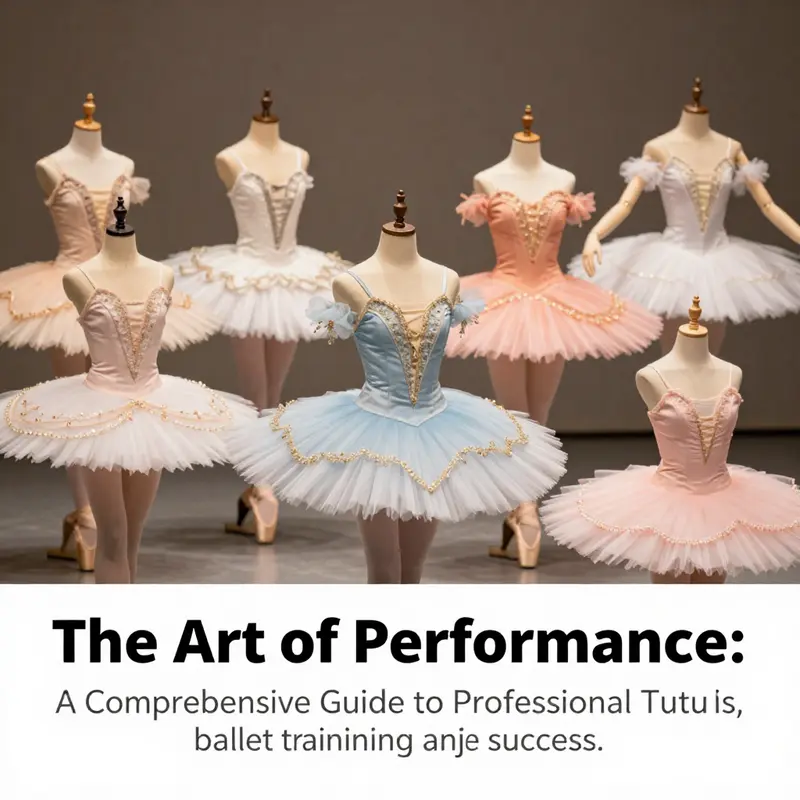
Professional tutus are more than just beautiful costumes; they play a crucial role in the training and performance of ballet dancers. The unique construction of adult and children’s tutus allows for freedom of movement while contributing to the iconic silhouettes that define ballet. This article explores three key aspects of professional tutus — designs for adult training and performances, costume styles tailored for young dancers, and specialized variants designed for thematic ballet productions. Together, these elements provide a complete understanding of the significance and variety in professional tutus for different audiences and performers.
Engineering Grace: Designs and Durability in Adult Professional Tutus for Training and Performance
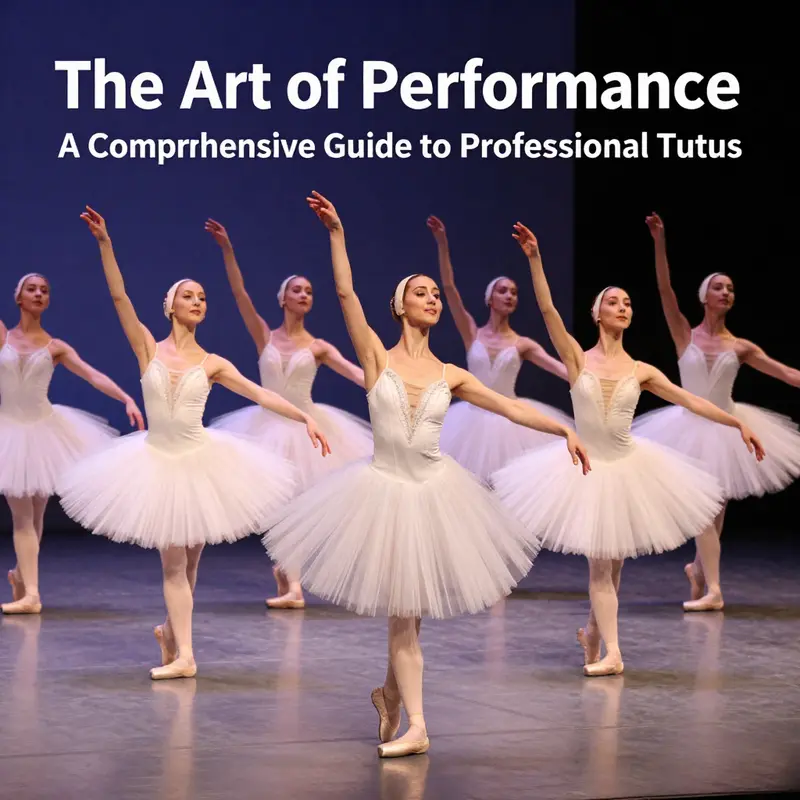
In the world of ballet, the tutu is more than a garment; it is a carefully engineered interface between body, movement, and light. For adult dancers, professional tutus must perform under the demands of daily studio work, long rehearsals, and the high-pressure moments of live stages. They must translate hours of technique into a silhouette that is both timeless and responsive. The modern adult professional tutu meets this challenge through a fusion of material science, precise fit, and forward-looking aesthetics. It is a tool built to support the dancer’s craft, not merely a costume that looks the part. The result is a garment that preserves the integrity of classical lines while accommodating the realities of contemporary technique. In practice, this balance begins with a careful choice of fabrics and construction methods that reduce fatigue, enhance range of motion, and maintain the discipline of the classic shape across a spectrum of choreography.
Material technology sits at the core of performance. The bodice often combines a stretch-knit foundation with a sculpted, supportive structure that can grip without constricting. This means fabrics with precise stretch properties, such as Lycra or other spandex blends, integrated with precision-mapped seams that cradle the torso while enabling a dancer to spring into a grand jeté or a sharp pique’ with minimal resistance. The skirt, traditionally a cascade of stiffened tulle, is reimagined through the use of lightweight, high-quality tulle layers. Contemporary choices aim for substantial fullness without heaviness. When a tutu relies on a layered approach, each layer is engineered to carry just enough stiffness to hold its shape while remaining exceptionally light. In practical terms, this translates to a skirt that feels almost buoyant during spins yet audibly resilient when a dancer lands from a total rotation, the fabric snapping back into place under the stage light. In some modern designs, the tulle is reported to be roughly 30 percent lighter than traditional equivalents, a difference that translates into longer rehearsal cycles with less strain and less fatigue, particularly during long runs of repetitive movements. The reduction in fabric weight also helps maintain balance on the hips, allowing the dancer to sustain clean lines through the entire program of an act or a competition program.
Fit precision is the second pillar. Adult tutus in professional practice are designed to adapt to diverse body types without compromising the silhouette that audiences recognize as the classical standard. Customizable sizing has become more common, with interactive fitting options that may include mannequin displays or digital measurements to tailor the bodice contour to a dancer’s ribcage and waist. The bodice may feature a deep V-neck or a strategically structured front to offer modern support while preserving the line of the neckline under stage lighting. For performers who carry different torso lengths or shoulder widths, this level of adaptability translates into more confident performance. Dancers know that a well-fitted bodice will stay put through leaps and bounds while maintaining a clean, uninterrupted line from the throat to the tip of the toe. The outcome is a silhouette with a secure internal geometry, letting the dancer drive the performance rather than constantly adjusting garments. Such design sensitivity is not an indulgence; it is a practical response to the realities of serious training where precision matters as much as expression.
A hallmark of professional-grade tutus is volume that remains stable, even after repeated spins and jumps. The balance between fullness and control is achieved through deliberate layer counts. Standard professional interpretations often use three to five layers of stiffened tulle, but higher-end configurations can push that number to twelve. The upshot is a skirt that presents the iconic fullness—an essential hallmark of classical ballet—without surrendering to floppiness or excess weight that would sap endurance. There is a middle path, too: a seven-layer configuration that maintains substantial volume while delivering a lighter, more agile performance persona. In practice, a well-constructed multi-layer tutu will hold its shape under the bright, sometimes gusty, stage lighting and remain visually balanced through tempo changes—from a delicate adagio to an explosive allegro. Designers sometimes introduce subtle gradient color schemes or metallic threads to catch the light, turning the tutu into a living element of the choreography rather than a static backdrop. These visual choices are part of a broader strategy to make the costume an ally in storytelling, capable of enhancing mood and intent without overpowering the dancer’s body.
The versatility of adult tutus extends beyond classic repertory. While Swan Lake remains a touchstone for silhouette and form, contemporary choreographers often seek tutus that can echo modern movement. A well-made tutu is adaptable, offering enough rigidity for the traditional adagios yet with the pliability required for contemporary lines and faster tempos. For productions that lean into gradient hues or shimmering embellishments, the tutu becomes a performance object that complements lighting design and stage texture. Sequins, subtle gold embroidery, or other tasteful adornments can be integrated to heighten stage presence while preserving the integrity of the dancer’s line. The interplay between fabric texture, ornamentation, and light is a careful negotiation; designers must ensure that embellishments do not add unnecessary drag or cause glare that disrupts the viewer’s perception of line and form. In this sense, the modern adult tutu becomes a marriage of artistic intent and technical feasibility.
Safety and durability are not afterthoughts but design imperatives. The construction uses materials designed to withstand the rigors of frequent washing and long rehearsal commitments. Breathable blends of polyester and nylon underlays are chosen for skin-friendliness and moisture management, a small but meaningful detail that enhances comfort over hours of rehearsal. The tutu’s internal architecture emphasizes airflow and reduced surface friction at contact points, because comfort is a performance factor. This is especially relevant in studios where dancers train in close contact, share fittings, and reset choreography with rapid tempo changes. The result is a costume that remains comfortable over extended periods, preserving both the dancer’s focus and the garment’s structural integrity. Designers also consider safety standards common to professional stage costumes, ensuring that hardware, fastenings, and seams are robust enough to withstand repeated loading from jumps, landings, and quick directional shifts. A tutu that maintains its structure without requiring constant adjustment supports concentration and, ultimately, the artistry of the movement itself.
The craft of designing adult professional tutus also contends with the realities of production and acquisition. In many studios and on tour, dancers rely on a spectrum of options, from fully custom-made designs to more standardized constructs that can be adjusted to fit individual needs. Customization allows for sizing and silhouette variations that reflect a dancer’s unique proportions, enabling a more flattering and confident appearance on stage. Yet even with customization, the core philosophy remains consistent: the tutu must embody the classic aesthetic while delivering performance-driven technology. This is where the design process becomes a dialogue among pattern makers, seamstresses, and choreographers. Adjustments to bodice depth, bustle height, and skirt texture are not mere fashion choices; they are informed by rehearsal feedback and the specific demands of the choreography. A dancer who is about to perform a demanding pas de deux or a rapid fleet of turns will benefit from subtle tweaks that optimize weight distribution and line. The aim is not to create a costume that craves attention but one that quietly supports precision, endurance, and expressive clarity.
In terms of aesthetics, adult tutus retain the grace and immediacy of their historical roots while embracing contemporary vision. Designers experiment with color, texture, and accessory accents that catch stage lighting without distracting from the dancer’s interpretation. A common thread is the use of gradients and tonal shifts that give depth to the skirt under the theatre lights, a technique that helps sculpt the dancer’s movement into a more legible visual narrative. The bodice often carries a refined, tailored look—structuring and contour that emphasize the dancer’s posture and alignment. While some productions feature monochrome elegance, others welcome richer palettes and metallic highlights that align with the production’s dramatic arc. Across these variations, the tutu remains a faithful instrument of line and silhouette, designed to resist the flattening effects of stage light and to respond to the dancer’s every cue with poise.
The internal economy of a tutu also matters. On one level, schools and companies appreciate bulk purchasing options that support group ensembles and repeated use across seasons. On another level, the ongoing maintenance cycle is a practical consideration: how easily can the garment be cleaned, stored, and repaired after performance or intense rehearsal blocks? The practicality here is not merely about cost. It is about reliability and readiness. A tutu that can be quickly refreshed between performances helps ensure that dancers step into the studio or onto the stage with the same readiness they bring to their technique—clean lines, consistent fit, and the unwavering support of a well-considered silhouette. In this context, the tutu becomes an instrument of discipline and artistry, a reminder that technique is inseparable from the garment that carries it.
The pathway from concept to stage-ready tutu often begins with a careful assessment of the dancer’s repertoire and the production’s demands. A teacher or designer might review choreography flags, tempo patterns, and the expected stage conditions to decide how many layers, what level of stiffness, and which undergarment systems will be most effective. The process then continues with a fitting session, where measurements are translated into a pattern that will yield the exact curves and angles needed for a clean, uninterrupted line. This phase can include trial runs with different skeins of tulle, varying degrees of stiffness, and even different stitching patterns to evaluate how each option behaves when the dancer moves through a sequence of turns, balances, and leaps. The end product is a garment whose structural relationships are aligned with the dancer’s physiology and the choreography’s demands, a garment that feels like an extension of the body rather than a barrier between body and stage.
For readers seeking to explore current options in the market, the professional tutu category presents a spectrum of designs that reflect this blend of artistry and engineering. Dadatutu’s professional tutu category offers a range of configurations and fit options, illustrating how designers balance tradition with modern performance needs. This approach makes clear that an adult professional tutu is not a single archetype but a family of silhouettes, textures, and engineering choices that can be tuned to a dancer’s unique requirements. The broader implication for educators and students is that selection should be a collaborative process, guided by the dancer’s technique, the production’s aesthetic, and the environment in which the garment will perform. It is a reminder that a tutu is not merely worn; it is tuned like a musical instrument, calibrated to produce the most truthful projection of movement under the theatre lights.
The conversation surrounding adult professional tutus also touches on lifelong practice. A dancer’s body and technique evolve, and so should the costumes that support them. A tutu with room to grow—whether through adjustable bodice features, modular skirt layers, or collar and sleeve options in certain bodice designs—can accompany a dancer through years of study and performance. The adaptability of design translates into longer stage careers, fewer replacements, and a more sustainable approach to costume management within a company or studio. In this sense, these garments do more than stage a performance; they reflect a professional’s commitment to craft, to choreography, and to the theatre’s shared language of movement.
The story of the adult professional tutu is ultimately a story of collaboration. Designers, seamstresses, fabric technologists, choreographers, and dancers come together to translate a tradition into a living tool. This collaboration yields not only a piece of clothing but a trusted partner in the studio and on stage. It is the quiet, enduring work that makes possible the moments when a dancer’s line becomes a poem in motion, when the stage light reveals a dancer’s discipline, and when the body’s capability is allowed to breathe through fabric that has been engineered to move with it rather than against it. As productions evolve and training intensifies, the tutu remains a constant—an anchor to heritage even as it accommodates new ideas in technology and design. The result is a garment that carries a dancer from warm-up to curtain call with confidence, elegance, and unwavering support for form, expression, and the integrity of classical ballet.
External resource: For those curious about practical examples and product specifications in the broader market, a detailed external reference provides a window into the range of professional tutus available and the materials used in real-world production. Professional Ballet Tutu example offers a catalog glimpse into how manufacturers balance aesthetics, structure, and performance-ready fabrication in contemporary costume making. This external reference complements the discussed design principles by illustrating how industry players translate the theory of performance-driven materials and layered construction into tangible products that dancers wear on stage.
null
null
From Fabric to Fable: Thematic Tutus as Narrative Instruments in Professional Ballet
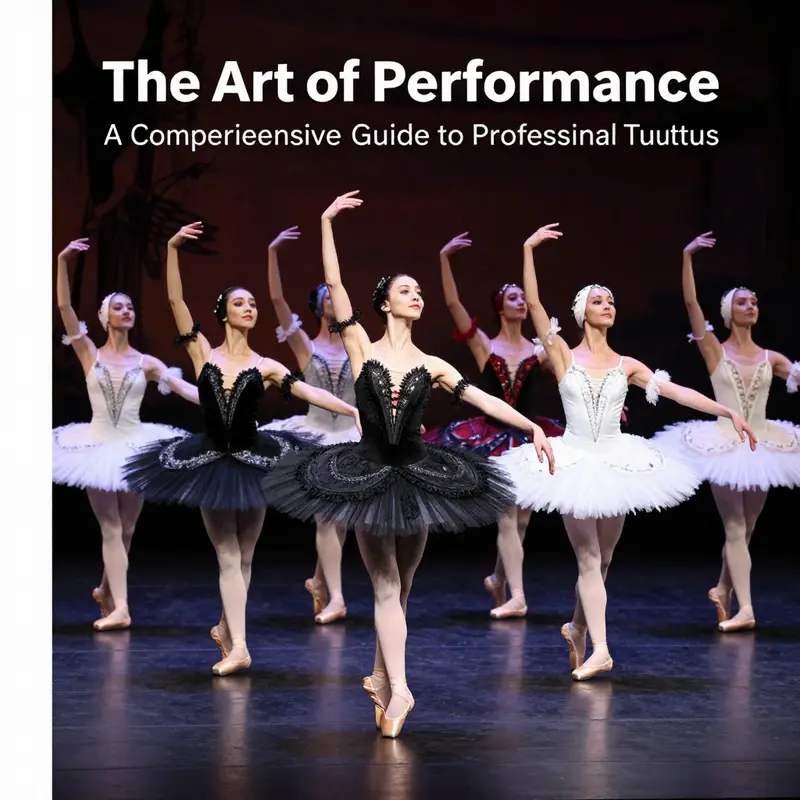
Specialized professional tutus are more than costumes; they are living extensions of a ballet’s storytelling engine. They translate mood, time, and character into silhouette, texture, and movement, allowing dancers to embody a world beyond dialogue and action. In a production, the tutu carries the weight of the narrative just as surely as the choreography and lighting do, yet it communicates with the audience in a language of form and color that happens almost instinctively. This is the realm where craft meets dramaturgy, where designers must anticipate every turn, leap, and extension, and where the slightest alteration in a seam or pleat can alter the audience’s perception of a moment. The specialized tutu thus becomes a collaborative instrument, shaped by the creative intent of choreographers and the technical wisdom of costume designers, seamstresses, and fit specialists. Its design starts with a dialogue about the role’s emotional cadence, the period or fantasy world it inhabits, and the stage geography where the performer travels. The result is not simply a garment but a carefully engineered stage mechanic that supports clarity of storytelling while preserving the dancer’s freedom of movement. In this sense, the professional tutu is a synthesis of art and engineering, a garment whose form is as purposeful as its function on the proscenium line. The best examples reveal how a single layer of fabric, or a precise arrangement of stiffened tulle, can heighten a character’s aura, suggest a social or historical status, or signal a shift in narrative perspective without a single spoken word. The process behind these outcomes is as intricate as any pas de deux, and the implications extend far beyond the wardrobe department. It is a discipline that values lineage and invention in equal measure, honoring classic silhouettes while inviting contemporary experimentation that keeps classical dance alive for new audiences. When this balance is achieved, the tutu becomes a theater of its own, a vibrating banner of character that dancers can wear as they move through light and sound toward the heart of the story. In tracing the arc from concept to construction, we see how specialized tutus anchor both the aesthetics of a production and the physiology of a dancer, creating a shared grammar that audiences sense even if they do not consciously parse every detail. A robust understanding of this grammar helps explain why some productions feel timeless, while others feel newly minted, because the tutu’s language is always responsive to the choreography and the stage’s demands, never merely decorative. To appreciate this, one can imagine the classic white romantic tutu not as a relic but as a living template that has evolved with technique, theater technology, and cultural memory. Its signature fitted bodice and long, buoyant skirt whisper of a history in which grace is a discipline, posture is a statement, and every glissade is a vote for the continuation of a living tradition. The silhouette invites a dancer to present an inner state with outward poise; it frames the arc of the arms, the turn of the torso, and the elevation of the legs with a halo of tulle that catches the theater light and renders even the smallest miscalculation noticeable to the audience. Such tutus, though rooted in tradition, are not static theater relics. They are actively reinterpreted through variations in fabric weight, stiffness, and layer count to meet the specific demands of a scene, a character, or a stage environment. In practical terms, this means a costume team may opt for a breeze-like flutter in a particular scene to suggest ethereal presence, or they may increase stiffness and layering to sustain a dramatic, camera-ready silhouette during a strenuous sequence. The interplay between form and motion is thus a central concern, because the dancer’s mobility cannot be compromised in service of aesthetics. The underlying philosophy is simple: beauty in motion is not the result of passive adornment but of purposeful construction that respects anatomy, supports technique, and amplifies storytelling. The classic white romantic tutu embodies this philosophy in a way that has faced little fundamental change, yet it remains perpetually relevant because it offers a universal language that every audience recognizes. Its layers of fine tulle create a floating, cloudlike surface that amplifies the dancer’s leaps and soft landings, while the bodice work anchors the performer’s torso so that lines remain clean through the most demanding sequences. The effect is not just visual; it is perceptual, guiding the viewer’s gaze along a trajectory that mirrors the dancer’s power, control, and nuance. When a choreographer imagines a Swan Lake scene or a Nutcracker tableau, this silhouette often serves as a baseline, a reference point for color, texture, and motion. Yet even within that stable framework, designers continually push the envelope by testing how subtle changes in stiffness, seam alignment, or interlining influence line and presence. To illustrate, consider the way multiple layers of stiffened tulle can be tuned to hold a shape through a long phrase, then yield with a sigh of fabric on a quick en l’air. The result is a tutu that feels both ancient and alive, a bridge between memory and immediacy that lets the dancer inhabit an archetype with contemporary realism. The discipline of specialized tutu making thus respects tradition while inviting experimentation, a harmony that is essential for productions seeking to honor a canonical work while inviting fresh interpretive angles. In the broader ecosystem of ballet production, this is the space where the audience’s emotional experience is meaningfully shaped by design choices that may seem subtle to the casual observer but are vital to the coherence of the performance. Thematic and contemporary tutus extend this logic by expanding the visual vocabulary beyond the pristine white of classical forms. A Blue Bird or similarly inspired tutu might lean into brighter palettes, sharper color contrasts, and lighter fabrics that prioritize mobility and bold stage presence. The construction remains rigorous, with stiffened layers arranged to maximize vertical silhouette without restricting plié, jeté, or allegro movement. In such designs, the color economy—the relationship between the body, the fabric, and the lighting—becomes a storytelling instrument. Designers often work with lighting designers to ensure that a tutu’s color and texture interact with cues of the scene and the theater’s atmosphere. A tutu painted in saturated blues and golds can glow dramatically under a cool wash, turning a dancer’s turns into a vortex of color; the same garment under a warm light can feel intimate and regal, heightening the sense of fairy-tale wonder the scene aims to evoke. Thematic tutus are also a canvas for narrative symbolism. A bird-inspired design may incorporate wing-like pleats that catch air and create visual echoes of flight, while a fairy-tolk or heraldic motif may rely on intricate embroidery and a multi-layered skirt to convey status or magical heritage. The design logic is not merely decorative; it serves the story by signaling shifts in perspective or by differentiating groups of performers during ensemble passages. In ensemble scenes, the choreography often requires dancers to carve space for each voice to be heard, both musically and visually. Here the tutu helps define a dancer’s role through silhouette alone, guiding the audience’s attention to key moments without a single line of spoken text. When a production calls for scenes that hinge on dramatic tension, specialized performance tutus may be developed to deliver maximum on-stage impact. A tutu destined for such a role might feature a more opulent palette, with metallic threads catching lighting, and an expanded number of pleats to create a louder, more assertive profile. The result is a garment that communicates character intent at a glance, ensuring that a solo passage lands with clarity even as the choreography becomes increasingly complex. For high-visibility moments, a designer might choose a tutu with 12 layers or more of tulle, each layer reinforced for durability under heavy repetition and intense rehearsal schedules. The engineering behind these choices is precise: each layer must contribute to the overall shape while allowing air to circulate and the dancer to remain cool and agile. The interplay of fabric, structure, and motion is a delicate balance that requires meticulous testing and iterative fittings. This is where the craft ascends to artistry, as adjustments are made to waistbands, bodice fit, and armholes, often after a series of wear-tests with the dancer in full costume and under stage lighting. The aim is to achieve a silhouette that reads strongly from every angle, holds its shape through long sequences, and respects the dancer’s line from the first position to the final pose. In addition to silhouette and color, texture matters deeply. Velvet or satin accents, subtle embroidery, and even appliqué designs can elevate a tutu from a mere garment to a storytelling instrument. Such details must be integrated without compromising flexibility or adding unnecessary weight, particularly in longer performances where fatigue could otherwise erode line and control. Materials science enters the conversation here as designers balance density, stiffness, and drape. The selection often includes a careful blend of tulle varieties, with some layers designed for crisp, architectural pleats and others for a softer halo at the edge of the skirt. The result is a tutu that can read as a narrative device in close-up shots and still perform flawlessly when captured by distant lenses in a large auditorium. Beyond aesthetics, there is a practical dimension that dancers and companies must manage: durability and care. Professional tutus undergo strict quality controls to ensure seam integrity, colorfastness, and consistent fit across multiple performances and tour stops. Facilities that produce these costumes employ a suite of testing protocols that assess how fabric reacts to sweat, heat, and repeated folding and unfolding. They also plan for wardrobe rotations and rapid turnaround times during productions that travel from city to city, where 48-hour dispatch or similar schedules may be necessary to meet performance calendars. The care instructions attached to these costumes emphasize gentle cleaning, proper drying, and careful storage to preserve stiffness and prevent creasing that could undermine the silhouette. For dancers, maintenance routines become part of the preparation for a performance, a ritual that reinforces discipline and respect for the garment as a partner in the art. It is not unusual for designers to annotate each tutu with a dancer’s name and role, creating a personal link that helps ensure consistency and accountability within a larger company framework. The cultural resonance of specialized tutus also deserves attention. In the long arc of ballet history, tutu design reflects broader shifts in aesthetics, technology, and audience expectations. The white romantic tutu evokes a sense of unearthly purity and timeless elegance, while modern thematic versions translate myth, folklore, and fantasy into a tangible stage language. These shifts are not mere fashion statements; they represent evolving conversations about how ballet speaks to contemporary audiences while retaining its connections to revered traditions. This conversation is ongoing, as designers, choreographers, and performers continually negotiate the balance between reverence for heritage and appetite for invention. The end goal remains constant: to enhance character, not to eclipse it. A well-crafted tutu should recede when required, letting a dancer’s technique and emotional expression lead the storytelling, while also standing up to the rigors of performance and the spectacle of the stage. One useful way to glimpse this harmony is to consider how a single costume category, such as a Swan Lake–themed ensemble, can anchor a production’s visual language across multiple scenes and character arcs. A tutu built with a thoughtful combination of silhouette, texture, and color can carry the narrative through dramatic turns, maintaining legibility for audiences who experience the performance from different seating perspectives. For further exploration of the specific thematic options available within tutu design, see the Swan Lake costume theme category, which showcases how traditional motifs can be adapted for modern staging while preserving recognizable cues for audiences familiar with the role’s iconography. Swan Lake costume theme. This reference illustrates how designers translate a storied ballet tradition into contemporary craft without sacrificing the essential storytelling mission at the heart of professional tutus. In conclusion, specialized professional tutus are an expression of ballet’s capacity to tell complex stories through form. They encode narrative meaning in the geometry of the skirt, the texture of the fabric, and the choreography of the wearer. They honor lineage while inviting innovation, and they serve as a bridge between the dancer’s body and the audience’s imagination. By balancing silhouette with movement, color with lighting, and durability with comfort, these costumes enable ballet to communicate with precision and poetry alike. They remind us that the most enduring images in performance often begin with a carefully cut and crafted piece of fabric chosen not merely to adorn but to reveal, through motion, the soul of a character and the world they inhabit. For those seeking a deeper understanding of the material and its storied history, an external reference on the subject offers additional insight into the technical and aesthetic dimensions that make specialized tutus indispensable to professional productions. The journey from concept to curtain call is a testament to how fabric, form, and function converge to illuminate the art of ballet in ways that continue to captivate audiences around the globe.
Final thoughts
Professional tutus are indispensable for ballet dancers of all ages, fulfilling crucial roles in both aesthetic appeal and performance functionality. Adults benefit from tailored designs that enhance their training and stage presence, while young dancers enjoy colorful costumes that support their artistic expression. Specialized tutus add a layer of thematic depth, catering to iconic ballet productions. Understanding these facets not only elevates a dancer’s performance but also inspires the next generation of performers to engage with this beautiful art form.