
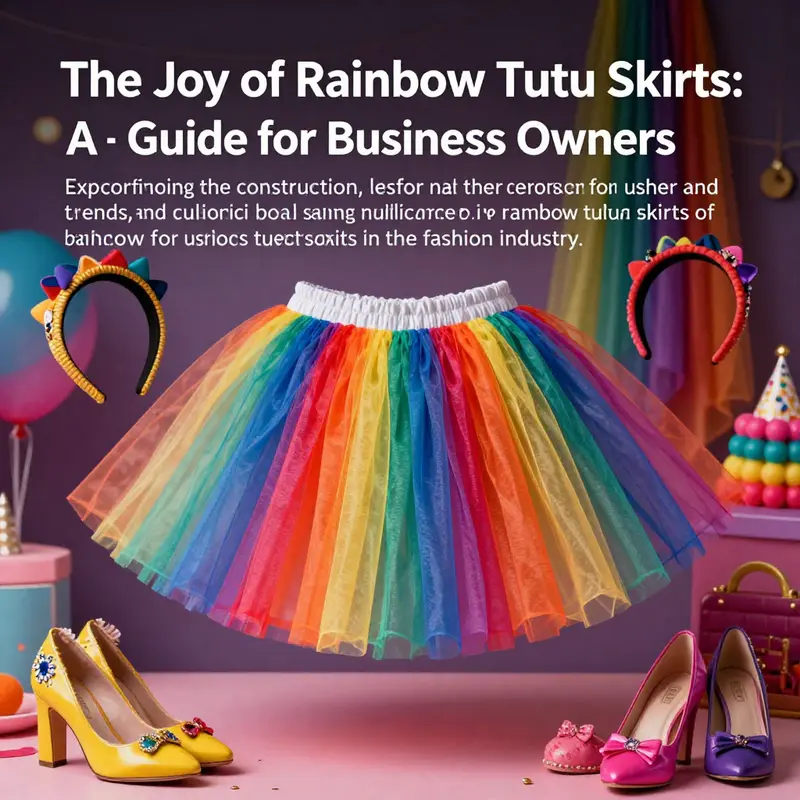
Rainbow tutu skirts are not just whimsical garments; they represent a vibrant niche market that offers significant opportunities for retailers and manufacturers alike. Understanding their construction and design can inform product development, while awareness of the various occasions in which they are used can guide marketing strategies. Additionally, recognizing purchasing trends will aid in inventory management and sales forecasting. Finally, the cultural impact of rainbow tutu skirts sheds light on their place within broader fashion movements, helping business owners align their offerings with consumer values and preferences. This article provides a comprehensive overview tailored for business leaders looking to enhance their product lines in this playful category.
Color in Motion: The Craft and Architecture of Rainbow Tutu Skirts
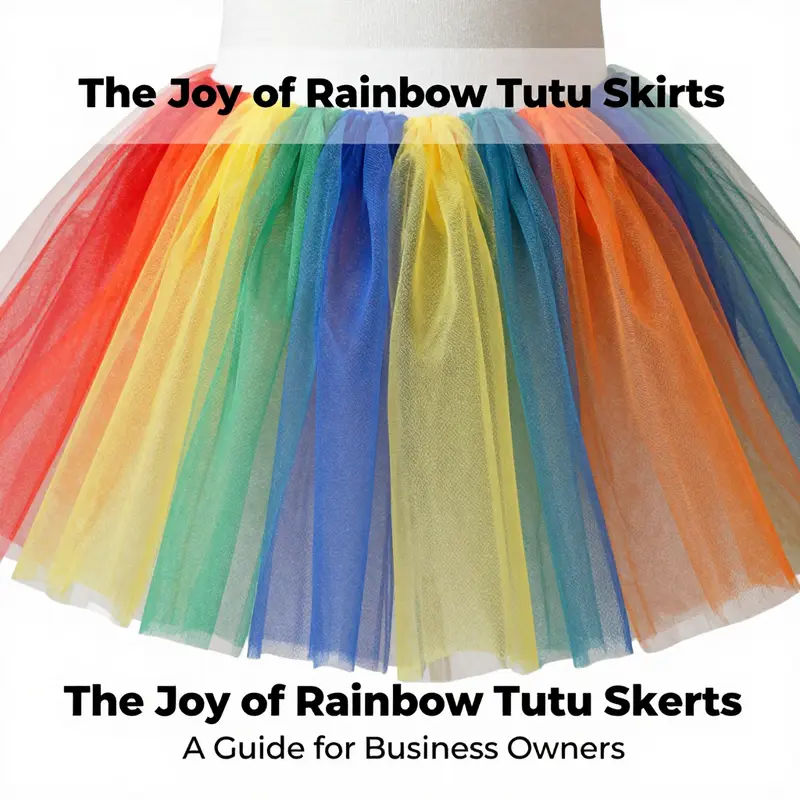
A rainbow tutu skirt is more than a bold wardrobe choice; it is a study in how color, fabric, and structure collaborate to create movement that feels almost musical. When a wearer turns, the tiers of tulle catch the light and the air, and a cascade of color follows in a soft, buoyant rhythm. The heart of this garment lies in its layered construction. It begins with a waistband that gathers fabric but stays comfortable against the body. From there, many makers build a sequence of circular, semi-sheer tulle layers. Each circle is cut with a precise radius, so the skirt forms a bell shape when the layers fan out. This geometric approach is not merely aesthetic. It is functional, giving the skirt its signature volume while allowing air to move through the fabric. The gathering at the waist is a key detail: it anchors the entire silhouette and dictates how the layers behave as the wearer shifts, spins, or strides. The result is a garment that seems to bloom with every movement, a procession of color that travels in a soft, choreographed arc through space. Within this framework, the rainbow effect is achieved by arranging tulle in stacked hues, gradients, stripes, or a playful scatter of color across the layers. The palette is typically ROYGBIV, but designers frequently experiment with transitioning shades, creating a seamless crawl of color from red through violet, or they inject a broader spectrum by mixing hues within a single tier. In practice, the color is not a printed overlay but a fabric story told by dyed tulle. The slats of color appear not as a flat surface but as ribbons that catch light from different angles, lending depth and shimmer to the motion. This visual complexity is further enhanced by the fabric’s texture. Tulle’s airiness makes the skirt feel light on the body, even as its many layers demand width. The interplay between light, shadow, and translucence offers photographers and performers a dynamic subject: color that breathes and breathes again with every step. The construction process supports this dynamic. Modern rainbow tutus rely on soft, semi-sheer tulle, typically polyester or recycled alternatives, chosen for their balance of stiffness and pliability. The stiffness helps the layers hold their shape while still allowing the fabric to flutter. Recycled materials have become more common as designers pursue sustainability, proving that a vibrant, sustainable garment can still deliver the dramatic silhouette audiences expect. The choice of material directly affects performance. A fabric with higher density resists snagging and maintains its integrity after repeated wear and washings. It also resists pilling and fuzzing, which can dull a color gradient over time. Within the same garment, different layers may use slightly different weights of tulle to optimize movement. A stiffer upper tier can help maintain the crown-like volume near the waist, while lighter lower tiers permit a more flowing, dances-like sway. Some designers incorporate a structured base beneath the tulle. This can be a stiffened lining or an internal frame that keeps the tutu aloft, preventing it from collapsing when the dancer spins or when a performer strikes a high-energy pose. The result is a dependable silhouette, one that looks equally striking in close-up photography and in a wide stage shot. The internal framework, while subtle, is crucial for professional use. It supports the weight distribution across the layers and ensures consistent performance across routines. The technical craft behind these skirts also rests on production techniques designed for consistency. Automated cutting and sewing lines help producers achieve uniform radius curves and even layer thickness across large batches. Such precision is essential when a retailer offers multiple sizes or when event productions require a regular inventory. Yet even with automation, the artistry remains in the gathering and finishing. The waistband is typically elastic, sometimes with a glittery or metallic thread woven into the fabric to echo the sparkle of the tulle itself. A reinforced waistband improves longevity, particularly for costumes that travel from rehearsal to stage to photo shoot. Comfort is never an afterthought. The waistband often features soft edging, sometimes a lining, and it is frequently designed to accommodate movement without pinching or digging in. The interplay between comfort and sparkle is a hallmark of rainbow tutu design. Beyond the waistband and the tiers, many outfits offer additional accessories—headbands, arm bands, or matching tops—that complete a themed look. These pairings amplify the sense that color is a story, carried from head to toe. The design language of rainbow tutus also includes the possibility of variations that still read as a rainbow without sticking to a rigid spectrum. Pastel versions soften the palette into blush pinks, lavender, mint, and baby blue, creating a dreamlike atmosphere suitable for spring celebrations, baby showers, or gender-neutral storytelling costumes. For those who want to push the boundaries of conventional color, iridescent or holographic overlays can be layered over tulle to introduce shifting hues as light moves across the fabric. Mesh overlays, too, bring a contemporary bite to the classic silhouette, creating a texture that glitters with motion and adds an echo of kinetic color. The result is a garment with a surprising breadth of personality: whimsical for a party, theatrical for a dance recital, or bold for a cosplay moment. The materials and color work together with technique to determine how the tutu will perform in different environments. In a high-energy dance context, the garment must withstand rapid turns, leaps, and floor work without losing its shape or color clarity. For stage shows, lighting design interacts with the fabric to create highlights and shadows that accentuate each hue. In photoshoots, the layering and color gradients must translate cleanly through lenses, across fabrics, and within the constraints of lighting. Thus, the design process is as much about technical decision-making as it is about playful experimentation. It is also about pragmatics. A tutu that splits or sags under stress is not just unflattering; it can impede motion or cause discomfort. Consumers who want longevity look for reinforced waistbands, high-quality tulle with good resilience, and stitching that preserves the edges of each layer without snagging. Durability is also enhanced by careful laundering and storage. The delicate, semi-sheer nature of tulle requires minding tangling and deformation. When not worn, a rainbow tutu should be stored in a way that preserves its bell-shaped silhouette. Some designers recommend hanging the garment or storing it flat in a garment bag to avoid crushing the layers. This precaution is particularly important for those who plan to wear the skirt repeatedly, in performances or seasonal events, where repeated folding could flatten the volume over time. The sustainability angle is increasingly central to contemporary design. Again, the choice of materials matters. Recycled polyester tulle offers a lower environmental footprint than virgin fibers while maintaining the same structural properties. Some designers pursue even deeper eco-consciousness by selecting fibers produced with reduced water use or gentler dye processes. The colorfastness of dyed tulle is a practical consideration; robust colorfastness ensures that the hues do not fade after washing or exposure to sunlight. In the broader fashion landscape, rainbow tutu skirts occupy a unique space. They are playful, accessible, and expressive, yet their construction embodies a serious, methodical approach to fabric engineering. The discipline behind the layering, cutting, and assembling reveals a lineage from classic tutu silhouettes, reimagined through modern materials and sustainability-minded choices. The balance between tradition and innovation is where rainbow tutus gain depth. While the surface charm invites celebration, the inner architecture—how layers interact, how the waistband supports, how the color travels—requires thoughtful engineering. This balance helps explain why rainbow tutu SKirts remain a staple across child and adult wardrobes for performances, parties, and cosplay alike. Readers curious about the foundational garment can explore the basic tutu category to understand how a simple silhouette becomes a platform for color and movement. basic tutu category. In doing so, one can appreciate how the same concept scales, adapts, and endures as color and technique evolve together. The result is not merely a flashy skirt but a wearable sculpture of color and motion that invites play, performance, and personal expression. For those who want to trace the broader craft of color-forward textiles and how designers navigate the tension between aesthetics and functionality, an external reference offers helpful context. It provides a look at how sustainable practices and color science inform contemporary design in children’s fashion. https://www.stellamccartney.com/kids/childrens-clothing/shorts-skirts/rainbow-tulle-tutu-skirt-15873.html
null
null
Colorful Currents: How Rainbow Tutu Skirts Are Moving the Market
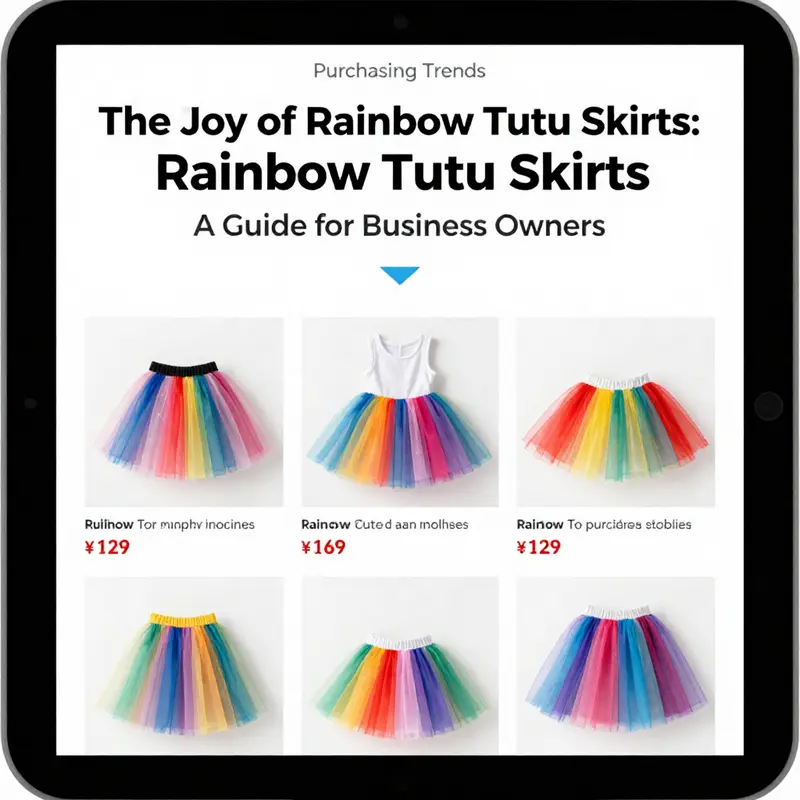
Color is more than a visual cue in fashion; it is a signal of mood, identity, and risk-taking in everyday style. The rainbow tutu skirt, with its cascade of ROYGBIV hues, has become a unique lens through which shoppers, parents, performers, and trend-seekers read the shifting currents of what people wear, why they wear it, and how much they are willing to spend. While the garland of colors is eye-catching in photos and performances, the purchasing choices behind these skirts reveal a more intricate story about comfort, performance, value, and self-expression. Across age groups, the rainbow tutu has settled into a recognizable role, yet it remains versatile enough to adapt to different life stages, occasions, and personal styles. If fashion tends to move in bubbles, the rainbow tutu skirts illustrate a steady, expanding bubble—one that grows as more people discover the joy of color and the practicality of a garment designed to move with you.
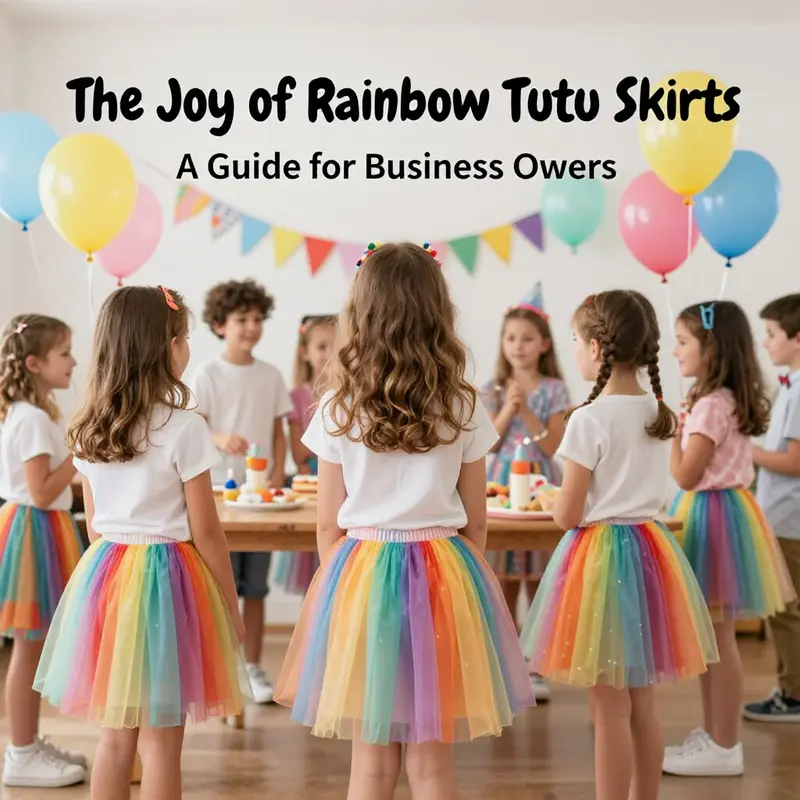
For children, the rainbow tutu is a staple of play—an affordable, instantly recognizable costume element that invites imaginative worlds into the everyday. The appeal lies not just in the colors but in the tactile experience of layered tulle that swirls with every twirl and spin. Soft, layered fabrics create a gentle volume that makes dance recitals, birthday parties, and school performances feel magical. In this segment of the market, demand is propelled by active social lives for young girls, by themed events, and by the hopeful promise of a costume that can double as a daily play accessory. The sales signal is clear: a layered rainbow tutu skirt set with a soft, kid-friendly construction can move quickly, especially when it captures a moment of festivity and creativity. In recent months, a layered rainbow tutu skirt costume set achieved notable momentum, with more than fifty units sold within a single month. This pace underscores a durable appetite for color-forward playwear that blends whimsy with practicality, and it hints at the broader cultural shift toward expressive, low-barrier fashion choices in childhood.
Yet the children’s market is only one lane in this rainbow river. Among adults, the tutu has shed some of its purely childlike associations and entered a space where fashion, performance, and self-expression converge. Adult rainbow tutus are frequently designed with breathable fabrics that balance visibility and comfort, making them suitable for dance performances, Halloween events, music festivals, or simply bold streetwear moments. Designers emphasize fabrics like polyester chiffon for their lightness, drape, and ease of care, which translates into wearability for longer sessions on stage or at crowded gatherings. The shift from a costume focus to a versatile accessory is reflected in the market’s movement toward options that are easy to wear in real life, not just under studio lights. These adult-oriented pieces often arrive in configurations that accommodate movement—reduced bulk for mobility, or modular setups that can be paired with tops, jackets, or stage-ready bodices. This evolution—where a rainbow tutu becomes a fashion statement rather than a single-use costume—reflects a broader trend: adults seeking playfulness with purpose, pieces that offer performance value and everyday wearability in equal measure.
From a technical standpoint, the materials and construction of rainbow tutu skirts influence purchasing decisions as much as color palettes do. A common choice among modern adult designs is a high-capacity, breathable silhouette crafted from lightweight, flowy fabrics. The use of materials such as chiffon or fine mesh helps the skirt maintain fullness without becoming unmanageably bulky, a key consideration for performers who must travel, rehearse, and perform under hot arena lights or crowded venues. At the same time, many shoppers gravitate toward pieces that promise durability and easy upkeep. The promise of a tutu that can be worn repeatedly during dance classes or theme parties without losing its shape or color fidelity adds practical reassurance when buyers weigh price against longevity. In this context, color fidelity and finish matter as much as price. Gradients, stripes, or scatter patterns offer different visual statements and degrees of complexity, and shoppers tend to pick according to how much color drama they want to bring to a scene or event, as well as how practical they need the piece to be for storage and travel.
The market dynamic here is nuanced. On the one hand, a broad swath of consumers wants the promise of instant color celebration—an affordable piece that makes a party or performance feel special. On the other hand, there is a growing emphasis on customization and personalization, a trend supported by OEM options that allow retailers and, increasingly, individual buyers to request slightly tailored silhouettes, color ratios, or fabric blends. The ability to source rainbow tutus with customization options lowers barriers to entry for small boutiques and cosplay communities, enabling them to offer distinctive color configurations or branding that align with their unique audiences. In practical terms, this means retailers can tailor a product line to fit a season, a theme, or a particular event, rather than offering a one-size-fits-all option. Such flexibility broadens the market’s appeal, inviting more shoppers to imagine rainbow tutus as part of a broader wardrobe, rather than as a single impulse purchase.
Digital influence cannot be overstated in shaping these purchasing patterns. Pinterest, in particular, acts as a powerful muse and marketplace catalyst, where curated boards and user-generated collections translate inspiration into intent. A consumer might discover a rainbow tutu paired with a complementary accessory, pin the combination, and then search for related items with a clearer sense of the look they want to achieve. The platform’s visual nature makes color coordination and silhouette appreciation almost instinctive, accelerating the conversion from mood to transaction. This is not merely about a pretty pin; it is about a shopping impulse that is validated by community visibility and the ease of assembling a complete, cohesive outfit. The social layer—the shared excitement around color harmony, the sense of belonging to a playful, expressive subculture—adds emotional value to the purchase decision. In this climate, the rainbow tutu becomes more than a garment; it becomes a canvas for storytelling, performance, and personal narrative.
From a consumer psychology perspective, what shoppers seek in rainbow tutu skirts extends beyond a single event. For families, price sensitivity often sits beside the value of enduring charm; for adults, the decision balances style with practicality, and for performers, reliability with performance. The tailoring of options—from color density and fabric weight to overall silhouette—reflects a market that recognizes diverse needs. The presence of customizable pathways, including OEM offerings, supports this diversity. Buyers are not simply selecting color; they are selecting a tool for expression that must withstand repeated wear, movement, and transport while maintaining vibrancy after multiple washes and performances. The market thus rewards designs that deliver fullness and bounce without excessive bulk, colorfastness across a spectrum of lighting conditions, and easy maintenance that suits busy schedules.
A more subtle, yet equally important, signal in the purchasing landscape is the way bundles and accessory sets align with the main piece. Many rainbow tutu offerings include headbands, sleeves, or coordinated tops, enabling a complete themed look without the friction of hunting separately for matching components. The appeal here lies in convenience and cohesion: buyers gain a ready-made aesthetic, a safety net against color mismatches, and the sense that their purchase will translate cleanly into a photo-ready moment or a stage entrance. This tendency toward all-in-one packages can influence price expectations and perceived value, nudging buyers toward mid-range bundles that balance cost with the confidence of a cohesive outfit. In such ecosystems, the ability to choose a complete set, rather than assembling elements piecemeal, translates into faster decision-making and more predictable shopping experiences, which in turn reinforces ongoing demand.
An important practical consideration accompanies these trends: the physical footprint and storage of a rainbow tutu. The bold shape and volume that make the skirt so visually dynamic also pose challenges in small living spaces or warmer climates. Prospective buyers weigh the dramatic silhouette against the realities of wardrobe space, closet depth, and seasonal use. In hotter environments, the breathability of the chosen fabric and the ability to launder the piece quickly between uses become critical. Manufacturers and retailers, aware of these concerns, increasingly offer lighter-weight versions or easier-care finishes that still deliver the signature color spectacle. The result is a market that does not force a trade-off between aesthetics and practicality but rather expands the range of choices so that color can be enjoyed in a variety of contexts—from dance studios to dance floors, backyards to birthday parties, photo shoots to cosplay conventions.
Within this ongoing conversation, there is a clear invitation to explore related options for those who want to begin with a broader tutu repertoire. A helpful touchpoint is the basic tutu category, which serves as a gateway to more complex rainbow looks while teaching buyers how different silhouettes, tulle densities, and color saturations affect overall display. For buyers new to this space, the basic tutu category offers a foundation from which to branch out, experiment, and learn what contributes to the most satisfying purchase experience. Basic tutu category provides a starting point for families, performers, and cosplay enthusiasts who want a reliable, versatile option before committing to more elaborate configurations.
In sum, the purchasing trends for rainbow tutu skirts illuminate a market that is expanding with intention. Children’s demand remains robust, driven by the playful magic of color, soft textures, and the social dynamics of parties and recitals. Adult demand signals a maturation of the tutu into a wearable statement piece that blends performance capability with everyday practicality, underscored by fabrics that offer comfort and easy care. Customization pathways, including OEM opportunities, reveal a market that values choice and brand alignment, while digital platforms like Pinterest accelerate discovery and purchase intentions by marrying inspiration with social proof. Together, these dynamics point to a broader cultural pattern: fashion’s ongoing embrace of self-expression, inclusivity, and joyful aesthetics. The rainbow tutu skirt stands at the intersection of whimsy and utility, a garment that invites people to celebrate color while meeting real-world needs for comfort, durability, and easy styling. As shoppers continue to seek outfits that convey personality in a single glance, these skirts will likely remain a bright and flexible option across generations and occasions.
External resources and broader inspiration for this trend are often found in visionary boards and collections that highlight color-forward styling and coordinated accessories for rainbow looks. For those who want to explore how color stories are curated across platforms, a widely circulated Pinterest pin offers a snapshot of the vibrant styling conversations shaping today’s rainbow tutu community: https://www.pinterest.com/pin/736489252212795692/
Rainbow Tutu Skirts as Cultural Signals: Joy, Inclusion, and the Language of Self-Expression
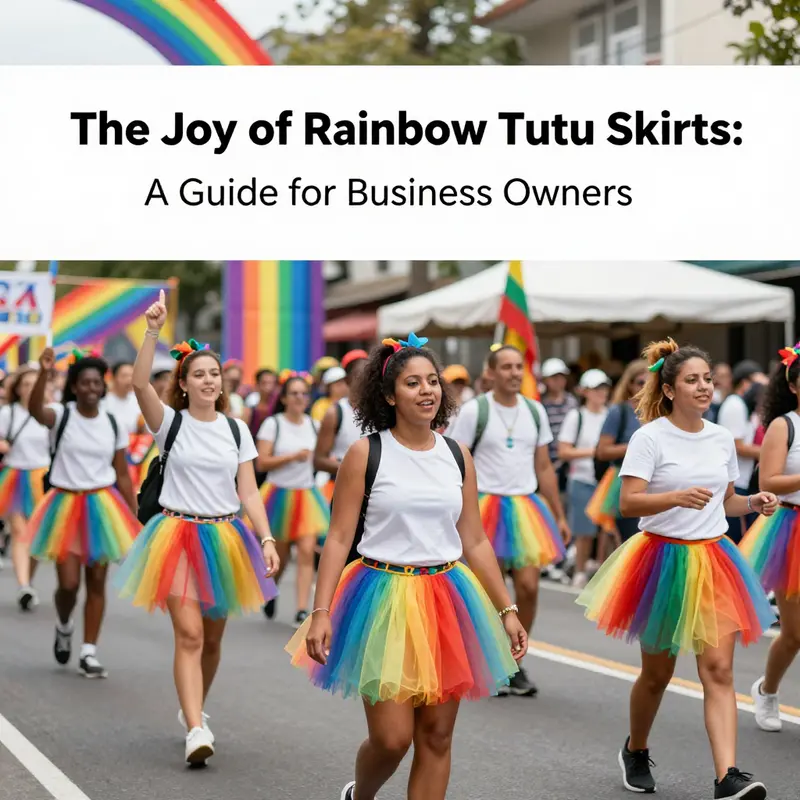
The rainbow tutu skirt moves beyond fabric and stitching to become a language spoken in public spaces. When a performer twirls in a cascade of seven hues, the skirt does not merely accompany the body; it announces a philosophy of color, possibility, and belonging. In crowded rooms and open fields alike, the garment signals a stance: that difference can be celebrated, that playfulness can coexist with seriousness, and that identity can be both visible and fluid. This is not simply about aesthetics; it is about how color becomes a form of social communication, a wearable map of shared values that people can read and respond to without a single spoken word.
The rainbow, in many contemporary cultures, stands as a shorthand for diversity and rights. The seven colors—red, orange, yellow, green, blue, indigo, and violet—tracking a spectrum, echo the iconic Pride flag and its message of inclusion. The tutu’s bold, full-bodied silhouette amplifies that message. Its volume and movement create an experience that is almost theatrical: a living, bouncing spectrum that catches light and curiosity in equal measure. In this way the garment acts as a portable banner of welcome, inviting onlookers to witness a spectrum of identities and stories that might otherwise be marginalized or overlooked. A child’s dance recital becomes a microcosm of community where difference is not merely tolerated but celebrated; a Pride march, with a rainbow swirl of tulle, feels like a walking chorus of solidarity rather than a solitary statement of fashion.
Cultural commentary has increasingly framed the rainbow tutu as more than a trivial costume. It is a wearable emblem of diversity and celebration, a device that translates the complexities of gender, sexuality, and self-conception into something legible at a glance. The tutu’s bold design aligns with movements that champion LGBTQ+ rights and gender fluidity, offering a visible cue that identity can be expansive rather than fixed. In this sense, the rainbow tutu becomes a visual manifesto: it asserts that joy can be a political act, that self-expression can be a community project, and that clothing can help people find each other across differences. When people choose to wear such a garment at events, rallies, or casual gatherings, they are engaging in a public dialogue about who belongs and how one belongs. The act of donning the skirt is itself a small but meaningful ritual of inclusion, signaling openness to multiple ways of being in the world.
The skirt’s impact extends into the realm of childhood, where fashion is often a canvas for imaginative exploration. In many contemporary classrooms, playgrounds, and family rituals, children encounter rainbow skirts as tools for self-definition and social learning. The garment serves as a gentle invitation to experiment with appearance, creating opportunities for dialogue about preferences, identities, and the multiple ways people experience joy. Rather than prescribing a single mode of expression, the rainbow tutu broadens the range of acceptable aesthetic and personal choices. It supports children in discovering confidence through play, dance, and performance, reinforcing the idea that it is perfectly okay to be loud, to be soft, to be many colors at once. That sense of possibility resonates beyond childhood; it informs adults who seek to reclaim play as a source of resilience and communal bonding in a world that can feel segmented and divided.
Design elements contribute to the cultural resonance of the rainbow tutu. Its layered tulle creates a bell-shaped silhouette that holds and showcases color with a discipline that formal attire rarely achieves. The stiffness of the layers preserves volume, enabling a dancer’s every pivot, leap, and spin to become a moving canvas. When a performer changes direction, the skirt unfurls a new gradient of color, a micro-story told in motion. This kinetic storytelling is central to the garment’s communicative power: it translates emotion into a visible, shareable spectacle. The arrangement of color—whether in a gradient that sweeps smoothly through the spectrum, in bold stripes, or in scatterings—offers different interpretations of identity. A gradient can imply a journey, a spectrum of fluidity, or a gradual unfolding of self; distinct color blocks can speak to curated themes or specific narratives within a performance. The very act of movement, then, is not ancillary but essential to the message the fashion conveys.
In practice, the rainbow tutu’s reach stretches through various cultural spaces. It has found a home in weddings as a playful, inclusive nod to joy and togetherness; in school performances as a bridge between artistry and personal expression; and at community gatherings where music, dance, and storytelling coalesce to reaffirm belonging. Its presence at such events signals that identity is a dynamic, evolving spectrum rather than a fixed label. The tutu’s visibility invites bystanders to rethink assumptions about who can participate, who can lead, and who can celebrate loudly. In political demonstrations or civic rituals, the garment can function as a soft-powered symbol—less a banner of opposition and more a beacon of shared humanity. This dual role—celebration and solidarity—helps explain why the rainbow tutu has become a familiar, reassuring sight in spaces that seek to affirm LGBTQ+ rights, gender diversity, and inclusive community values.
Yet the garment is not without practical considerations that shape its cultural reception. Its bulk, while essential for presence, can challenge maneuverability in tight spaces or warm climates. The voluminous layers demand careful storage to maintain their shape, and they can be unwieldy for everyday wear. These realities influence how communities and individuals adopt the tutu for different occasions. In some contexts, the spectacle of the skirt is precisely what makes it a memorable signal; in others, the practical constraints encourage a more measured, performance-focused use. The balance between bold expression and comfort, between visual impact and everyday wearability, is part of the ongoing conversation about how the rainbow tutu fits into modern wardrobes and social rituals.
Beyond traditional forms, contemporary reinterpretations expand the cultural vocabulary associated with rainbow colorways. Holographic finishes, multicolor mesh, and other innovative treatments reframe the tutu from a single costume piece into a broader category of expressive fashion. These variants retain the core idea—the rainbow as a universal language of diversity—while offering new textures and light-play that can suit different genres, from stage performances to street style. In doing so, they invite a wider audience to engage with the symbolism, making the conversation about belonging more accessible and versatile. The evolution of rainbow color storytelling mirrors broader shifts in fashion where inclusivity becomes a design criterion rather than an afterthought.
The social resonance of rainbow tutu skirts also feeds back into consumer culture and identity formation. For many wearers, the skirt is a form of self-affirmation, a way to articulate a sense of self that may not be easily conveyed through traditional silhouettes or muted palettes. The act of choosing a rainbow skirt—whether for a casual day, a dance recital, or a protest gathering—becomes part of a personal narrative about courage, vulnerability, and the desire to be seen. Fashion, in this sense, serves as a medium for building community: people gather around color, movement, and shared meanings, and those gatherings further strengthen ties that might otherwise fray in a world of rapid change. The rainbow tutu, in this sense, is more than clothing; it is a cultural artifact that stores memory, conveys intent, and renews a sense of belonging across generations.
For readers seeking a broader catalog of seasonal looks and themed ensembles that align with this spirit of expressive costume design, the broader costume-theme category offers a range of options that can complement rainbow motifs. These curated collections provide avenues for constructing cohesive, inclusive looks that honor the idea that clothing can be a meaningful social practice. You can explore the broader catalog here: costume-theme.
As cultural commentary continues to evolve, the rainbow tutu stands as a vivid reminder that fashion can function as a communal language. It translates individual experiences of gender, sexuality, and personal taste into a shared performance that invites others to listen, learn, and participate. The skirt’s brightest value lies not in its ability to catch the eye alone, but in its capacity to invite dialogue, to bridge generations, and to celebrate the many ways people choose to show up in the world. It embodies a hopeful principle: that joy itself can be a form of resistance, that self-expression is a basic human right, and that belonging is strengthened when difference is recognized, honored, and worn with pride. For those who look to style as a social instrument, the rainbow tutu offers a bright, persistent reminder that color can be a powerful ally in shaping inclusive communities.
Further reading and reflection on this subject can be found in broader cultural conversations about rainbow fashion, including thoughtful commentaries that frame the tutu as a symbol of belonging rather than merely a costume. For a deeper exploration of how rainbow-inspired fashion intersects with LGBTQ+ pride and contemporary culture, see the following external resource: https://www.vogue.com/article/rainbow-tutu-skirt-culture-lgbtq-pride-fashion.
Final thoughts
As the demand for colorful and expressive fashion continues to rise, rainbow tutu skirts provide a unique opportunity for businesses to tap into this vibrant market. Understanding their construction aids in creating high-quality products, while recognizing their diverse uses can help craft targeted marketing strategies. Keeping a pulse on purchasing trends ensures that inventory aligns with customer preferences, and appreciating the cultural significance fosters a connection with consumers. By embracing these elements, business owners can effectively navigate the colorful world of rainbow tutu skirts, contributing to an enriched customer experience and enhanced brand loyalty.