
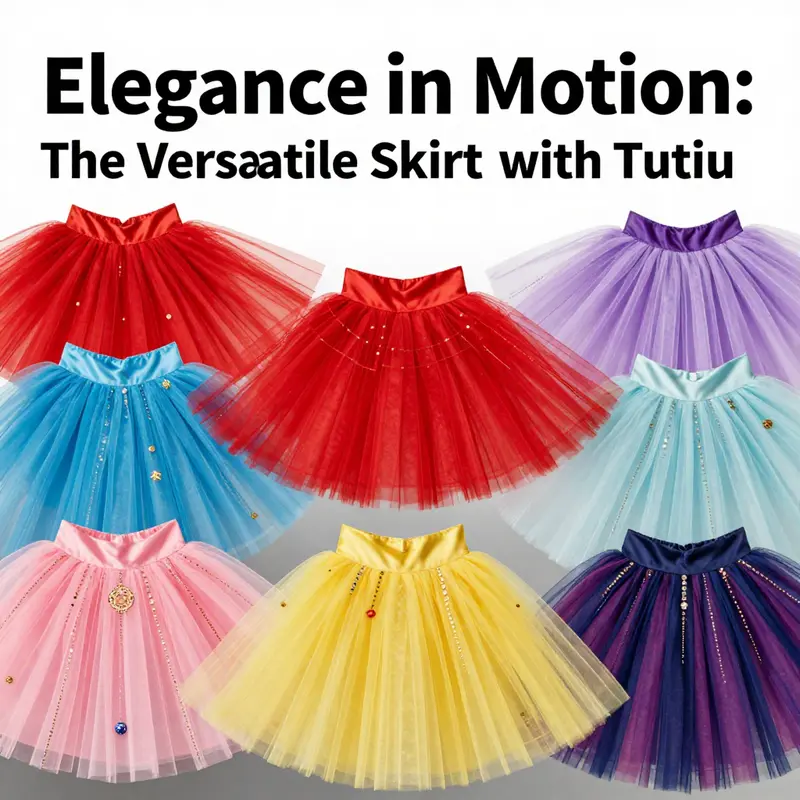
Skirts with tutus have made their mark far beyond the ballet stage, embodying versatility and fashion-forward designs that can transition from laid-back casual wear to elegant evening attire. As business owners and fashion entrepreneurs, understanding the multifaceted appeal of these skirts is essential for tapping into a growing market. This article delves into styling tips that cater to various occasions, the cultural significance tied to this garment, the crafting and materials involved, innovative technologies shaping their evolution, and sustainable practices in production. Each chapter builds a comprehensive view of how skirts with tutus can symbolize not only creativity in fashion but also offer practical insights for today’s retail landscape, allowing you to cater effectively to your clientele.
Sculpted Tutu Skirt: Day to Night Styling
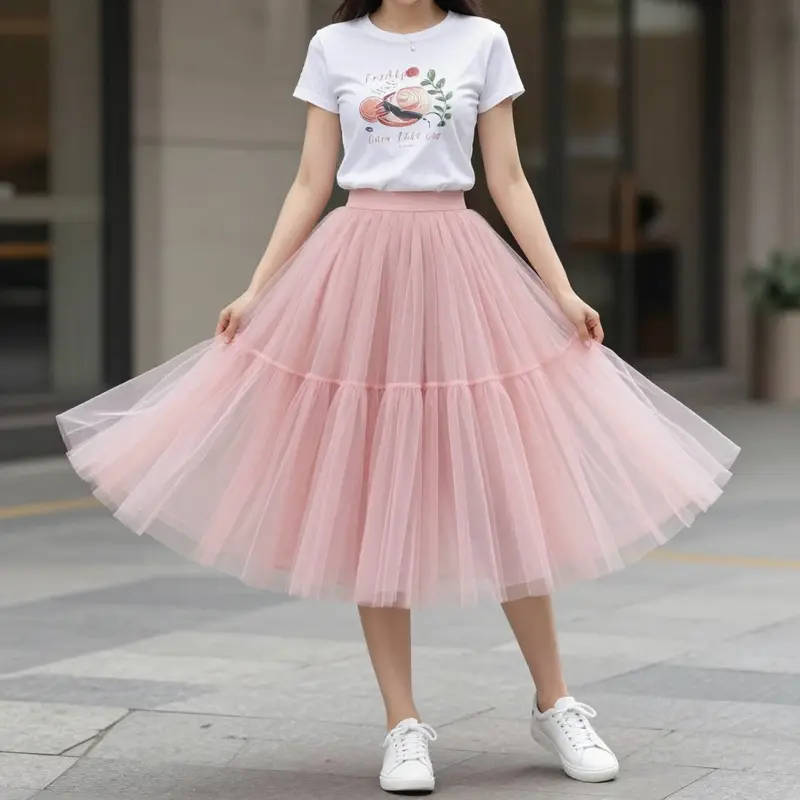
A tutu skirt is a bold, versatile piece that can transition from daytime ease to evening poise. Its volume invites movement and personality, while careful styling keeps it grounded in everyday wear. For day, pair a tutu mini with a fitted tee or sleek knit and white sneakers, balancing volume with streamlined top lines. For night, swap to a satin blouse, structured blazer, and heeled sandals to create an editor-approved silhouette. Fabric choices range from airy tulle to dense satin; the key is to select a base color and proportions that suit your body and the occasion. Layering should be intentional: let the skirt be the focal point and keep other elements simple and polished. Accessorize with a delicate jewelry piece and a small bag to maintain balance. The tutu’s construction—whether layered tulle, reinforced underskirt, or lightweight drape—affects movement and comfort; try different builds to discover what feels most secure and flattering. In sum, the tutu skirt is not merely playful; it is a sculptural statement that can anchor a wardrobe with rhythm, texture, and confidence for varied settings. The guiding principle is cohesion: keep lines clean, color harmony intact, and let the skirt lead the story.
Threaded Echoes: The Cultural Significance of Tutu Skirts
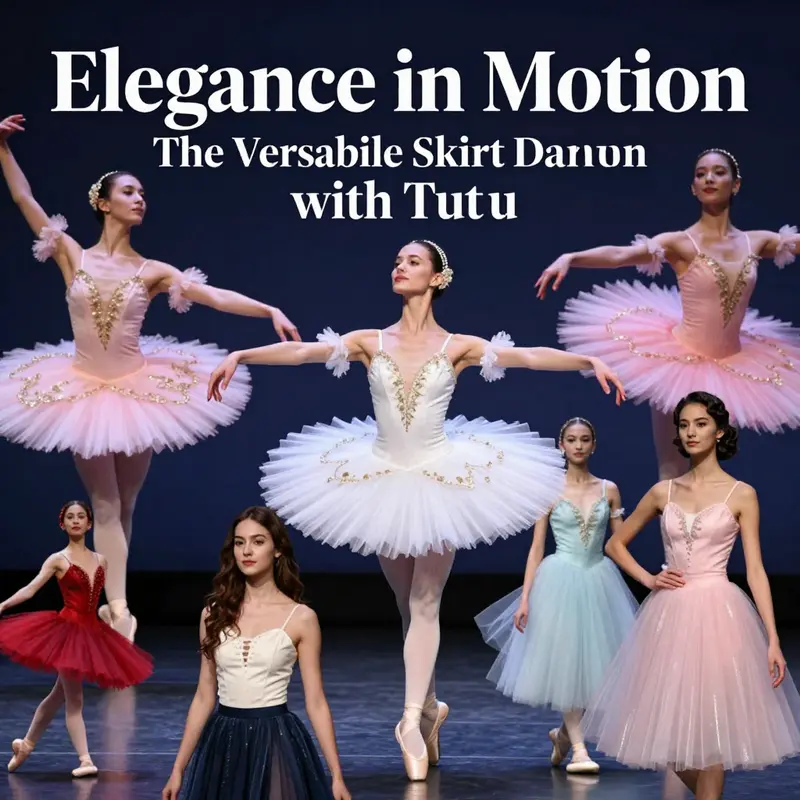
The tutu skirt is more than a garment. It is a quiet engine of memory and movement, a piece that carries the disciplined vocabulary of a classical stage into the varied language of daily life. Its presence in fashion and dance reveals a tension between refinement and revelry, between the precision of technique and the spontaneity of self expression. To understand its cultural weight, one traces a thread from nineteenth century studios where choreographers and dancers shaped the silhouette, through the rise of the short structured tutu for visibility of footwork, to contemporary runways and street style where the garment mutates into a symbol of play, performance, and personal meaning. The tutu communicates through line and volume, turning motion into a narrative that audiences read as both artful discipline and everyday possibility.
From Everyday Fold to Ethereal Poise: The Craft of a Skirt with Tutu
A skirt with a tutu is more than a fashion choice; it is a small theater of movement, a portable stage where fabric becomes a narrative. This chapter follows that arc from the practicalities of material to the magic of how it moves. The tutu skirt sits at a curious crossroads: it can anchor a casual daytime look with a soft, buoyant lift or rise to formal radiance when length and texture are tuned for evening light. The secret lies in understanding how fabric, construction, and styling mingle to create volume that feels effortless, not bulky; how color reads in different lights; and how the garment supports the wearer’s body as it shifts through pirouette, stride, and pose. The craft, at its heart, is a dialogue between restraint and whimsy—between the clean lines of a waistband and the wild flutter of layered tulle. When done well, a tutu skirt remains comfortable enough for long wearing, designed to celebrate movement, and stylish enough to harmonize with a graphic tee at a brunch or with a satin blouse at a gala.
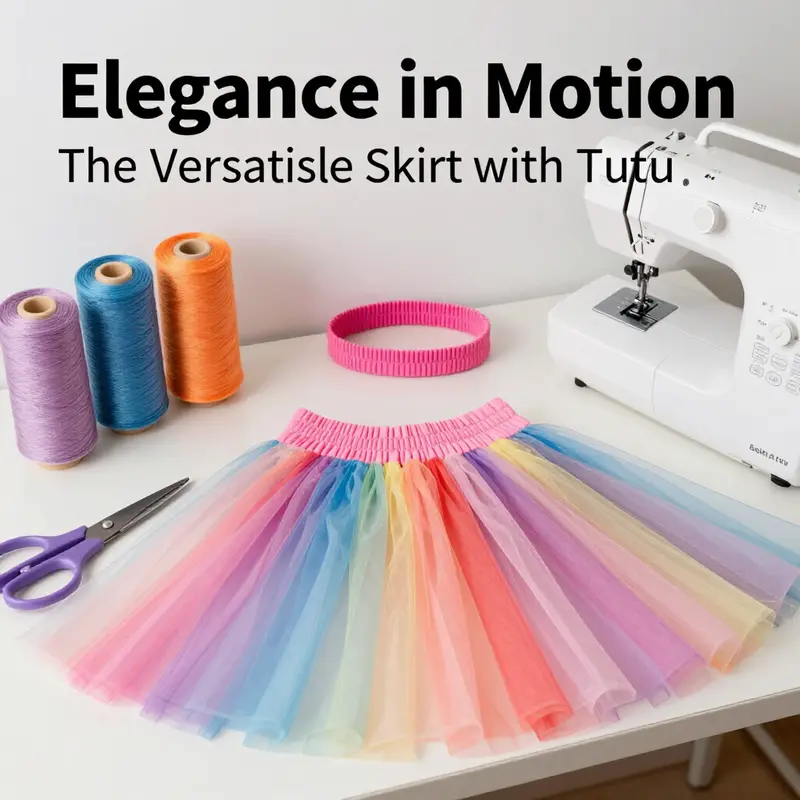
The foundation of any tutu skirt is its material choice, because the fabric carries the silhouette and dictates how much drama can be coaxed from a single swing of the hip. Tulle is the traditional backbone: a fine, lightweight mesh that holds onto air and light without weighing the body down. It comes in weights and textures that can be mixed to achieve different levels of volume and softness. A straightforward approach uses uniform layers of a single color, allowing the skirt to read as a cloudlike halo that twirls with every step. For those seeking a more theatrical or contemporary effect, layering different colors or degrees of translucency can evoke a rainbow or a sunset, the layers catching the eye as they catch the light. Beyond tulle, other fabrics—chiffon for a more ethereal drape, nylon or polyester blends for breathability and durability—offer practical options when the wearer intends frequent wear, or when the garment must endure repeated movement, washing, and storage. A well-chosen combination can balance fullness with wearability, producing a silhouette that is both generous in movement and considerate in maintenance.
The design of a tutu skirt embodies a spectrum of techniques, from the quick and forgiving to the precise and durable. A no-sew approach, often favored for quick projects or beginner handiwork, wraps a long length of elastic around a waist and gathers the tulle layers directly onto that elastic. The result is a soft, immediate fullness that is easy to adjust as needed. For more lasting projects, sewing the tulle to a gathered waistband with a zigzag stitch creates a more secure tautness and better resilience to washing or repeated use. The construction can also include an underskirt or built-in lining to provide structure and shape retention, particularly important when the wearer moves through dances or long events. The balance between volume and structure becomes even more nuanced when designers layer different textures—perhaps a sheer outer layer with a satin underlayer—to achieve depth in color and lightness in motion. For the more performance-oriented tutu, designers may add lace overlays or delicate embroidery to the waistband or hem, elevating the garment without sacrificing pliancy. Even more experimental variants push into the realm of performance art, where elements like embedded LEDs or glow accents transform the tutu into a visual instrument that responds to music or movement, underscoring how fashion can mingle with technology to amplify storytelling on stage.
The everyday to occasion arc comes alive in styling choices that honor the tutu’s history while allowing modern wearers to explore new textures and silhouettes. A relaxed daytime look can be achieved with a soft pink or ivory tutu mini skirt paired with a fitted graphic tee, a neatly tied denim shirt at the waist, and simple white sneakers or flat ankle boots. The aim is to balance proportion: the voluminous lower half needs a conservative top or tucked-in piece to keep the silhouette coherent, while accessories—an unobtrusive crossbody bag and minimalist jewelry—keep the look polished without crowding the focal point. As the occasion grows more formal, the tutu skirt invites a different set of choices. A longer length, a richer hue—perhaps a deep jewel tone or a velvet finish—paired with a sleek leotard or a tailored blouse can elevate the aesthetic to gala or wedding-appropriate standards. Heels or elegant flats, along with a statement belt or a carefully chosen blazer, can complete the look, letting the wearer glide through events with a sense of coherence and confidence.
Performance and dance culture have deeply shaped the tutu’s identity, infusing it with a symbolic language of poise, discipline, and artistry. Ballet-inspired tutus, built from layered tulle, are designed to maximize movement and reveal the lines of a dancer’s legs in flight and poised evenings alike. They are not merely costume pieces; they are tools that translate intent into form. The veil of fabric becomes a partner in space, catching and releasing air as the body whirls or leaps. In recitals and competitions, the tutu’s ethereal quality can amplify the emotional reach of a performance, while in photoshoots it provides a sense of otherworldly lightness that winners over static poses. In niche contexts, such as themed productions or creative events, tutu skirts can push the boundaries of design, incorporating elements that echo fantasy or futuristic vibes. The juxtaposition of tradition and innovation—the classic silhouette against new textures, embroidery, or even light setups—demonstrates the tutu’s unique ability to tether memory to experimentation.
The decision to craft, rather than buy, a tutu skirt is a choice about process as much as appearance. DIY projects foreground material knowledge, the care of seams, and the rhythm of assembly, turning fabric into a garment that carries the maker’s touch. When making from scratch, the interplay among fabric choice, construction technique, and intended use becomes a guiding compass. A no-sew route may be perfect for a casual project or a child’s party costume, while a sewn approach offers durability for frequent wear, performances, or long operation in busy schedules. For those who value speed and flexibility, a hybrid approach—securing multiple layers with a durable waistband while leaving some layers free-flowing for volume—often yields a result that respects both form and function. The aesthetics of the tutu arise not just from color and texture but from how those layers behave in real life: how they billow with a gentle breeze, how they catch light at different angles, and how they settle when the wearer sits or kneels. This is where technique becomes storytelling: the maker’s choices translate into a mood, a memory, or a promise of movement that the wearer carries into every room they enter.
If you’re exploring the craft further, you can engage with a practical, hands-on starting point that aligns with the basics of tutu construction. For a hands-on starting point that aligns with the core building blocks of this craft, explore the basic tutu category. This internal resource can offer foundational pieces, patterns, and inspiration that help translate the theory of materials and techniques into tangible results. It anchors the conversation in real-world craft while inviting experimentation with color, texture, and proportion. The tutu, in its essence, rewards curiosity and patience, rewarding a maker’s careful choice of materials with a garment that feels levitating rather than static, that moves as a partner rather than a prop. The sense of transformation is personal: a skirt with a tutu is a wearable piece of narrative, a chance to shape one’s own story through texture, shade, and motion.
In the broader arc of the article, the tutu skirt stands as a bridge between daily life and performance, a reminder that style can be playful yet purposeful. It speaks to the modern appetite for garments that are versatile, durable, and emotionally resonant. The choices you make about fabric, finish, and construction will echo in the way the skirt carries you through a room, how it frames your steps, and how it feels to inhabit a moment of lightness. As you plan your own project—whether you’re chasing a soft, everyday whimsy or a stage-worthy silhouette—remember that the tutu’s charm lies not in excess alone, but in deliberate balance: fullness that is controlled, color that is considered, and technique that respects movement. The chapter that follows will deepen the discussion of color stories, silhouette variations, and the ways to tailor the tutu to different occasions, always guided by the same core idea: that a skirt with tutu is an instrument for expression as much as it is a garment for wear.
For a detailed, step-by-step guide on making a tutu skirt at home, you can consult a comprehensive, visual instructable-style resource: How to Make a Tutu Skirt: 12 Steps (with Pictures).
Luminous Tulle: Reimagining the Skirt with a Tutu for Stage, Street, and Soul
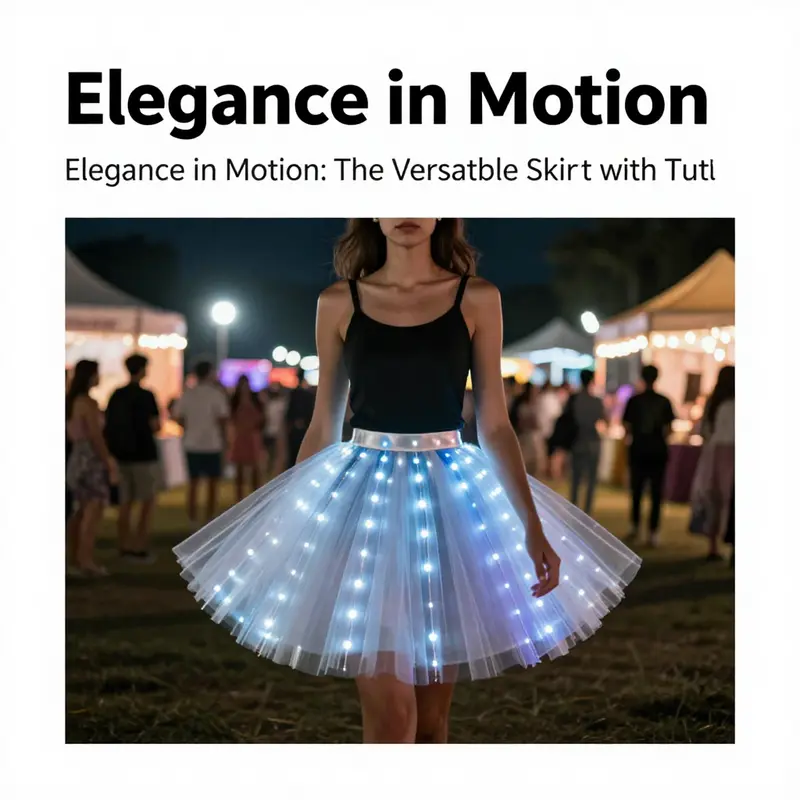
A skirt with a tutu is evolving from whimsy into a living canvas where light, motion, and materials science converge. The tutu, once a silent partner to ballet, now serves as a platform for storytelling in fashion and performance. Designers treat tulle not as a decorative shell but as a flexible medium capable of hosting electronics, sensors, and smart fabrics. In this dialogue between craft and circuitry, the tutu becomes a kinetic piece that can respond to sound, pace with breath, and carry essentials without losing its fullness and grace. The result is a garment that speaks in color, glow, and texture, inviting wearers to choreograph their own look as if directing a micro-performance with every step.
One of the most noticeable shifts is the integration of lighting into the garment itself. An LED-embedded tutu, designed with soft materials and layered structure, can glow in synchronized patterns that mirror choreography or the rhythm of a city at night. The lighting sources are chosen for comfort and safety, with small, flexible components tucked into the underskirt rather than pressed against the skin. Power comes from compact packs positioned at the waist or within hidden seams, so the silhouette remains airy and movement unhindered. Control can be as simple as a controller sewn into the waistband or as modern as a smartphone app that lets the wearer choreograph color changes to a beat. The effect is not merely eye-catching; it magnifies rhythm and motion, turning spins and leaps into moments that glimmer with intention.
This glow enables a new kind of storytelling. A performer can use light to outline the arc of a movement, tracing the line of an arm, the tilt of a head, or a sparkle in the eye. A street-style wearer might let the lights respond to ambient sound or a playlist tempo, turning the tutu into a portable light show. For photographers and videographers, the glow adds dimension that persists in challenging lighting, offering a practical tool for capturing dynamic scenes—from intimate portraits to large-scale performances. Yet safety and comfort remain paramount. Lightweight LEDs, energy-efficient drivers, and breathable fabrics ensure the garment stays cool during long events. Battery placement is optimized to avoid friction or bunching, and cable management is discreet so nothing snags or impedes movement. In this light, the tutu becomes a wearable instrument and expressive device that amplifies mood and moment with ease.
Alongside luminescence, a transformable design approach lets the tutu transition into a functional tote. Hidden zippers, reinforced seams, and a lightweight skeleton preserve fullness even when the silhouette changes. The wearer can detach or reconfigure portions of the skirt without sacrificing shape or stability, enabling the look to morph as mood or venue shifts. This is not just a clever trick; it reflects a design philosophy that values versatility without sacrificing aesthetics. A tutu that doubles as a tote expands the garment’s relevance beyond a single event, inviting a conversation about the relationship between dress and daily life. It suggests that beauty and practicality can coexist in one piece.
Material science anchors these advances. Modern tutu skirts benefit from fabrics that balance softness with performance. Eco-friendly fibers—such as recycled polyester blends—are increasingly common, chosen to retain fullness, resist wrinkles, and maintain breathability. Multi-layered tulle remains a signature, with layers treated or woven to be lighter, more resilient, and easier to launder. The result is a silhouette that stays lush through hours of movement, whether on a rehearsal floor, a runway, or a crowded promenade. Embellishments shift with intention: subtle embroidery, lace overlays, and sequins that catch light without overpowering the core motion. The goal is a tutu that offers generous volume and buoyant movement while honoring comfort, durability, and environmental considerations.
Color and texture play as much a role as circuitry and fabric. White and ivory remain timeless, yet soft pastels, bold jewel tones, and metallic sheens are increasingly compelling. Adornments—ribbon, appliqué, beadwork—enhance the light show rather than compete with it. The interplay of daylight and stage light creates a living gradient that shifts with each step. The tutu’s flexibility allows it to inhabit weddings, galas, cosplay events, and themed gatherings as sculpture and performance alike. The line between fashion and performance art grows fuzzier—in the best possible way.
As designers imagine these possibilities, the tutu becomes a bridge between costume and everyday wear. A luminous skirt can be worn at a casual brunch, its glow a quiet wink that elevates the ordinary. In formal settings, the fabric can unfurl into a cathedral of light and movement when paired with a tailored jacket, creating a look that is elegant yet technologically aware. In theater and dance, glow-enabled tutus reshape tempo, line, and space; performers gain a new medium for expressing emotion and narrative beyond conventional choreography. The result is a fashion object that invites dialogue about the relationship between body, surroundings, and technology’s role in self-expression.
Beyond aesthetics, these innovations raise questions about maintenance, durability, and repair. The modular lighting system, embedded electronics, and battery replacement require thoughtful engineering to endure repeated use. The transformable design demands robust stitching and cleverly concealed fasteners to withstand reconfiguration. For wearers, the option to customize lighting sequences, color schemes, and brightness levels translates into personal storytelling—a glow that responds to a favorite song or dance routine becomes a private choreography.
For those curious about starting points, the Basic tutu category offers an accessible entry point for experimenting with the silhouette while layering in light and mobility features. Basic tutu category.
Ultimately, the evolution of the skirt with a tutu demonstrates how fashion can embrace technology without losing its essence. The tutu has long symbolized joy, transformation, and self-expression. Now it can amplify those values through light, modular design, and sustainable materials. It remains a celebration of motion and imagination, inviting wearers to write their own endings in glow and time, with every bend of the knee and every turn of the body.
Dancing Light, Living Light: Sustainable Paths for Tutu Skirt Production
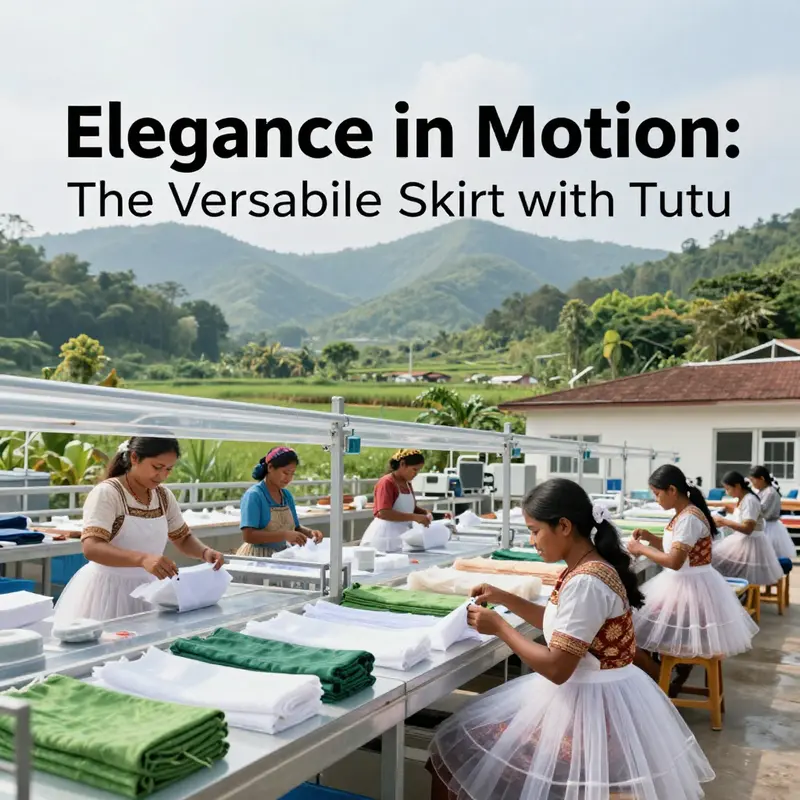
The tutu skirt has long carried a dual aura: the ethereal arc of tulle and the demanding realities of making it. Its appeal rests on volume, motion, and a sense of whimsy that can elevate both a stage performance and a street-ready ensemble. Yet the same design choices that deliver lift and drama—layers of delicate fabric, intricate overlays, and stiffened silhouettes—also carry environmental implications. Traditional tutu skirts rely heavily on synthetic fabrics such as polyester and nylon, materials born from fossil fuel processes. These fabrics can contribute to microplastic shedding with wear and laundry, and their manufacture often accounts for a sizable carbon footprint. The tension between artistry and ecology is no longer an abstract debate. Designers, makers, performers, and consumers are increasingly asking: how can a garment that embodies grace and playfulness also minimize harm to the planet? The answer lies in a thoughtful blend of material science, processing innovation, and design discipline that respects both the wearer’s movement and the earth beneath our feet.
The core of the environmental discussion centers on materials. Synthetic fibers, while celebrated for their durability and cost, originate in energy-intensive production with potential end-of-life challenges. They deliver the shimmering sheen, the structural resilience, and the wash-and-wear practicality that many tutus require. However, modern solutions are moving the needle. Research and industry practice now point toward eco-friendly nylon and polyester alternatives designed to preserve softness, breathability, and durability while reducing environmental impact. In some cases, these alternatives offer up to a quarter more eco-conscious performance compared with conventional fabrics. For makers and buyers, this translates into a tutu that still feels luxurious and moves gracefully, but comes with a lower carbon footprint and a reduced tendency to contribute to microplastic pollution. The shift is not just about raw materials; it is about the entire lifecycle of the garment—from sourcing to processing to end use and eventual recycling or reuse.
Innovation extends beyond the raw material itself. Efficient fabric processing technologies are helping to curb water and chemical use, often the most visible environmental costs in textile production. Quick-dry and anti-wrinkle treatments are more than conveniences for dancers and stage technicians; they also reduce the energy needed for drying and ironing across multiple uses. When colors are applied via heat-transfer printing rather than conventional dyeing, colors stay vibrant while water consumption and chemical discharge drop significantly. The environmental advantage may be incremental in a single tutu, but it compounds across thousands or millions of units used for performances, festivals, and fashion cycles. This is where science meets art: technology that preserves the tutu’s luminous appeal without creating excessive waste or emissions.
A practical design principle that supports sustainability is adaptability. Adjustable elastic waistbands and flexible sizing features extend fit across a wide range of body types, reducing the likelihood of discarded or ill-fitting garments. When a tutu can be worn for more seasons or across multiple roles, the need for frequent replacements diminishes. Multi-layered but durable constructions with reinforced seams stand up to repeated performances, glare of lights, and vigorous movements. In short, durability ceases to be merely a matter of sturdiness; it becomes a stewardship feature. A tutu that endures is less wasteful, and a design that anticipates future uses—whether a different color palette, a solo recital, or a collaborative production—avoids quick disposal in favor of ongoing reuse.
Transparency and accountability are essential in communicating sustainability. Certification schemes and third-party verification—think of environmental and quality benchmarks—help consumers and institutions trust the claims behind a tutu’s ecological profile. When producers share verifiable data about materials, processing steps, and lifecycle expectations, they empower schools, studios, and events to make responsible decisions. These standards do not eliminate trade-offs, but they create a baseline from which improvements can be measured. The result is a market where sustainability is not a vague promise but a trackable attribute, visible to designers who seek to minimize harm without sacrificing the artistry that makes a tutu compelling.
The conversation around sustainability is also about choices that extend beyond the factory floor. The tutu’s role in performance culture means it travels from rehearsal rooms to stages, from costume racks to photoshoots. In this mobility lies an opportunity to rethink the garment’s overall lifecycle. Renting, borrowing, or purchasing secondhand options can dramatically shorten the demand for new production. When dancers know their costume will be used repeatedly or shared across productions, the incentive to invest in higher-quality, repairable pieces rises. Care practices matter too. Gentle handling, proper washing, air drying, and selective cleaning can prolong fabric integrity, preserve color, and maintain the tutu’s shape and lift. Even small decisions—how the tutu is stored, how it is supported in travel cases, how it is hung after use—accumulate into meaningful environmental gains over time.
Every sustainable choice in tutu skirt production carries a balancing act. Fabric feel, weight, and drape influence performance and comfort. Heavier, sturdier constructions may deliver longer life but demand more from the wearer in terms of movement. Lighter, more porous designs could enhance flow but require careful maintenance to avoid snagging or deformation. The most promising path harmonizes performance with longevity. It links tactile experience with measurable impact: fabrics that feel soft and luxurious yet have improved end-of-life outcomes; processing methods that cut water and energy use without compromising color, texture, or durability; and construction that favors repair and upgrade rather than disposal.
This is where a broader industry shift comes into view. The tutu, while rooted in dance and costume culture, intersects with the circular fashion movement. The aim is to close the loop: materials designed for easier recycling, and designs that can be updated or modified rather than replaced. In practice, that means choosing fabrics that are easier to reclaim, using stitching and seam techniques that permit simple separation, and designing layers that can be disentangled for cleaning or repurposing. It also means acknowledging the social dimension—ensuring that sustainable practices are economically viable for makers and affordable for users. When sustainability is embedded in cost, process, and performance, it becomes a shared standard rather than a marketing badge.
The evidence supporting these directions is increasingly visible in product listings and sourcing platforms that highlight eco-conscious options. Even as the market evolves, a few guiding questions help practitioners assess real sustainability: What are the base materials and their environmental profiles? What processing methods minimize water, energy, and chemical use? How durable is the garment, and what systems exist for repair, resale, or recycling? Does the supply chain offer verifiable certification and traceability? Answering these questions requires collaboration among fabric mills, pattern makers, stage crews, and performers. It also invites educators and students to participate in demonstration projects—showing how a tutu can be both a symbol of beauty and a case study in responsible manufacturing.
From a design education perspective, the tutu becomes more than a costume; it becomes a vehicle for teaching sustainable problem-solving. Students can compare fabric swatches not only on hand feel and movement but on cradle-to-gate metrics such as water use, energy intensity, and end-of-life options. They can explore how heat-transfer methods compare to traditional dyeing in terms of resource efficiency. They can test adjustable waistbands for longevity across multiple wearers and choreographies. By translating environmental data into tangible choices, designers learn to honor the tutu’s artistry while reducing its ecological footprint. And for performers, this means that the joy of movement can be sustained by materials and processes that respect the world they are helping to shape.
If you want to explore related tutu categories and variations, you can browse this page: Uncategorized tutu category. The breadth of options across cultivations of color, texture, and construction demonstrates how sustainability can be woven into both everyday wear and stage-ready pieces. Although the path toward universal green practice is ongoing, the momentum is clear: smarter materials, better processing, and deeper collaboration are redefining what it means to dance in a tutu.
For a concrete illustration of available materials and production approaches in this field, one might examine listings on a major supply marketplace that highlight eco-friendly nylon and polyester alternatives and processing options. These sources describe fabrics designed to be more sustainable while preserving softness, breathability, and durability, and they note improvements such as quick-dry properties and reduced water usage through heat-transfer printing. They remind us that the tutu’s elegance need not be compromised by environmental responsibility. The conversation is evolving, and its outcomes are relevant to designers, teachers, performers, and curious followers who want beauty to harmonize with care for the world.
External reference: https://www.alibaba.com/product-detail/Classical-Spanish-Style-Women-Ballet-Tutu-Costume_1601378489474.html?spm=a2700.gallery-0.0.0.3e7c7b8dKmYkXU&fsb=y&scm=1007.13331.101581.1601378489474&lang=en
Final thoughts
The journey through the world of skirts with tutus highlights their versatility, cultural significance, innovative potential, and the importance of sustainability in production. As business owners, recognizing these dimensions can help you create a unique niche within the fashion landscape. By catering to the evolving preferences of customers who seek both style and meaningful consumption, you can transform your offerings to encompass not just garments but statements of identity. Embrace the elegance and adaptability that skirts with tutus represent, making them a cornerstone of your retail strategy.