
Introduction
The tutu, a quintessential staple of ballet attire, transcends mere clothing; it embodies a rich history and an evolving cultural significance. This article delves into the fascinating journey of the tutu, starting from its humble origins in 19th-century ballet to its modern reinterpretations in various art forms and everyday fashion. By understanding the history and evolution of the tutu, its intricate construction techniques, its vital role in ballet performances, and its broader cultural implications, business owners can appreciate how this iconic garment continues to inspire and influence various industries. Engage with us as we explore the multifaceted world of the tutu.
Tables of Contents
Chapter 1: The Timeless Allure of the Tutu in Ballet’s Rich Tapestry
- The Tutu’s Transformation: From Romantic Whispers to Bold Statements
- The Evolution of the Tutu: Innovations and Modern Interpretations
Chapter 2: The Artistry Behind the Tutu: Exploring Fabrics and Techniques
- Unveiling the Fabrics and Construction Secrets of the Tutu
- Crafting Elegance: Materials and Design Innovations in Tutu Construction
Chapter 3: The Timeless Elegance and Cultural Legacy of the Tutu in Ballet Performance
- The Tutu’s Cultural Iconography: A Symbol of Artistic Expression and Femininity in Ballet
- The Dynamic Dance of Form and Function in the Tutu
Chapter 4: The Tutu in Today’s Dance: A Canvas for Expression and Identity
- The Evolution of the Tutu: Redefining Grace in Contemporary Dance
- The Tutu Reimagined: A Dance Between Elegance and Everyday Style
Chapter 5: The Tutu’s Transformation: Empowering Gender Expression and Redefining Performance Art
- The Tutu’s Role in Challenging Gender Norms and Redefining Performance Art
- The Tutu’s Cultural Legacy: A Tangle of Fashion Traditions and Social Commentary
Chapter 1: The Timeless Allure of the Tutu in Ballet’s Rich Tapestry
1. The Tutu’s Transformation: From Romantic Whispers to Bold Statements
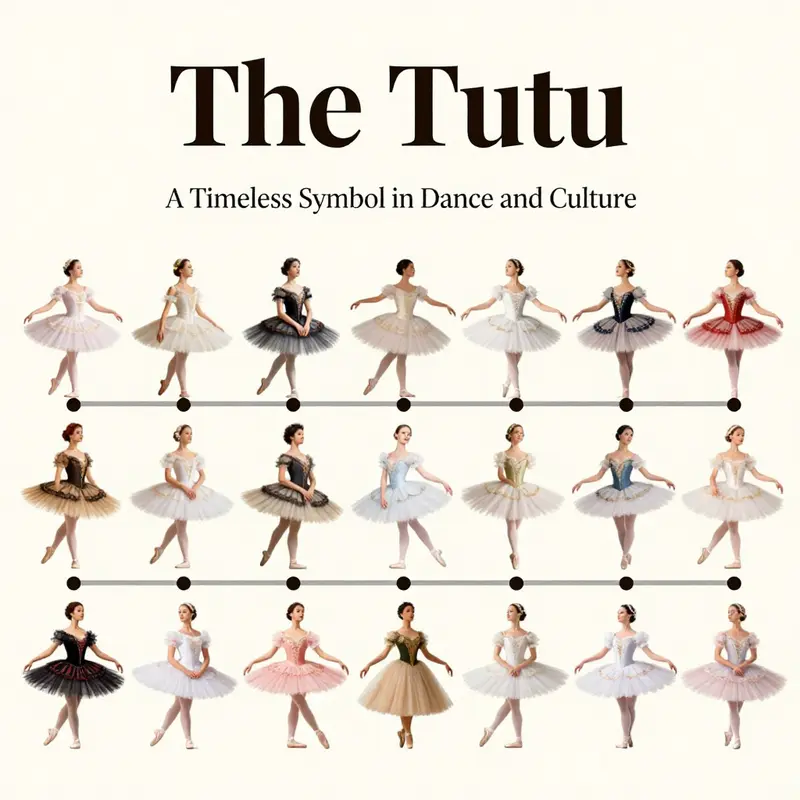
The tutu’s evolution encapsulates a journey that mirrors the changing aesthetics and philosophies of ballet itself. Emerging from the ethereal romance of the early 19th century, the tutu first graced the stages of enlightenment, carried by ballerinas who embodied ghostly figures in the beloved ballet blanc. During this period, artists crafted long, flowing gowns that allowed for an entrancing portrayal of weightlessness and supernatural beauty. Marie Taglioni, a luminary of the Romantic era, entranced audiences while donning these soft skirts, which swirled with every graceful leap and pirouette, creating the illusion of floating. The ethereal quality of these costumes served not only to enhance the dancer’s performance but also to evoke an emotional landscape, enabling the audience to transcend reality and delve into realms of imagination. Thus, the initial form of the tutu was not merely a skirt; it was an essential narrative device that deepened the connection between dancer and observer.
As the 19th century progressed, the ballet realm began shifting from the blissful abandon of Romanticism to a more disciplined and structured artistic form. The turning point arrived towards the late 1800s, when the classical tutu made its grand entrance, heavily influenced by the vision of famed choreographer Marius Petipa. This new iteration was characterized by its short, stiffened skirt, sitting proudly above the hips and creating a sculptural silhouette that accentuated the dancer’s lines. The transition from the flowing, free-spirited tutu to this more rigid design was not merely aesthetic; it reflected the grander ideals of ballet during the Classical period, where precision, technical virtuosity, and athleticism burgeoned. Productions like Swan Lake and The Sleeping Beauty showcased this new style, where every plié and arabesque was amplified by the tutu’s structured form.
The 20th century heralded a new phase in the tutu’s evolution through imaginative interpretations that broke away from traditional norms. A pivotal moment unfolded in 1927, when Russian avant-garde artists Naum Gabo and Antoine Pevsner designed an innovative tutu for George Balanchine’s landmark ballet, La Chatte. Eschewing the expected tulle for modern materials, this new tutu featured a transparent, plastic-like fabric that resulted in a sharp geometric overskirt. This radical departure from tradition challenged not only the aesthetic norms of ballet but also embodied a broader artistic movement striving toward abstraction and modernism. The tutu had transformed yet again, becoming more than just a garment; it was now a fusion of art and engineering, merging fashion with the dynamics of body movement in dance. Gabo and Pevsner’s work demonstrated that the tutu could be a vehicle for artistic expression, merging structural design with cerebral concepts that would inspire future generations of choreographers and designers alike.
The evolution of the tutu did not plateau there, as the fabric of ballet continued to undergo transformations that mirrored contemporary cultural shifts. Today, we find ourselves within an era where tradition harmonizes with innovation. Modern tutu designs often incorporate lightweight fabrics and pioneering techniques that enhance mobility and comfort, allowing dancers to explore their craft with less constraint. Collaborations between contemporary choreographers and costume designers have birthed tutus that incorporate bold asymmetry, experimental colors, and even digital prints, creating bespoke looks that tell as much about the narrative of the performance as the choreography itself.
Even though the iconic bell-shaped tutu remains a symbol of classical ballet, its lineage reveals a story of adaptability and artistic reinvention. From the delicate, flowing skirts that evoked poetic dreams to the rigid forms that demanded disciplined technique, the tutu is a testament to the evolving nature of dance as an art form. It is a living canvas through which the spirit of ballet continues to thrive, showcasing the timeless appeal of this enchanting garment, bridging the past with the limitless potential of the present. As dancers glide across modern stages wearing tutus that showcase both tradition and innovation, they invite audiences to experience the enduring beauty that this iconic garment brings to the world of ballet.
The tutu is not simply a costume but a cultural artifact that captures the essence of ballet’s evolution, serving as a reminder of the artistry inherent in this discipline. Through its many iterations, the tutu has carved an indelible place in the history of dance—a vivid symbol of the transformative power of creative expression, inspiring dancers and audiences alike.
For those who seek to embody the elegance and history of ballet in their own performances or practice, exploring the range of options available can truly enhance one’s experience. The artistry behind every tutu reflects deep-rooted traditions and modern explorations, asserting that the tutu is perhaps more than a piece of clothing; it is the very heart of ballet itself. Discover the wide selection of ballet tutus available at Dada Tutu, where tradition meets innovation in exquisite designs.
2. The Evolution of the Tutu: Innovations and Modern Interpretations
The tutu is one of the most recognizable garments within the world of dance, carrying not just aesthetic value but also deep historical significance. As it has evolved over the centuries, the tutu has mirrored broader artistic trends, practical needs in performance, and the very identities of the dancers who don it. Its journey began in the lavish ballrooms of the 18th century and has gracefully navigated through various stylistic transformations to become a versatile symbol of creativity today.
The origins of the tutu trace back to the late 18th century in France, where it was initially an offshoot of traditional ballet costumes that boasted heavier fabrics and full-length skirts. A pivotal moment in the history of the tutu came with the debut performance of La Sylphide in 1832 by ballerina Marie Taglioni. This performance was groundbreaking, as Taglioni wore a sheer, ankle-length tulle dress that created an impression of swan-like grace while allowing for greater ease of movement. This design not only liberated the dancer from the constraints of prior forms but also accentuated the lyrical and ethereal qualities central to the Romantic ballet era.
As the 19th century progressed, the tutu underwent a significant transformation. By the late 1800s, designers began shortening the skirt, giving rise to the classic tutu as we know it today—characterized by its stiffened silhouette that flares at the waist. This shorter version was crafted from layers of tulle and became necessary for dancers who required heightened mobility and the ability to display intricate footwork, particularly during performances in major ballets like Swan Lake and The Sleeping Beauty. The structural innovation ensured that the lines of the dancer’s body remained visible, allowing audiences to appreciate the intricacies of their technique, especially during challenging pointe work.
With the dawn of the 20th century, the tutu experienced yet another wave of innovation. Ballet itself was evolving, and with this, the visual approach to tutus transformed to match the shifting demands of choreography. Renowned choreographer George Balanchine was instrumental in reinterpreting the tutu, favoring minimalist designs that streamlined the skirt, emphasizing the dancer’s lines and allowing for greater expressiveness. This marked a departure from the ornamented versions of the Romantic era and set a new standard for contemporary ballet attire.
Modern interpretations of the tutu reflect an array of influences, from fashion trends to cultural dialogues. Today’s tutu often showcases bold colors, asymmetrical cuts, and even elaborately mixed materials. Designers are pushing boundaries by incorporating unconventional fabrics like leather or sustainable materials, which contrasts sharply with the traditional use of tulle. These innovations not only enhance the aesthetic appeal but also challenge historical conventions that have long defined ballet attire. The tutu thus becomes not merely a costume but a canvas for artistic expression, capable of reflecting current themes and societal issues.
Moreover, the tutu’s relevance extends beyond the confines of classical ballet. It has transcended its original context, becoming a staple in various forms of performance art and themed events, hence solidifying its status as a versatile and culturally significant garment. Individuals don tutus for dance performances, costume parties, and performances in genres ranging from pop music to contemporary dance, further broadening its reach. The tutu’s narrative has become intertwined with concepts of celebration and self-expression, embodying a spirit of playfulness while showcasing elegance.
As we observe the tutu’s evolution, it is clear that this garment holds symbolic importance embedded within its layers. The interplay of tradition and innovation makes the tutu not just a piece of clothing but a historical artifact and cultural icon. Each iteration tells the story of a dancer, a decade, and a dance style, weaving together narratives of creativity, transformation, and the quest for artistic freedom. This journey encapsulates not just the changes in fashion but also the ongoing dialogue within the arts, where the tutu remains a central character, adapting while maintaining its essence.
For those eager to explore various interpretations of the tutu, an impressive array of styles and designs are available. From classic white tutus to more experimental versions, resources like the one at Dada Tutu offer insights into the garment’s versatility in both traditional and modern contexts. Here, a selection of tutus showcases how this timeless piece continues to resonate in today’s artistic landscapes, reflecting the past while stepping boldly into the future.
Chapter 2: The Artistry Behind the Tutu: Exploring Fabrics and Techniques

1. Unveiling the Fabrics and Construction Secrets of the Tutu
Central to the enchanting world of ballet, the tutu captivates audiences not only through its graceful movements but also through the intricate artistry that goes into its creation. At the heart of this iconic garment lies a variety of materials and construction techniques that define its silhouette, durability, and overall aesthetic appeal. The most recognized of these materials is tulle, a lightweight, sheer fabric that contributes to the tutu’s renowned volume and structure. Traditionally made from silk, nylon, or polyester, each type of tulle brings its unique characteristics to the stage, significantly influencing the performance.
Silk tulle, often associated with high-end tutus, boasts a luxurious sheen and a soft drape, which many dancers and designers adore for its elegant appearance. However, this fabric comes at a premium price and may sacrifice some durability compared to its counterparts. Alternatively, nylon tulle is a favorite among performance tutus for its robustness and ability to maintain the crisp, sculptural quality essential for a dramatic ballet presentation. This resilience allows for a striking full shape that enhances the dancer’s movements, allowing them to showcase their artistry without fear of wear. Lastly, polyester tulle stands out as the most affordable and widely available option, popular among costume designers and DIY enthusiasts alike. While it may not display the same opulence as silk or nylon, polyester still offers versatility for everyday wear or costume use.
In addition to tulle, a tutu may include several other fabrics to enhance its visual allure and comfort. Lace often adorns the bodice or accents the layers of tulle, lending an air of delicacy and elegance—a common choice for lingerie-style tutus where sensuality meets artistry. Another frequent addition is satin, which may feature as a lining or decorative panel, elevating the garment’s overall sophistication and contrast against the soft tulle. Modern designs, particularly for performance or theatrical purposes, often incorporate stretch fabrics such as spandex into the waistband or inner linings. This integration ensures that the tutu fits snugly yet comfortably, allowing dancers to execute challenging choreography without restriction.
The construction techniques employed in tutu-making reveal the careful consideration designers dedicate to both functionality and visual appeal. A traditional ballet tutu is constructed using layers upon layers of tulle, meticulously cut to a uniform size and sewn together at the waist to craft a voluminous, bell-shaped silhouette. In this classic style, each layer may be gathered or pleated, maximizing fullness while ensuring stability. The skillful combination of fabric layering is crucial, as it determines both the performance and aesthetic quality of the tutu. Conversely, lingerie or fashion tutus tend to prioritize fit and intricate detailing, often experimenting with varying lengths, fabric textures, or embellishments like embroidery, sequins, and appliqué.
The method of sewing also varies widely depending on the intended use of the tutu. Hand-sewn pieces often imbue a sense of luxury and custom artistry, which appeals to those in search of a unique garment. These pieces are typically crafted for professional performances or tailored costumes, where meticulous attention to detail is paramount. Conversely, industrial sewing methods dominate mass production, ensuring the creation of durable and visually appealing tutus readily available to the market. Regardless of technique, waistband construction is another essential aspect that supports the overall design. Waistbands can vary significantly in construction, utilizing elastic for easy wear, satin ribbon for aesthetic appeal, or even structured boning for added support and shaping. In professional tutus, hidden closures like zippers or hook-and-eye fastenings provide both security and ease of wear during performances, often going unnoticed amidst the intricate detailing.
For those venturing into DIY tutu construction, the process highlights the simplicity and creative potential of this beloved garment. Crafting a basic tutu involves cutting strips of tulle and gathering them onto a narrow elastic waistband, a technique accessible for various applications—from children’s costumes to themed photo shoots. This foundational method allows for an array of customization in color, style, and volume, celebrating individual expression.
By understanding the materials and techniques that contribute to tutu construction, one can better appreciate both the grace of ballet and the craftsmanship behind each costume. Whether worn in an intimate performance, a playful celebration, or simply embraced as an artistic statement, the tutu remains a captivating embodiment of elegance and creativity in the realm of dance and costume design.
2. Crafting Elegance: Materials and Design Innovations in Tutu Construction
The tutu, a hallmark of ballet that signifies not only elegance and grace but also technical precision, owes much of its iconic status to the careful selection of materials and meticulous construction techniques. At its heart, a professional dance tutu is built from a multi-layered structure predominantly composed of tulle. This lightweight fabric, known for its sheer translucence and stiffness, allows the tutu to maintain its signature silhouette, whether it is the classic romantic style or the more structured pancake silhouette. A prime example can be seen in the 12-layer tulle construction utilized in various ballet tutus, such as contemporary performance models, which balance volume with an ethereal appearance while ensuring durability to withstand vigorous movement during a performance.
Each layer of tulle is meticulously placed and often combined with supportive fabrics, such as spandex and velvet, providing not only flexibility but also necessary body support, particularly in the bodice area. The elasticity of spandex is essential for allowing a dancer to move with freedom, contributing to the fluidity of movement that is foundational in ballet. Velvet, revered for its rich texture and weight, adds an element of sophistication and depth to the tutu’s overall appearance, which is particularly desirable for performances intended to captivate audiences.
In the evolution of tutu design, variations arise to meet both functional demands and aesthetic preferences inherent to different ballet styles and performance contexts. For instance, classical ballet tutus typically feature corset-style bodices that are designed with adjustable lacing, ensuring a tailored fit that promotes confidence in a dancer’s execution of complex routines. The blue lacing accents in certain tutu designs not only serve a functional purpose but also contribute to the visual appeal, creating a look that is both striking and performant.
Conversely, contemporary designs often lean towards structured elements, introducing features such as boning and stretch fabrics within the bodice to maintain the ideal silhouette. This is particularly evident in dramatic styles such as the black and red off-shoulder tutu dresses that capitalize on striking visual contrasts and bold designs. Utilizing satin or patterned tulle for these tutus allows for eye-catching effects, with alternating stripes or intricate patterns that elevate the performance aspect from merely practical to a feast for the eyes.
Tutus crafted for children or festive occasions prioritize comfort without sacrificing aesthetic appeal. For example, during events like Easter egg hunts, lightweight materials such as organza or nylon tulle are commonly employed, allowing for breathability and mobility that is paramount for young children at play. These tutus are often adorned with vibrant sequins, ribbons, or even detachable tails, reflecting the whimsy desired for joyful settings. Such designs not only cater to the playful spirit of childhood but also affirm the versatility of the tutu form, showcasing its ability to transcend the confines of traditional ballet.
As designers craft tutus, they manipulate materials and techniques to achieve intended visual and functional outcomes. Beyond the sheer reputation of tulle, innovations in fabric usage have introduced synthetic fibers, including nylon and polyester, which exhibit higher resistance to wear and tear. This advancement is particularly crucial for professional dancers who demand durability along with beauty, ensuring their costumes can withstand intensive rehearsal and performance schedules. The choice of these high-quality materials ensures that the demanding standards of stage performance are met without compromising on the integrity of the tutu.
The artistry involved in tutu construction is evident in the way each design variation is tailored for its purpose. From the strict forms of classical ballet that require unyielding support and symmetry to the expressive flair of modern interpretations that seek to push visual boundaries, the craftsmanship in creating a tutu is both a science and an art. Each piece is engineered not merely for aesthetics but to allow the dancer to embody the character they portray, moving with the freedom required by choreographed routines.
Thus, the tutu is more than just a garment; it is an embodiment of the dance art form that celebrates creativity, technical skill, and historical legacy. Its evolution reflects broader changes in performance aesthetics while maintaining the core principles that make ballet a timeless expression of beauty and grace. Dancers clad in tutus—whether on stage performing the delicate notes of a classical score or the energetic beats of modern music—demonstrate the interwoven narrative of tradition and innovation that the tutu encapsulates, where each layer and stitch contributes to a spectacular performance. Explore a variety of tutu designs and styles here, and immerse yourself in the artistry that defines this exceptional costume.
Chapter 3: The Timeless Elegance and Cultural Legacy of the Tutu in Ballet Performance
1. The Tutu’s Cultural Iconography: A Symbol of Artistic Expression and Femininity in Ballet
In the realm of ballet, the tutu transcends its physical form to become an emblematic cultural icon steeped in history and artistic expression. This elegant garment, characterized by its intricate layers and ethereal fabric, has evolved alongside ballet itself—mirroring both the art’s historical contexts and societal changes. Originating in the early 1830s, the tutu came to prominence during the Romantic ballet era, where its significance extended beyond aesthetics to embody the very ideals of grace and femininity that have come to define ballet.
The early designs, crafted from soft tulle and typically knee-length, were meant to evoke feelings of wonder and fantasy. This romantic period in ballet emphasized emotional depth and supernatural themes, which were beautifully conveyed through the flowing lines of the tutu. Dancers needed costumes that would enhance their movements while also serving as a visual representation of their characters. Iconic ballets like Swan Lake and The Sleeping Beauty feature the tutu prominently as a testament to its vital role in storytelling through dance. The purity and innocence of the lead characters, often portrayed in pristine white or pastel tutus, further cemented the garment’s association with feminine grace and beauty.
With the advent of the 20th century, the tutu underwent a significant transformation that mirrored fundamental changes in ballet choreography and training. The classical or ‘full’ tutu emerged, a shorter, stiffer iteration that facilitated greater movement freedom and allowed dancers to showcase their athleticism within the confines of a visually arresting form. This evolution not only marked a technical advancement but also illustrated ballet’s shift towards a more rigorous aesthetic, celebrating strength as much as grace. Today’s tutus retain their iconic silhouette while integrating various innovations, from the use of synthetic materials to diverse colors and designs—each one serving as a reflection of the dancer’s individual artistry and the personality of the performance.
The tutu’s significance extends beyond the ethereal confines of ballet. It has transcended the stage to become a versatile cultural artifact, embraced within popular culture. Whether donned for themed events, dance competitions, or fashion statements, the tutu has become a playful symbol of whimsy and delight. Its emergence in non-traditional contexts, such as costume parties or avant-garde performances, showcases its adaptability and relevance. This cultural permeation illustrates how the tutu embodies more than just a ballet component; it encapsulates the broader narrative of celebration, femininity, and artistic freedom across diverse settings.
Despite its broad acceptance, the tutu has ignited discussions within the ballet community regarding authenticity and artistic integrity. Some choreographers advocate for period-specific costumes when reviving classical works, emphasizing adherence to historical accuracy over the widespread appeal of the contemporary tutu. This debate highlights the delicate balance between tradition and innovation inherent in any evolving art form. Tutu designs may vary, yet their ability to spark discourse about the past, present, and potential future of ballet underscores their significance as key cultural signifiers.
At its core, the tutu remains a powerful symbol of femininity, discipline, and artistic excellence. It embodies the intricate relationship between technical skill and emotional expressiveness—two pillars that hold ballet aloft. When dancers don their tutus, they do not merely wear a costume; they embrace a legacy that has been painstakingly crafted over centuries. The tutu’s layered fabric choreographs not only physical movement but also stirs the imagination of audiences, inviting them into a world where grace and athleticism unite in beautiful harmony.
As we delve deeper into the history and evolution of the tutu, it is essential to appreciate its role as a crucial narrative device that has shaped not just how ballet is performed but how it is perceived. From the delicate, romantic tutus of the 19th century to today’s dazzling array of styles, the tutu continues to inspire wonder and admiration, ensuring its place as a perennial favorite in both the performance arena and cultural consciousness. This multifaceted garment has grown beyond being merely a part of a dancer’s attire; it serves as a dynamic expression of identity and artistry, firmly rooted in the tradition of ballet while embracing modern interpretations. For those interested in exploring the stunning designs that continue this tradition—from classical to contemporary tutus—consider browsing Dada Tutu, where numerous creations await.
Indeed, the tutu is not just a skirt; it is a testament to the endurance and evolution of ballet as an art form, echoing the whispers of history while continuing to dance into the future.
2. The Dynamic Dance of Form and Function in the Tutu
The tutu serves a dual purpose in ballet, merging the elements of aesthetic appeal and technical support in performance. Constructed predominantly from multiple layers of tulle, this iconic garment embodies both tradition and the relentless evolution of ballet attire. The light, stiff nature of tulle allows the tutu to maintain its shape while enabling an extraordinary range of motion. When dancers perform, the unique structure of the tutu amplifies the visual effects of their movements, providing a marvelous spectacle that accentuates every turn, leap, and extension. The result is not merely a dynamic interaction between dancer and costume, but a beautiful portrayal of the art form itself, blending grace with athleticism.
Historically, the tutu has undergone significant transformations, reflecting the changing tastes and technical requirements of ballet over the centuries. The classic version, often floor-length, was designed to convey elegance and formality. However, as ballet evolved through the 19th century, shorter tutus became prevalent, particularly in iconic performances like Swan Lake and The Sleeping Beauty. These modern iterations—the short or romantic tutu—found their footing not only in aesthetics but also due to the practical demands placed upon dancers.
The contemporary tutu features internal support systems to ensure its longevity and performance efficiency. Dancers often benefit from custom-fitted tutus tailored to their specific body shapes and styles, marrying comfort with artistic expression. A properly fitted tutu enhances confidence on stage, allowing dancers to focus solely on their performance. As noted in industry literature, “Each dancer has a unique body shape and performance style, making a custom-fitted tutu a significant enhancement to both performance quality and artistic expression.” Thus, the technical aspects of a tutu do not simply serve the purpose of clothing but form a vital component of the dancer’s toolkit, pushing the boundaries of artistic capabilities.
The materials chosen for tutus are as crucial as the design itself. Tulle is beloved for its ethereal quality, which translates into a fluid silhouette that captivates audiences. Additionally, variations may incorporate organza or silk, which not only enhance the visual appeal with their sheen but also ensure durability under the lights and heavy use. Reinforced seams, elasticized waistbands, and satin linings work together to maintain the tutu’s aesthetic allure while enabling high-impact ballet movements. The resulting garment must withstand the rigors of numerous performances, keeping its form intact while supporting the dancer’s elaborate choreography.
Furthermore, the tutu embraces diversity in style and embellishment. From sportswear influences to theatrical interpretations, tutus can include intricate beadwork, stitching, or draping that reflects the era or the thematic demands of the dance piece. Contemporary choreographers may opt for unconventional designs to either pay homage to romantic traditions or to create a stark contrast between movement and attire. For example, a tutu portrayed in a modern-day reimagining of a classical piece might incorporate elements that challenge the fabric’s historical context while remaining true to its roots.
Beyond the stage, the tutu’s versatility extends into dance education. Young dancers often wear flowing skirted ballet dresses during classes and recitals, a simpler observance of tutu principles. These ballet skirts accent the lines of the body without the rigidity of a full tutu, allowing for a more flexible exploration of movement. The balance of elegance and fluidity they provide is essential in nurturing budding talent, allowing young dancers to understand the fundamental forms of ballet while enjoying the artistic visual enhancements a tutu can offer.
Ultimately, the technical aspects of the tutu signify more than just a dance costume. They represent a confluence of artistry, technology, and performance necessity intertwined within the ballet tradition. This iconic skirt is essential for elevating the dancer’s performance, manifesting the grace and precision that ballet embodies. As the world of ballet continues to evolve, the tutu remains a steadfast symbol of beauty and technical prowess, reflecting the ongoing dialogue between tradition and innovation in dance. It invites us to appreciate the intricate balance between support and artistry, enriching the experience for both the dancer and the audience alike, making the tutu a true masterpiece in the performance landscape. For those looking for exemplary tutus, this collection showcases various options highlighting these intricate designs and their functional benefits.
Chapter 4: The Tutu in Today’s Dance: A Canvas for Expression and Identity

1. The Evolution of the Tutu: Redefining Grace in Contemporary Dance
The tutu, a quintessential element of ballet, has undergone substantial transformation in the realm of contemporary dance, evolving into a vibrant symbol of self-expression and cultural commentary. No longer restricted to the pages of classical ballet’s narrative, the tutu now serves as a versatile garment that adapts to and reflects the complexities of modern performance art. This metamorphosis is primarily driven by a generation of choreographers and artists who challenge traditional aesthetics, pushing boundaries to explore themes such as identity, gender, and societal roles.
At the heart of this evolution lies the deconstruction and reimagining of the tutu. Contemporary choreographers often manipulate the traditional silhouette, introducing asymmetry and varied lengths that defy expectations. Instead of the conventional circular skirt, artistic creators embrace alternative structures, utilizing innovative materials such as mesh, leather, or even recycled textiles. This departure from the norm not only enhances the physical aspects of dance but also allows for richer visual storytelling. For instance, the stillness of a stiff tulle skirt can be transformed into a dynamic, flowing narrative when paired with materials that move freely, echoing the expressive potentials that contemporary dance seeks to harness.
Notable figures in this experimental space, like William Forsythe and Crystal Pite, exemplify how minimalist designs can disassociate the tutu from its historical connotations of innocence and fragility. Forsythe’s choreography often infuses the tutu with vigor and strength, forcing audiences to reconsider what the costume represents. Similarly, Pite’s works juxtapose the tutu against themes of identity and transformation, emphasizing the garment as a vehicle for powerful, poignant expressions of personal and societal narratives. Such interpretative approaches redefine how audiences engage with the tutu, inviting them to witness not just physical movement but the intricate nuances of human experience conveyed through dance.
Moreover, the tutu’s reinvention transcends mere aesthetic upgrades. Its presence in contemporary dance has sparked critical conversations about gender and societal roles, challenging the “tutu stigma” that historically associates this garment exclusively with femininity and passivity. As modern artists integrate the tutu into their choreography, they employ it as a metaphor to critique and question pervasive gender expectations. Within this framework, the tutu transforms from a mere decorative apparatus into a powerful symbol of agency and defiance. In performances that spotlight themes of empowerment, dancers embrace the tutu not as an indication of delicate poise but rather as a statement of autonomy and strength.
This cultural lexicon surrounding the tutu allows for a broad spectrum of interpretations, expanding its significance beyond traditional ballet narratives. Contemporary works frequently tackle layered issues, portraying characters that are multifaceted rather than static, reflecting shifts in societal values that prioritize intellect, agency, and emotional depth over superficial beauty. As such, the tutu becomes a canvas for complex narratives about autonomy, identity, and social commentary, challenging audiences to look beyond the fabric and consider the profound stories woven into the performance.
In its current form, the tutu serves not simply as a costume but as a device for exploration and expression. This shift in perception acknowledges that contemporary dance is not merely about movement; it is a means of conveying diverse experiences and fostering dialogue around pressing social issues. The tutu now stands at the intersection of tradition and innovation, embodying the spirit of rebellion inherent in many contemporary works that seek to reclaim and redefine familiar tropes.
As we contemplate the future of the tutu in performance art, it is apparent that its role will continue to evolve. In a world increasingly attuned to the dynamics of self-identity and cultural representation, the tutu’s potential for adaptation will be influential. With each new iteration, artists find fresh ways to interpret and use the tutu, allowing it to shift seamlessly between the realms of the personal and the political.
For those interested in diving deeper into this fascinating evolution, resources such as “Debunking the Modern ‘Tutu Stigma’” from BBC Culture offer critical insights into how artists leverage the tutu in their work, further emphasizing its complexity in the modern era. The tutu, as it stands today, is not just a garment; it has become an emblem of the fluidity of expression, reflecting the vibrant and ever-changing tapestry of contemporary dance.
2. The Tutu Reimagined: A Dance Between Elegance and Everyday Style
The tutu, a cornerstone of ballet attire and an enduring icon of elegance, has gracefully transitioned from the confines of the theater to a vibrant presence within modern fashion and lifestyle. Representing far more than a mere garment, it epitomizes a playful spirit and artistic expression that resonates through its myriad interpretations. In today’s world, the tutu stands at an intersection, embodying a fusion of whimsy, sensuality, and dramatic flair that captivates designers and wearers alike.
Historically, the tutu has held a privileged position in ballet, conjuring images of prima ballerinas dancing effortlessly upon stage. Yet, as the realms of fashion have evolved, so too has the tutu, adapting to contemporary tastes with innovative materials, dynamic silhouettes, and avant-garde interpretations. Savvy designers have begun to integrate unconventional elements such as feather embellishments and bold color palettes, breathing fresh life into this classic form. The result is a collection of breathtaking adaptations that retain the tutu’s original charm while expanding its appeal into everyday fashion.
This metamorphosis extends beyond the performance space, where the classic tutu once held sway. Now, it appears in a multitude of contexts, including high-fashion runways, casual ensembles, and themed costume parties. Fashion weeks across the globe showcase reimagined tutus that flirt with practicality. Designers unveil skirts that combine tulle with other fabrics, creating layers that dance gracefully around the body while allowing mobility in everyday life. These hybrids blend the signature voluminous silhouette with street style, proving that the tutu is not merely a relic of ballet but a versatile and engaging option for any wardrobe.
Interestingly, the tutu’s playful nature translates beautifully into intimate apparel, where feminine aesthetics meet flirtatious designs. Boudoir outfits often take cues from ballet’s most famous skirt, marrying the tutu’s structure with lingerie-inspired elements. This combination results in garments that evoke a sense of romance and allure, perfect for those special evenings or intimate photographs. Such reinterpretations not only honor the tutu’s history but also reinvent it as a celebration of femininity in a more personal context.
Moreover, the tutu’s reach extends into the realms of themed celebrations and lifestyle fashion. From costume events to parties, variations like “army tutu skirts” or “rainbow tutu skirts” have emerged to fill a niche, encouraging individuals to express their unique identities through colorful attire. Each of these adaptations offers not just a costume but a mode of expression, inviting wearers to play with their persona and engage in creative self-presentation. The tutu’s layered structure and vibrant colors evoke joy and excitement, making it an ideal choice for celebrations, performances, or even casual gatherings.
In the luxury line, classic black and white tutus manifest as elegant statements for formal occasions, proving the timelessness of this silhouette. When worn for galas or masquerade balls, these tutus exude sophistication, allowing wearers to channel their inner prima ballerina while standing out in the crowd. Careful consideration is often given to tailoring and fit, underscoring the importance of craftsmanship in presenting this iconic garment at its best. The black and white tutu, far from being merely an old tradition, continues to evolve, igniting new inspiration in how we approach high fashion and formal wear.
Yet perhaps the most compelling aspect of the tutu’s evolution is its ability to tell stories and evoke emotions. Through colors, textures, and designs, contemporary tutus capture a narrative, whether it be one of bold individuality with vibrant shades or a sense of nostalgic elegance through classic palettes. The tutu remains a canvas for self-expression, celebrating the wearer’s personality while bridging the gap between the worlds of performance and fashion.
As designers and wearers alike continue to embrace the tutu’s rich heritage while reimagining its role, we witness a cultural icon at the peak of its versatility. The tutu, as it adapts and evolves through the ages, stands as a testament to how traditional elements can find relevance and revitalization in modern contexts. From the ballet stage to casual wear, and from high fashion to intimate moments, the tutu thrives in its ability to inspire creativity and innovation, proving that even the most iconic expressions of grace can undergo transformation to remain ever-relevant.
For further exploration of the reducing boundaries of the tutu in modern fashion, consider examining this detailed analysis of its evolution and application in cultural contexts here.
Chapter 5: The Tutu’s Transformation: Empowering Gender Expression and Redefining Performance Art

1. The Tutu’s Role in Challenging Gender Norms and Redefining Performance Art
The tutu, synonymous with the elegance of ballet, has experienced a remarkable evolution, transforming from a symbol of delicate femininity to a powerful statement of gender expression and artistic rebellion. Historically, the tutu emerged in the 19th century as part of the romantic ballet costume, capturing the collective imagination with its airy layers and ethereal silhouette. This iconic garment was designed to accentuate the graceful movements of female dancers, embodying an ideal of fragility and beauty that aligned with the societal expectations of women during that era. The tutu in productions such as Giselle and Swan Lake reinforced the archetype of the passive, dependent female, perpetuating expectations that women should epitomize purity and demureness.
However, as societal perspectives on gender and identity began to shift, so too did the significance of the tutu. In the contemporary dance landscape, visionary choreographers and dancers have revitalized the tutu, using it as a platform for self-expression and empowerment. By diversifying its design—whether through asymmetrical cuts, vibrant colors, or experimental materials—artists challenge the traditional narrative surrounding this garment. Modern tutus often serve as a canvas to communicate individuality, breaking free from the conventions that once bound them. This metamorphosis reflects a growing acceptance that performance art should resist categorizations and norms, aligning itself more closely with fluid expressions of identity.
Moreover, performance art’s recontextualization of the tutu transcends traditional gender boundaries. Male dancers wearing tutus disrupt the conventional expectations of masculinity, showcasing the performative aspects inherent in gender itself. This does not merely entertain but prompts audiences to reevaluate ingrained stereotypes about gender roles, making visible the often-ignored multiplicity of identity. The tutu transforms into an emblem of liberation, illustrating that femininity and masculinity are not rigidly defined but are interconnected and fluid.
In recent years, the cultural significance of the tutu has transcended the ballet stage, infiltrating various avenues of performance and popular culture. Wearing tutus in music videos, fashion shows, and protests has propelled this garment into the global consciousness, challenging audiences to recognize its symbolic power. Notably, during Pride events, tutus adorned with rainbow colors have emerged as symbols of LGBTQ+ pride and resistance against traditional norms. This reclamation transforms the tutu from a mere theatrical costume into a vibrant emblem of celebration and defiance.
The tutu’s appearance in feminist art further underscores its evolving identity; artists utilize this garment to critique entrenched patriarchal structures, rebirthing a symbol once associated with passivity into one of active resistance. This renewed vigor characterizes the tutu as a tool for dialogue, fostering discussions about gender, identity, and the boundaries of acceptable expression in the arts. As artists and performers reimagine the boundaries of gender through their interpretations of the tutu, they contribute to a broader cultural discourse that prioritizes inclusivity and diversity.
Fuelled by contemporary feminist movements and fluid gender identities, the tutu is now a beacon of agency that encapsulates the fight against restrictive norms. It speaks to an urgent need for authentic representation and freedom in the arts and society. As we witness the reconceptualization of the tutu, it becomes clear that this garment embodies more than mere aesthetics; it represents the spirit of transformation and resilience, a testament to the power of art as a means of social change.
Through this lens, the tutu continues to implicate itself in various dialogues about identity, agency, and the body in public space. Artists today refuse to adhere to historical constraints, instead opting for innovative expressions that resonate with the complexities of modern identity. The tutu, serving as a vital signifier, champions the recognition of diverse identities and the necessity of evolving cultural narratives.
The garment has thus become a part of the lexicon for contemporary social movements, indicating a collective yearning for recognition and authenticity in artistic expression. The tutu is not just a story of ballet but a cultural artifact that reflects the trials and triumphs of gender dynamics, revolutionizing the ways in which society perceives performance art. As we navigate through an increasingly varied landscape of identity, the tutu’s journey from the confines of the ballet stage to the forefront of gender discourse illustrates its enduring relevancy and transformative power.
For those exploring the diverse interpretations of dance attire and their implications in modern performance, it is enlightening to examine how the tutu adapts and thrives in various contexts. The tutu stands as an invitation to join the conversation, allowing each individual to attach their narrative to this once-ordinary garment, reshaping its destiny into one of empowerment and expression.
2. The Tutu’s Cultural Legacy: A Tangle of Fashion Traditions and Social Commentary
The tutu transcends its initial identity as an article of clothing for ballet, evolving into a profound cultural artifact that encapsulates historical shifts in fashion, gender dynamics, and the intricate dance between cultural expression and appropriation. Its status as a symbol of femininity and grace was firmly established during the Classical and Romantic periods of ballet, providing an intriguing intersection of artistry and societal ideals. Designed to accentuate the virtuosic leg movements of dancers, the tutu ultimately became an emblem of the ethereal qualities associated with the ballet world, particularly through iconic performances in classics like Swan Lake and The Sleeping Beauty. These works not only reenforced the aesthetic of movement but also solidified the tutu’s ties to an idealized femininity—characterized by purity and elegance—which resonated deeply within societal norms of beauty and behavior.
The tutu’s journey from stage to everyday culture showcases its commercialization, which profoundly impacted its cultural significance. This garment has been co-opted into mainstream markets, becoming a staple of “princess culture” marketed to young girls. The tutu appears in costumes for birthday parties, Halloween events, and various celebrations, presenting it as an object of fantasy rather than a sophisticated component of a rich artistic legacy. This commercialization is a double-edged sword; while it democratizes ballet and invites new generations to engage with the art form, it often strips away the complexity and discipline inherent in the practice of ballet. As a result, the tutu risks being reduced to a mere symbol of innocence and girlhood, overshadowing the rigorous commitment and artistry that the tutu originally represents.
Compounding this issue are the broader societal implications tied to female identity. The tutu has been molded into a representation of an orientalized femininity that prioritizes appearance over the strength and agency displayed by dancers. The character of the ballerina is often subsumed under the cultural narratives that encourage passivity and a narrow definition of womanhood, perpetuating stereotypes that influence how women perceive themselves and are perceived by society. This reductive view limits the tutu to a visual shorthand for a kind of femininity that is agreeable yet ultimately diluted of its underlying power, a critique echoed in various feminist discourses.
As we explore the tutu within the realms of cultural appropriation, the complexities grow more intricate. This iconic garment, originating in Western European ballet traditions, has been both embraced and modified by diverse cultures across the globe. Instances abound where the aesthetic of the tutu has been employed in various forms of performance art or fashion, often lacking context or acknowledgment of the deeper cultural significances from which these adaptations arose. For example, embodying an exoticized fusion between ballet and other traditional dress forms can lead to misunderstandings and misrepresentations. The term ‘ballet-inspired’ can conflate different cultural styles, stripping them of their origin and significance in favor of an homogenized look favoring Western ideals of beauty.
This phenomenon cultivates a disturbing cycle where Western aesthetics are often seen as superior or more favorable, creating a colonial narrative that continues to undermine the cultural identities of non-Western peoples. Such dynamics raise questions about ethical considerations in the fashion and performance art sectors. Artists and designers using elements inspired by the tutu must critically engage with the histories of these forms, recognizing their roots and ensuring that their appropriations are executed with sensitivity rather than ignorance.
Ultimately, the tutu serves as a multifaceted symbol—its history encapsulating artistic innovation and cultural commentary, revealing the complexities of how traditions adapt and survive in a globalized world. Its significance oscillates between a cherished element of dance heritage and a contested piece of cultural identity, highlighting broader societal conversations surrounding gender representation, commercialism, and cultural exchange. Thus, while the tutu might appear in a myriad of cinematic and cultural spaces, understanding its full implications necessitates a recognition of the social forces at play that shape its ongoing legacy. The evolution of the tutu reflects not only the history of ballet but also the nuanced societal values regarding beauty, femininity, and cultural ownership that continue to resonate today.
Final thoughts
The tutu, much more than an emblematic piece of ballet attire, reflects a rich tapestry of history and cultural evolution. From its origins to its modern interpretations, the tutu has remained a vital symbol of art and expression in dance and beyond. Understanding the intricate details of its construction and performance relevance provides insight into its significant role in not just ballet but in cultural symbolism as well. As business owners, embracing the tutu’s legacy can inspire creative projects, fashion lines, and performance art that resonate with audiences and clients alike.
Elevate your dance with premium, comfortable balletwear from luneballet.com! Designed for grace and performance, our pieces blend quality fabrics and timeless style. Whether you’re a beginner or a pro, shop now to find your perfect fit—step into confidence, express your art, and shine on stage. Explore our collection today!
About us
At luneballet.com, we’re passionate about crafting exceptional balletwear for dancers of all levels. With a focus on quality, comfort, and elegant design, we produce pieces that support movement and inspire confidence. Our mission is to provide reliable, stylish dancewear that helps you embrace your passion and perform at your best.