
Introduction
Tutu School redefines early dance education with an approach that combines storytelling, creativity, and structured movement. Focusing on children aged 6 months to 8 years, Tutu School positions itself as a gateway to the enchanting world of ballet. Through imaginative classes designed to engage young minds and bodies, the curriculum nurtures both artistic expression and physical development. The school’s classes not only introduce foundational ballet techniques but also foster a love for the art form through engaging narratives and playful movements. Across various locations, Tutu Ballet School ensures accessibility and community presence, making quality ballet education available to diverse families. This article delves into three key areas: the unique curriculum and class structure that facilitate joy and learning, the strategic locations that enhance accessibility, and the profound impact on children’s early development. Each chapter unpacks critical insights into how Tutu Ballet School contributes to the holistic growth of young dancers.
Tables of Contents
Chapter 1: The Foundations of Ballet Education at Tutu School: A Unique Approach to Young Dancers
- A Journey Through Imaginative Learning: The Curriculum and Class Structure of Tutu Ballet School
- Curriculum and Class Structure at Tutu Ballet School: Weaving Imagination into Technical Mastery
Chapter 2: Connecting Young Hearts: The Availability and Reach of Tutu Schools Across America
- Exploring the Accessibility and Locations of Tutu Ballet Schools Across the United States
- Understanding the Socioeconomic Landscape Surrounding Tutu Ballet School Locations
Chapter 3: Fostering Physical and Creative Growth Through Ballet Education
- Movement, Imagination, and Early Learning: The Transformative Role of Tutu Ballet School
- Elevating Connection and Expression: How Tutu Ballet School Cultivates Social-Emotional Skills in Young Dancers
Chapter 1: The Foundations of Ballet Education at Tutu School: A Unique Approach to Young Dancers
1. A Journey Through Imaginative Learning: The Curriculum and Class Structure of Tutu Ballet School
At Tutu Ballet School, the curriculum is a carefully constructed journey designed for young dancers aged 6 months to 8 years, merging fundamental ballet training with imaginative play. The school believes that ballet is not merely a series of steps or positions; rather, it is a gateway to creativity, storytelling, and confidence-building that lays the foundation for a lifelong love of dance. This philosophy is embedded in their structured class format, where each session not only emphasizes the beauty of ballet but also the joys of movement and expression.
Classes at Tutu School are typically 45 minutes long, guided by attentive teachers who are not only skilled in ballet, but also proficient in engaging young minds. The format is purposeful, designed to maximize the impact of each session while maintaining a sense of urgency and excitement. During these lessons, teachers focus on establishing a consistent environment that fosters trust and creativity, ultimately allowing students to thrive both personally and artistically.
Each ballet session incorporates a structured approach to attendance tracking and essential membership inquiries, reinforcing a sense of responsibility in young dancers. This careful attention to administrative details mirrors the discipline inherent in ballet while ensuring that each student receives individualized attention. As children enter the studio, they are greeted not only with welcoming smiles but with an atmosphere filled with enthusiasm and wonder.
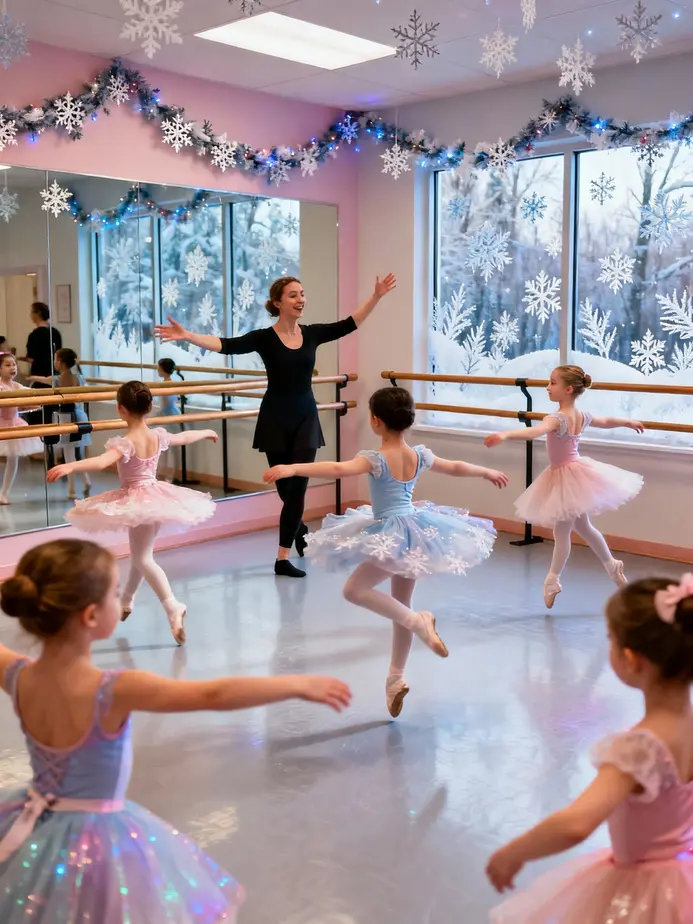
One of the standout features of the Tutu Ballet School curriculum is its thematic focus, which aligns closely with intellectual and imaginative development. For instance, winter-themed classes might feature routines that explore the beauty of falling snow, where children learn ballet through movements mimicking twirls and jumps akin to snowflakes drifting gracefully from the sky. Such themes cultivate imagination at an early age, encouraging children to visualize their movements within captivating stories.
Throughout the curriculum, emphasis is placed on basic ballet techniques, but these are interwoven with playful elements that enhance learning. Twirls become playful pirouettes, jumps transform into grand leaps toward imaginary adventures, and even simple gestures, such as “sparkle fingers,” are infused with a sense of magic and wonder. These movements not only serve to entertain but also assist in developing the physical skills necessary for ballet, improving coordination and body awareness in a fun setting.
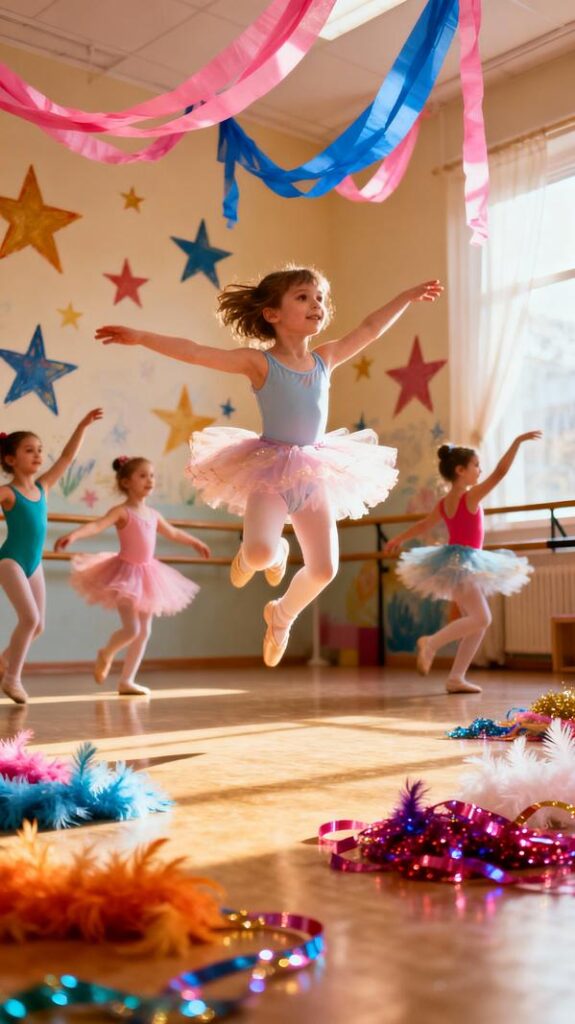
Tutu School’s commitment to age-appropriate education is crucial, ensuring that each child is met at their developmental stage. For instance, classes for the youngest dancers (ages 6 months to 3 years) emphasize foundational movements through exploratory play. While they may not be performing conventional ballet moves, they gain essential skills by dancing with scarves, playing with bubbles, and engaging in activities that promote gross motor development in a supportive, joyful environment. Older children, on the other hand, gradually receive more specialized instruction that relates directly to classical ballet techniques, heightening their understanding and appreciation of the art form.
The curriculum also includes opportunities for socialization among peers. Through collaborative exercises, children learn the value of partnership and teamwork. These social interactions help bolster communication skills and foster friendship, creating a supportive community within the studio walls—an essential aspect of growth that goes beyond dance alone. As students bond over shared experiences, they cultivate a culture of encouragement that underscores their journey in ballet.
While the available data does not delve deeply into potential creative integrations or alternative dance styles, what stands out is the school’s staunch emphasis on structured learning. Instead of incorporating external dance forms such as breakdancing or contemporary movement, Tutu School opts to keep its focus firmly within the realm of ballet. This decision ensures that students receive a solid foundation in classical ballet techniques without the distractions that might dilute their learning experience. By prioritizing ballet as the main focus, instructors skillfully guide students through critical elements such as rhythm, posture, and artistic expression vital to the classical dance form.
The overarching teaching philosophy at Tutu School resonates with families seeking a nurturing introduction to ballet. For many, enrolling their child in ballet is less about competition or performance ability, but rather about fostering a creative outlet and cultivating self-esteem. The structure of Tutu School’s classes encourages children to explore their unique expressions without the pressures often found in traditional dance schools. Music, storylines, and movements all combine to manifest a singular learning experience, where classes feel less like a chore and more like an enchanting adventure.
This focus on holistic learning is particularly beneficial as it aligns with broader educational philosophies that prioritize comprehensive development. By integrating elements of play and creativity within ballet training, Tutu School aligns itself with movements in education emphasizing the intertwining of artistic expression and other developmental domains. Critical thinking, creativity, and emotional awareness are all fostered in each class, signaling a move towards nurturing well-rounded individuals rather than mere dancers.
The transition between different levels of instruction at Tutu School is seamless, with teachers carefully monitoring progress to ensure that children advance correctly through skill sets while enjoying the training process. Each level builds upon the previous one, incorporating previously learned techniques while introducing new challenges in a supportive, non-competitive environment. This thoughtful progression allows young dancers to feel a sense of accomplishment and pride as they move from one stage to another, continually inspired by their teachers’ guidance and the magic of dance.
Moreover, for parents, Tutu School provides ample opportunity to observe their children’s learning journeys through open classes and performances. These moments enable families to appreciate the dedication and effort on display and affirm the importance of connecting home life with the experiences their children have in the studio. In doing so, parents become part of the educational process, solidifying the value of such interactive experiences.
Overall, the curriculum and class structure at Tutu Ballet School reflect a profound understanding of early childhood education intertwined with the beautiful art of ballet. The focus on story-driven instruction, imaginative play, and structured learning creates an engaging environment that nurtures a love for dance. The carefully curated curriculum acts as a passport to a world of beauty, movement, and creativity—all essential components that make Tutu Ballet School a cherished introduction to the ballet experience. Whether children are taking their first steps into dance or honing their technique, Tutu School embodies a commitment to fostering not just exceptional dancers, but also confident and creative individuals ready to take on the world.
For those interested in further enhancing their child’s ballet experience, resources and decorative outfits can be found at local specialty shops, showcasing beautiful ballet tutus and costumes. This adds an element of excitement, making each child’s journey in ballet not just educational, but also visually captivating. With a commitment to maintaining high standards in both education and equipment, Tutu Ballet School stands out as an exemplary institution in the landscape of ballet training for young children.
2. Curriculum and Class Structure at Tutu Ballet School: Weaving Imagination into Technical Mastery
At Tutu Ballet School, the curriculum and class structure are thoughtfully designed to ignite a passion for ballet in young learners while ensuring a solid foundation in technique. Catering specifically to children aged 6 months to 8 years, Tutu Ballet School recognizes the innate curiosity and creativity of this age group, seamlessly integrating imaginative storytelling with classic ballet training. This unique approach not only teaches the fundamentals of dance but also nurtures the development of social skills, emotional intelligence, and self-expression.
The classes at Tutu Ballet School are structured around engaging, themed storytelling that serves as a backdrop for technique drills. This initiative ensures that each lesson goes beyond mere technical practice. For instance, while learning to execute a basic plié or tendu, children may find themselves transported to the snowy realms of a winter ballet routine, where each movement is accompanied by the narrative of a delicate snowflake or a joyful child playing in the snow. This method of learning allows students to embody the characters of the stories, connecting their movements with emotions and creative imagery, making each session a delightful adventure.
Throughout the school year, the curriculum is designed with seasonal themes and performance opportunities in mind. Thematic lessons shift with the seasons—introducing classes revolving around spring blooms, summer fun, autumn leaves, or winter wonderlands. This variability keeps students excited and engaged, effectively addressing the challenge of maintaining young children’s attention in a structured learning environment. For example, during the spring months, children might engage in dances that mimic butterflies fluttering or flowers blooming, integrating these concepts through accompanying movements such as twirls, jumps, and gentle sways.
Ballet classes typically commence with a warm-up that blends traditional techniques with playful choreographies. The warm-up routine encourages flexibility and strength, prerequisites for any young dancer, but it also offers opportunities for improvisation. Instructors might invite students to come up with their own movements that depict specific animals or objects related to the class theme. This focus on creativity encourages children to listen to their bodies, explore their capabilities, and communicate through movement, laying the groundwork for their development as both dancers and imaginative individuals.
As students progress, they are gradually introduced to more structured ballet terminology and techniques. By fostering an environment of curiosity, Tutu Ballet School empowers children to ask questions and explore dance in a community setting. Classes are kept to a manageable size, allowing instructors to offer personalized attention and ensure each child feels seen and appreciated. Through this connection, instructors can refine a student’s technique while upholding their enthusiasm for learning.
In addition to teaching pure ballet technique, Tutu Ballet School places emphasis on developing creativity and collaboration among peers. Students often engage in group projects or pair work where they must create a short dance piece together based on prompts given by their instructors. This initiative not only builds teamwork skills but also teaches children how to articulate their ideas and express themselves through collaborative movement, which can be hugely rewarding.
The school also embraces the importance of performance in its curriculum. Each term culminates in a showcase that allows students to present what they’ve learned to friends and families. These performances offer children a platform to shine and display their growth in a supportive environment. The excitement and anticipation surrounding these events motivate students to practice diligently, while also reinforcing the concept that dance is meant to be shared and celebrated.
Free trial classes serve as a vital entry point for new students, allowing them to experience the Tutu Ballet School’s unique approach without commitment. These trials showcase the fundamental elements of their curriculum. Young children can delve into thematic movements while parents are introduced to the supportive, nurturing environment of the school. This connection between parents and instructors is central to Tutu Ballet School’s philosophy, making sure that the dance journey is a shared and community-oriented experience.
Moreover, every class incorporates age-appropriate constraints that familiarize children with ballet’s foundational aspects while ensuring the experience is joyous and liberating rather than restrictive. The nurturing quality of the instructors shines through as they lead students through each dance journey, promoting an atmosphere of encouragement. The hallmark of Tutu Ballet School is the enthusiastic engagement between teachers and students, where laughter and creativity are constants. It’s a space where giggles blend with graceful moves, perfectly capturing the essence of childhood explorations within the realm of ballet.
The curriculum also adapitates to include feedback from the students themselves, encouraging them to express preferences for specific themes or dances. By infusing their input into the class structure, Tutu Ballet School ensures that the education process remains both interactive and student-centered. This adaptability not only keeps the curriculum fresh and relevant but also empowers students, giving them a voice in their educational experience. They learn to see ballet not merely as a series of movements but as a dynamic form of art that they can shape and influence.
The dedication to fostering a lifelong love for ballet and movement is evident through the various initiatives at Tutu Ballet School. Their commitment to quality instruction, imaginative engagement, and community interaction ensures that young dancers are not only learning about dance technique but enjoying every step of the journey as they dream, create, and discover their unique selves through ballet.
In conclusion, the curriculum and class structure at Tutu Ballet School are exemplary in their innovative fusion of imaginative narratives with classical technique. By creating a nurturing environment and offering engaging thematic content, the school equips its students with the skills necessary to thrive as dancers and as individuals. Through the joy of dance, Tutu Ballet School ignites the imaginations of young learners, setting them on a path towards artistic appreciation and personal expression.
Whether you are a parent seeking a ballet school that fosters creativity in young dancers or a child eager to leap into the world of ballet, Tutu Ballet offers a remarkable journey steeped in magic, growth, and dance.
To ensure the best experience, parents may also explore the official Tutu Ballet School website for additional information on classes, themes, and registration details.
Chapter 2: Connecting Young Hearts: The Availability and Reach of Tutu Schools Across America
1. Exploring the Accessibility and Locations of Tutu Ballet Schools Across the United States
The pursuit of ballet education for children is deeply enriched by the accessibility and availability of venues like Tutu Schools across the United States. These specialized institutions are not merely dance studios; they are vibrant hubs designed to inspire a new generation of dancers, fostering creativity and a passion for the art form. This exploration delves into the specific locations of Tutu Schools, highlighting their strategic positioning and accessibility within their communities, ensuring that young aspiring ballerinas have every opportunity to engage with ballet from a formative age.
At the heart of the Tutu School experience is the carefully chosen framework of locations, reflecting the organization’s commitment to being easily accessible to families. Among the established locations are Tutu School Granger in Indiana and Tutu School Scotts Valley in California, both embodying the school’s ethos of providing a nurturing environment for young children.
Tutu School Granger is nestled within the family-friendly Down to Earth plaza, conveniently located at the southwest corner of Capital Avenue and State Road 23 in Granger, Indiana. This setting is strategic for several reasons. The plaza format not only offers ample parking but also positions the school near other family-centered businesses. Parents can easily plan their visits around errands or outings, creating a seamless integration of ballet classes into busy family schedules. The warm, inviting atmosphere of the plaza echoes the school’s mission to create an enjoyable and imaginative ballet education experience. Moreover, families can find additional resources and activities in the vicinity, promoting a sense of community involvement.
In California, Tutu School Scotts Valley is another noteworthy location, situated at 16 Victor Square Suite E. Similar to its Granger counterpart, Tutu School Scotts Valley is placed in an accessible commercial space designed for public engagement. The school hosts in-person classes and community events, with specific dates like January 28, 2026, highlighted for family participation. This proactive approach to scheduling indicates a focus on accessibility and community outreach that makes it easier for families to introduce their children to the joys of ballet. The location not only invites students in for classes but also serves as a community gathering point, fostering a connection between the school and local families.
While these two locations are confirmed as Tutu Schools, there are discussions surrounding other associated schools such as the Metropolitan Ballet Theatre and Academy. Although not under the direct Tutu School brand, these institutions offer ballet and other dance-oriented education, catering to a wider age range from toddlers to teenagers. Although clarity about their specific relationship with the Tutu School network remains elusive, it highlights an important fact: the ballet education landscape often includes a multitude of programs that can complement what Tutu Schools offer, enriching the options available to families eager to nurture their children’s artistic inclinations.
The accessibility of Tutu Schools extends beyond mere physical locations. It’s about the culture of inclusivity that the Tutu School organization promotes. The experience is further enhanced by the provision of amenities such as free trial classes available at select sites. This initiative allows families to explore ballet as an option for their children without the immediate financial commitment that often accompanies extracurricular activities. Such opportunities create pathways for engagement, allowing parents to assess the fit of the program with their child’s personality and interests, paving the way for an enriching educational journey.
Additionally, the geographical variety among Tutu School locations ensures that a wide demographic has access to ballet education. By opening schools in diverse environments—from suburban plazas to bustling urban neighborhoods—the Tutu School maintains a philosophy of inclusivity. This is particularly critical in a country as expansive and varied as the United States, where access to leisure activities, especially for young children, can greatly depend on community structure and resources.
So what does this mean for families looking to introduce their children to ballet? The existence of schools like Tutu School Granger and Tutu School Scotts Valley represents a strong commitment to nurturing the artistic spirit in children while also considering the logistical realities of modern family life. In a world where parents juggle multiple commitments and schedules, Tutu Schools mark a concerted effort to blend high-quality professional training with accessibility and convenience.
In conclusion, the Tutu School initiative embodies a holistic approach to ballet education for young children. By placing schools in accessible locations, providing resources for family enjoyment, and promoting community engagement through organized events and trial classes, Tutu Schools are setting a global standard for early childhood ballet education. As families continue to seek avenues for engaging their children in the arts, the presence of Tutu Schools throughout the United States plays a vital role in ensuring that ballet is not only a discipline of elegance but also a joyful entry point into the world of dance.
For parents interested in providing their children with the opportunity to explore the magic of ballet, it is worth considering not just these specific locations, but also the extensive support network that schools like Tutu create within their communities. Therefore, it is essential that families remain informed and connected to local offerings and events, tapping into resources available through the Tutu School network to enhance their children’s artistic journey. As ballet continues to inspire countless young dreamers, the growth and accessibility of Tutu Schools stand as a testament to a future where every child can experience the joy of dance. To learn more about Tutu Schools and their offerings, you may find insights on ballet costumes and related resources at DadaTutu, further enriching the experience for budding dancers.
2. Understanding the Socioeconomic Landscape Surrounding Tutu Ballet School Locations
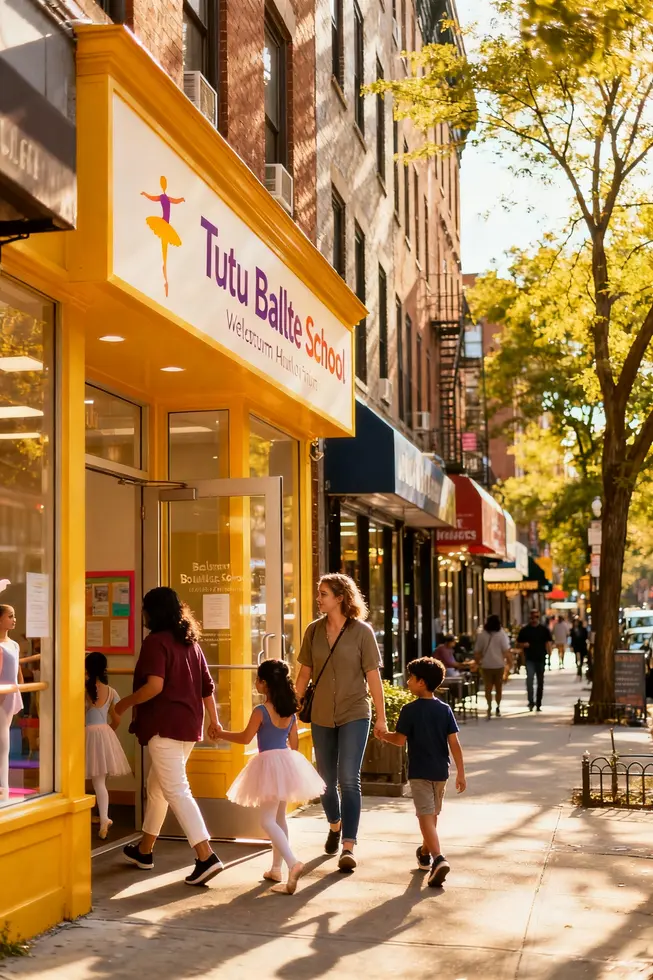
The accessibility of Tutu Ballet Schools, located in diverse areas such as Sherman Oaks, Laguna Niguel, and Boerum Hill, is shaped by a variety of socioeconomic factors that influence both the potential enrollment of students and their overall participation in ballet education. While Tutu School strives to offer a unique and engaging introduction to ballet through imaginative classes and creative storytelling, the locations selected for these schools reveal a trend that may limit access for certain demographics, particularly those from lower-income families.
Nestled in urban and suburban shopping centers positioned conveniently near major highways, these ballet schools inherently cater to families with the means of reliable transportation. Each chosen location reflects accessibility priorities—consider for instance, the strategic placement along high-traffic routes such as the 101 and 405 in Sherman Oaks, which facilitates car-dependent commuting. These areas tend to serve middle- to upper-income families, thus resulting in indirect barriers faced by lower-income groups who may not possess personal vehicles or who reside distantly from these schools. The median household incomes in these areas, approximately $100,000 in Sherman Oaks and around $120,000 in Laguna Niguel, further underscore the socioeconomic divide that may hinder broader access to ballet education.
In neighborhoods experiencing gentrification, such as Boerum Hill in Brooklyn, where property values are surging, Tutu School caters predominantly to families belonging to higher socioeconomic brackets. It is important to recognize that ballet education, particularly programs that require significant financial investment for classes, costumes, and participation fees, often primes individuals in economically stable positions for success in these activities. This is further complicated by the indirect costs associated with ballet education, including transportation expenses or childcare needs for siblings, resulting in greater logistical challenges for families with limited resources.
Although there is no direct data linking socioeconomic metrics to specific enrollment barriers at Tutu Schools, the discernible trends in location selection suggest that Tutu Ballet School’s outreach may unintentionally favor privileged demographics over underrepresented communities. This phenomenon aligns with broader trends within youth arts education, often showcasing disparities that favor those who can most afford participation.
There are public transit options available near some locations, but they are less emphasized compared to the facilities provided for car access. Many families may depend on private cars for convenience, not only to transport their children to lessons but also to navigate between other daily activities. As public transportation systems can be cumbersome and time-consuming, especially in urban areas, families from lower-income backgrounds might find it exceedingly challenging to partake in educational opportunities at Tutu Schools, even when interest in ballet exists. Access does not only involve physical proximity; it encompasses a spectrum of logistical considerations that collectively determine a family’s ability to participate in artistic endeavors such as ballet.
Furthermore, the cultural implications associated with ballet education often intersect with socioeconomic status. Ballet has historically been formatted into a highly structured art form perceived as elite or exclusive, influenced by community engagement and funding that often correlate with wealthier neighborhoods. This cultural backdrop creates a hesitance among families who may question if ballet is a worthy investment, particularly when resources are stretched thin. The narrative that spins around ballet education becomes one not solely of passion and creativity but also of choice constrained by resources.
In a nationwide context, accessibility to arts programs—including ballet—frequently mirrors social stratification, wherein affluent communities reap the benefits of funding and infrastructure, while underserved populations continue to face challenges to participation. Tutu School’s operational strategy should consider these industry-wide issues as a part of ongoing dialogue about how best to foster a unique and welcoming environment for all aspiring dancers, regardless of their socioeconomic background.
Creative initiatives may help counterthese challenges: for instance, sliding scale fees, scholarship opportunities, community partnerships, and transportation assistance could alleviate financial burdens. Addressing transportation issues on an institutional level can also serve to bridge the gap, allowing greater flexibility for families relying on public transit. Additionally, integrating outreach programs that engage with schools in lower-income areas can create pathways for children to experience the joys of ballet without the barriers typically constructed by cost and convenience.
Ultimately, exploring the socioeconomic intricacies surrounding Tutu Ballet School locations leads us to a more comprehensive understanding of ballet as a discipline—one that encompasses not only the artistry of movement but also the deep-rooted systemic issues that define who gets to participate. While students and families are drawn to the engaging and story-driven classes offered by Tutu School, it’s essential to recognize the weight these socioeconomic factors carry, informing their experiences and shaping the narrative of ballet education in contemporary society.
Tutu School represents more than an educational establishment; it is a portal into the world of ballet for many children, often illuminating paths to lifelong passion for dance. However, the conversation must expand to consider how differing levels of access influence who walks through the studio doors and how varying socioeconomic backgrounds color each dancer’s experience. Fostering greater inclusivity within ballet education can empower future generations to experience the joy and discipline of dance, making the art form more accessible to all. This conversation is essential, especially as institutions such as Tutu School navigate the future of ballet education in a diversifying cultural landscape, one that champions participation for all students.
As ballet continues to evolve, initiatives that focus on inclusivity and accessibility must be prioritized to ensure that no child is left behind in the pursuit of pursuing their dreams—a goal that is fundamentally intrinsic to the ethos of Tutu Ballet School itself.
For aspiring young dancers, the journey begins with educational experiences that open up a world of creativity and expression, eventually blossoming into lives enriched by the art form. By acknowledging and addressing the socioeconomic factors defining accessibility, organizations can truly make a meaningful impact in shaping who will dance to the music of tomorrow.
Chapter 3: Fostering Physical and Creative Growth Through Ballet Education
1. Movement, Imagination, and Early Learning: The Transformative Role of Tutu Ballet School
Tutu Ballet School stands out as a nurturing environment where young children embark on a journey of growth through engaging ballet classes that blend physical activity with imaginative play. Beginning as early as 6 months old, children are introduced to Baby Ballet, where they are enveloped in a world of music, stories, and expressive movement. This early engagement lays the foundation for developing essential motor skills and fostering creativity, crucial components of early childhood development.
The curriculum emphasizes a carefully constructed progression tailored to cater to the specific developmental stages of children. For instance, babies in Baby Ballet are first introduced to fundamental movements that help them explore their bodies with increased confidence. As they transition into Tutu Toddlers around 18 months, the classes gradually introduce them to more complex movements, enhancing their gross motor skills. These foundational classes focus on basic techniques such as jumping, turning, and swaying, which are not just playful activities; they are pivotal in aiding children to refine their coordination, balance, and spatial awareness.
Motor skills development is at the heart of Tutu Ballet School’s philosophy. Through a series of playful activities, young dancers engage in movements that challenge their bodies physically and mentally. The variety of movements, including twirls, jumps, and dances reflecting seasonal themes, allows the children to discover their physical capabilities in a safe and supportive environment. The emphasis on movement-based learning empowers children to develop both gross motor skills—involving larger movements requiring coordination and strength—and fine motor skills that involve smaller, precise tasks.
Gross motor skills are honed during the classes as children participate in structured activities that require them to navigate their space effectively. Jumping helps develop leg strength, while turning enhances balance and spatial orientation. Introducing these fundamental movements to children at a young age not only prepares them for more advanced physical activities but also fosters their overall confidence in movement.
Similarly, fine motor skills are enhanced through activities that involve delicate hand movements. The introduction of sparkle fingers, a concept employed by Tutu Ballet School where children use their fingers expressively as part of their movement, encourages coordination and dexterity. This emphasis on precision gives children the groundwork needed for future learning, helping them gain control over their body movements as they grow.
In addition to developing motor skills, Tutu Ballet School champions creativity as a core component of its curriculum. The classes are distinctly narrative-driven, allowing children to delve into a world of dance that not only teaches them the mechanics of ballet but also encourages them to express their thoughts and emotions through movement. This playful and imaginative approach taps into children’s natural propensity for storytelling, igniting their imaginations and allowing them to explore diverse characters and settings.
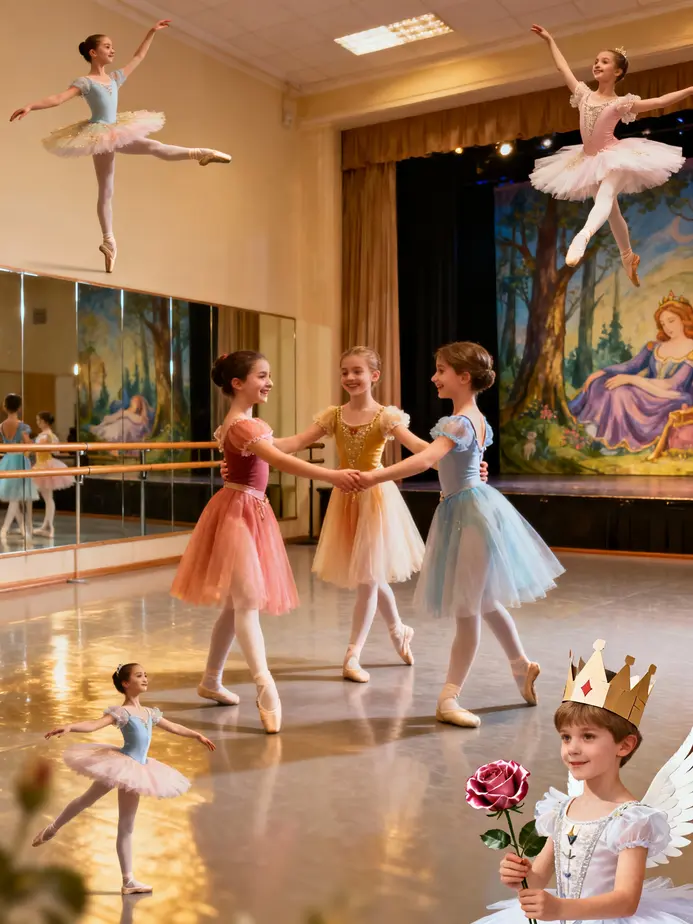
Movement is transformed into a tool for expression, enabling children to embody different roles—from graceful fairies to jubilant animals—all while practicing their dance moves. The creative narratives behind these classes cultivate a sense of wonder, urging children to visualize scenarios and to bring them to life through dance. In doing so, Tutu Ballet School helps children build cognitive skills alongside physical development. The process of imagining and creating stories not only contributes to their artistic growth but also enhances their ability to think critically and solve problems.
Music and rhythm also play a significant role in nurturing creativity. Each lesson at Tutu incorporates songs and soundscapes that children respond to with movement. This subtle integration of music into their ballet training instills a rhythmical awareness in the children, helping them connect their movements to the beat and flow of different melodies. As they express themselves freely to the music, they develop an inherent understanding of timing, which is crucial for their growth both as dancers and as adaptable learners in any context.
Research concerning early childhood education indicates that activities combining physical exercise with creative expression significantly enhance cognitive skills and overall child development. Engagement in structured dance programs like those at Tutu Ballet School has been shown to improve attention, spatial awareness, and even social skills. Although specific studies on Tutu Ballet School are limited, similar dance curricula have proven effective in nurturing both the body and mind. Children not only engage with their peers but also learn self-discipline and focus through choreographed sequences, cultivating traits that contribute positively to their educational experience in broader settings.
Furthermore, the accessibility of Tutu Ballet School, with locations throughout various neighborhoods, reflects a commitment to giving children the opportunity to participate in such transformative experiences. Each class serves as an introduction not only to the art of ballet but also to the joy of physical activity, creativity, and social interaction. Availability of free trial classes extends an invitation for families to explore these enriching experiences without initial commitment, allowing children to discover ballet in a way that feels organic and fun.
Participation in Tutu Ballet School’s programs thus becomes more than just learning how to dance; it shapes children’s lives by providing essential building blocks for their future development. Motor skills, imaginative expression, cognitive growth, and social engagement all intertwine in the dance space, creating opportunities for children to thrive holistically. As they pirouette across the floor, the learning they engage in reflects a delicate dance that melds play with education, laying a foundation for a lifelong appreciation of both movement and creativity.
Considering the profound impact of Tutu Ballet School’s nurturing environment on early development, it is evident that offering children such enriching, story-driven experiences will have lasting implications. From enhancing physical abilities and creative skills to encouraging social interaction, Tutu Ballet School is instrumental in sculpting confident and imaginative young dancers, who will carry the love of ballet—and its accompanying benefits—into their futures.
2. Elevating Connection and Expression: How Tutu Ballet School Cultivates Social-Emotional Skills in Young Dancers
The art of dance, particularly for young children, transcends beyond the mere technique of movement; it becomes a vessel for social-emotional learning, a foundational element in child development. At Tutu Ballet School, this holistic approach is vividly illustrated in their story-driven ballet classes, catering to children from as young as six months up to eight years of age. The school’s focus on imaginative expression not only introduces ballet as an art form but also serves as an early intervention for fostering critical social-emotional skills that prepare children for future experiences.
Tutu Ballet School’s curriculum is thoughtfully designed to immerse young dancers in creatively immersive worlds where they can explore their bodies and emotions through dance. For instance, classes like Baby Ballet encourage infants to connect with their caregivers while engaging in movements that stimulate sensory experiences. This class format provides a unique opportunity for bonding as caregivers guide their babies through gentle exercises that spark joy and laughter, laying the groundwork for emotional security and trust.
Transitioning into classes like Tutu Toddlers, aimed at children from 18 months, we see an evolution in the learning environment. Here, storytelling integrates with physical movement, enabling toddlers to express their imaginations through dance. The instructors curate narratives that correlate with the movements of the class, such as twirls resembling flower petals in the spring wind, which helps enhance linguistic development, empathy, and an understanding of social cues. Children engage not only in movement but also learn to share their interpretations with peers, promoting communication and cooperative play.
As children continue to grow and advance to pre-ballet classes, they encounter new challenges that further develop their social-emotional skill sets. The activities in these classes often include structured group work, enabling children to cultivate peer relationships and navigate social dynamics. They learn to follow instructions and engage in teamwork, as they collaborate in group routines based on seasonal themes, like a winter ballet that evokes images of snowflakes. This aspect of their education reinforces skills like patience, perseverance, and resilience, as they share ideas, adapt to feedback, and celebrate each other’s successes during performances.
Research in early childhood education aligns with Tutu Ballet School’s philosophy. Numerous studies underscore the importance of movement-based learning in fostering self-confidence, discipline, and emotional intelligence. Institutions comparable to Tutu School, such as Berkeley Ballet Theater and East Bay Dance Center, similarly highlight how dance can build a child’s capacity for self-expression and connection with others. In dance, children learn more than just steps; they learn to recognize and manage their own feelings while also understanding how those feelings manifest in others.
While specific quantitative studies linking Tutu Ballet School to measurable outcomes in social-emotional growth like empathy and resilience are not explicitly prevalent, existing research clearly indicates that rhythmic play and group activities have profound positive effects on young children. For instance, research has shown that when children participate in dance, they develop a stronger sense of body awareness and emotional regulation. Tutu School embraces techniques such as creative movement explorations and storytelling, both of which support these developmental milestones. By using dance as a conduit for emotional expression, instructors naturally create a supportive environment where children can feel safe to explore their identities and emotions.
In our rapidly changing world, there is an increasing urgency to equip children with social-emotional skills. Skills such as the ability to empathize and manage one’s emotions are critical for navigating life’s challenges. Tutu Ballet School recognizes this need and incorporates these crucial elements into their curricula, fostering a nurturing space where young dancers can explore and cultivate their feelings through the freedom of movement.
Through their engaging classes, Tutu School doesn’t just teach ballet; they teach children about connection, collaboration, and community. The emphasis on storytelling facilitates social understanding, as children learn to empathize with characters and experiences beyond their own. This imaginative approach encourages young dancers to think critically about their emotions and the emotions of others, fostering a sense of community and support among their peers.
Additionally, free trial classes offered at various locations, such as Boerum Hill in New York and Rancho Cucamonga, provide families an opportunity to explore Tutu School’s unique approach without commitment. This accessibility invites more families to engage in a creative community that promotes not just physical development but holistic emotional growth. Feedback from parents highlights how their children not only become more confident dancers but also learn valuable life skills like resilience and effective communication.
As we delve into the future, the importance of early social-emotional education becomes increasingly irrefutable. The growing body of knowledge advocating for the integration of dance into early learning programs aligns perfectly with Tutu Ballet School’s mission. Children who are nurtured in environments that prioritize creativity and self-expression are better positioned to develop social-emotional skills that will benefit them in schooling, relationships, and beyond.
In conclusion, Tutu Ballet School serves as a prime exemplar of how dance education can cultivate essential life skills in young children. Their imaginative, story-driven curriculum not only promotes a love for ballet but instills critical social-emotional competencies, enabling children to thrive both on and off the dance floor. As the children twirl and leap, they are not just embracing the joy of movement but also embarking on a journey of personal and social discovery that will echo throughout their lives.
Final thoughts
Tutu Ballet School stands at the forefront of early childhood ballet education, serving as a nurturing environment where children flourish through artistic expression. From the engaging curriculum that integrates creative storytelling to the accessible locations tailored for diverse communities, Tutu Ballet School fosters a love of dance that transcends the classroom. The school’s signature approach not only cultivates essential ballet skills but also supports children’s overall development—enhancing their physical capabilities, social interactions, and emotional well-being. Business owners and community leaders stand to gain by recognizing and supporting such institutions that play a pivotal role in shaping the future of our young ones. Investing in such creative learning spaces like Tutu Ballet School is a step toward a healthier, more expressive society.
Elevate your dance with premium, comfortable balletwear from luneballet.com! Designed for grace and performance, our pieces blend quality fabrics and timeless style. Whether you’re a beginner or a pro, shop now to find your perfect fit—step into confidence, express your art, and shine on stage. Explore our collection today!
About us
At luneballet.com, we’re passionate about crafting exceptional balletwear for dancers of all levels. With a focus on quality, comfort, and elegant design, we produce pieces that support movement and inspire confidence. Our mission is to provide reliable, stylish dancewear that helps you embrace your passion and perform at your best.